
Small Clues That Deserve Attention
Without getting into all the nitty-gritty details, the long and short of it is that iron helps your body produce hemoglobin, which allows red blood cells to carry oxygen where it’s needed. So, when your iron runs low, the changes may be subtle at first, and it’s easy to blame them on stress, but they wreak more havoc than you think. Though these symptoms don’t automatically mean you have an iron deficiency, persistent problems are worth looking into, and we’re here to break a few down.
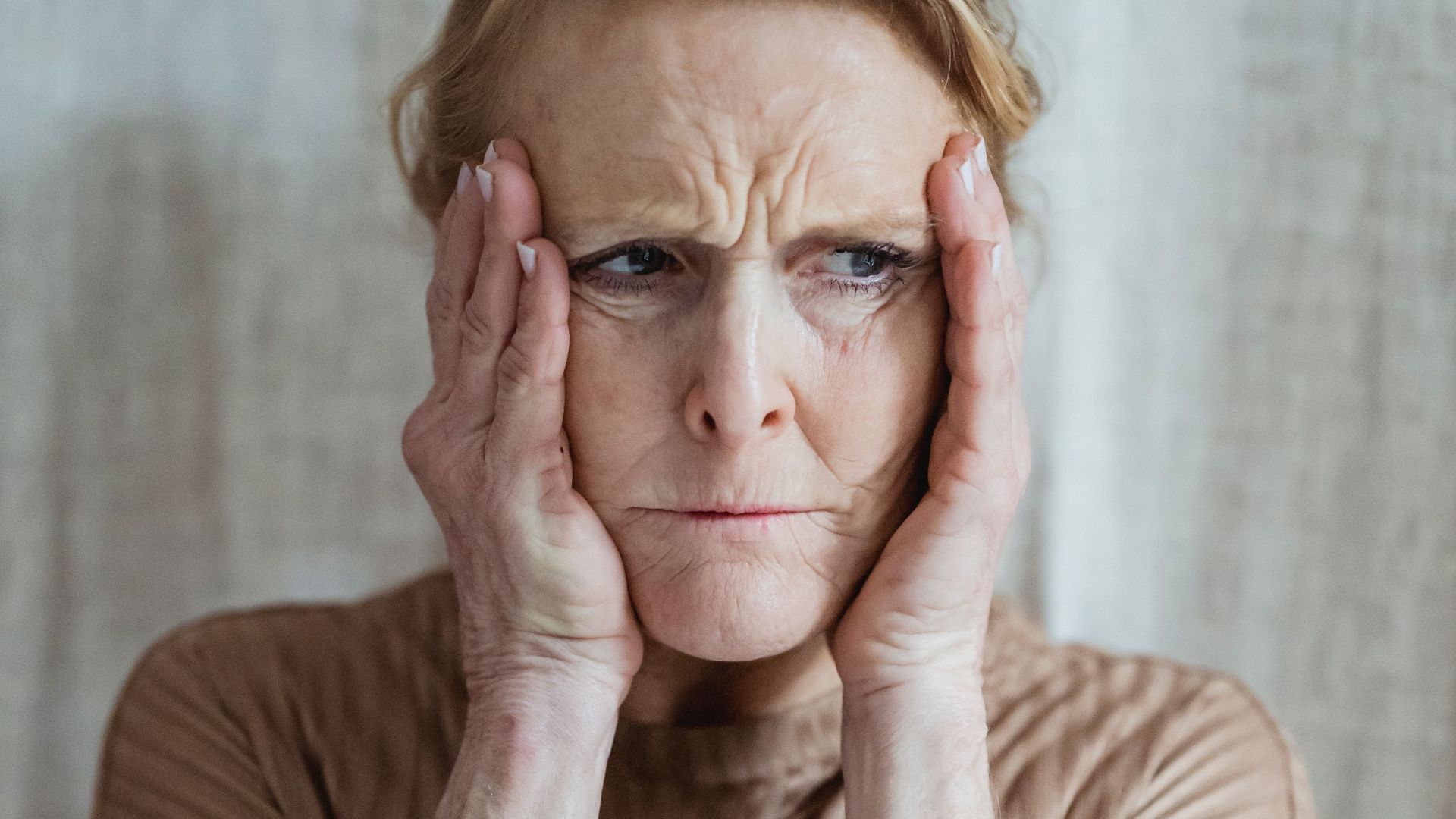
1. You’re Tired Even After Sleeping Well
A full night’s sleep should leave you refreshed, not ready to crawl back into bed after breakfast. Low iron can reduce the amount of oxygen reaching your tissues, making your everyday responsibilities even more demanding. You might even notice that grocery shopping or getting dressed uses more energy than it once did.
2. Climbing Stairs Leaves You Breathless
Walking up one flight of stairs may suddenly require a pause at the top, even though it never did before. Depending on the context, that isn’t always something to worry about, but shortness of breath can develop when your body tries to compensate for reduced oxygen delivery. It’s especially important to see your doctor when this change is new or happens during light activity.

3. Your Heart Seems to Race
Does your heart pound after carrying laundry? How about after walking to the mailbox or just standing up? That’s worth paying attention to. When hemoglobin levels are low, the heart sometimes works harder to circulate oxygen around the body.
4. You Keep Getting Lightheaded
Standing up from the couch shouldn’t turn the room into a kaleidoscope. Dizziness or lightheadedness can occur when the brain isn’t receiving as much oxygen-rich blood as it needs, and it’s more dangerous if it’s paired with frequent episodes, fainting, or chest discomfort.
5. Your Skin Looks Pale
Pale skin is just how some of us are hardwired, but low hemoglobin can sometimes make the complexion less rosy. Look at the details, not just the bigger picture; paleness can also appear inside the lower eyelids, along the gums, or beneath the fingernails. Comparing your appearance with older photographs can sometimes reveal a gradual change you might have otherwise missed.

6. Your Hands and Feet Are Always Cold
Cold fingers are par for the course in January, but chilly extremities during comfortable weather deserve a closer look. Poor oxygen delivery and changes in circulation can sometimes go hand-in-hand with iron-deficiency anemia. It’s worth noting if you’re the only one wearing thick socks in 80-degree heat.

7. Headaches Are More Frequent
Occasional headaches happen to everyone, but a new pattern could mean something else entirely. Low iron can contribute to headaches when the brain gets less oxygen and blood vessels respond to compensate. Do yourself a solid and keep track of when the pain occurs; that diary can help your doctor consider iron deficiency alongside other causes.

8. You’re Craving Ice
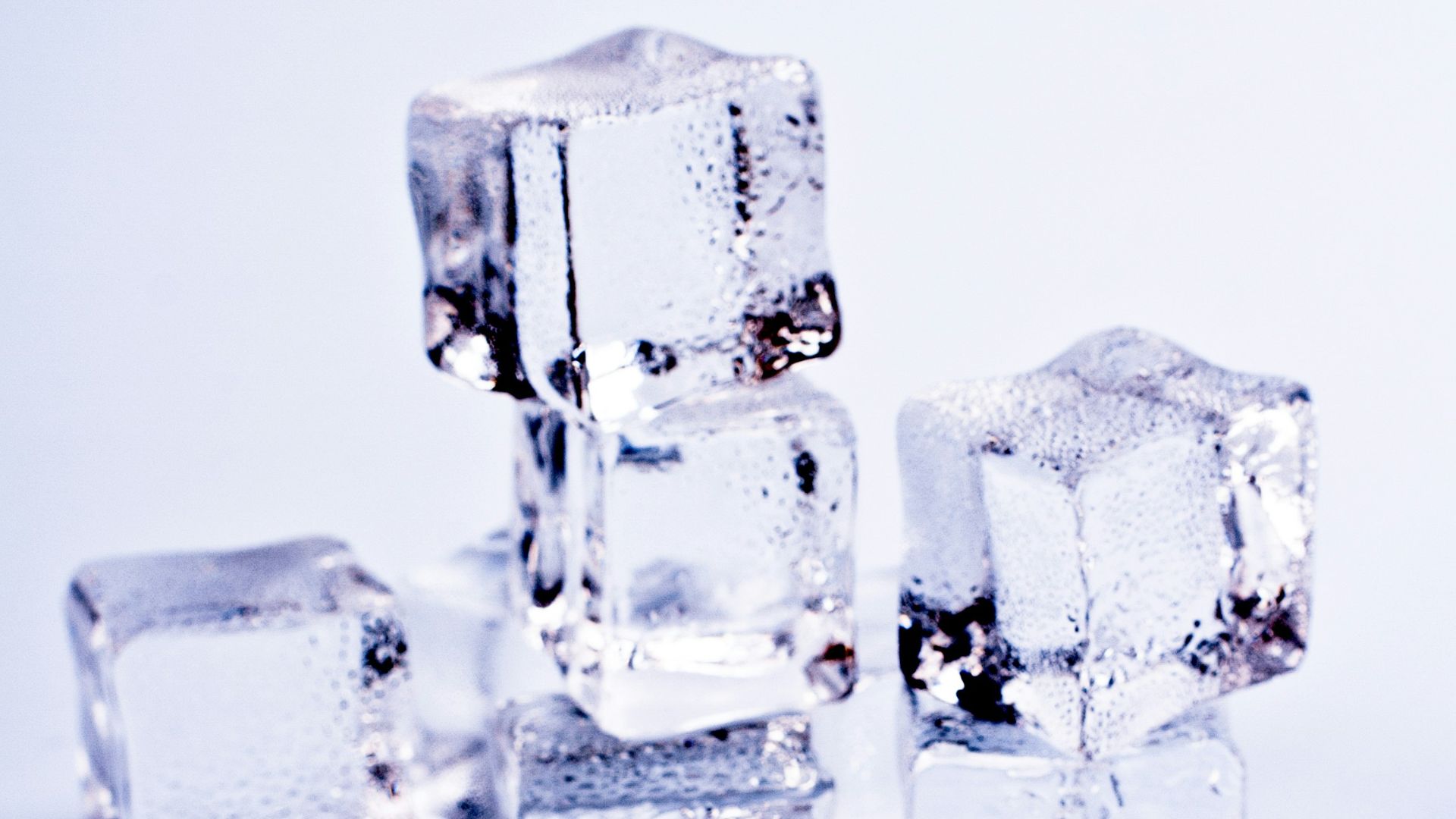
People chomp on ice all the time (though it’s not exactly encouraged), so it’s easy to dismiss this as a regular occurrence. However, regularly craving it is more than an unusual preference. This behavior is a form of pica, which involves craving substances with little or no nutritional value and is strongly associated with iron deficiency.
9. Nonfood Items Suddenly Seem Appealing
In more serious cases, iron deficiency can also produce cravings for dirt, clay, chalk, or other things that aren’t food. These urges shouldn’t be dismissed as harmless, either; swallowing nonfood materials won’t do you any good, and may expose you to toxins, infections, or intestinal problems.

10. Your Nails Break
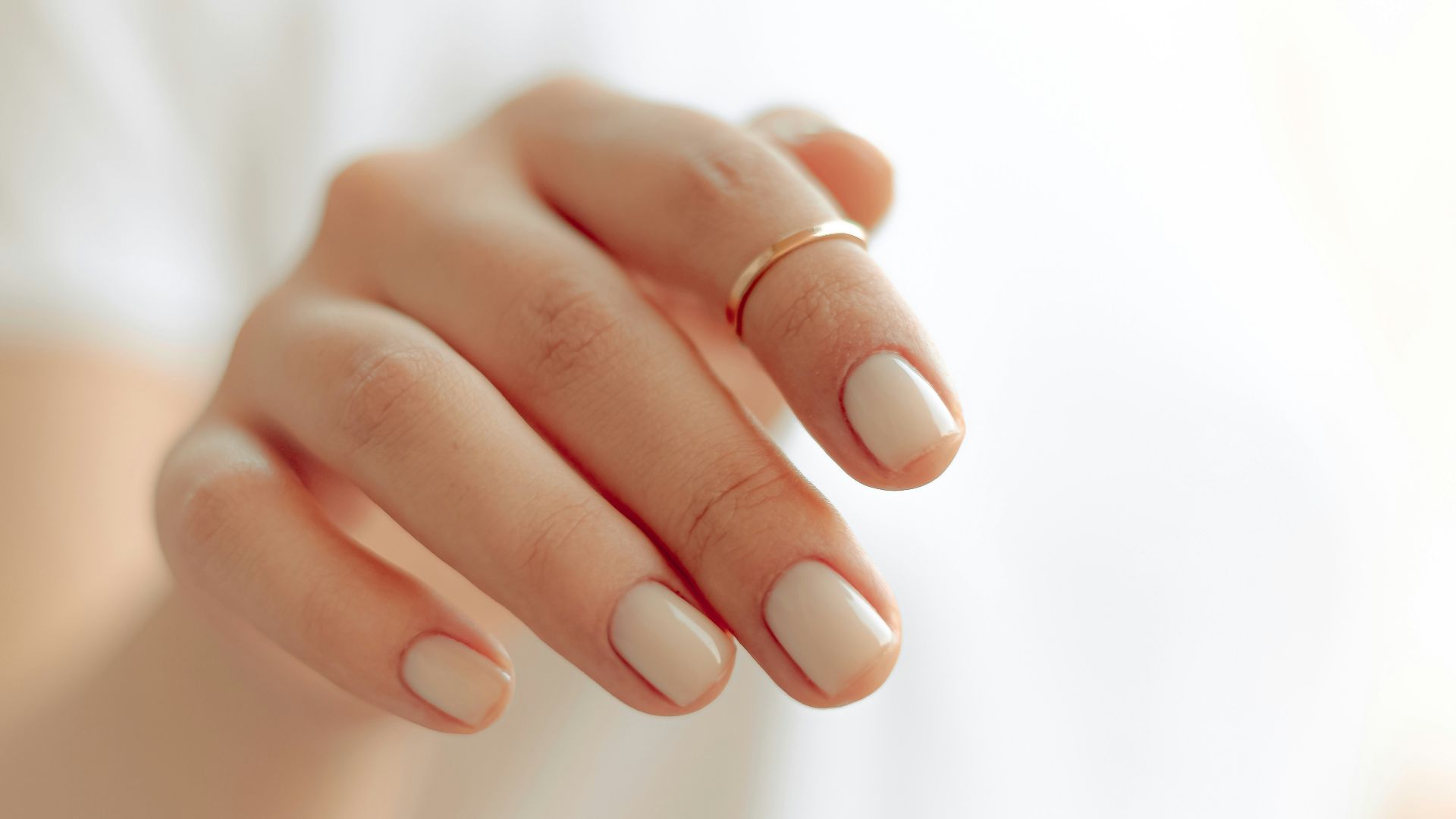
Fingernails that once felt strong may begin splitting or snapping during simple tasks. More advanced iron deficiency can sometimes even cause spoon-shaped nails to curve upward in the center. Testing matters here, especially since nail changes can also result from frequent handwashing, harsh chemicals, and thyroid disorders.
11. You’re Losing More Hair Than Normal
Finding a few hairs in the shower is to be expected—even if we wish it wasn’t! Noticeably heavier shedding, however, may indicate that something has changed. When iron stores are insufficient, the body may direct its limited resources toward essential functions rather than hair growth.

12. Your Tongue Feels Sore
A tender or swollen tongue is usually pretty easy to spot. It can make eating spicy or acidic foods uncomfortable, and it sometimes comes from iron deficiency. Low levels can affect the tissues in the mouth, sometimes causing soreness around the tongue and cracks at the corners of the lips.

13. Your Legs Won’t Settle
There’s nothing worse than an uncomfortable need to move your legs when you’re trying to sleep. Restless legs syndrome can feel like all kinds of unpleasant sensations, too, such as crawling, pulling, or an internal restlessness. Low iron isn’t responsible for every case, but iron levels are commonly investigated when these sensations keep popping up.
14. Workouts Feel Unusually Difficult
Your familiar walking route may suddenly seem harder despite no major change in your routine. You know your body, so keep an eye on any changes. Remember that muscles need adequate oxygen to perform and recover, so low iron can reduce endurance and make fatigue arrive sooner.

15. You’re Struggling to Concentrate
Brain fog is hardly uncommon, but it’s another thing entirely to struggle with everyday tasks. Low iron can sometimes leave you rereading the same email or losing track of conversations. The brain relies on a steady oxygen supply, so insufficient iron can contribute to problems with mental clarity.

16. You Feel Weak During Basic Tasks
It’s usually not a big deal if you can’t open a stubborn jar—but struggling to carry groceries is usually a broader loss of strength. Weakness associated with iron deficiency can affect even the most normal of activities. In these cases, people describe their arms and legs as unusually heavy rather than painful.

17. You’re More Irritable
Physical exhaustion can shorten anyone’s patience, and low iron contributes to mood changes. Minor inconveniences might feel harder to manage. Family members may notice that you’re tense. Either way, irritability alone doesn’t identify a deficiency, but it becomes more relevant when it appears alongside other symptoms.

18. Your Appetite Has Dropped
Some people with iron-deficiency anemia lose interest in meals, although this usually happens more in children. That said, an adult may start skipping breakfast or feeling satisfied after only a few bites. Because poor appetite can further reduce nutrient intake, any lingering change should always be brought up to your healthcare provider.

19. Your Ears Hear Your Heartbeat
A rhythmic thumping that matches your pulse is known as pulsatile tinnitus. It might freak you out at first, and understandably so, but one of the biggest causes could be anemia. This symptom needs medical care; it may also be connected to blood vessel conditions, high blood pressure, or other health concerns.
20. Everyday Symptoms Appear Together
One problem may have a simple explanation, but a cluster of them is harder to brush aside. Doctors evaluate possible iron deficiency using blood work and testing, two things you won’t have access to if you skip an appointment. Don’t begin high-dose iron supplements on your own, either—excess iron can be harmful, and the underlying cause of low levels may also need other treatment.