Why Alter The Nectar Of Life?
Water has become the starting point for nearly every wellness trend around. People mix in electrolyte packets, vitamin powders, flavor drops, vinegar, citrus juice, herbs, caffeine, and plenty of other extras that promise to make hydration more effective. Some of those additions do have a purpose, such as long workouts, heavy sweating, illness, or treatment for a diagnosed deficiency. For ordinary daily hydration, though, plain water usually does exactly what your body needs without bringing sugar, acid, stimulants, or extra nutrients along for the ride. These 20 reasons may convince you to give your next glass of water a well-earned break from all the add-ins.
1. Plain Water Already Hydrates You
Your body doesn’t need water to be activated, alkalized, infused, or mixed with anything before it can use it. Plain water helps control body temperature, protect tissues, support your joints, remove waste, and prevent dehydration. It manages all of that without calories, sweeteners, acids, stimulants, or a long ingredient list.

2. Most People Get Electrolytes From Food
Electrolytes such as sodium, potassium, and magnesium are essential, but they’re already found in a normal diet. Unless you’re losing a lot of fluid through a long workout, intense heat, vomiting, or diarrhea, an electrolyte packet will usually provide more minerals than you need at that moment.

3. Short Workouts Usually Need Only Water
Most moderate workouts lasting less than about an hour don’t require a special sports drink. Water is generally enough to replace the fluid you lose during a quick gym session, brisk walk, casual bike ride, or similar activity.

4. Hydration Powders Can Contain Added Sugar
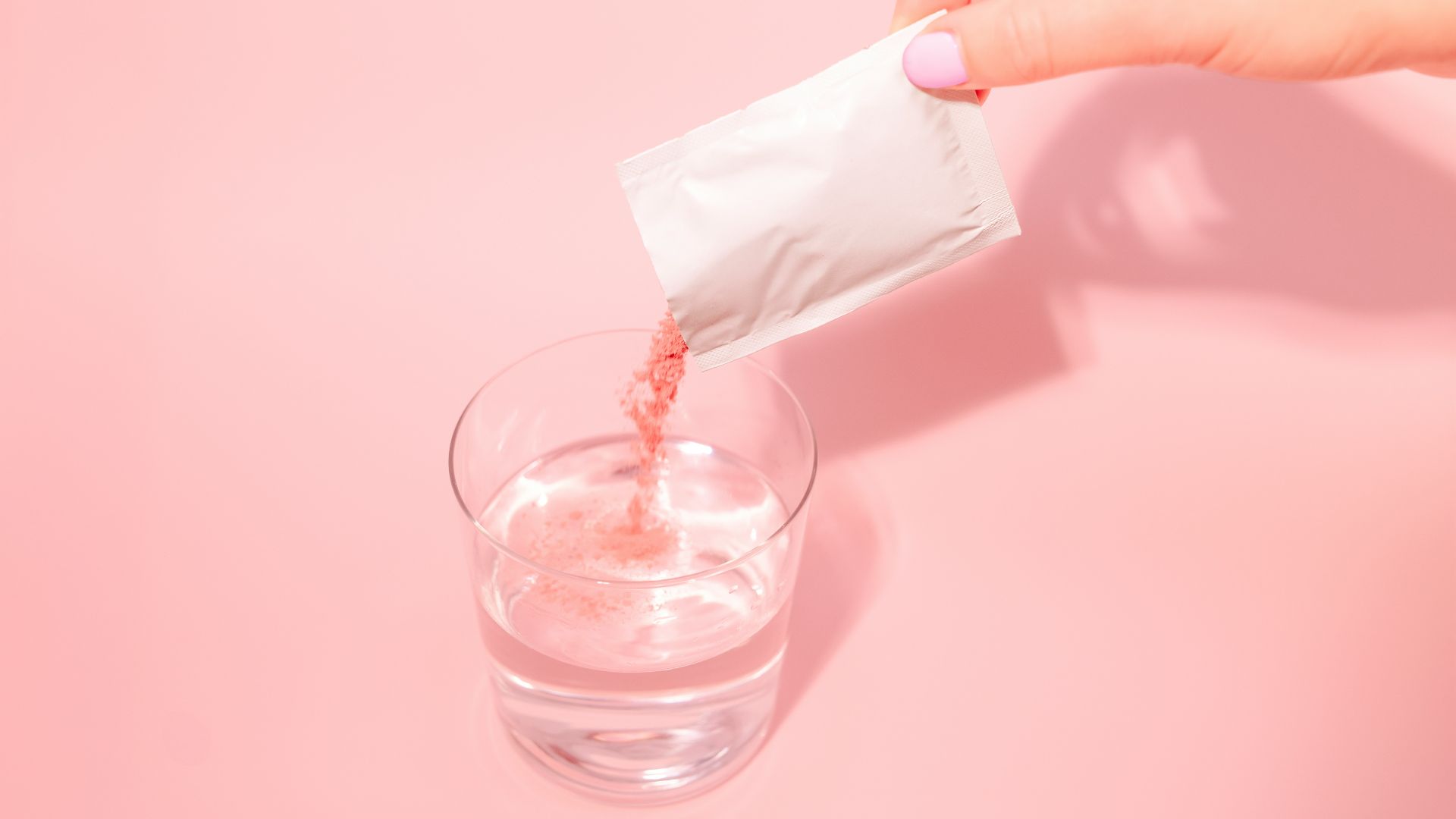
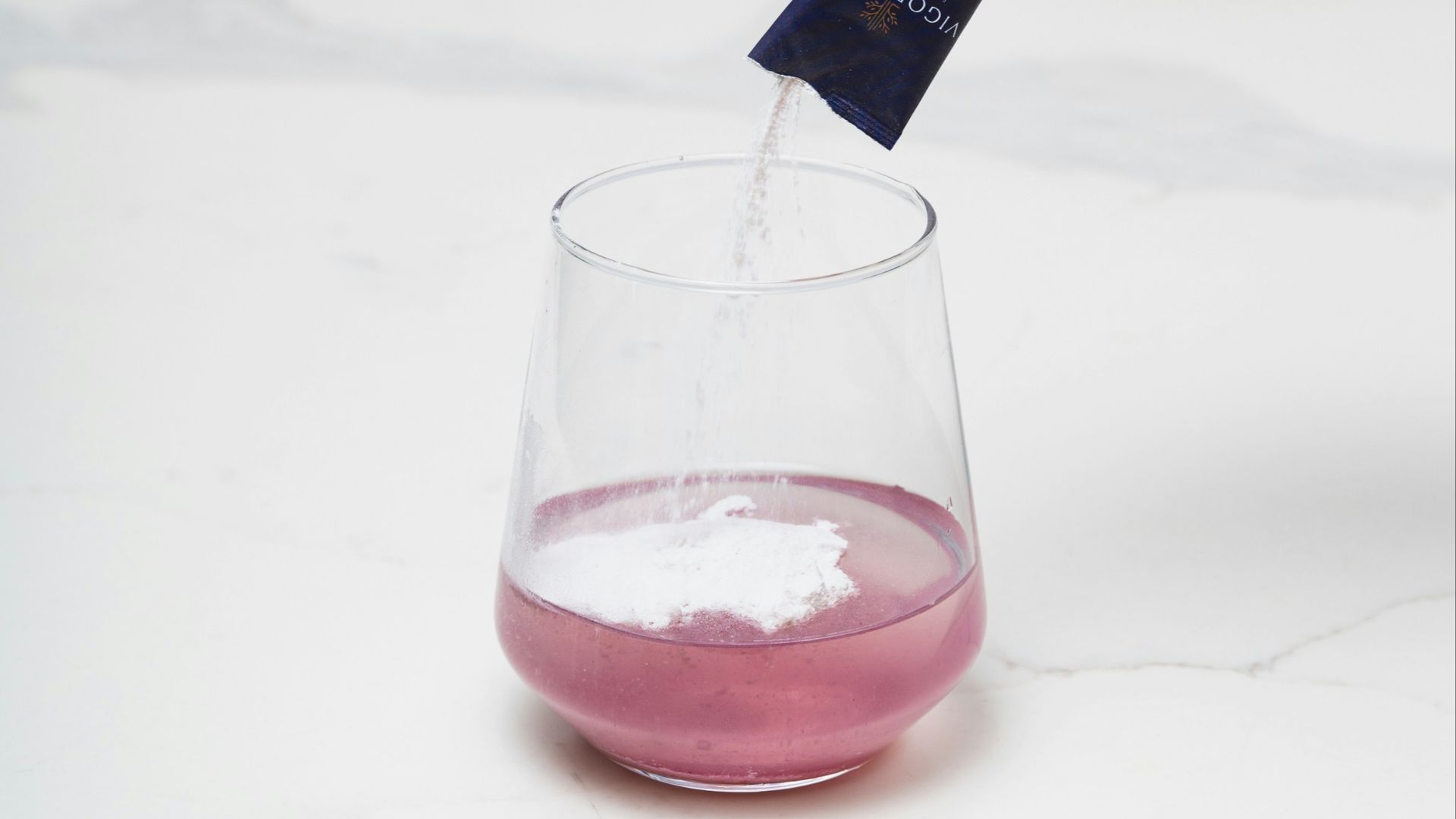
A package covered in fitness language doesn’t guarantee that the product inside is free from added sugar. Some powders, tablets, and concentrates can turn an ordinary bottle of water into a sweetened drink. When you use several servings throughout the day, that sugar can add up much faster than you’d expect.

5. Liquid Calories Are Easy to Miss
Calories in a drink often don’t feel as noticeable as calories from a meal or snack. You may refill your bottle several times without thinking much about what each scoop or squeeze adds. By the end of the day, those sweetened drinks can raise your calorie intake even though you don’t feel like you’ve eaten anything extra.
6. Added Sugar Can Affect Long-Term Health
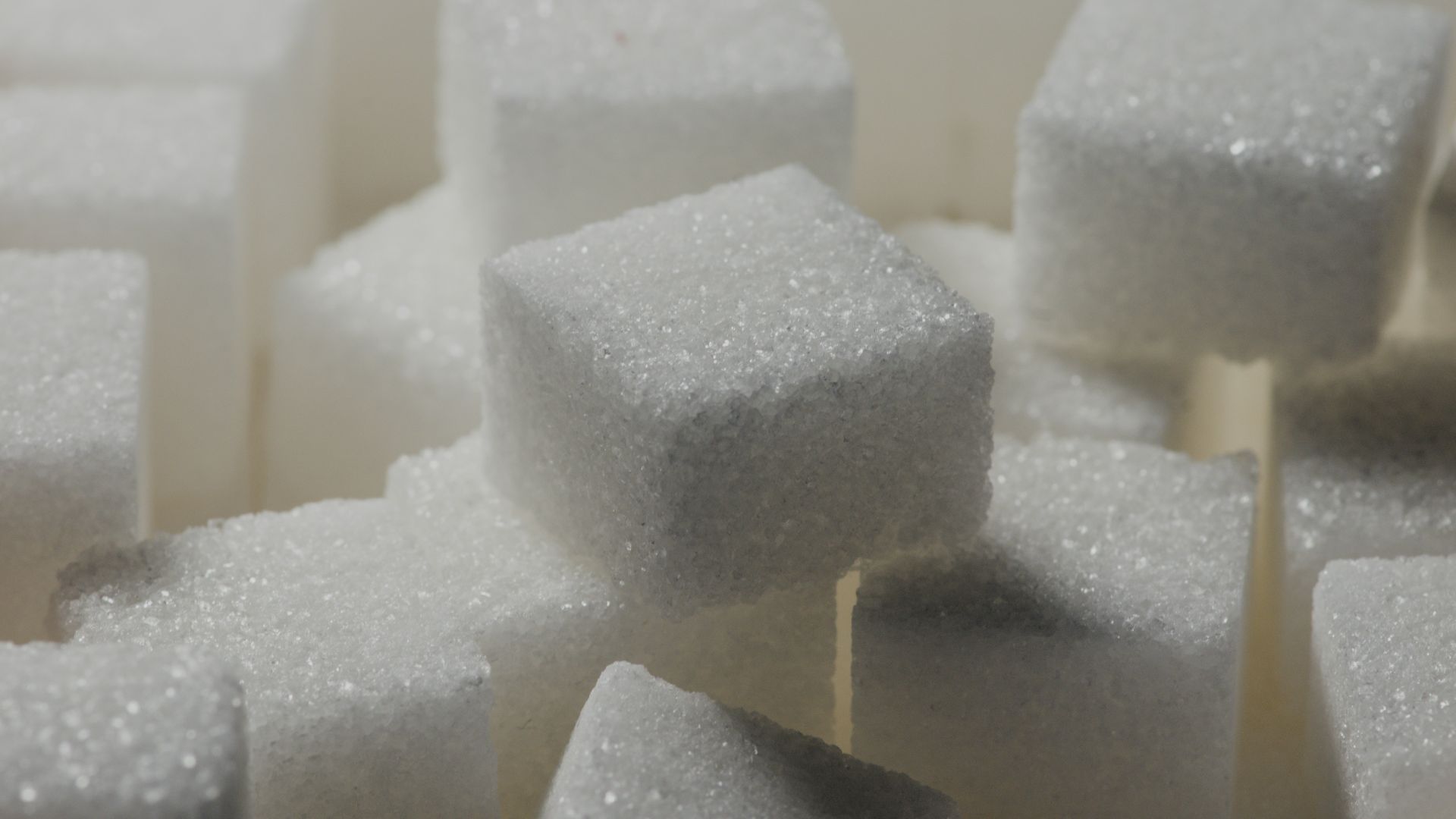
An occasional sweetened drink isn’t the main concern. The bigger problem comes from making added sugar part of every refill, day after day. Regularly consuming too much added sugar can contribute to weight gain and is linked with a higher risk of type 2 diabetes and heart disease.
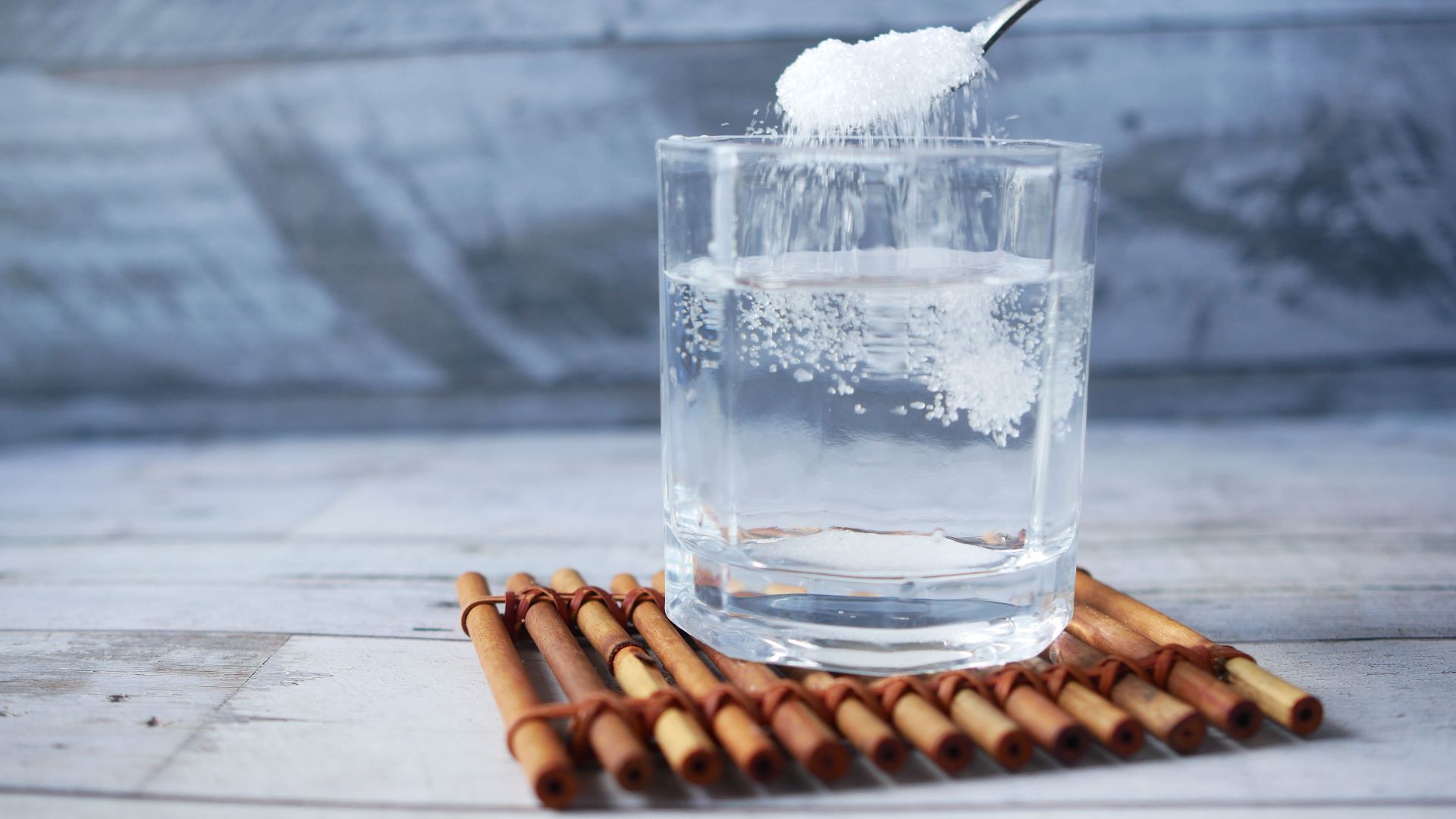
7. Sweetened Water Can Promote Cavities
The bacteria in your mouth use sugar and produce acids that attack your tooth enamel. Slowly sipping sweetened water for hours keeps giving those bacteria more sugar to work with.
8. Acidic Add-Ins Can Erode Enamel
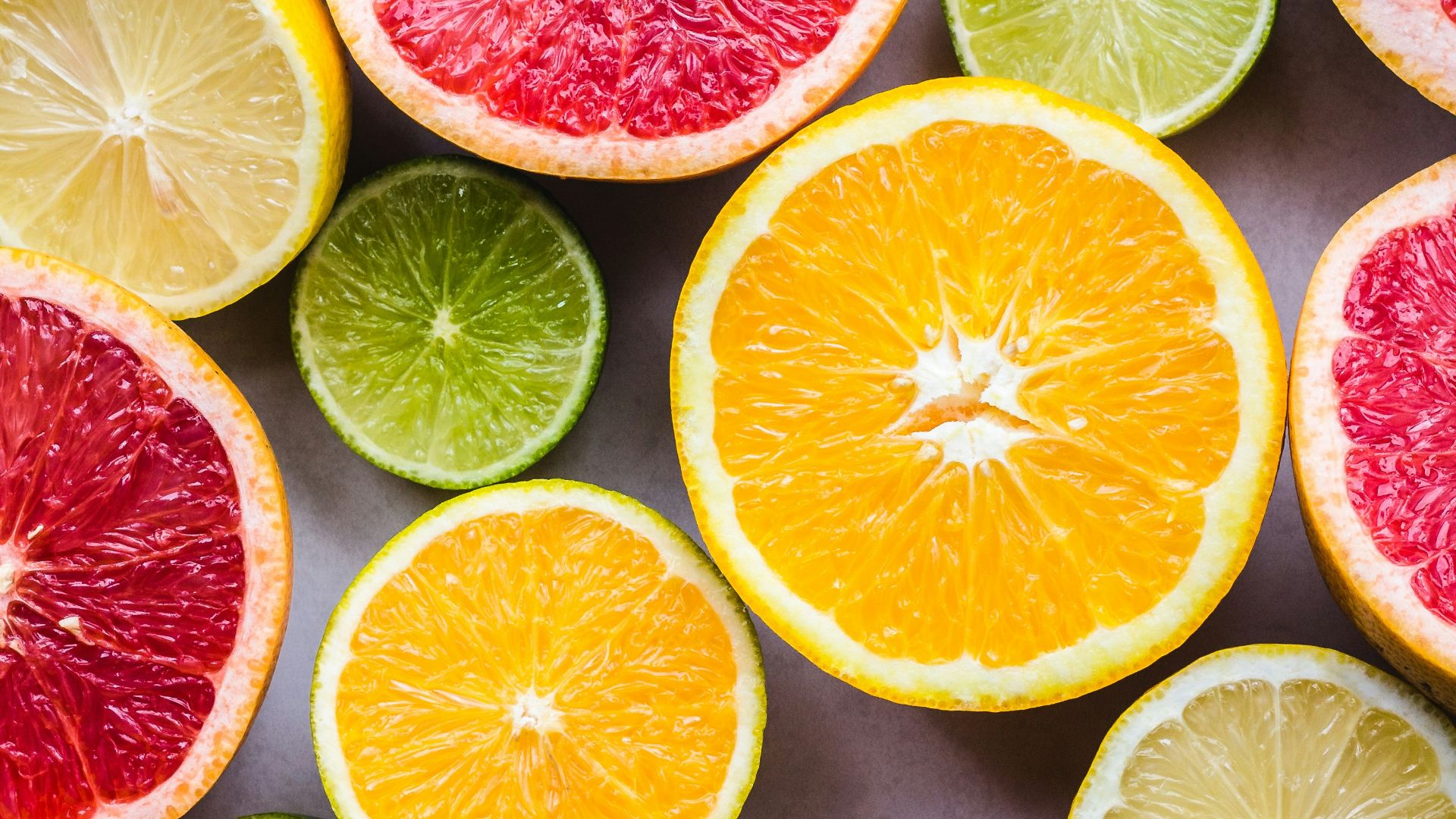
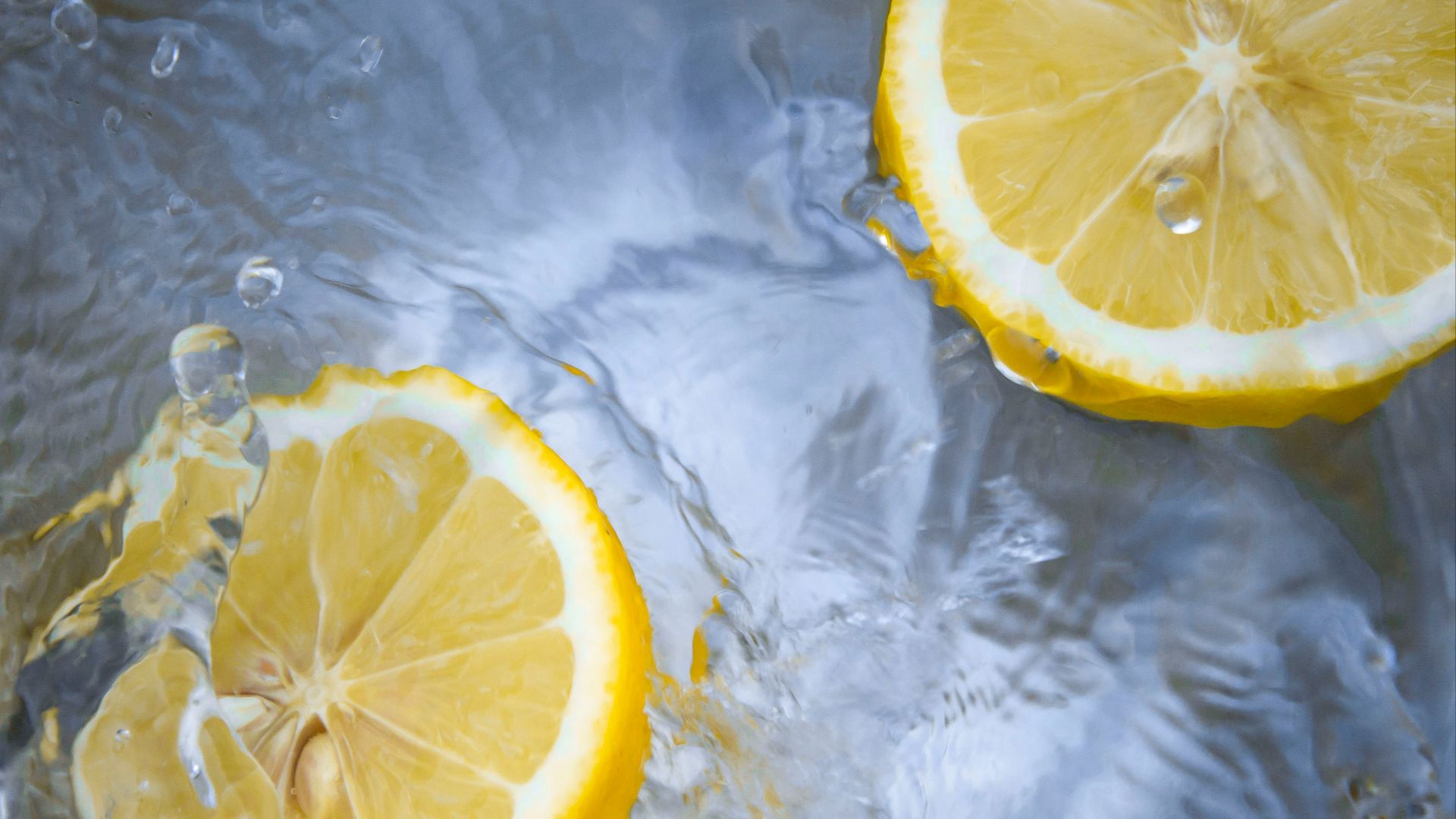
Lemon, lime, vinegar, citrus powders, and some vitamin mixes can make your water more acidic. Frequent contact with acidic drinks can gradually wear away tooth enamel, which may lead to sensitivity and expose the softer material underneath.
9. Constant Sipping Extends Acid Exposure
Drinking lemon water with a meal isn’t the same as carrying a large bottle around for eight hours. Each sip puts acid back in contact with your teeth and keeps the exposure going.
10. Apple Cider Vinegar Isn’t a Weight-Loss Fix
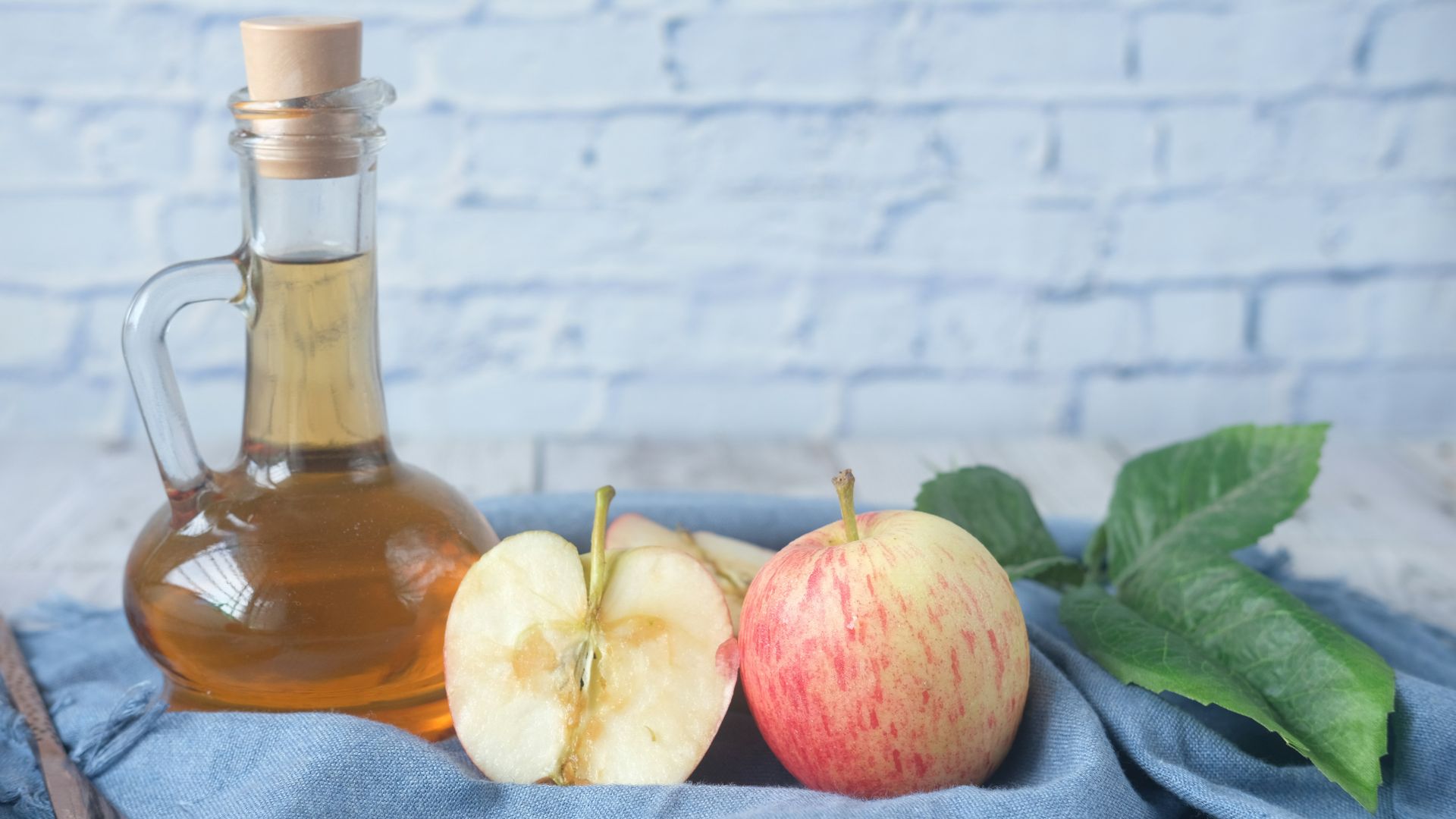
Apple cider vinegar doesn’t produce meaningful, lasting weight loss or dependable appetite control. Drinking it regularly may also irritate your throat, damage tooth enamel, and interact with some medications. It may work nicely in salad dressing or a marinade, but adding it to water doesn’t turn it into a reliable weight-management tool.
11. Sugar-Free Flavoring Isn’t a Weight-Loss Strategy
Non-sugar sweeteners can lower your sugar intake when they replace sweetened drinks. They haven’t proved to be a dependable long-term method for controlling weight, though. A flavor enhancer may help someone enjoy water more, but it doesn’t make the drink a weight-loss product.
12. Magnesium Powder Can Upset Your Stomach
Magnesium is an essential mineral, but supplemental magnesium can cause diarrhea, nausea, and stomach cramps, especially at higher doses. Magnesium may also be present in antacids, laxatives, and other supplements you’re already taking.
13. Vitamin Packets Can Push Intake Too High
Water-soluble vitamins aren’t automatically harmless when you take them in large amounts. High supplemental doses of vitamin C can cause diarrhea, nausea, and stomach cramps. Combining drink mixes with multivitamins and fortified foods can also make it difficult to tell how much you’re getting each day.
 NutraSeller Manufacturing on Unsplash
14. Extra Sodium Can Raise Blood Pressure
Your body needs some sodium, but many people already get plenty from packaged foods and restaurant meals. Regularly adding sodium-heavy electrolyte mixes can increase your overall intake without offering much benefit during a normal day. Too much sodium can raise blood pressure and increase the risk of heart disease and stroke.
15. Added Potassium Can Be Unsafe for Some People
Healthy kidneys usually remove excess potassium, but chronic kidney disease can interfere with that process. Certain medications, including ACE inhibitors, angiotensin receptor blockers, and potassium-sparing diuretics, can also contribute to dangerously high potassium levels in people who are susceptible.
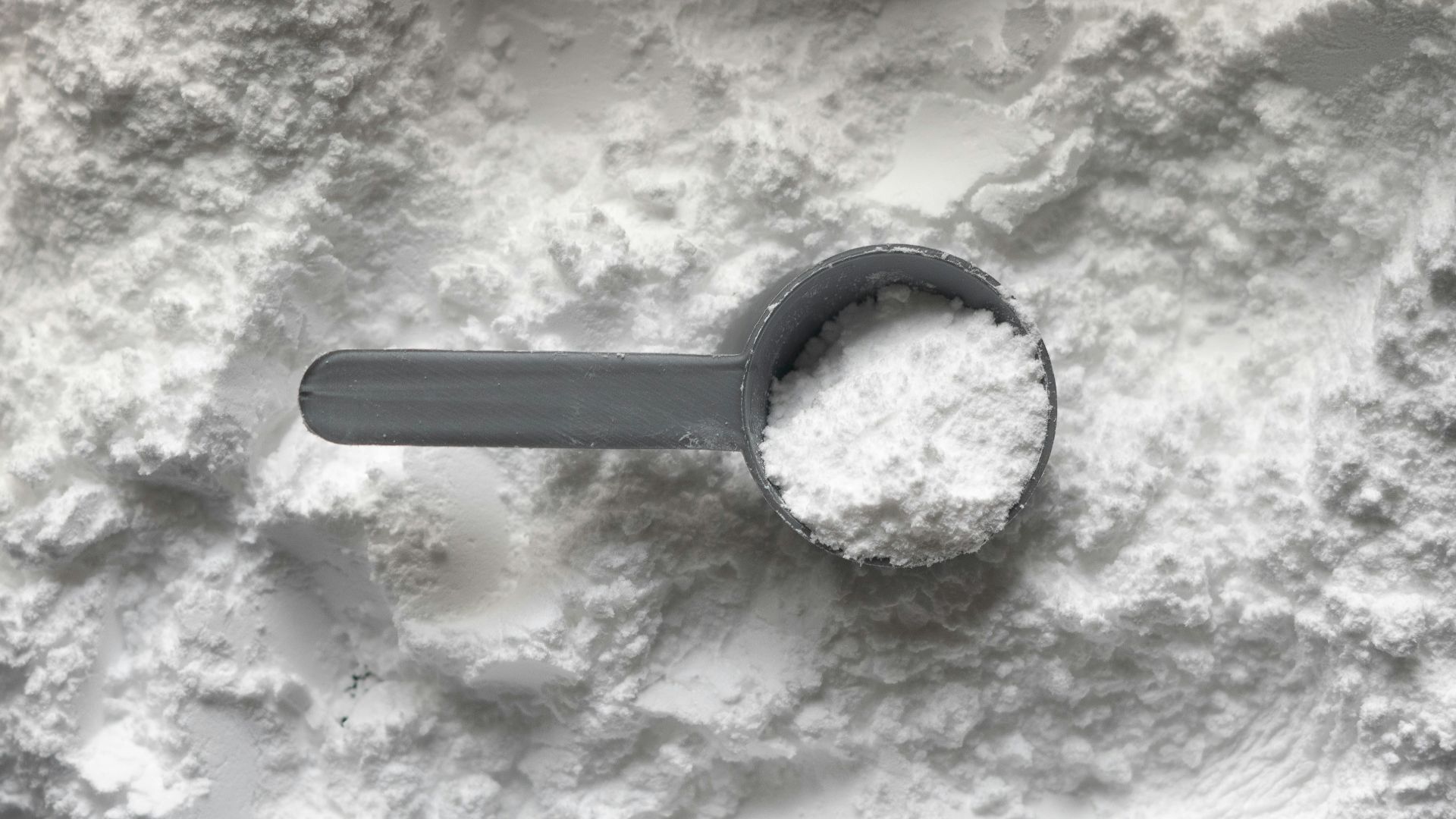
16. Some Water Enhancers Contain Caffeine
Energy, concentration, and workout mixes are often sold right beside ordinary hydration products, and some contain a meaningful amount of caffeine. That caffeine still counts alongside any coffee, tea, soda, pre-workout supplements, or other caffeinated drinks you have during the day.
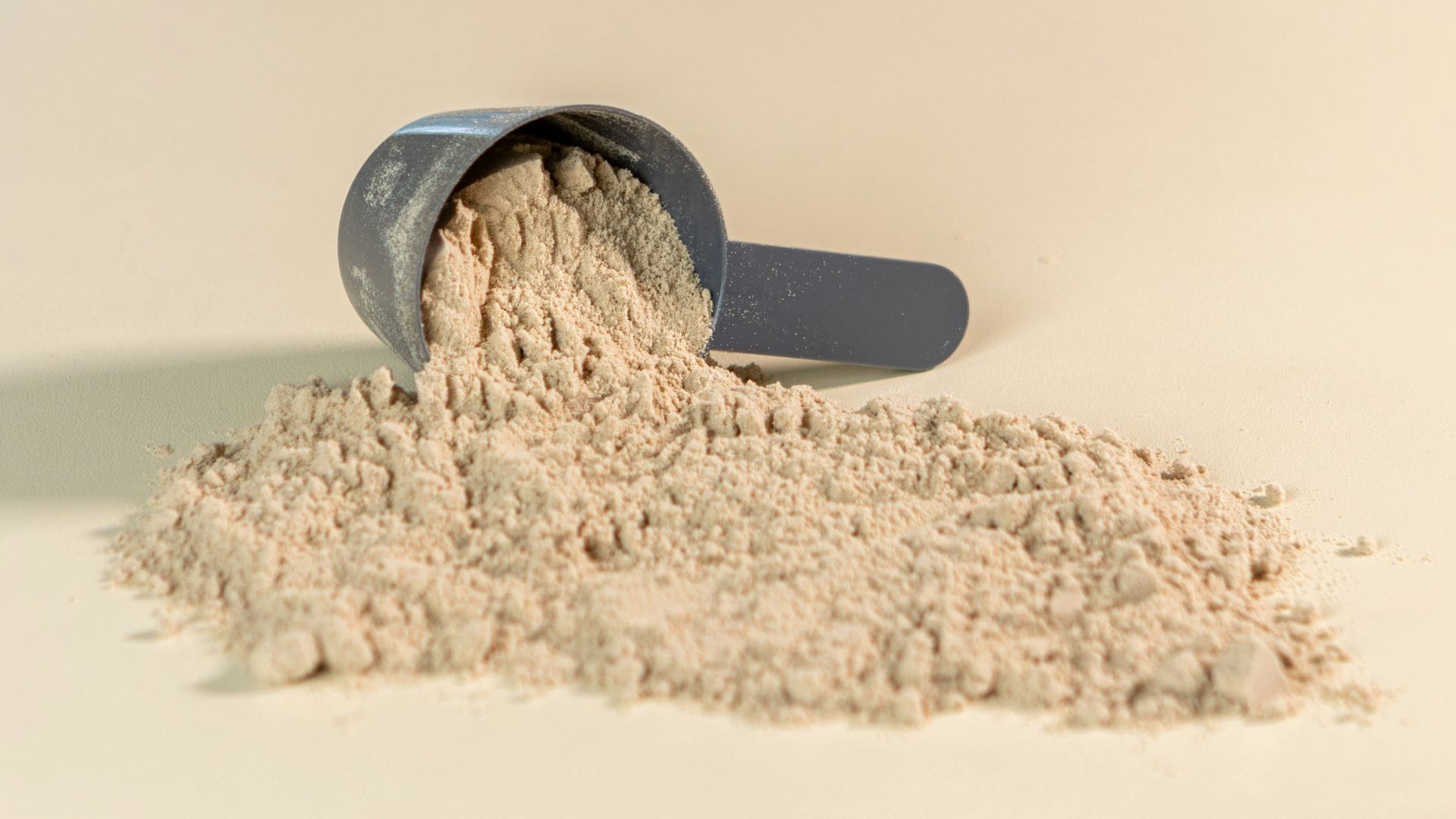
17. Caffeine Can Disrupt More Than Sleep
Too much caffeine can cause anxiety, jitters, nausea, an upset stomach, a faster heart rate, and heart palpitations. It can also interfere with sleep, which may leave you feeling tired the next day.

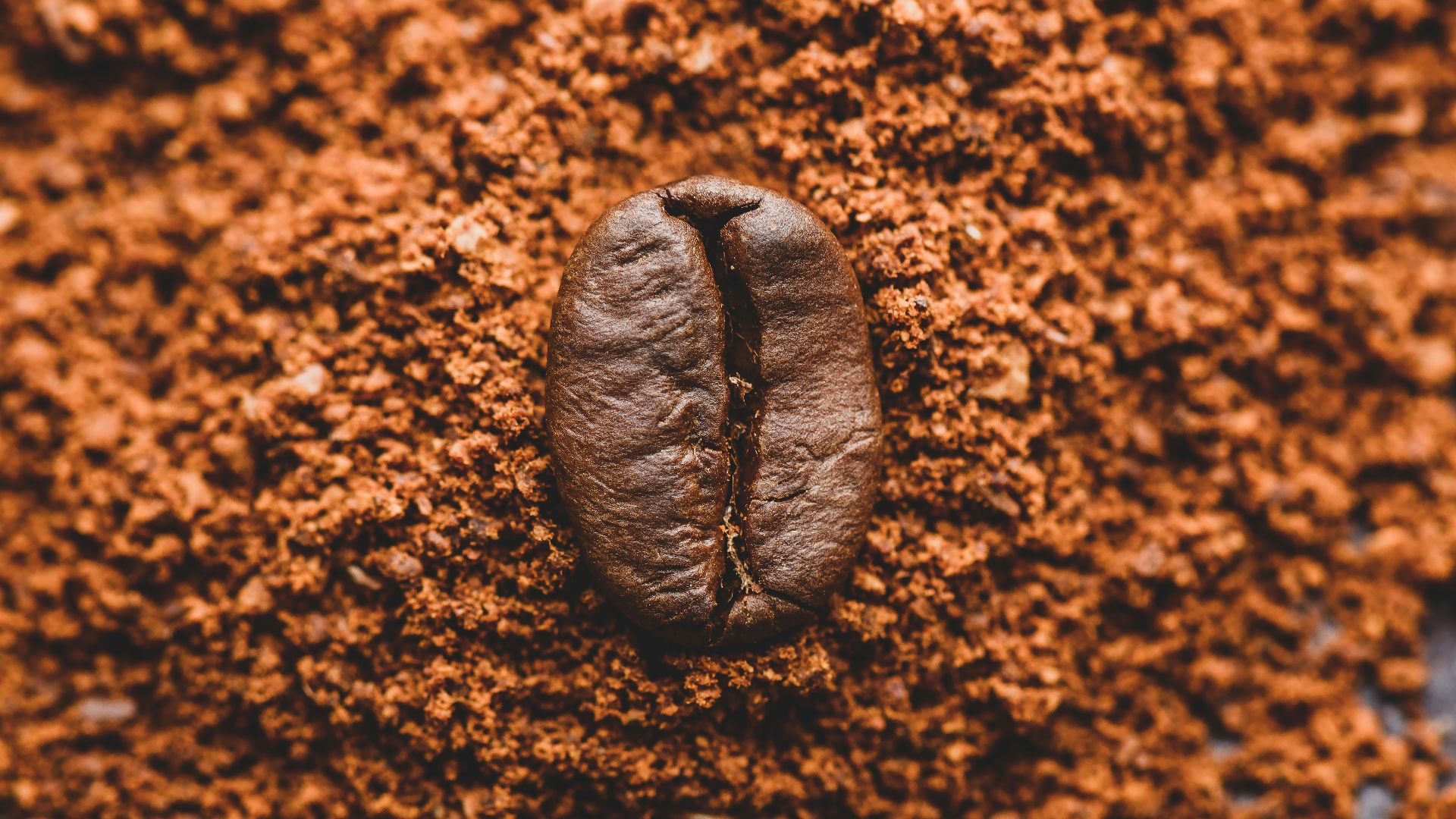
18. Concentrated Caffeine Is Easy to Mismeasure
Pure or highly concentrated caffeine powders and liquids can pack a dangerous amount into a very small serving. The difference between the intended dose and a toxic one is smaller than you think. Measuring these products casually with an ordinary kitchen spoon leaves far less room for error than drinking coffee, tea, or another ready-made caffeinated beverage.
 Nguyen Tong Hai Van on Unsplash
19. Detox and Herbal Blends Can Create New Problems
Detox drinks don’t remove toxins or produce lasting weight loss. Herbal ingredients can also interact with prescription medicines and over-the-counter products, changing how they work or increasing side effects. Blends with several ingredients can make the problem even harder to trace because you may not know which ingredient caused the reaction.

20. Some Additions Can Cause Poisoning
Baking soda, essential oils, and hydrogen peroxide don’t become safe wellness ingredients just because they’ve been mixed with water. Too much baking soda can cause serious toxicity, essential oils can be poisonous when swallowed, and concentrated hydrogen peroxide can burn tissue or cause life-threatening complications.
 CRYSTALWEED cannabis on Unsplash
KEEP ON READING




20 Ways to Make Errands Count as Exercise