
When Symptoms Come Out of Nowhere
One moment, you may feel perfectly normal; the next, you’re dealing with intense pain, dizziness, weakness, or other symptoms you’ve never experienced before. As much as you might think all serious health conditions give a warning beforehand, most come on abruptly or may develop unnoticed until they finally make themselves known. While not everything on this list is life-threatening, even a relatively harmless issue can feel terrifying when it first appears, especially when its symptoms resemble those of an emergency. Always seek medical help immediately if you experience any intense or rapidly worsening pain; do not wait to see if it goes away. Here are 20 alarming health conditions that may show up with no warning.

1. Seizure
A seizure can happen to someone who’s never experienced one before, and it doesn’t always involve full-body convulsions. Some people suddenly stare into space, become confused, lose awareness, or make repetitive movements they can’t control. A first-time seizure should be medically evaluated, while one lasting longer than five minutes or occurring repeatedly without recovery requires emergency help.

2. Benign Paroxysmal Positional Vertigo
Benign paroxysmal positional vertigo, or BPPV, can trigger an intense spinning sensation when you roll over in bed, sit up, bend down, or tilt your head. It occurs when tiny calcium particles become displaced within the inner ear and interfere with your sense of balance. The condition is rarely dangerous and can often be treated with specific head movements, but a sudden first episode can be extremely unsettling and may increase your risk of falling.

3. Ruptured Brain Aneurysm
A brain aneurysm can exist without symptoms until a weakened blood vessel begins leaking or ruptures. The most recognizable sign is an exceptionally severe headache that reaches full intensity very quickly, sometimes alongside vomiting, neck stiffness, confusion, vision changes, or unconsciousness. A suspected rupture is an immediate medical emergency because bleeding around the brain can cause permanent injury or death.

4. Bell’s Palsy
Bell’s palsy causes sudden weakness or paralysis on one side of the face, sometimes developing over only a few hours. You may notice a drooping mouth, difficulty closing one eye, changes in taste, or pain near the ear. Most people improve with time, but facial drooping should initially be treated as a possible stroke until a medical professional determines the cause.

5. Migraine with Aura
A migraine aura may cause flashing lights, zigzag patterns, blind spots, tingling, numbness, or difficulty finding words before any headache begins. These symptoms usually develop gradually and resolve, but they can be frightening when they occur for the first time. Because sudden speech or vision problems can also indicate a stroke, an unfamiliar episode deserves prompt medical attention rather than an automatic migraine diagnosis.
 https://kaboompics.com/ on Pexels
6. Kidney Stone Attack
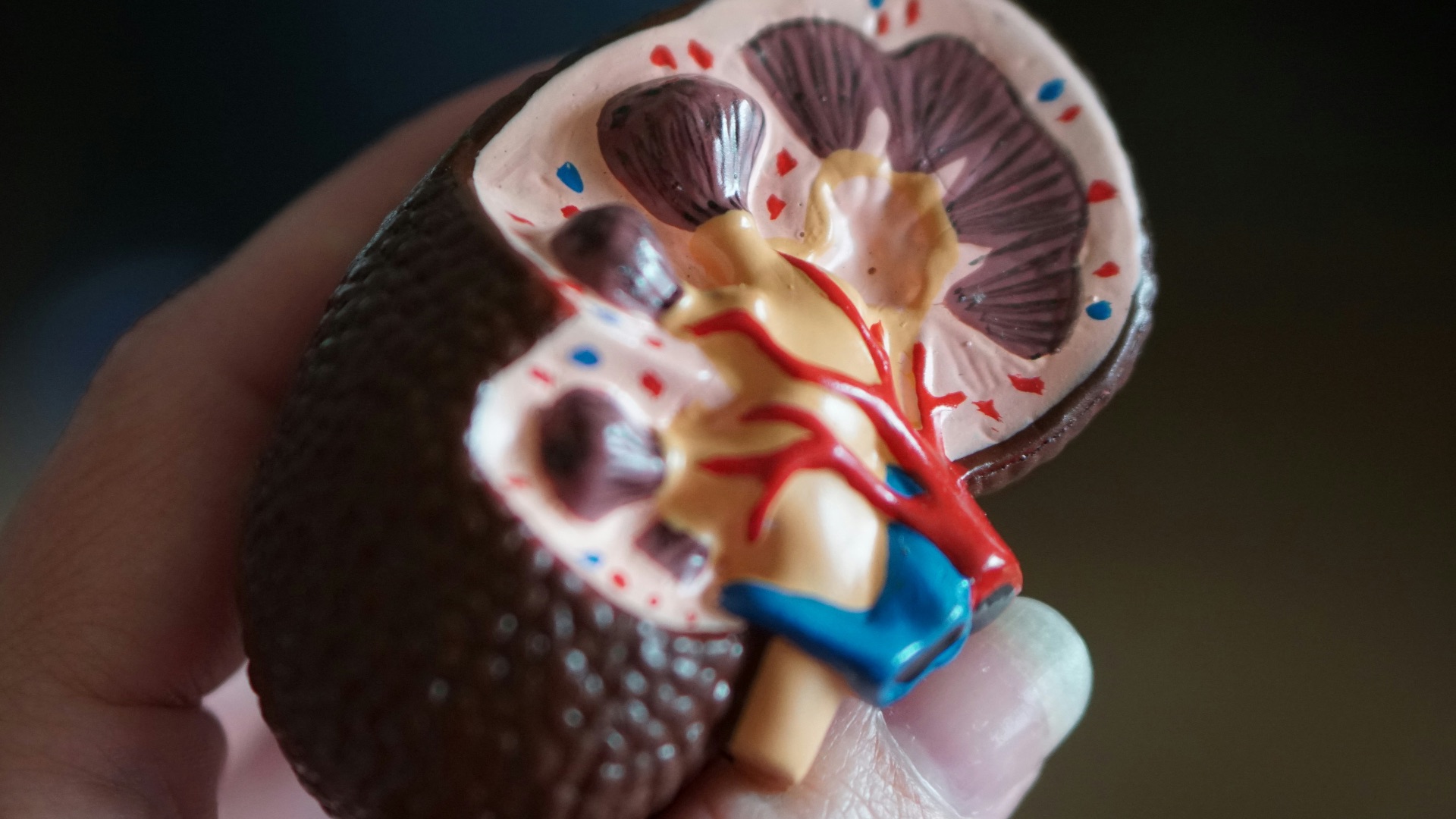
A kidney stone may remain unnoticed inside the kidney until it moves into the narrow tube leading toward the bladder. At that point, severe pain can begin abruptly in the side or back and may travel toward the lower abdomen or groin. Nausea, vomiting, painful urination, and blood in the urine can accompany it, while fever or chills may suggest a potentially serious infection.
7. Stroke
Stroke symptoms often emerge within moments when blood flow to part of the brain becomes blocked or a blood vessel ruptures. One side of the face may droop, an arm may become weak, or speech may suddenly sound slurred or confused. Vision loss, severe imbalance, numbness, or an unexplained intense headache are also possible, and emergency services should be called even if the symptoms begin improving.

8. Panic Attack
A panic attack can cause a sudden wave of fear accompanied by chest tightness, breathlessness, dizziness, shaking, nausea, or a racing heartbeat. The experience may feel as though you’re having a heart attack, losing control, or about to pass out, even when no immediate danger is present. Panic attacks aren’t usually physically dangerous, but first-time symptoms should be assessed because several medical conditions can produce a similar reaction.

9. Retinal Detachment
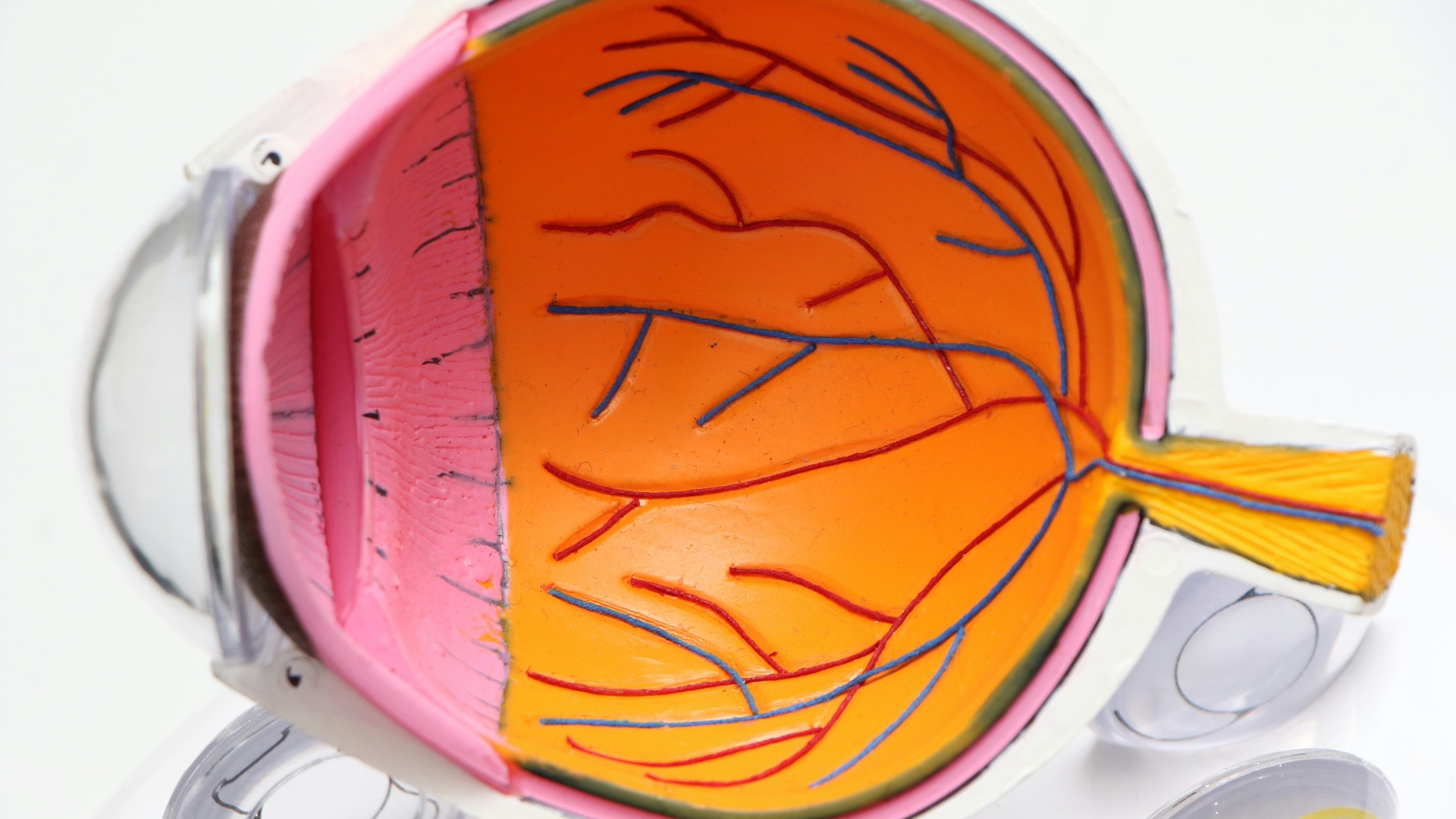
Retinal detachment is usually painless, so changes in vision may be the only warning that something is wrong. You might notice flashes of light, a sudden increase in floating spots, or a dark shadow spreading across part of your visual field. Rapid treatment is necessary to reduce the risk of permanent vision loss, making this an eye emergency even when you otherwise feel well.
10. Appendicitis
Appendicitis may begin as a vague ache near the belly button before the pain moves toward the lower-right side of the abdomen and becomes more intense. Nausea, vomiting, loss of appetite, abdominal swelling, or a low fever can also develop, although some people don’t experience the usual combination of symptoms. Because an inflamed appendix can rupture and spread infection through the abdomen, persistent or worsening abdominal pain needs prompt medical evaluation.

11. Anaphylaxis
Anaphylaxis is a severe allergic reaction that may begin within minutes of eating a food, taking medication, receiving an insect sting, or encountering another trigger. Swelling, hives, wheezing, throat tightness, vomiting, dizziness, and a sharp drop in blood pressure can develop rapidly. Epinephrine should be given immediately when available, followed by an emergency call, because symptoms can return even after the person initially improves.

12. Ovarian Torsion
Ovarian torsion occurs when an ovary twists around the tissues supporting it, reducing or cutting off its blood supply. It commonly causes sudden, severe pain on one side of the lower abdomen, often with nausea or vomiting. The pain may occasionally disappear if the ovary untwists temporarily, but urgent evaluation is still needed to protect the affected tissue.

13. Testicular Torsion
Testicular torsion happens when the cord supplying blood to a testicle becomes twisted, sometimes while the person is asleep or resting. Sudden one-sided pain, swelling, nausea, abdominal discomfort, or a testicle sitting unusually high may be the first signs. Surgery is often needed quickly because extended loss of circulation can permanently damage the testicle.

14. Spontaneous Pneumothorax
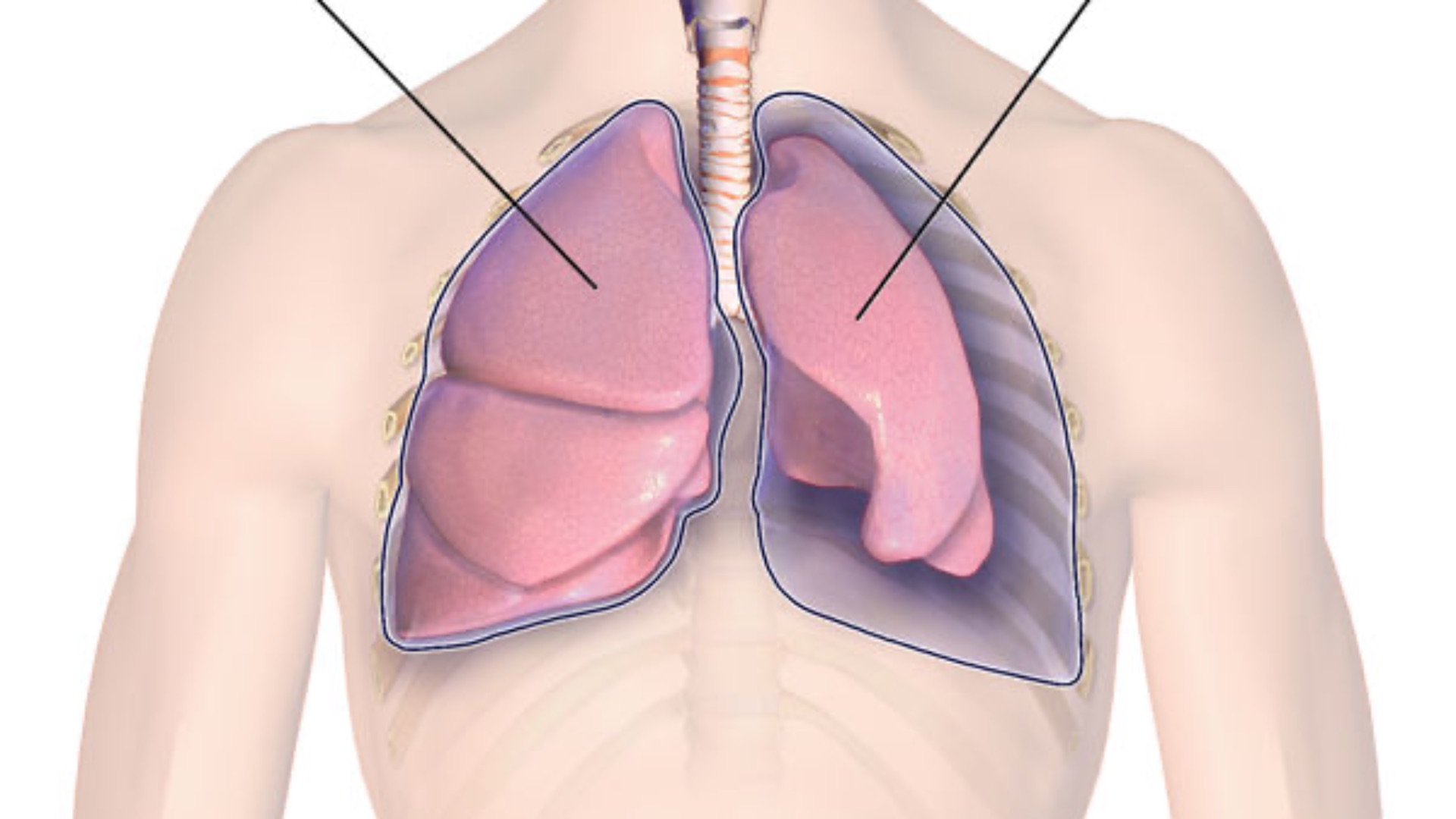
A spontaneous pneumothorax, commonly called a collapsed lung, can occur without a major injury or an obvious trigger. It typically produces sudden pain on one side of the chest along with shortness of breath, although the severity depends on how much of the lung has collapsed. Mild cases may be monitored, but worsening breathlessness, bluish skin, faintness, or a rapid heartbeat calls for emergency care.
 BruceBlaus, Rezemika (translation) on Wikimedia
15. Ménière’s Disease Attack
Ménière’s disease can cause abrupt episodes of vertigo that last much longer than the brief spells commonly associated with BPPV. The spinning sensation may arrive with nausea, ringing in one ear, pressure inside the ear, or temporary hearing loss. It isn’t generally life-threatening, but attacks can make standing or walking difficult and may eventually affect hearing.
 https://kaboompics.com/ on Pexels
16. Sudden Cardiac Arrest
Sudden cardiac arrest occurs when the heart’s electrical system malfunctions and the heart unexpectedly stops pumping blood effectively. The person may collapse, become unresponsive, stop breathing normally, and have no detectable pulse, sometimes without reporting any symptoms beforehand. Immediate CPR and the use of an automated external defibrillator can make a critical difference while emergency help is on the way.

17. Trigeminal Neuralgia
Trigeminal neuralgia causes sudden bursts of severe facial pain that may be triggered by chewing, speaking, brushing your teeth, or even a light touch. Episodes can last only seconds, yet they may occur repeatedly and interfere substantially with ordinary activities. Although the condition itself usually isn’t dangerous, new facial pain needs evaluation to confirm the cause and rule out dental, neurological, or other problems.

18. Dangerous Heart Arrhythmia
An arrhythmia can cause the heart to beat far too quickly, too slowly, or in an ineffective pattern, and it doesn’t always produce advance warning. A person might suddenly feel pounding or fluttering in the chest, become lightheaded, struggle to breathe, develop chest discomfort, or pass out. While some rhythm changes are harmless, new symptoms involving fainting, chest pain, or severe breathlessness should be treated as an emergency.

19. Sepsis
Sepsis is an extreme response to an infection that can cause a person’s condition to deteriorate unexpectedly. Confusion, clammy skin, fever or feeling unusually cold, rapid breathing, a fast heartbeat, and severe discomfort are possible warning signs. It’s a medical emergency because it can disrupt blood pressure and organ function if treatment is delayed.
 Fusion Medical Animation on Unsplash
20. Heart Attack
A heart attack doesn’t always begin with dramatic chest pain, and some people initially experience subtler symptoms such as nausea, sweating, breathlessness, exhaustion, or discomfort in the back, jaw, stomach, or arm. Symptoms can arrive suddenly or intensify gradually over several minutes. Any unexplained chest pressure or combination of these signs should be treated as an emergency, particularly when the sensation is new or persistent.

KEEP ON READING




20 Old Remedies Your Grandparents Still Defend