

Some Family Remedies Still Help, Others Are Better Left In The Past
Grandparents rarely need more than a symptom and a quick look through the kitchen cupboards before offering a cure. Some of these old-fashioned fixes can ease mild symptoms, even though they don’t treat the underlying condition. Others mainly offer comfort, while a few can irritate healthy tissue, interact with medication, or delay the care you need. These 20 familiar remedies still have plenty of loyal defenders, so it helps to know what they can do and when it’s time to try something else.
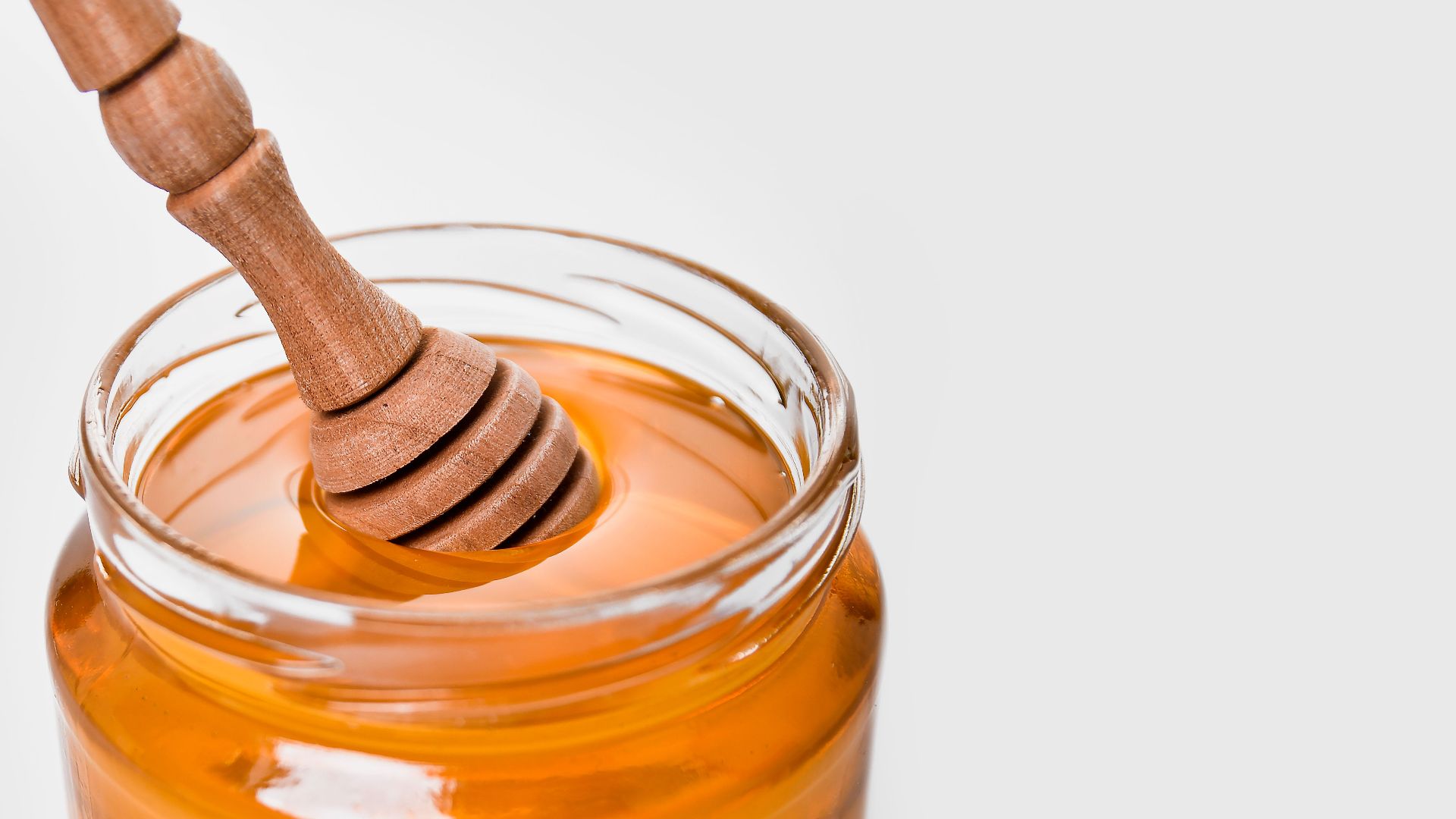
1. Honey For A Cough
A spoonful of honey can coat an irritated throat and help calm coughing, especially when a cold keeps waking you up at night. Adults and children who are at least one year old can take it by itself or mix it into a warm drink.
2. Salt Water For A Sore Throat
Gargling with warm salt water can temporarily settle a scratchy throat and loosen thick mucus. That may make swallowing feel a little easier, which can be a welcome bit of relief during a rough cold.
3. Chicken Soup For A Cold
Chicken soup doesn’t cure a cold, no matter how closely you follow the family recipe. Warm broth may help loosen nasal mucus, while the liquid supports hydration and the salt adds flavor when everything tastes dull. A simple bowl is also easier to handle when congestion has flattened your appetite. Much of the appeal comes from warmth, nourishment, and comfort, and those small things can still make a miserable afternoon on the couch feel more manageable.

4. Steam For Congestion
Warm, moist air from a shower or steamy bathroom can offer short-term comfort when your nose feels completely blocked. It may loosen mucus and make breathing through your nose feel easier for a little while, although it won’t cure you of your cold.
 Wolfgang Hasselmann on Unsplash
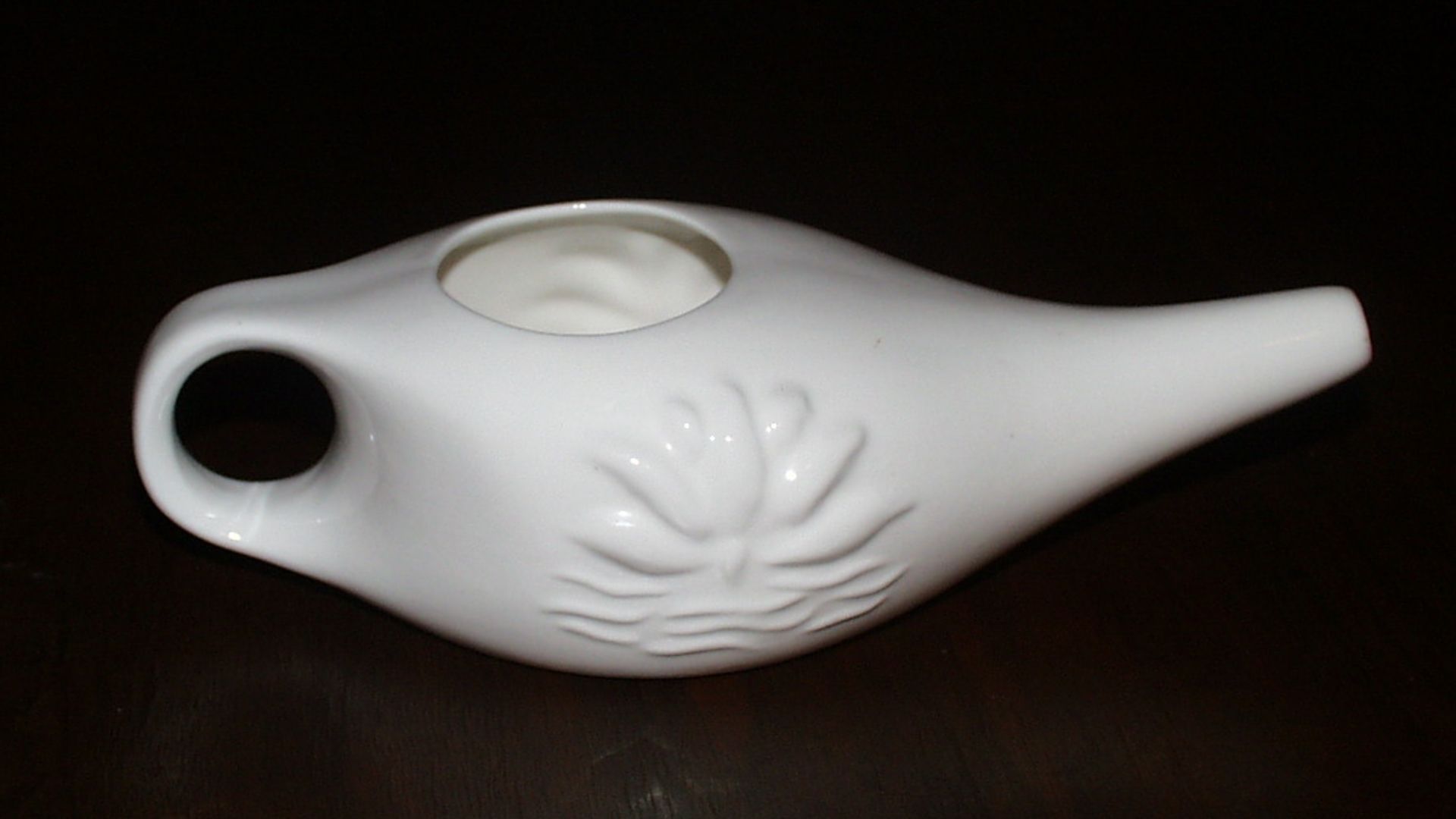
5. A Saltwater Nasal Rinse
A saline rinse can wash thick mucus, pollen, dust, and other debris out of clogged nasal passages. It can be especially helpful when allergies or a cold leave your nose feeling packed and uncomfortable. The water must be distilled, sterile, or previously boiled and cooled.
6. Ginger For Nausea
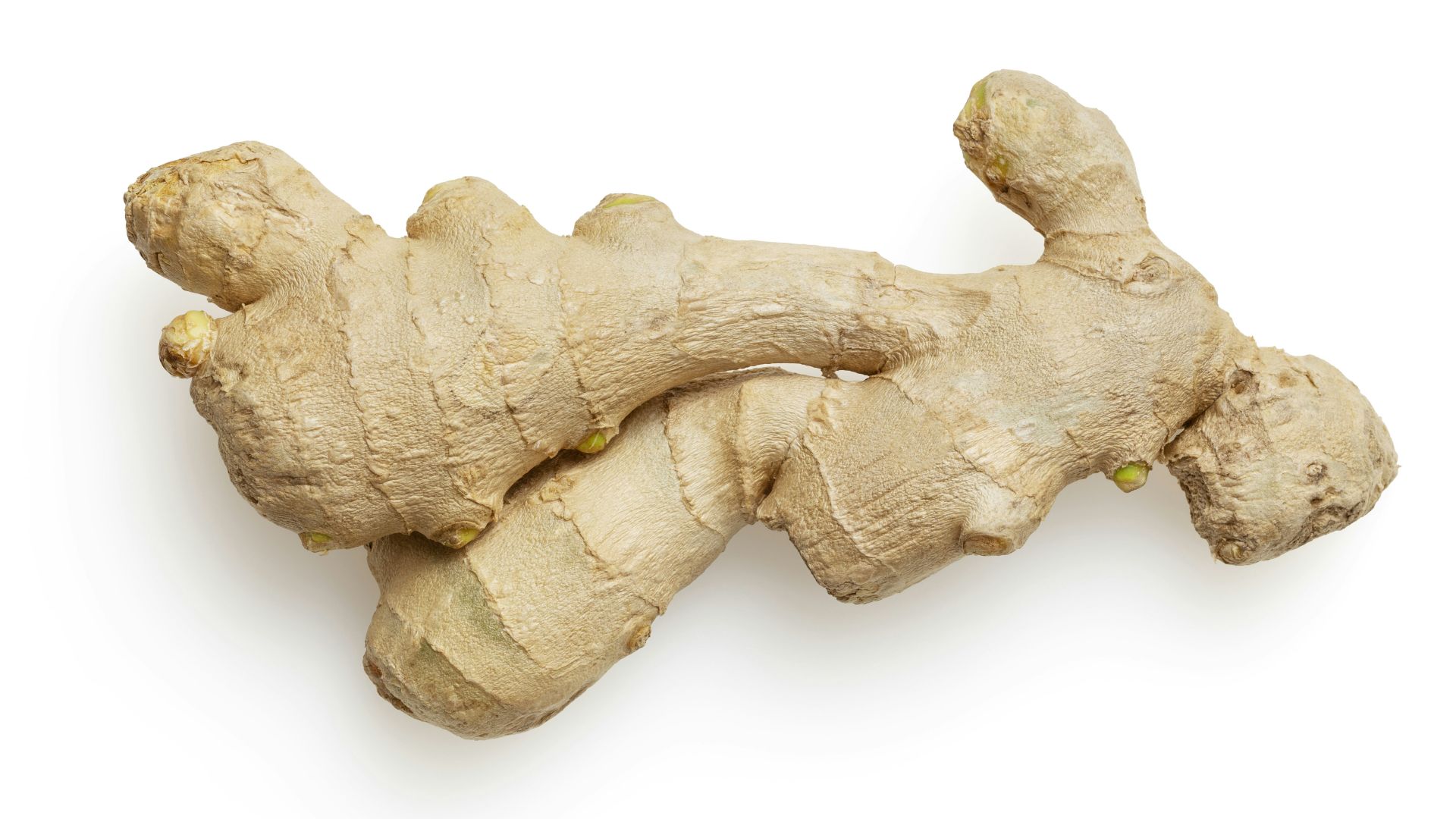
Prepared ginger products may ease mild nausea, particularly nausea and vomiting during pregnancy. Ginger tea and foods made with ginger are usually gentler than concentrated supplements, although they may not have the same effect.
7. Peppermint For Stomach Trouble
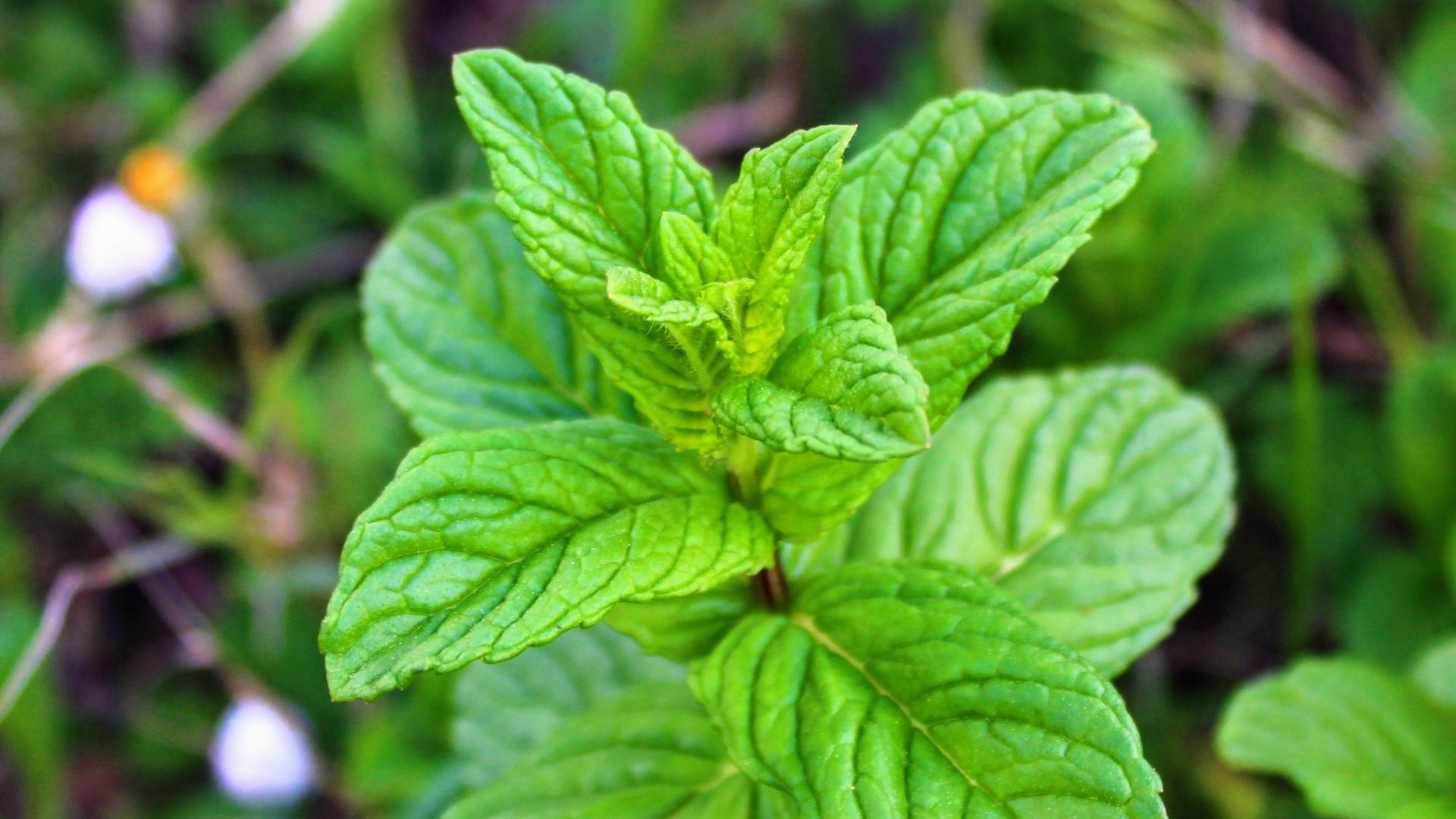
Peppermint tea can feel soothing after a heavy meal, but enteric-coated peppermint oil capsules are the form that may offer short-term relief from some irritable bowel symptoms. An ordinary mug of tea won’t necessarily have the same effect. That said, peppermint oil can cause belching, indigestion, and heartburn, and it may make acid reflux worse.
8. Prunes For Constipation
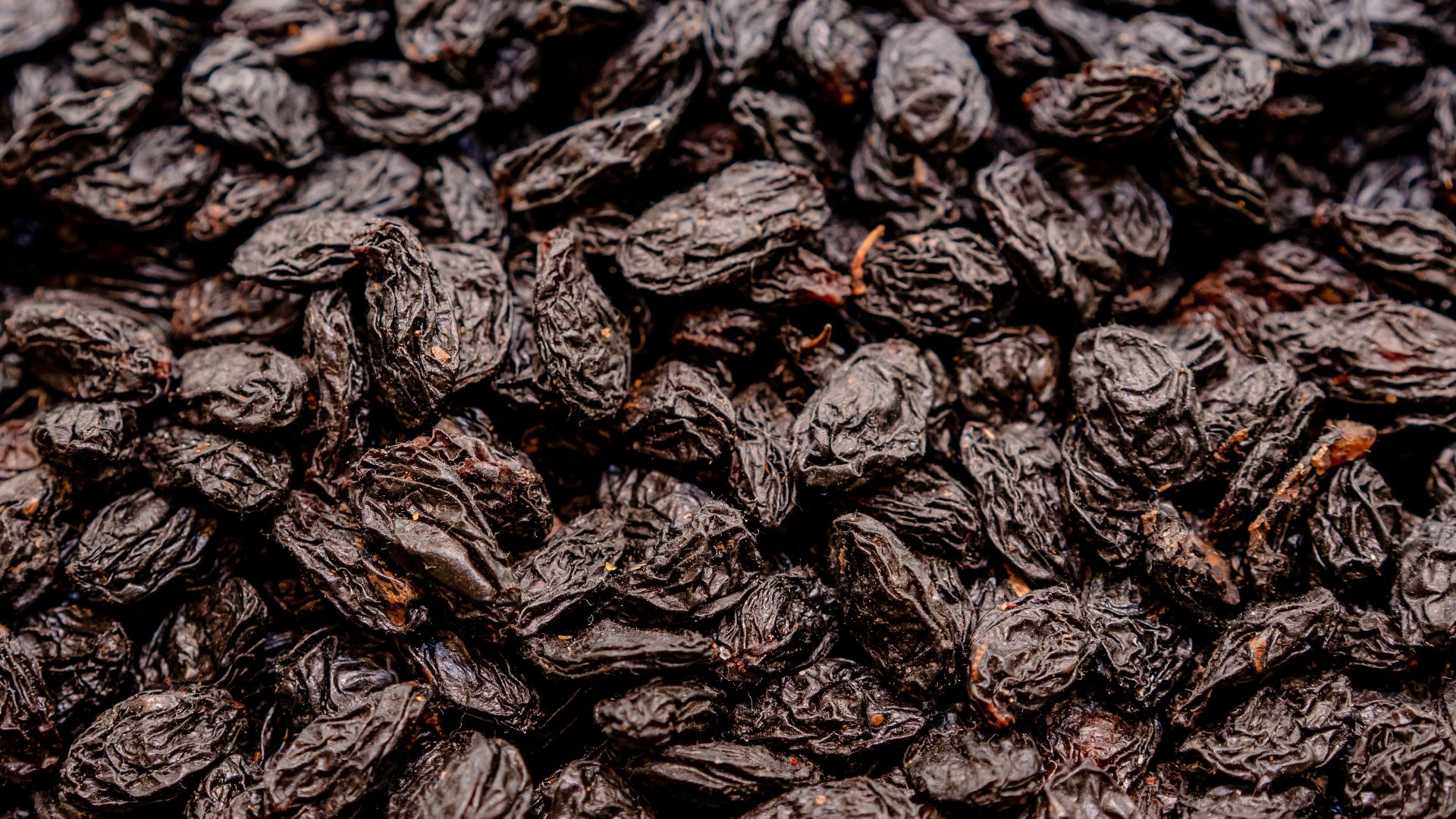
Prunes have earned their practical reputation because their fiber and sorbitol can help produce softer, more regular bowel movements. Prune juice may also work for people who don’t enjoy eating whole prunes. Starting with a small serving is usually more comfortable, especially when prunes aren’t already part of your normal diet. Eating a large amount at once can lead to gas, cramping, or diarrhea instead of the gentle relief you were expecting.
9. Cranberry Products For Repeat UTIs
Cranberry juice, tablets, or capsules may help reduce repeat urinary tract infections. These products may make it harder for certain bacteria to stick to the urinary tract, but they can’t treat an infection that has already started.

10. An Oatmeal Bath For Itchy Skin
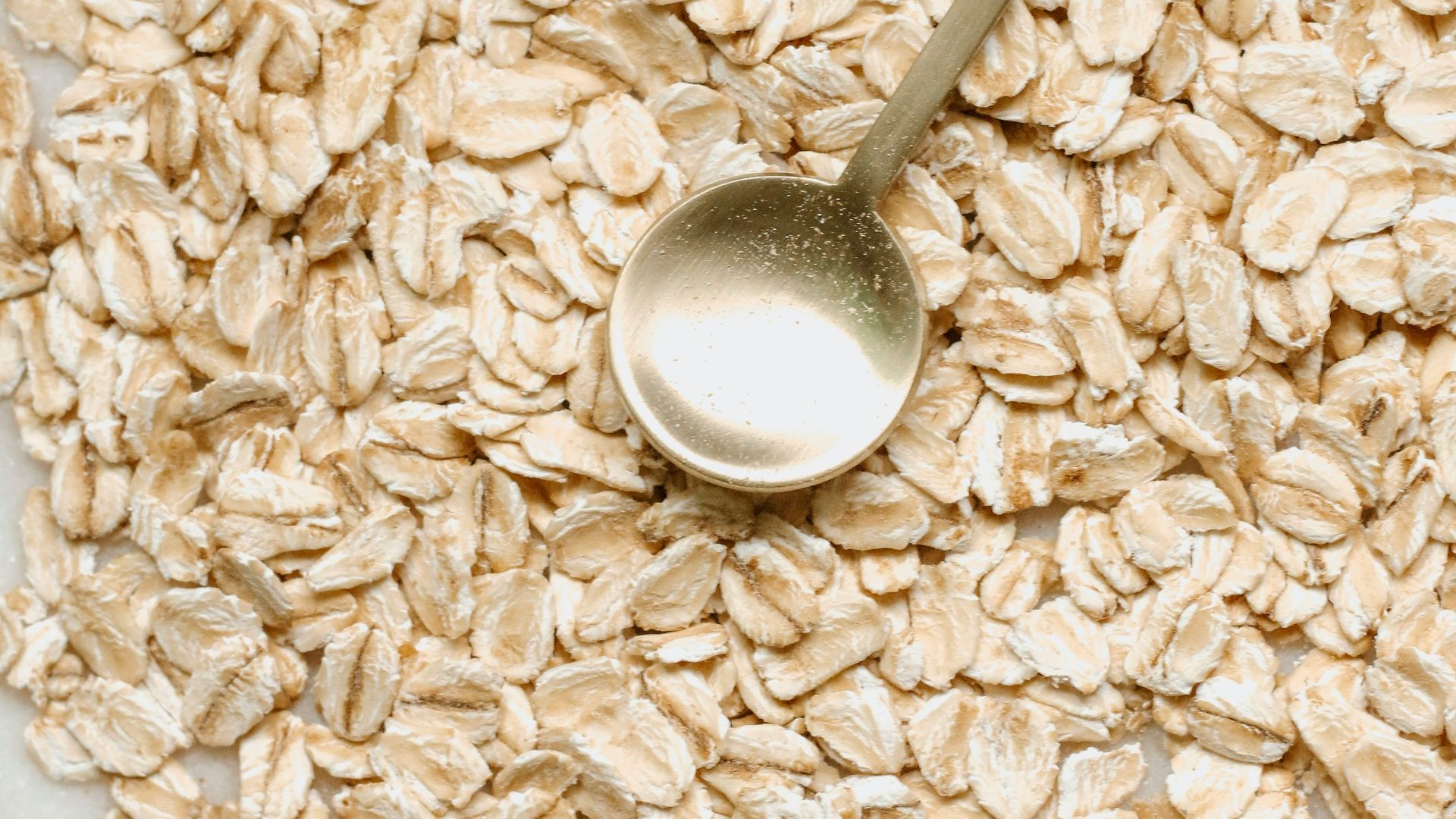
Colloidal oatmeal mixed into lukewarm bathwater can temporarily calm dry, itchy skin caused by eczema, hives, poison ivy, or sunburn. The finely ground product made for bathing works better than regular breakfast oats because it blends more evenly into the water.
11. Aloe Vera For Sunburn
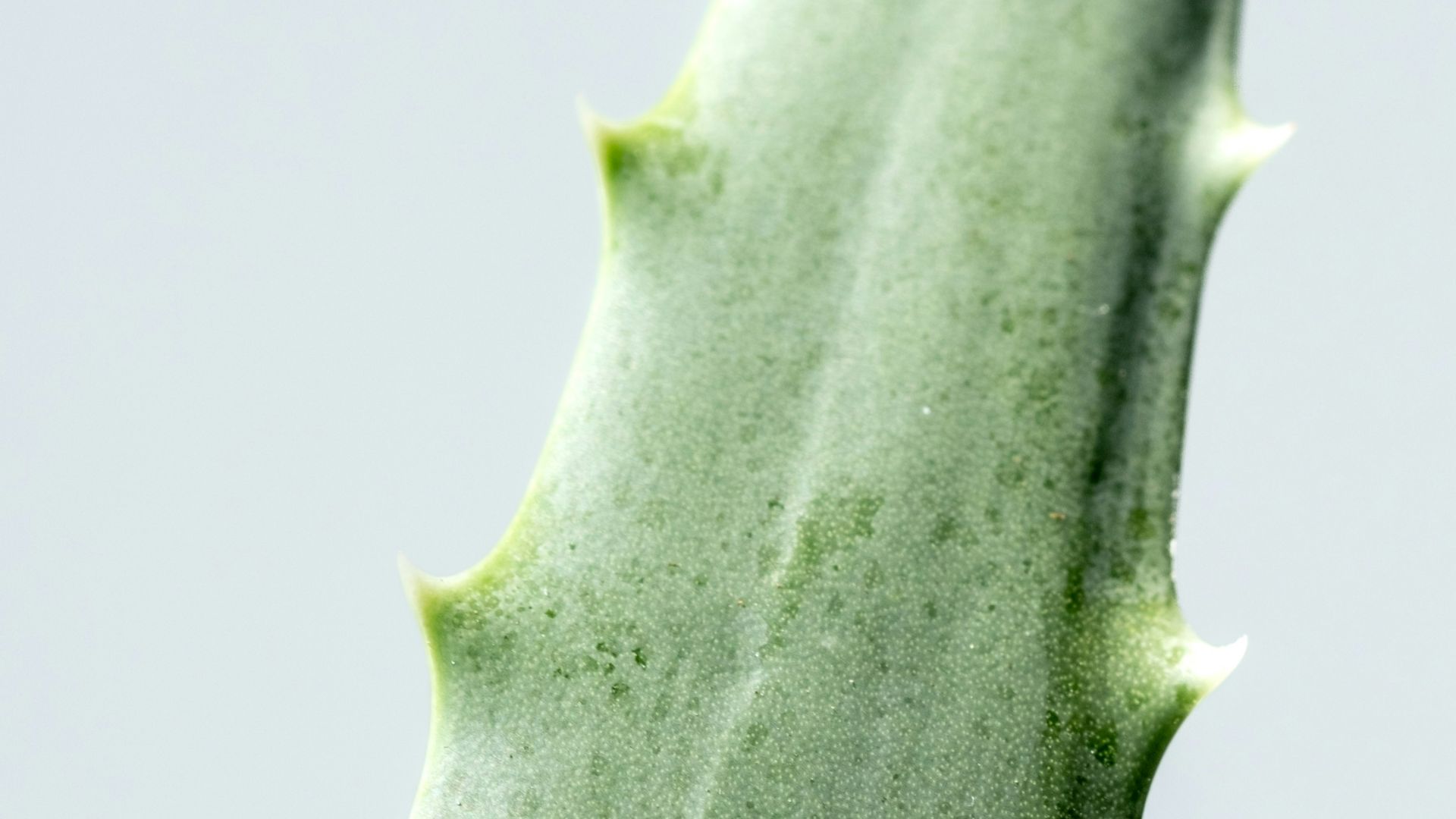
A moisturizer containing aloe vera can cool and soothe mildly sunburned skin, especially after a cool bath or shower. Putting it on while your skin is still slightly damp may also help hold in moisture.
12. A Warm Compress For A Stye
Holding a clean, comfortably warm washcloth against a stye several times a day may help the blocked eyelid gland drain on its own. The cloth should feel pleasantly warm, not hot, since the skin around your eye is delicate. Squeezing or popping the bump can spread infection and make the swelling worse.

13. Warm Milk Before Bed
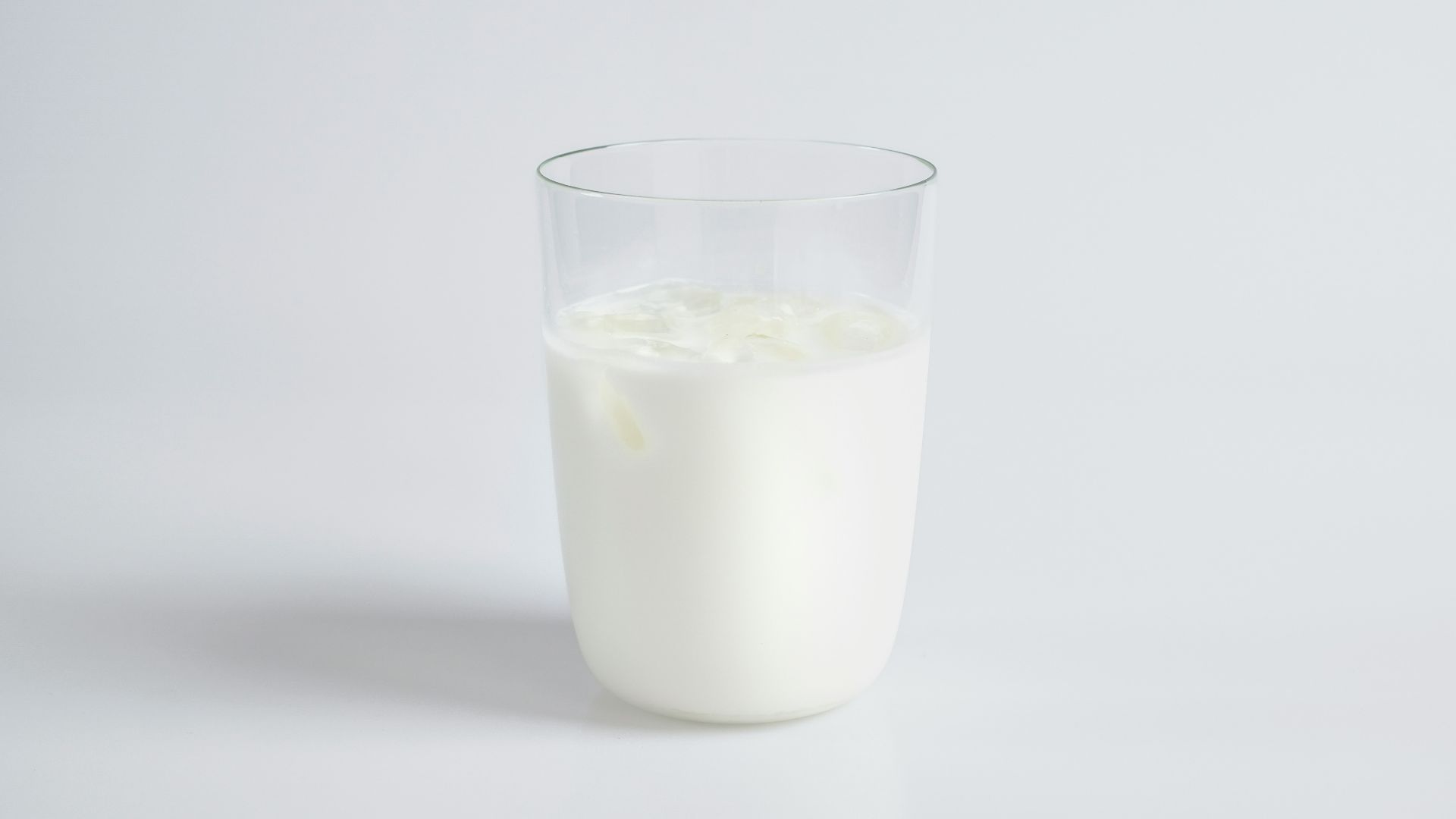
Milk and other dairy products may modestly support better sleep for some people, although warming the milk doesn’t give it any special sedative power. The familiar routine, gentle heat, and quiet pause before bed may still help you relax and settle down for the night. That comforting habit can be useful when your mind feels busy.
14. Chamomile Tea For Sleep
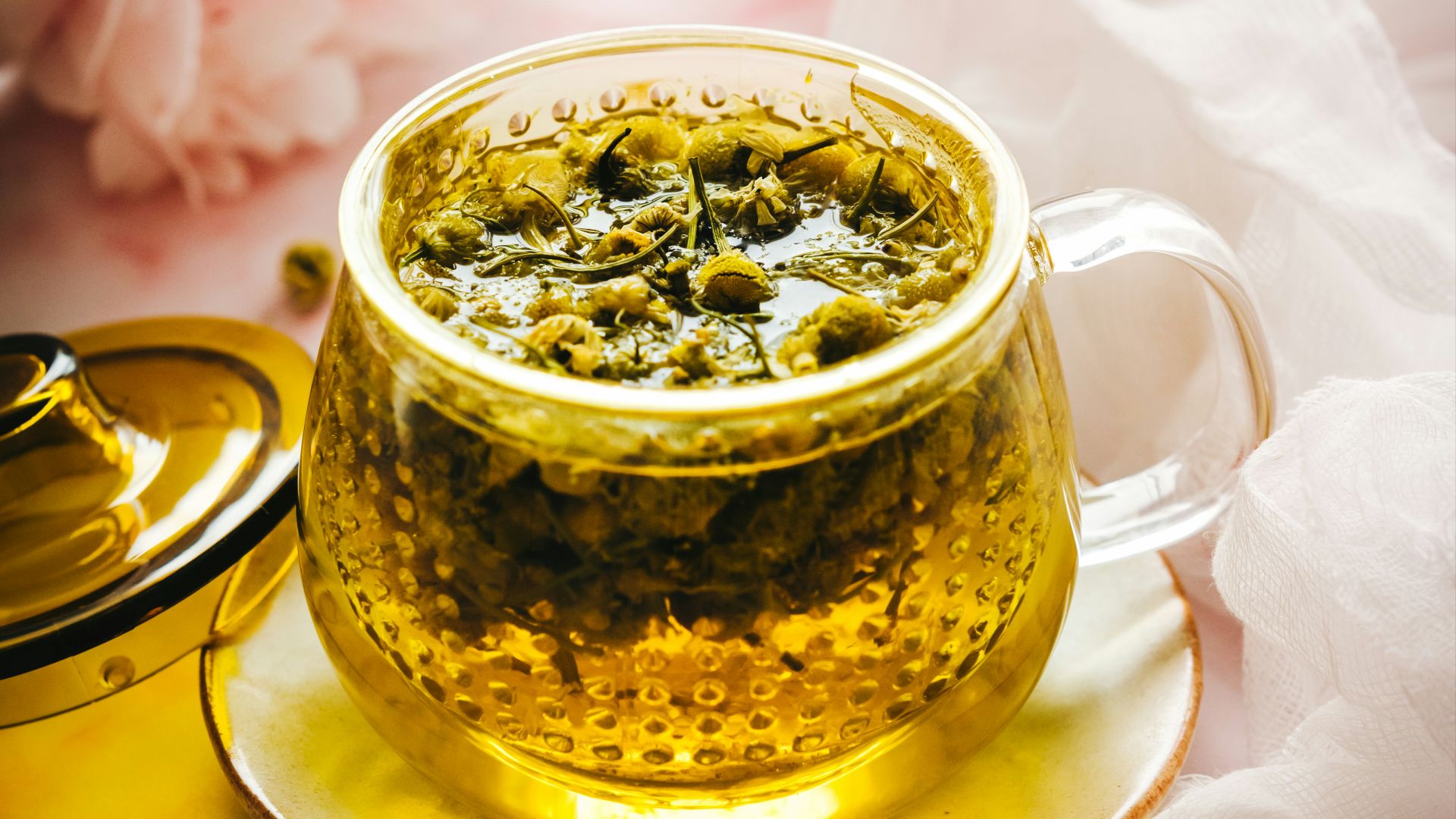
Chamomile tea can be a pleasant part of a calming bedtime routine. It doesn’t treat insomnia, although the warmth and familiar ritual may help some people relax before bed. However, chamomile can cause allergic reactions in people who are sensitive to ragweed, daisies, chrysanthemums, or related plants.
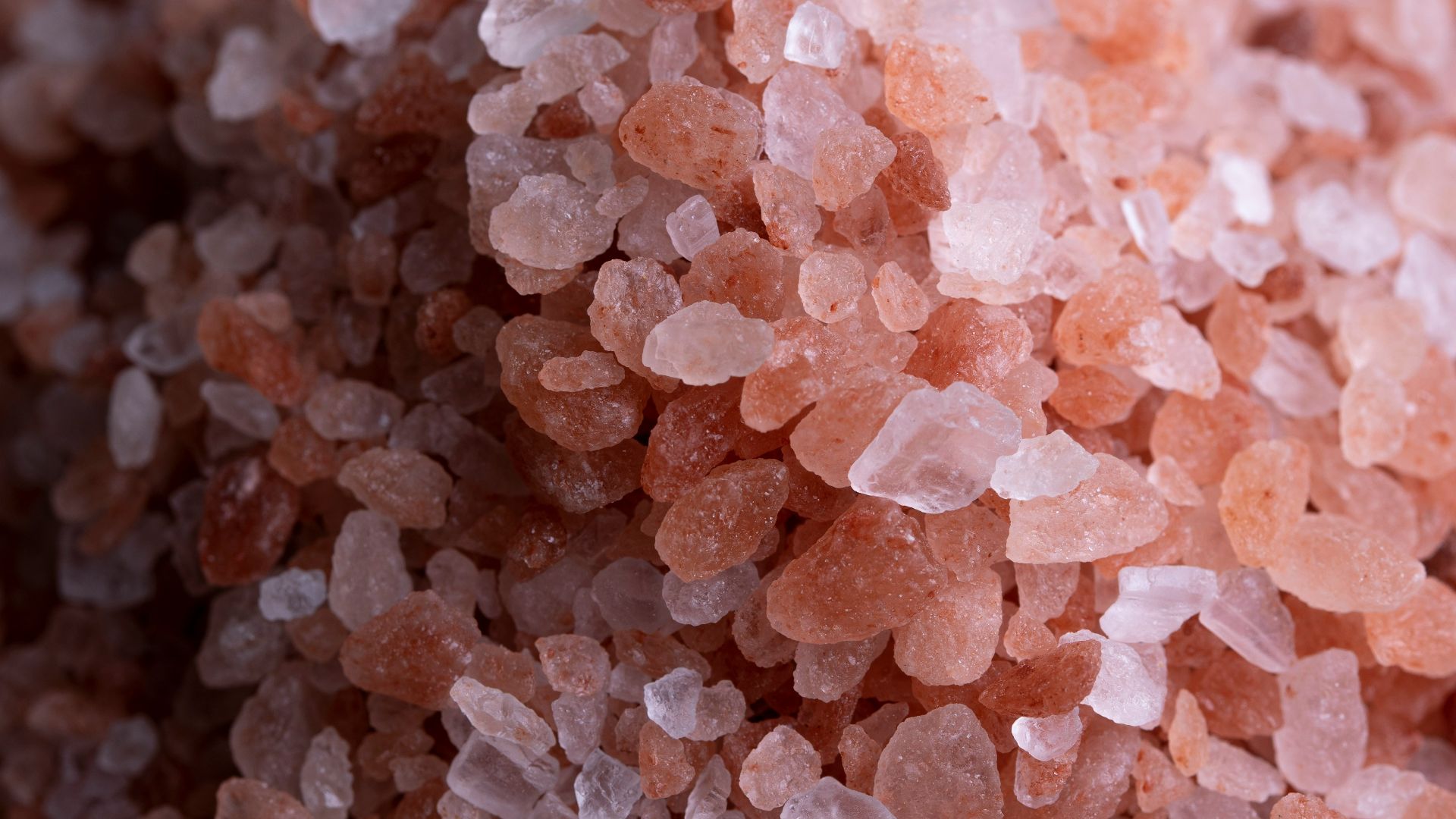
15. An Epsom Salt Bath For Sore Muscles
An Epsom salt bath may help tired muscles feel looser, although the warm water itself can ease stiffness and help you relax. A soak may still feel good after a long day or a hard workout.
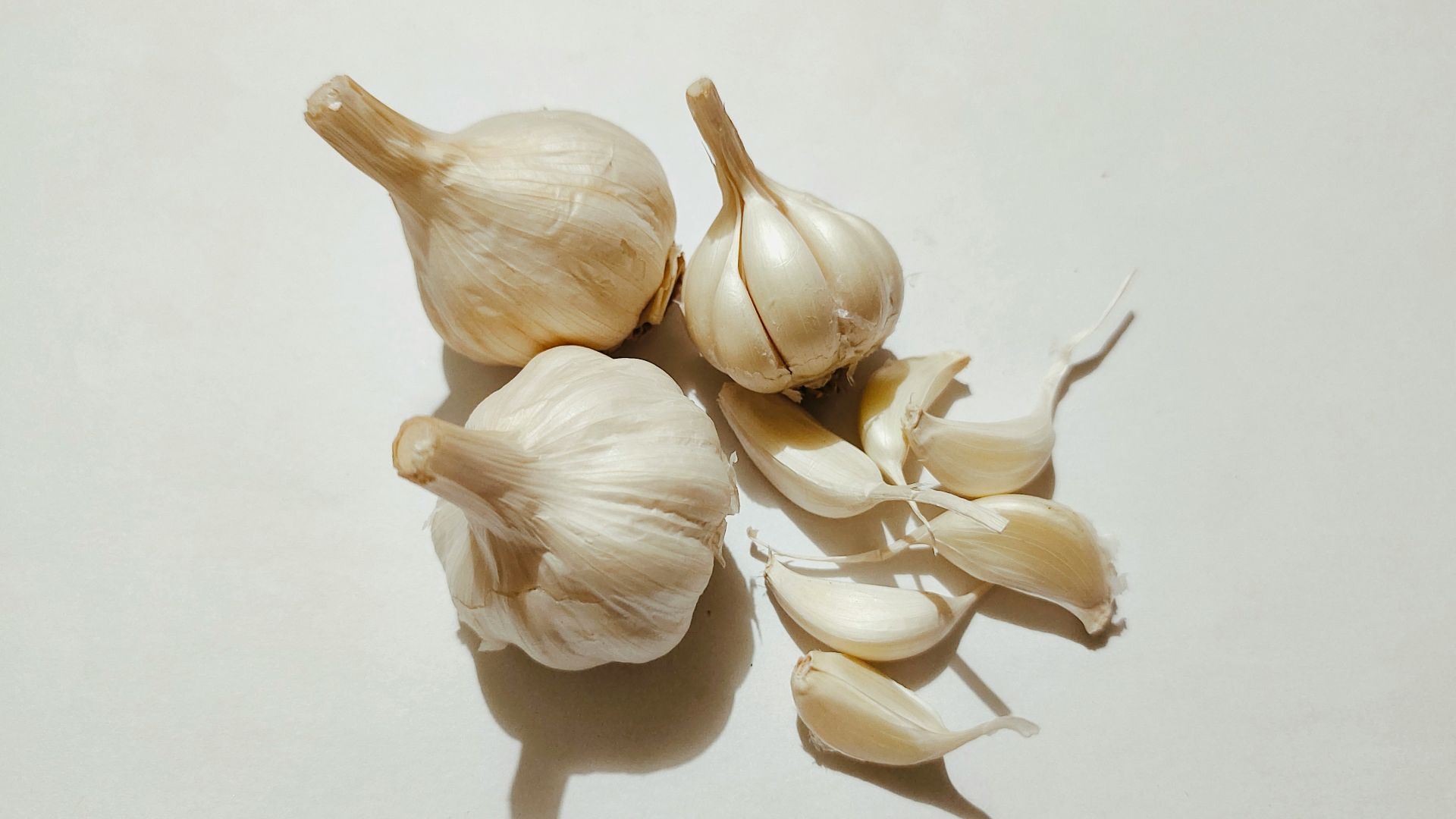
16. Garlic For A Cold
Garlic adds plenty of flavor to soup, but it doesn’t have a dependable role in preventing colds or shortening their symptoms. Using normal amounts in food is generally fine, and it may make a simple meal more appealing when you’re under the weather.
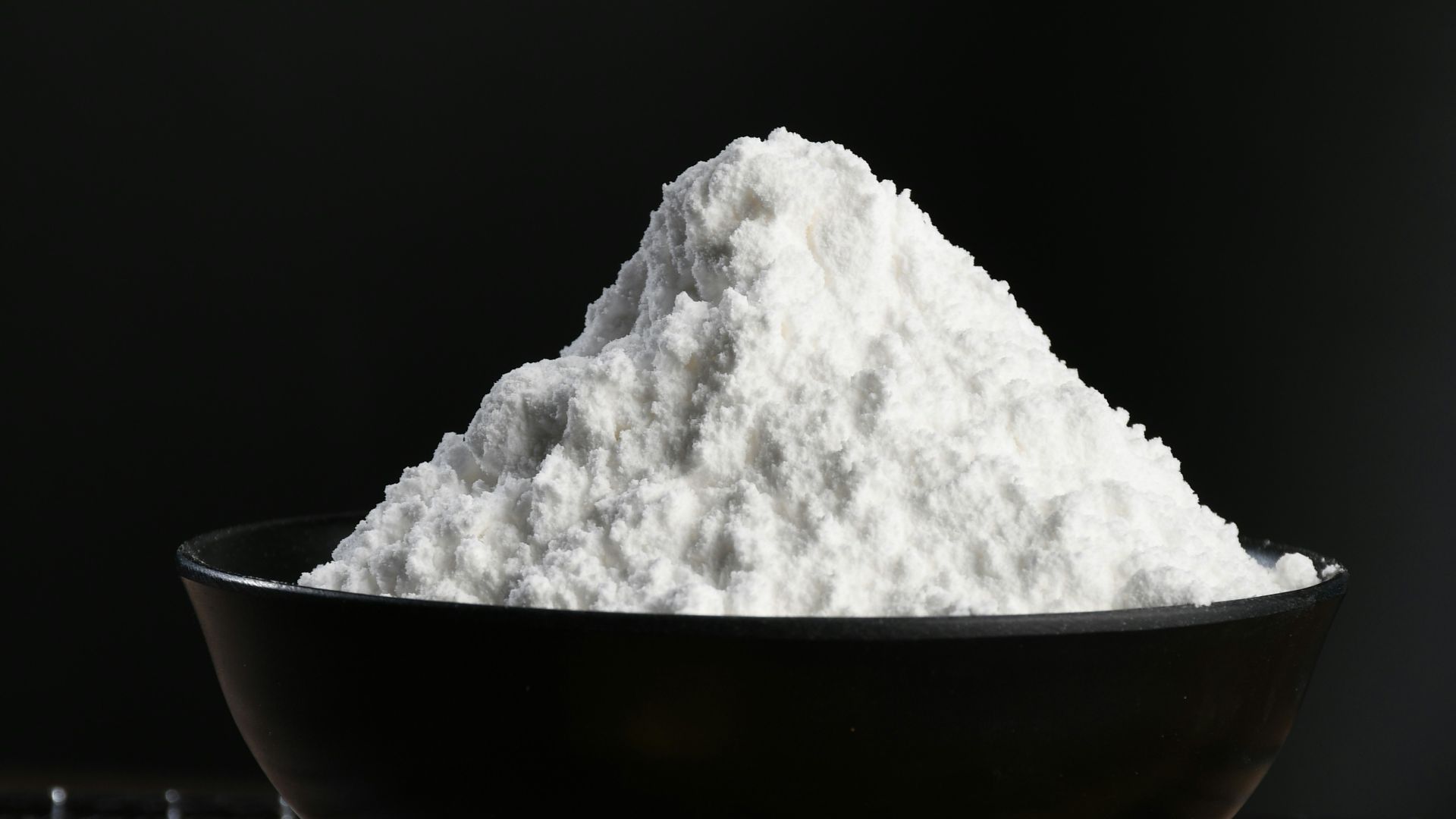
17. Baking Soda For Heartburn
Baking soda can neutralize stomach acid for a short time, which explains why families have used it as a homemade antacid for generations. Guessing the amount can cause dangerous gas pressure, excess sodium, dehydration, and serious changes in body chemistry. Its sodium content can also create problems for people with certain heart, kidney, or blood-pressure conditions.
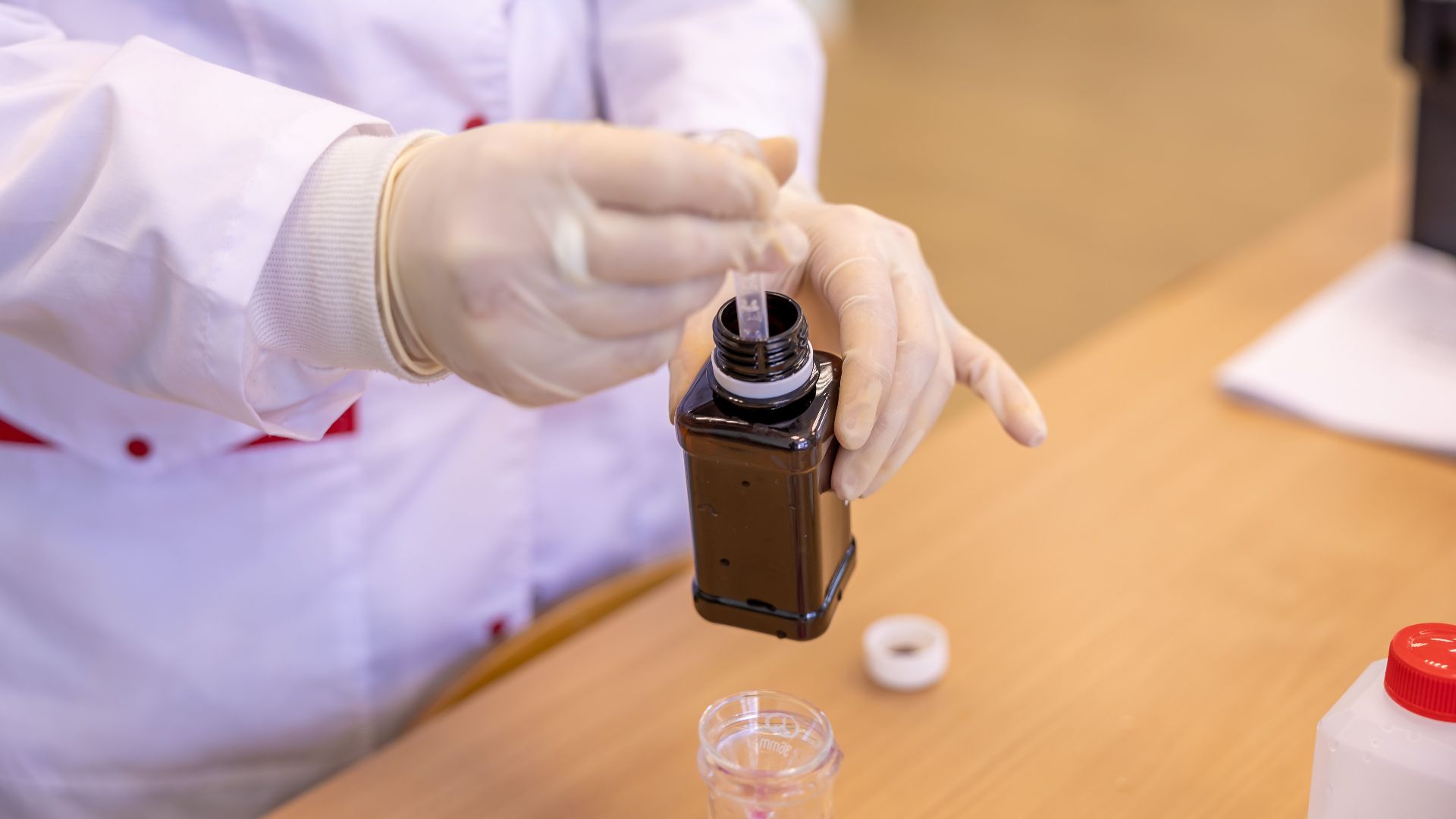
18. Hydrogen Peroxide For Cuts
The fizz from hydrogen peroxide may look reassuring, but it can damage healthy skin cells and get in the way of normal wound healing. Most small cuts and scrapes are better cleaned with gentle soap and cool or lukewarm water. A thin layer of petroleum jelly can keep the area moist, while a clean bandage protects it from dirt and rubbing.
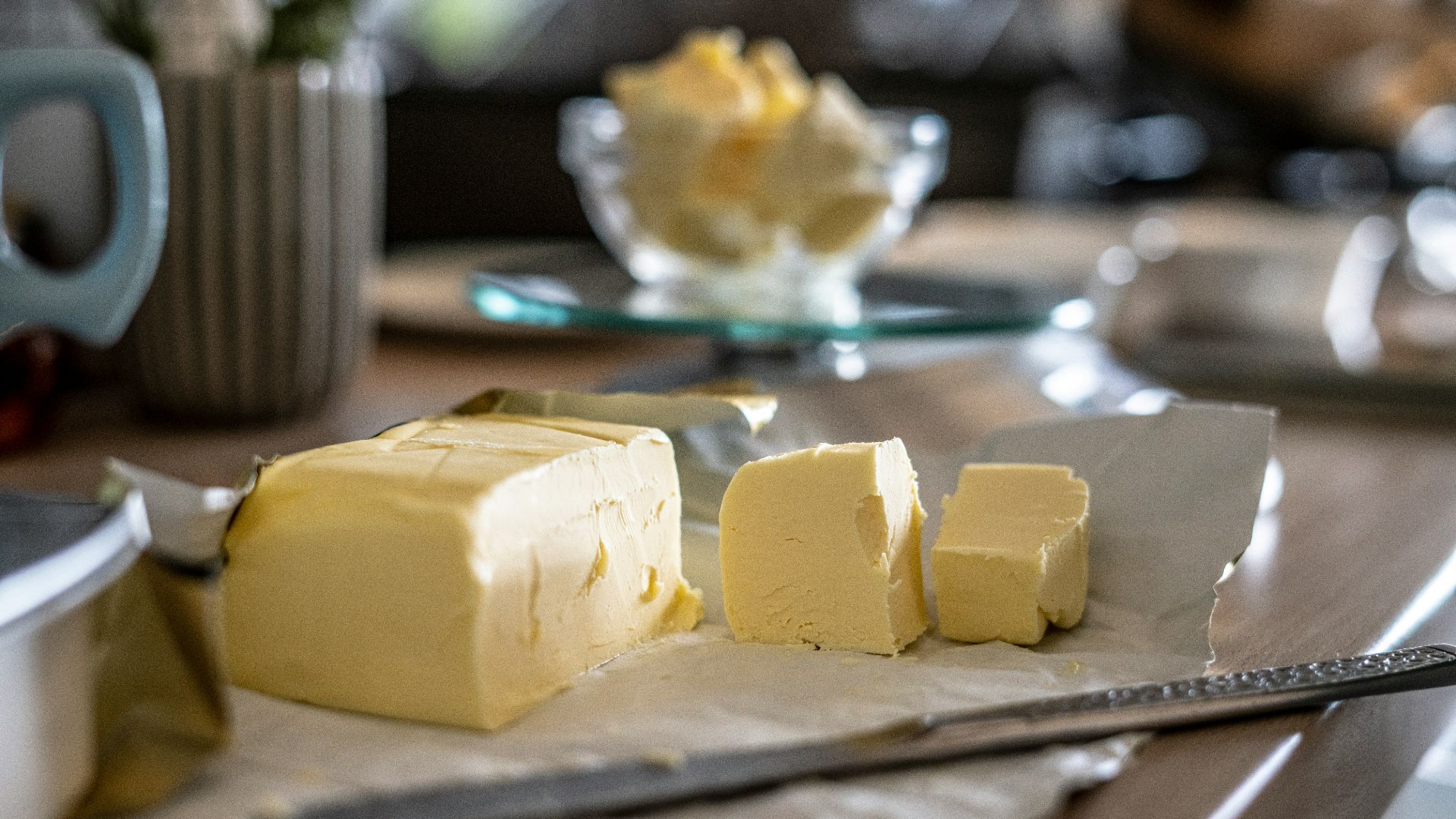
19. Butter For A Burn
Butter can hold heat against burned skin and may bring unwanted germs into the injury, so it shouldn’t be spread over a burn. A small, minor burn should be cooled under running tap water for about 10 minutes, or until the pain starts to ease.
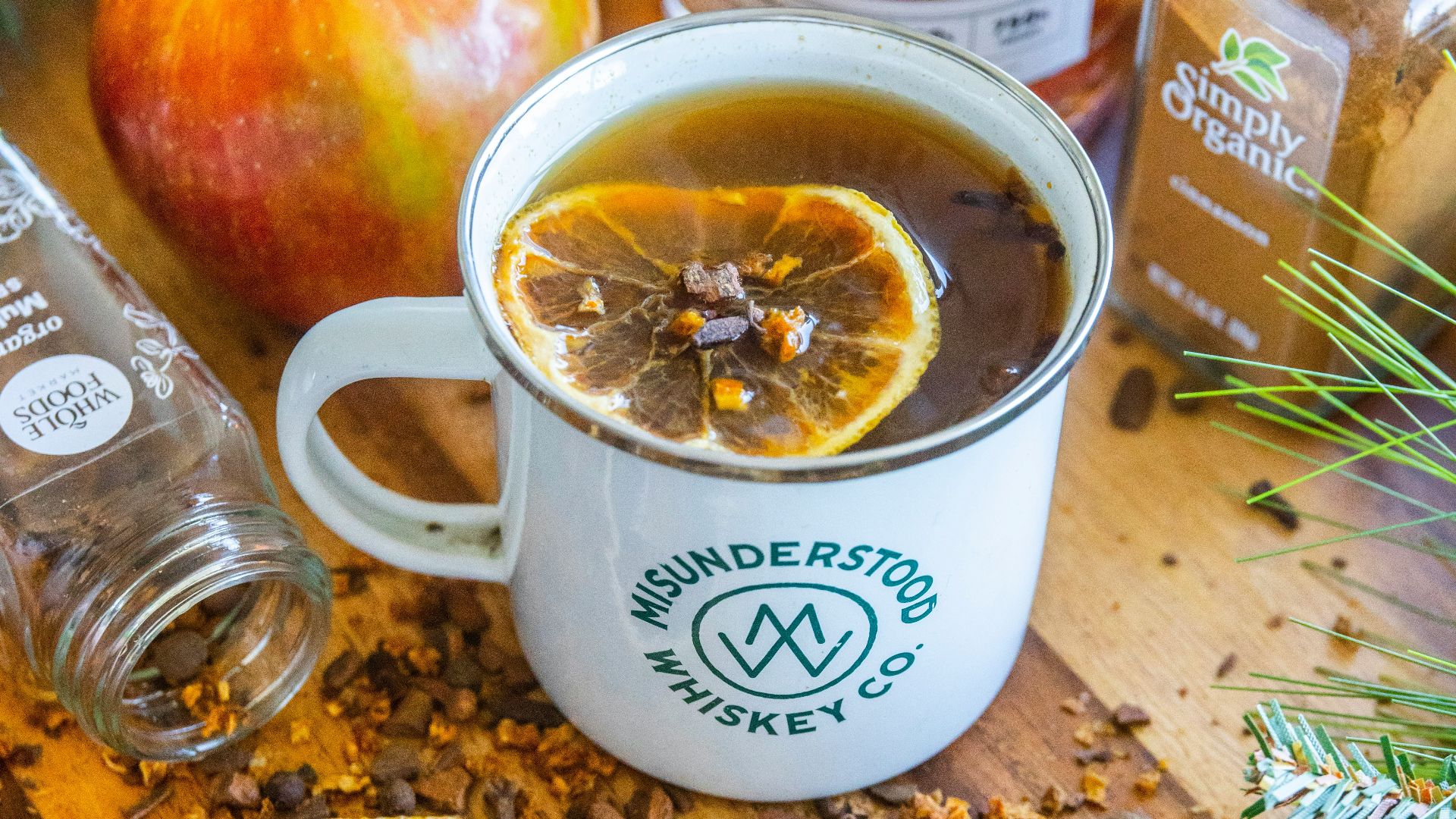
20. A Hot Toddy For A Cold
Warm water, honey, and lemon can soothe a sore throat and make you feel a little more comfortable. The alcohol in a traditional hot toddy doesn’t kill a cold virus or speed up recovery. It can disrupt sleep, increase fluid loss, and interact with cough, cold, allergy, or pain medications. Leaving out the alcohol gives you most of the soothing benefits without those extra risks.
 Misunderstood Whiskey on Unsplash