Long Road to Recovery
Whether you’re recovering from a cut, surgery, illness, or physical injury, the body needs time and the right conditions to repair itself. But how come some wounds take a few days while others seem to never close up? Sure, it could just be dependent on severity, but the truth is far more complicated than that. From infections to eating habits and even the medications or supplements you are or aren't taking can affect your healing time. While you can’t rush every stage of recovery, here's a deeper look at why it might be taking longer than usual, and how you could help speed up the process.
1. Your Wound Has Become Infected
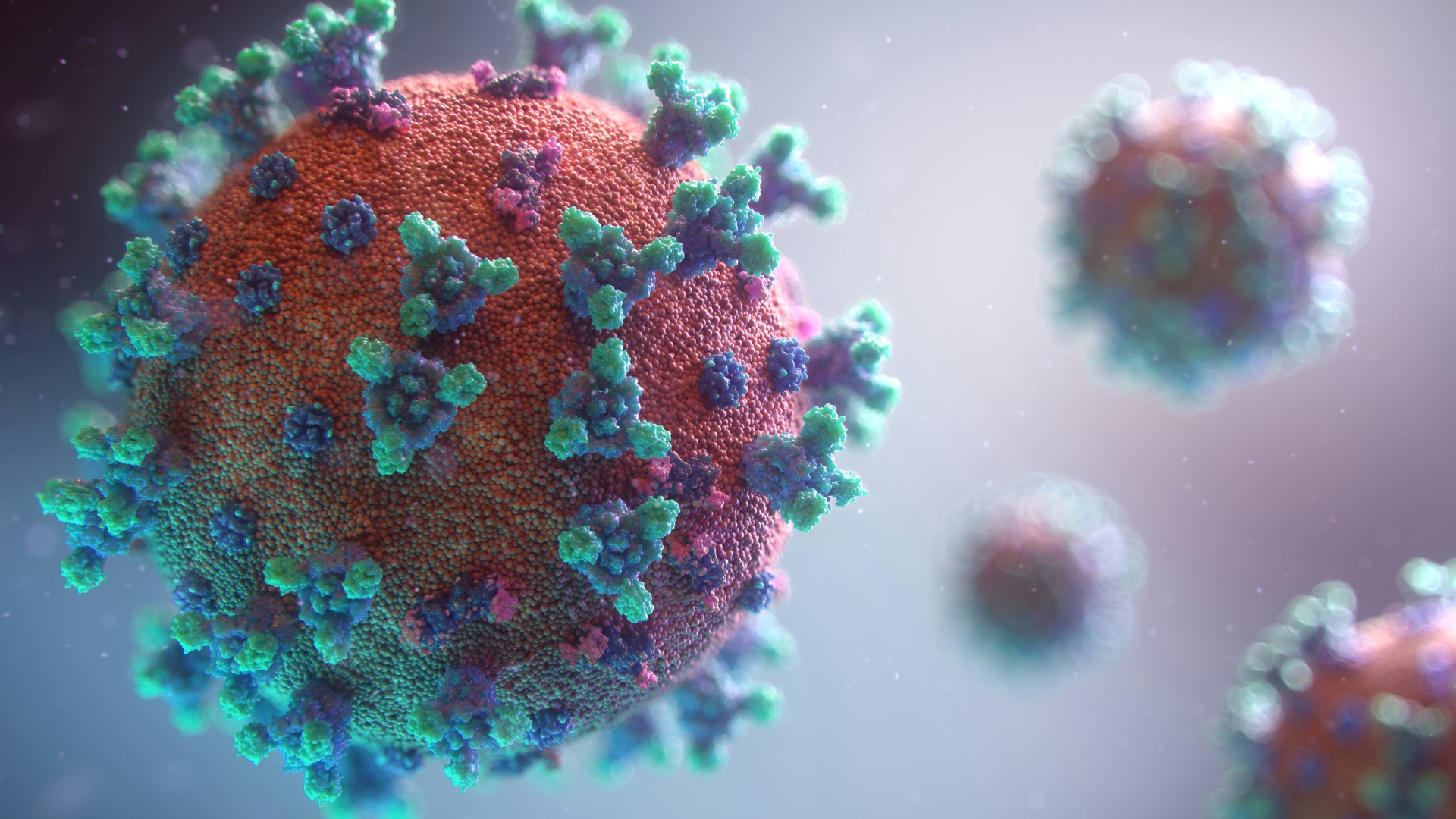
An infection keeps your immune system occupied with fighting germs instead of progressing efficiently through tissue repair. The area may become increasingly painful, swollen, warm, red, or begin producing drainage, and you could also develop a fever. Because an untreated infection can spread or cause the wound to enlarge, worsening symptoms should be evaluated by a healthcare professional.
 Fusion Medical Animation on Unsplash
2. Your Blood Sugar Is Too High
Consistently elevated blood sugar can weaken immune defenses, affect circulation, and make it harder for damaged tissue to rebuild. This is one reason people with poorly controlled diabetes are more likely to experience wounds that remain open for an unusually long time. Reduced sensation can create an additional problem because a person may continue placing pressure on an injury without realizing it.

3. You Aren’t Eating Enough Protein
Protein supplies amino acids that the body uses to repair skin, muscle, blood vessels, and other injured tissues. When your diet doesn’t provide enough, new tissue may form more slowly and have less strength during recovery. Your needs can rise after surgery, a serious injury, or the development of a large wound, making adequate intake especially important during those periods.
 José Ignacio Pompé on Unsplash
4. Your Circulation Is Limited
Damaged tissue relies on blood to deliver oxygen, nutrients, and immune cells to the injured area. Conditions that narrow arteries or interfere with healthy blood flow can leave a wound without the resources it needs to close properly. Circulation problems are particularly concerning when an injury affects the feet or lower legs, where some chronic ulcers commonly develop.
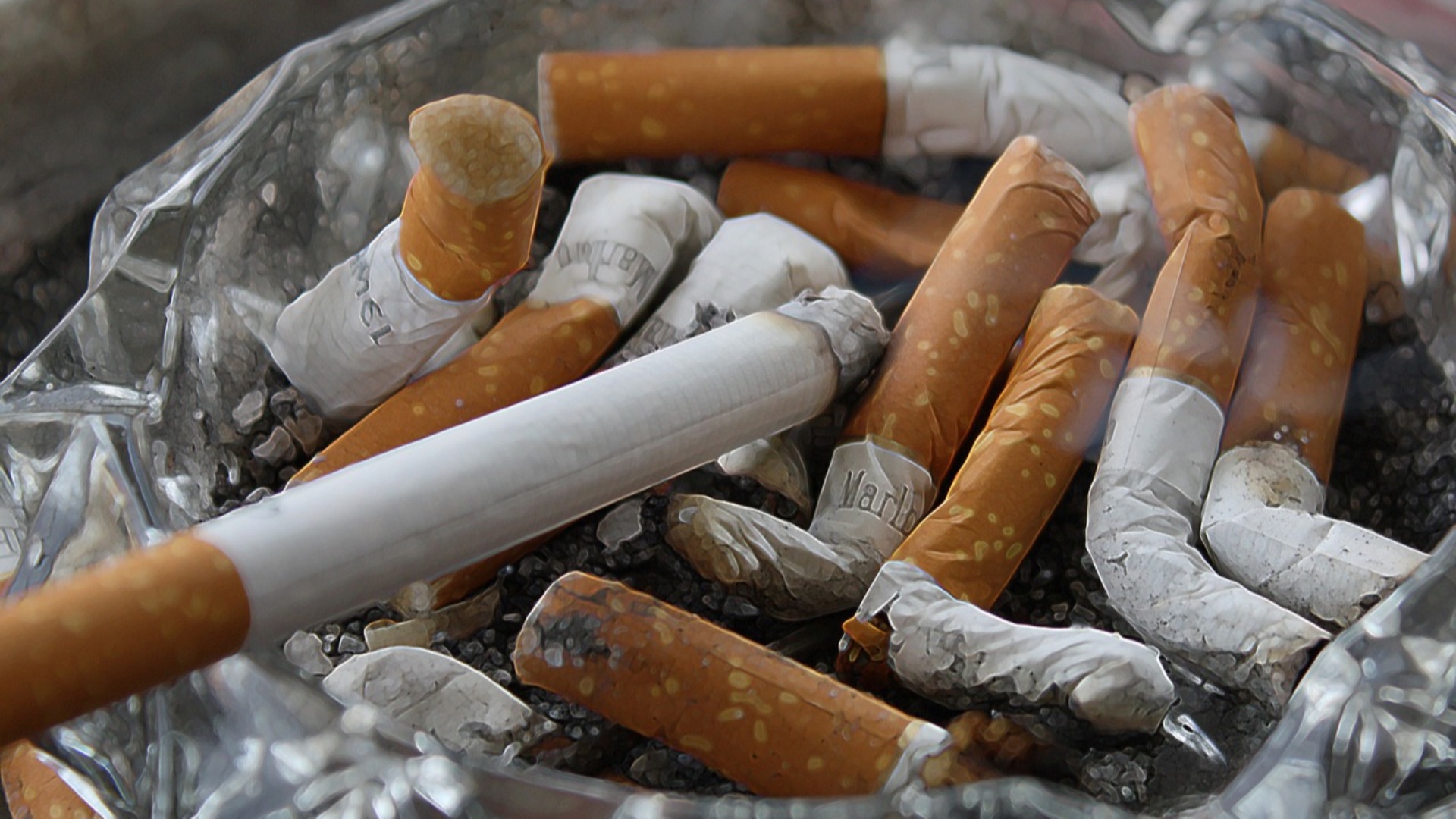
5. You Smoke or Use Nicotine
Smoking can narrow blood vessels and reduce the amount of oxygen reaching tissue that’s trying to repair itself. It may also increase the risk of complications after surgery and make existing circulation problems more difficult to manage. Even when an injury appears relatively small, poor oxygen delivery can extend the recovery period.
6. You Keep Putting Pressure on the Injury
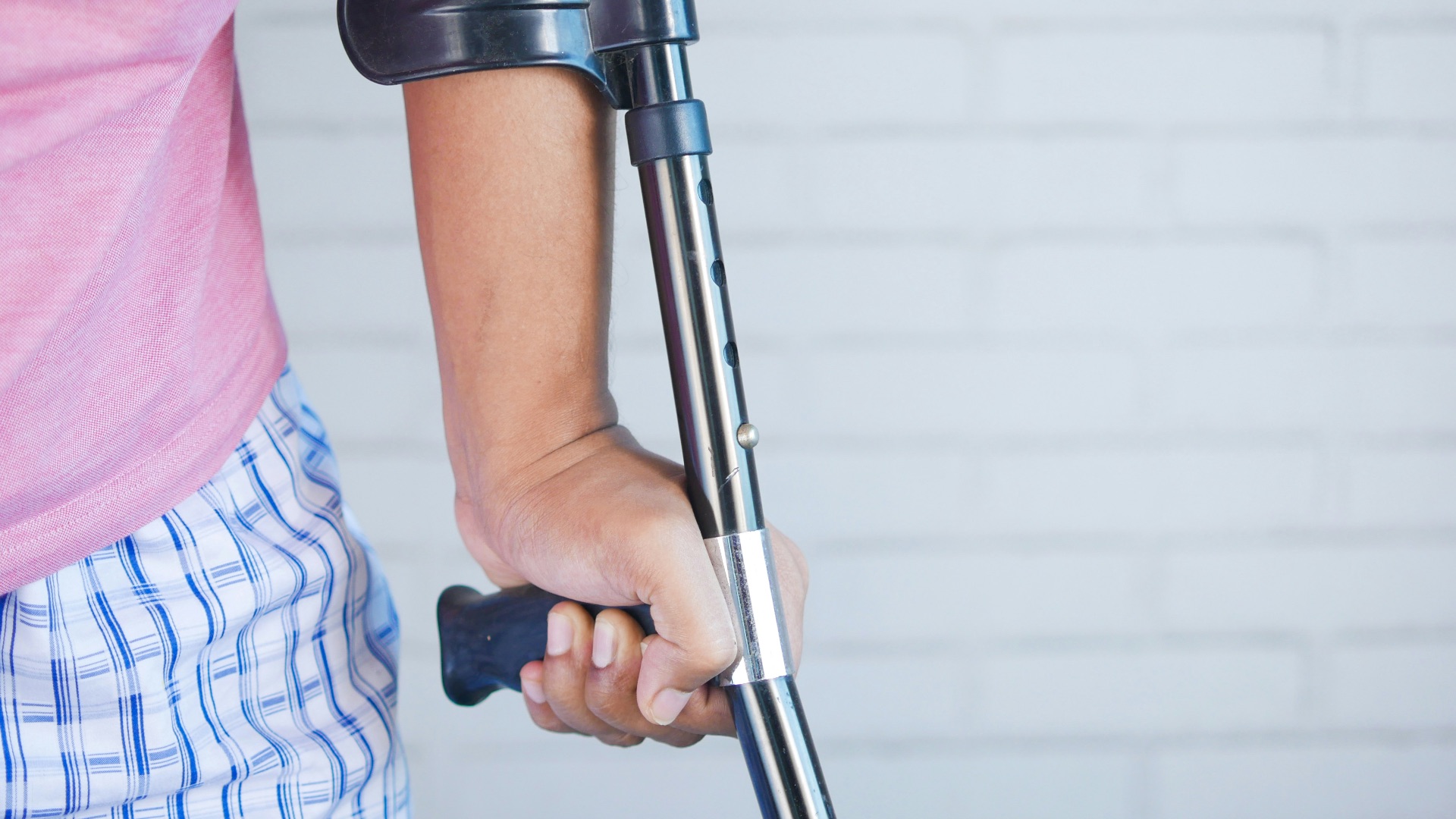
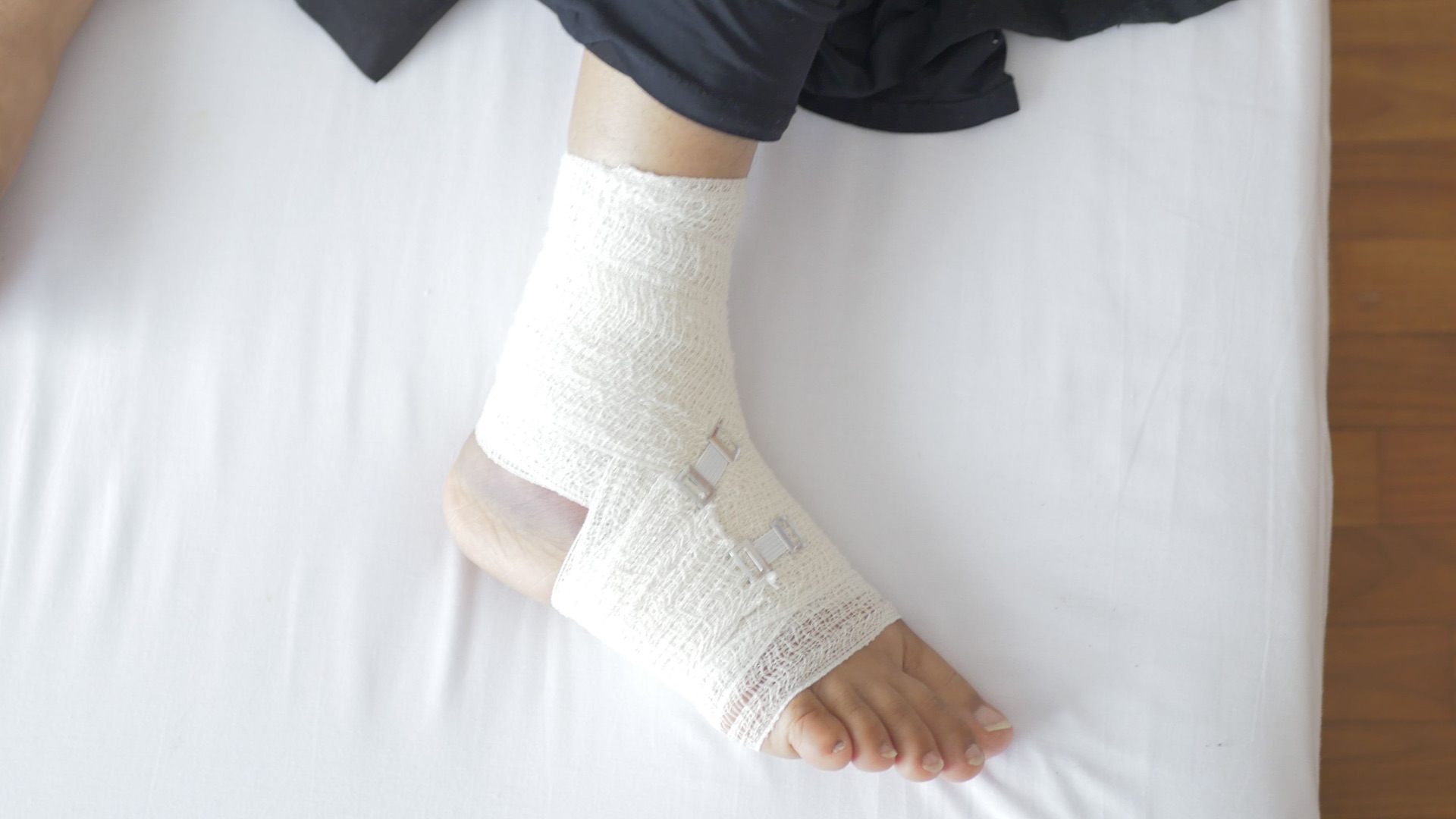
Repeated pressure can restrict blood flow, irritate newly forming tissue, and cause a wound to reopen. This commonly happens with foot injuries, pressure sores, and incisions located where clothing or everyday movement repeatedly rubs against them. Continuing to walk, sit, sleep, or exercise directly on an injured area may undo some of the progress your body has already made.
7. You’re Not Getting Enough Calories
Healing requires energy, even if you’re resting and aren’t as active as usual. Eating too little can force the body to prioritize basic functions while allocating fewer resources to tissue repair. People who are underweight or losing weight unintentionally may be particularly vulnerable to delayed healing and skin breakdown.
 Jonathan Greenaway on Unsplash
8. The Injury Is Larger or Deeper Than It Looks
A superficial scrape and a deep puncture wound may appear similar from certain angles, but they involve very different levels of tissue damage. Larger wounds naturally take longer because the body must replace more tissue and may need to manage additional bleeding, contamination, or swelling. Deep wounds can also conceal damage that isn’t visible from the skin’s surface.
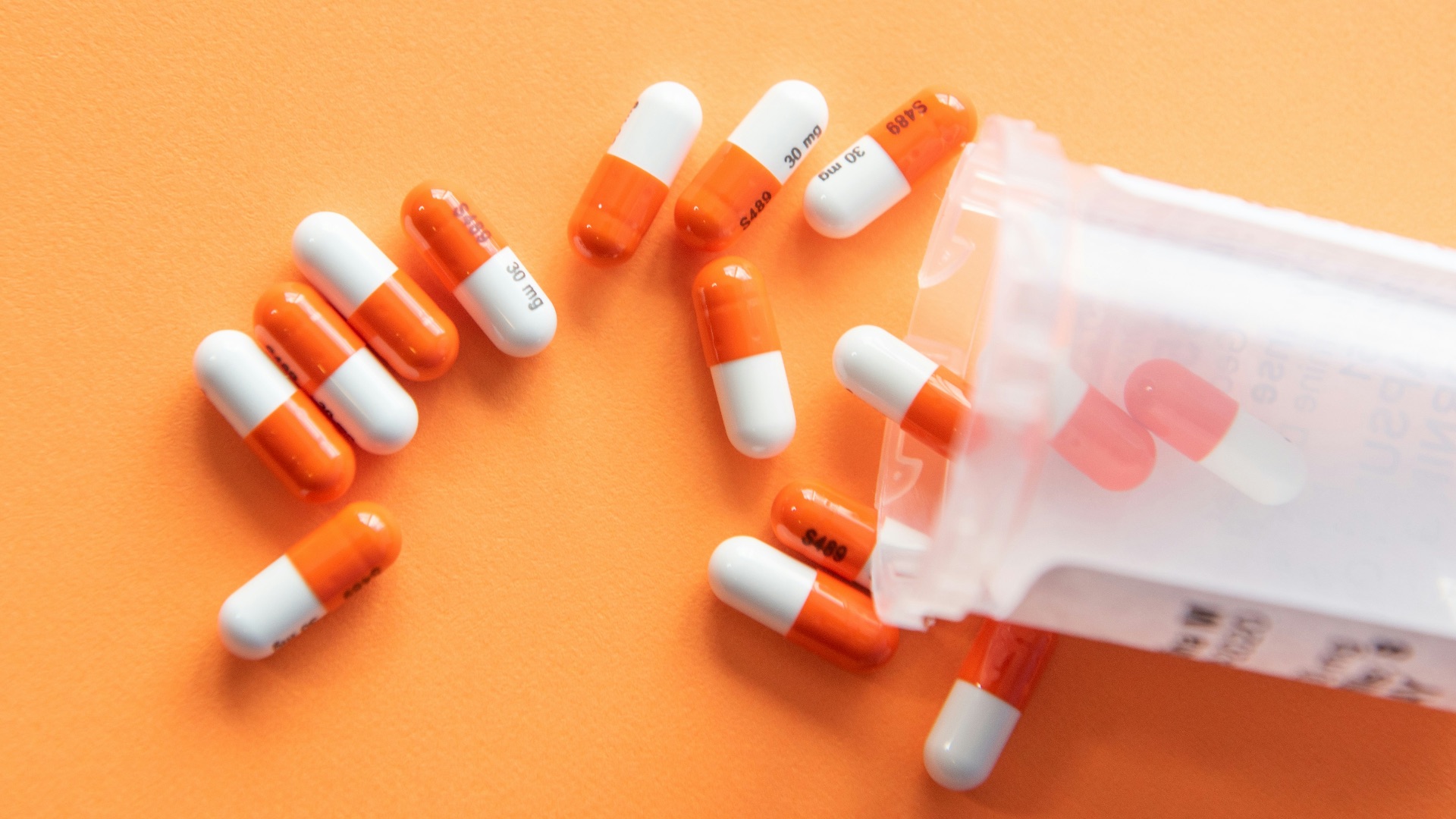
9. Certain Medications May Be Interfering
Some medicines can affect inflammation, immunity, blood clotting, or the body’s ability to form new tissue. Long-term corticosteroid use, for example, may thin the skin and alter immune function, which can complicate healing for some people. You shouldn’t stop a prescribed medication on your own, but unexplained delays are worth discussing with the clinician managing your treatment.
 Christina Victoria Craft on Unsplash
10. Dead or Damaged Tissue Is Still Present
Tissue that’s no longer healthy can obstruct the wound bed and provide an environment where bacteria are more likely to grow. In certain chronic wounds, a clinician may need to perform debridement, which removes dead or infected material so healthy tissue can continue developing. This isn’t something to attempt at home, particularly when the wound is deep or circulation is poor.
Knowing what’s slowing recovery is only half of the picture, though. If you want to accelerate your healing time, here are 10 things that can help:
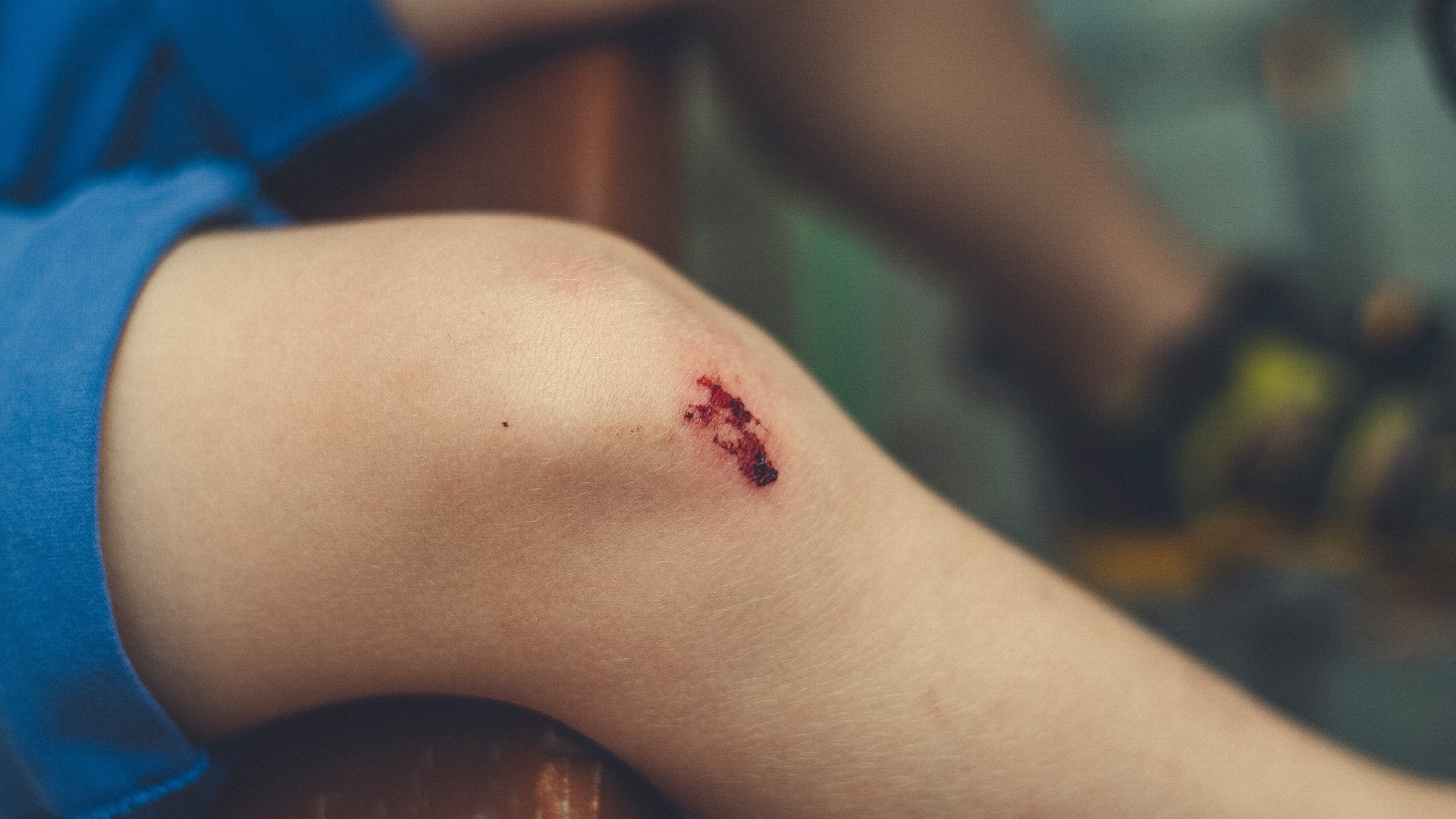
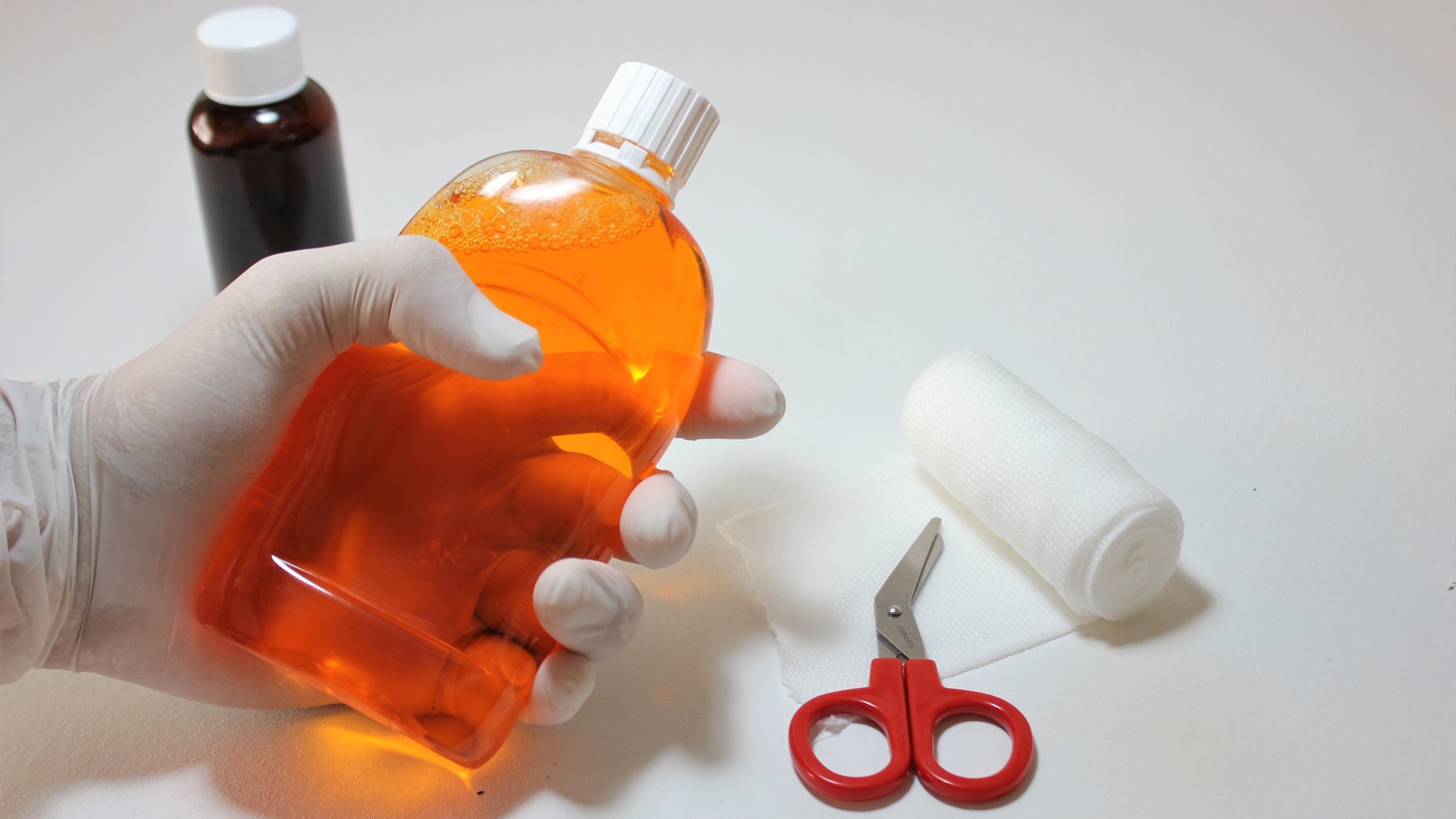
1. Clean and Protect the Area Properly
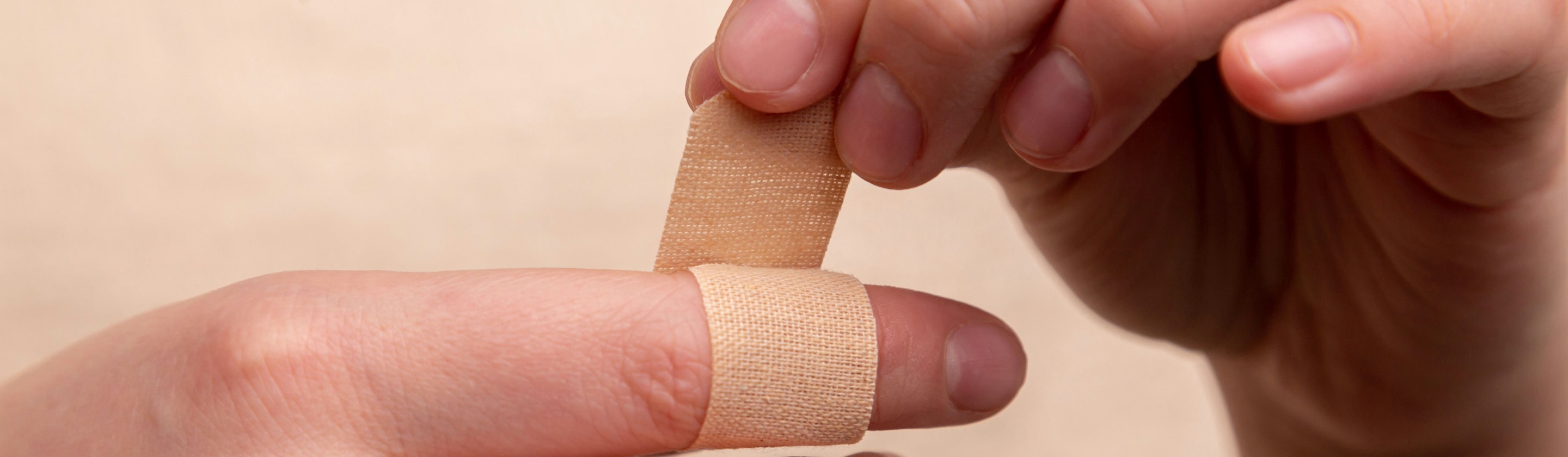
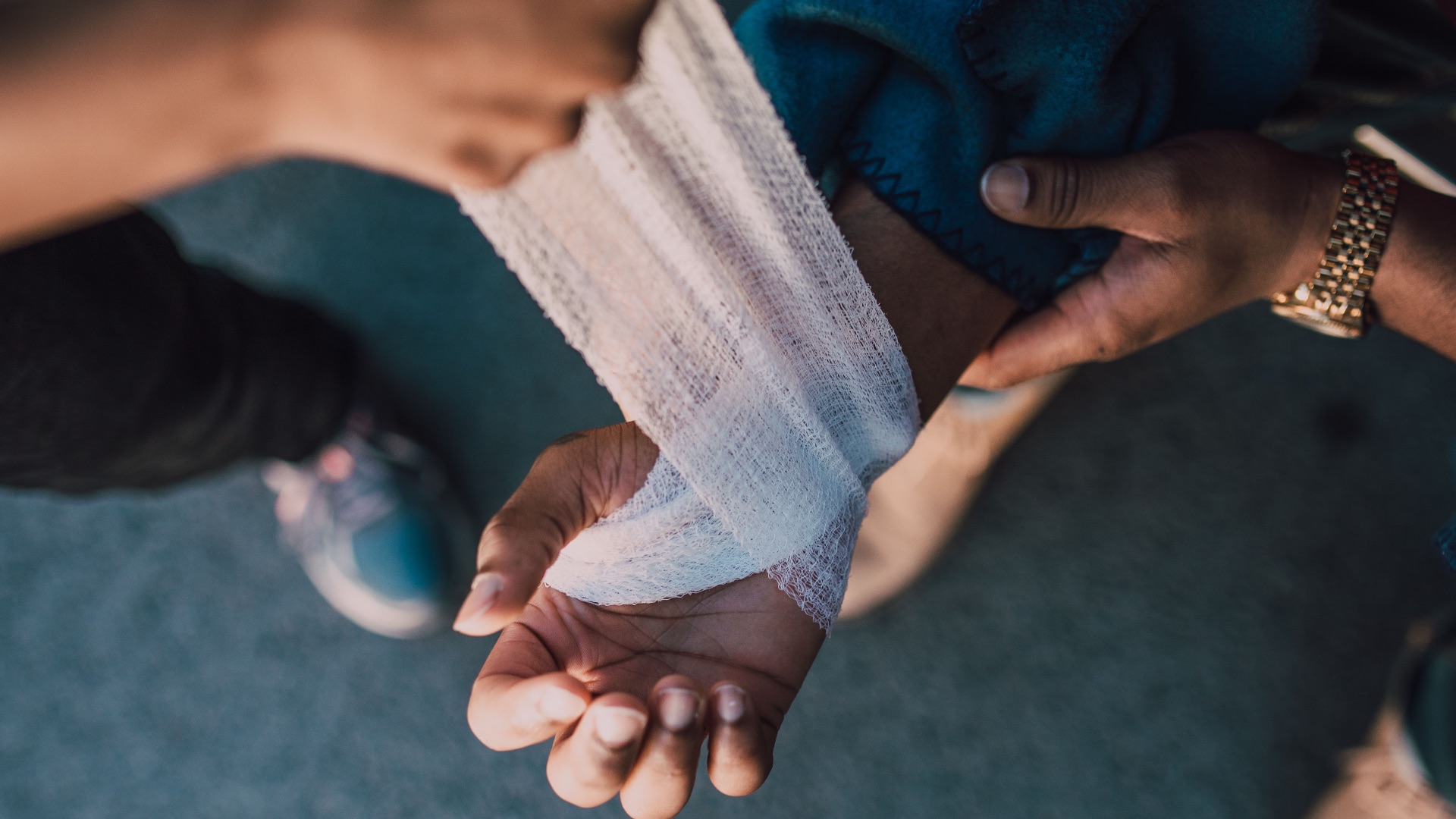
Appropriate wound care can reduce contamination while protecting delicate tissue as it forms. For a minor injury, this generally means cleaning it carefully and covering it with a suitable bandage rather than repeatedly touching or exposing it. Deep cuts, punctures, animal bites, heavy bleeding, and wounds containing embedded debris should receive professional attention.
2. Eat Protein Throughout the Day
Including protein in several meals can make it easier to meet increased needs without relying on one unusually large serving. Eggs, fish, poultry, dairy products, beans, lentils, tofu, and other protein-rich foods can all contribute to tissue repair. Someone with a restricted diet, poor appetite, or major wound may benefit from personalized advice from a dietitian.

3. Get Enough Vitamin C, Zinc, and Iron
Vitamin C supports collagen production, zinc participates in tissue growth and immune function, and iron helps the blood carry oxygen. A varied diet containing fruits, vegetables, whole grains, proteins, and fortified foods can provide these nutrients for most people. Supplements aren’t automatically better, and high doses can cause problems, so they should be used only when appropriate.

4. Keep Your Blood Sugar Well Managed
For someone with diabetes, following the agreed-upon plan for meals, medication, monitoring, and physical activity can support more effective recovery. Better glucose control also helps the body defend itself against infection. A wound on the foot deserves particular attention because reduced sensation may make changes harder to notice.

5. Stop Smoking
Giving up smoking can improve blood flow and reduce ongoing damage to the blood vessels carrying oxygen toward an injury. This matters before and after surgery as well as during recovery from chronic wounds. A doctor or pharmacist can recommend evidence-based cessation support instead of leaving you to manage cravings without assistance.
6. Relieve Pressure on the Healing Spot
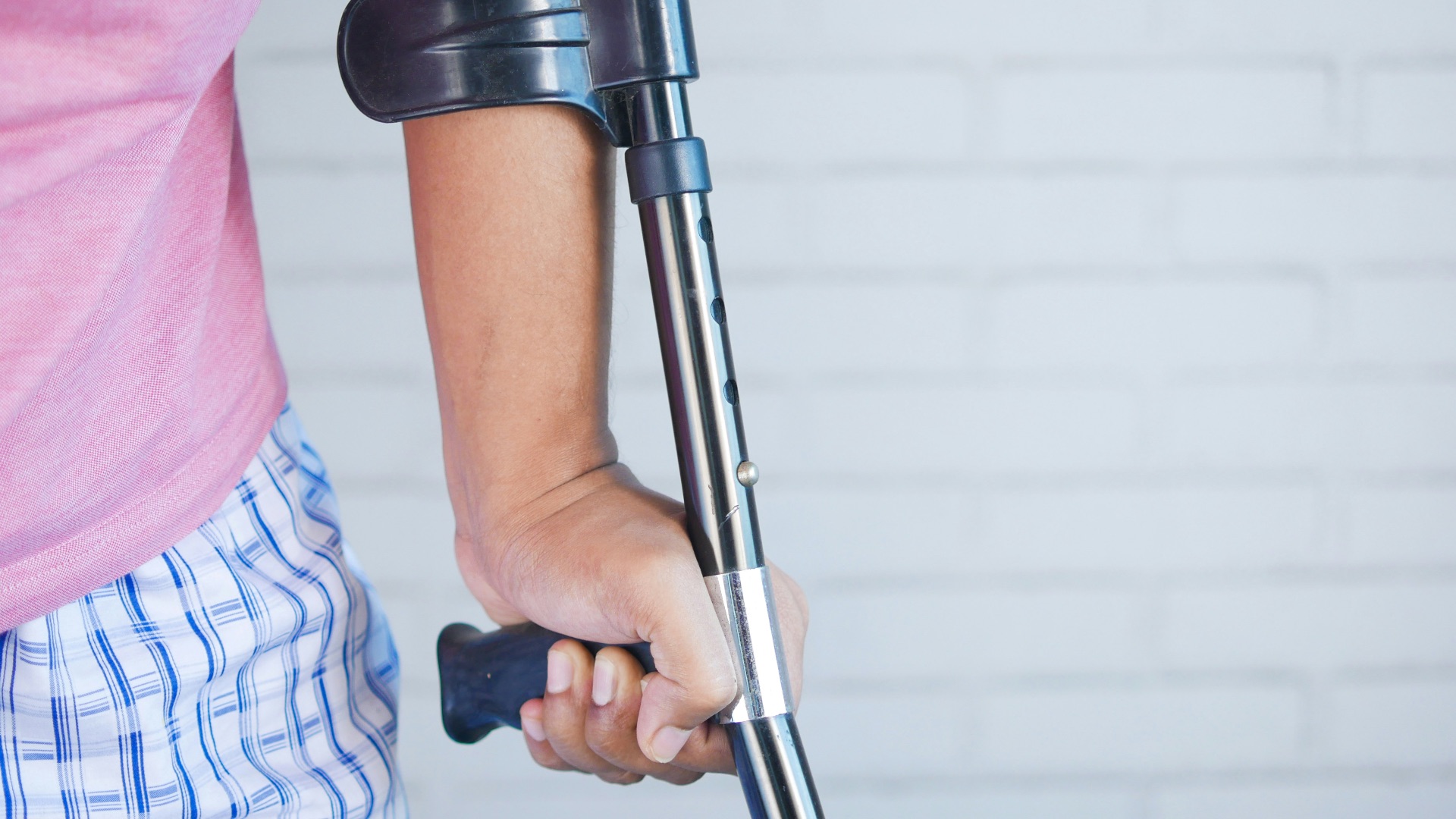
Protecting an injury may require temporarily changing how you walk, sit, sleep, exercise, or perform repetitive tasks. Specialized footwear, cushions, mattresses, braces, or other devices are sometimes used to redistribute pressure safely. The correct approach depends on the location and severity of the wound, so follow the instructions given by your care team.
7. Stay Hydrated
Fluids support circulation and help the body transport nutrients to tissues involved in recovery. Dehydration may also leave skin drier and more vulnerable, particularly in older adults or people who are unwell. Water needs differ depending on activity, medications, climate, and health conditions, so people with fluid restrictions should follow their clinician’s guidance.

8. Get Consistent, Restorative Sleep
Sleep gives the body uninterrupted time to regulate immune activity and carry out many of the processes involved in recovery. Pain, stress, medication effects, and an uncomfortable sleeping position can all make sufficient rest difficult. Addressing those obstacles with a healthcare provider may be more helpful than simply spending additional hours in bed.

9. Move Within the Limits of Your Injury
Appropriate activity can encourage circulation and help prevent the stiffness and physical decline associated with prolonged inactivity. However, doing too much too soon may strain an incision, aggravate injured tissue, or reopen a wound. Follow any restrictions from your surgeon, doctor, or physical therapist rather than using pain alone to judge what’s safe.
10. Get Persistent Problems Checked Early
A wound that isn’t improving, repeatedly opens, develops drainage, or becomes increasingly painful shouldn’t be ignored. Depending on the cause, treatment may involve antibiotics, specialized dressings, pressure relief, circulation testing, debridement, or better management of an underlying condition. Prompt assessment can prevent a manageable delay from becoming a far more serious complication.

KEEP ON READING

20 Ways Perimenopause Changes Fitness and Appetite


20 Unhealthy Obsessions People Have