
A Sharper Brain Doesn't Retire
The body slows down eventually, but the brain doesn't come with the same built-in excuse to coast. Plenty of research points to mental engagement as one of the best ways to stay sharp well into later years, and the good news is that almost none of it requires spending much money or leaving the house. What matters more than any specific activity is picking something that actually holds interest, since a bored brain doesn't get much benefit from staring at a puzzle it hates. The trick is variety, mixing things that challenge memory, logic, and creativity rather than doing the same crossword every single morning. Here's 20 things retirees can do to keep their minds genuinely busy.

1. Learning a New Language
Picking up a new language forces the brain to build fresh neural pathways in a way that few other activities manage, since it demands memory, listening, and pattern recognition all at once. Apps make it easy to practice in short daily bursts rather than committing to formal classes. Even reaching basic conversational level in a language never studied before counts as real cognitive exercise.

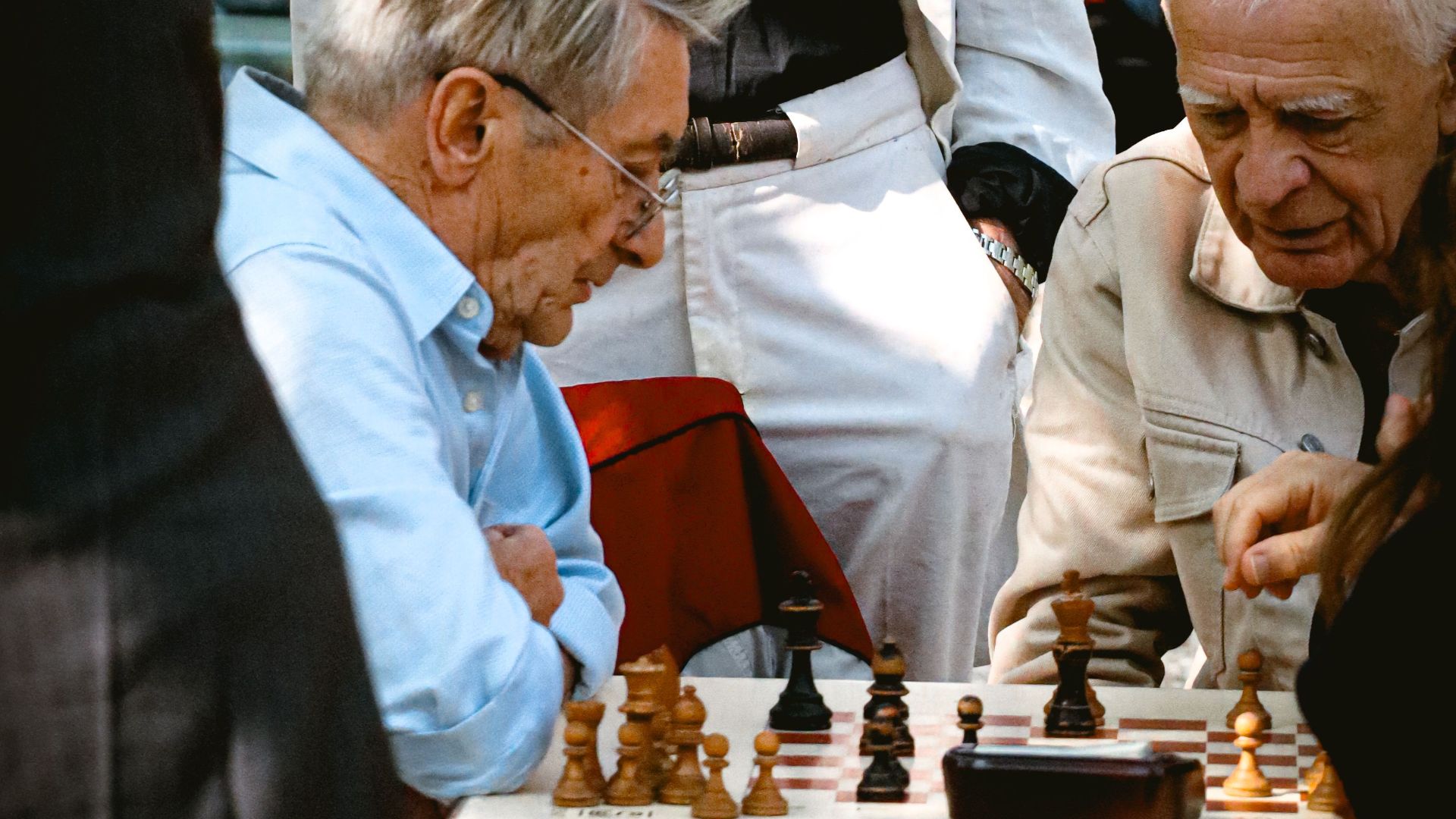
2. Picking Up Chess
Chess rewards patience and planning several moves ahead, which keeps working memory and strategic thinking active in a way that few casual games do. Local clubs and online platforms make it easy to find opponents at any skill level, from total beginner to serious competitor. The learning curve is steep enough to stay interesting for years without ever feeling mastered.
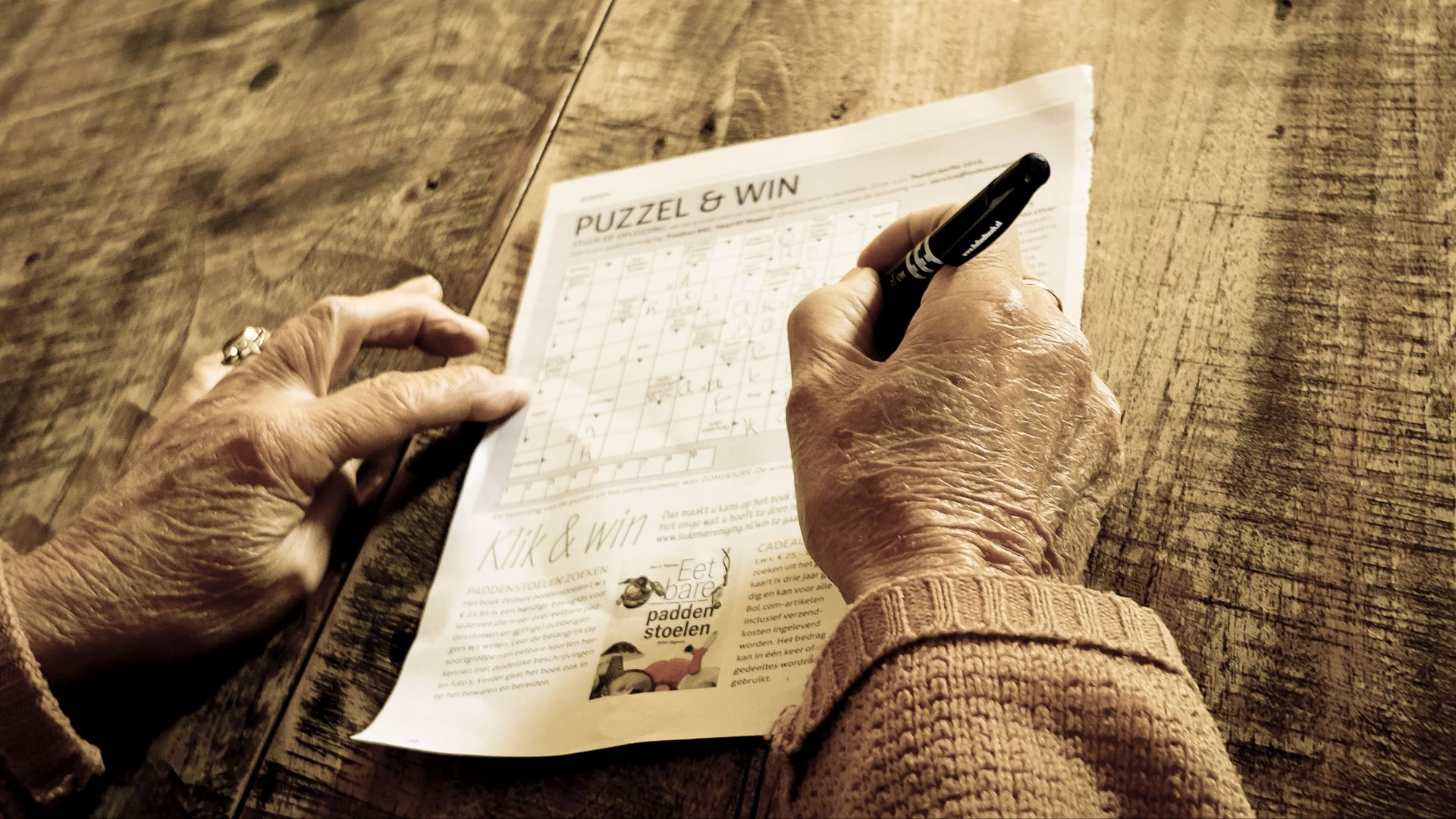
3. Working Through Crosswords and Sudoku
Word and number puzzles are popular for a reason, since they combine vocabulary recall, pattern recognition, and a small daily sense of accomplishment. Sudoku in particular sharpens logical deduction skills that don't get much of a workout elsewhere in daily life. Doing a puzzle every morning with coffee becomes a habit that's easy to stick with long term.
4. Learning to Play an Instrument
Music engages both hemispheres of the brain simultaneously, coordinating reading notation, finger movement, and rhythm all at the same time. Starting an instrument later in life takes more patience than it did at seven years old, but the mental payoff is arguably greater precisely because of that added challenge. Even twenty minutes of practice a day builds real skill over a few months.

5. Joining a Book Club
Reading alone keeps the mind engaged, but discussing a book with a group adds a layer of analysis and debate that solo reading doesn't offer. Defending an interpretation or hearing a perspective nobody else considered tends to stick with people longer than the book itself. Most libraries and community centers run free clubs that make finding one easy.

6. Writing a Memoir
Putting a life story into words requires digging through decades of memory, organizing events into some kind of narrative, and figuring out what actually mattered versus what just happened. It's a surprisingly demanding mental exercise disguised as a sentimental project. Family members tend to treasure the result long after the writing itself is finished.

7. Auditing a College Course
Many universities let older adults sit in on classes for free or at a steep discount, without the pressure of exams or grades hanging over the material. Choosing a subject completely outside a previous career, like philosophy after decades in accounting, tends to stretch the brain in genuinely new directions. The structure of regular lectures and readings also builds a routine worth showing up for.

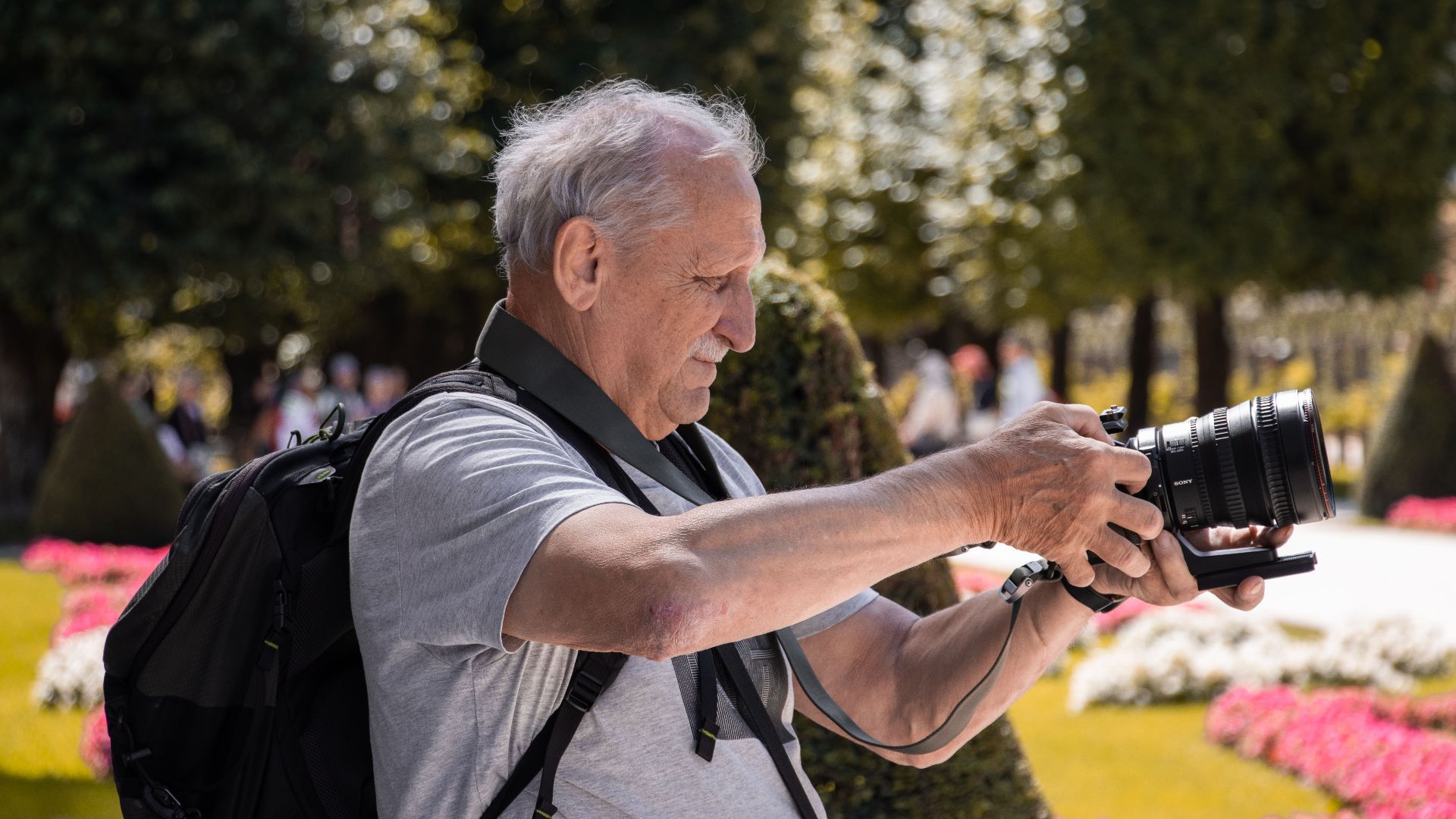
8. Taking Up Photography
Photography blends technical learning, like understanding aperture and lighting, with a genuinely creative eye for composition. It gives every walk or trip a small mission, hunting for the right shot rather than just passing through. Editing photos afterward adds a second layer of problem-solving on top of the shooting itself.
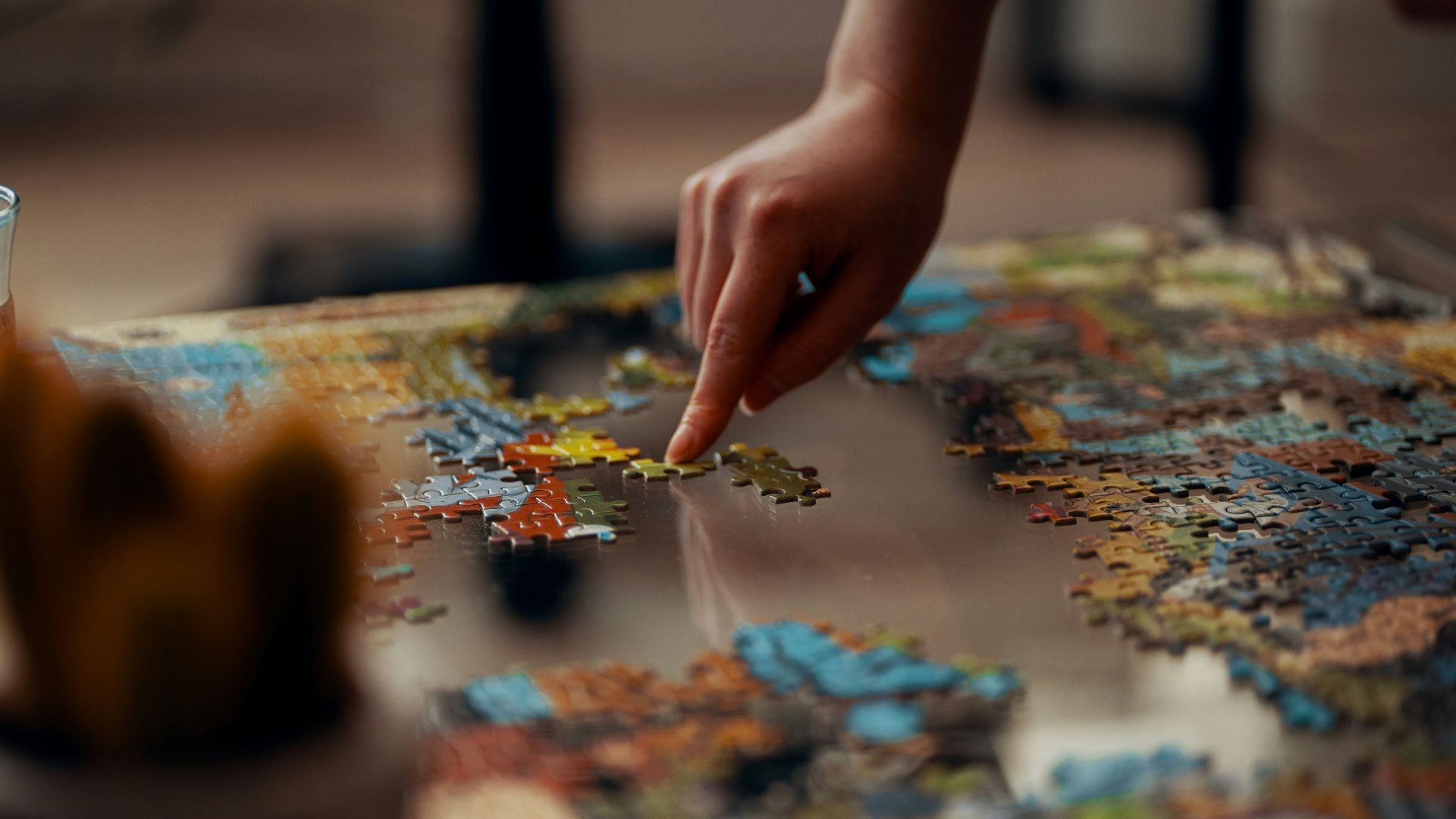
9. Tackling Jigsaw Puzzles
Jigsaw puzzles demand visual-spatial reasoning, pattern matching, and no small amount of patience, especially once a 1,000-piece sky becomes involved. They're also one of the few brain exercises that naturally invite other people to pull up a chair and help. A finished puzzle glued and framed makes a nice bit of proof that the effort paid off.
10. Learning Basic Coding
Coding might seem like a young person's game, but the logical structure involved, breaking a problem into small steps, makes it an unusually good mental workout at any age. Free tutorials and beginner-friendly platforms remove most of the intimidation factor. Building even a simple website or spreadsheet macro delivers a real sense of having created something from scratch.
 Alicia Christin Gerald on Pexels
11. Digging Into Genealogy
Tracing a family tree turns into detective work fast, cross-referencing old records, matching names across decades, and untangling family stories that don't quite line up with the paperwork. Genealogy sites have made records more accessible than ever, but the actual puzzle-solving still falls entirely on the researcher. Many people find distant relatives, and occasionally a surprise or two, along the way.

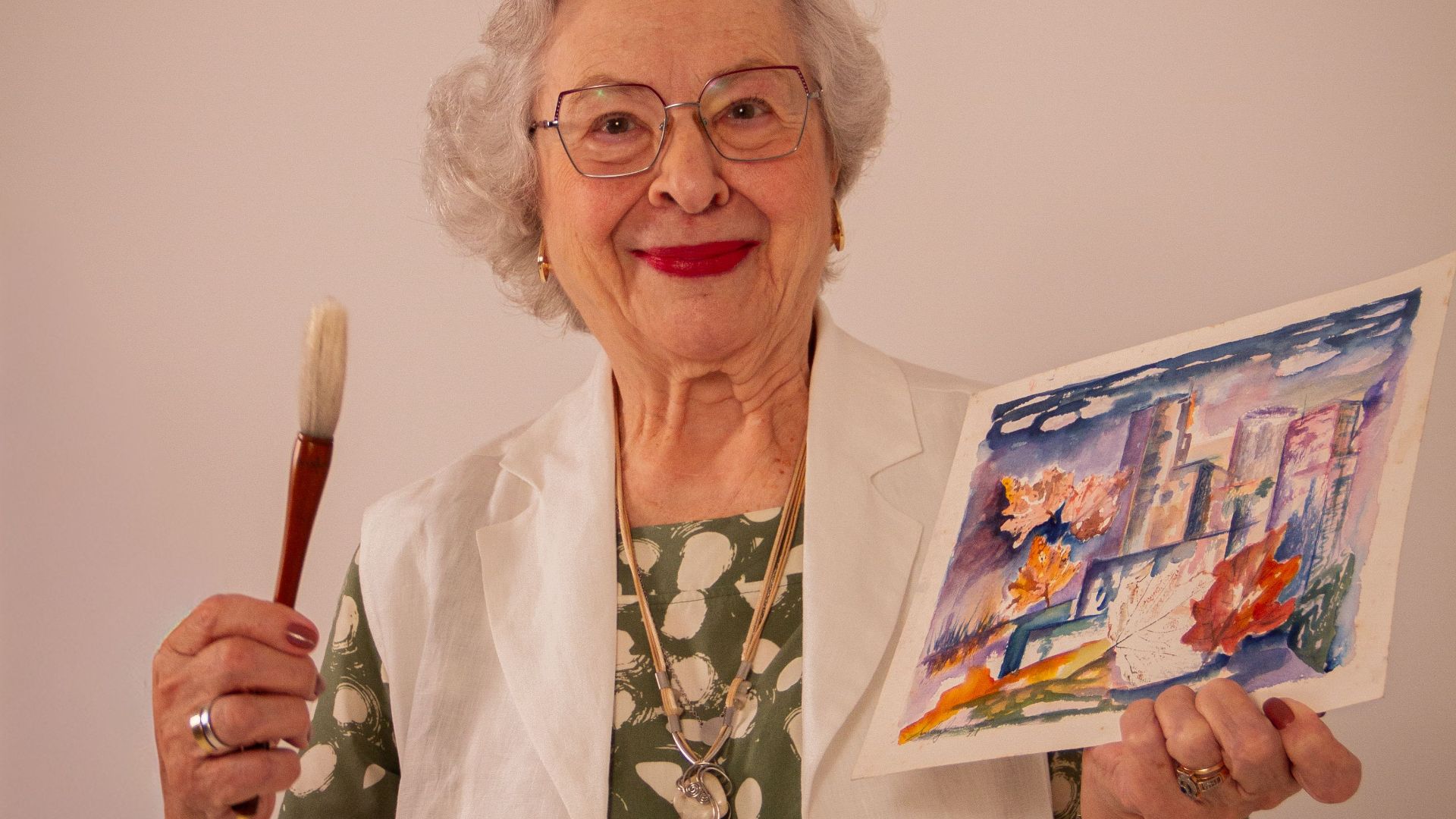
12. Taking Up Painting or Drawing
Visual art demands a different kind of focus than most daily tasks, forcing close observation of light, shape, and proportion. It doesn't require natural talent to start, just a willingness to produce a lot of bad work on the way to better work. Community art classes make the learning curve considerably less lonely.
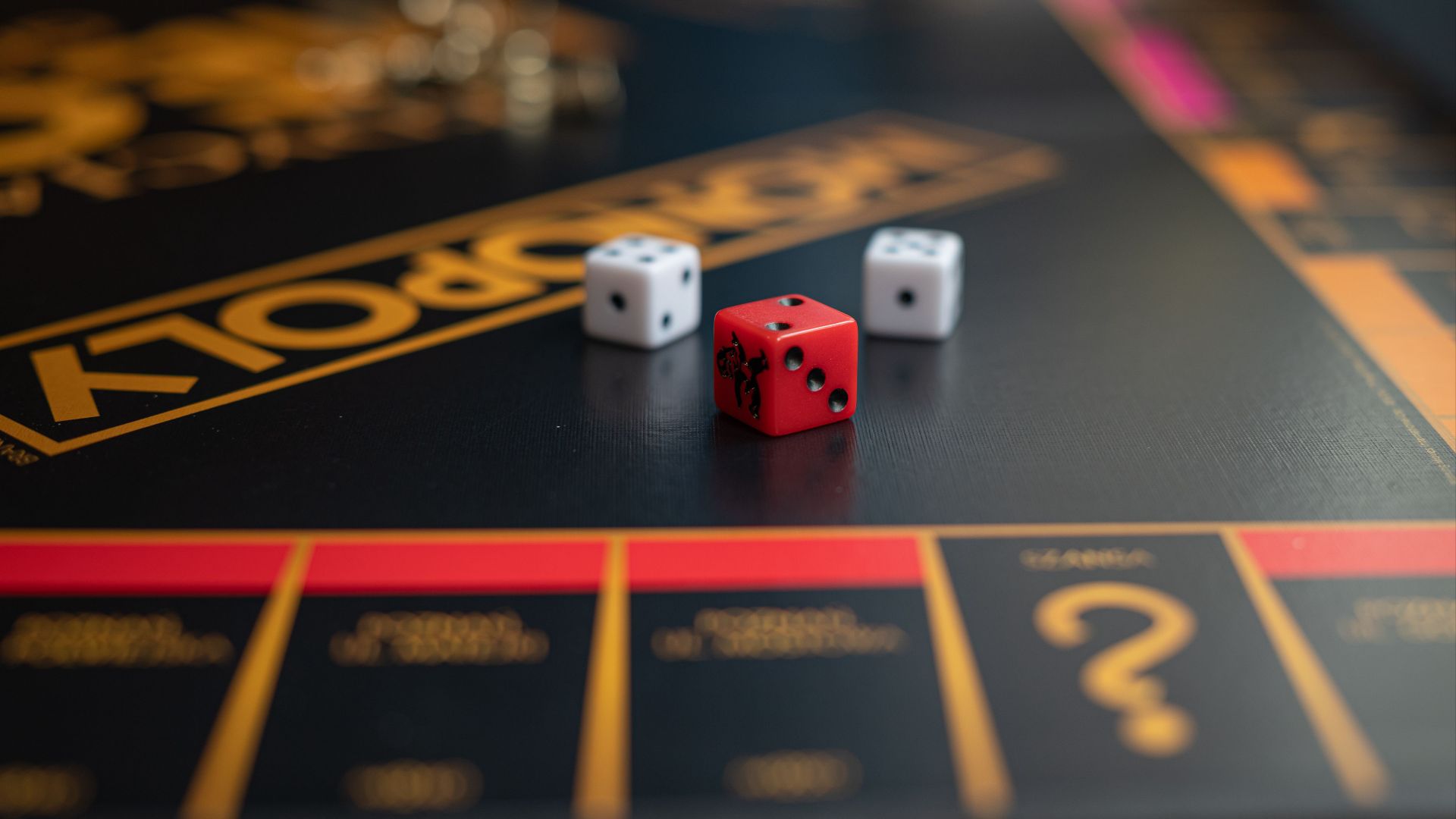
13. Playing Strategy Board Games
Games that require planning ahead, like bridge, backgammon, or newer strategy games, keep the brain working through probability and tactics rather than pure luck. Regular game nights also build in a social component that pure solo puzzles don't offer. Losing occasionally turns out to be part of what keeps the games interesting.
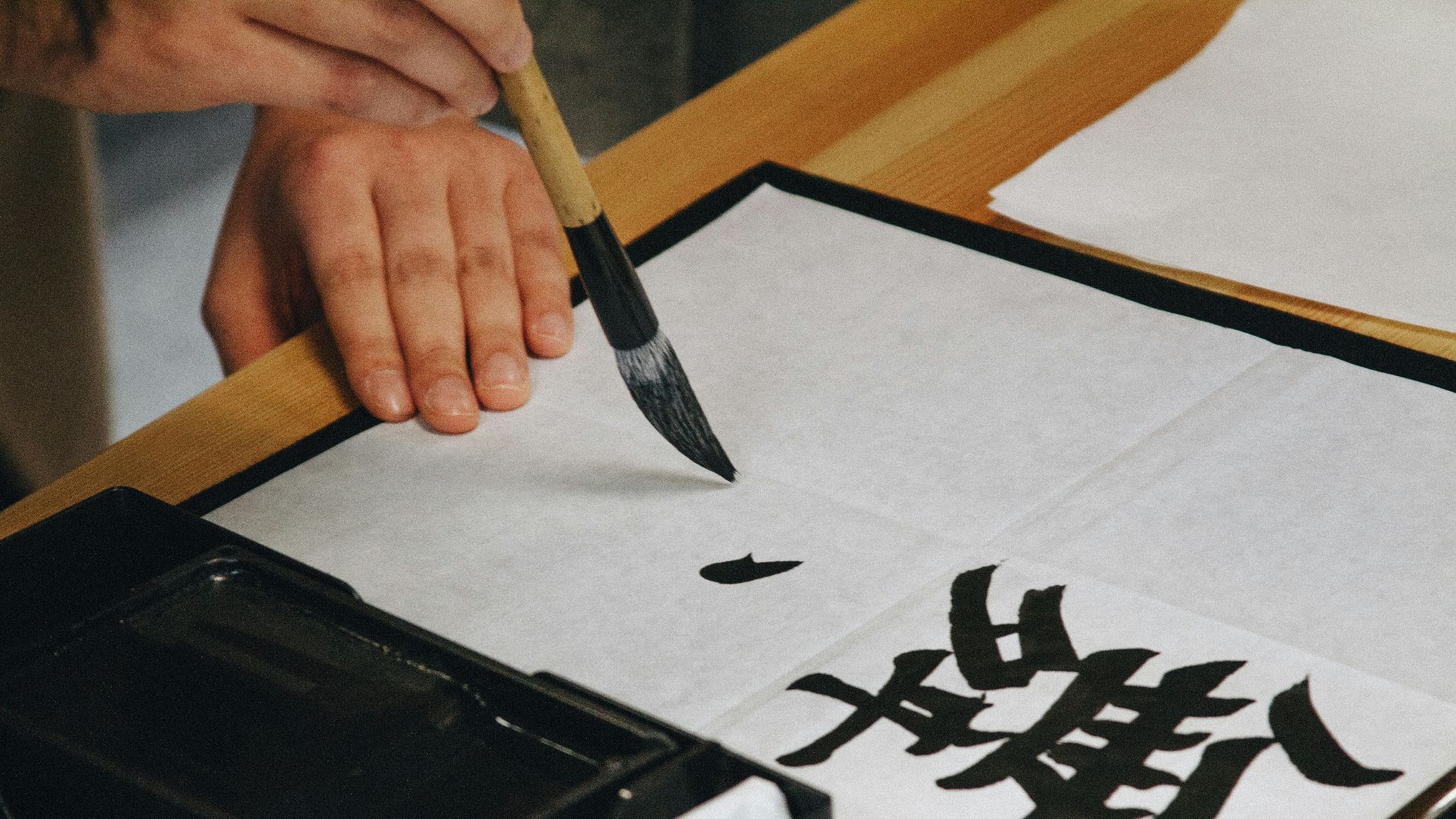
14. Learning Calligraphy
Calligraphy combines fine motor control with an eye for spacing and rhythm, and it rewards slow, deliberate practice more than natural ability. It's a surprisingly meditative activity, since rushing a letterform almost always ruins it. A handwritten card in beautiful lettering also tends to mean more to the person receiving it.
15. Attending Lifelong Learning Lectures
Programs built specifically for older adults, often through local universities or senior centers, offer short courses and lecture series on everything from art history to astrophysics. There's no homework and no pressure, just an hour of genuinely engaging material followed by a discussion. Sitting among other curious people tends to make the learning stick better than reading alone.

16. Studying a New Cuisine
Learning to cook a cuisine from scratch means picking up new techniques, unfamiliar ingredients, and a different way of thinking about flavor balance entirely. Following a recipe engages sequencing and memory in the moment, while understanding why a dish works adds a deeper layer of learning. A kitchen full of failed first attempts is basically a rite of passage.
 Centre for Ageing Better on Pexels
17. Memorizing Poetry
Committing a poem to memory works the same mental muscles as memorizing a phone number used to, back when people still did that regularly. Poetry in particular rewards attention to rhythm and word choice in a way that prose doesn't quite match. Reciting a favorite poem from memory tends to impress people far more than it should.

18. Starting a Blog
Writing regularly for an audience, even a small one, forces a level of clarity and organization that private journaling doesn't demand. Choosing a topic, whether it's travel, cooking, or local history, gives the writing some direction and keeps ideas flowing. Watching even a handful of readers engage with a post adds a nice bit of motivation to keep going.

19. Learning Astronomy
Stargazing turns into a genuine mental workout once star charts, constellations, and the movement of planets get involved. A decent pair of binoculars or an entry-level telescope opens up far more of the night sky than most people expect. Learning to identify what's overhead adds a layer of meaning to something that used to just look like scattered lights.

20. Birdwatching With a Field Guide
Identifying birds by sight and sound trains close observation and memory in a way that a casual walk outside never quite manages. A decent field guide turns an ordinary backyard into a small ongoing puzzle, matching markings and calls to species. Keeping a running list of sightings gives the hobby a satisfying sense of progress over time.

KEEP ON READING


20 Things Your Body Is Secretly Doing Right Now