Purpose Doesn't Require A Paycheck
Retirement has a way of solving one problem and creating another. The alarm clock stops ringing, the commute disappears, and then a few months in, a quieter question shows up: what now? Plenty of retirees find that the itch isn't really about money, it's about mattering, about having somewhere to be and something to offer. The good news is that usefulness doesn't come with a time clock, and there are dozens of ways to stay sharp, connected, and needed without signing up for another 40-hour week. Here's 20 ways to keep showing up without going back to full-time work.
1. Mentor a Small Business Owner
Organizations built around small business mentorship match retired professionals with people just starting out, and the time commitment is usually a few hours a month rather than a few hours a day. Someone who spent 30 years running a department or managing a budget has knowledge a first-time entrepreneur desperately needs. The sessions can happen over coffee, over video calls, or wherever fits into a much lighter schedule.
 https://kaboompics.com/ on Pexels
2. Join a Nonprofit Board
Local nonprofits are almost always looking for board members with real-world experience in finance, marketing, or operations. Board work usually means a handful of meetings a year plus some email between them, which is a far cry from clocking in daily. It's also a good way to stay plugged into decisions that shape a community rather than just reading about them.

3. Tutor Local Students
Schools and after-school programs are often short on adults who can sit down with a struggling reader or walk a kid through algebra homework. A couple of afternoons a week is usually enough to make a real difference for one or two students. There's a particular kind of satisfaction in watching a concept finally click for someone.

4. Volunteer at a Hospital
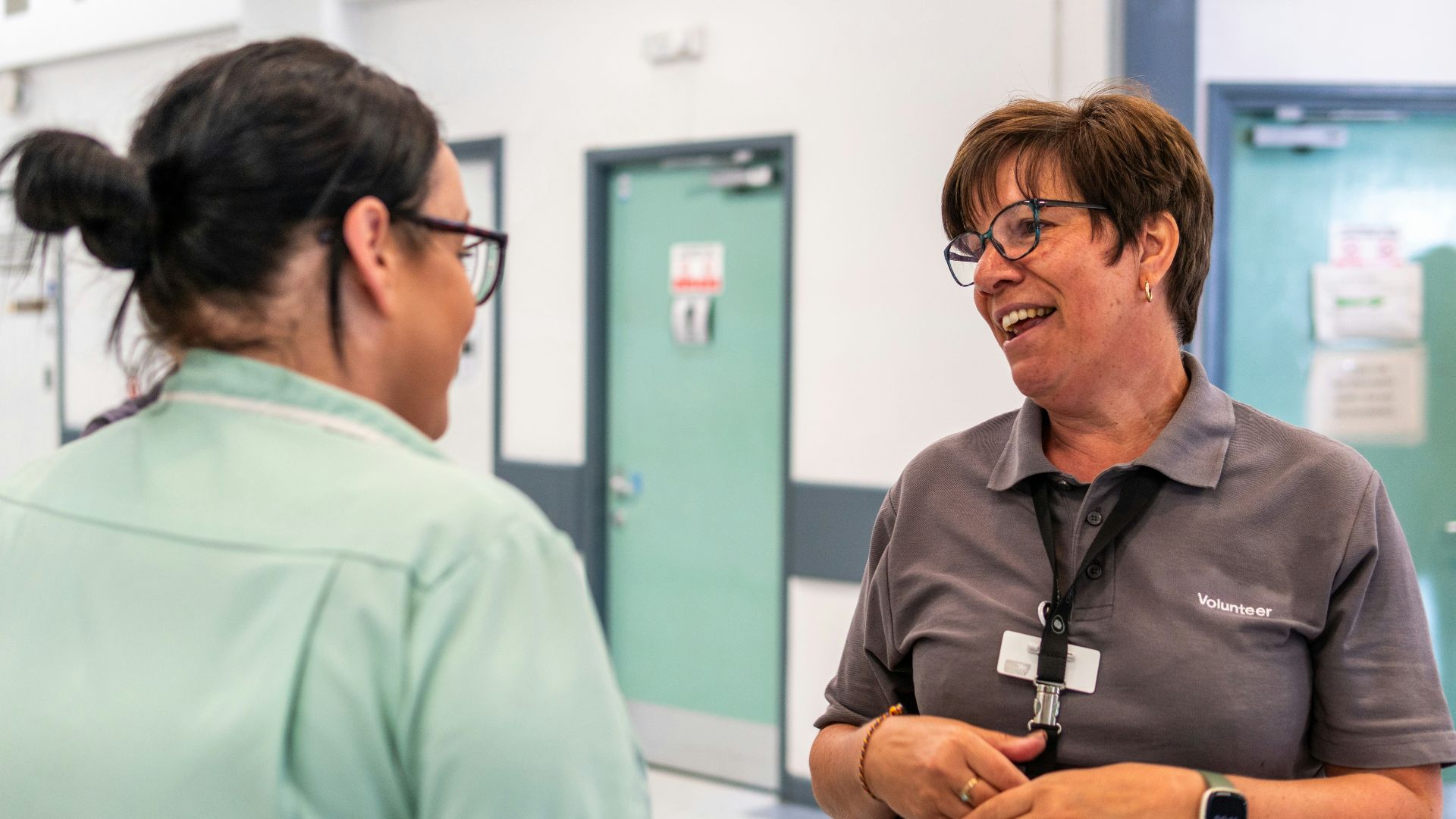
Hospitals rely heavily on volunteers to staff information desks, deliver flowers, sit with patients who don't have visitors, or guide families through unfamiliar hallways. Most programs let volunteers choose a shift length and frequency that fits their life, sometimes just one morning a week. It's steady, human work that hospital staff genuinely depend on.
 Centre for Ageing Better on Unsplash
5. Teach a Skill at the Library
Public libraries regularly host free classes on everything from woodworking to basic computer skills, and they're usually looking for people willing to lead one. Someone who spent a career as an accountant, a mechanic, or a nurse has expertise that a room full of neighbors would happily sit down to learn. A single Saturday morning session a month is often all it takes to build a following.

6. Drive for Medical Appointments
Organizations like the American Cancer Society and local senior centers coordinate volunteer drivers who take people to chemotherapy, dialysis, or routine checkups they couldn't otherwise get to. The time commitment is flexible, and drivers usually pick their own days and routes. For someone who misses the rhythm of a daily schedule, having a set pickup time can feel surprisingly grounding.

7. Foster Rescue Animals
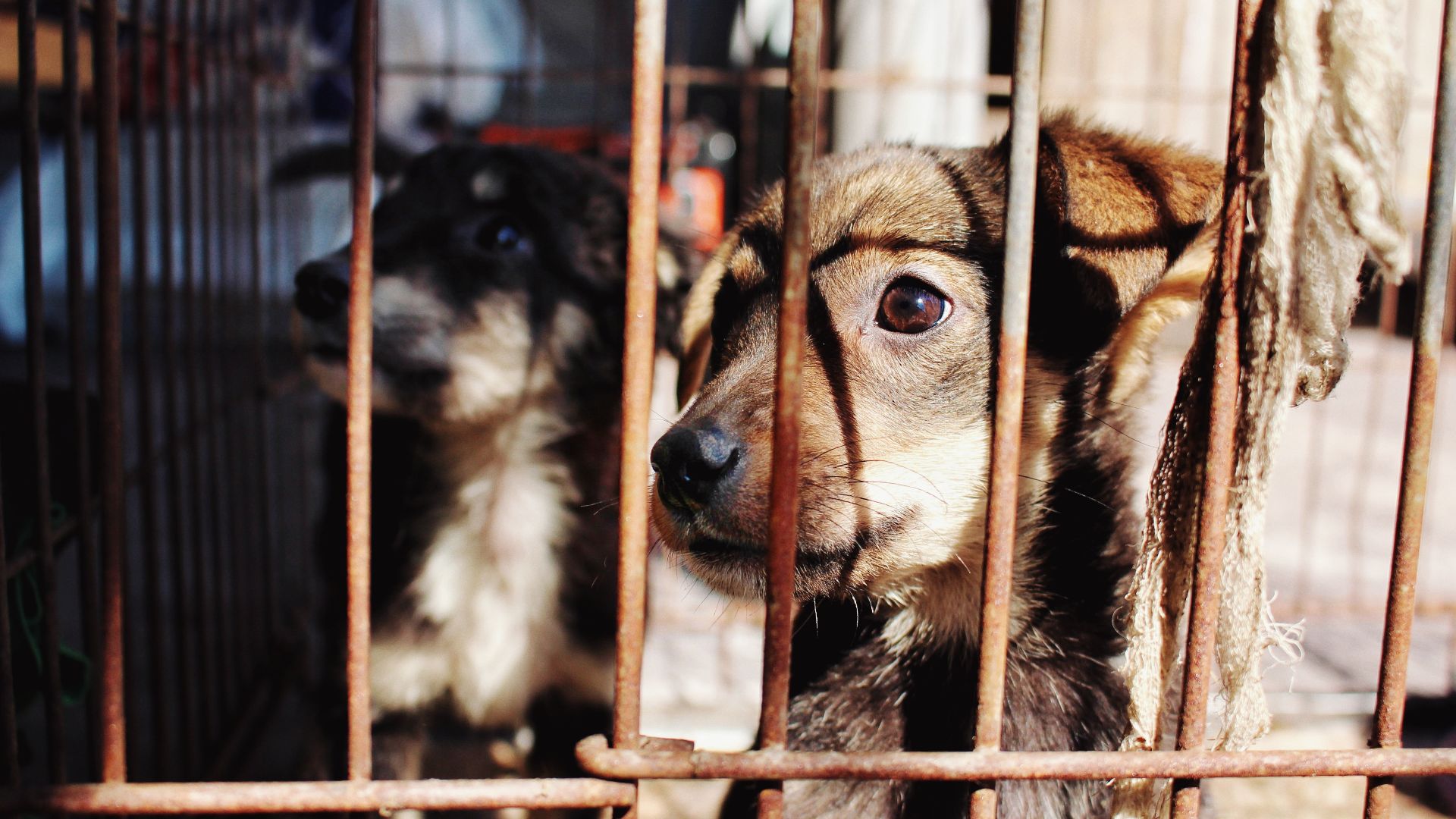
Animal shelters are almost always overcrowded, and fostering a dog or cat frees up shelter space while giving the animal a better shot at adoption. It's a commitment measured in weeks rather than years, and most shelters cover food and vet costs. Retirees with a spare room and a soft spot for animals tend to be some of the best fosters around.
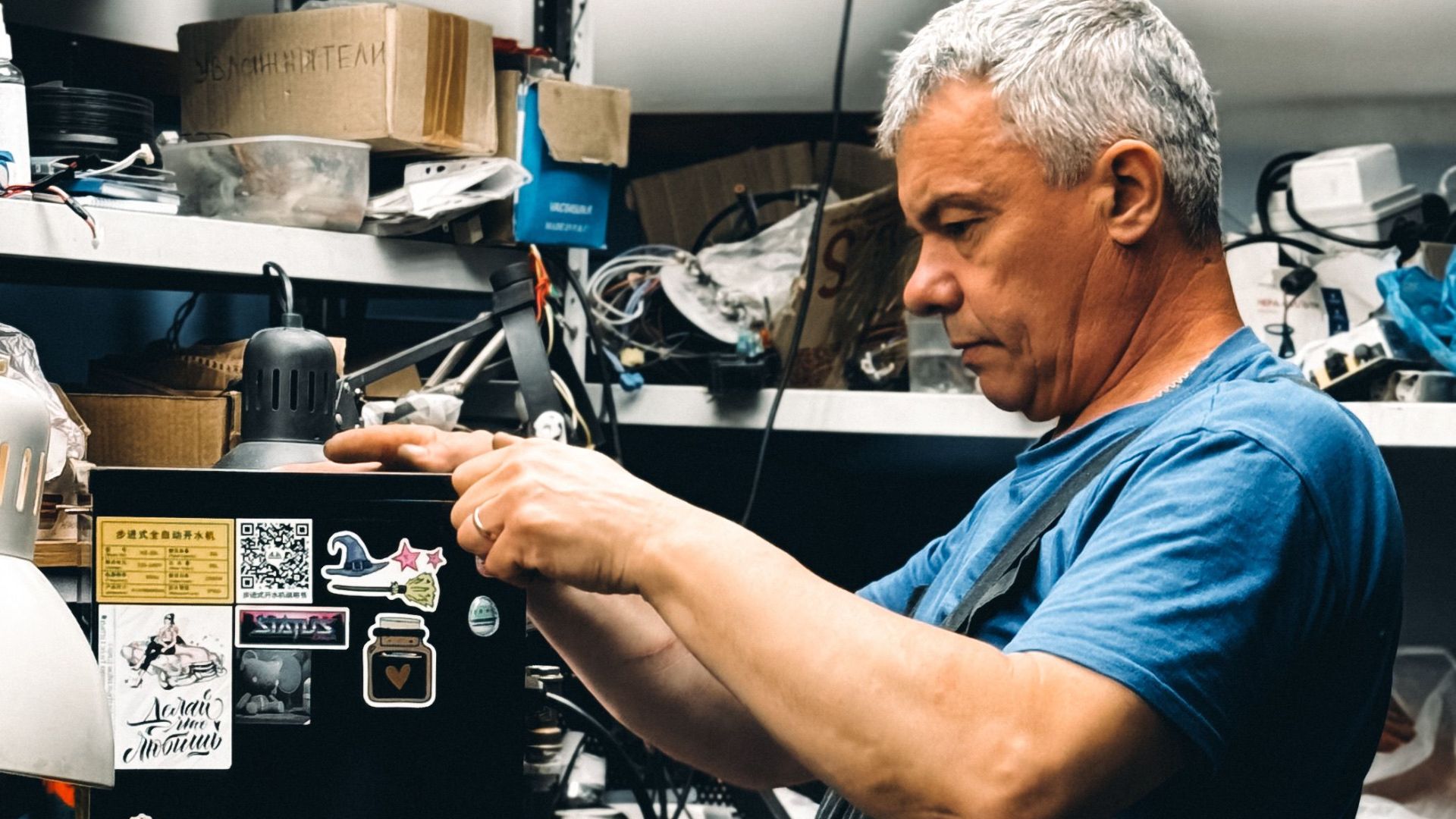
8. Join a Repair Café
Repair cafés are pop-up events where volunteers with fix-it skills help neighbors mend broken toasters, lamps, and bicycles instead of tossing them out. Someone who's spent decades tinkering in a garage or workshop fits right in, and the events usually run just a few hours at a time. It's hands-on work that keeps old skills sharp while cutting down on landfill waste.
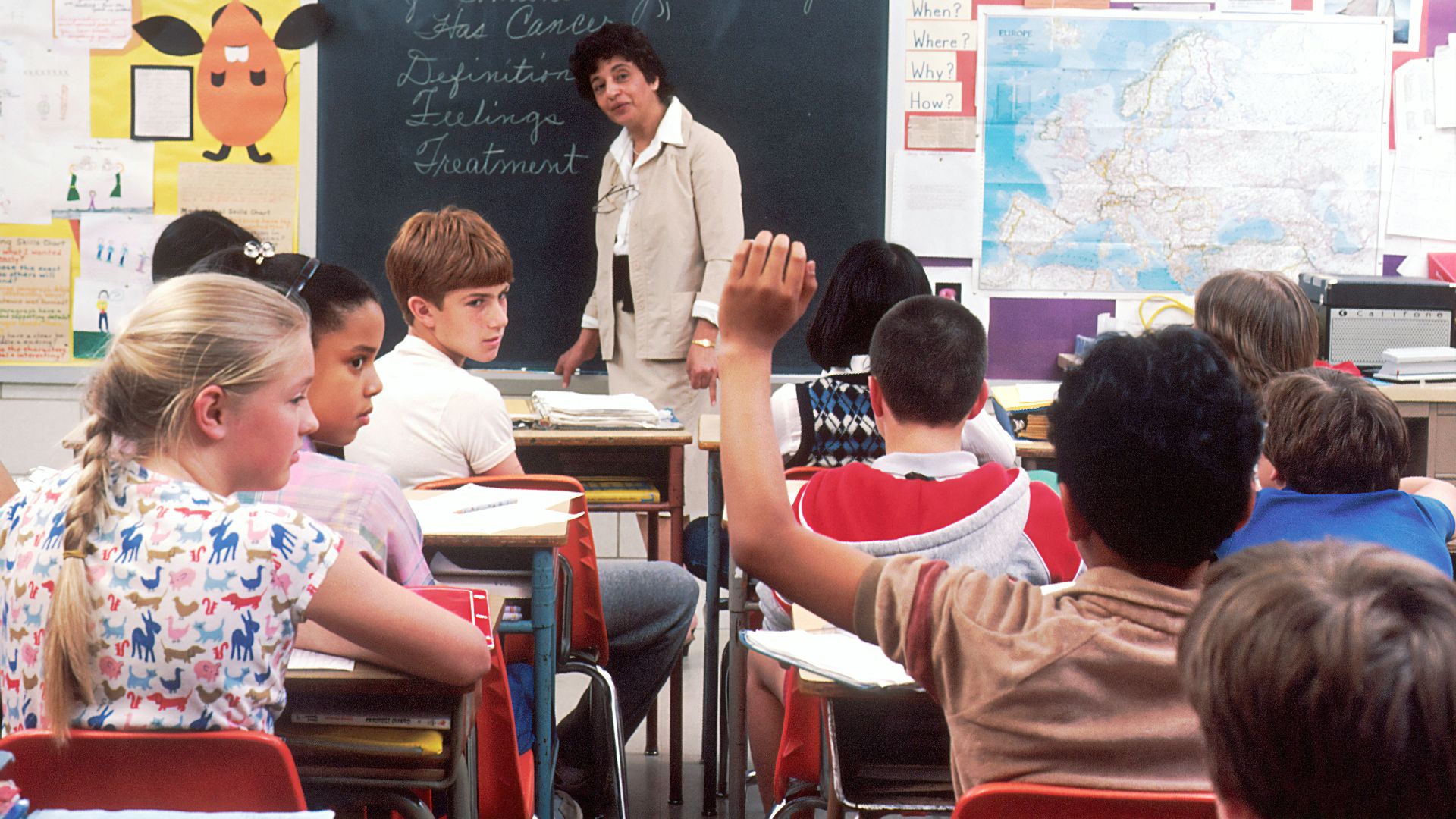
9. Become a Substitute Teacher
Substitute teaching lets someone step into a classroom for a single day or a stretch of days without any long-term obligation. Districts are chronically short on subs, so the demand is steady and the scheduling is entirely up to the person filling in. It's a way to stay around young energy without signing on for a full school year.
 National Cancer Institute on Unsplash
10. Help with Tax Season
The IRS runs a program called VITA that trains volunteers to prepare free tax returns for low-income families, seniors, and people with disabilities. The training happens once a year, and the actual work is concentrated in a few intense weeks each winter. For a retired accountant or anyone comfortable with numbers, it's a short, focused way to use a skill that would otherwise go quiet.

11. Coach Youth Sports
Local leagues are constantly recruiting coaches for soccer, baseball, and basketball teams made up of kids who are just learning the game. The season is short, the practices are a couple of times a week, and the payoff is watching a group of eight-year-olds slowly figure out how to work together. Plenty of retired coaches say it's more rewarding than the sport ever was when they played it themselves.

12. Work the Polls on Election Day
Poll workers are paid a small stipend, but the real appeal is being part of something that only happens a few times a year and matters enormously when it does. Training is usually a single session, and the actual workday is long but finite. It's a rare chance to be trusted with a genuinely important civic task on a strict, temporary basis.

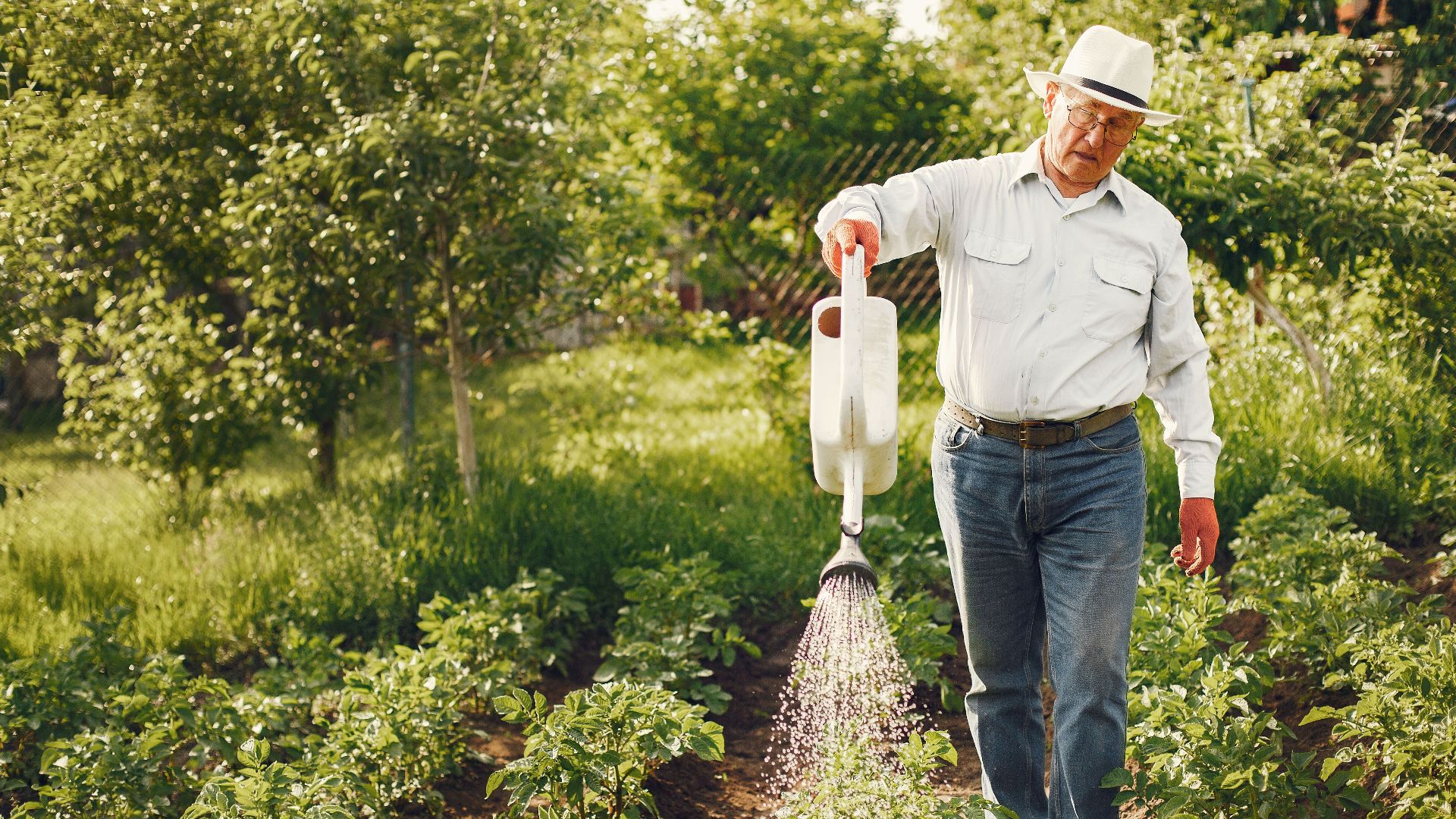
13. Join a Master Gardener Program
Extension offices across the country run Master Gardener programs that train volunteers to help maintain public gardens, answer community gardening questions, and teach classes on composting or pest control. The initial training takes some real hours, but afterward the commitment is usually a set number of volunteer hours per year, spread out however works best. It suits anyone who's spent years tending a backyard and wants to put that knowledge to wider use.
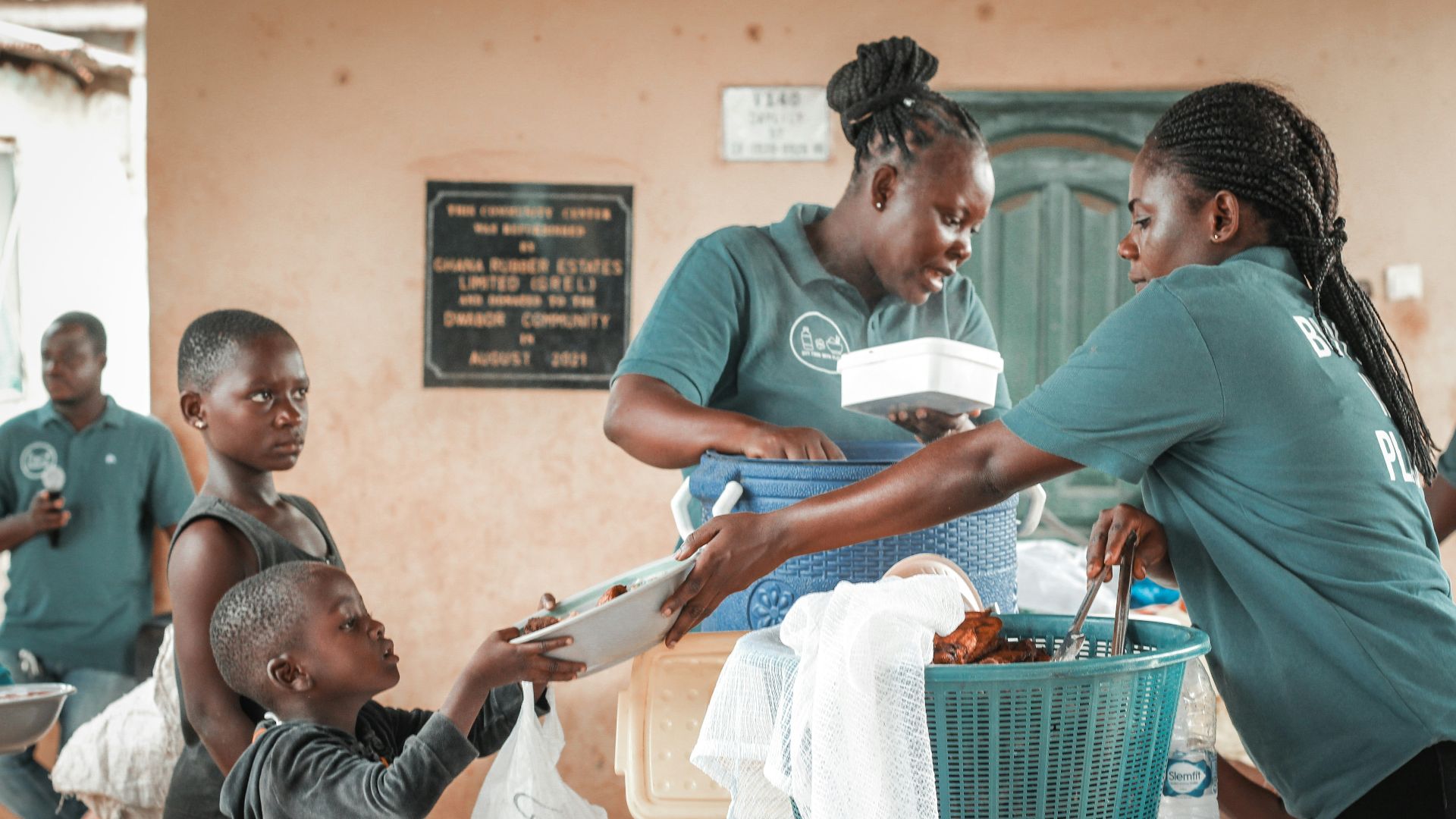
14. Volunteer with Disaster Relief
Groups like the Red Cross rely on trained volunteers to staff shelters, distribute supplies, and support families after floods, fires, and storms. The deployments are intense but short, often a week or two at a time, and volunteers choose when they're available to go. It's demanding work, but it puts a lifetime of steadiness to use exactly when people need it most.
15. Consult a Few Hours a Week
Plenty of former employers and industry contacts are happy to pay for occasional consulting from someone who already knows the business inside and out. A few hours a week reviewing a project or advising a former colleague can keep a career's worth of expertise from just sitting unused. It also comes without the meetings, politics, and daily grind that made the job exhausting in the first place.

16. Lead Walking Tours
Historical societies, downtown associations, and local museums often train volunteers to lead walking tours of neighborhoods, cemeteries, or historic districts. It's part storytelling and part exercise, and tours usually run an hour or two at a time on weekends. Anyone who loves local history and doesn't mind talking to strangers tends to find this one a natural fit.
17. Record an Oral History
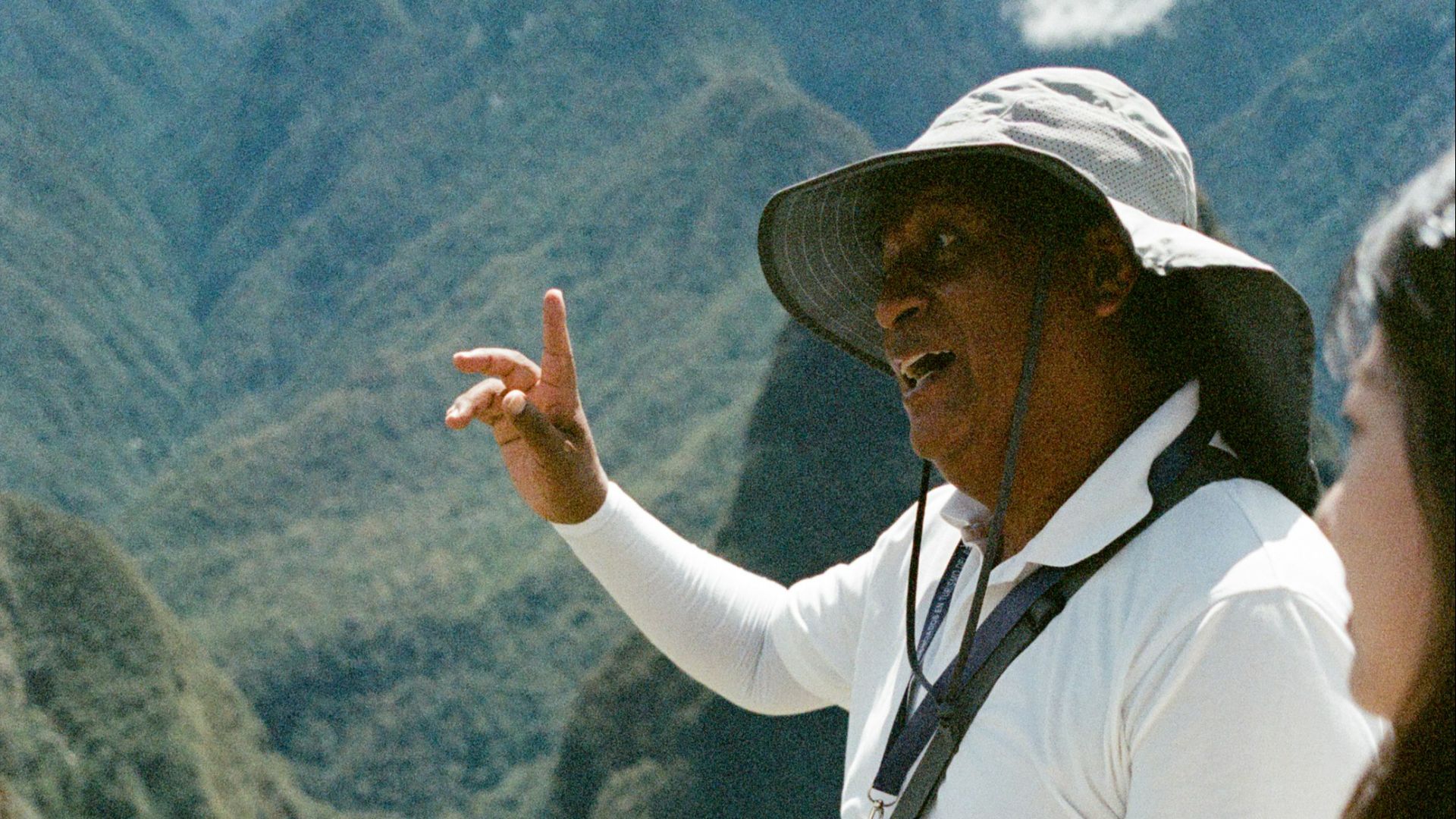
Local historical societies and even family members are often eager for someone to sit down with older community members and record their stories before they're lost. It's slow, meaningful work that can happen on whatever schedule fits, one conversation at a time. Retirees are frequently the best people for the job, since they're often more patient listeners than someone squeezing it in between meetings.

18. Join a Community Emergency Response Team
CERT programs train regular residents in basic disaster response skills like first aid, light search and rescue, and fire safety, so neighborhoods have trained help available before official responders can arrive. The training is a set course, usually spread over several weeks, and the on-call commitment afterward is minimal. It gives retirees a concrete role in their own neighborhood's safety.
19. Become a Citizen Scientist
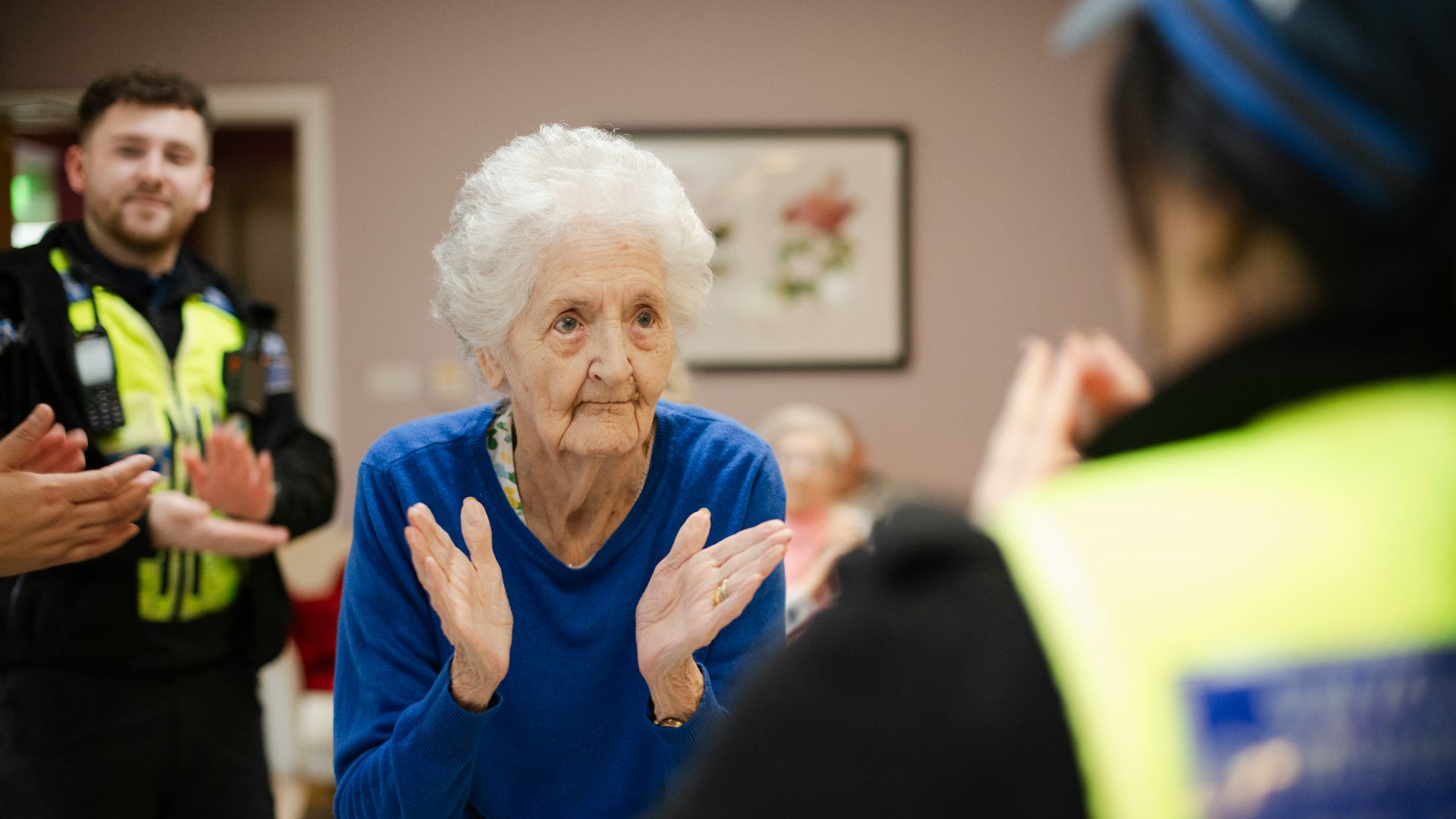
Universities and environmental groups run citizen science programs that train volunteers to count birds, test local stream water, or track invasive plants, feeding real data into research that professionals actually use. The time commitment is usually just a morning here and there, often outdoors and at a pace that suits whoever shows up. It's a good fit for anyone who wants their observations to add up to something bigger than a hobby.

20. Answer Calls for a Warmline
Many communities run warmlines, phone lines staffed by trained volunteers who talk with people dealing with loneliness, grief, or everyday stress, no crisis required. Training usually takes a few sessions, and shifts are often just a few hours a week, done from home. It's a rare kind of usefulness that runs entirely on patience and a willingness to listen, something a retiree who's lived through a lot tends to have in abundance.

KEEP ON READING



20 Natural Ways You Can Boost Your Immune System

20 Ways To De-stress & Relax After Work
The 10 Most Common Diseases & The 10 Most Rare