From Sticky Soybeans To Fizzy Grain Drinks
People have used fermentation for centuries to help preserve seasonal ingredients and give everyday foods deeper, tangier flavors. During the process, microorganisms change foods such as soybeans, grains, milk, fruit, and vegetables, often transforming their taste, texture, and digestibility. Some fermented foods still contain live cultures when you eat them, whereas others have been cooked, filtered, dried, or pasteurized, killing or removing those microorganisms before they reach your plate. The fermented-food world is surprisingly broad, with chewy bean cakes, sour flatbreads, creamy milk drinks, crisp pickles, and plenty of other options. These 20 unusual fermented foods show just how interesting gut-minded eating can get.
1. Natto
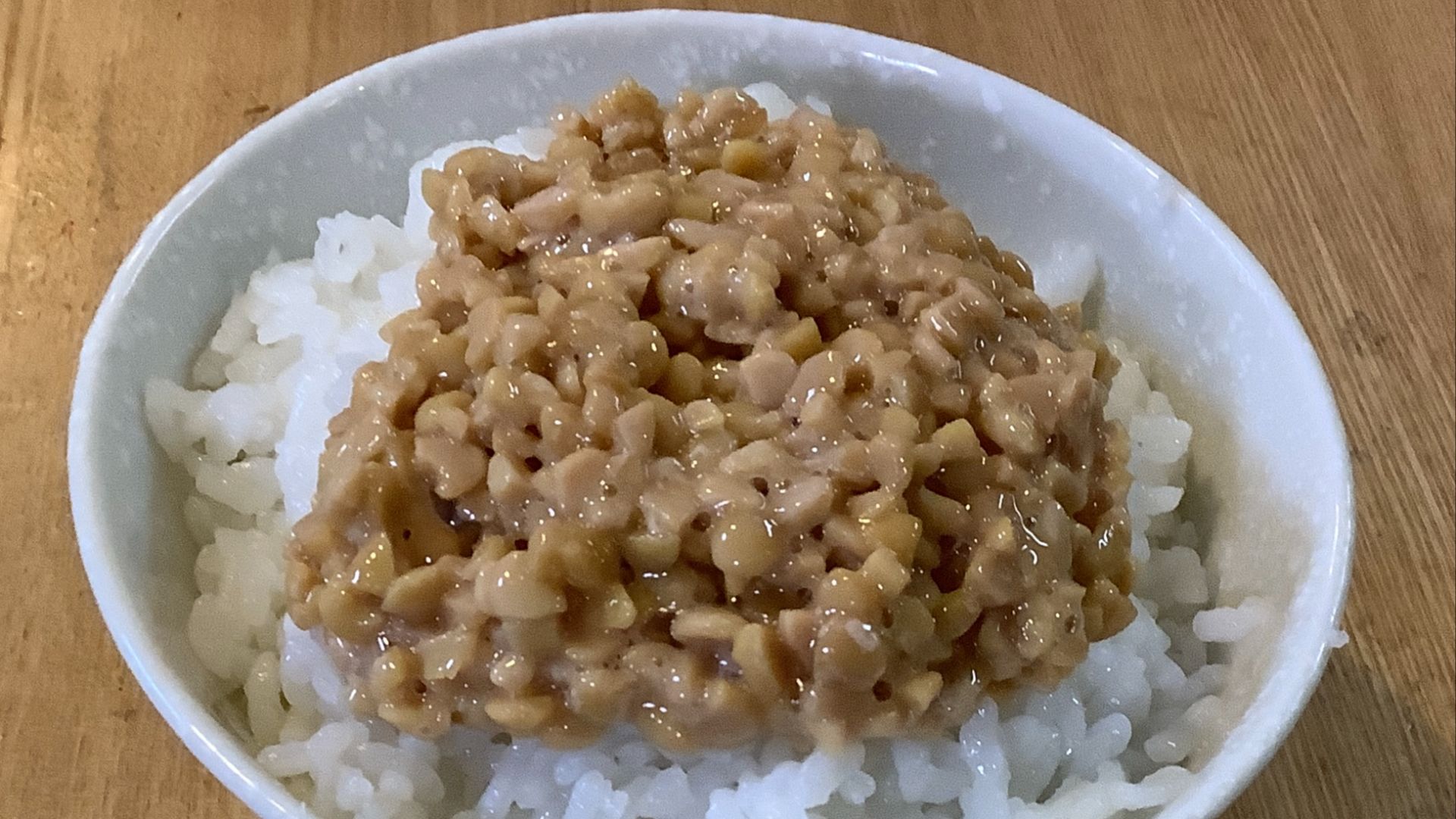
Natto is a Japanese staple made by fermenting cooked soybeans with Bacillus subtilis var. natto. The process creates its famous sticky strands, strong smell, and unmistakable texture. Fresh, unheated natto can contain viable bacteria and compounds produced during fermentation, and you’ll also get the protein and fiber naturally found in soybeans.
2. Cheonggukjang
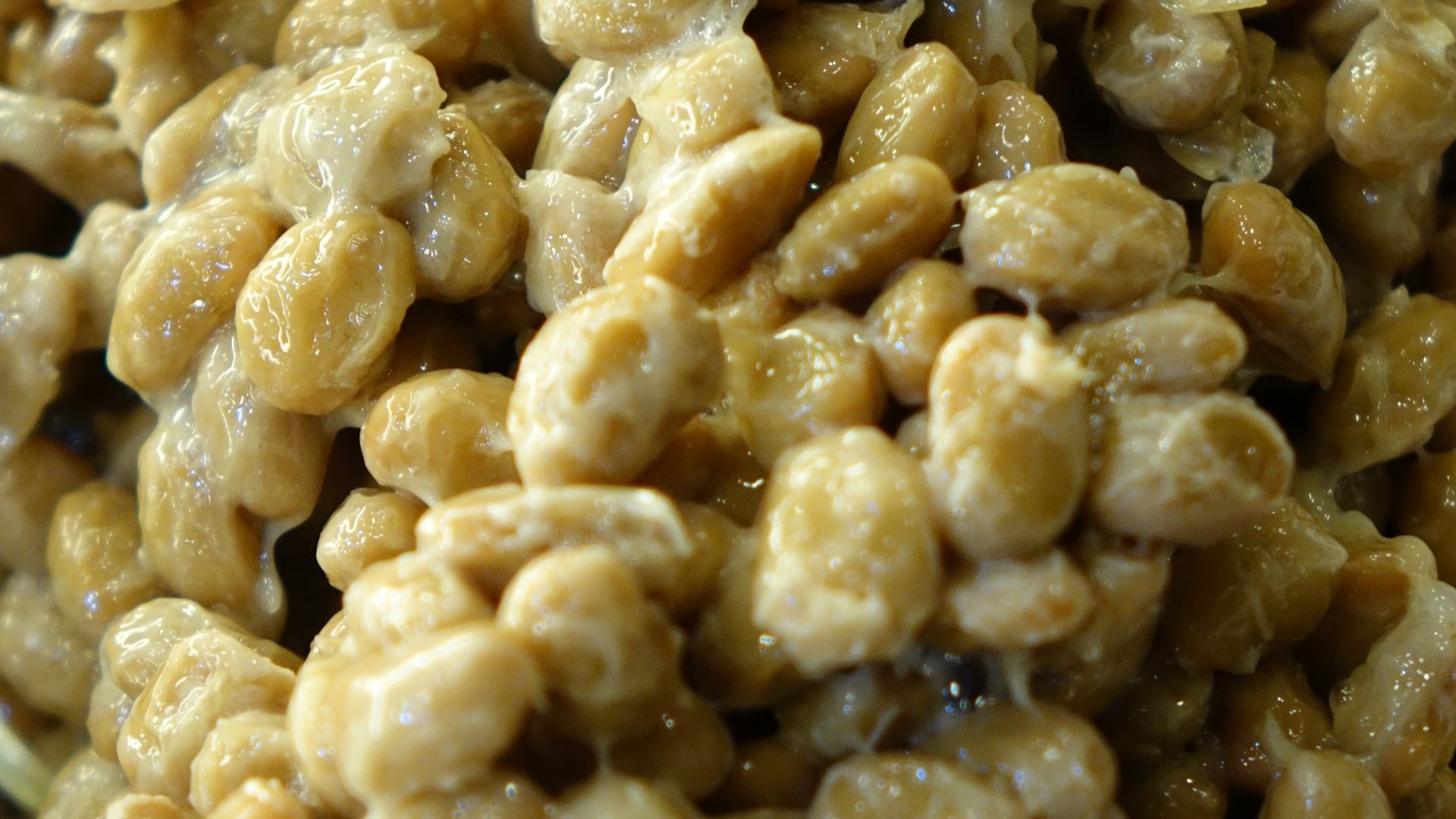
Cheonggukjang is a fast-fermented Korean soybean paste with a sticky texture, powerful smell, and rich, savory flavor. Bacillus species handle the fermentation, breaking down parts of the cooked beans and turning them into a hearty paste. It’s often stirred into hot stews, where its bold flavor blends into the broth and other ingredients.
3. Sufu
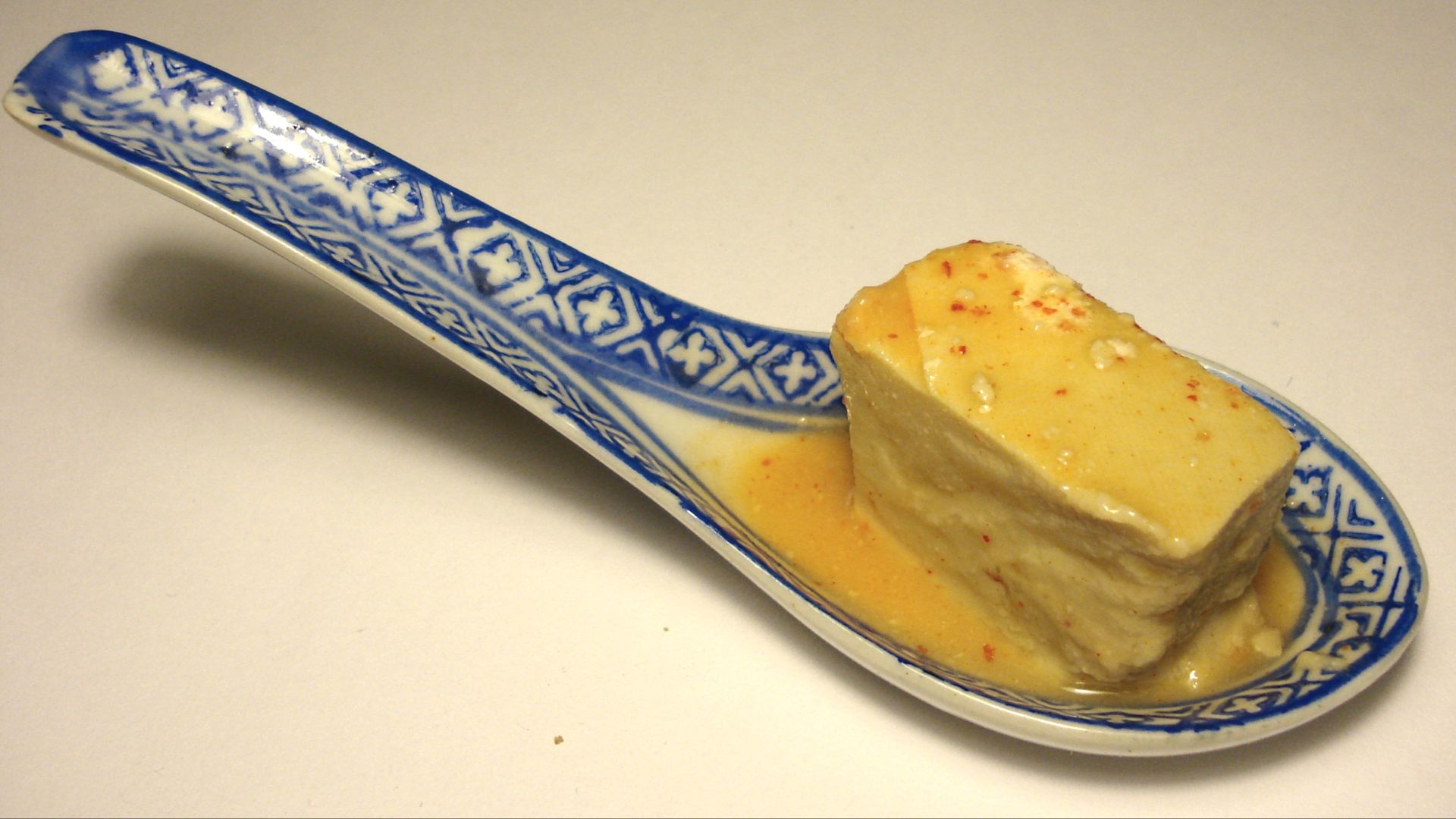
Sufu, also called fermented bean curd or Chinese cheese, starts with pieces of tofu that are fermented and aged in a salty, seasoned brine. This process turns the tofu into soft, creamy cubes with plenty of concentrated umami. You don’t need much, since a small serving can add a strong savory kick to rice, congee, vegetables, or sauces.
4. Douchi
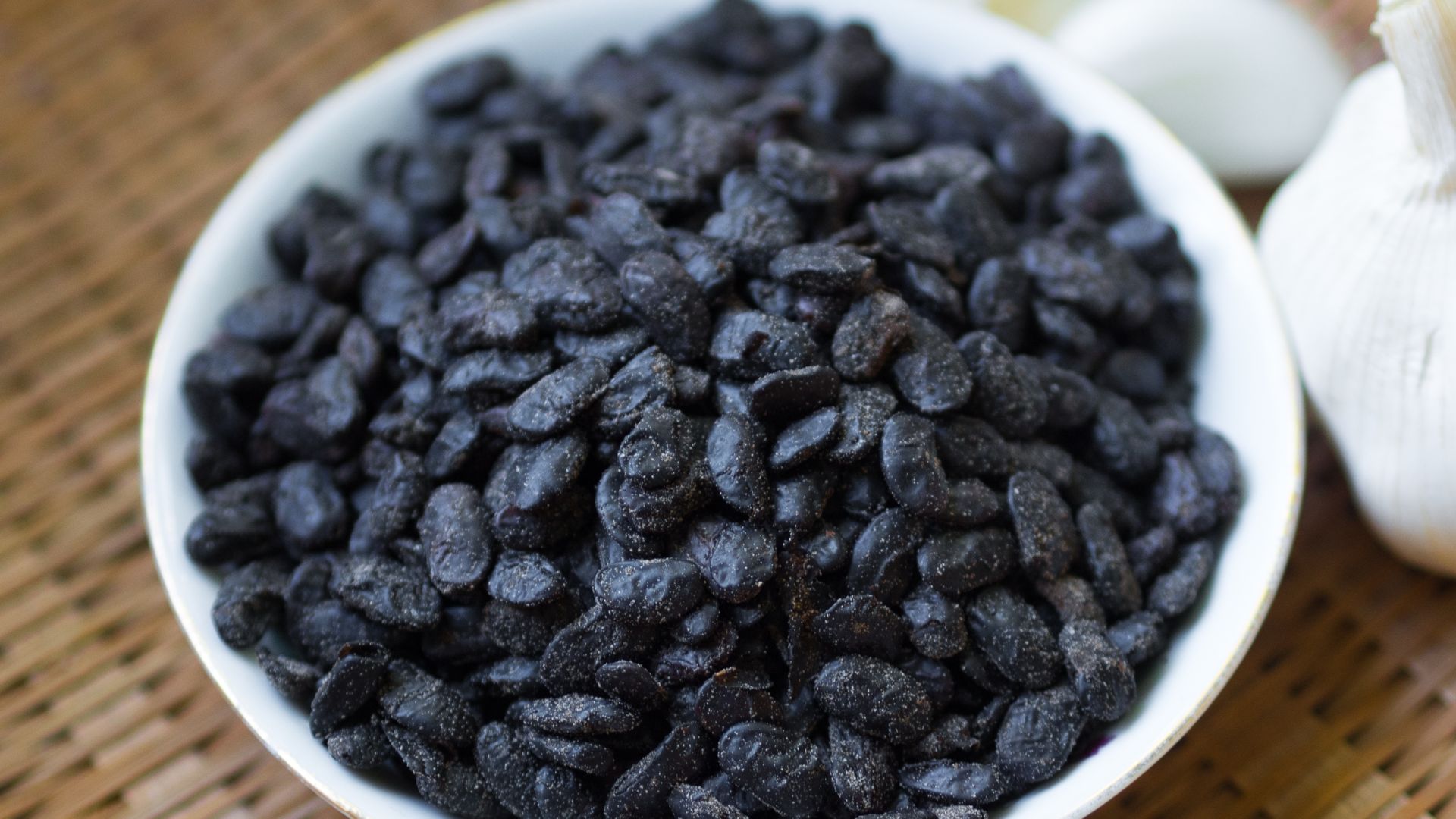
Douchi is made from black soybeans fermented with microorganisms that may include yeasts, bacteria, and molds, then aged with salt. The finished beans are wrinkled, dark, and intensely savory. Rather than eating them in large portions, people usually add douchi to sauces, stir-fries, and steamed dishes.
5. Tempeh
Tempeh is made by fermenting cooked soybeans with Rhizopus mold until the beans join together in a firm white cake. Fermentation reduces some of the naturally occurring antinutritional compounds found in soybeans. Although cooking removes most of the viable cultures, the finished tempeh still provides the protein and fiber found in its soybean base.
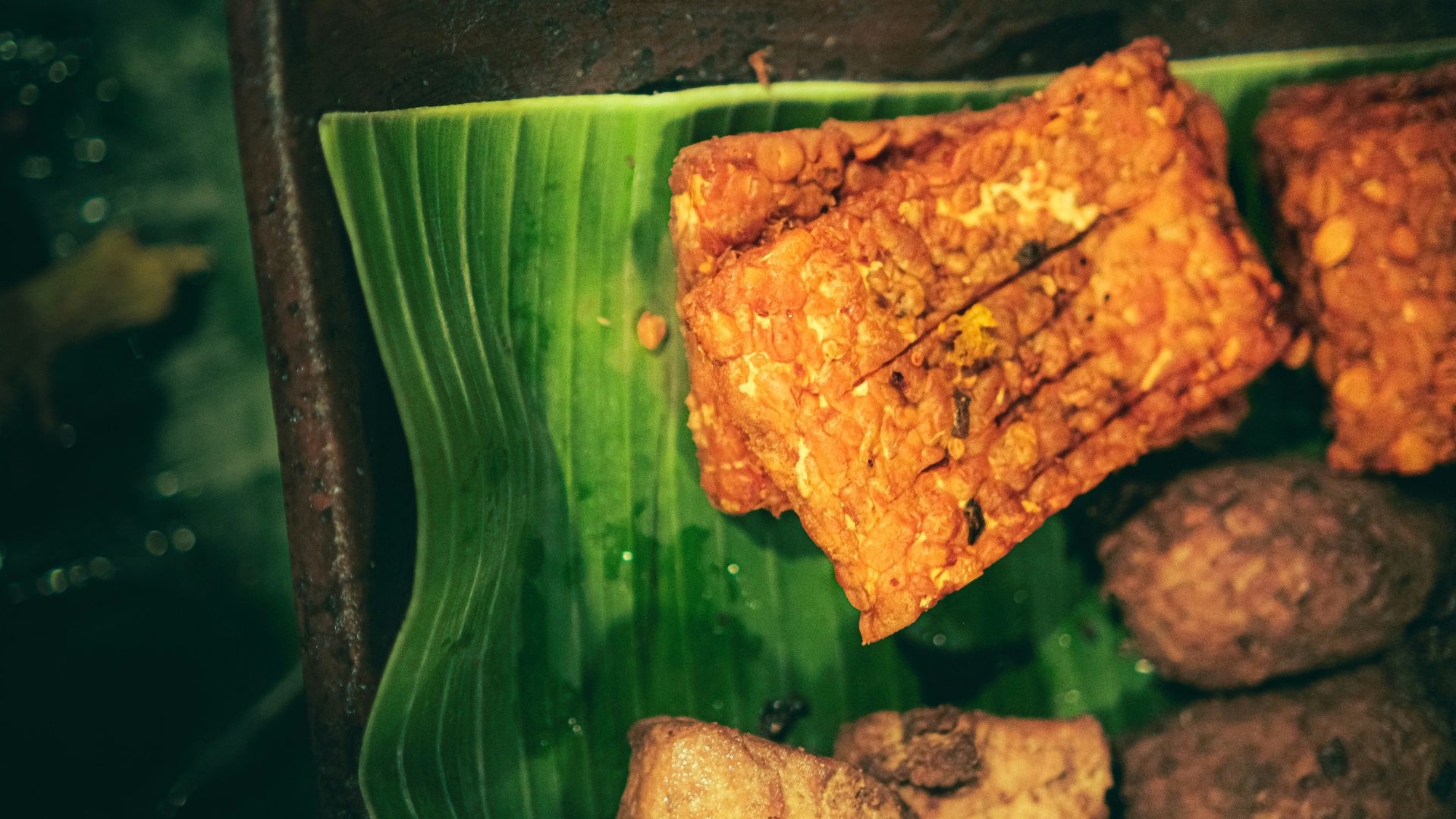 Fairuz Naufal Zaki on Unsplash
6. Nukazuke
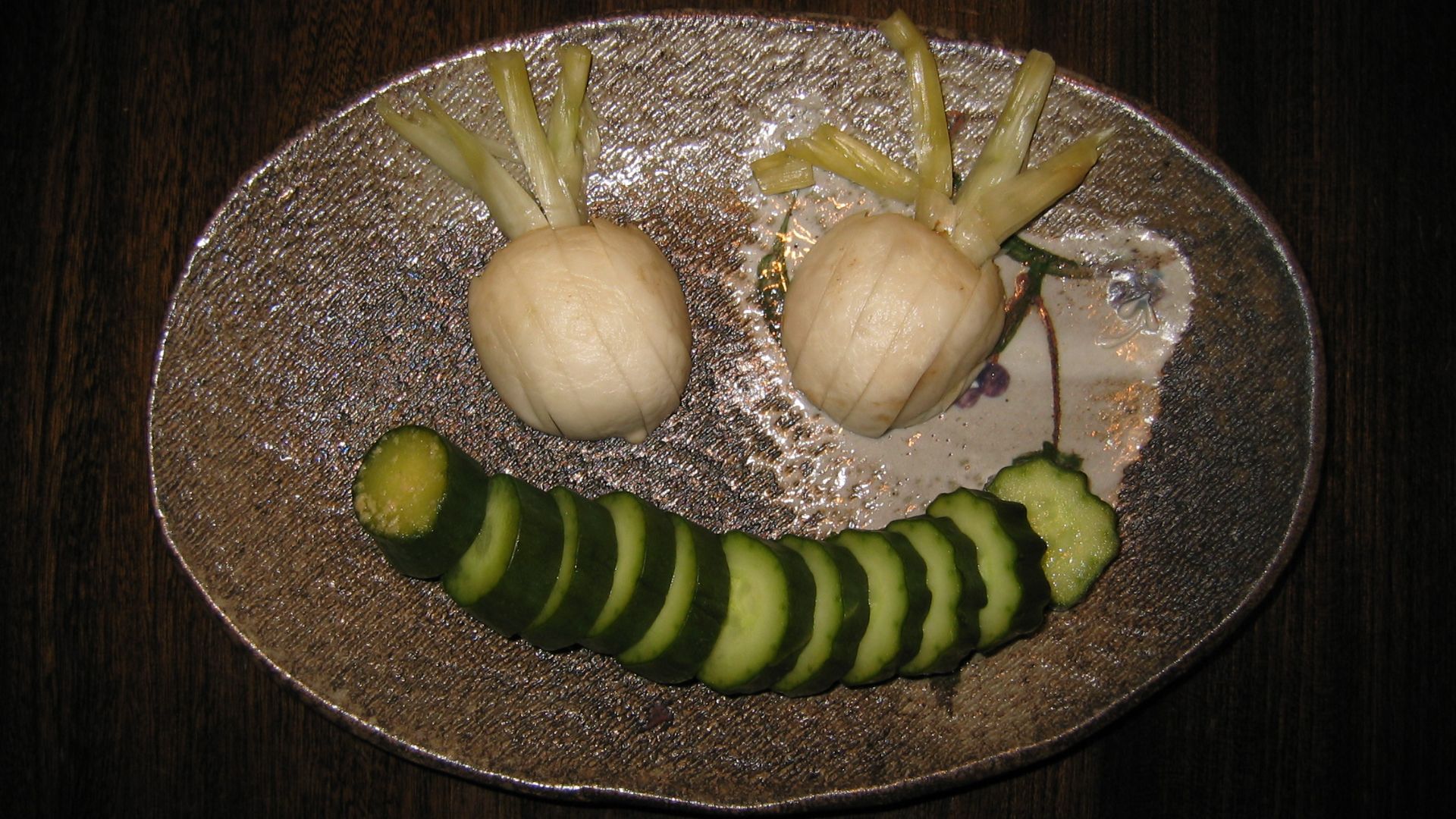
Nukazuke is a Japanese pickle made by burying vegetables in nukadoko, a maintained mixture of fermented rice bran, salt, and water. Cucumbers, cabbage, daikon, and eggplant are common choices, and they come out crisp, salty, sour, and earthy. When they’re served uncooked, the vegetables can carry live lactic acid bacteria from the rice-bran bed.
7. Kanji
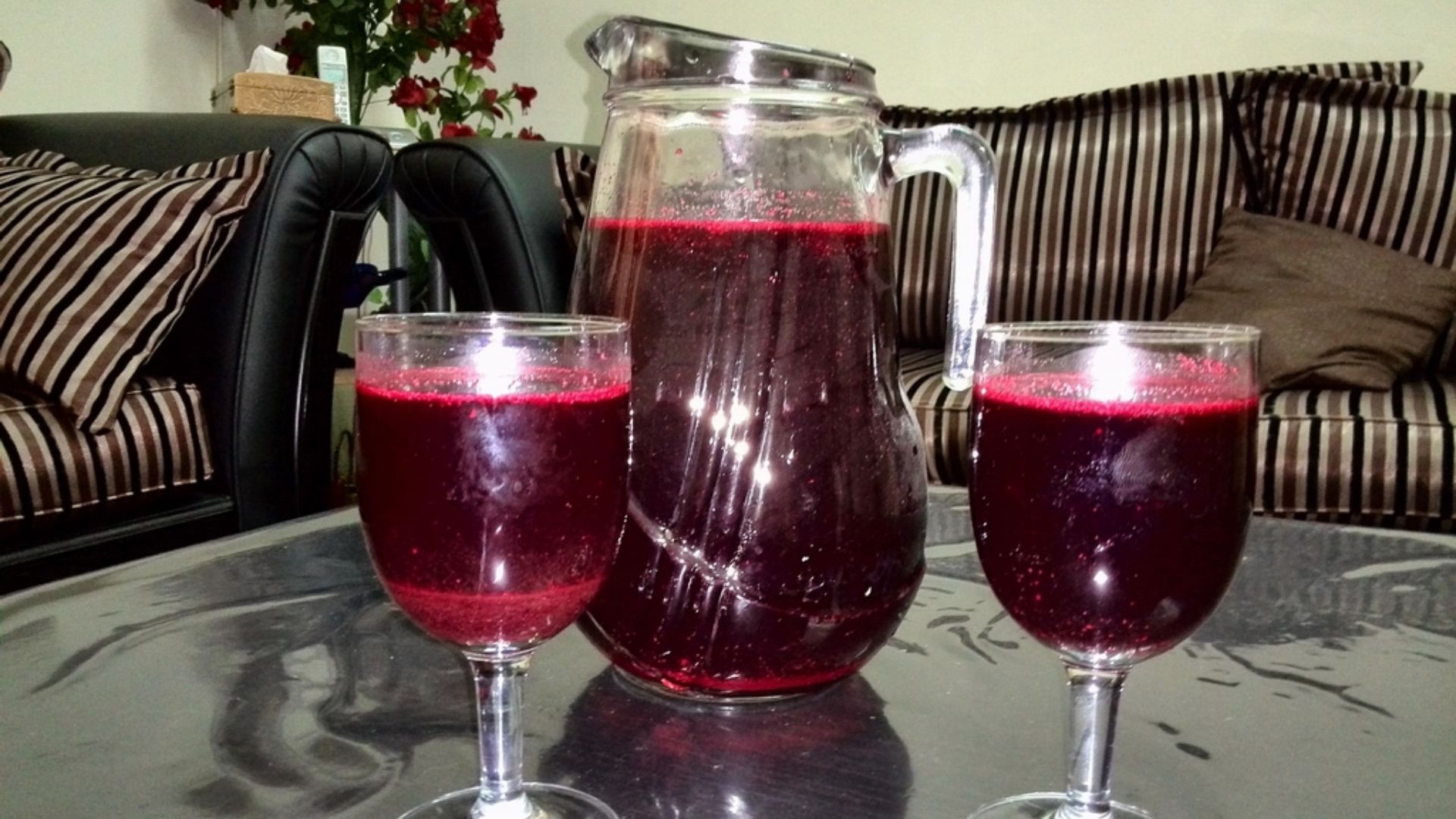
Kanji is a North Indian fermented drink traditionally made with black carrots, mustard, salt, spices, and water. As lactic acid bacteria multiply, they transform some of the carrots’ natural sugars. That process turns the deep purple mixture into a tart, lightly fizzy drink.
8. Shalgam
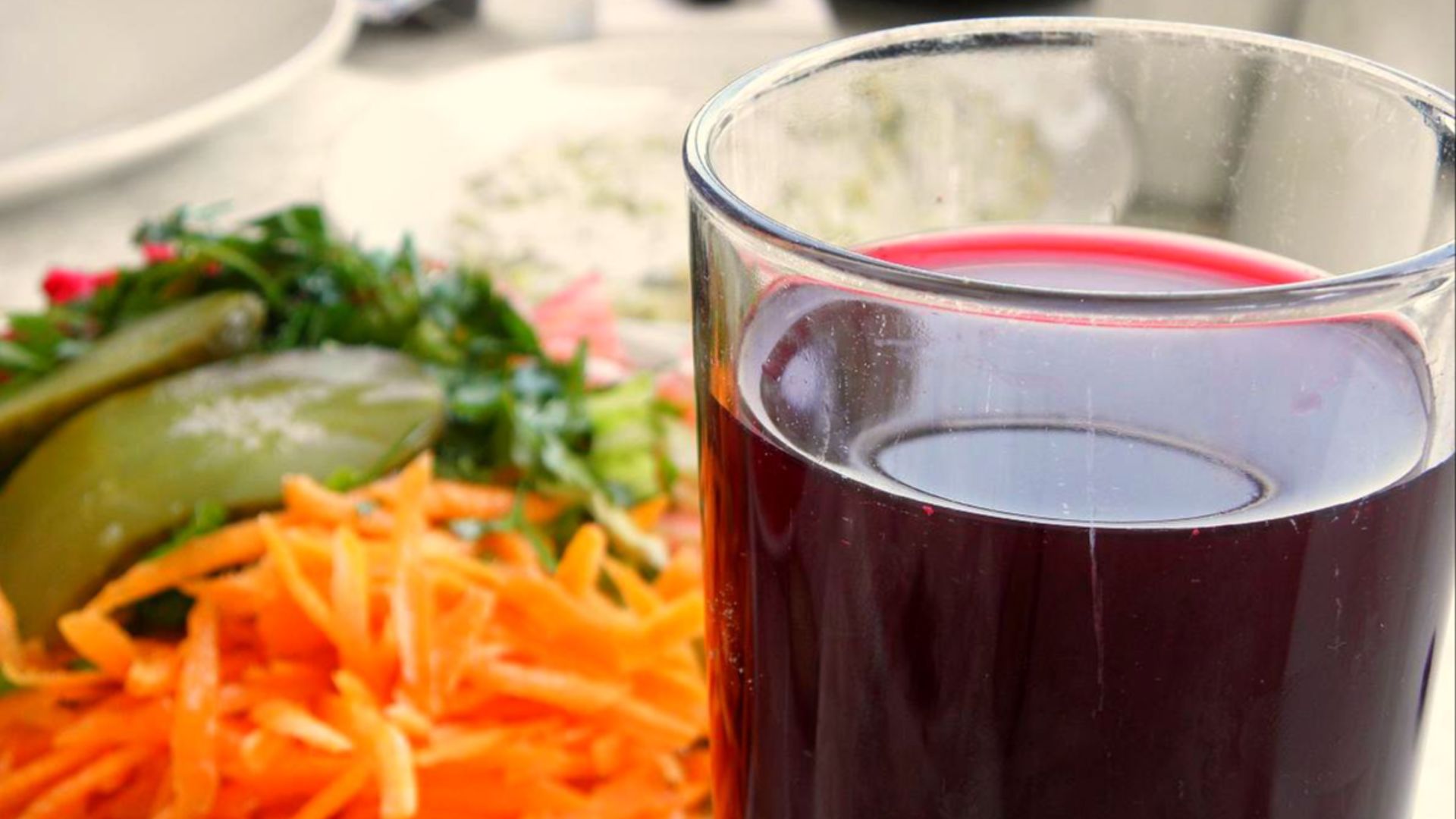
Shalgam is a cloudy, dark red Turkish drink made with fermented black carrots, bulgur, turnip, sourdough, salt, and water. Its flavor is earthy, salty, and noticeably sour. Lactic acid fermentation creates its bold taste, while the carrots’ natural pigments give shalgam its striking color.
9. Tepache
Tepache is a Mexican drink traditionally made by fermenting pineapple peel or rind with sugar and water. Cinnamon or other spices are often added for extra flavor. Bacteria and yeasts create a fruity, tart, gently fizzy drink, while its final sweetness and alcohol content can change depending on the recipe and how long it ferments.
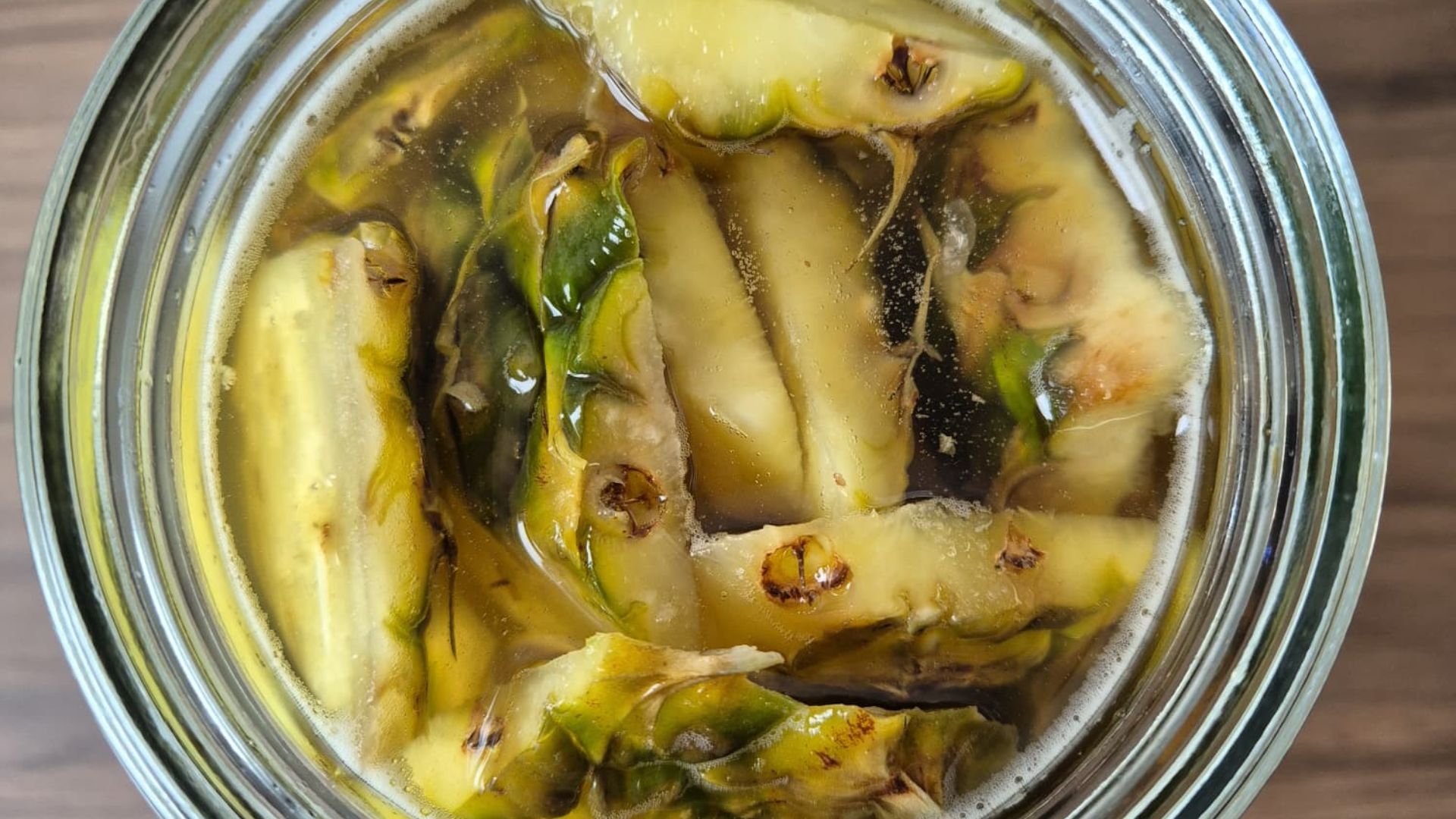 GCO Education & Co on Wikimedia
10. Water Kefir
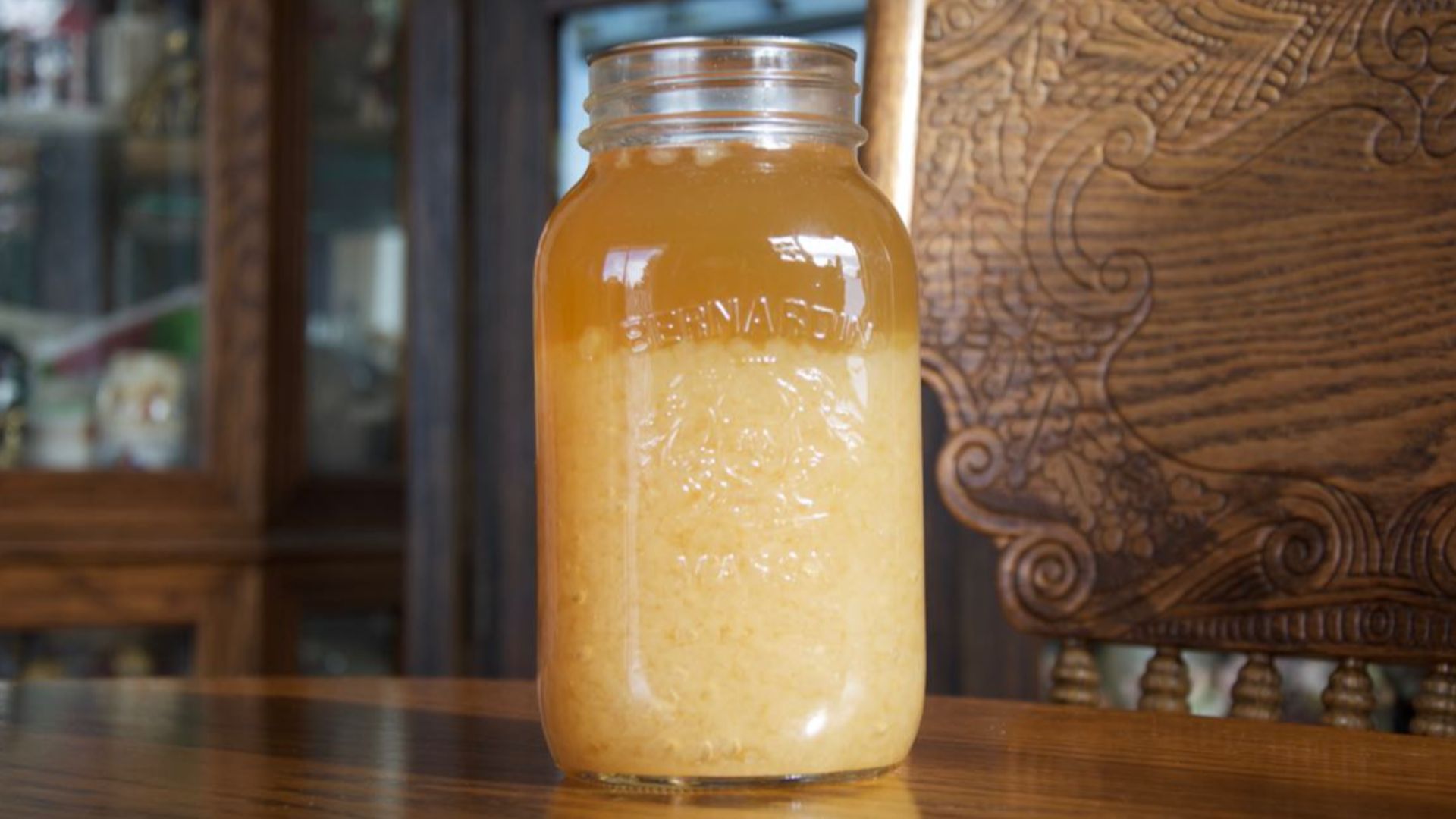
Water kefir starts with sugar water and translucent kefir grains that hold communities of lactic acid bacteria, acetic acid bacteria, and yeasts. Fruit, citrus, or molasses may also be added to the mixture. The result is a dairy-free drink that’s lightly sweet, acidic, and fizzy.
11. Kvass
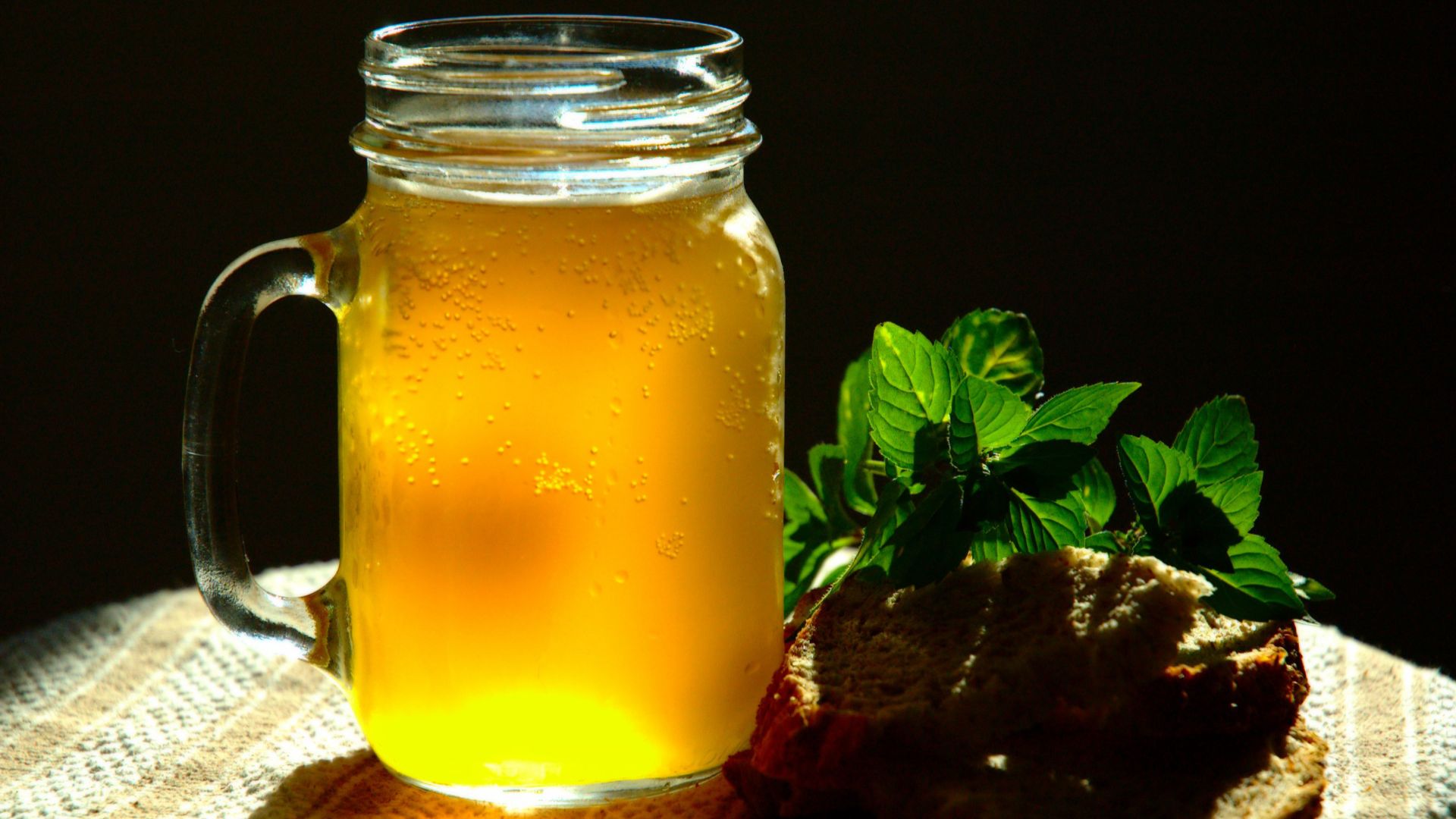
Traditional kvass is an Eastern European drink made from rye bread, rye flour, or malt fermented with yeasts and lactic acid bacteria. It has a sour, malty taste, gentle carbonation, and a low alcohol content. Some commercial versions are filtered or pasteurized, so they may no longer contain live cultures by the time you drink them.
12. Boza
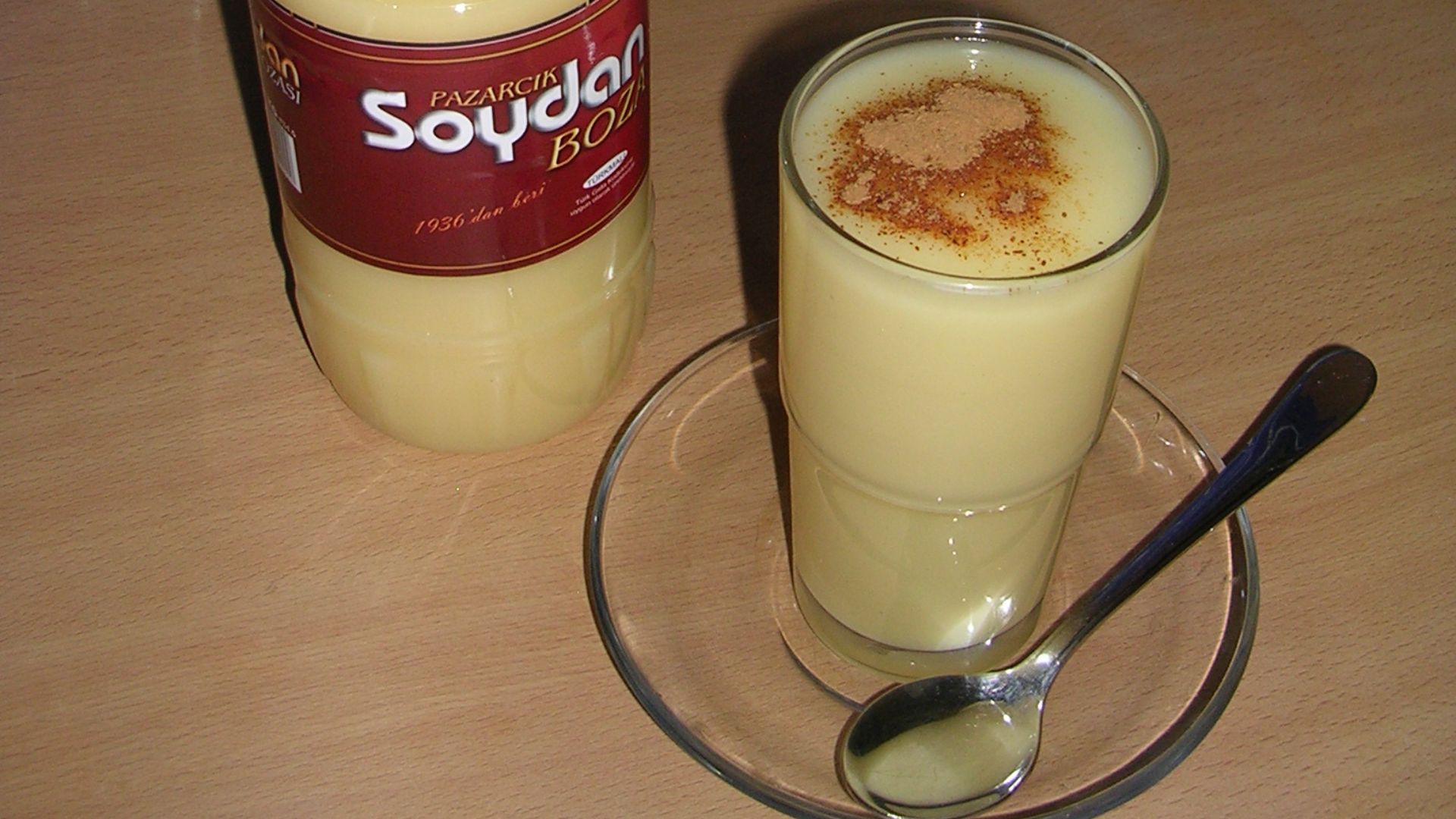
Boza is a thick fermented cereal drink enjoyed across Turkey, the Balkans, Central Asia, and nearby regions. Millet is a traditional base, although wheat, barley, corn, and other grains can also be used. Lactic acid bacteria and yeasts give the drink its creamy consistency, mild tang, and recognizable sweet-sour flavor.
13. Togwa
Togwa is an East African fermented cereal drink or thin porridge made with ingredients such as millet, sorghum, maize, or cassava. Lactic acid bacteria and yeasts acidify the mixture as it ferments. This gives togwa its refreshing sourness while also changing the flavor and texture of the grain or cassava base used to make it.
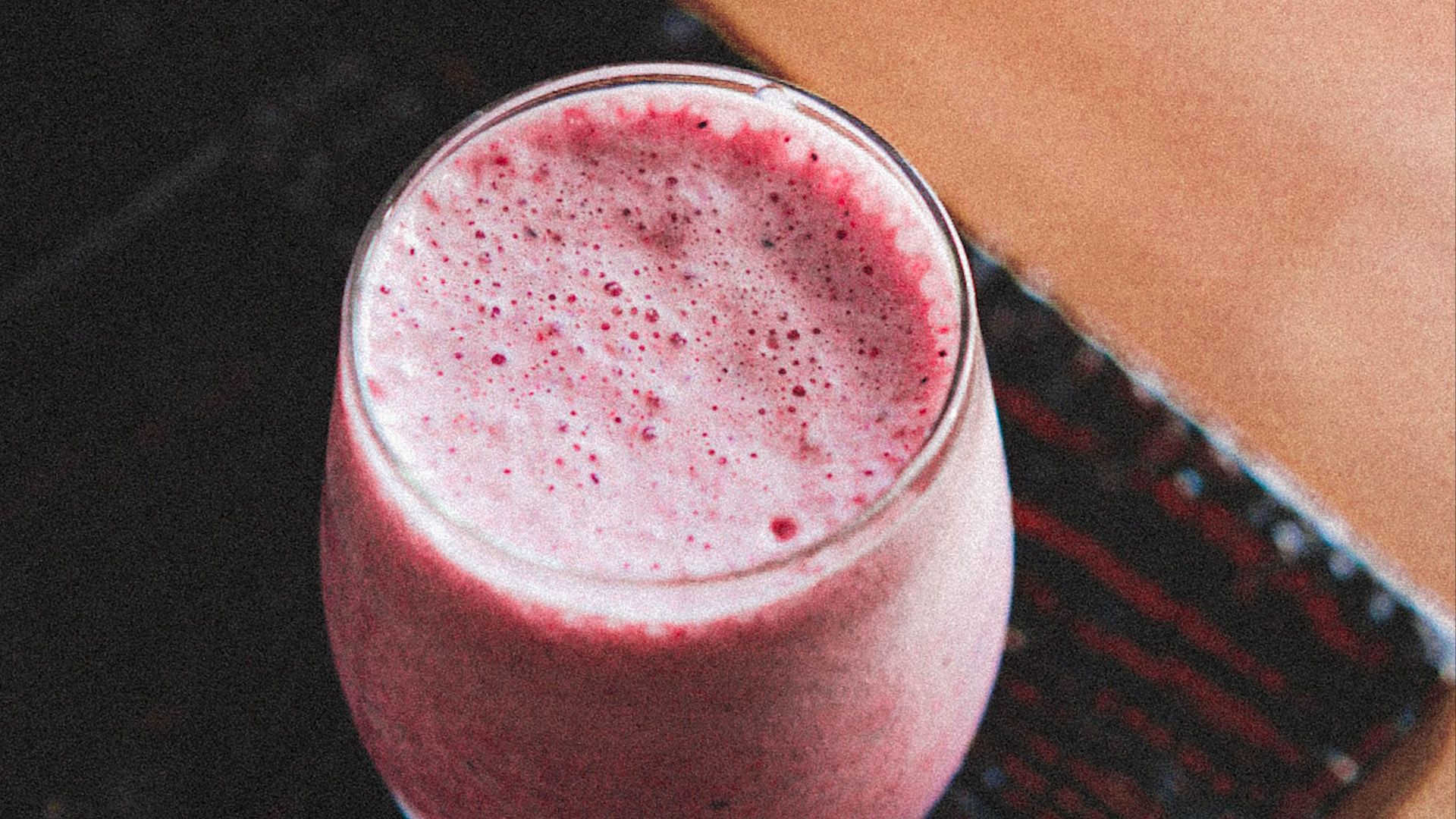
14. Pozol
Pozol starts with nixtamalized corn that’s ground into dough, shaped, wrapped, and left to ferment. The dough is later mixed with water to make a traditional drink consumed in southern Mexico and nearby areas. A complex microbial community dominated by lactic acid bacteria gives the finished pozol its sour flavor.
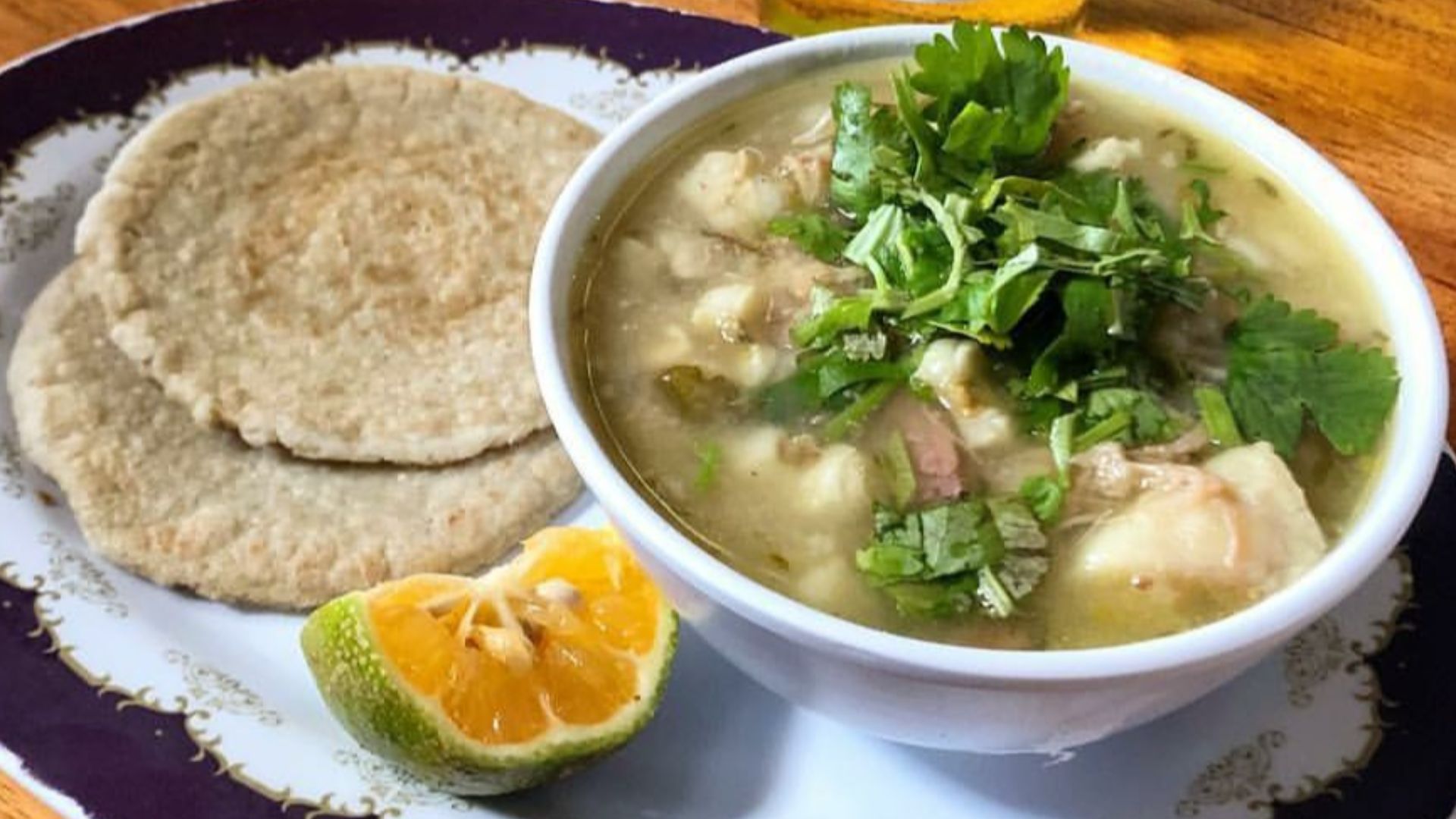
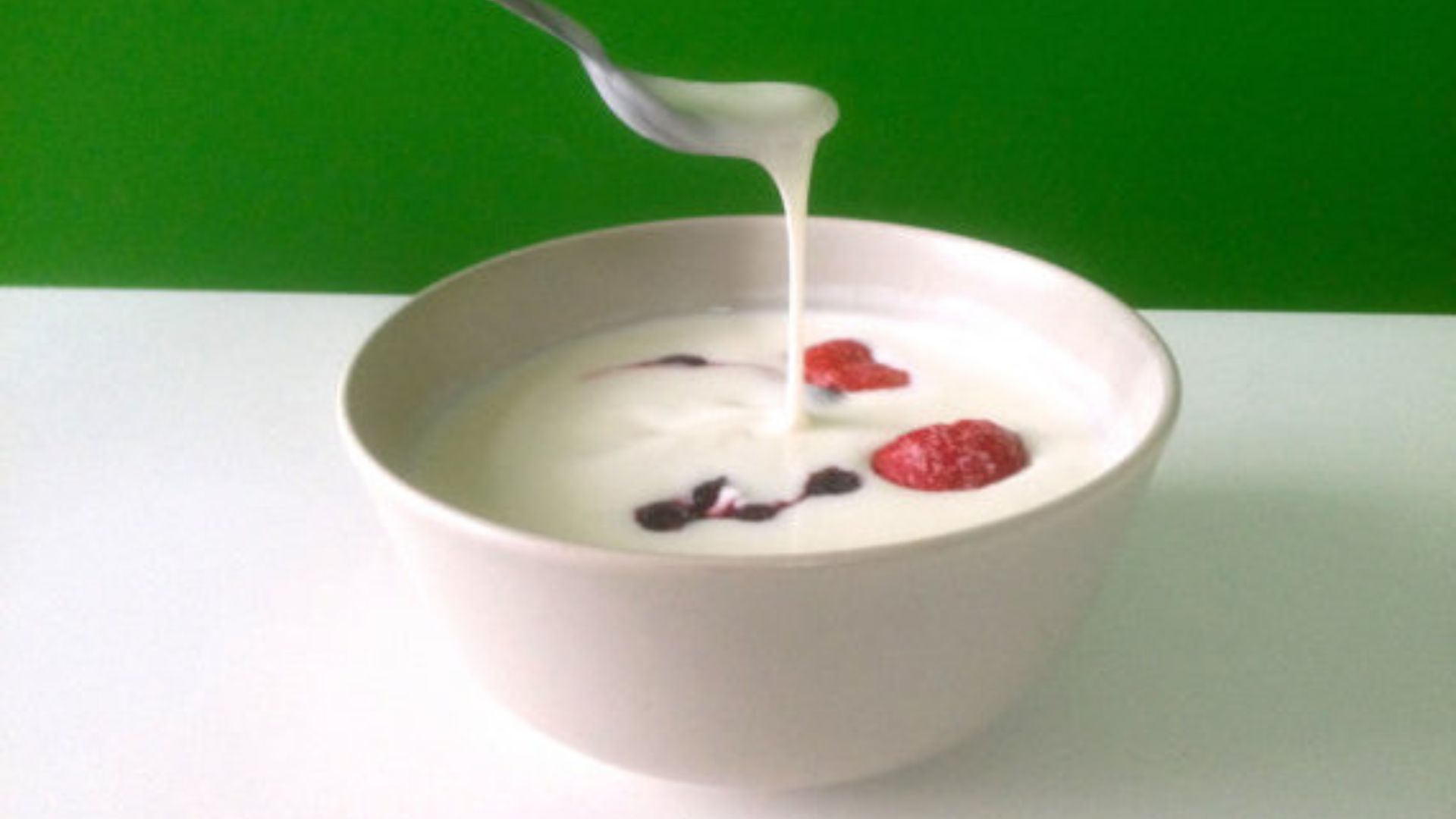
15. Viili
Viili is a Scandinavian cultured milk that’s especially closely linked with Finland. It’s known for its glossy look and unusual rope-like texture, which lets it stretch from a spoon in long strands. Lactococcus bacteria produce the exopolysaccharides that create this consistency while also giving the milk its mild acidity and cultured taste.
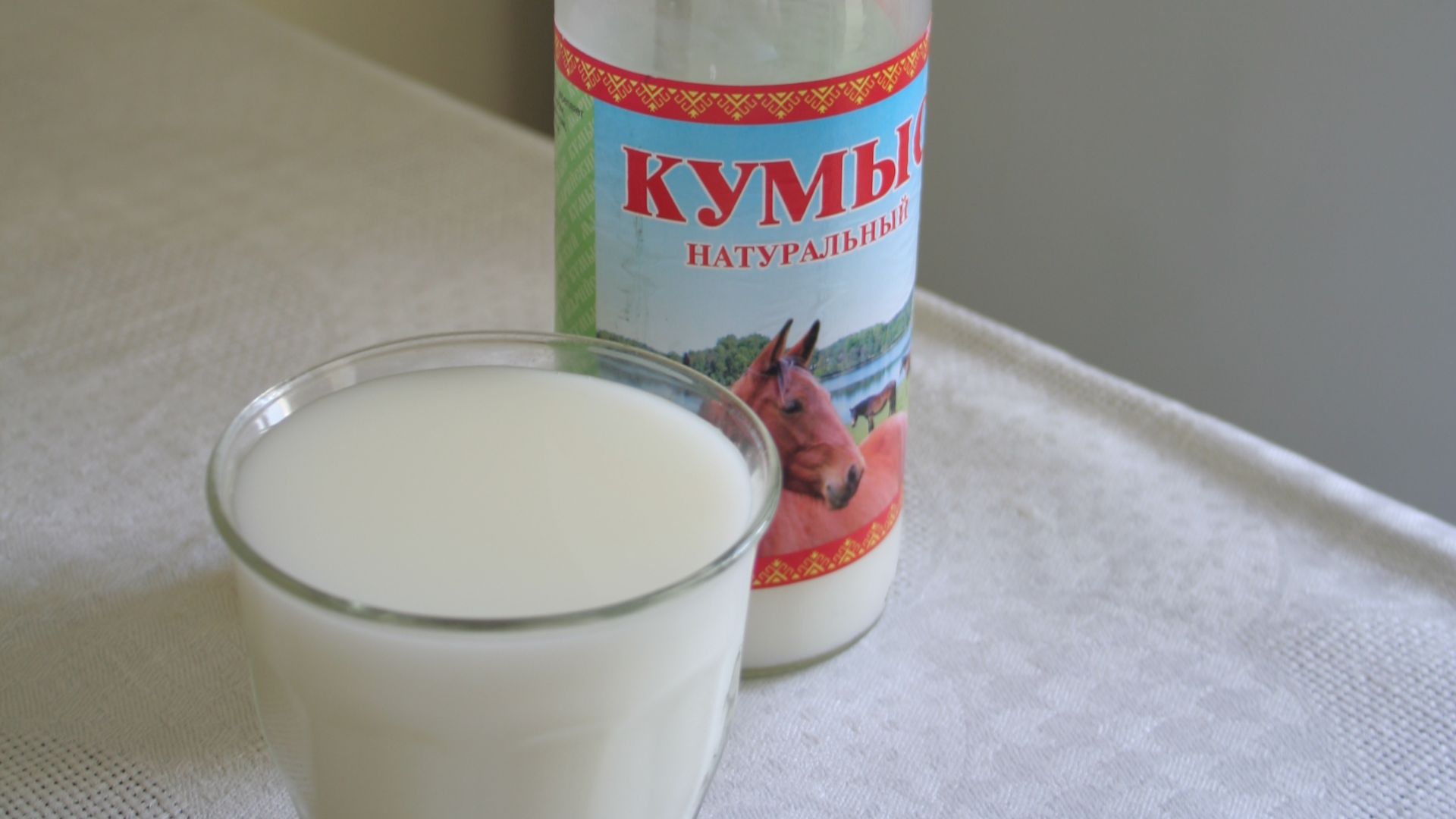
16. Koumiss
Koumiss is fermented mare’s milk traditionally consumed across Central Asia and the surrounding regions. Lactic acid bacteria and yeasts convert some of the milk’s lactose into acids, carbonation, and alcohol. The finished drink is tart, fizzy, and dairy-based, with a modest alcoholic strength that can vary depending on how it’s prepared.
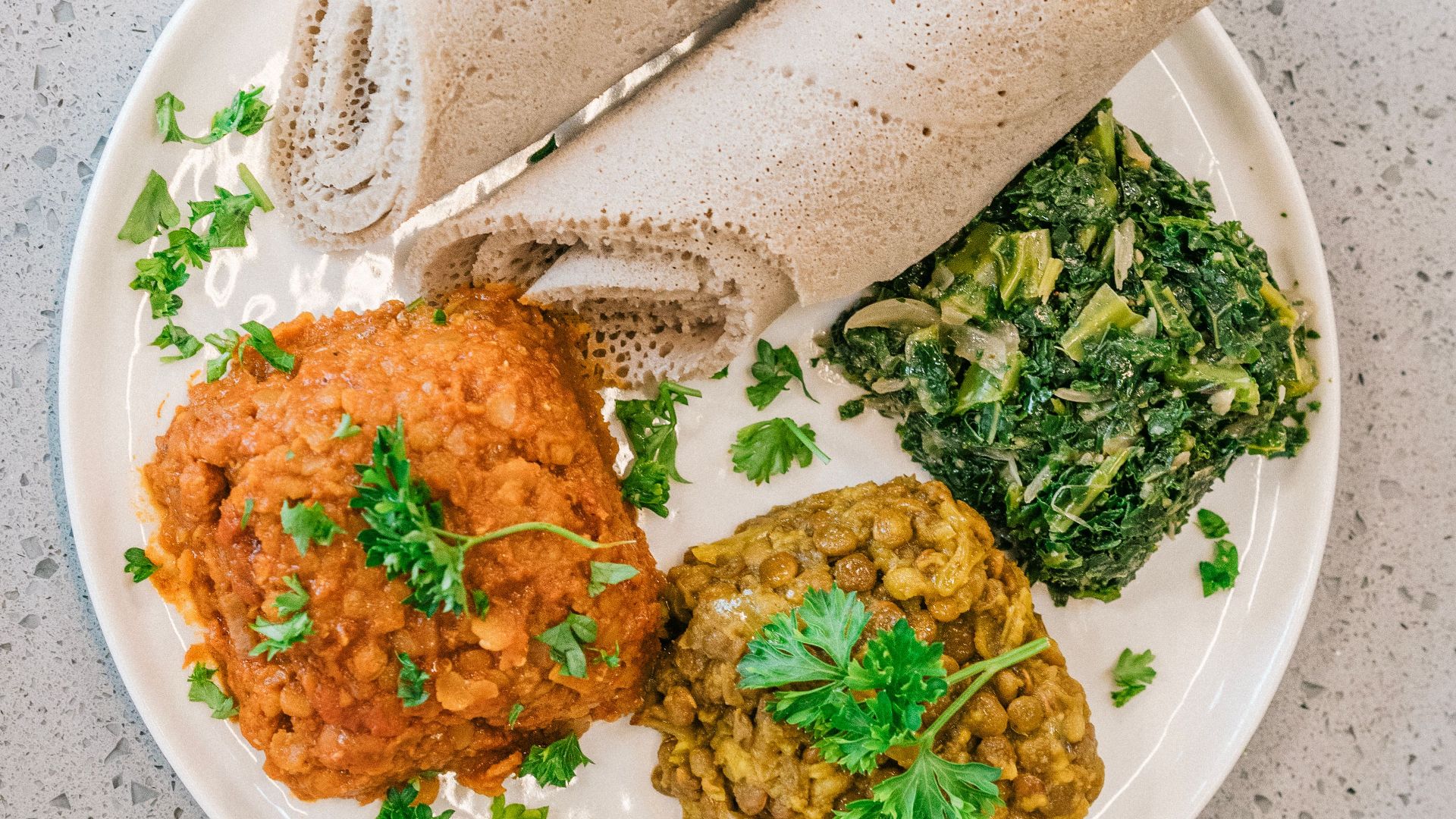
17. Injera
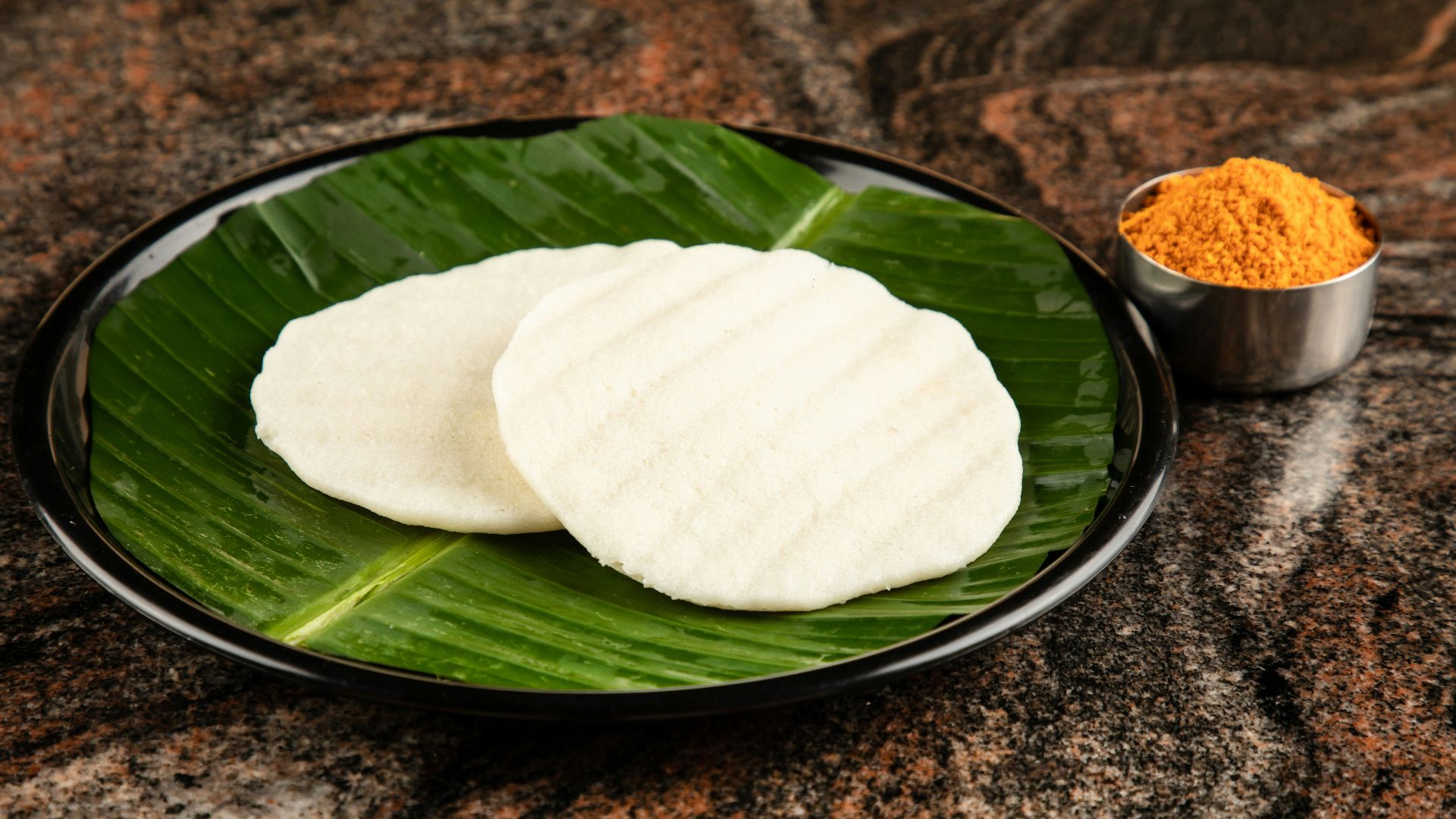
Injera is a soft, sour flatbread made from fermented batter that traditionally centers on teff, though other grains may be mixed in. Fermentation creates the bread’s tangy flavor and bubbly, honeycomb-like surface. Injera is cooked before it’s served, so most of the live microorganisms from the original fermentation don’t remain in the finished bread.
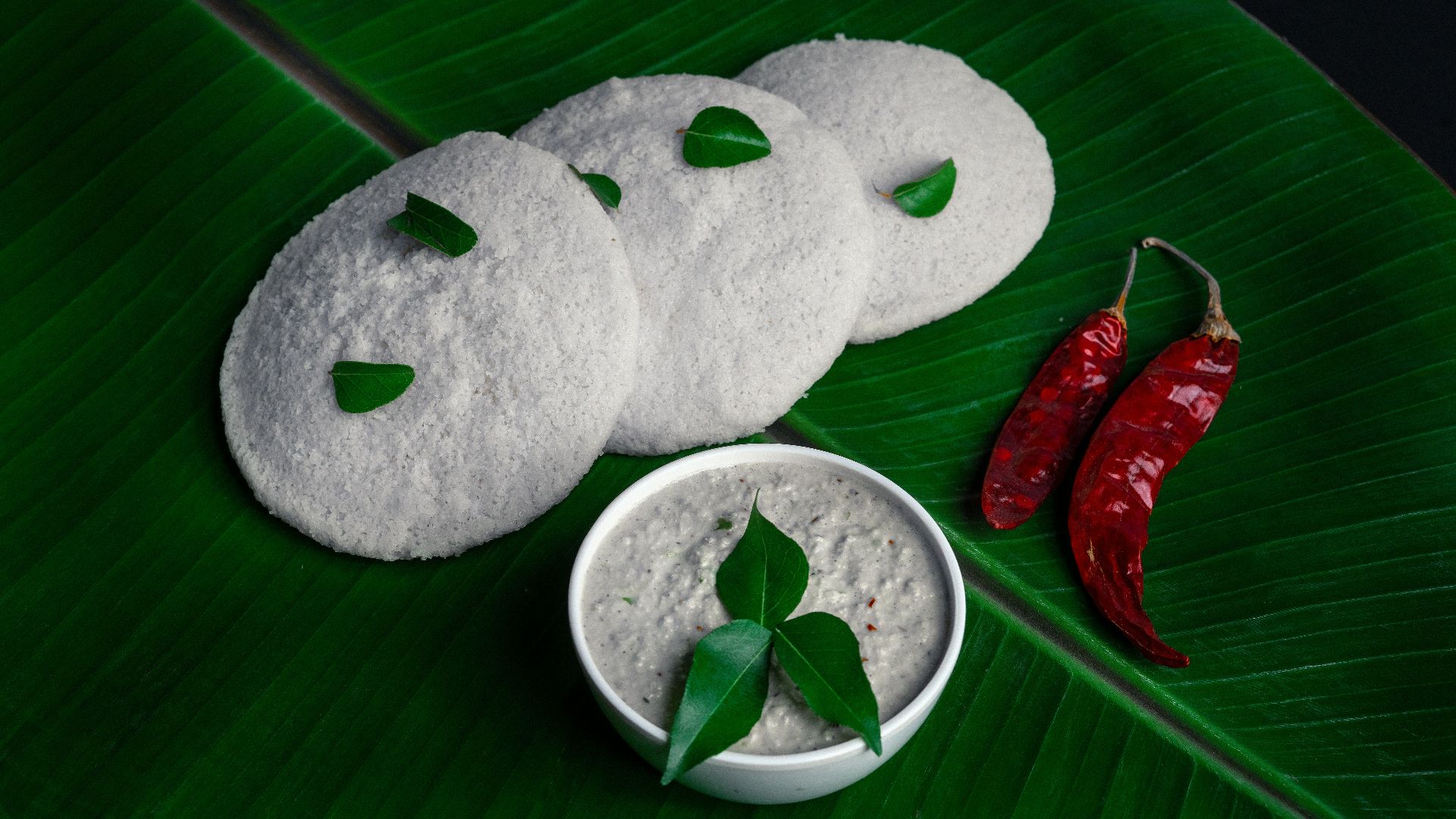
18. Idli
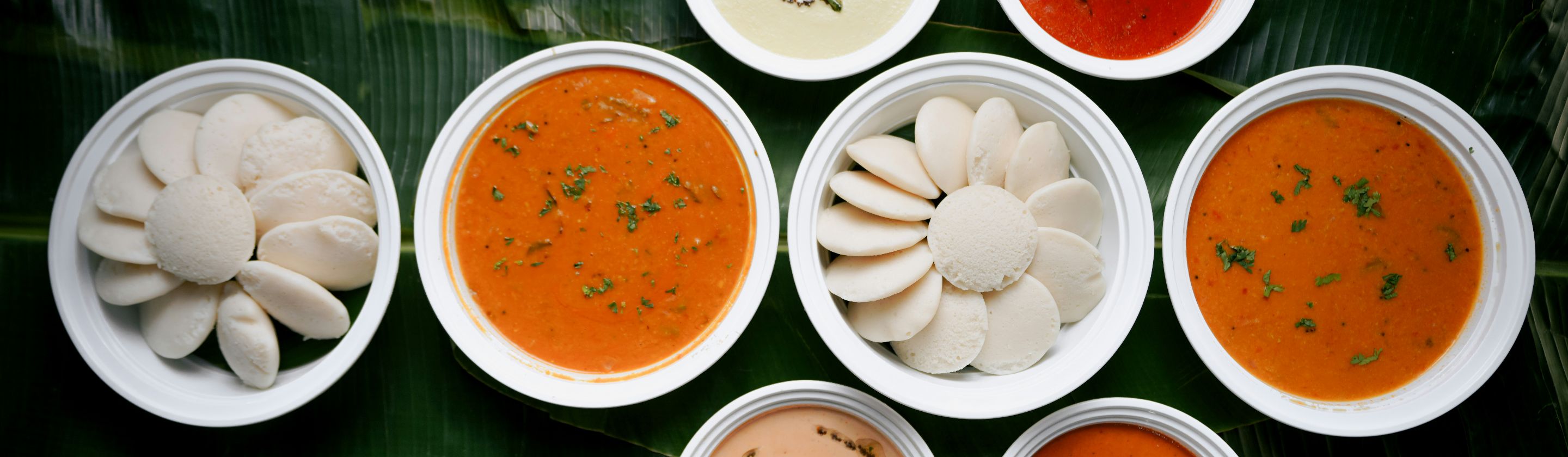
Idli is made by fermenting a batter of rice and black gram overnight, then steaming it into soft, airy cakes. Fermentation acidifies and leavens the batter while changing some of its harder-to-digest components. Since idli is steamed before it’s eaten, the finished cakes don’t keep the living community of microorganisms found in the fermented batter.
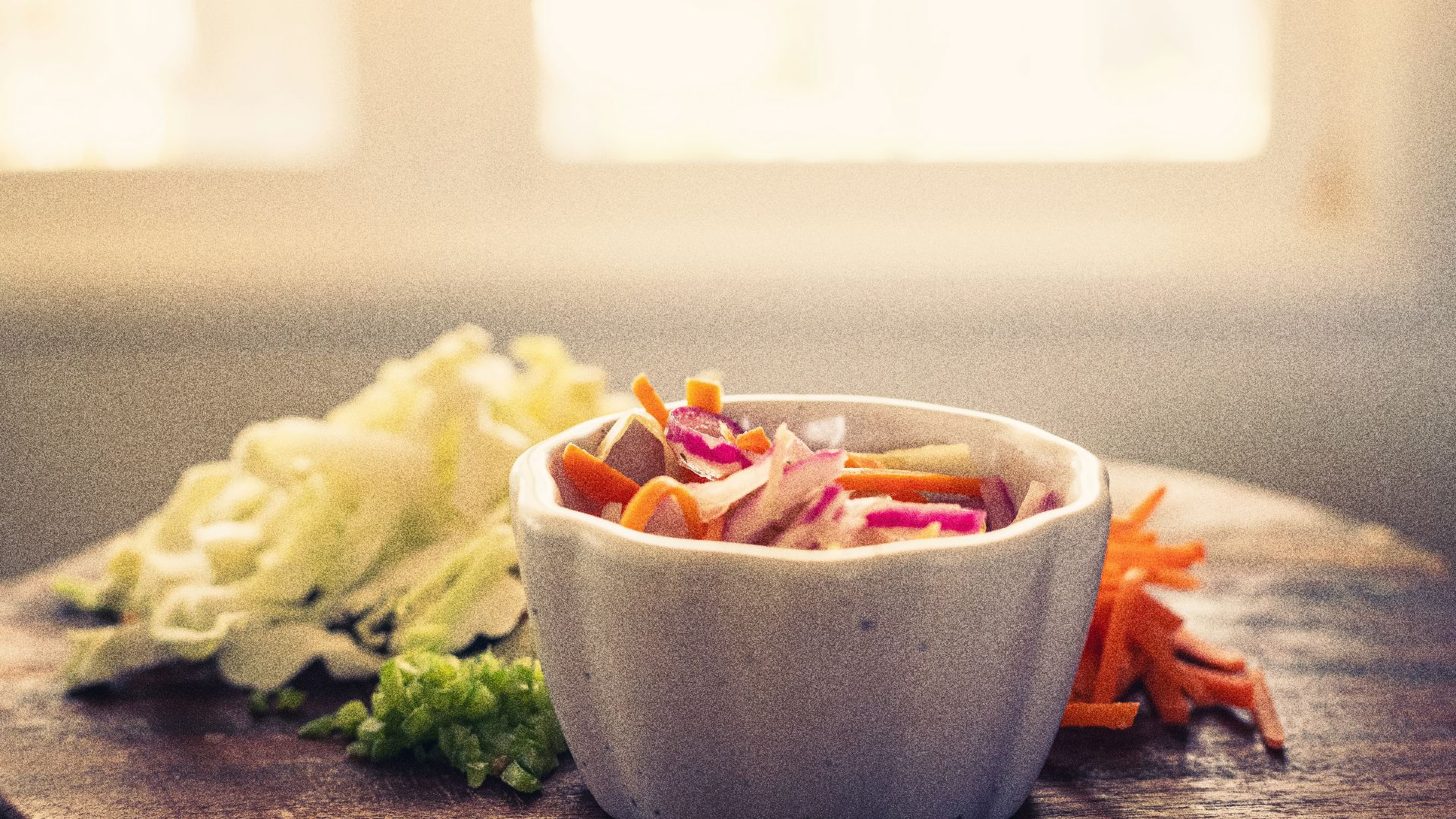
19. Curtido
Traditional fermented curtido is a crisp Salvadoran slaw made from cabbage, carrots, onions, salt, and seasonings that may include oregano or chiles. Lactic acid bacteria create its sour flavor as the vegetables ferment. Quick versions made with vinegar can offer a similar tang, though they don’t go through the same microbial fermentation process.
20. Gundruk
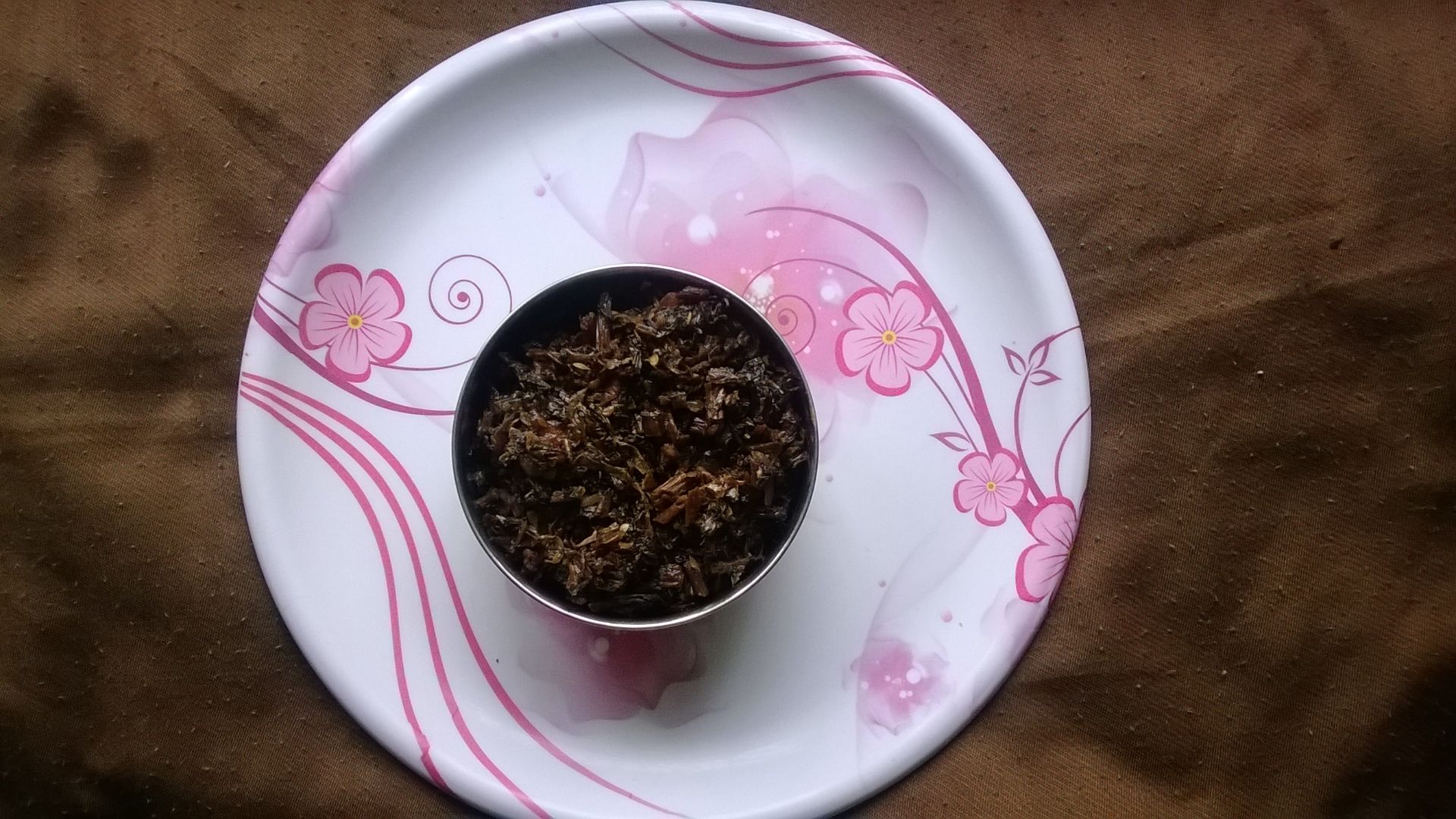
Gundruk is a Himalayan staple made by wilting, crushing, fermenting, and drying leafy vegetables. Mustard greens, radish leaves, and cauliflower leaves are among the vegetables used. Lactic acid bacteria drive the souring process, and the dried greens are later added to soups, pickles, and side dishes that keep their earthy, fermented flavor.