From Smoke-Filled Saunas to Sizzling Riverside Stones, Humans Have Always Known That Warmth Works Wonders
Step into almost any culture on earth and you'll find the same instinct: when the body is tired, sore, or simply cold, heat helps. Long before spas had candles and eucalyptus playlists, people were heating stones in fire pits, funneling steam through timber rooms, and soaking in mineral springs just to get through the week. What started as practical, sometimes even survival, habits (washing off the day's labor, staying warm through brutal winters) slowly transformed into rituals full of meaning. Some are loud and social, packed with friends trading gossip over hot pools. Others are hushed and sacred, guided by an elder's prayer inside a dark, steam-filled lodge. Together, these 20 traditions prove that turning up the heat has always been one of humanity's favorite ways to reset.
 CRYSTALWEED cannabis on Unsplash
1. Finland
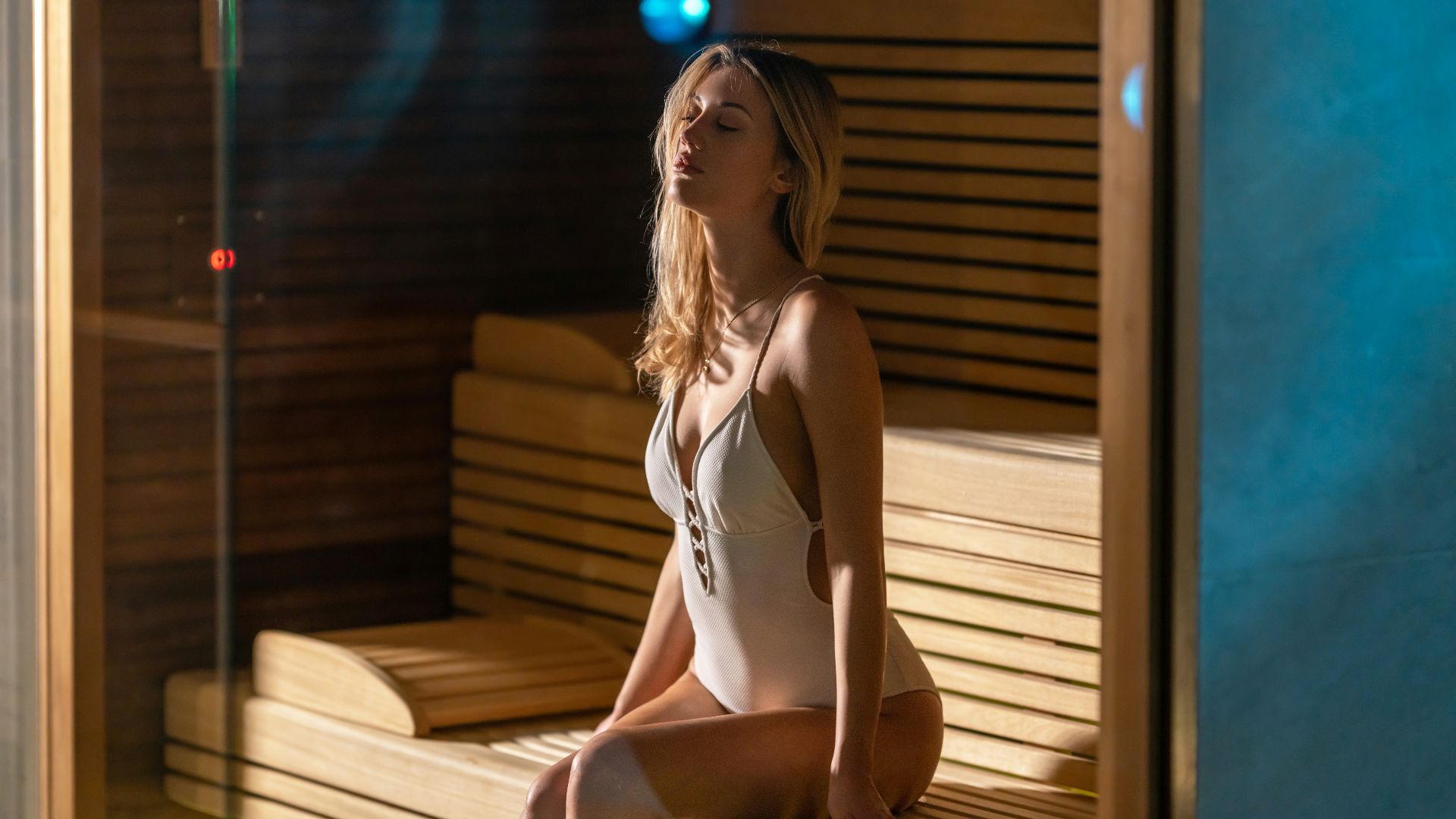
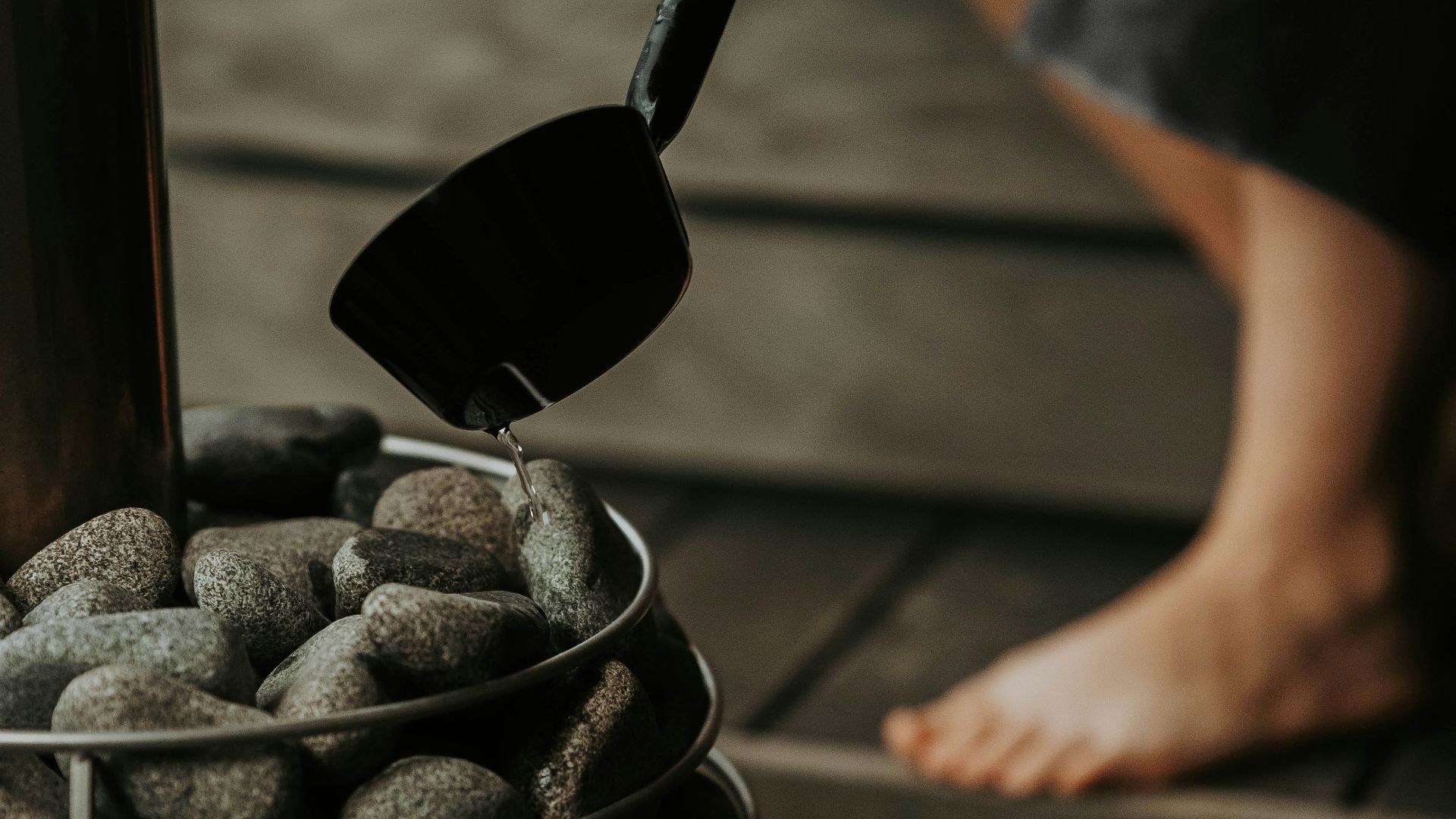
Ask any Finn what makes a sauna, and they'll mention löyly, that satisfying hiss of steam that erupts the moment water hits scorching stones. A proper sauna session unfolds slowly: wash up, settle in, chat with family, step outside to cool off, then wander back in for another round. Nobody's clock-watching here. The whole point is that there isn't one.
2. Estonia
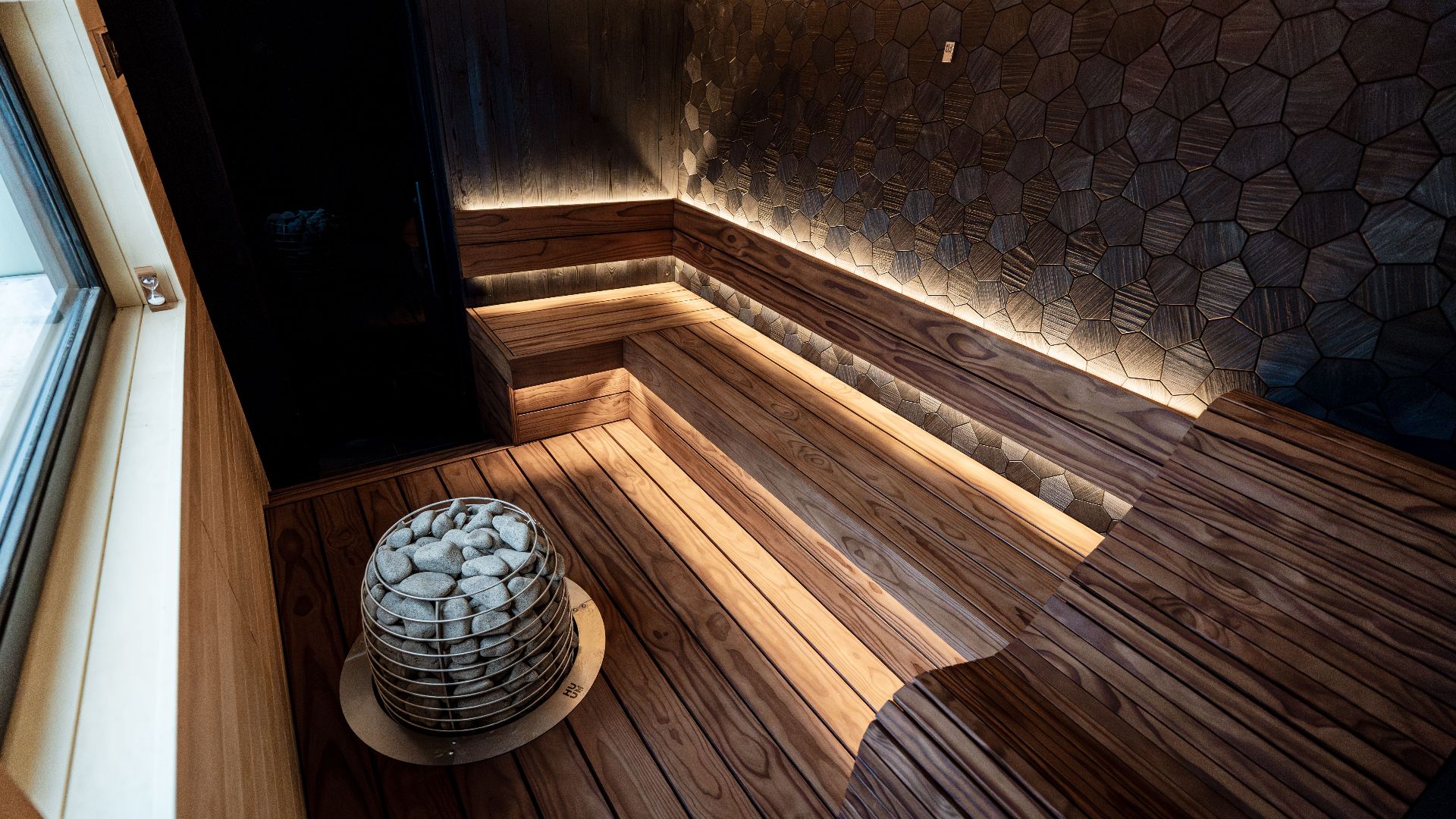
Deep in Võromaa, the smoke sauna skips the chimney entirely, letting smoke fill the room as it heats before everything is aired out and swept clean. Once inside, families sweat it out, splash water on the stones for extra steam, swat themselves with leafy whisks, rinse, cool down, and dive right back in.
3. Russia
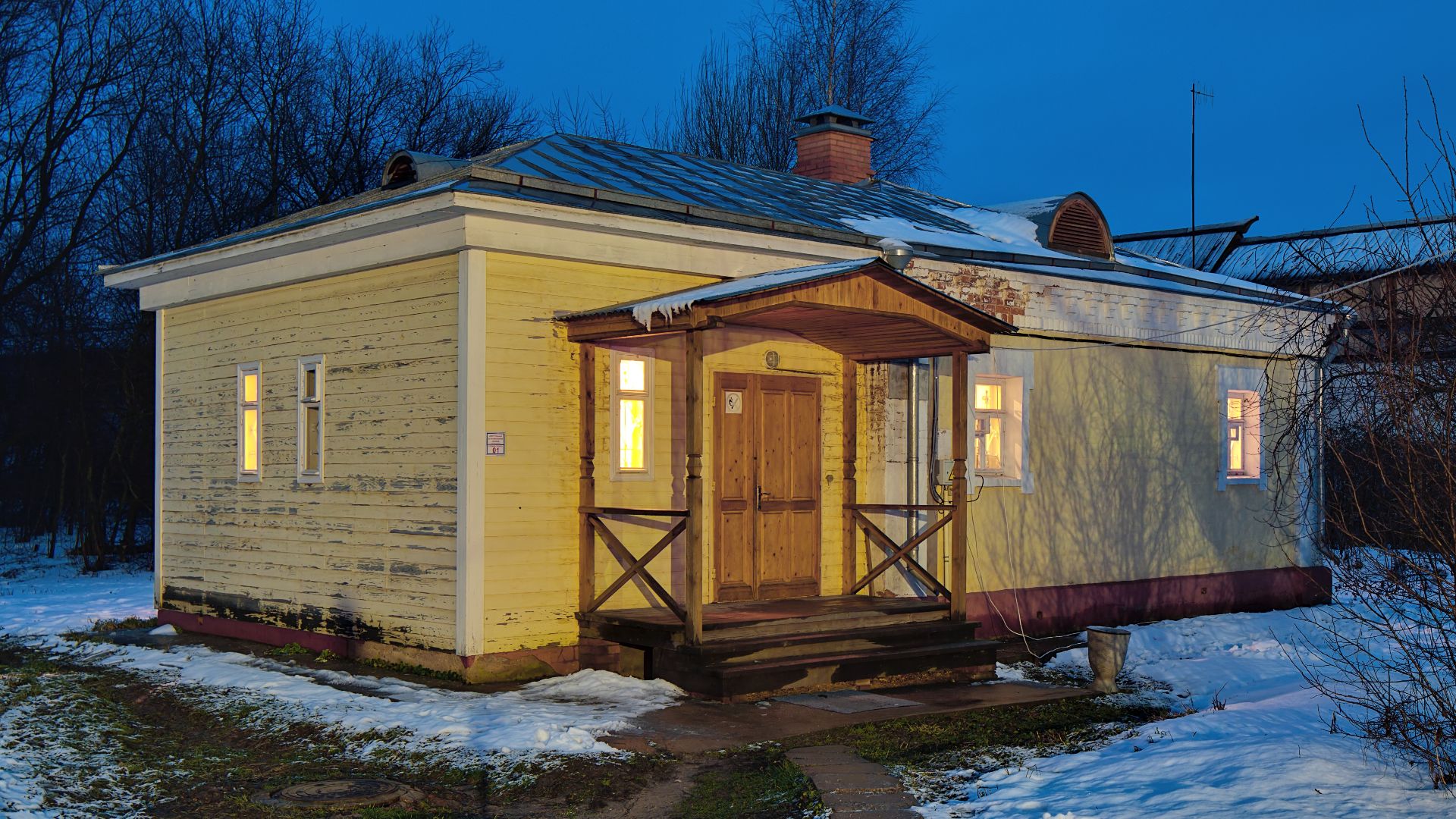
The Russian banya is a steam room built for endurance: intense heat followed by a cooling break, then back for more. Bathers often grab a venik, a bundle of birch or oak leaves, and use it to stir the hot air across their skin with a steady, almost hypnotic tapping motion.
4. Sweden
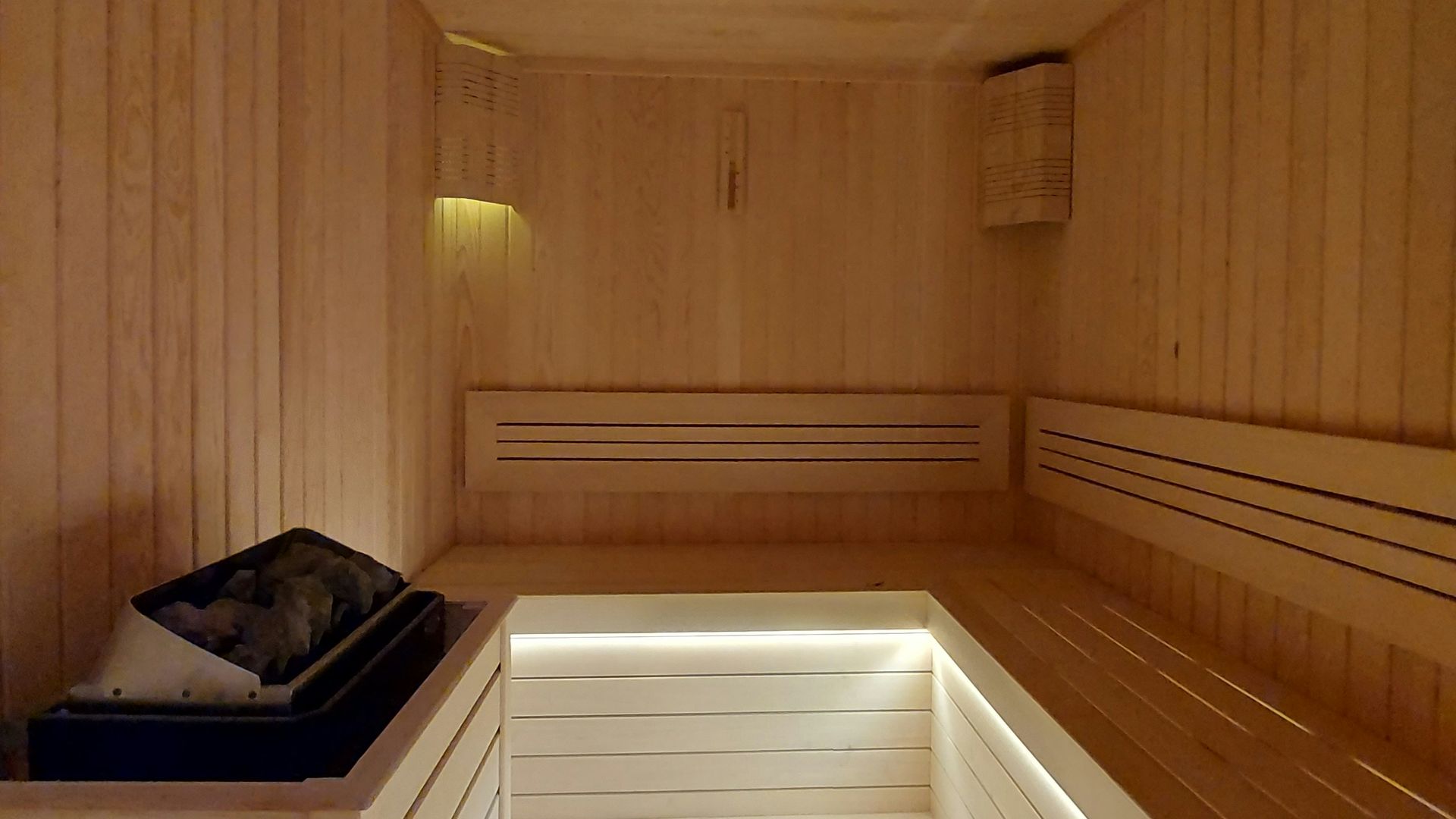
Swedes take their sauna heat and slam it against icy water in a tradition called kallbad. Old bathhouses along the coast are built for exactly this contrast, with saunas and changing rooms leading straight out to open water. Warm up, plunge into the cold, then head right back into the heat and do it again.
5. Türkiye
A Turkish hamam is practically choreography: bathers move through a sequence of warming rooms before stretching out on a heated marble slab. An attendant might scrub the skin with a rough mitt, lather it in soft foam, and rinse it all away, often followed by a massage and a slow, unhurried rest.
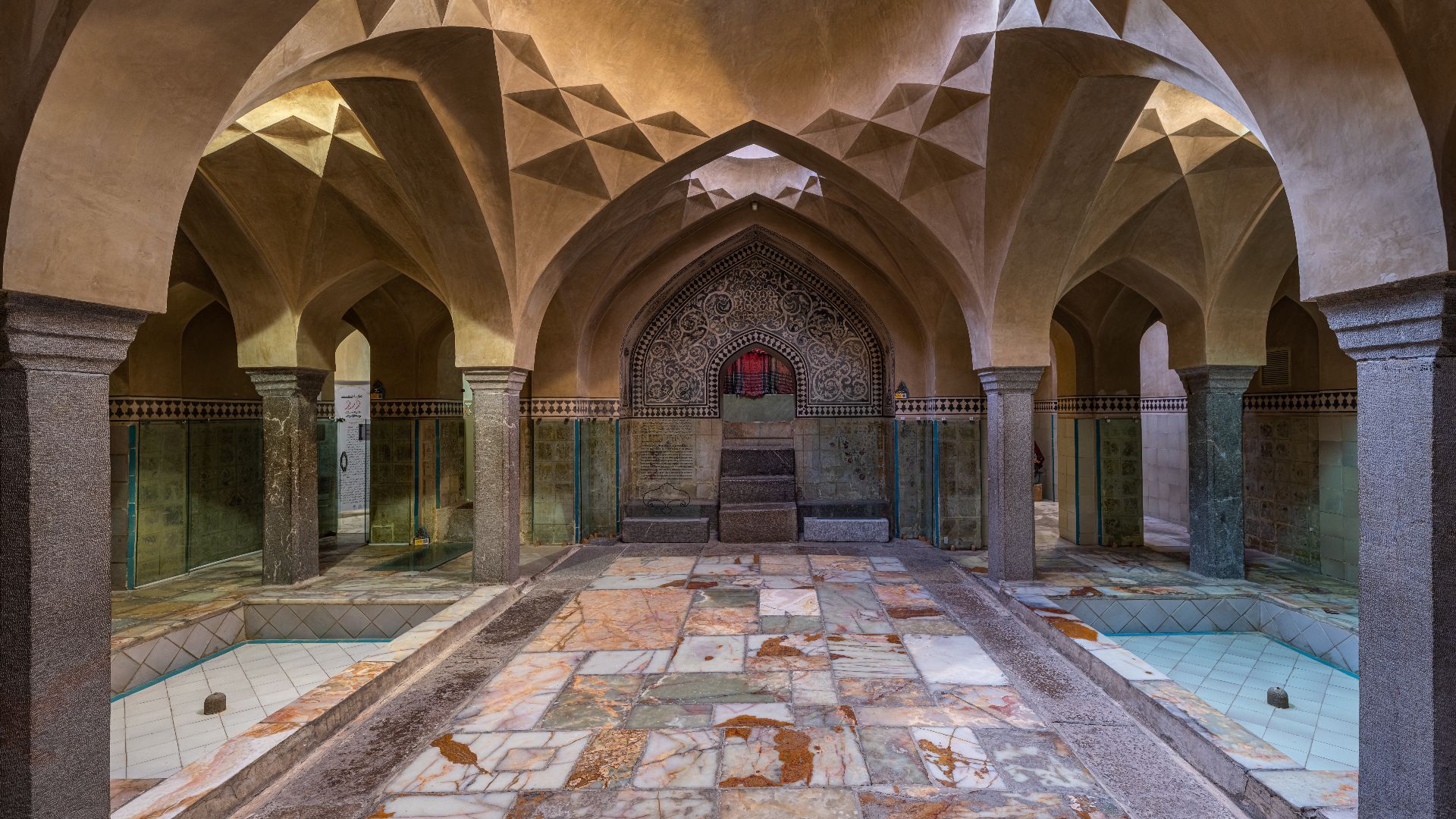
6. Morocco
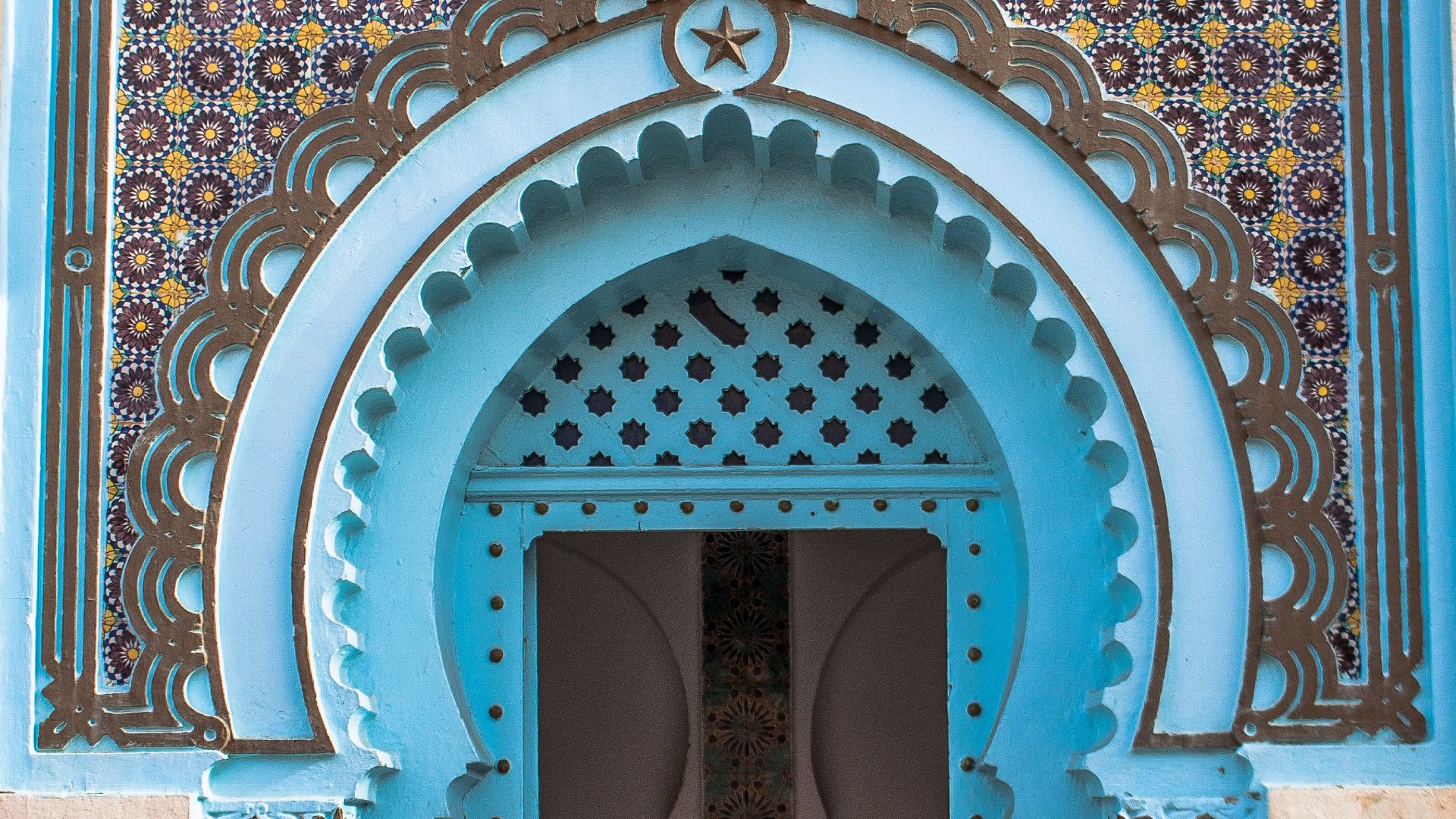
Moroccan hammams are as much about exfoliation as they are about heat. Black soap softens the skin first, then a textured kessa glove scrapes away everything ready to go. Depending on the bathhouse, you might also find ghassoul clay, rose water, or fragrant henna and herbs worked into the routine.
7. Georgia
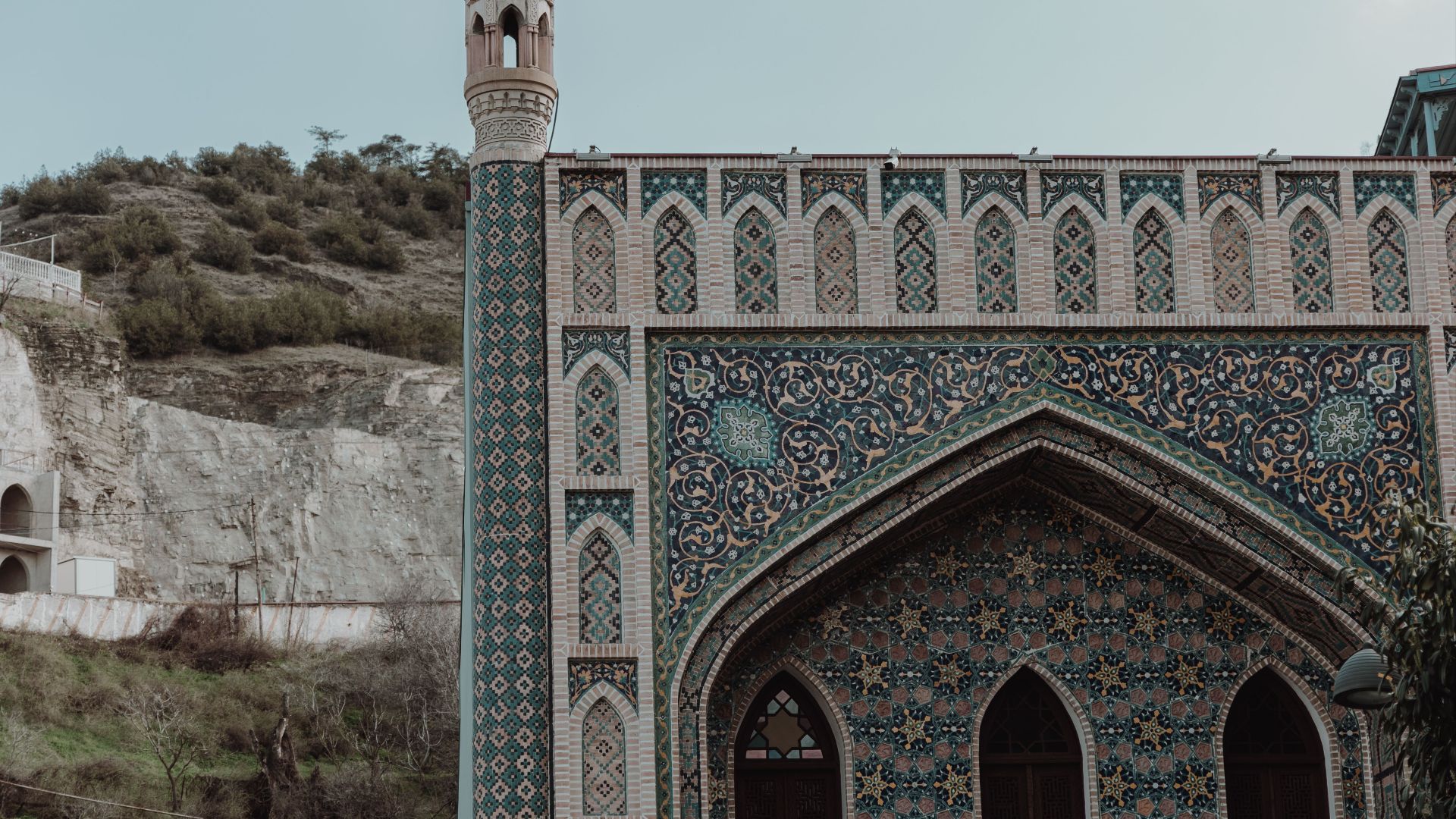
Tbilisi's Abanotubani district owes its identity to naturally hot sulfur springs bubbling up beneath the city. Locals soak in the mineral water, endure a brisk kisa scrub, and rest in tiled rooms thick with steam and that unmistakable sulfur smell, whether they choose a private nook or a shared hall.
8. Hungary
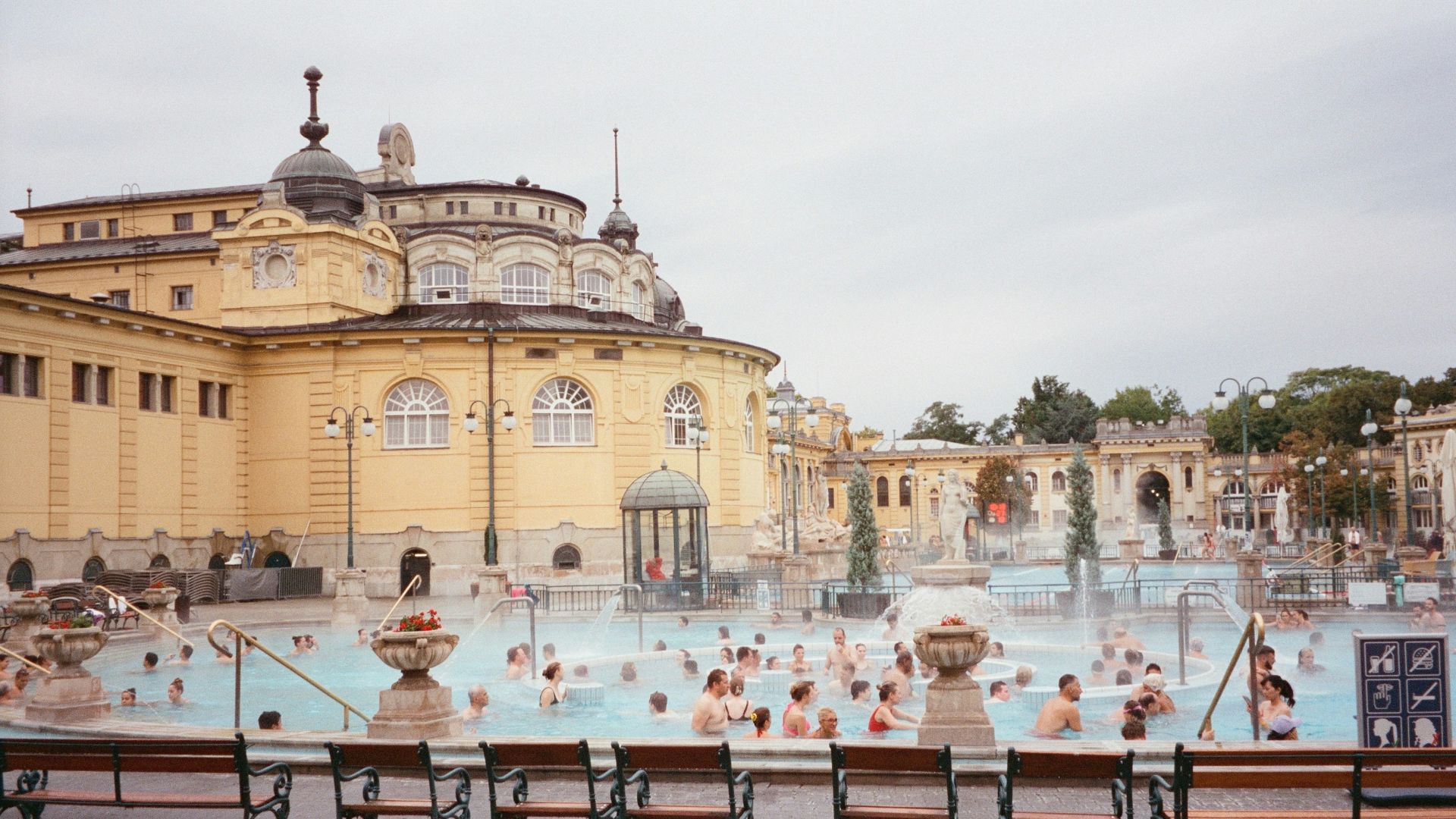
In Budapest, a soak in the thermal baths is less a spa treatment and more a full afternoon out. Bathers drift between pools of varying temperatures, indoors and out, then duck into a sauna or steam room. Some play chess right there in the water, because why not turn a bath into a hangout?
9. Japan
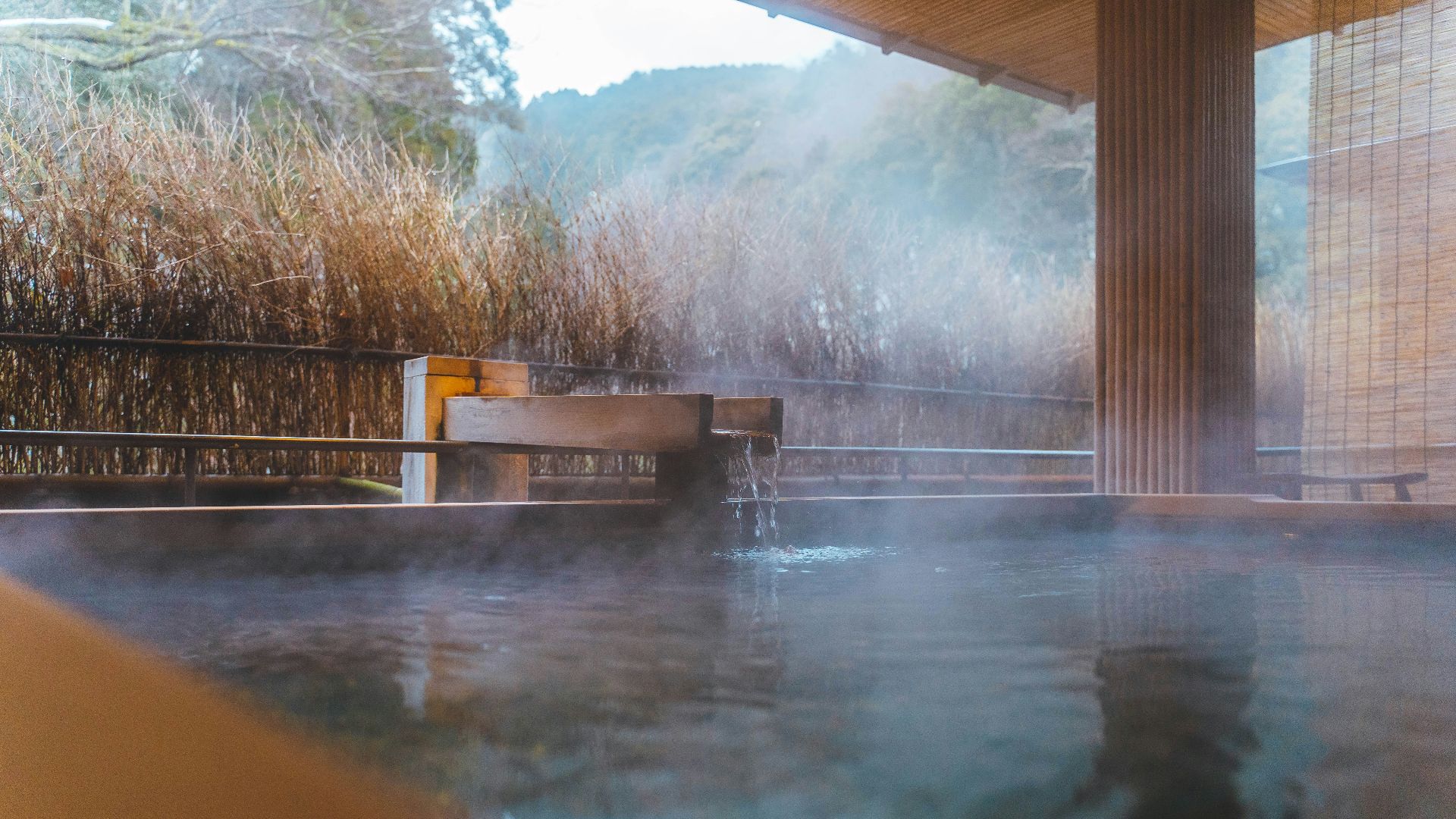
Onsen bathing runs on unspoken rules: scrub thoroughly before you get in, keep your towel and hair out of the shared water, and lower your voice. Nobody swims here; they soak. Many outdoor onsens overlook forests, gardens, or snow-dusted mountains, turning a simple bath into a moment of stillness.
10. Korea
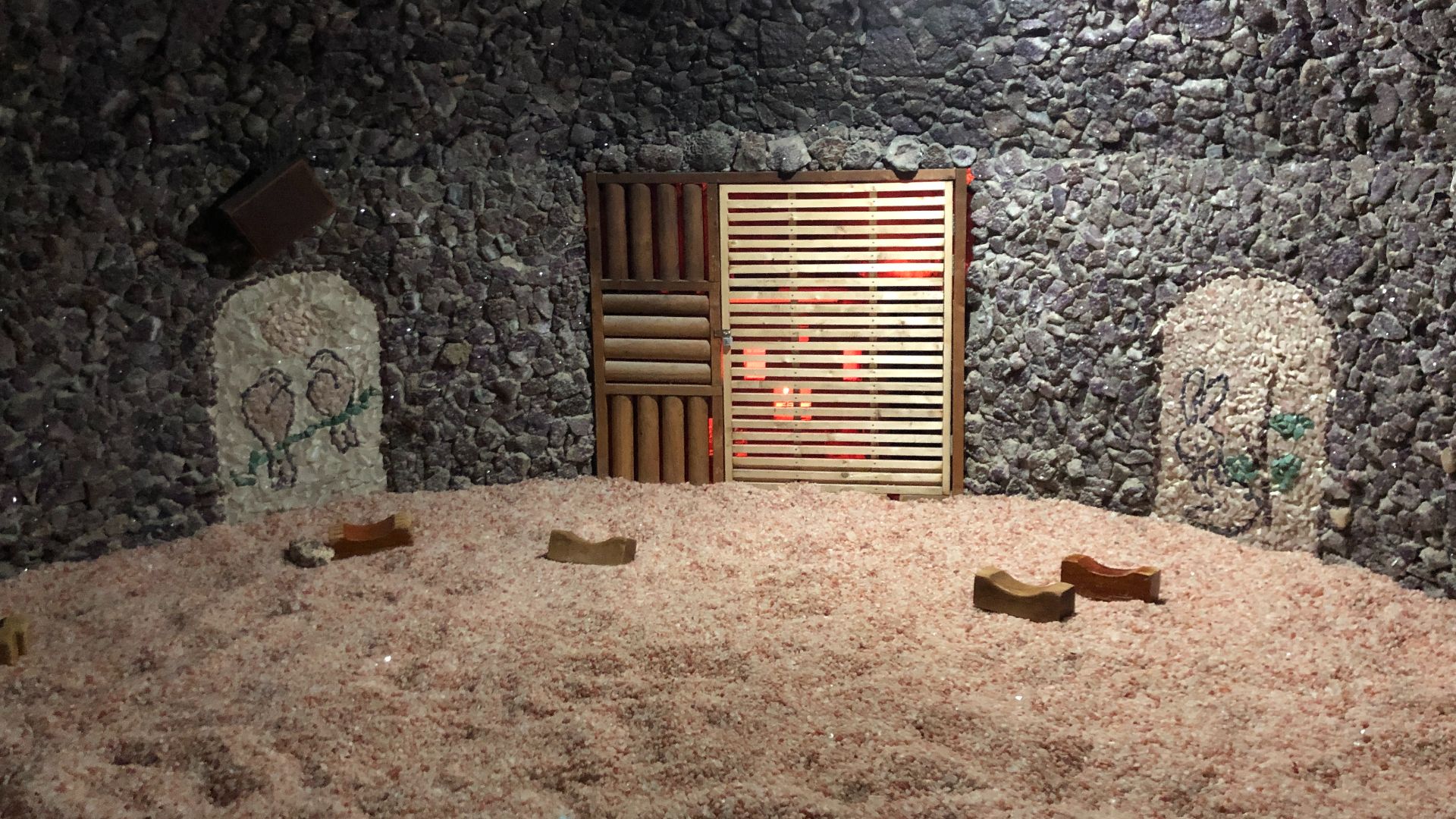
A Korean jjimjilbang is part bathhouse, part clubhouse. Everyone changes into matching loungewear and wanders between heated rooms lined with clay, salt, charcoal, stone, or kiln tile. In between, people snack on roasted eggs, sip sweet rice drinks, watch TV, or nap on a warm floor like it's the most normal thing in the world.
11. Iceland
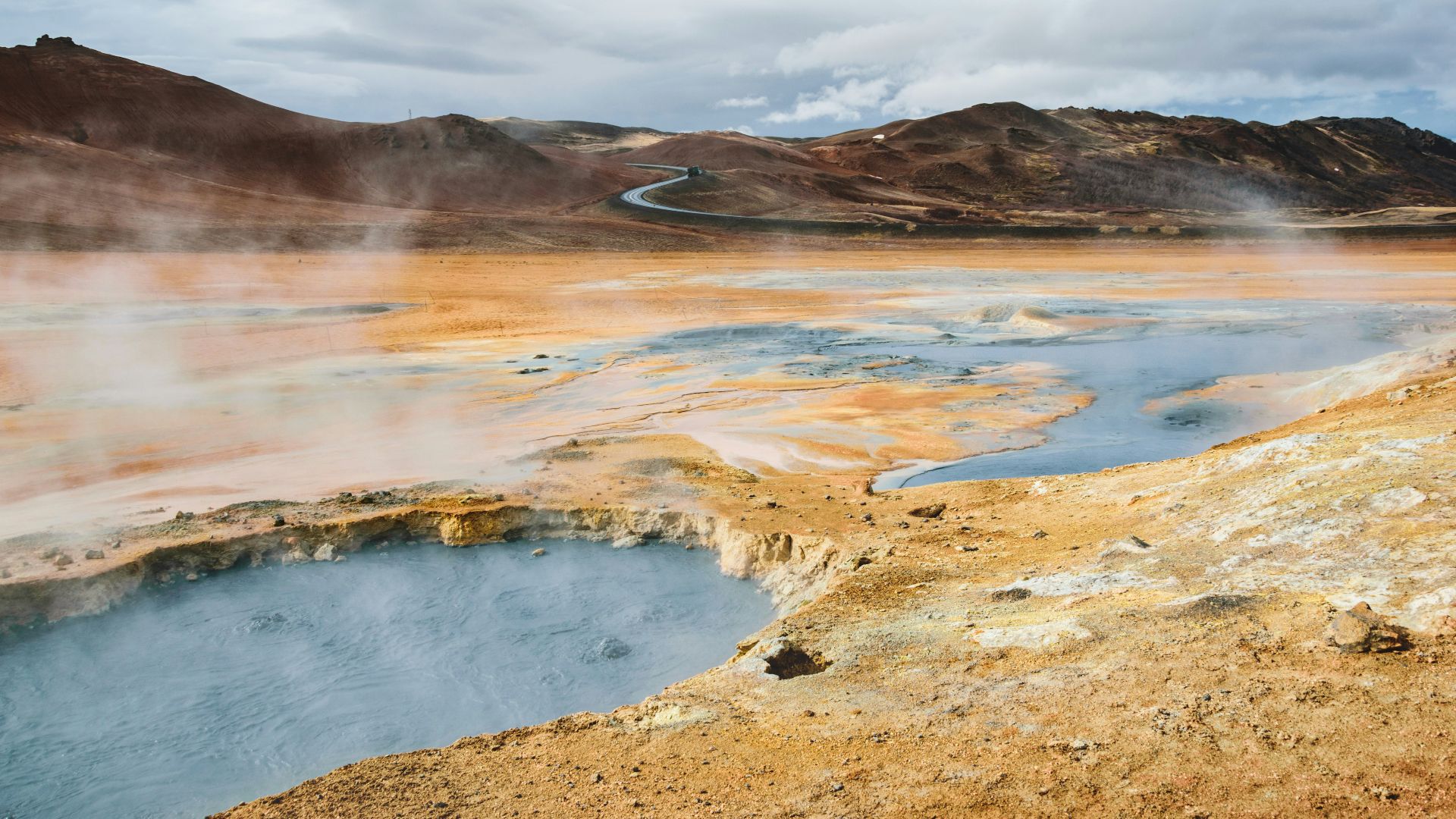
For Icelanders, a dip in the local geothermal pool isn't a special occasion, it's Tuesday. Neighbors swim, soak, and swap stories while snow or rain falls just beyond the steam. The community pool doubles as a gym and a town square, all wrapped into one warm, unglamorous ritual.
12. Taiwan
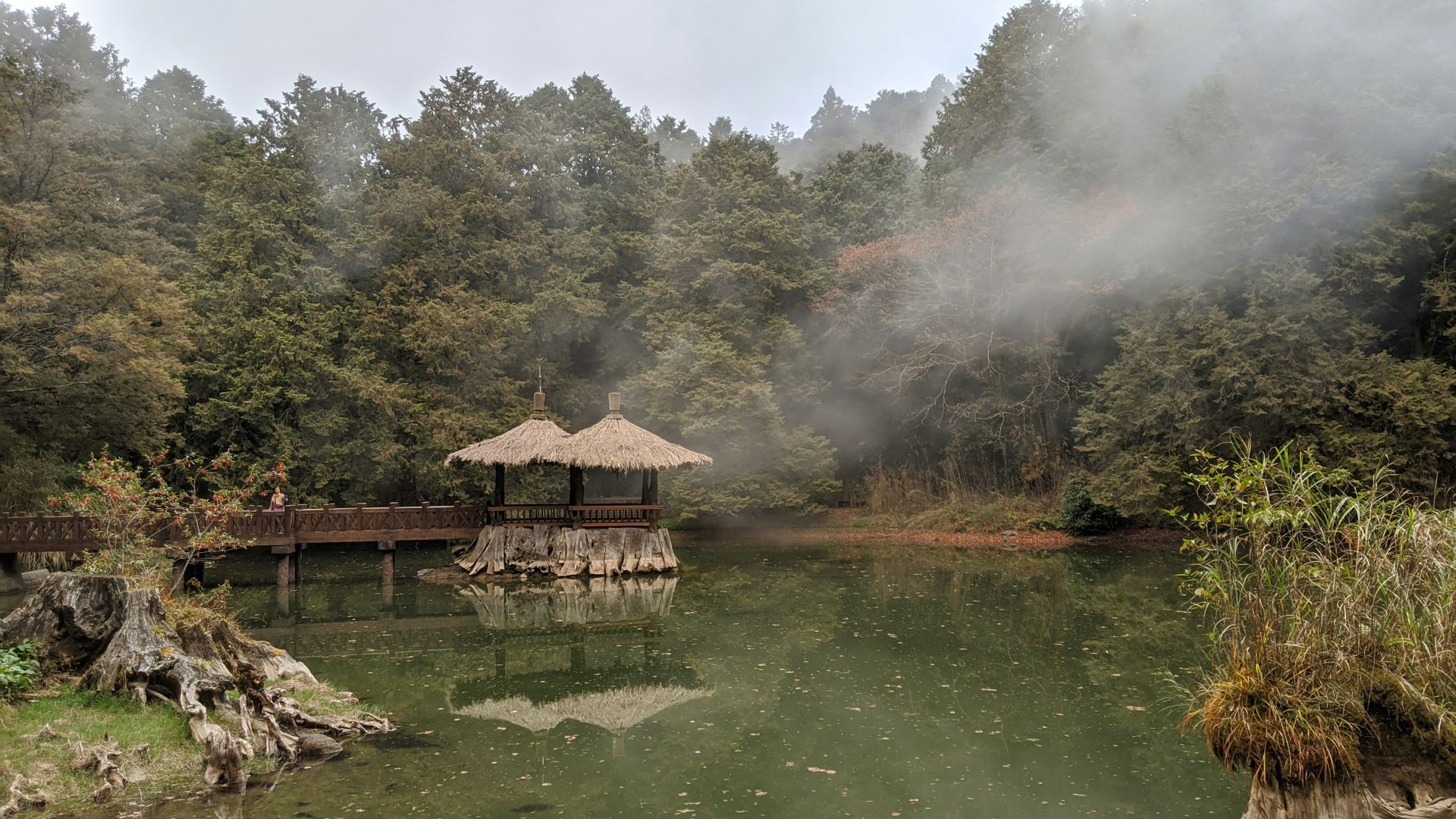
Taiwan offers an almost absurd variety of soaking options: hot springs, cold springs, mud springs, and even rare seabed springs. The bathing culture took shape strongly during the era of Japanese rule, with Beitou emerging as a major hub by the late 1800s. Today you can pick a public pool, a resort, a private room, or a simple footbath.
13. Ancient Rome
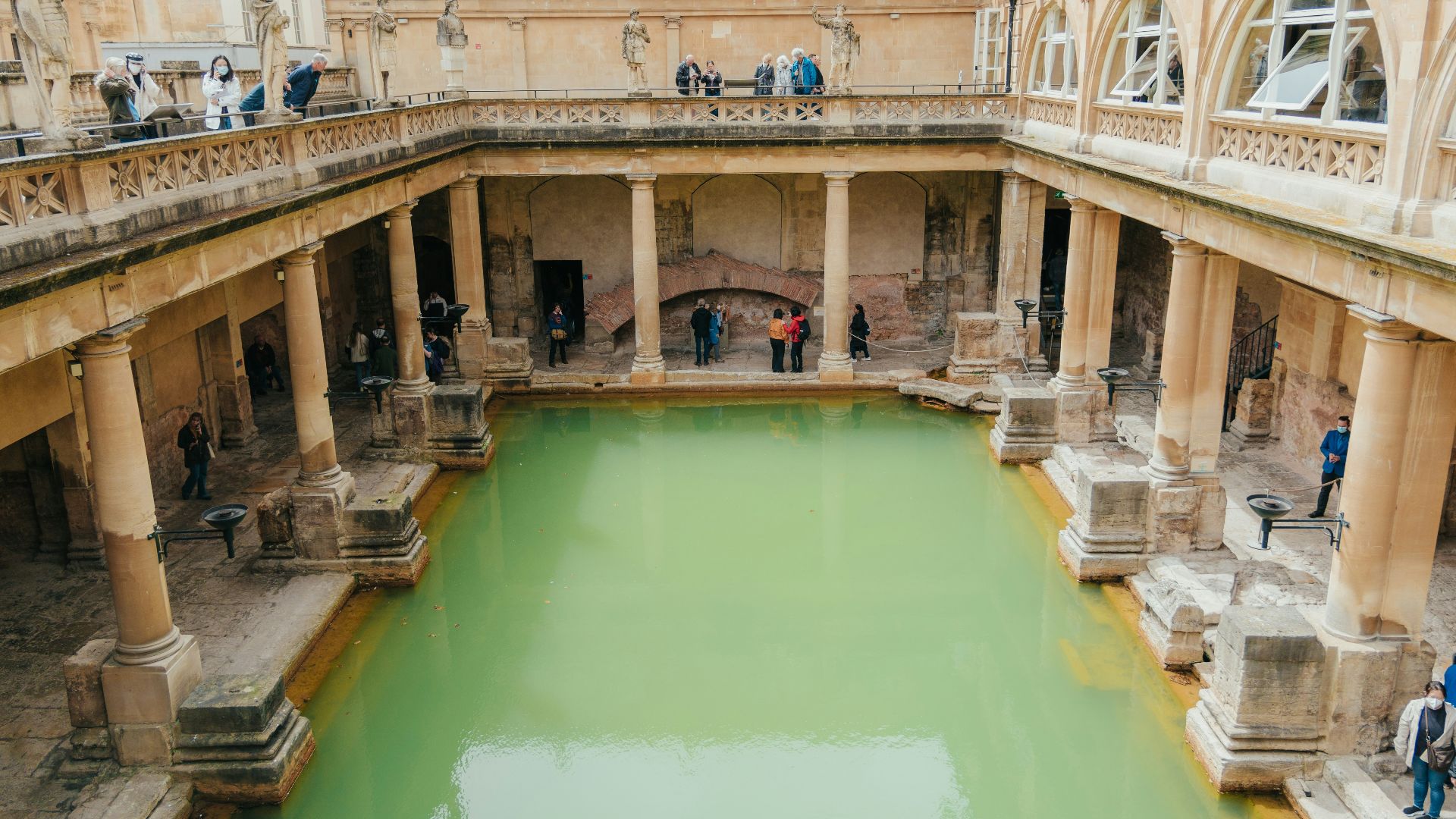
Romans didn't just take a bath; they followed a full circuit: cool room, warm room, hot room, and sometimes a bracing cold plunge to finish. The biggest bath complexes threw in exercise areas, swimming pools, massage rooms, and food stalls. Underneath it all, furnaces pushed hot air beneath the floors and through the walls to keep every room at the right temperature.
14. Indigenous Nations
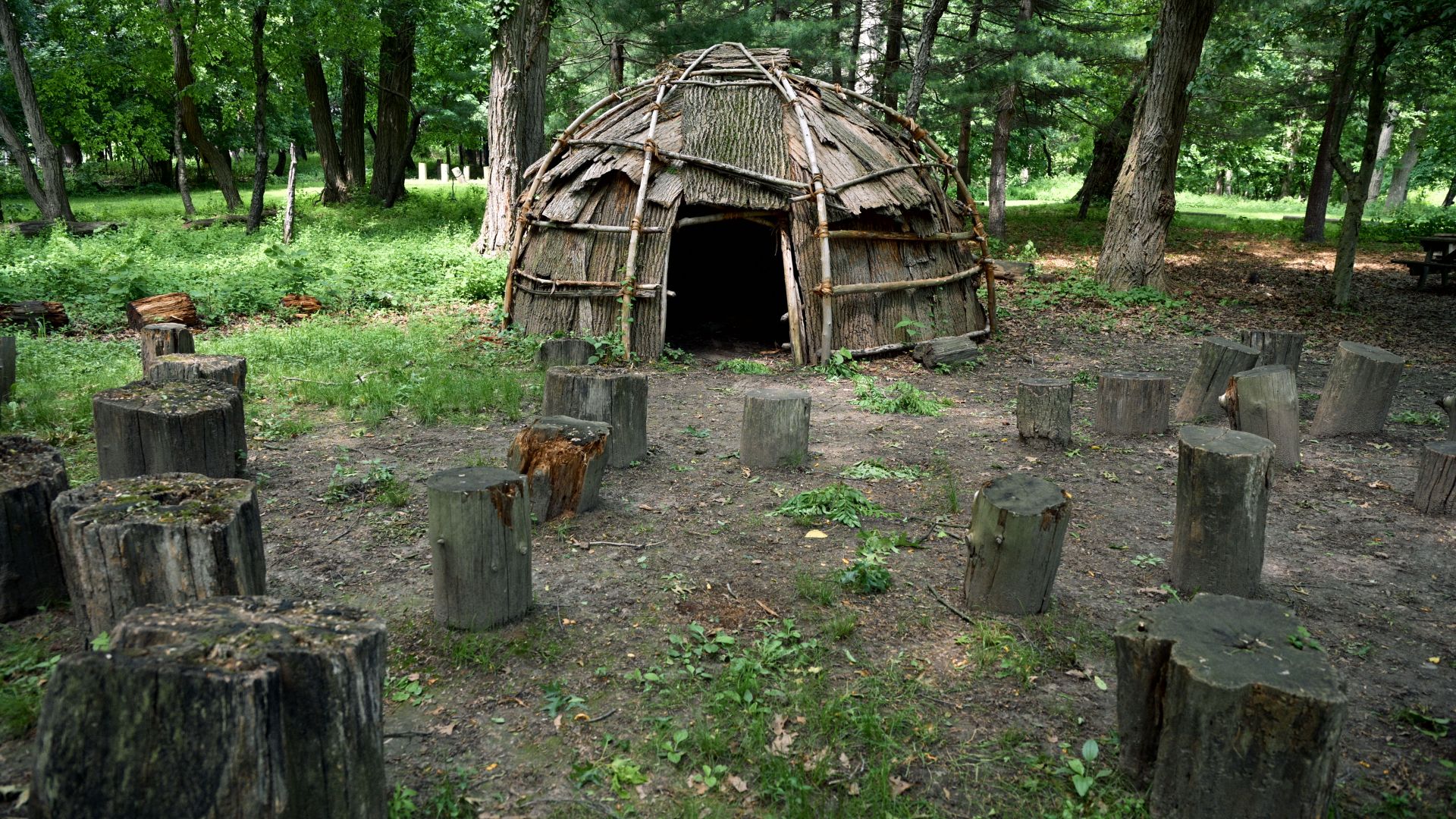
Sweat lodge practices differ from nation to nation, and the specific songs, teachings, and protocols belong to the communities who carry them. In many ceremonies, stones heated over a fire are placed in a central pit, and water poured over them fills the lodge with steam. An Elder or trained knowledge keeper often leads the group through prayer, song, and reflection.
15. Mesoamerica
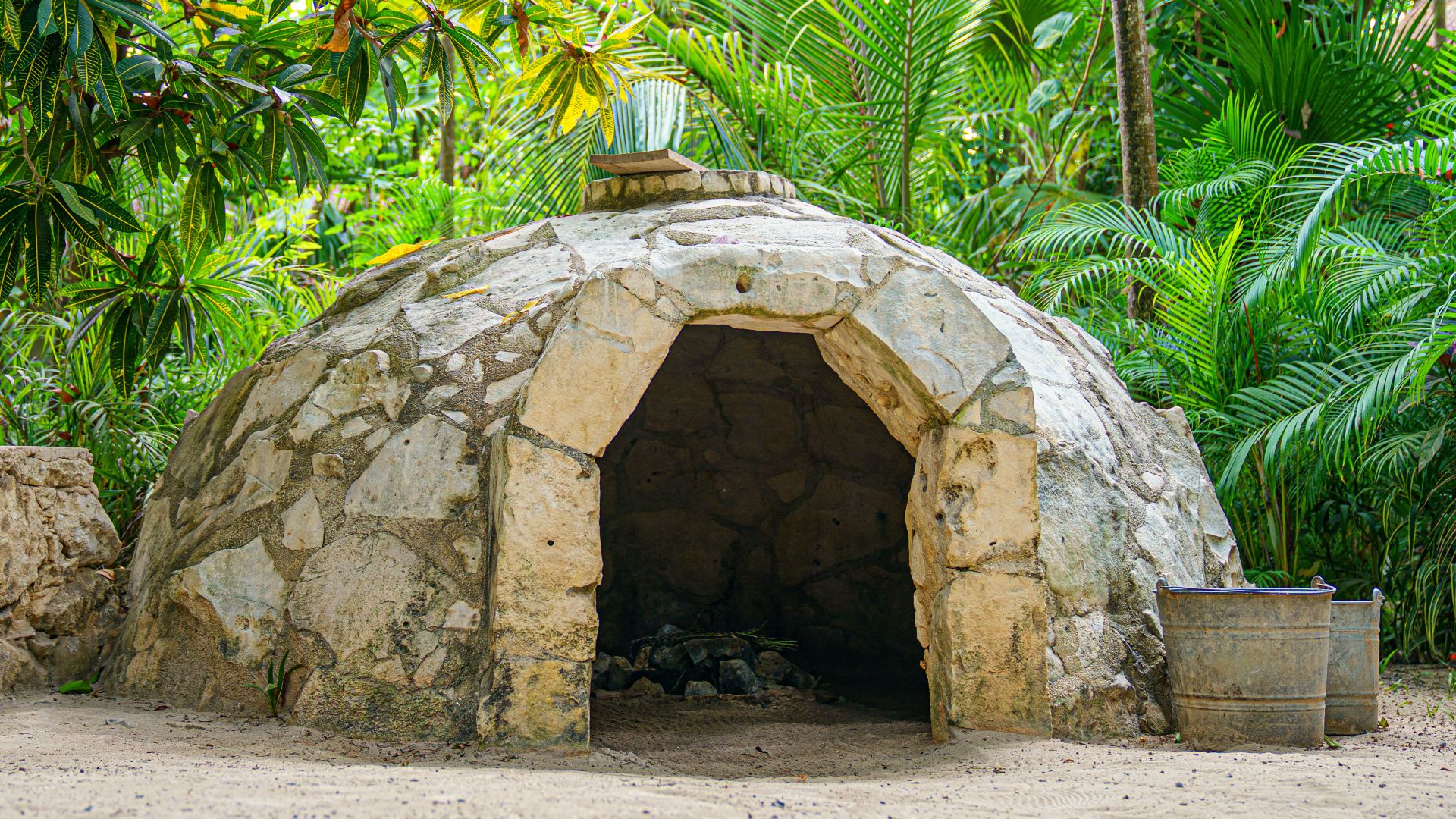
The temazcal is a small, enclosed steam structure with a history stretching back centuries across Mesoamerica. Heated stones and splashed water build up warmth and steam inside the tight space. Depending on who's leading the ceremony, plants, prayer, or guided reflection might be woven into the experience.
16. Aotearoa
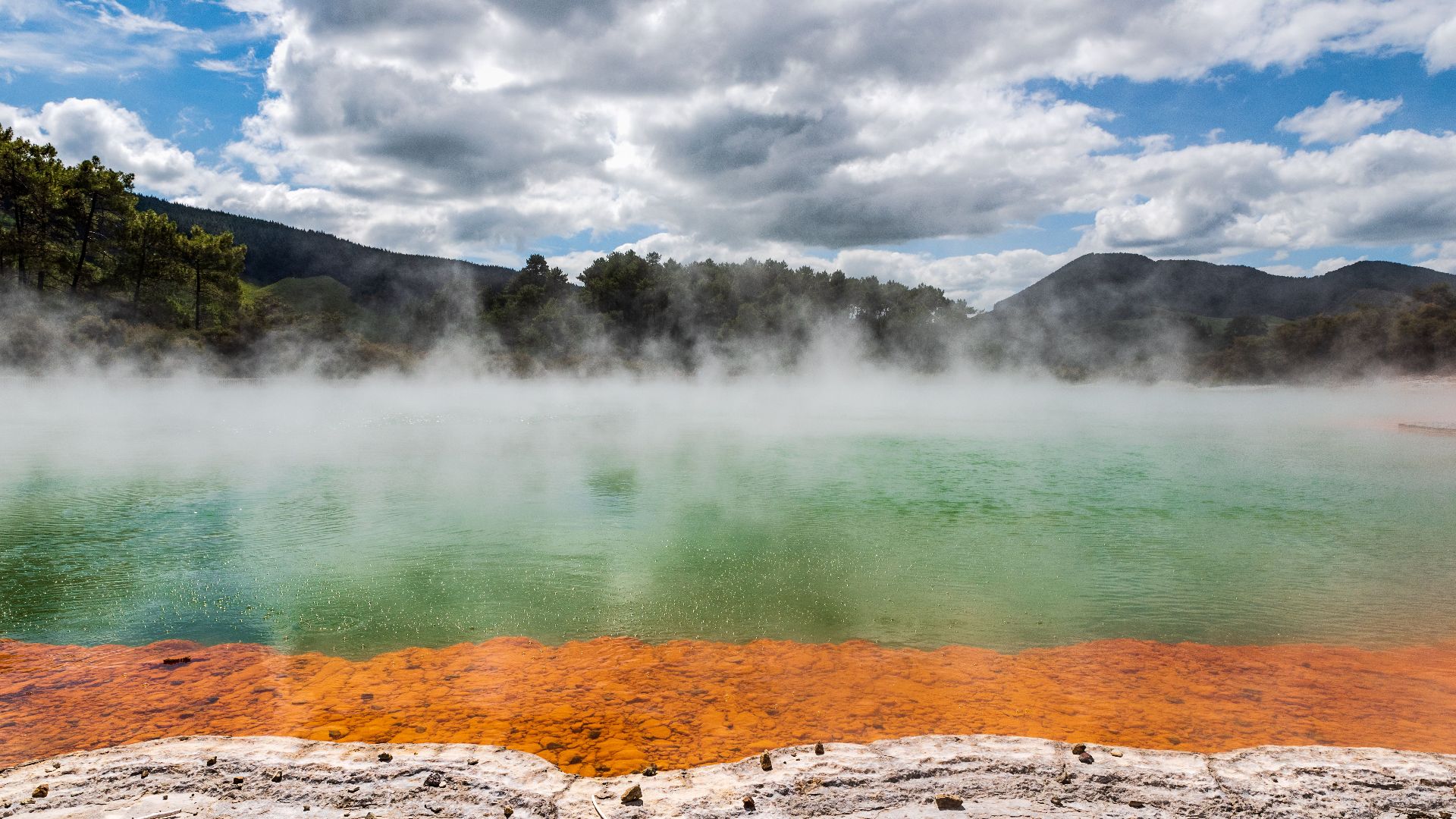
For Māori communities, geothermal springs have long served more purposes than just bathing, stretching to cooking, healing, and ceremony. Certain pools carry spiritual significance and deep ties to tribal history, meaning the water isn't just useful; it's part of a living relationship with the land and its stories.
17. India
Swedana uses dry or moist heat to bring on sweating, usually right after an oil massage. In one common setup, the person sits inside a steam chamber with only their head poking out. It's rarely a standalone treatment, functioning instead as one piece of a much larger Ayurvedic health plan.
18. Thailand
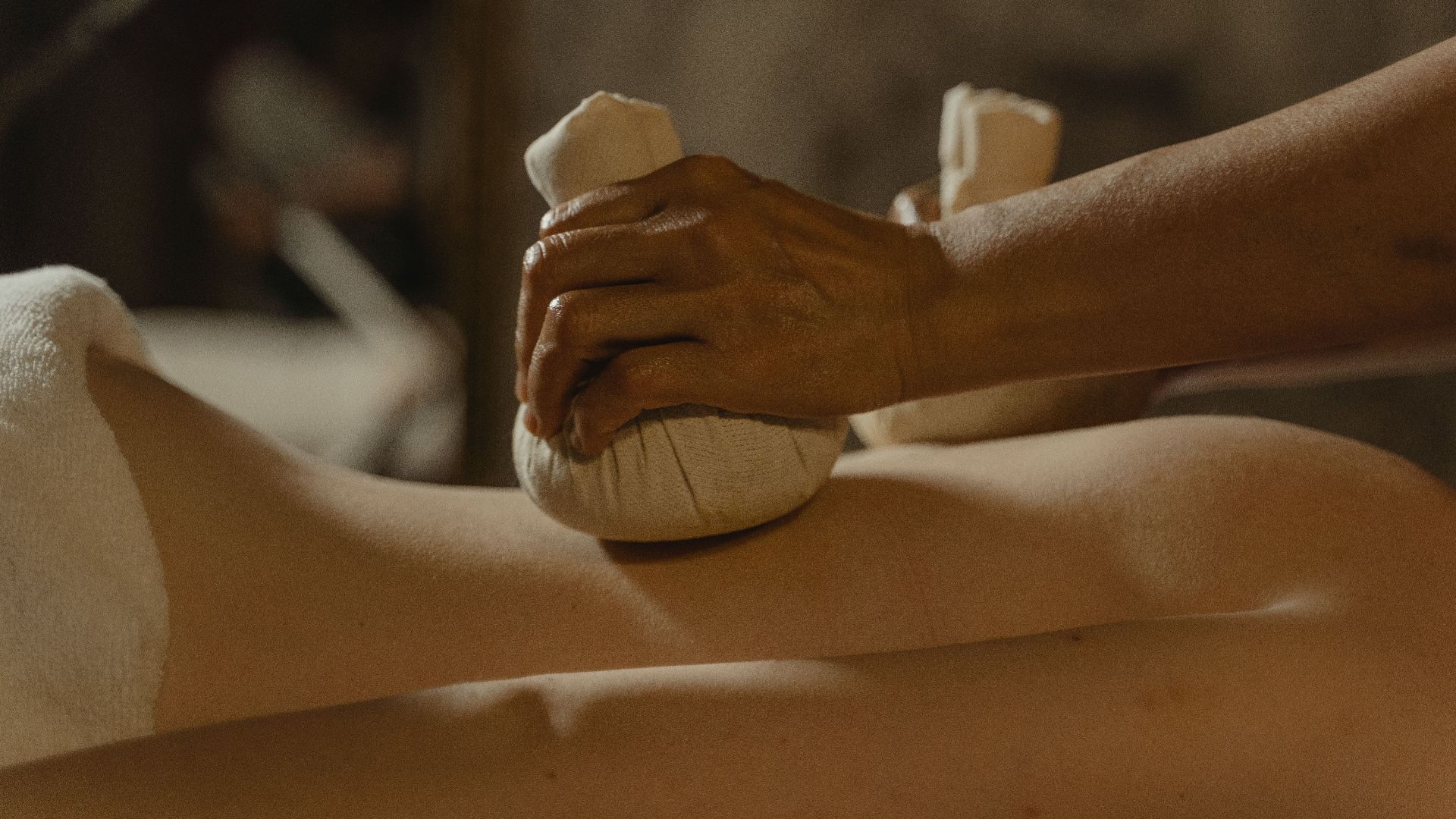
Thai traditional medicine treats herbal steam as one tool among several, alongside massage, herbal compresses, and meditation. Steam rooms fill with the scent of local roots and leaves, turning a simple heat treatment into something aromatic and deeply rooted in local plant knowledge.
19. China
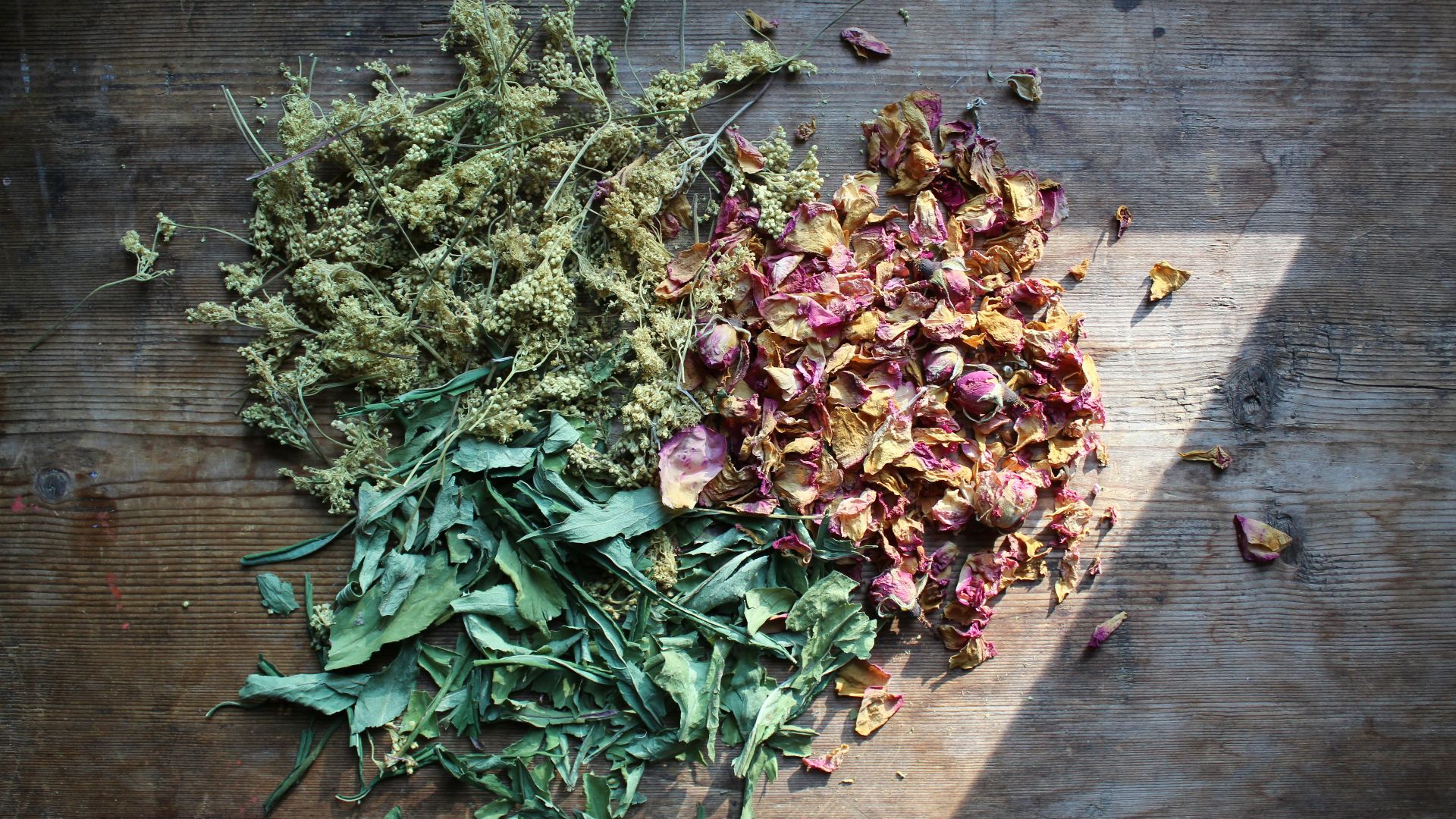
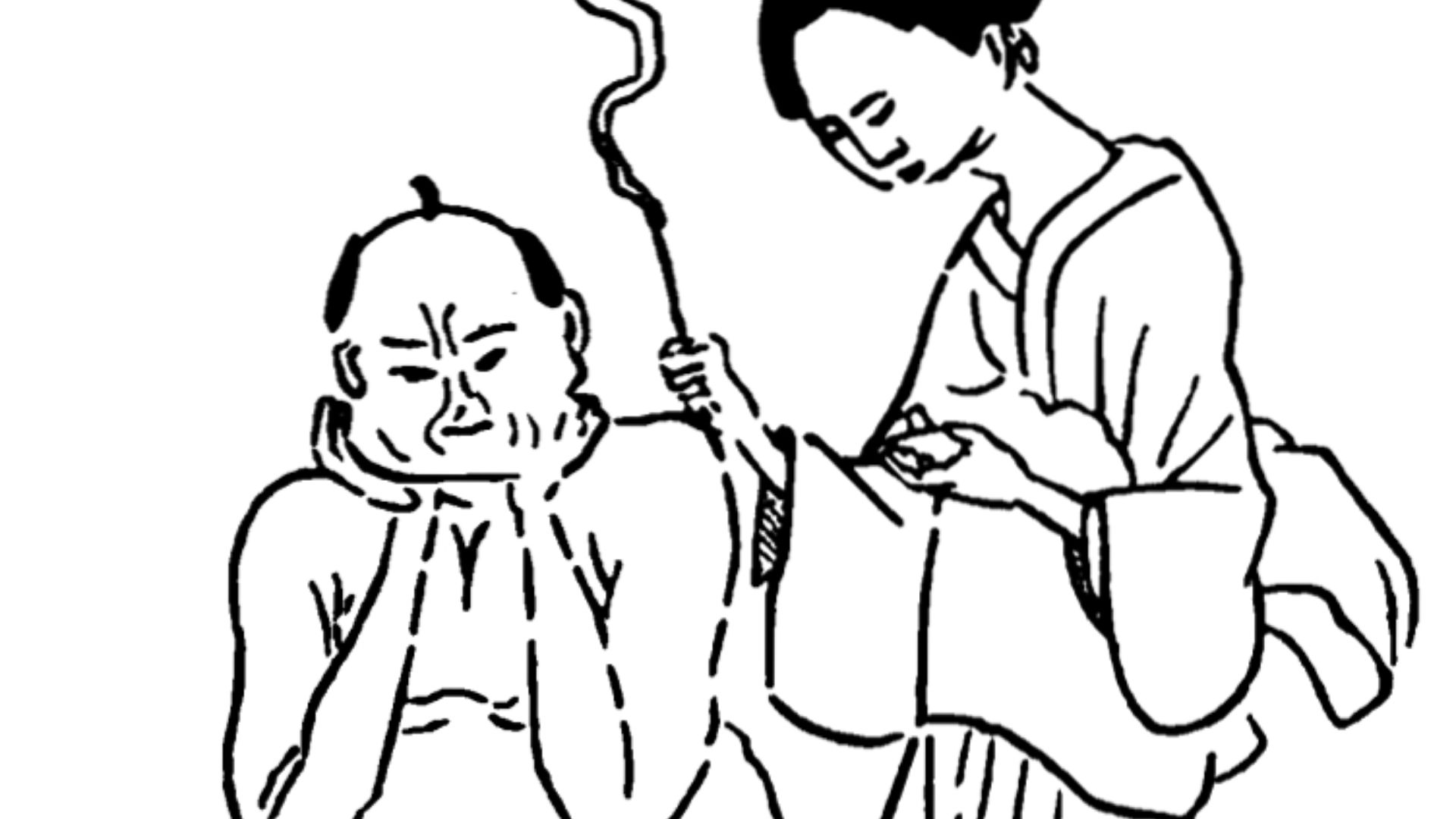
Moxibustion skips the full-body soak entirely, instead directing heat from burning mugwort toward specific points on the body, often paired with acupuncture. The burning moxa might hover just above the skin, sit on a protective layer, or attach to a needle, delivering precise warmth exactly where it's needed.
20. Bhutan
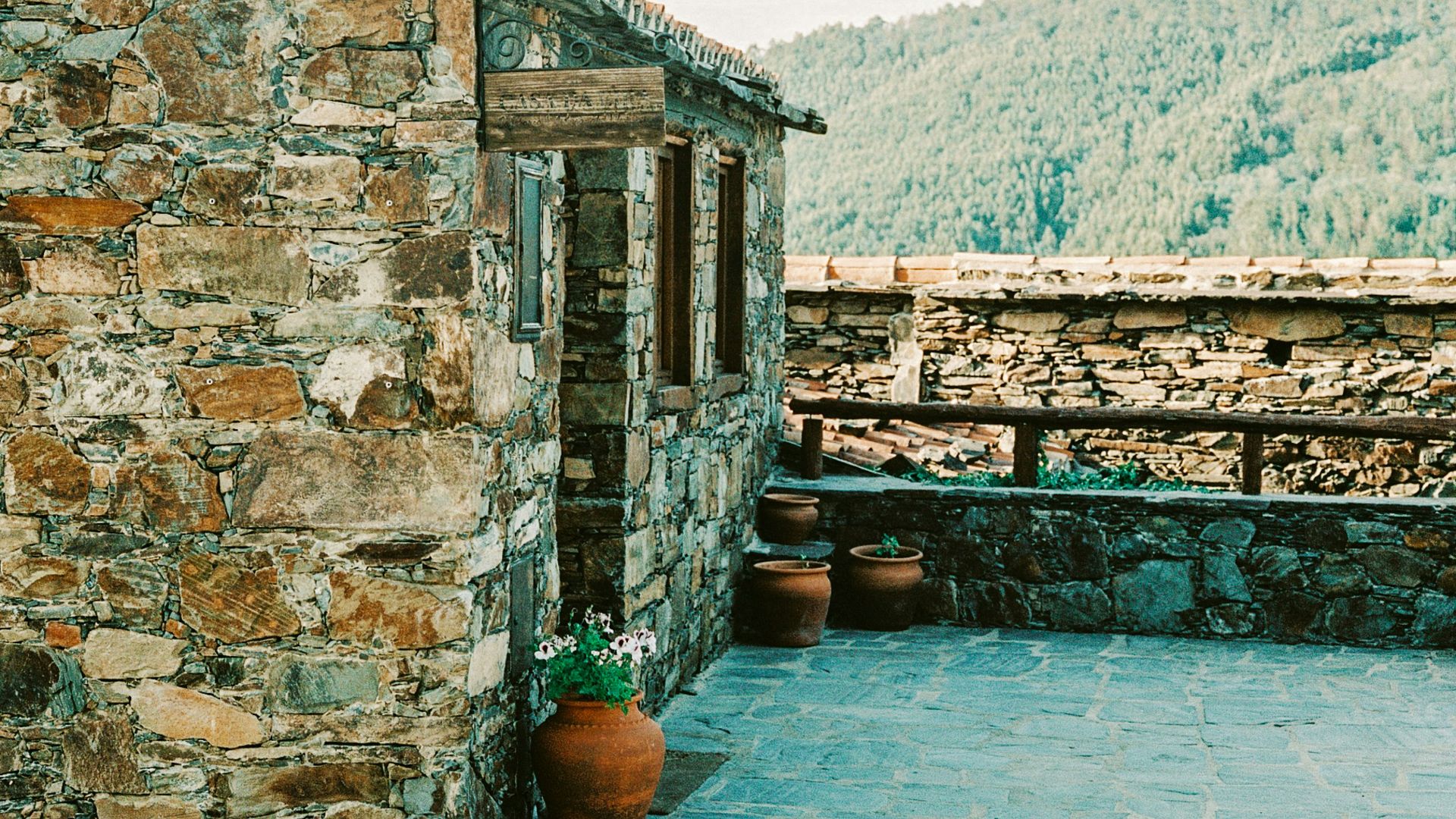
Bhutanese hot-stone baths start with river rocks heated over an outdoor fire, then dropped into a separate compartment beside a wooden tub so their heat warms the water without direct contact. Toss in some wormwood or other local plants, and you've got a fragrant soak that's perfect after a long trek or a hard day's work.
KEEP ON READING

20 Ways to Deal With Your Sweet Tooth
20 Low-Impact Exercise Ideas For People Over 50