
The Fights You Never Notice
Most of what keeps you alive never makes it into your conscious thoughts, and that's kind of the point. While you're answering emails or scrolling your phone, your body is running a constant, low-grade defense operation against threats you'll never notice. Cells go rogue and get shut down before they cause trouble, invaders get filtered out before they cause an infection, and systems that could tip into chaos get quietly corrected instead. None of it makes the news, because winning is the default outcome. Here's 20 fights your body wins every single day without asking for credit.

1. Immune Surveillance Against Rogue Cells
Cells make mistakes when they divide, and some of those mistakes could grow into a tumor if left alone. Specialized immune cells, particularly natural killer cells and T cells, patrol constantly and destroy abnormal cells before they get a foothold. Cancer only becomes a diagnosis when this system misses one, which is the exception rather than the rule.

2. Stomach Lining Resisting Its Own Acid
Stomach acid is strong enough to dissolve metal over time, yet it sits right next to living tissue that stays undamaged. A thick layer of mucus and a steady supply of bicarbonate neutralize the acid right at the stomach wall while digestion happens just millimeters away. That balance breaks down in conditions like ulcers, a reminder of how much daily maintenance it takes.

3. The Liver Filtering Everything You Consume
Every medication and drink that enters your bloodstream passes through the liver, which breaks it into forms the body can use or excrete. It runs this process continuously, filtering roughly a liter and a half of blood every minute. Most people never think about it until something goes wrong.

4. DNA Repair After Sun Exposure
Every bit of UV exposure damages DNA in skin cells, creating errors that could lead to skin cancer if they piled up. Specialized enzymes scan for that damage and fix most of it within hours, before the cell divides again. A sunburn is a sign this repair system got overwhelmed, not a sign it wasn't working.
 https://kaboompics.com/ on Pexels
5. Keeping Blood From Clotting Or Bleeding Too Easily
Blood has to stay liquid enough to flow freely but ready to clot the instant a vessel gets damaged, and the body balances that constantly. Proteins that promote clotting and proteins that prevent it circulate at once, held in a kind of standoff until an injury tips things. Get it wrong in either direction and you end up with dangerous bleeding or dangerous clots.

6. Kidneys Filtering Your Blood Around The Clock
Your kidneys filter your entire blood supply roughly 40 times a day, pulling out waste while keeping the water and salts your body needs. That filtering runs continuously, which is part of why kidney damage can go unnoticed for years. By the time you feel something's wrong, the kidneys have usually been compensating for a while.

7. Blood Sugar Staying In A Narrow Range
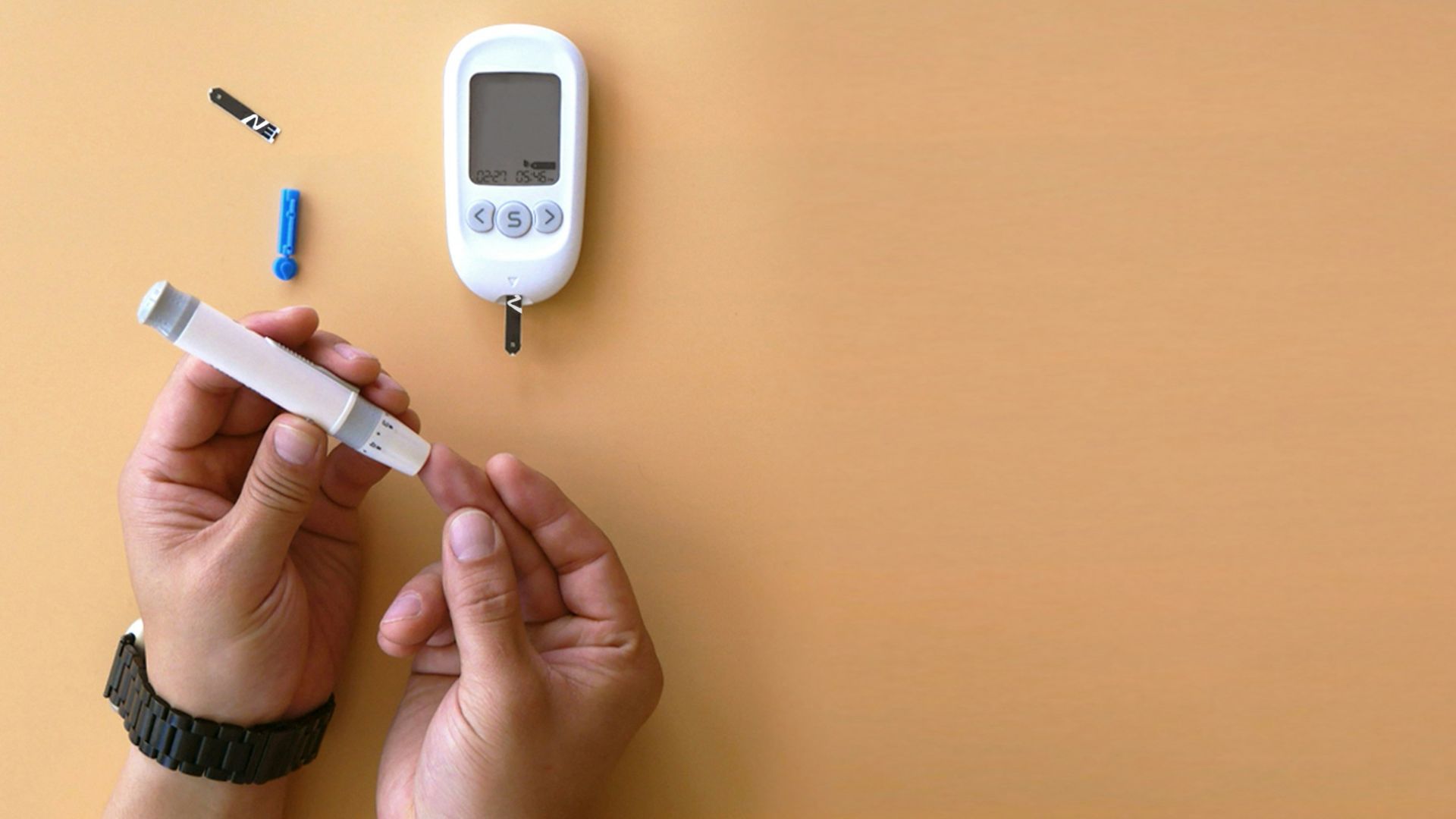
Blood sugar has to stay in a fairly tight range to keep your brain and organs functioning, and the body adjusts it constantly with insulin and glucagon. Eating a meal or skipping one pushes blood sugar in different directions, and hormones correct course within minutes. That correction happens whether you've ever thought about your blood sugar or not.
8. Regulating Body Temperature
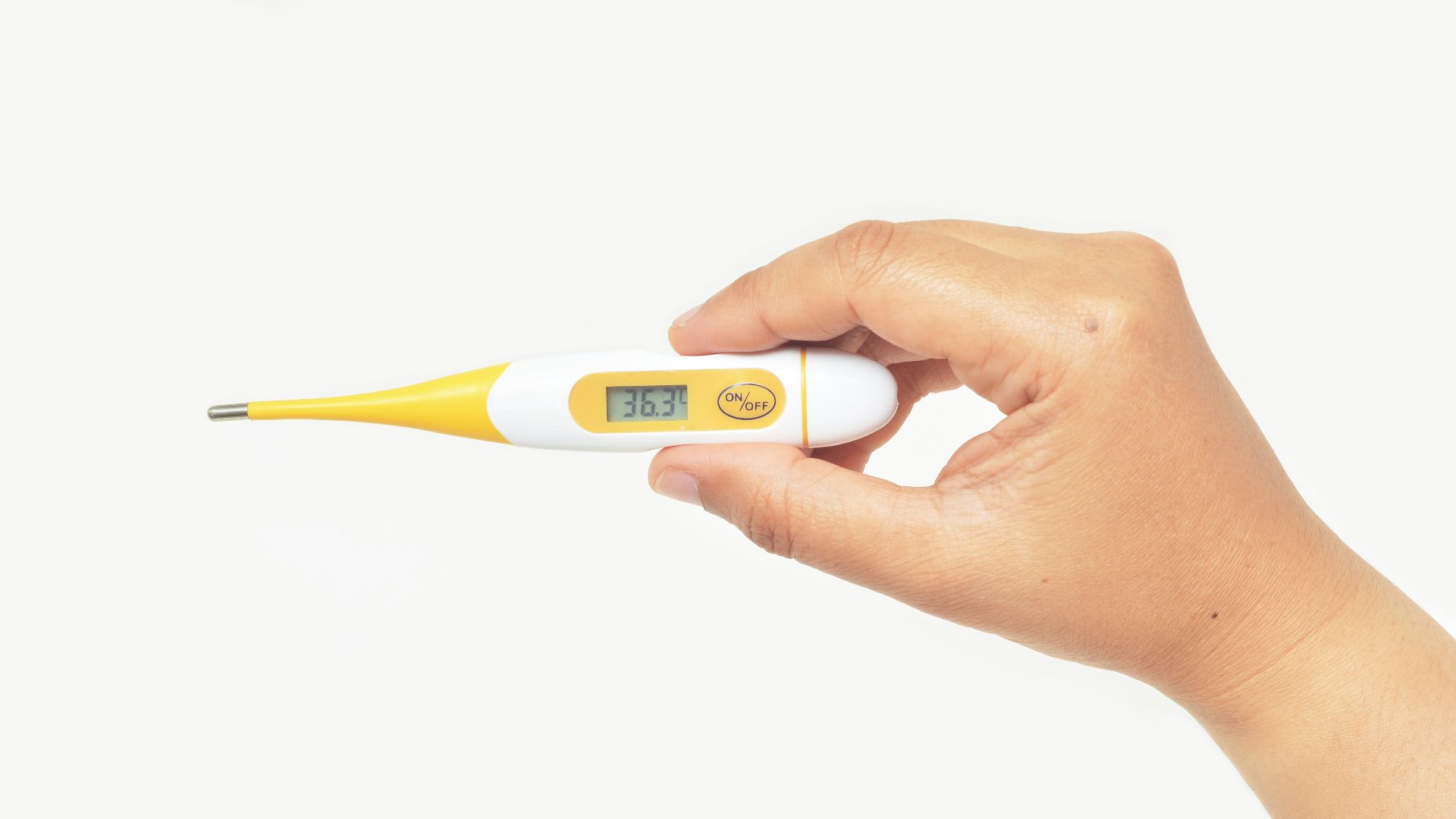
Your internal temperature stays close to 98.6 degrees Fahrenheit whether you're in a cold parking lot or a hot kitchen, thanks to the hypothalamus constantly adjusting blood flow, sweat, and shivering. That regulation runs every second, even while you sleep. A couple of degrees off in either direction starts to impair how your cells function.
9. Keeping Gut Bacteria In Check
Your gut hosts trillions of bacteria, mostly helpful, but a few species could cause real trouble if they multiplied unchecked. The immune system and the beneficial bacteria work together to keep aggressive species in check, competing for space before they can take over. Antibiotics can disrupt that balance, part of why some people get sick after a course of them.

10. Filtering Out What You Breathe In
Every breath brings in dust, pollen, and stray bacteria, and your airways are lined with mucus and tiny hair-like cilia that trap and sweep most of it back out. That system runs continuously, clearing your airways dozens of times a day without you noticing. Smoking is especially damaging because it paralyzes those cilia, letting more of what you inhale reach your lungs.

11. Rebuilding Bone Constantly
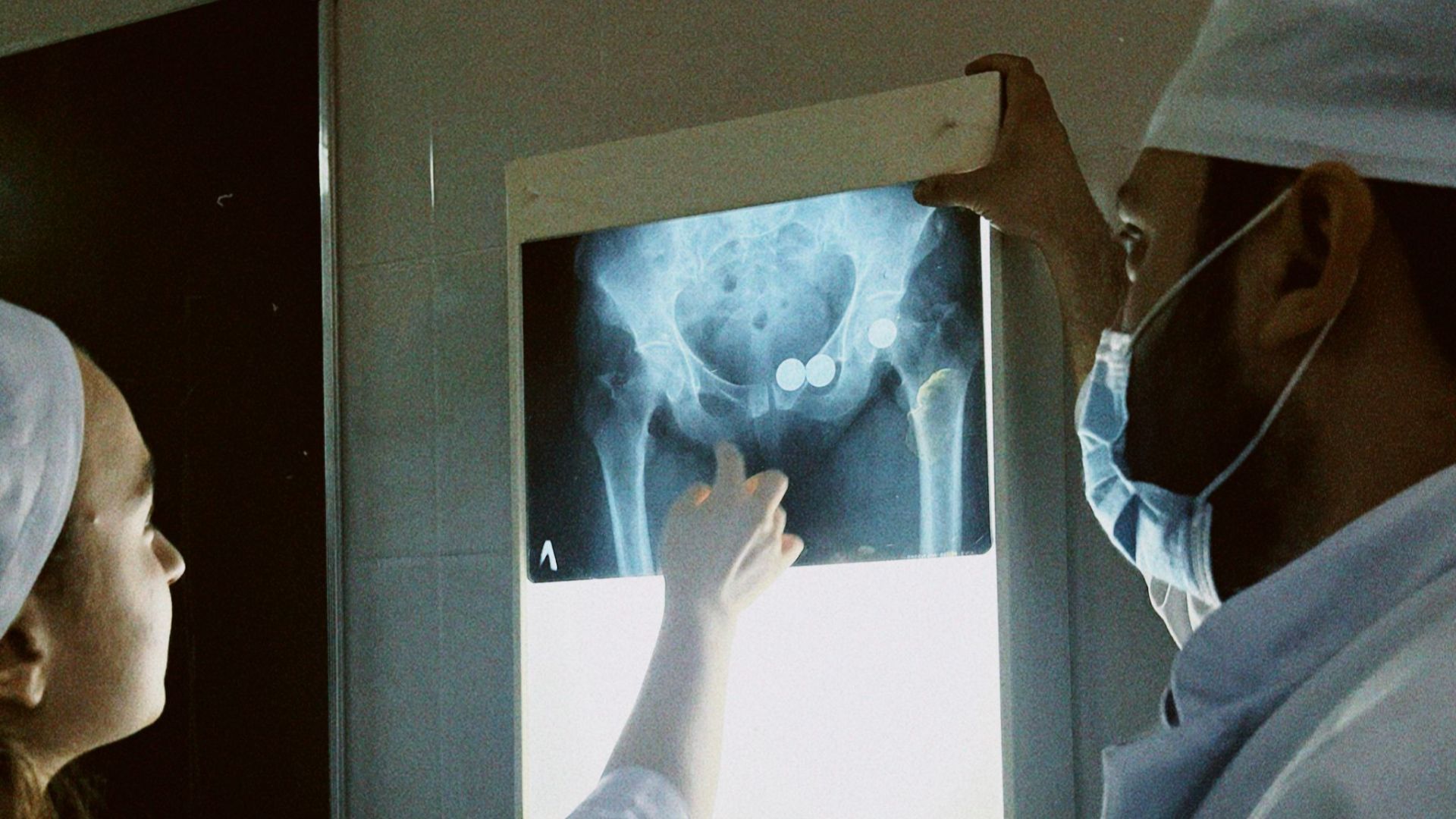
Your skeleton isn't fixed, it's broken down and rebuilt continuously by two types of cells working in opposition, one dissolving old bone and one laying down new. That process replaces your entire skeleton roughly once a decade. It slows with age, part of why bone density gets harder to maintain later in life.
12. Skin Holding Off Constant Bacterial Contact
Your skin is covered in bacteria at all times, and most of it never causes a problem because the outer layer and its resident microbes keep harmful species from gaining ground. Sweat and oil on the surface are also mildly acidic, which makes it harder for certain bacteria to thrive there. A small cut is often all it takes to let in something the skin normally keeps out.
 https://kaboompics.com/ on Pexels
13. Repairing Muscle From Ordinary Movement
Everyday movement, not just intense exercise, creates tiny tears in muscle fibers that get repaired almost as fast as they form. That repair process is part of why muscles adapt and get stronger over time, not just from hard workouts but from ordinary use. Soreness only shows up when damage outpaces repair, more often a sign of a new movement than a sign of harm.

14. Neutralizing Free Radicals
Normal metabolism produces unstable molecules called free radicals that can damage cells, and the body has a built-in system of antioxidant enzymes that neutralize most of them before they cause harm. That process runs constantly, since free radicals are a byproduct of converting food into energy. Diet and lifestyle can support that system, but it's already working in the background either way.

15. Keeping Blood Pressure In Range
Sensors in your blood vessels called baroreceptors constantly monitor blood pressure and adjust heart rate and vessel width within seconds of any change. Standing up too fast or feeling stressed can shift blood pressure, and the correction usually happens before you notice. It's one of the fastest-acting systems in the body, adjusting almost in real time.

16. Balancing Electrolytes
Sodium, potassium, and other electrolytes have to stay in a narrow range for your nerves and muscles, including your heart, to work correctly. Kidneys and hormones adjust how much gets kept or excreted based on what you eat and how much you sweat, correcting the balance throughout the day. A big shift in either direction is dangerous enough that the body treats fixing it as a priority.
 Mineragua Sparkling Water on Unsplash
17. Preventing The Immune System From Attacking You
Your immune system is built to destroy anything foreign, which means it also has to constantly recognize its own cells and leave them alone. Specialized regulatory cells patrol the body checking for immune cells that mistakenly target healthy tissue and shut them down first. Autoimmune disease happens when that regulation fails, a reminder of how much active suppression is normally at work.

18. Renewing The Gut Lining
The cells lining your intestines get replaced every few days, one of the fastest turnover rates in the body, because digestion damages that lining constantly and it has to stay intact to keep harmful substances from leaking into the bloodstream. That renewal runs continuously, not just when something goes wrong. It's part of why gut issues show up fast when that turnover gets disrupted.

19. Clearing Waste From The Brain During Sleep
While you sleep, a brain system called the glymphatic system opens up and flushes out waste products, including proteins linked to Alzheimer's disease, that build up during waking hours. That cleanup runs far more efficiently during deep sleep than while you're awake, part of why chronic poor sleep is linked to worse long-term brain health. It's one more process running while you're doing nothing at all.

20. Keeping Stress Hormones In Check
Your body releases stress hormones like cortisol constantly in small amounts to regulate energy and alertness, and it also brings those levels back down once a stressful moment passes. That balance runs continuously throughout the day, rising and falling long before anything reaches a level you'd call stressed. Chronic stress is largely a story of that correction system getting overworked, not one dramatic event.

KEEP ON READING




20 Ways to Make Errands Count as Exercise