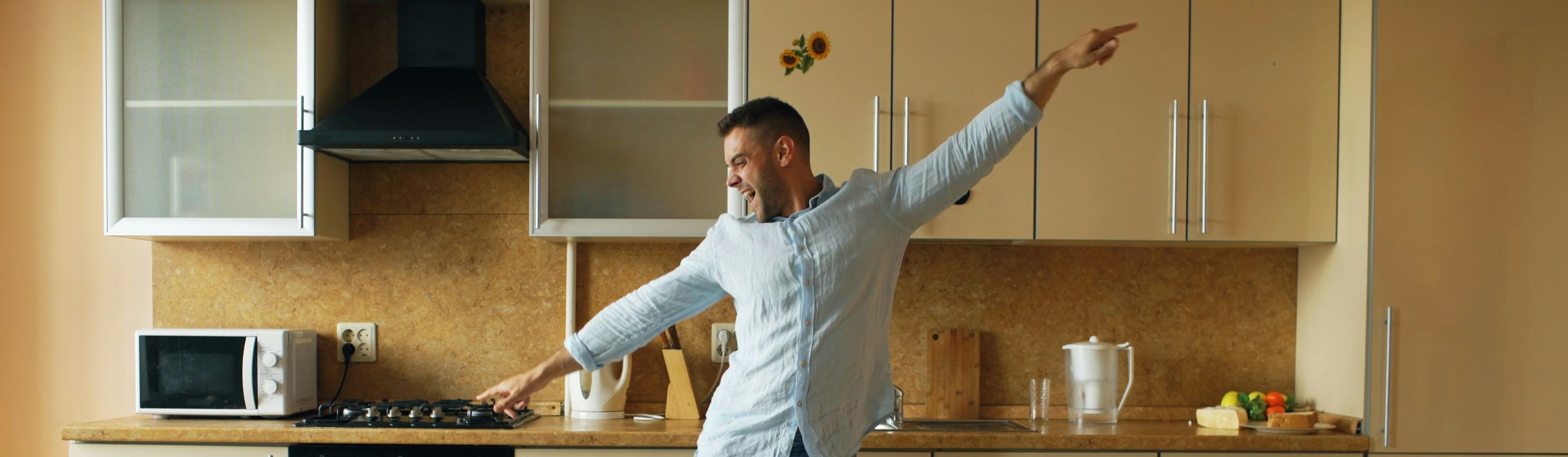
Movement Doesn't Always Have To Be Intense
Some days, getting through a demanding workout sounds about as appealing as adding another obligation to an already crowded schedule. Fortunately, exercise doesn't have to involve heavy weights, long runs, or exhausting circuits every time you move, and even shorter periods of activity can contribute to an overall active lifestyle. From easy walks and gentle mobility sessions to simple strength movements, these 20 low-energy workout ideas can help you stay active on days you really don't feel like moving.
1. Take A Relaxed Walk
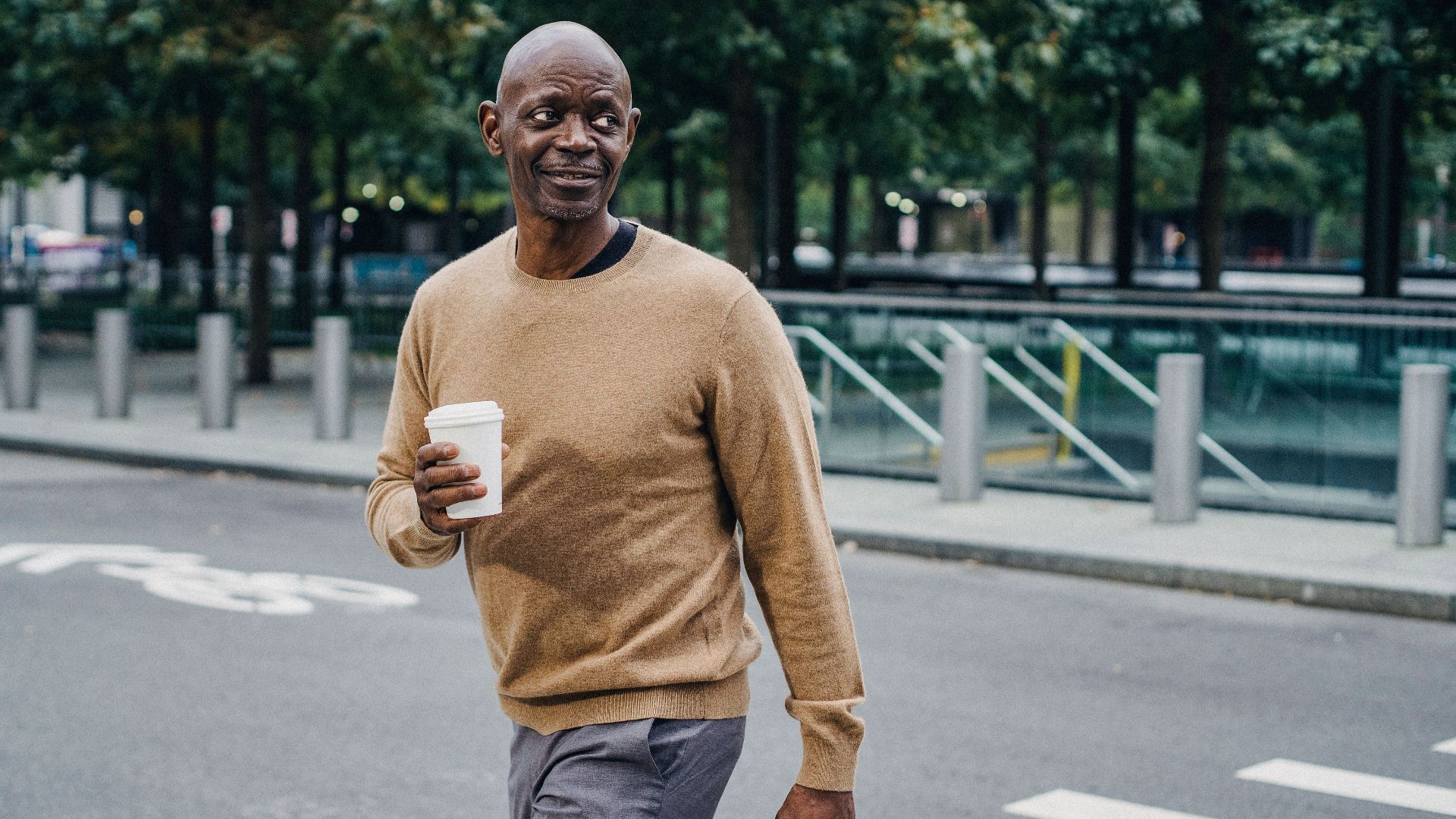
A comfortable walk is one of the easiest ways to get moving without turning the outing into a major workout. Choose a pace that lets you carry on a conversation comfortably rather than worrying about speed or distance. Even a short walk around your neighborhood, office, or local park still counts as physical activity.

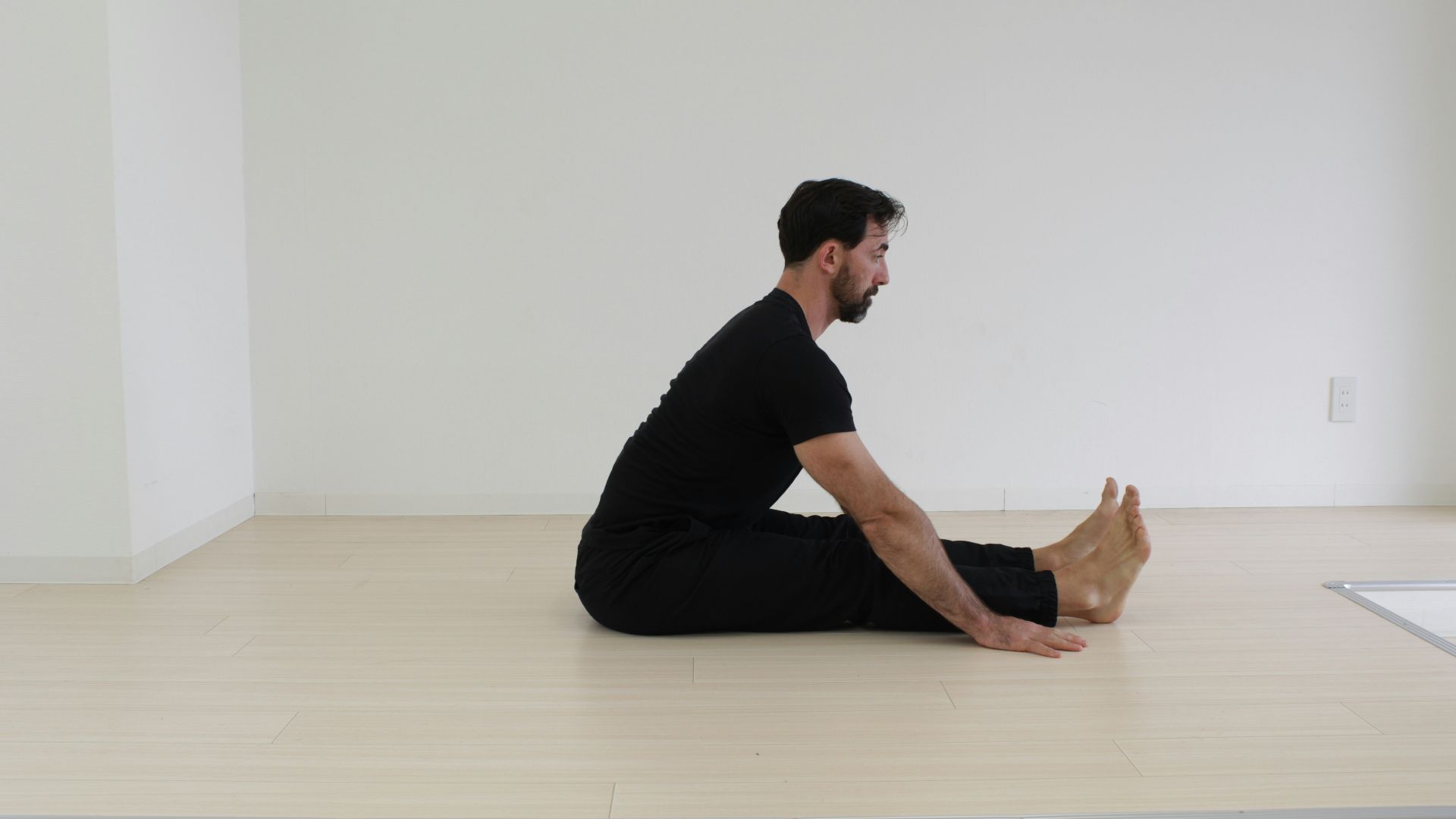
2. Try A Gentle Stretching Session
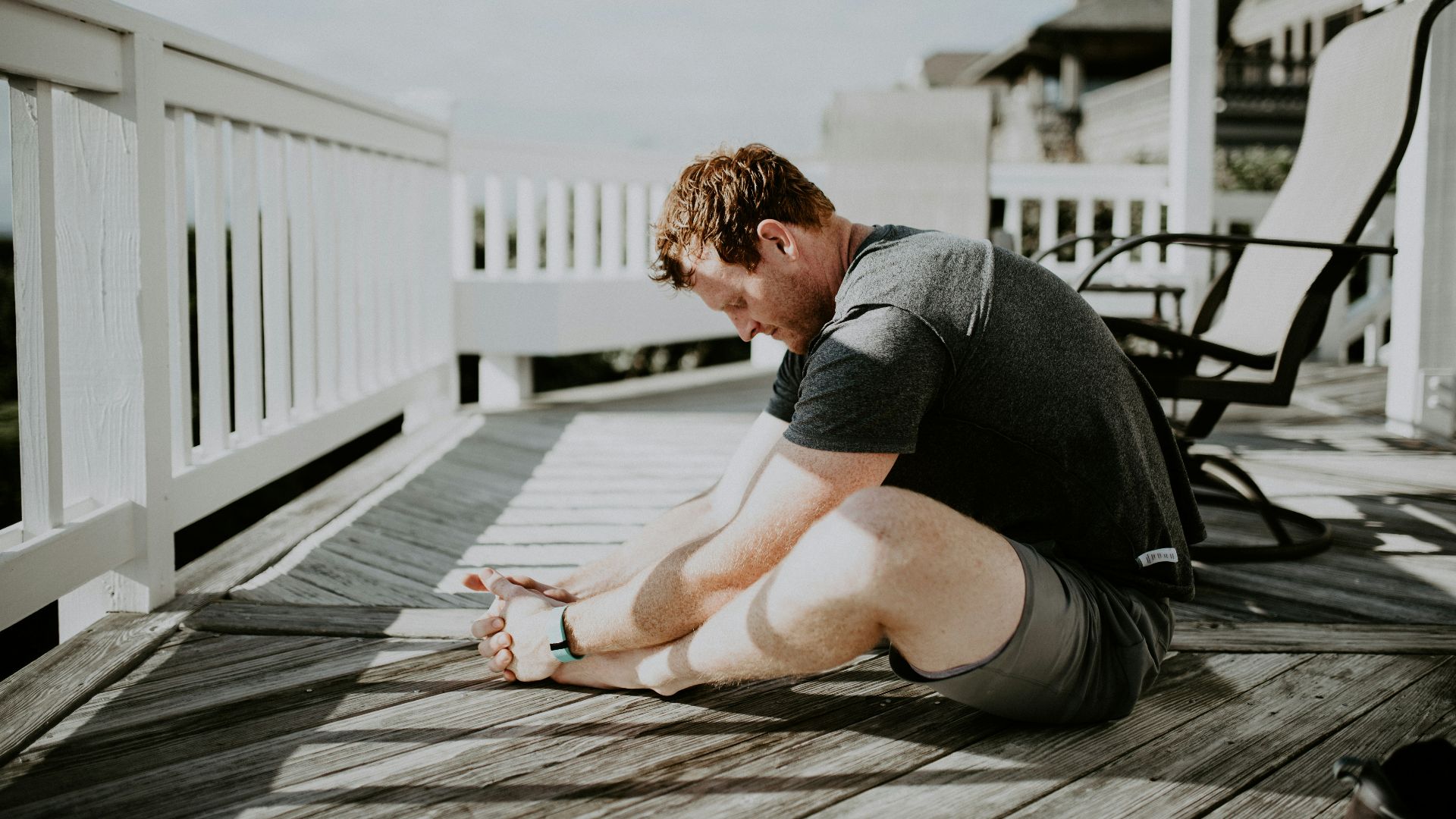
Stretching can feel especially manageable when anything more energetic seems unappealing. Spend several minutes moving comfortably through stretches for your shoulders, hips, legs, chest, and back without forcing your range of motion.
3. Do A Few Chair Squats
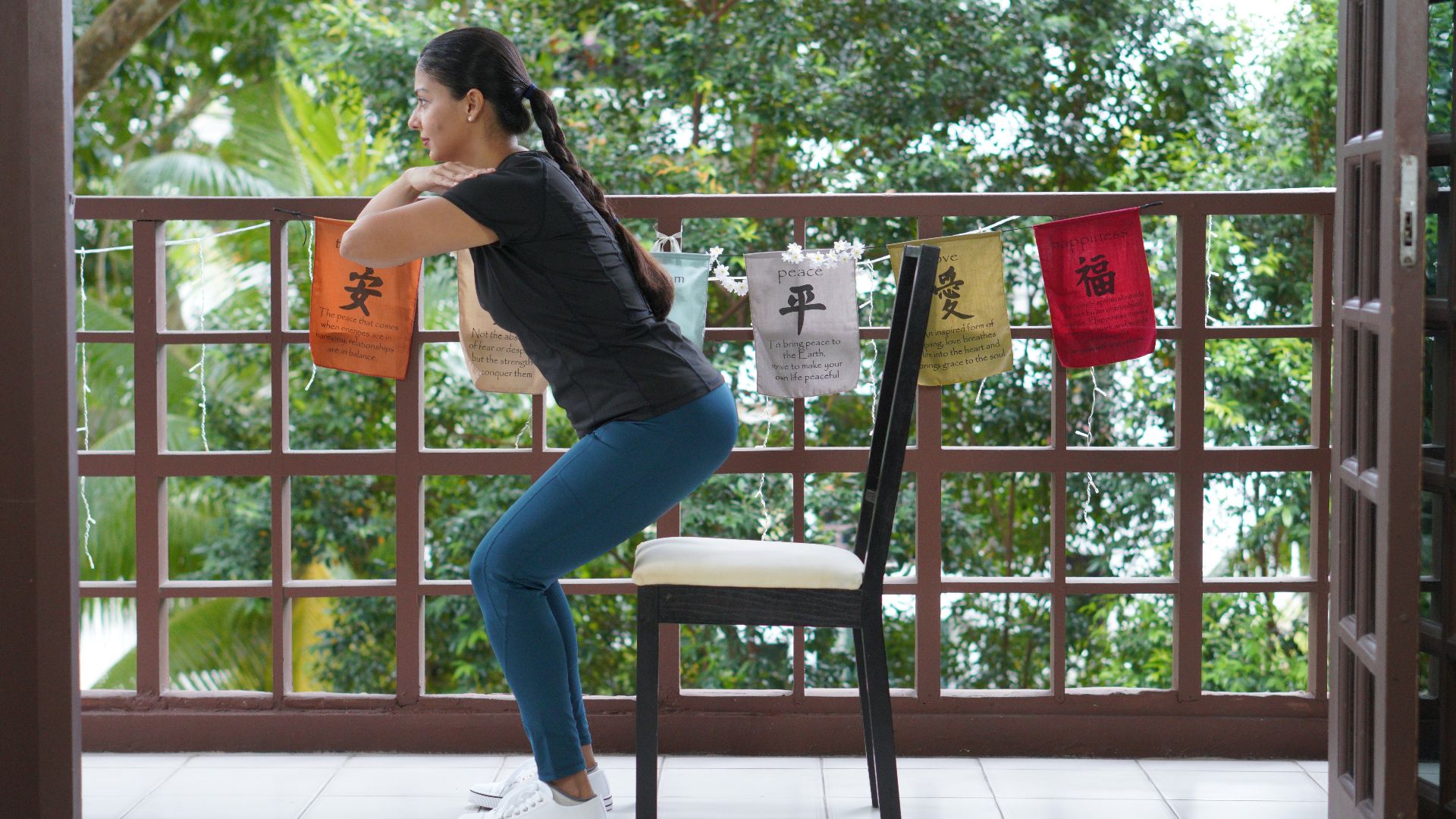
You don't necessarily need a full strength routine to work your lower body. Stand in front of a sturdy chair, slowly lower yourself toward the seat, and stand back up while keeping the movement controlled.
4. March In Place
If leaving home feels like too much effort, marching gently in place gives you an extremely convenient alternative. You can do it while watching television, listening to music, or waiting for something to cook.

5. Take The Long Route Around The House
Ordinary movement can become a tiny workout if you deliberately add a little more of it. Walk an extra lap through your home before sitting down, take a longer route to another room, or make two lighter trips instead of carrying everything at once. Small additions like these can break up long stretches of sitting.

6. Practice Easy Yoga Poses
A gentle yoga session can combine movement, flexibility, balance, and controlled breathing without requiring fast-paced exercise. Choose comfortable poses and transitions that match your current ability rather than attempting advanced positions. If something causes pain, skip it and move on to an option that feels better.
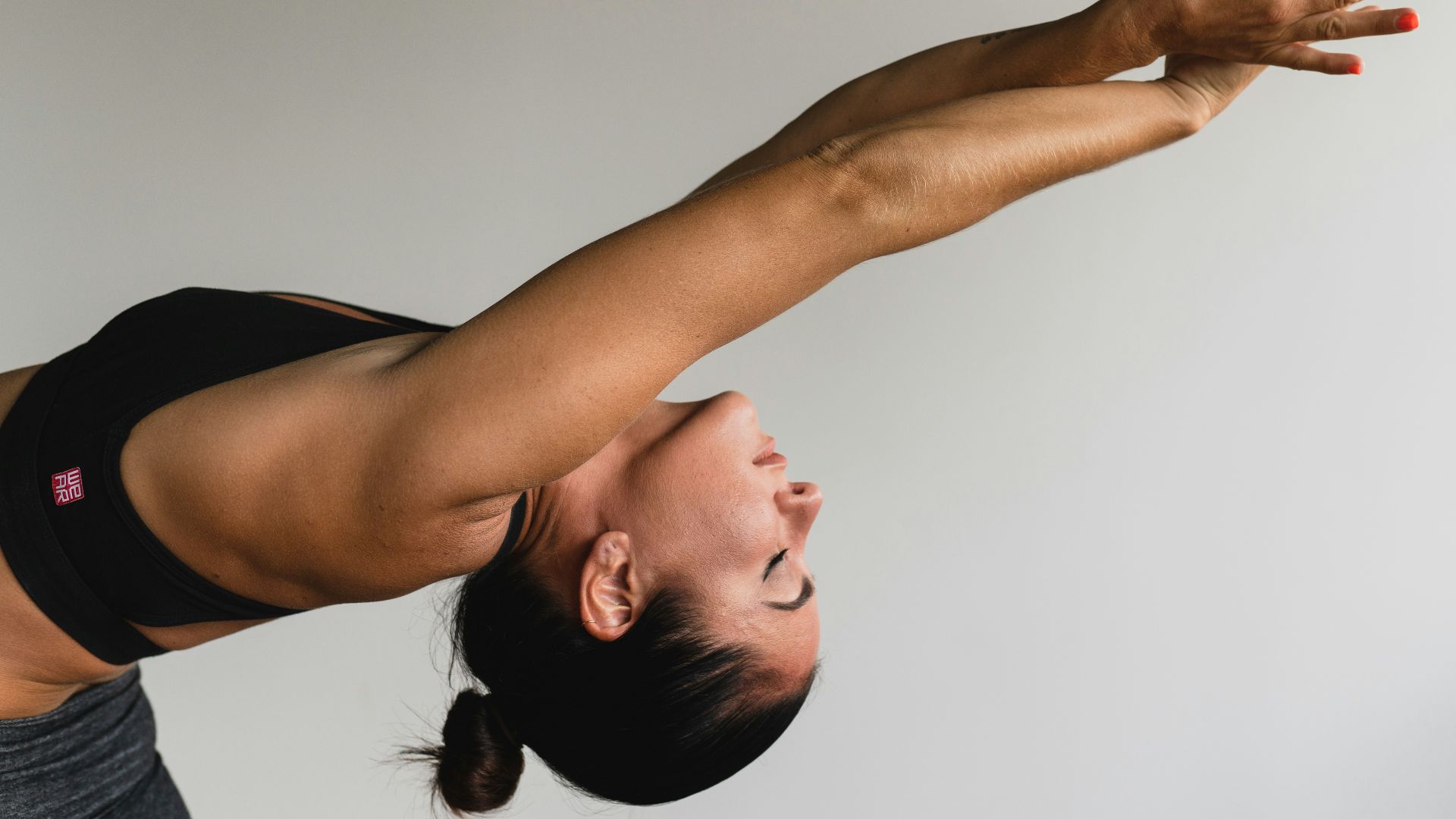
7. Do Wall Push-Ups
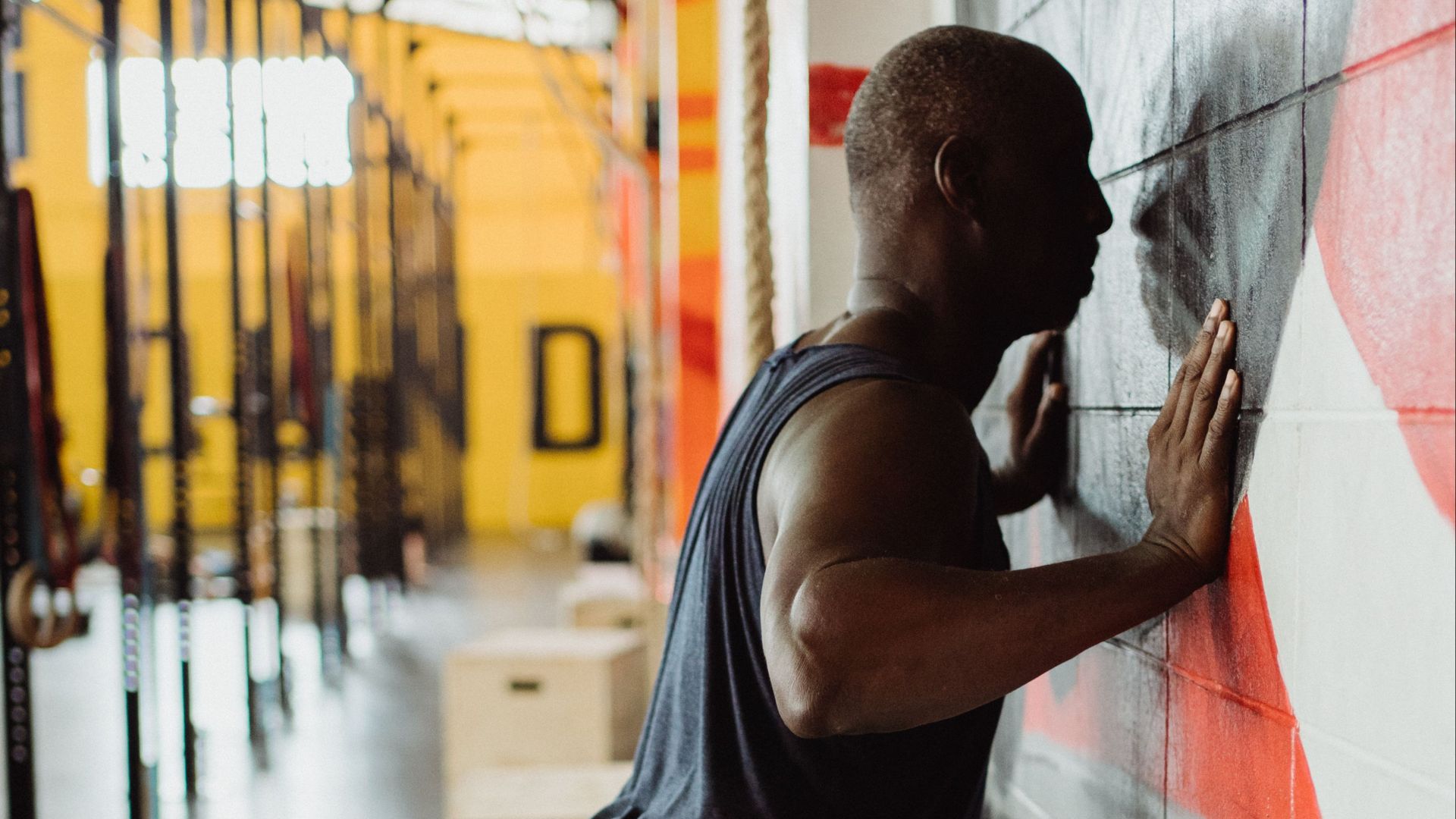
Wall push-ups offer a lower-intensity alternative to traditional floor push-ups. Place your hands against a stable wall, step your feet slightly back, bend your elbows, and then push yourself away again with control.
8. Go For A Short Bike Ride
Cycling doesn't have to involve hills, speed targets, or lengthy routes to be worthwhile. A relaxed ride on level ground can provide gentle aerobic movement while letting you control the effort.

9. Try Seated Leg Extensions
You can work your legs without even getting out of your chair for long. While sitting upright, slowly straighten one leg, lower it again, and alternate sides while maintaining comfortable control.
10. Put On One Song And Move
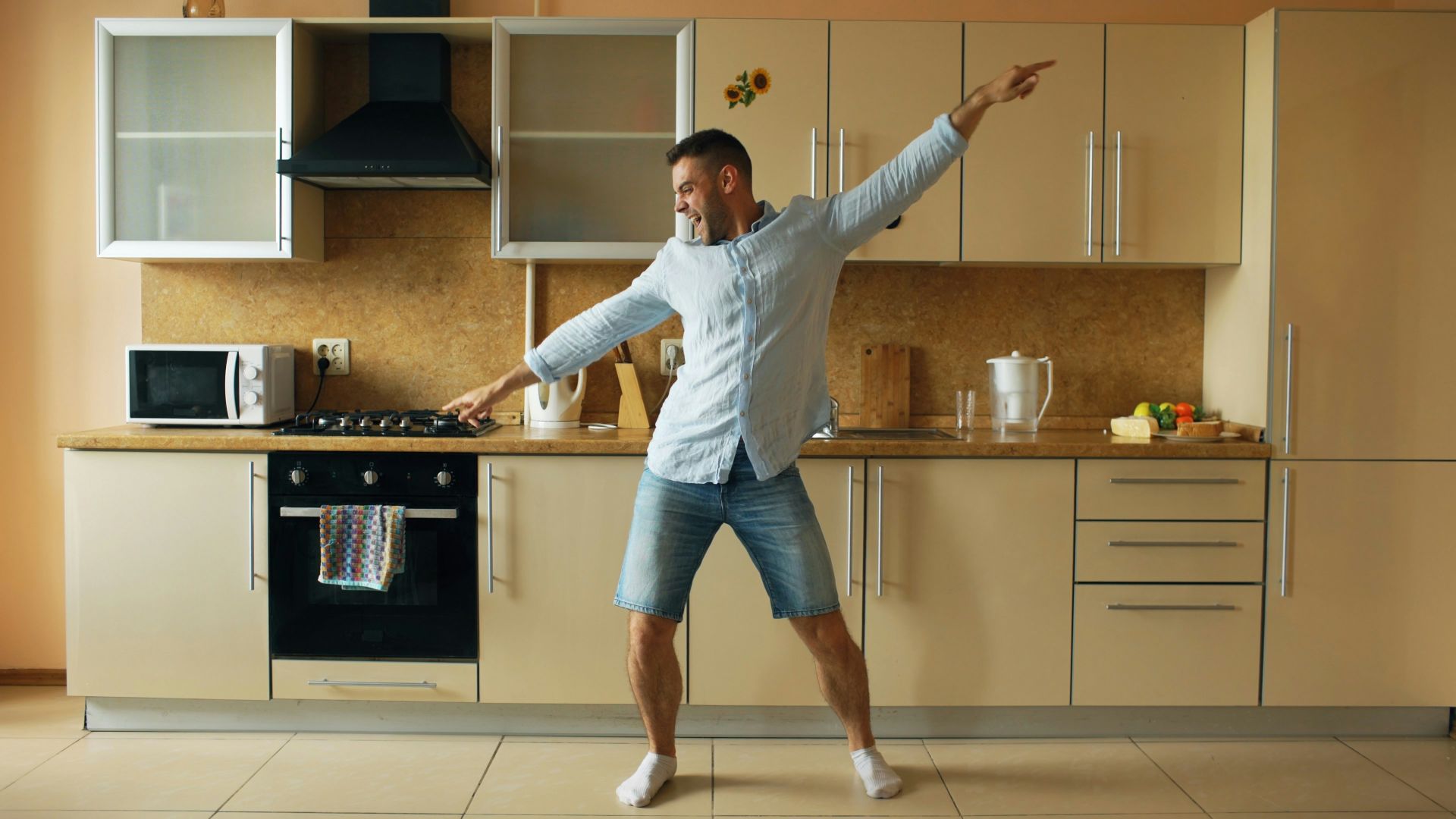
You don't need a structured dance workout to turn music into physical activity. Put on one song you enjoy and walk, sway, step, or dance around the room until it ends. Limiting the commitment to a single song can make starting feel considerably easier, and you can always continue if your energy improves.
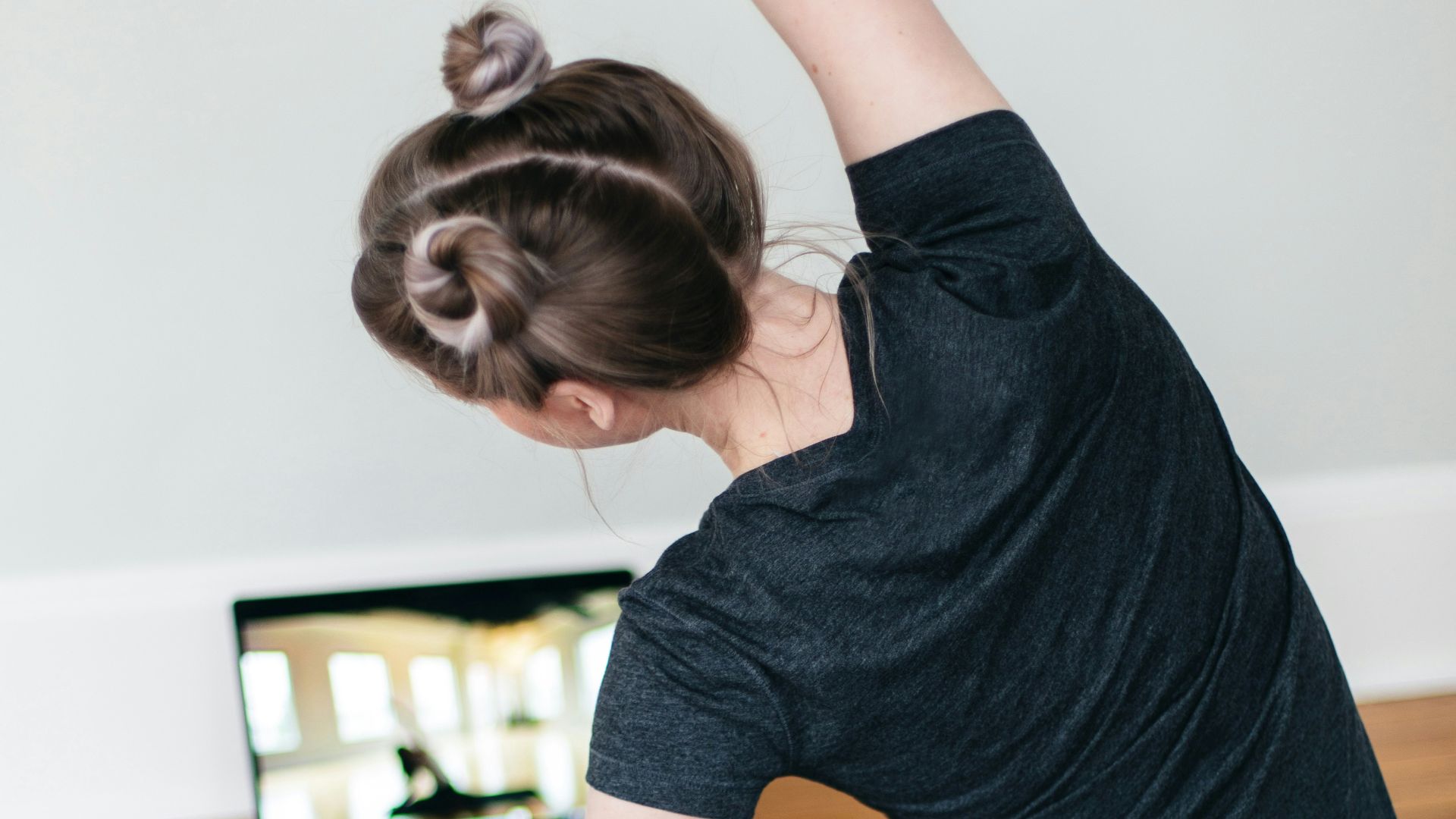
11. Do A Five-Minute Mobility Routine
Mobility work focuses on moving joints comfortably through useful ranges rather than holding long stretches. Gentle shoulder circles, ankle circles, hip movements, and controlled torso rotations can make a simple routine.
12. Walk While Talking On The Phone
Phone calls provide an easy opportunity to add movement without scheduling a separate exercise session. Instead of sitting through the entire conversation, walk slowly around your home, office, or yard.

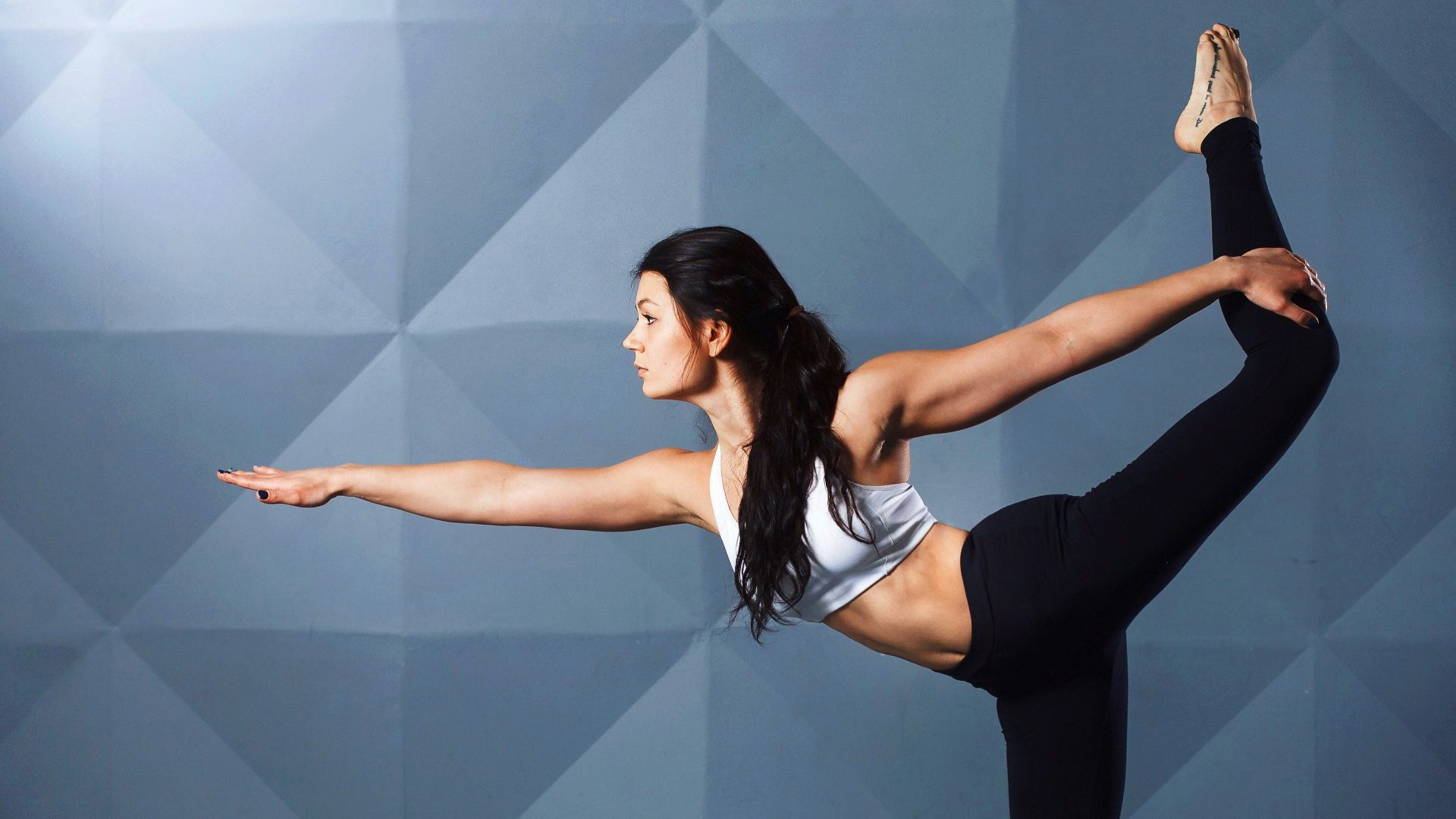
13. Practice Supported Balance Exercises
Stand beside a sturdy counter or chair and practice simple balance exercises while keeping support within reach. You might briefly stand on one foot or shift your weight slowly from side to side. Balance training can be particularly valuable as people age, but safety should always take priority over moving harder.
14. Do A Light Resistance-Band Routine
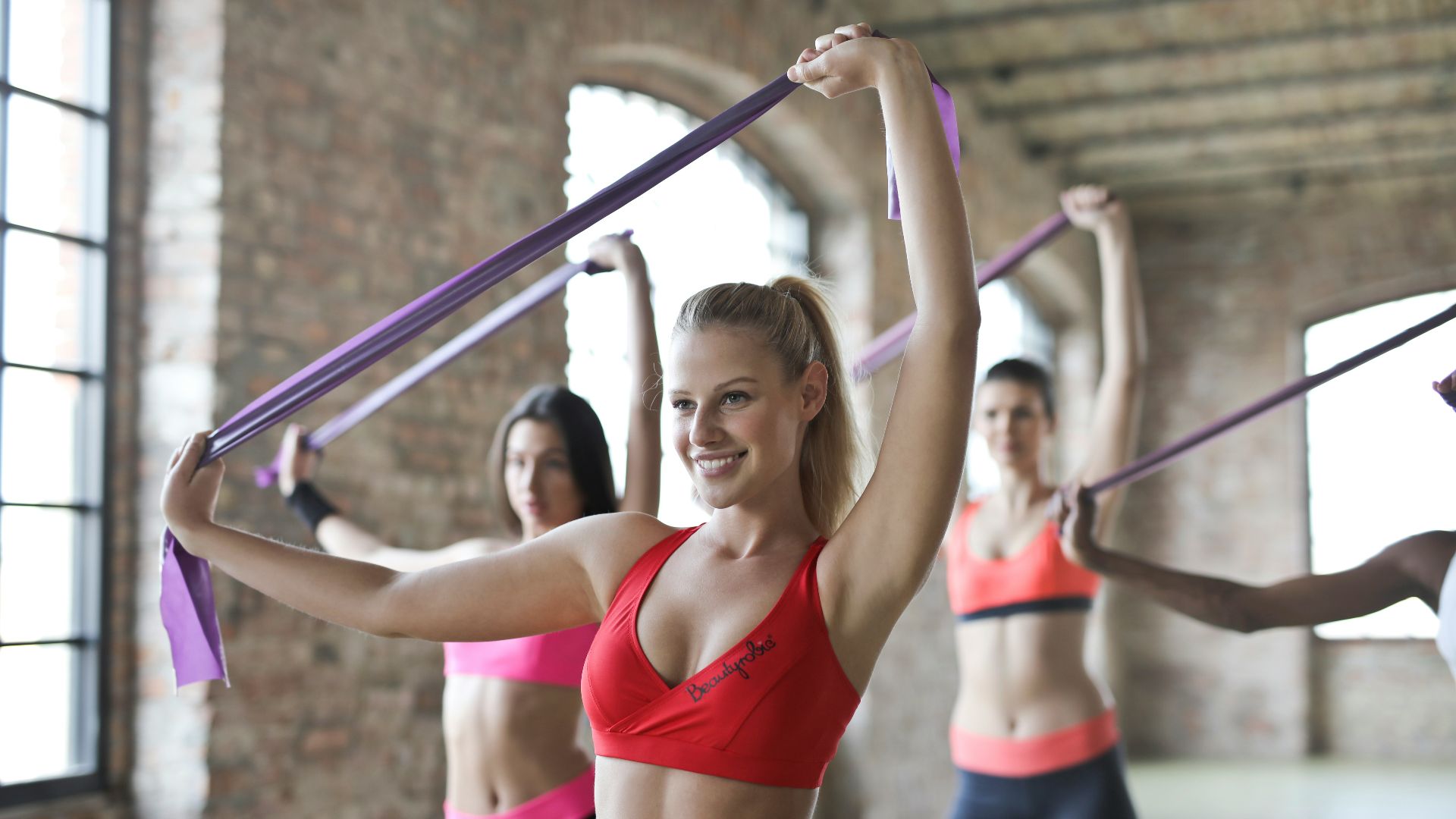
Resistance bands can provide strength work without requiring a rack of heavy weights. Choose a light resistance and perform a few controlled rows, presses, or lower-body exercises appropriate for your experience level.
15. Walk Up And Down The Hallway
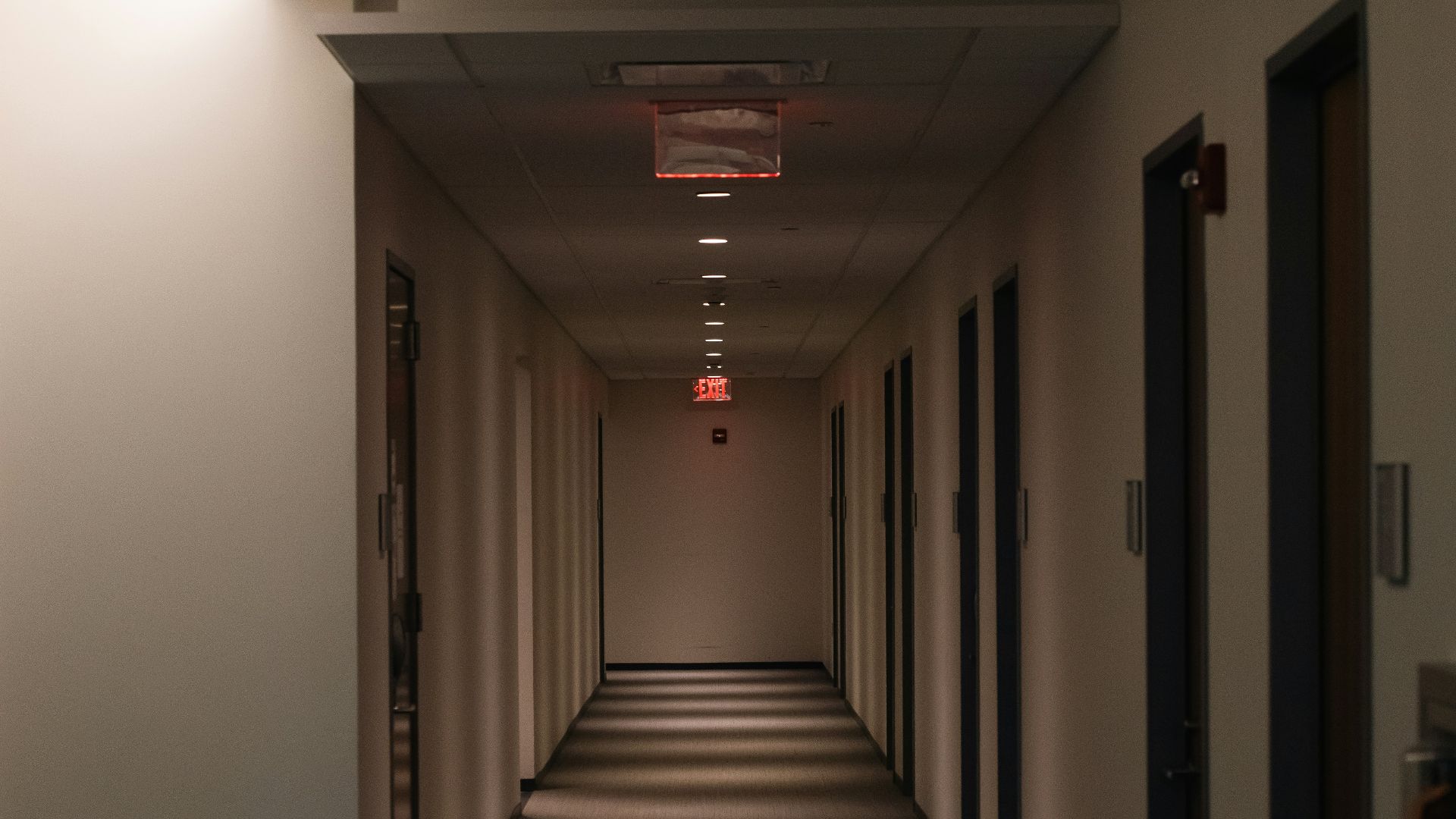
Indoor walking is useful when weather, time, or motivation makes an outdoor walk inconvenient. Pick a clear hallway or open area and walk back and forth for several minutes at an easy pace.
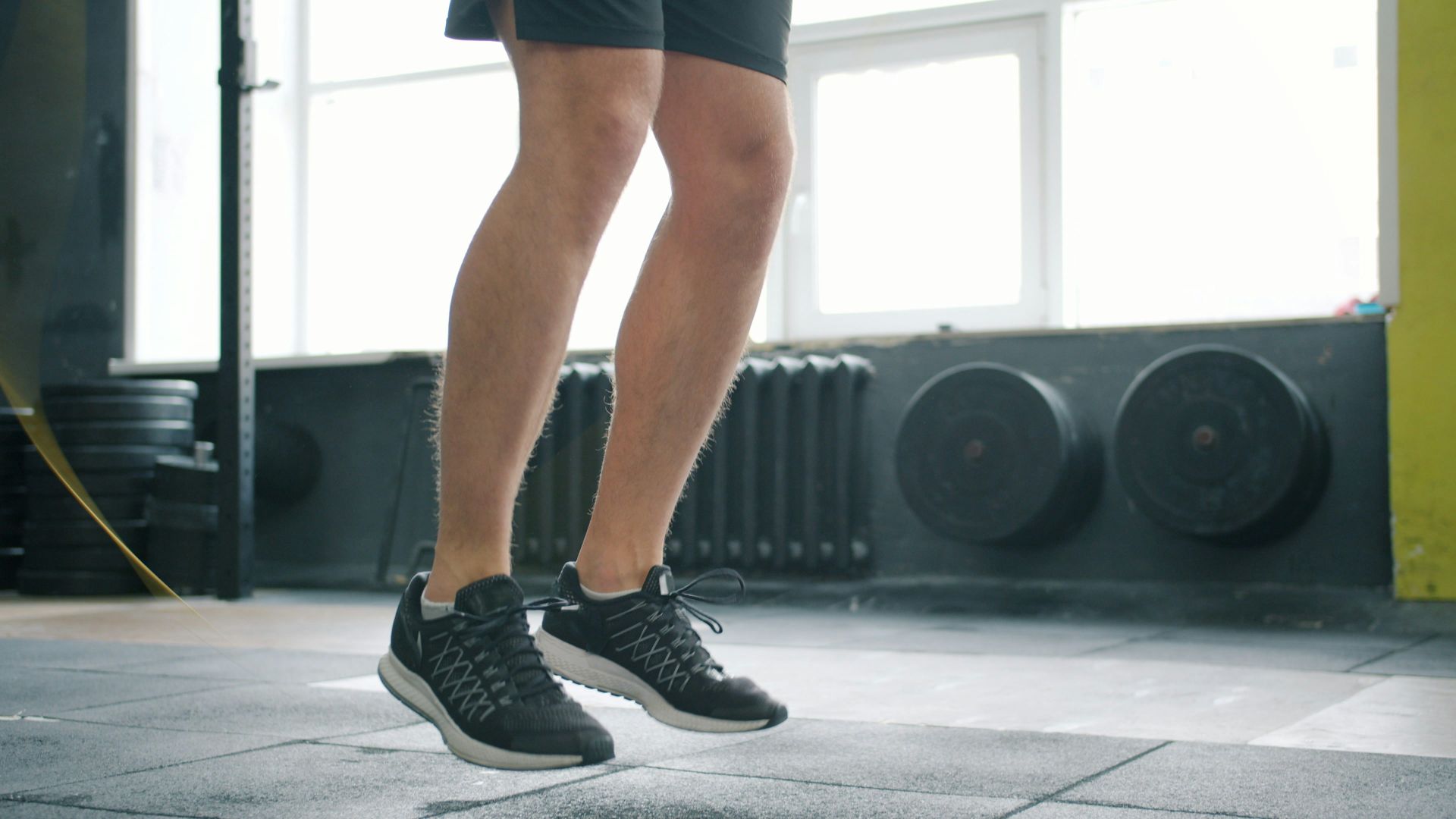
16. Try Standing Calf Raises
Calf raises require little space and can easily be performed beside a countertop for support. Slowly rise onto the balls of your feet, pause briefly, and lower your heels with control.
17. Do A Few Household Chores
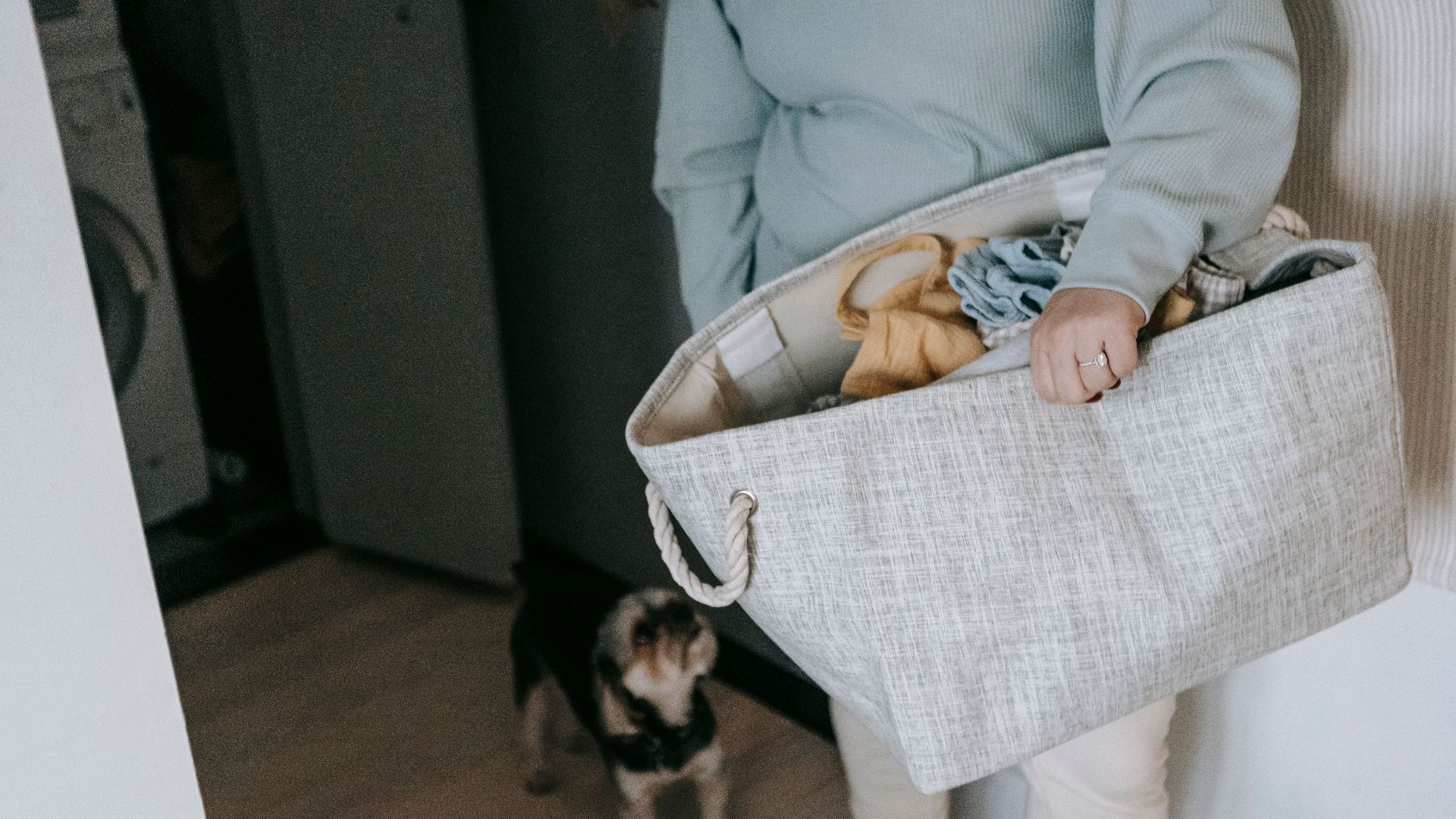
Vacuuming, gardening, carrying laundry, and other active household tasks can contribute to your overall movement during the day. Choose something manageable rather than deliberately turning chores into an exhausting fitness challenge.
18. Take A Gentle Stair Session
If stairs are comfortable and safe for you, walking up and down a small number of flights can provide a brief burst of activity. Use the handrail when necessary and move at a steady pace rather than racing upward.

19. Break Movement Into Tiny Sessions
A workout doesn't need to happen all at once for the activity to matter. Try five minutes of walking in the morning, several strength movements later, and another short walk in the evening.

20. Choose Rest If Your Body Needs It
Low motivation and genuine physical exhaustion aren't always the same thing, so pay attention to why you don't feel like exercising. Illness, significant pain, dizziness, unusual shortness of breath, or overwhelming fatigue may be reasons to skip the workout and recover instead.

KEEP ON READING


20 Things Your Body Is Secretly Doing Right Now