Adrenaline Rush: 10 Bizarre Things Your Body Does in Fight or Flight & 10 Ways to Calm the Response
Adrenaline Rush: 10 Bizarre Things Your Body Does in Fight or Flight & 10 Ways to Calm the Response
Your Body Has a Mind of Its Own
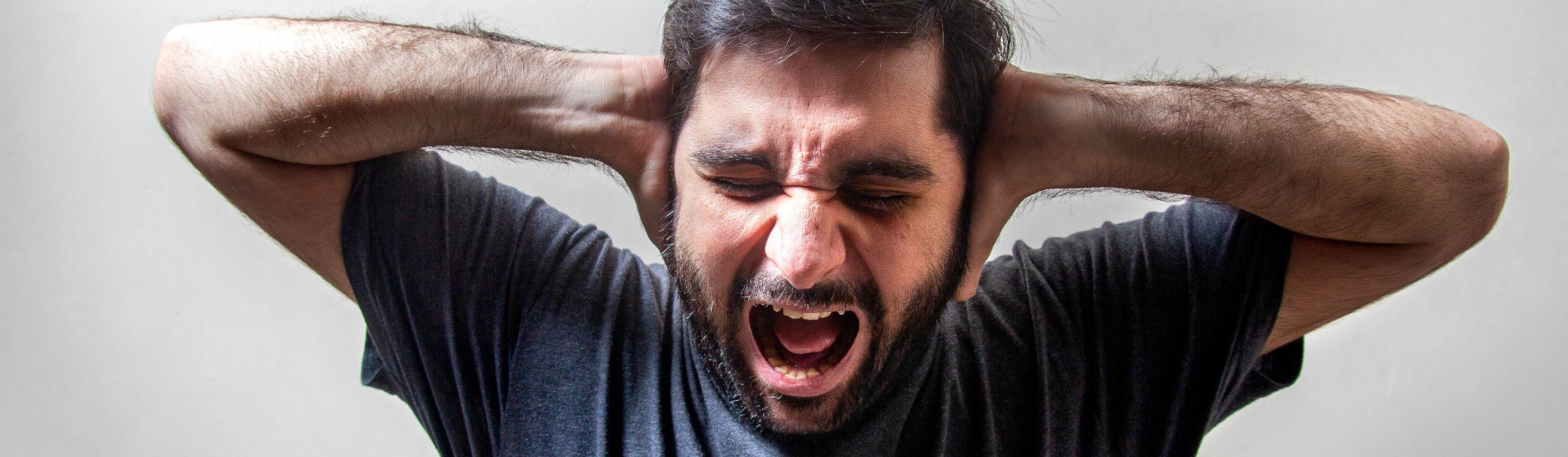
Sure, you know your palms get clammy and your voice sounds weird when you're nervous or stressed, but those aren't the only symptoms you experience when your body floods with adrenaline. When pure fight-or-flight really kicks in, your nervous system can't distinguish between a regular job interview and being chased by a saber-toothed tiger. In other words, your body is hit with the same chemical response regardless of the actual danger level. This cascade of hormones triggers some seriously bizarre physical reactions, from your sense of time warping to superhuman strength. If you ever wondered if you could lift a car in an emergency, your body's oldest survival mechanism might just give you that ability.

1. Your Pupils Dilate Without Warning
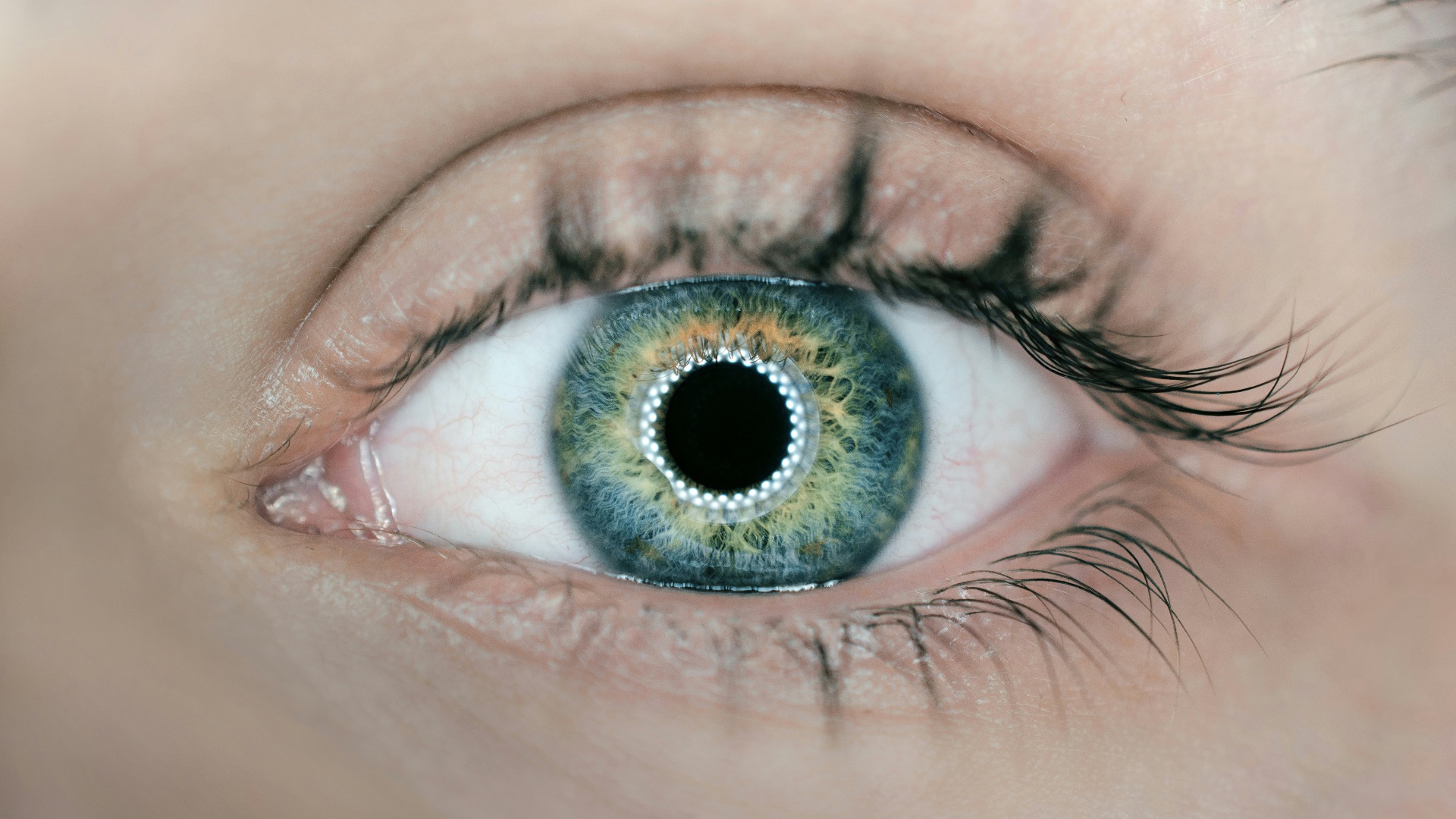
When adrenaline hits your system, your pupils widen almost instantly to let in more light and sharpen your vision. This happens because your body wants you to see potential threats or escape routes as clearly as possible in a hurry. You might notice this in yourself after a scary moment, like nearly missing a car accident, when everything suddenly looks brighter or more vivid than usual.
2. Your Mouth Goes Completely Dry
Saliva production is one of the first things to shut down when your body senses danger. Your system redirects resources away from digestion-related functions, including saliva glands, because none of that matters if you need to run or defend yourself. That's why people often report a dry, cottony mouth right before a big presentation or a confrontation, even if they haven't said a word yet.

3. Your Hearing Can Actually Change
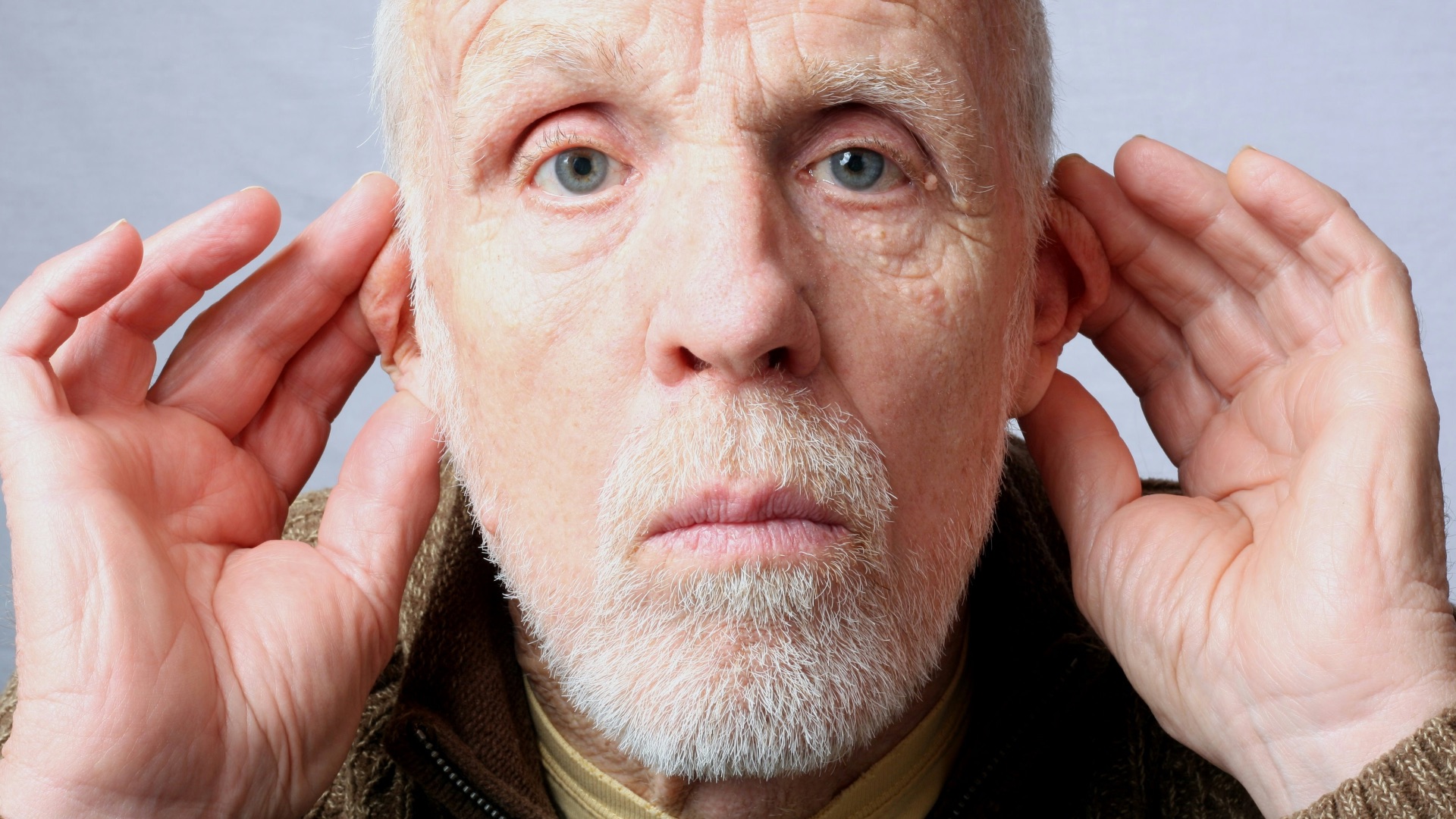
Some people experience a phenomenon called auditory exclusion during intense stress, where certain sounds seem to fade into the background. Your brain essentially prioritizes the sounds it thinks matter most for survival, like footsteps or a raised voice, while tuning out background noise. Police officers and soldiers frequently describe this effect after high-stress incidents, noting that they couldn't hear gunfire or shouting that bystanders clearly recalled.
4. Your Digestive System Hits Pause
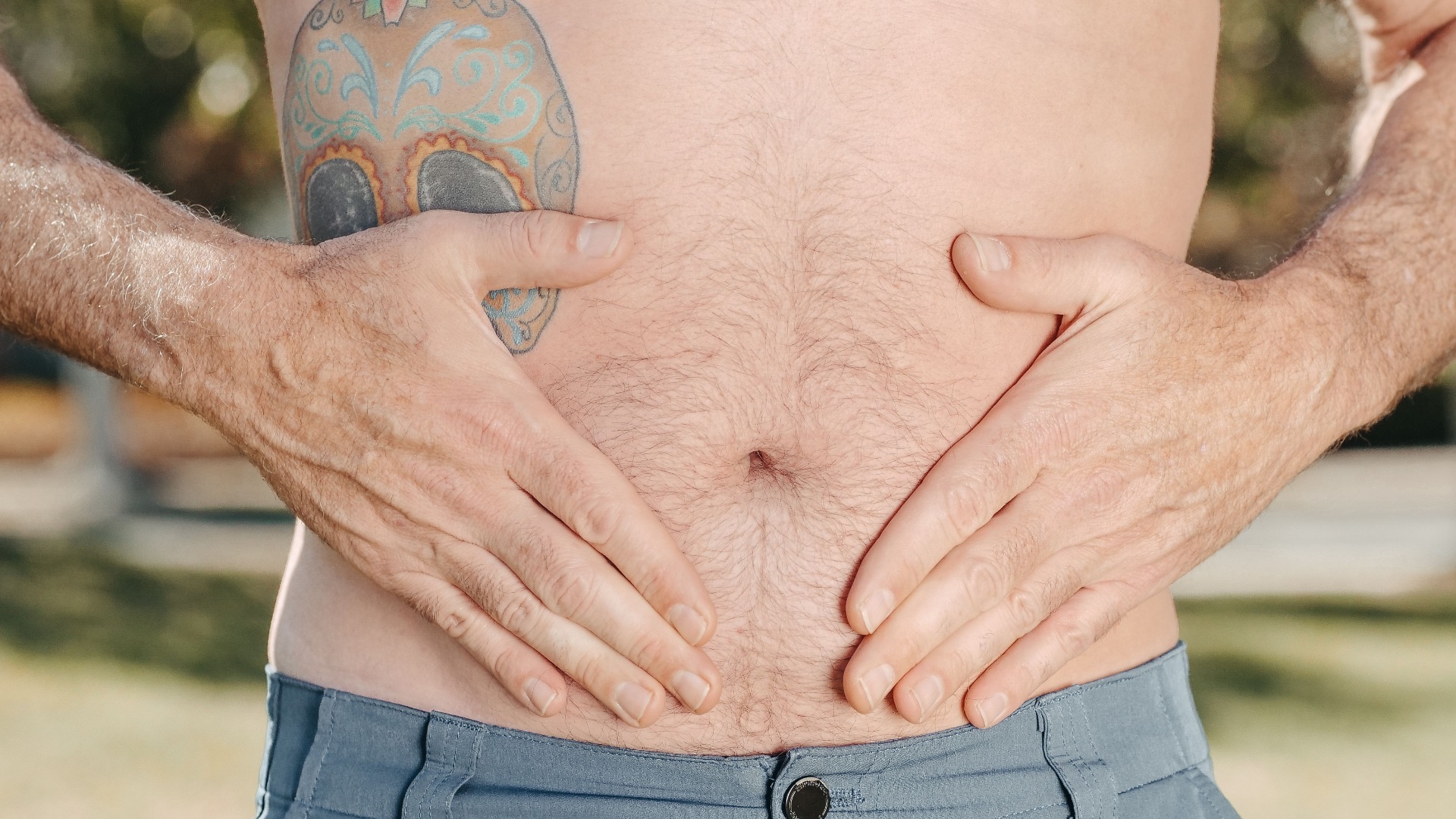
Blood flow gets redirected away from your stomach and intestines during moments of intense stress, which is why you might feel nauseous or get that sinking gut feeling before a big event. Your body decides that digesting lunch isn't a priority when it thinks you might need to run for your life. This diversion of resources can also cause that fluttery, uneasy sensation people often describe as having butterflies in their stomach.
5. You Might Lose Your Fine Motor Skills
Ever notice how your hands shake or feel clumsy when you're extremely nervous or scared? Adrenaline redirects blood flow toward your large muscle groups, the ones responsible for running and fighting, at the expense of the smaller muscles that control precise movements like writing or typing. This is why trying to send a text message during a genuinely terrifying moment can feel nearly impossible.
6. Your Blood Actually Gets Thicker
Your body increases its production of clotting factors during a fight or flight response, preparing for the possibility that you might get injured. This adaptation made a lot of sense for early humans facing physical combat with predators or rival groups. Today it means your blood is more prone to clotting during moments of extreme stress, which is part of why chronic stress has been linked to a higher risk of cardiovascular issues.
7. Your Sense of Time Can Distort
Many people report that time seems to slow down dramatically during a frightening event, like a car crash or a physical altercation. Researchers believe this happens because your brain lays down memories more densely during high-stress moments, which makes the event feel like it lasted longer than it actually did when you look back. This distorted perception can make split-second decisions feel like they unfolded over several long minutes.

8. You Can Develop Temporary Superhuman Strength
Believe it or not, there are real documented cases of people lifting cars off trapped victims or performing other incredible feats of strength during emergencies, and adrenaline is largely responsible. The hormone allows your muscles to access more power (called hysterical strength) than they normally would by overriding some of the natural limiters your body uses to prevent injury. Of course, someone who has never trained in their life probably wouldn't just gain this ability out of nowhere, even in a fight-or-flight situation, but as they say, nothing is impossible. Even when super strength does kick in though, it doesn't last long, and you'll need to deal with the toll it takes on your body afterward.

9. You Might Not Feel Pain At All
When adrenaline floods your system, your body releases natural painkillers that can mask injuries you'd otherwise notice right away. This is why people in car accidents or physical altercations sometimes don't realize they've broken a bone until well after the danger has passed. Your nervous system essentially prioritizes survival over pain signals, deciding that dealing with the threat matters more than registering the damage.

10. You Might Shake Uncontrollably Afterward
That trembling feeling you get after a scary situation passes is actually your body's way of burning off the excess adrenaline and cortisol that flooded your system. This shaking helps release built-up tension from muscles that were primed for action but never got to use all that energy. It's a completely normal physiological response, and it usually passes within a few minutes as your body works its way back to a calmer state.
Now that you know what your body is up to during a fight or flight response, it helps to have some practical tools for bringing yourself back down from that heightened state. While the following techniques won't eliminate the stress response altogether, they can help you recover more quickly and feel more in control.
1. Try Box Breathing
Box breathing involves inhaling for four counts, holding for four counts, exhaling for four counts, and holding again for four counts before repeating the cycle. This structured breathing pattern signals to your nervous system that the danger has passed and it's safe to relax. Many first responders and military personnel use this exact technique to stay calm under pressure, which speaks to how effective it can be.
2. Splash Cold Water on Your Face
Cold water triggers something called the mammalian dive reflex, which slows your heart rate and redirects blood flow toward your core. Splashing your face or holding an ice pack against your cheeks for a few seconds can activate this reflex and help calm your system fairly quickly. It's a simple, low-effort trick that works well when you don't have access to a quiet space to sit and breathe.

3. Name What You're Feeling
Simply putting a label on your emotional state, like saying "I'm anxious" or "I'm scared" out loud or in your head, can reduce activity in the part of your brain responsible for the fear response. This process, sometimes called affect labeling, helps shift some of the processing from the emotional centers of your brain to the more analytical ones. It sounds almost too simple to work, but plenty of research supports its effectiveness.

4. Engage in Progressive Muscle Relaxation
This technique involves tensing and then releasing different muscle groups throughout your body, usually starting with your feet and working upward. The physical act of releasing tension helps signal to your brain that it's safe to relax, which can interrupt the stress response. It's particularly useful before bed if stress has been keeping you wired and unable to wind down.
5. Go for a Brisk Walk
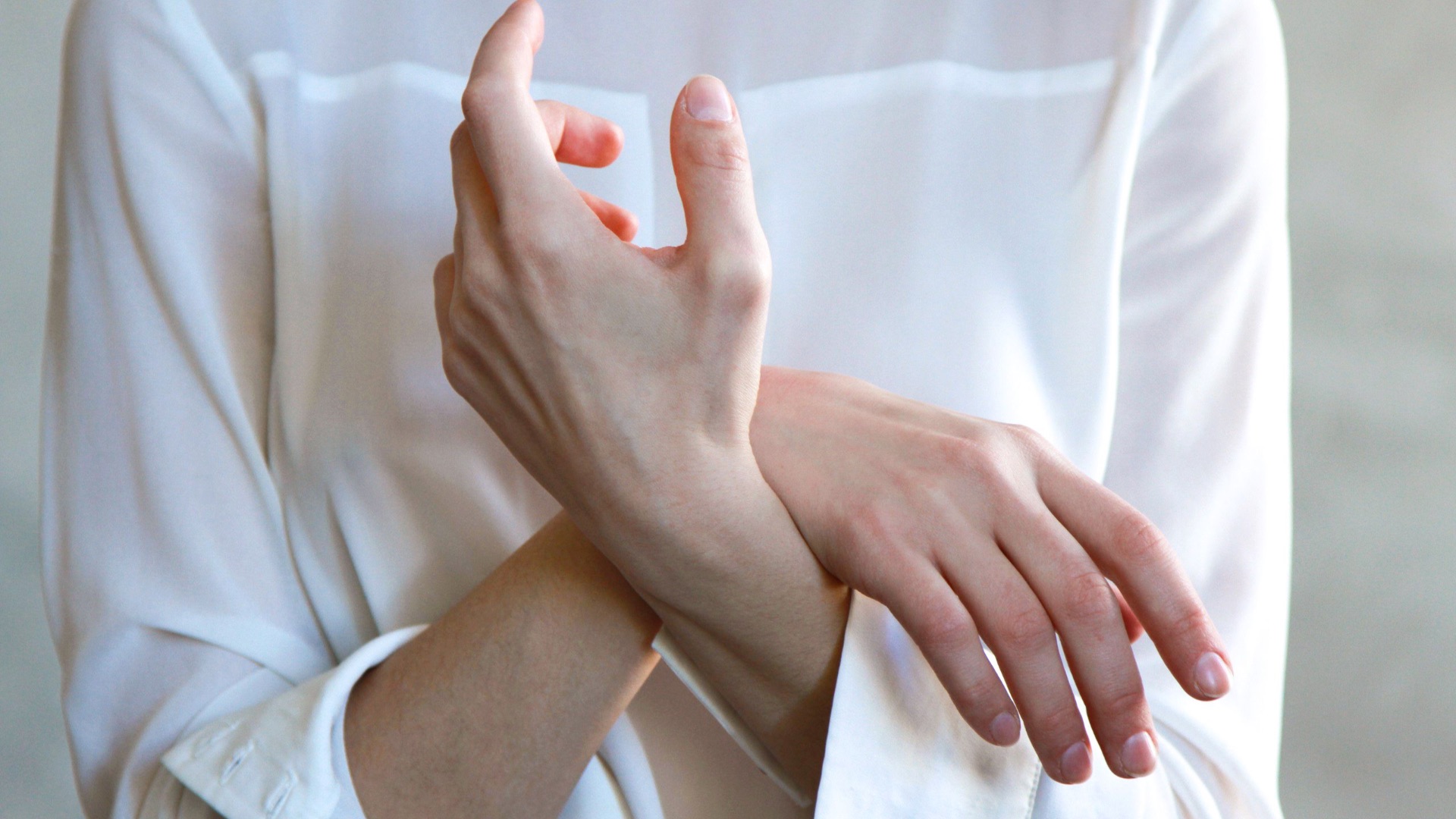
Physical movement helps metabolize the stress hormones circulating through your system, which is part of why exercise is so effective at reducing anxiety. A brisk walk, even just around the block, gives your body a constructive outlet for all that pent-up energy. The goal is simply to get your body moving and processing those hormones naturally.

6. Ground Yourself with Your Senses
A common grounding technique involves identifying five things you can see, four things you can touch, three things you can hear, two things you can smell, and one thing you can taste. This exercise pulls your attention away from the perceived threat and back into the present moment, which helps calm your nervous system. It's especially useful in situations where you can't easily leave, like during a tense meeting or a crowded flight.

7. Chew Something
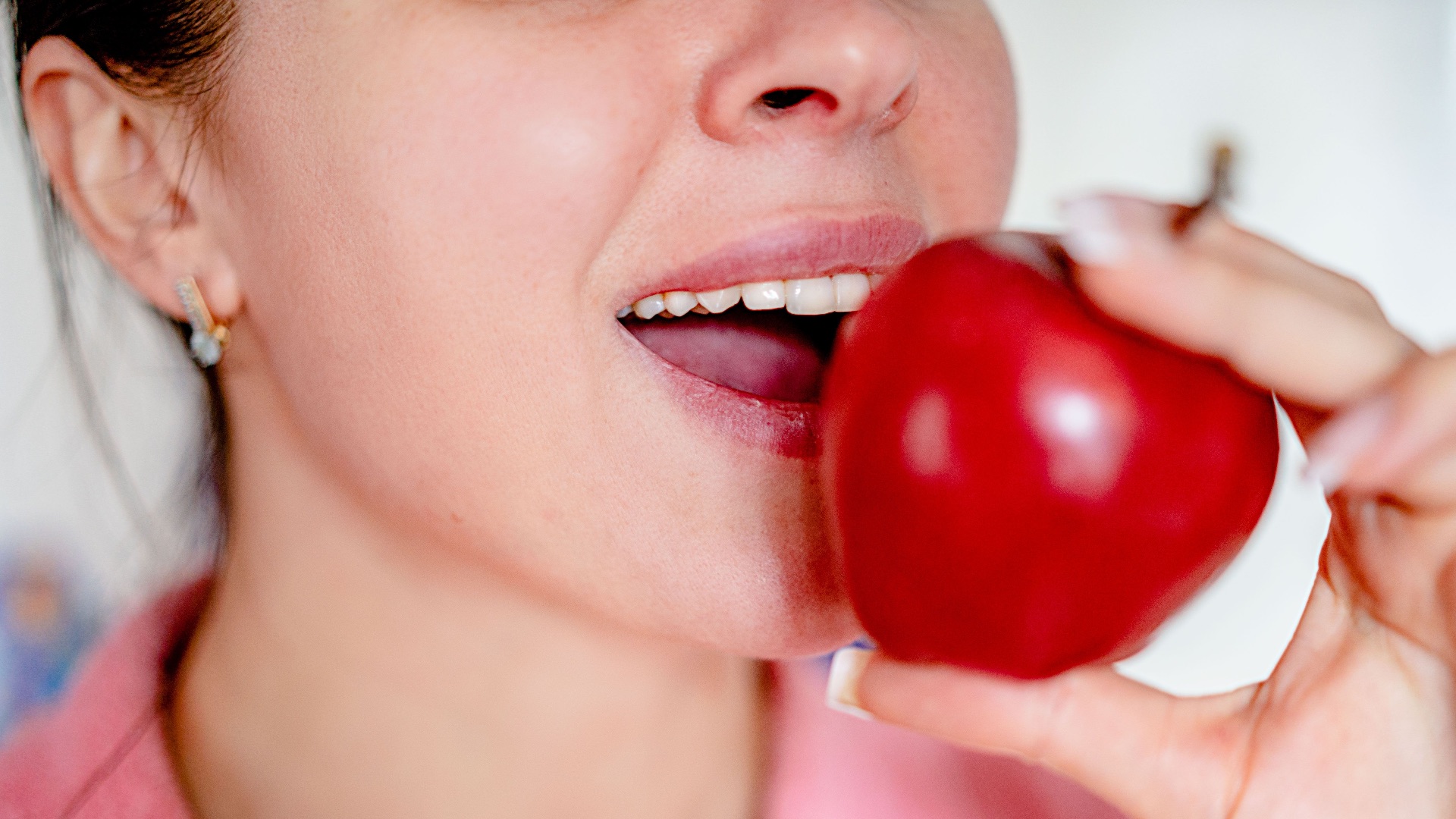
The physical act of chewing, whether it's gum or a snack, can help reduce cortisol levels and ease feelings of anxiety. Researchers think this works partly because chewing increases blood flow to the brain and creates a rhythmic, repetitive motion that has a calming effect. It's an easy, discreet way to take the edge off without drawing much attention in a public setting.
8. Practice Humming or Singing
Humming stimulates your vagus nerve, which plays a major role in shifting your body out of fight or flight mode and into a more relaxed state. Even a few minutes of humming a tune or singing along to a song can help lower your heart rate and ease muscle tension. This method works particularly well for people who find sitting still and breathing exercises difficult to focus on.
9. Limit Caffeine When You're Already Stressed
Caffeine can amplify the physical symptoms of a stress response, since it also raises your heart rate and can trigger jitteriness on its own. Cutting back during particularly stressful periods, or switching to decaf, can help prevent your body from feeling even more wound up than it already does. This doesn't mean giving up coffee entirely, but rather being mindful of timing during periods of high stress.

10. Build a Consistent Sleep Routine
Poor sleep makes your nervous system more reactive and sensitive to stress, which means everyday hassles can trigger a fight or flight response more easily. Establishing a consistent bedtime and wake time helps regulate your cortisol levels throughout the day, making you less prone to feeling constantly on edge. Prioritizing sleep also directly affects how well your body can regulate its stress response over time.