
What Kind of Brain Do You Have?
No two people think about the world in exactly the same way, and that’s part of what makes human behavior so interesting. People differ in how they remember information, solve problems, notice details, handle emotions, make decisions, and approach new experiences. The following “brain types” aren’t medical diagnoses or rigid scientific categories, but they describe recognizable ways that people often process the world. You might see yourself in several of them, depending on the situation.

1. The Analytical Brain
Someone with an analytical brain wants to know why things happen. If you tend to break problems down into smaller parts and try to find facts to help you come to a conclusion, you may have an analytical brain. It can be irritating when you have to guess at answers because there is a fact that can help you come to a correct answer.

2. The Creative Brain
People who think creatively always have ideas floating around in their heads. Whether it's ideas for a solution, ideas for what could have happened, or just ideas. Sometimes routine can bore you, and if you have the chance to play around with ideas, it can make things more fun.

3. The Visual Brain
You may learn better with your eyes. If you are given a problem and it's explained with a picture, you may retain that information more. Pictures, graphs, videos, or even a written explanation may help you understand and remember information better.

4. The Verbal Brain
If you like to talk about things, you may have a verbal brain. Sometimes talking about things can help you figure out what you're thinking. If you enjoy writing or having long conversations, you may be a verbal learner.
5. The Pattern-Seeking Brain
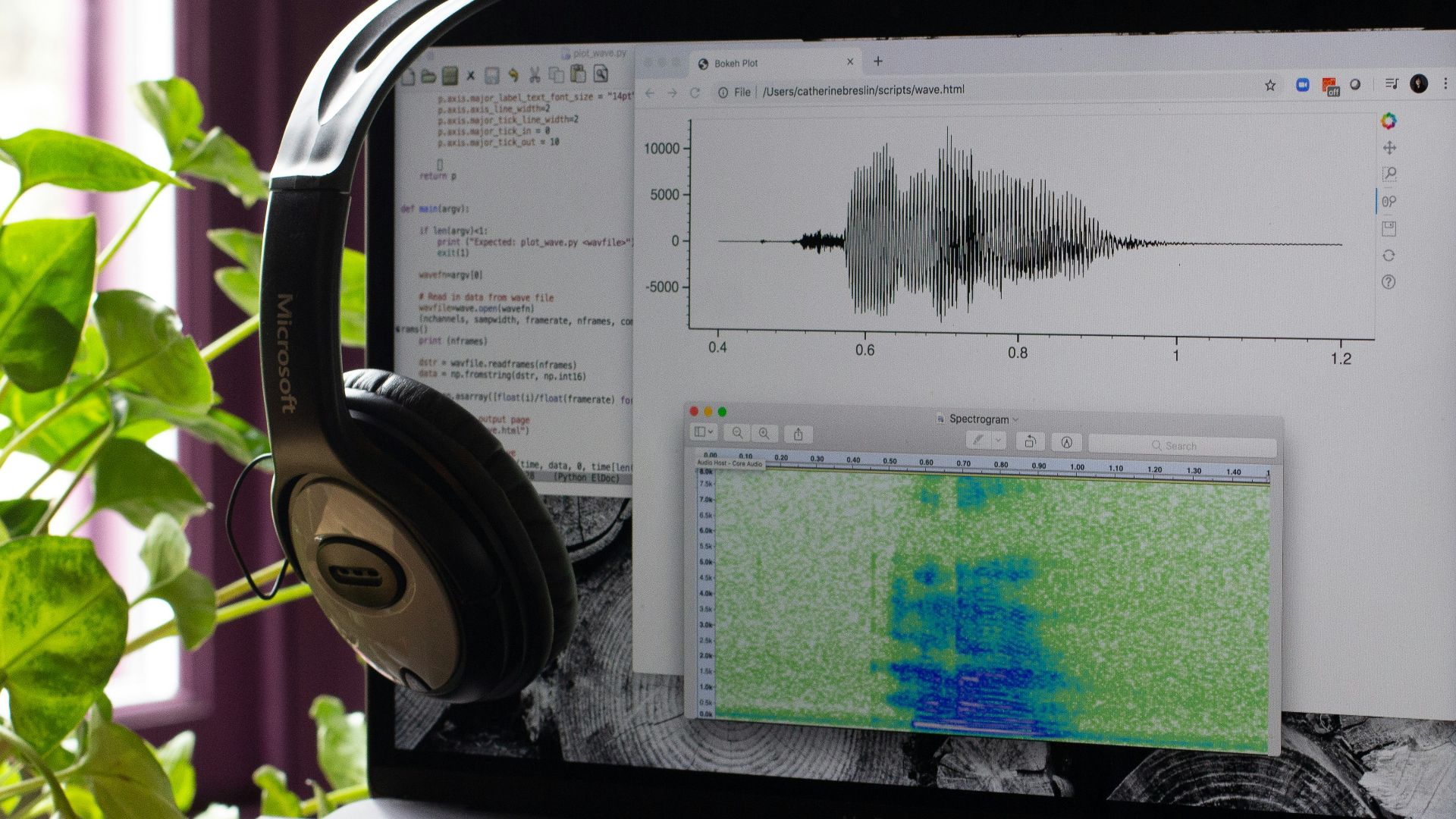
There are some people who are very good at finding patterns. Whether it be math, music, life, etc., you may notice things that others don't. Perhaps if you had something in your routine that changed, you'd notice right away.

6. The Detail-Oriented Brain
If you notice the little details, you may have a detailed brain. Maybe you remember the date something happened, or what someone said word for word. You could even remember a picture in great detail and notice if one small thing changed. When you're trying to solve a problem, you want to look at all the details.

7. The Big-Picture Brain
Someone who sees the big picture will understand the overall problem and try to figure out what the issue is. They won't worry about all the little details and just focus on what the main goal is. If you are given many tasks that need to be completed, you may look at what the big goal is and figure out how to reach that.

8. The Curious Brain
You like to know everything that's going on around you. What, why, how, when, and where are the first questions that pop into your head. If you read one article about a subject, you may end up spending an hour on a different topic.

9. The Practical Brain
A practical brain wants information to be useful. You may have little patience for explanations that don't eventually lead to an action, solution, or tangible result. When faced with a problem, your first instinct might be to ask what needs to be done and what resources are available. This approach can be especially helpful when a situation requires straightforward decisions rather than endless discussion.
10. The Intuitive Brain
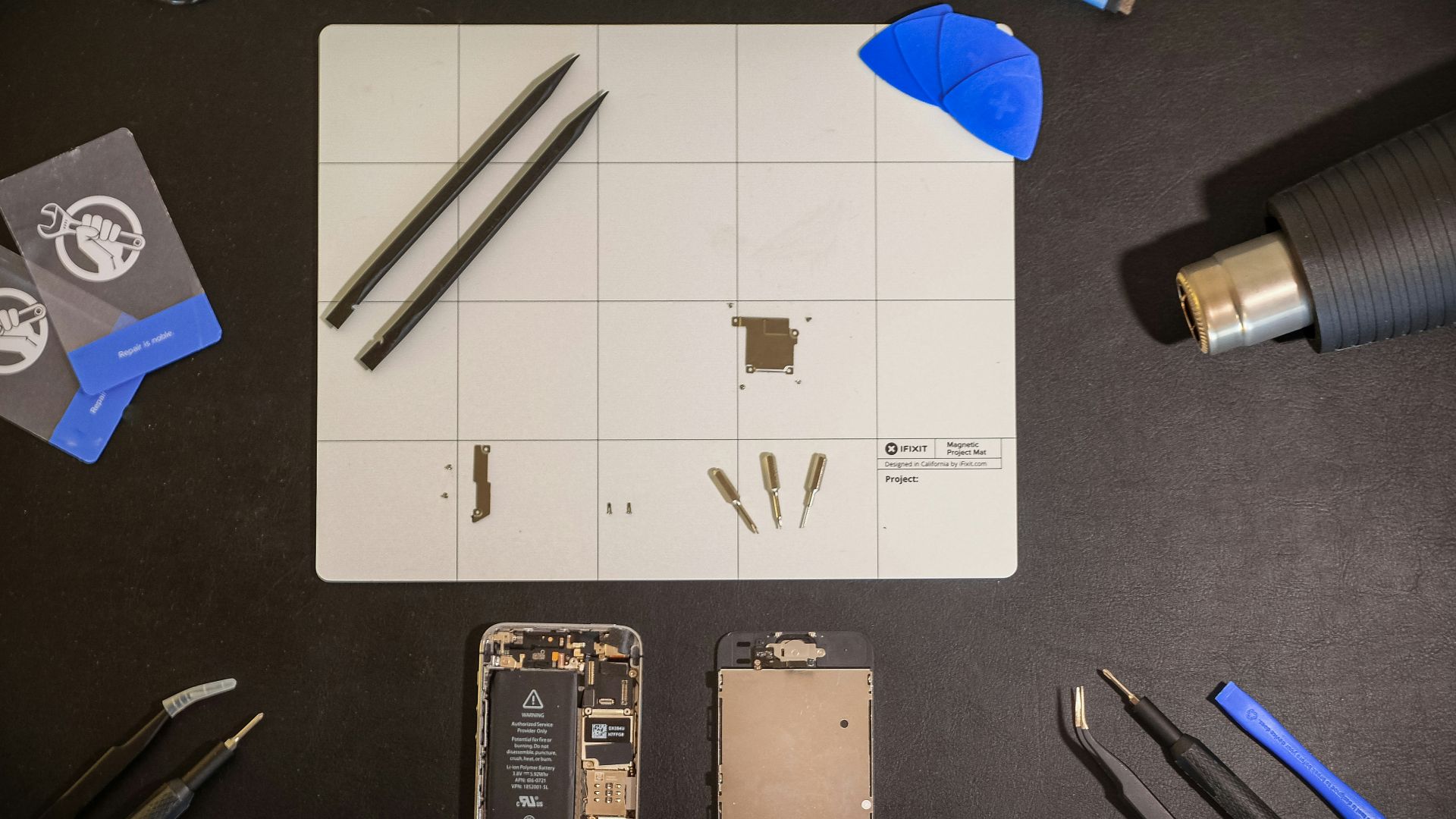
You may have a gut feeling about something. Once you feel something is correct, you'll start finding reasons why it's right. Intuition can reflect experience, learned patterns, and subtle observations that aren't immediately put into words. It still benefits from checking the evidence, particularly when the decision has serious consequences.

11. The Memory-Driven Brain
Some people have an especially strong connection between new information and things they've experienced before. You might remember conversations, places, smells, songs, or events because they connect with something already stored in your memory. Familiar information can make new subjects easier to understand because you have previous experiences to build on. Your brain may also surprise you by bringing back an incredibly specific memory when you least expect it.

12. The Emotionally Attuned Brain
If you know when someone is sad or happy, you may have an emotional brain. You may be able to tell when someone isn't feeling well just by looking at them. When you converse with others, you know how they are feeling, which can sometimes cause you to feel anxious in certain situations.

13. The Strategic Brain
Strategic thinkers like to think ahead. They will plan for what they are going to do next and maybe what they will do after that. Traveling can be a good example of a strategic thinker. They will figure out what they need to get to their destination and take the fastest way there.

14. The Spontaneous Brain
Spontaneous thinkers like to live life by the minute. They don't like to plan too far ahead and like to see what comes next. Too much structure can sometimes make an activity feel unnecessarily restrictive. This style can also help you adapt quickly when circumstances change and the original plan no longer makes sense.

15. The Problem-Solving Brain
When something isn't working, you like to figure out why. There's nothing you like more than finding the solution to a problem. You might enjoy troubleshooting computers, fixing household problems, solving mysteries, or figuring out why a process went wrong. The satisfaction often comes from understanding the problem well enough to finally make it work.
16. The Social Brain
Social brains get information from talking to others. They may think about things while they're talking to people or learn from other people's experiences. If you enjoy working with others, you may have a social brain. Just because you're social doesn't mean you're an extrovert.
 Priscilla Du Preez 🇨🇦 on Unsplash
17. The Independent Brain
Independent brains like to figure things out for themselves. You may want to look something up on your own and find your answer. If you're in a group, you may want to take that information and find your own conclusions. Just because you're independent doesn't mean you don't want to hear others' opinions.

18. The Focused Brain
If you can spend hours doing something you like, you may have a focused brain. Once you get into something, you lose track of time. If you're working on a task and get interrupted, you may not like it. This kind of deep attention can be useful for learning complicated skills and completing work that requires sustained concentration.

19. The Flexible Brain
Flexibility allows you to think of different ways to approach a problem. You may come up with an idea that doesn't work for you, but if you think of other ways you can do the task, it may work. It can be especially useful when you're dealing with situations that don't have predictable outcomes.

20. The Multifaceted Brain
As you can see, there are many types of brains that you can have. Most people are a combination of all of these. You may have different brains at different times. One day you may be creative, and the next day you're analytical. Instead of asking which single type of brain you have, it can be more useful to notice the many ways your mind handles different parts of life.