Small Changes Make a Difference
As people age, smaller appetites and certain health issues can make it harder to get enough of some nutrients, including iron. Though it might not seem like a big deal, especially if you’re preoccupied with carbs and protein, the truth is that adults 51 and older generally need 8 mg of iron every day! Iron is just as important as any other nutrient, and it’s just as easy to work into your diet when you know which foods offer what. Come with us as we reveal some of the best ways to up your intake without overdoing it.

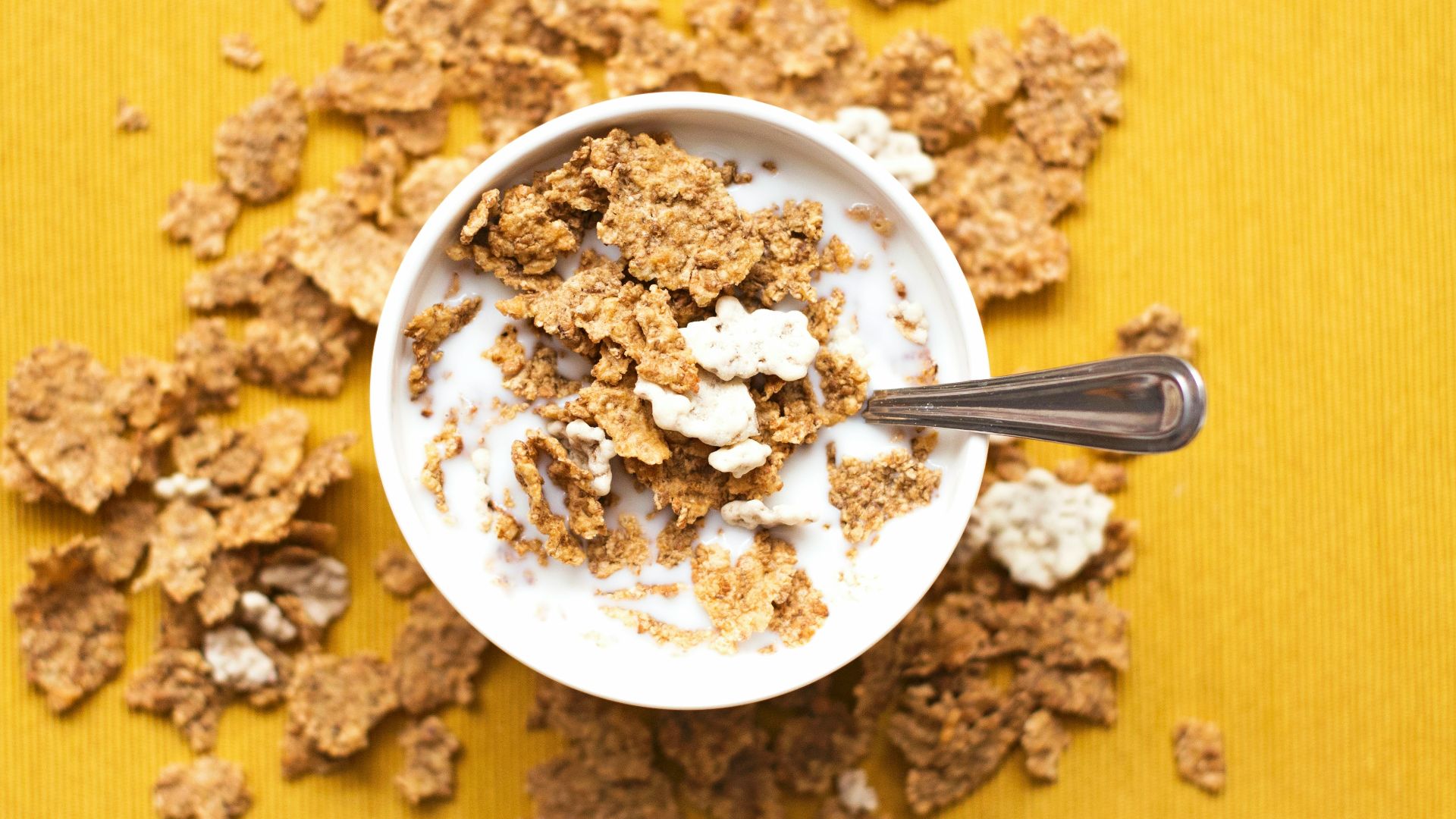
1. Iron-Fortified Breakfast Cereal
Fortified cereal is one of the easiest ways to add a meaningful amount of iron without cooking a whole breakfast. Some varieties provide up to 18 mg in a single labeled serving, though you’ll obviously want to keep the brand in mind. You can even add sliced strawberries or orange for a little vitamin C to help your body absorb the iron.
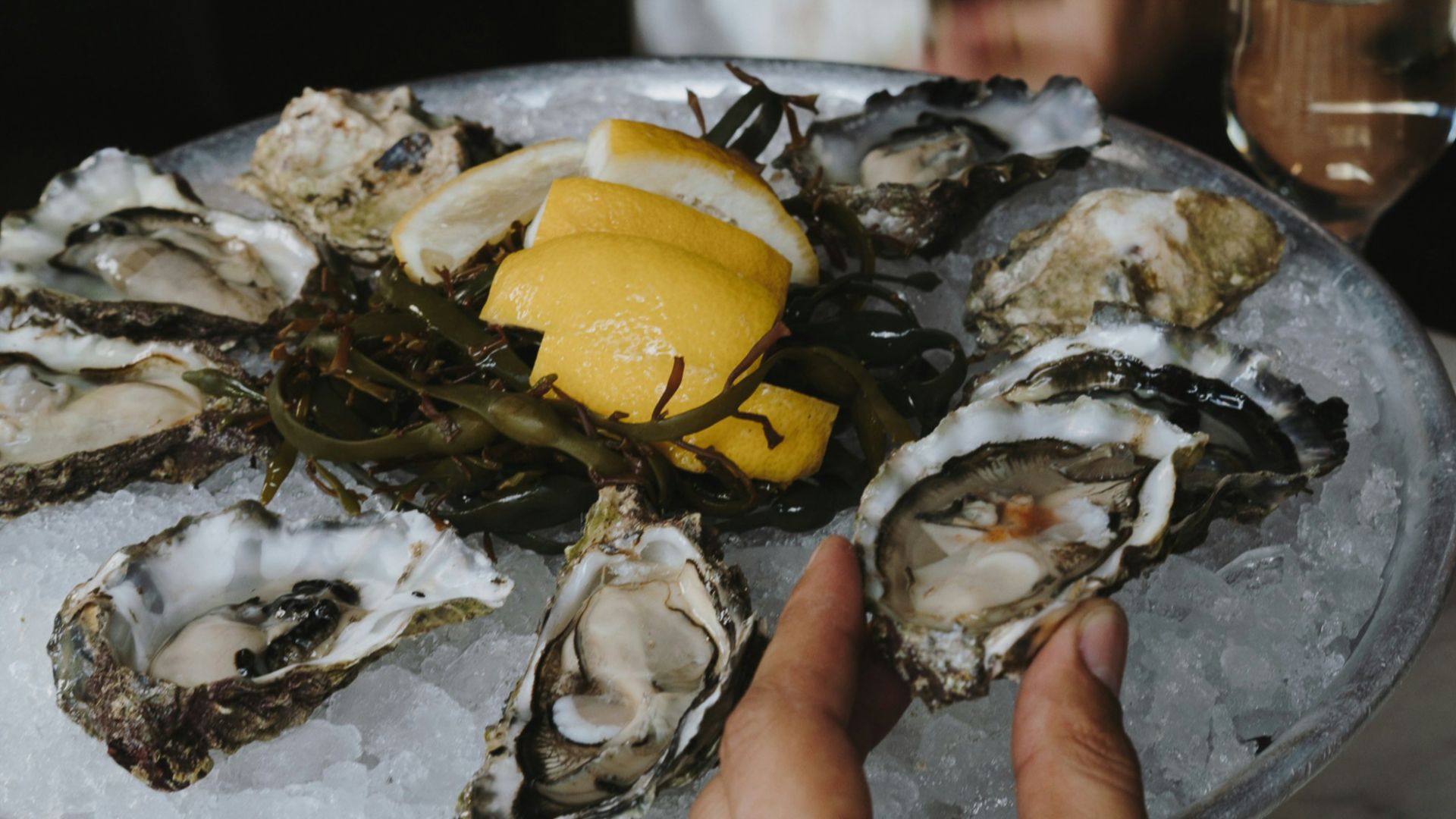
2. Oysters
Oysters aren’t everyone’s cup of tea, but they do deliver a concentrated serving of heme iron, which the body generally absorbs more efficiently than the plant-based stuff. Three ounces of cooked eastern oysters contain about 8 mg, enough to cover the daily recommendation for most adults over 51. Canned oysters are another good option, and can be mixed into chowder or served on whole-grain crackers.
3. White Beans
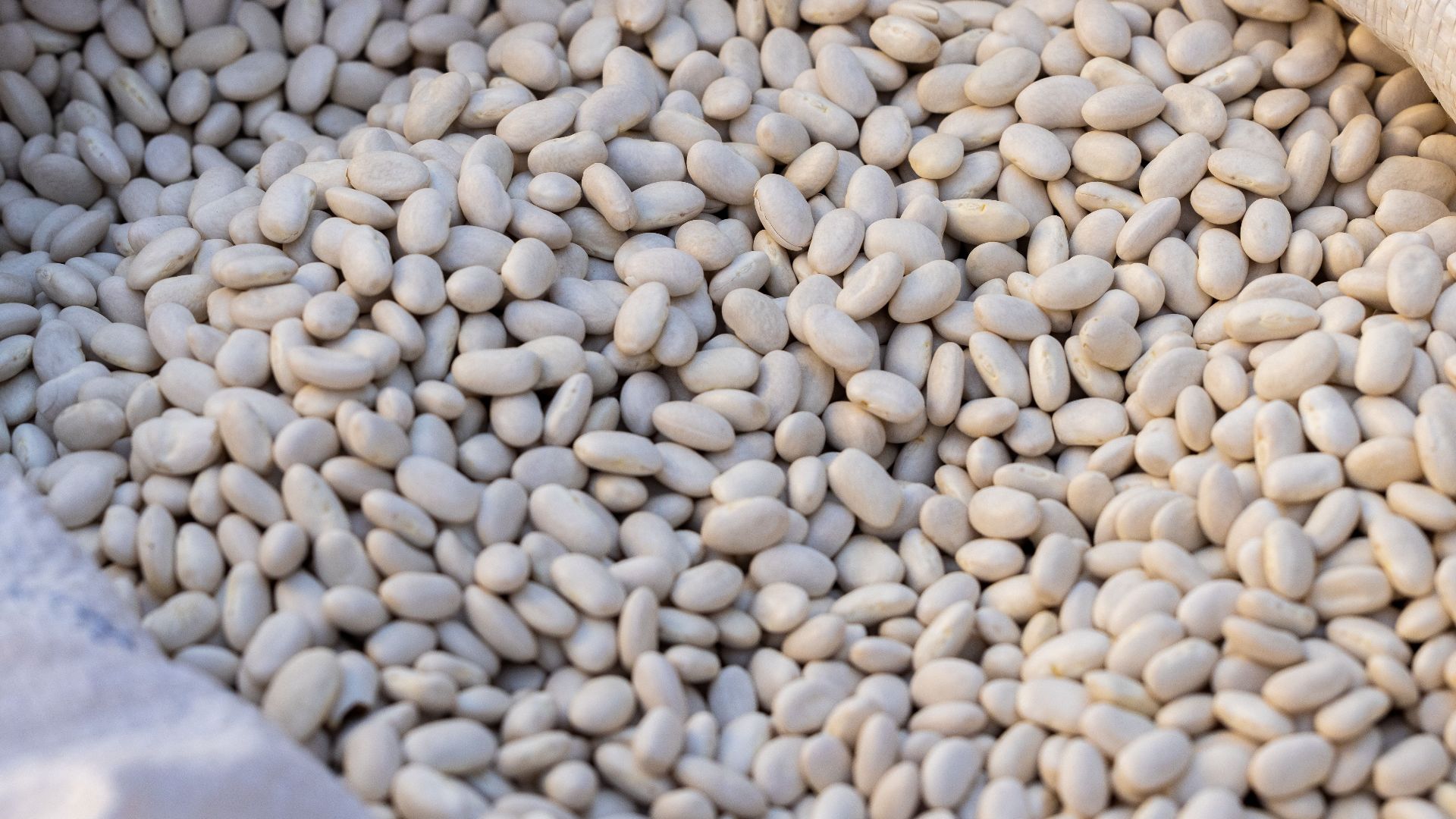
White beans are a gentle, budget-friendly choice that works especially well in soft meals. The best thing about them is that one cup of canned white beans provides roughly 8 mg of iron, along with a useful amount of protein and fiber. Just make sure to rinse them before stirring them into a meal.
4. Beef Liver
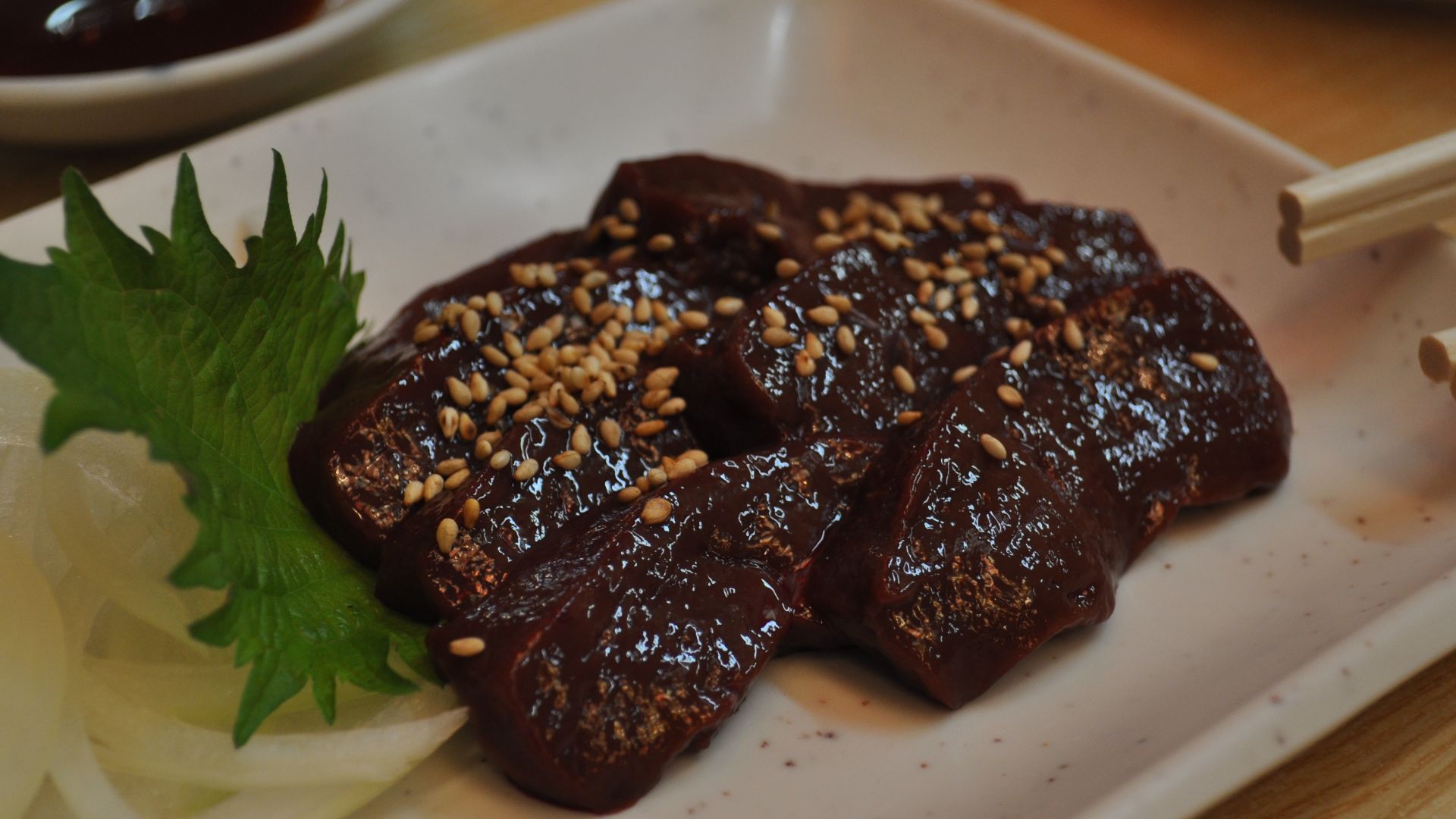
Beef liver is…polarizing. However, that doesn’t mean it has no purpose! A 3-ounce serving of pan-fried beef liver contains about 5 mg, making it one of the more concentrated options at the butcher counter. Remember that you can also try a modest serving with onions and mashed potatoes rather than treating it like a prescription.
5. Lentils
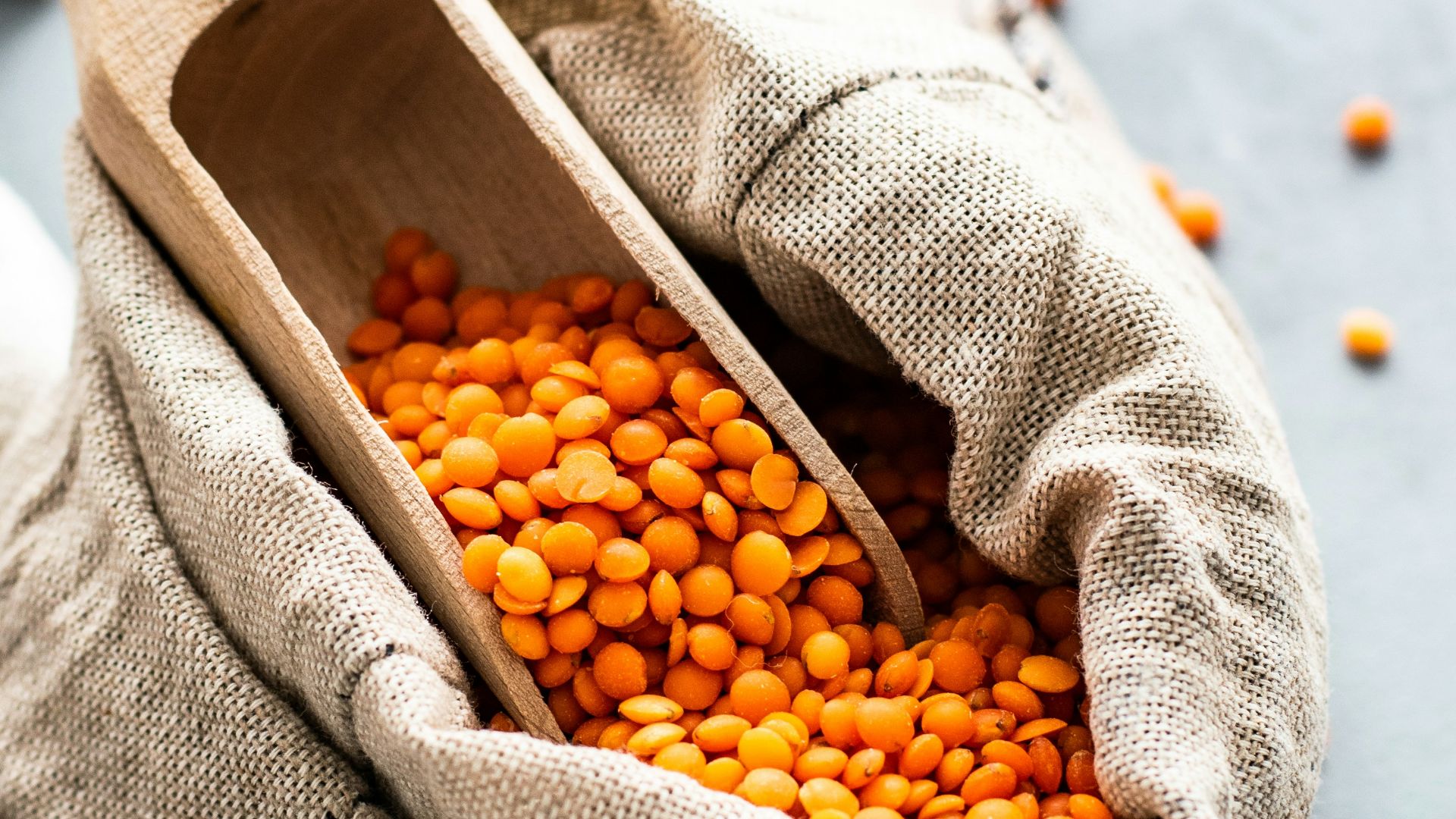
Lentils provide iron in a form that’s easy to work into soups, casseroles, and warm salads—and their versatility is part of what makes them so loveable. Half a cup of cooked lentils offers about 3 mg, while their soft texture can suit seniors who find tougher foods less appealing.
6. Firm Tofu
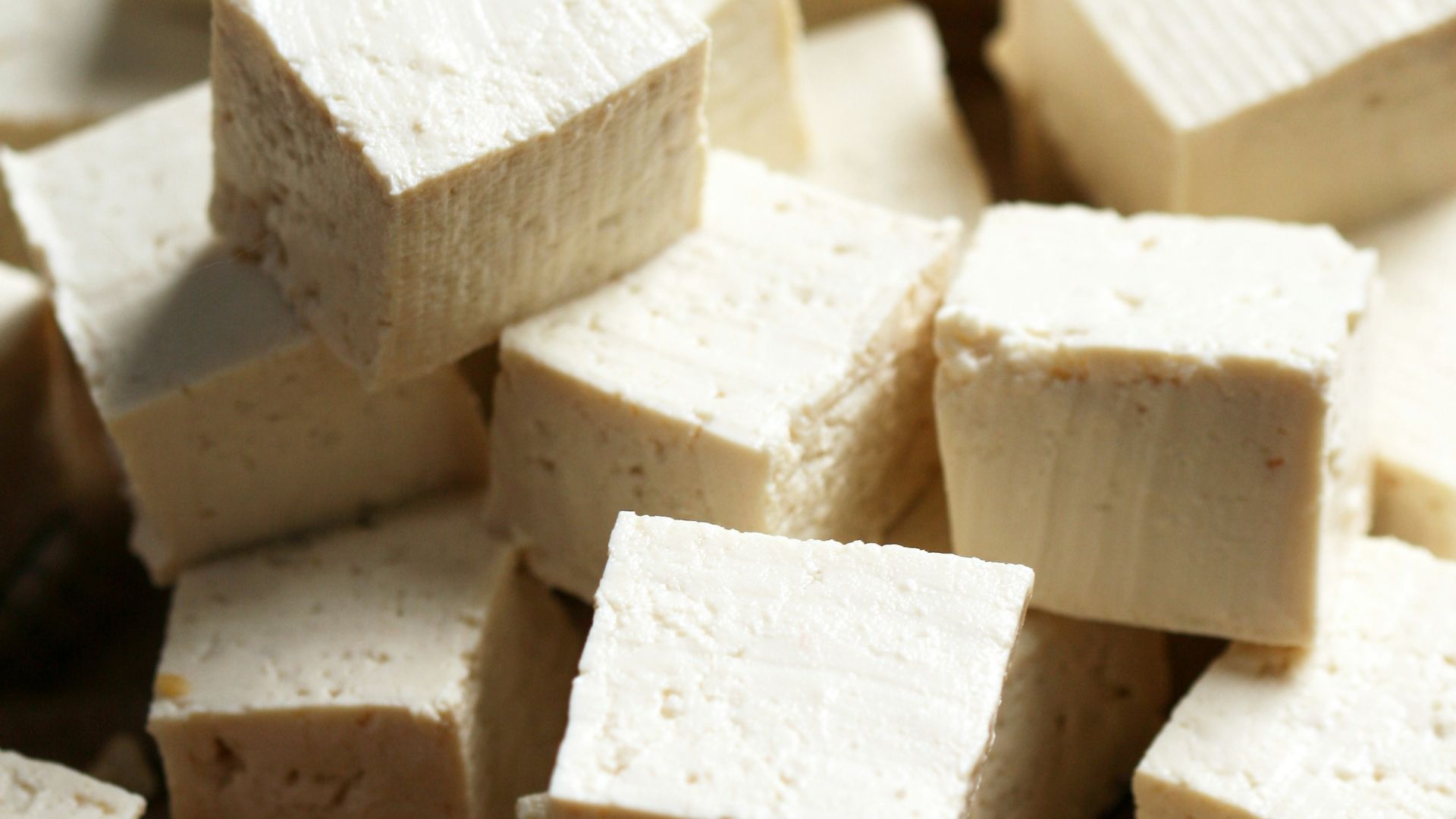
Don’t sleep on firm tofu! A little seasoning is all it takes to spruce up this block, and it’s also useful when meat feels heavy or simply isn’t on the menu. A half-cup serving supplies about 3 mg of iron and can be cut into small cubes for easier eating.
7. Cooked Spinach
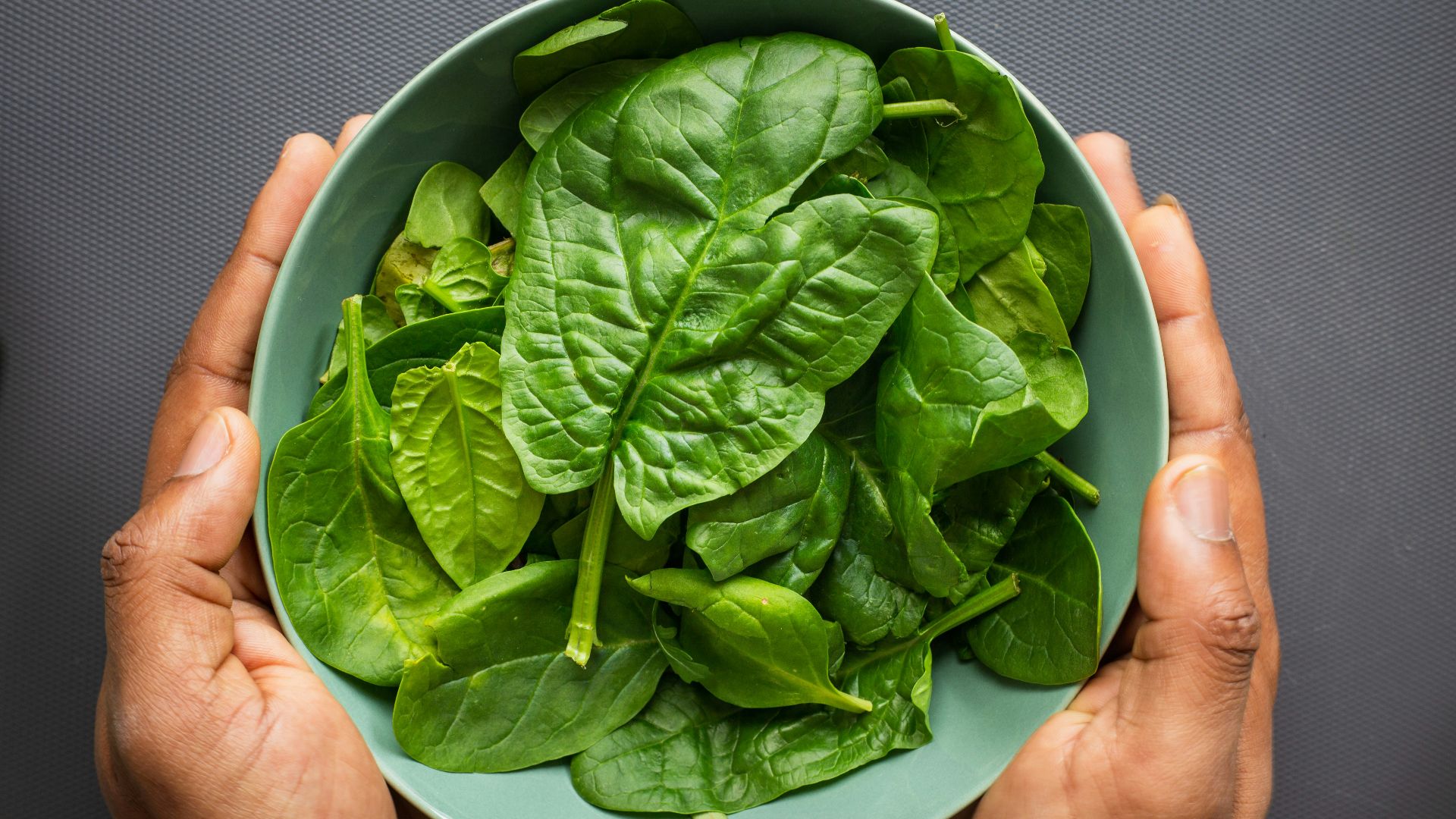
Cooked spinach concentrates a large amount of leafy greens into a manageable portion, which makes it more useful than you might think. Half a cup contains around 3 mg of iron, and though the body doesn’t absorb all plant iron equally well, you’ll still score a decent serving. Try it with a squeeze of lemon or a spoonful stirred into tomato sauce for a bit more flavor.
8. Lean Beef
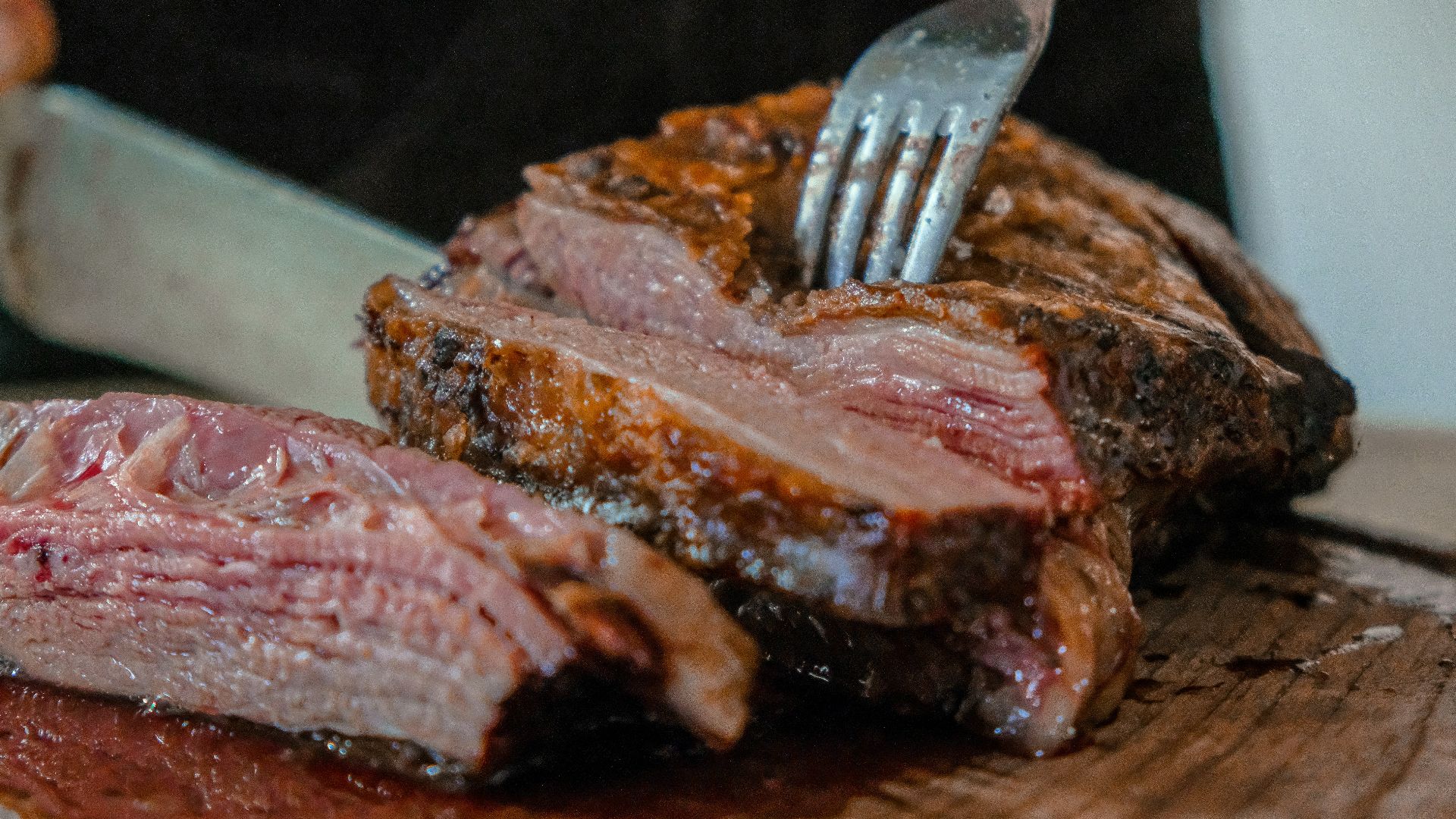
Lean beef offers heme iron in a familiar food that can be prepared in softer textures. That’s right—we’re talking all your favorites, like vegetable soup, a small shepherd’s pie, or a tender pot roast with tomatoes! Three ounces of braised bottom round provides about 2 mg, and slow cooking makes it easier to chew than a thick steak.
 José Ignacio Pompé on Unsplash
9. Sardines
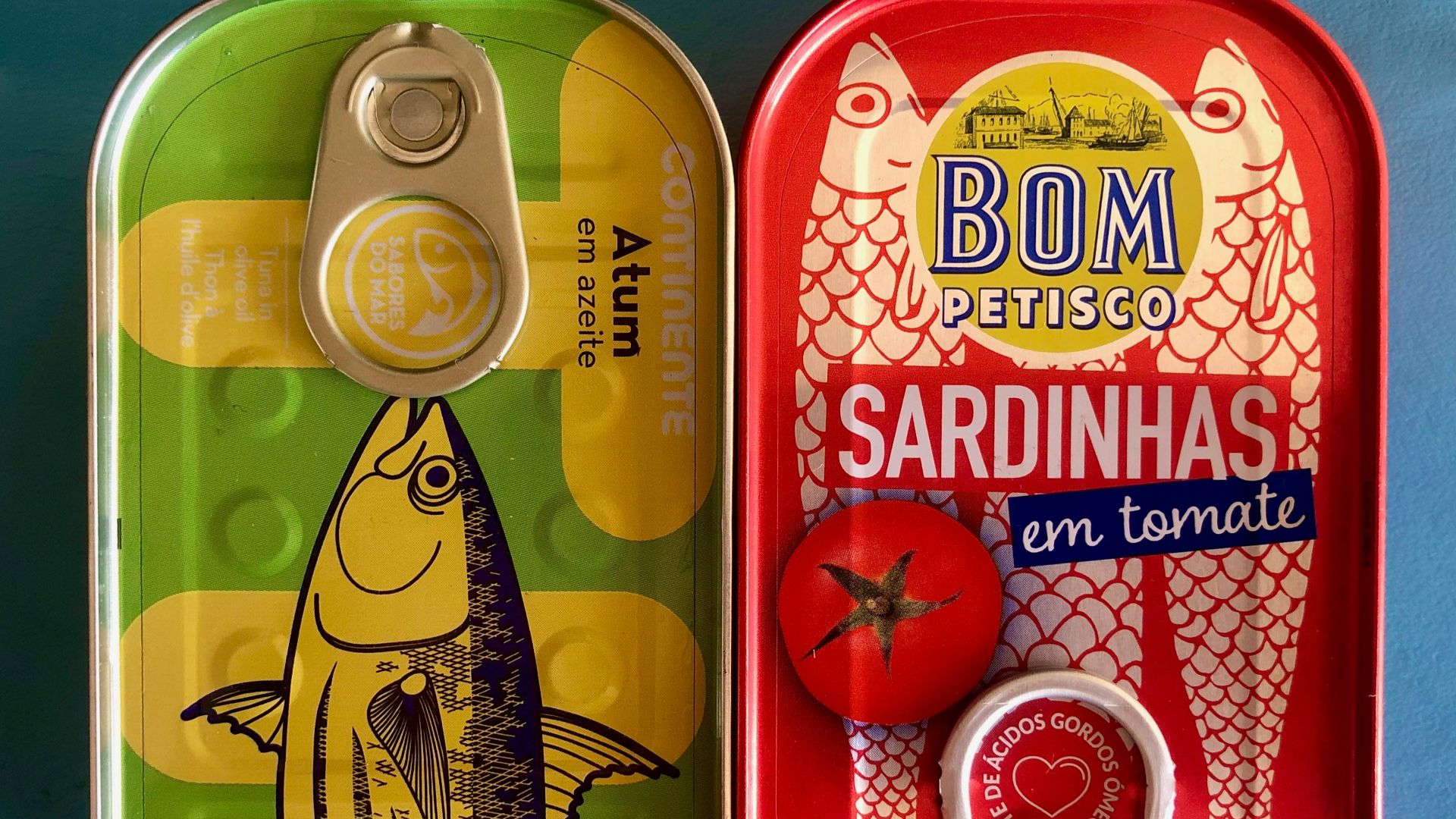
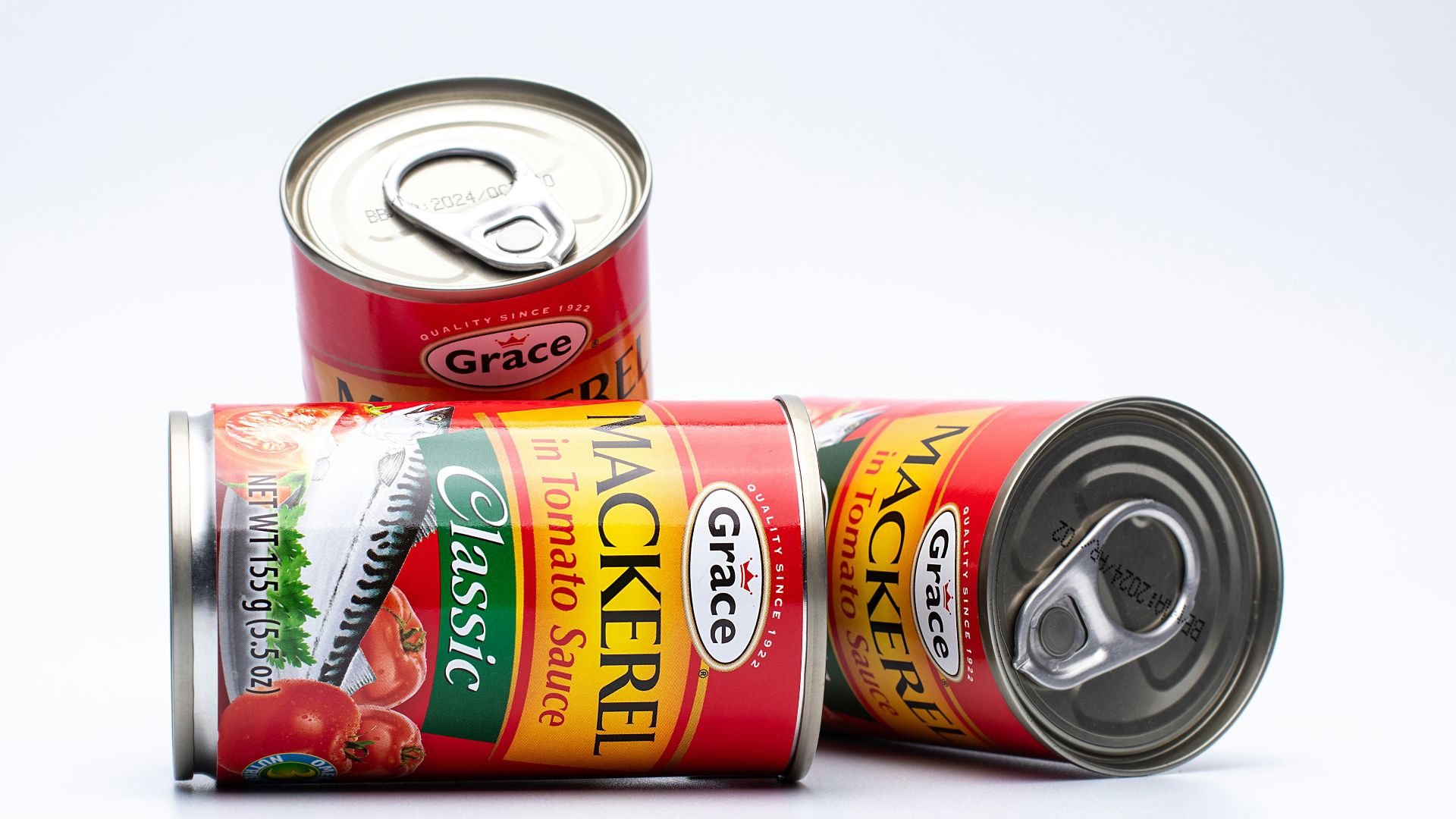
Sardines may be small, and they may be smelly, but they bring about 2 mg of iron per 3-ounce serving. Canned versions are best because they don’t require cooking and can be mashed with lemon for a softer spread. Just keep an eye out for a lower-sodium option, especially when salt is already being limited.
10. Kidney Beans
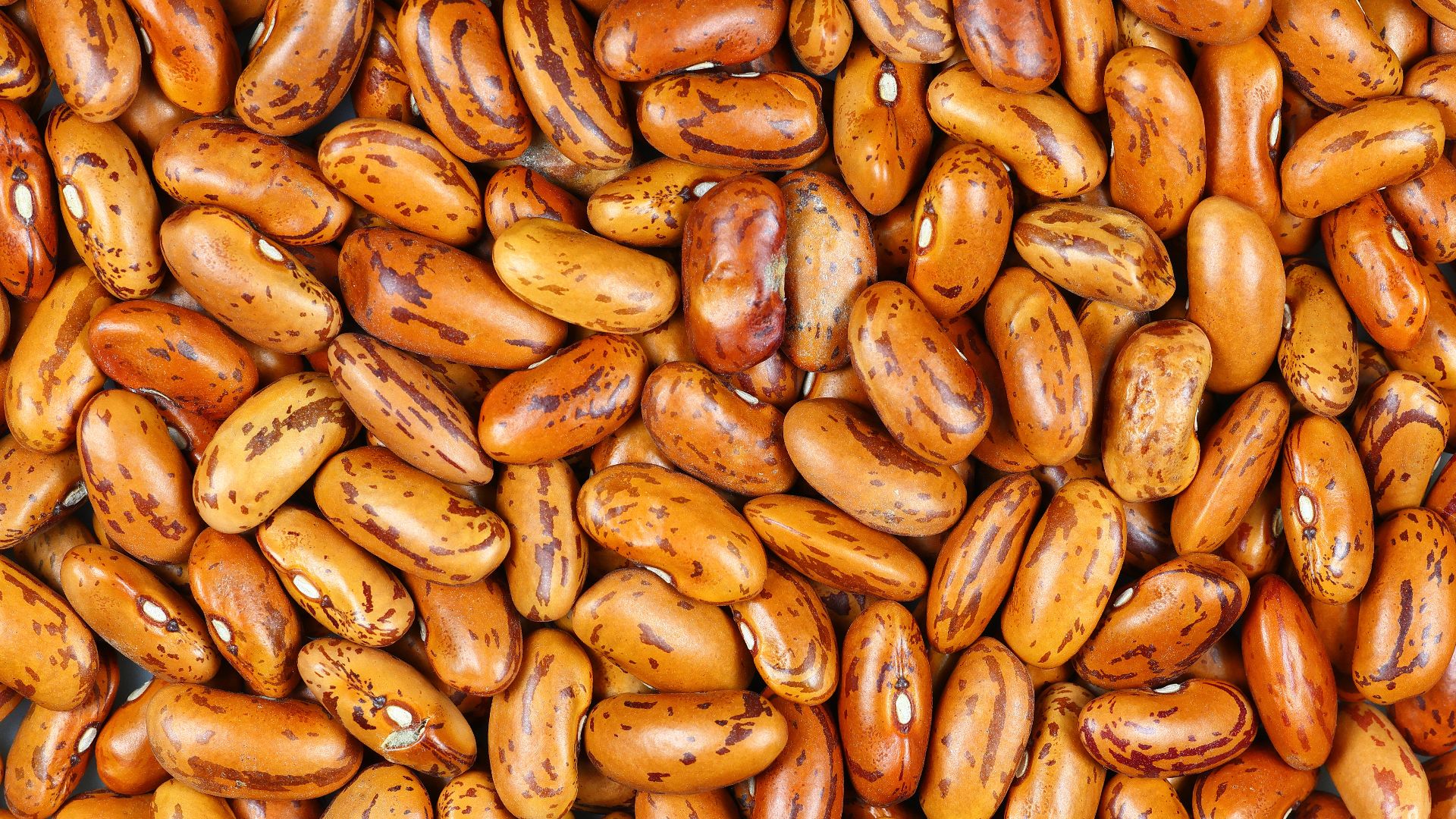
Kidney beans can quietly raise the iron content of meals seniors already know and enjoy. Half a cup of canned beans contributes about 2 mg, and rinsing makes them ready for chili, soup, or a rice bowl. They’re also a great source of protein!
11. Chickpeas
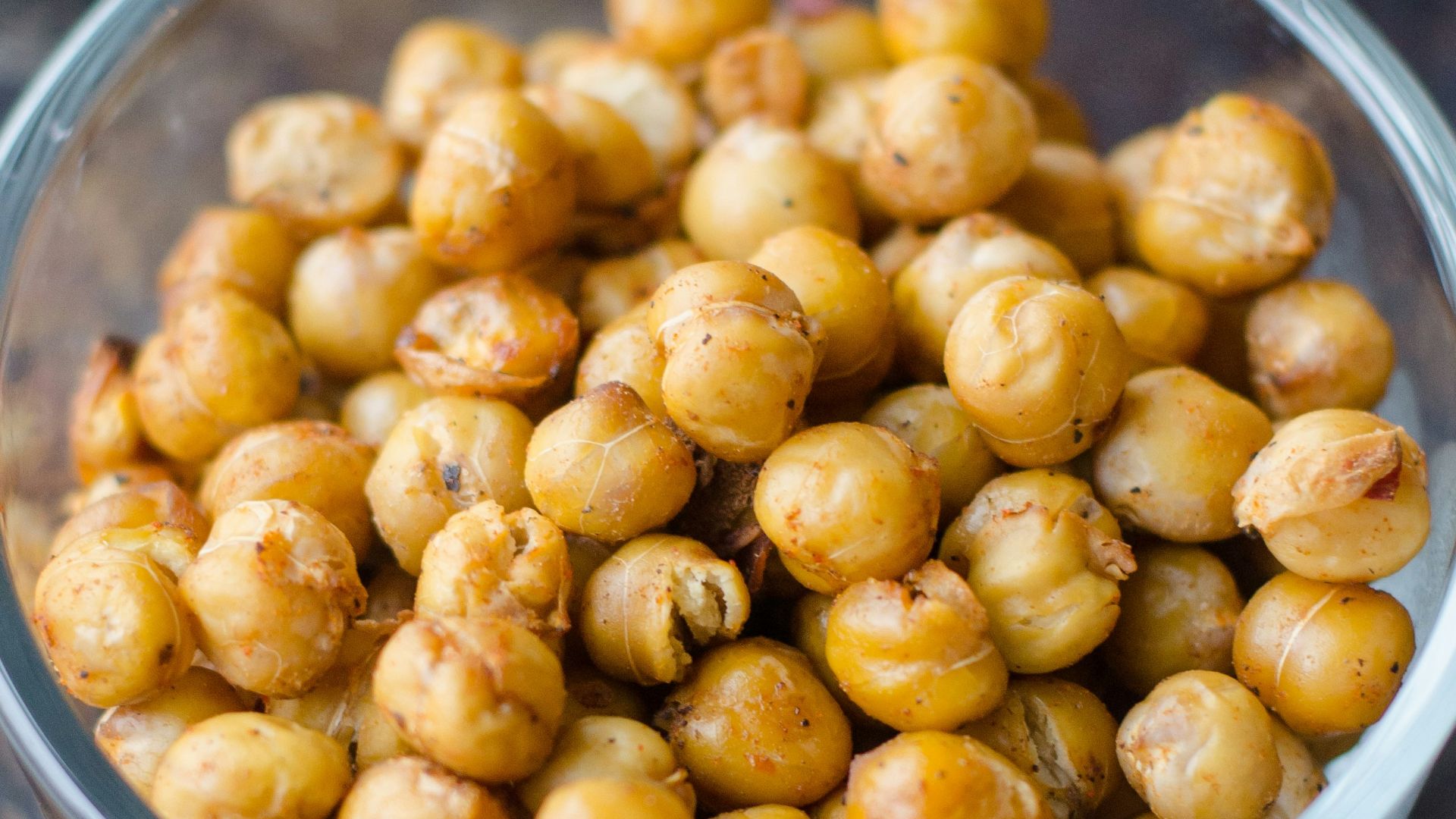
Chickpeas are more versatile than their usual role in salad, so don’t be afraid to get creative. Half a cup of cooked chickpeas provides roughly 2 mg of iron, and they can easily be mashed when whole beans feel too dry. If you aren’t afraid of a little crunch, roasting them with a pinch of paprika is a flavorful way to score the benefits, too.
12. Canned Stewed Tomatoes
Canned stewed tomatoes contribute about 2 mg of iron per half cup while making other iron-rich ingredients more appetizing. They’re especially helpful when paired with other iron-rich foods, like beans, lentils, or whole grains in a simple one-pot meal.
13. Baked Potatoes
A medium baked potato with its skin provides about 2 mg of iron, which means you don’t need to feel too guilty about eating one! It also makes a simple base for seniors who prefer one-dish meals rather than several sides. All you really have to do is top it with white beans and salsa, or add a small amount of tender steamed broccoli for a fully-formed dish.

14. Cashews
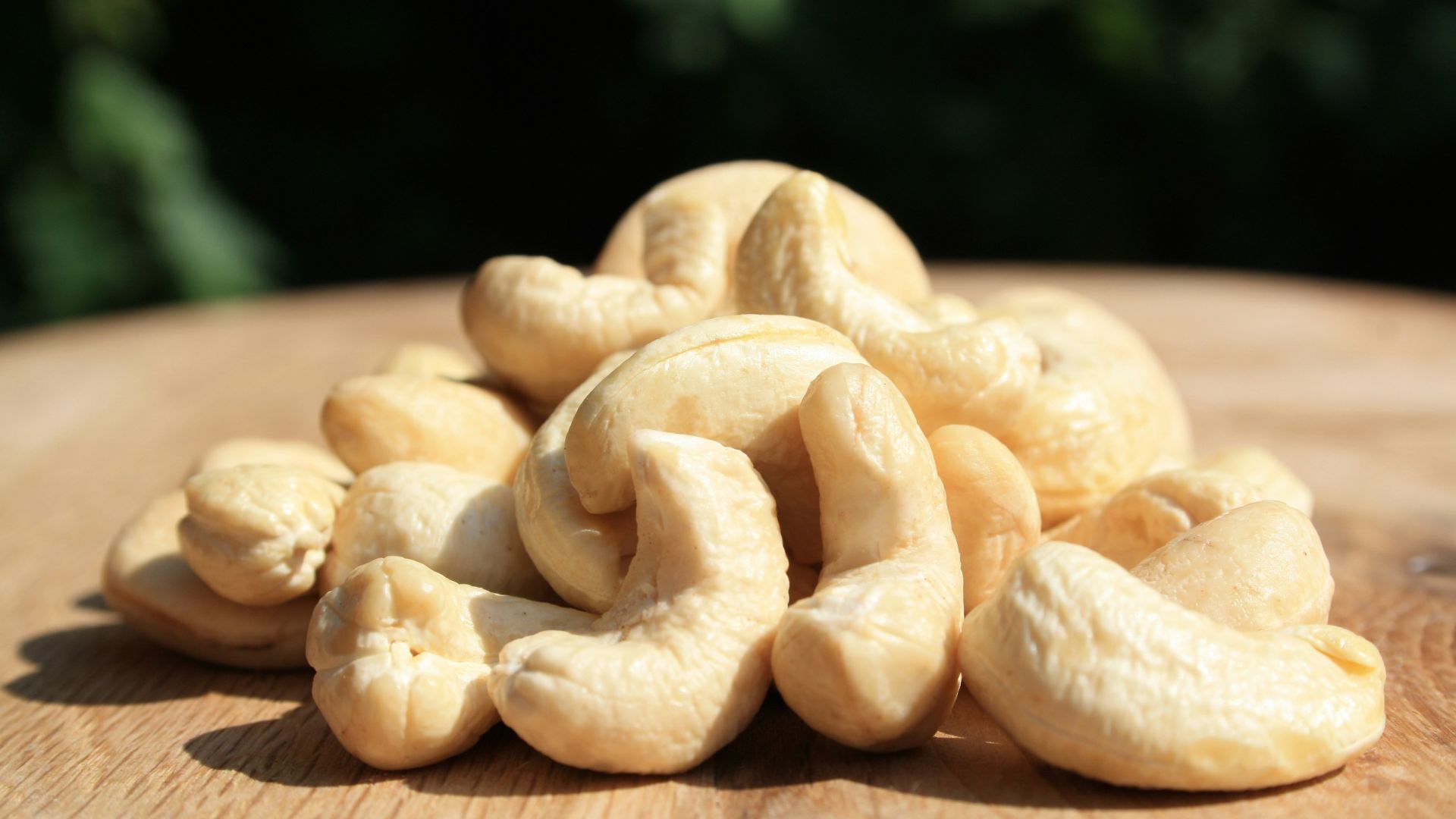
Cashews offer around 2 mg of iron per ounce, which is approximately 18 nuts. We know that might not seem like a lot, but that small serving keeps calories low and can be useful between meals when appetite is modest. Keep in mind that cashew butter spread on toast also provides a softer, easier-to-manage alternative.
15. Dark Chocolate
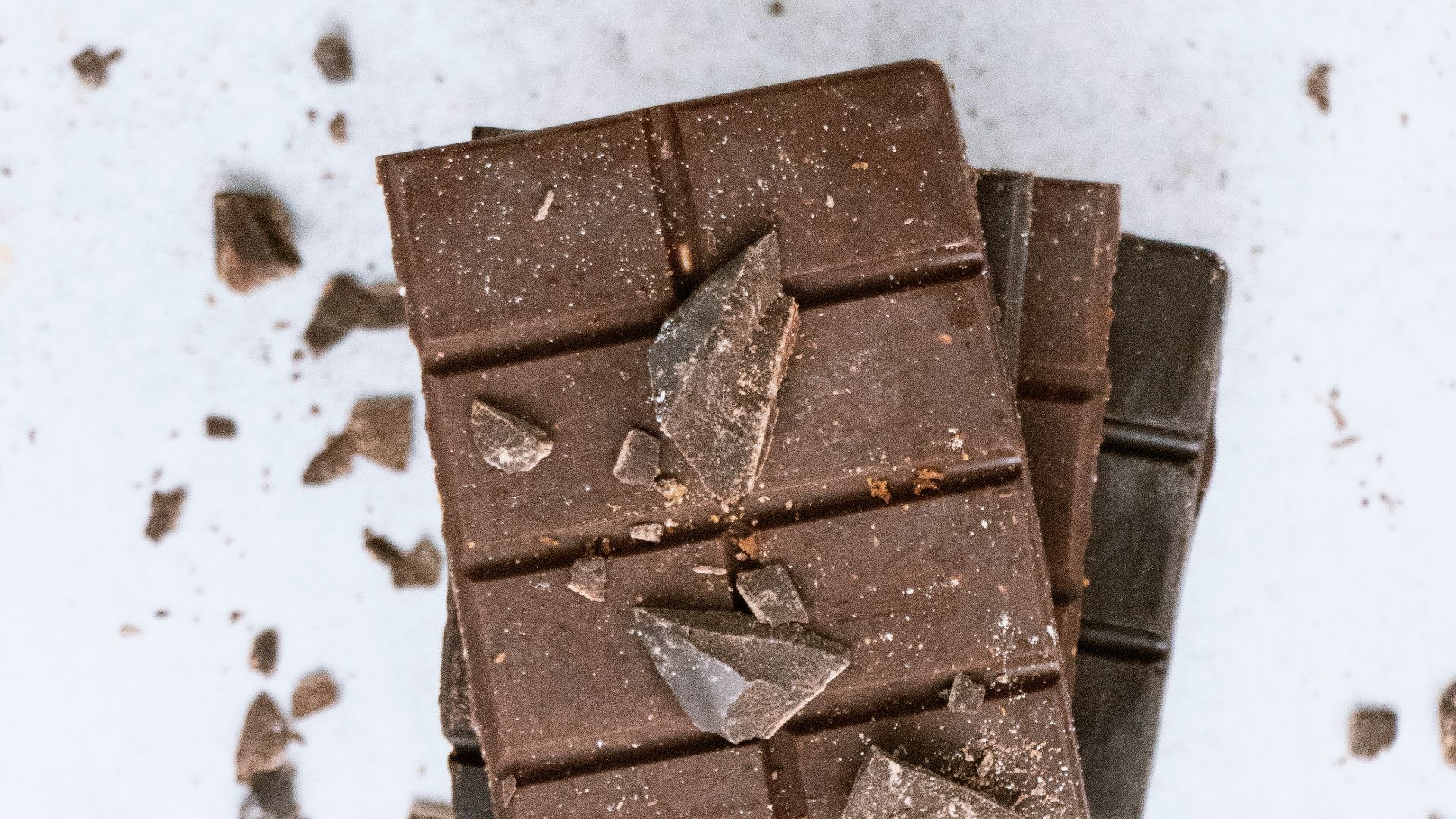
What can’t dark chocolate do? This delicious delicacy provides about 2 mg of iron per ounce, so a small square can make dessert slightly more practical. Now, it does still contain calories and added sugar, which means the sensible portion matters more than the enthusiasm, but there’s no harm in pairing it with strawberries.
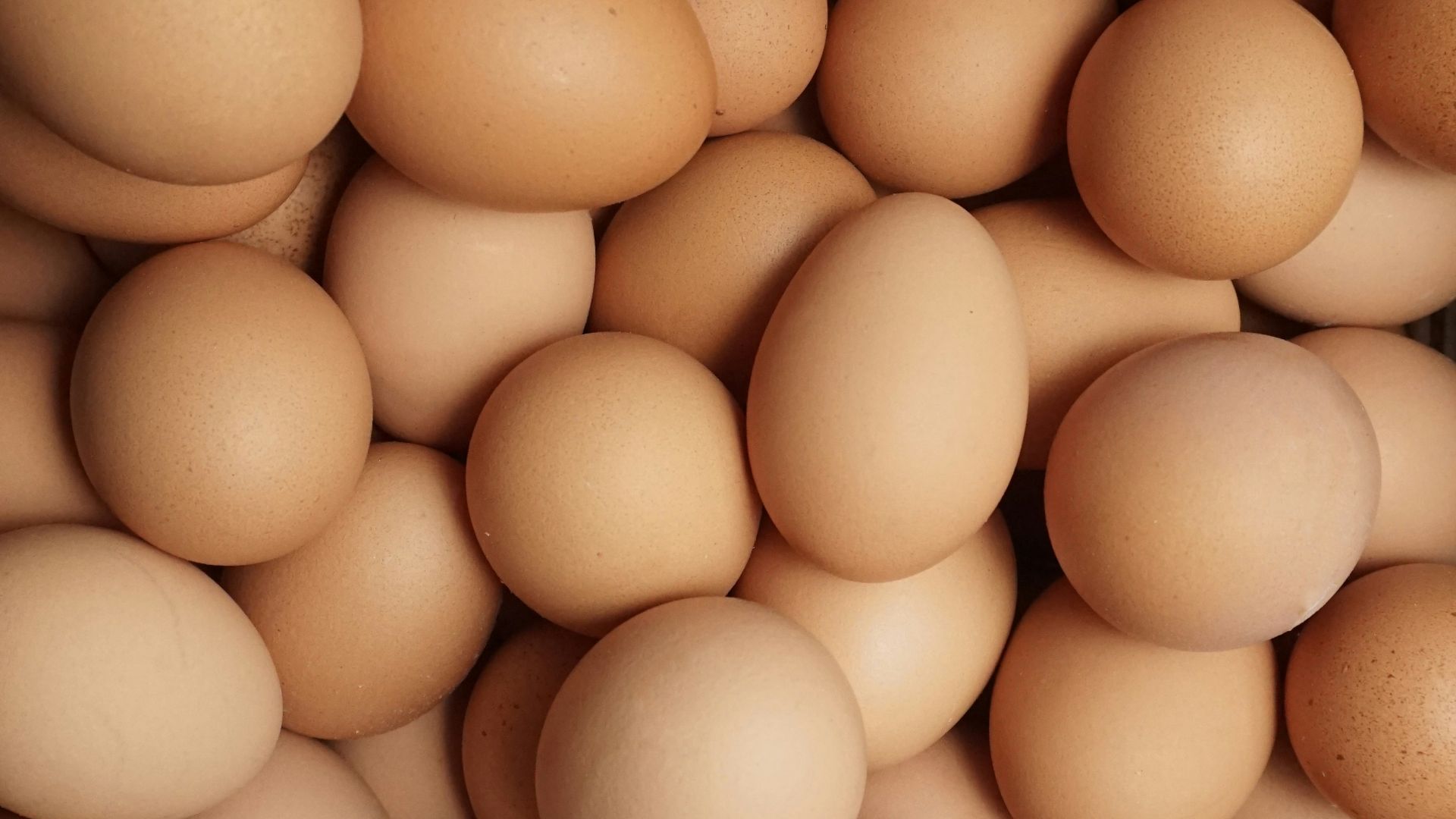
16. Eggs
Eggs aren’t the richest source on the list, but they’re one of the smartest options for seniors. They’re easy to cook, chew, and fit into breakfast or lunch. One large hard-boiled egg also has about 1 mg of iron.
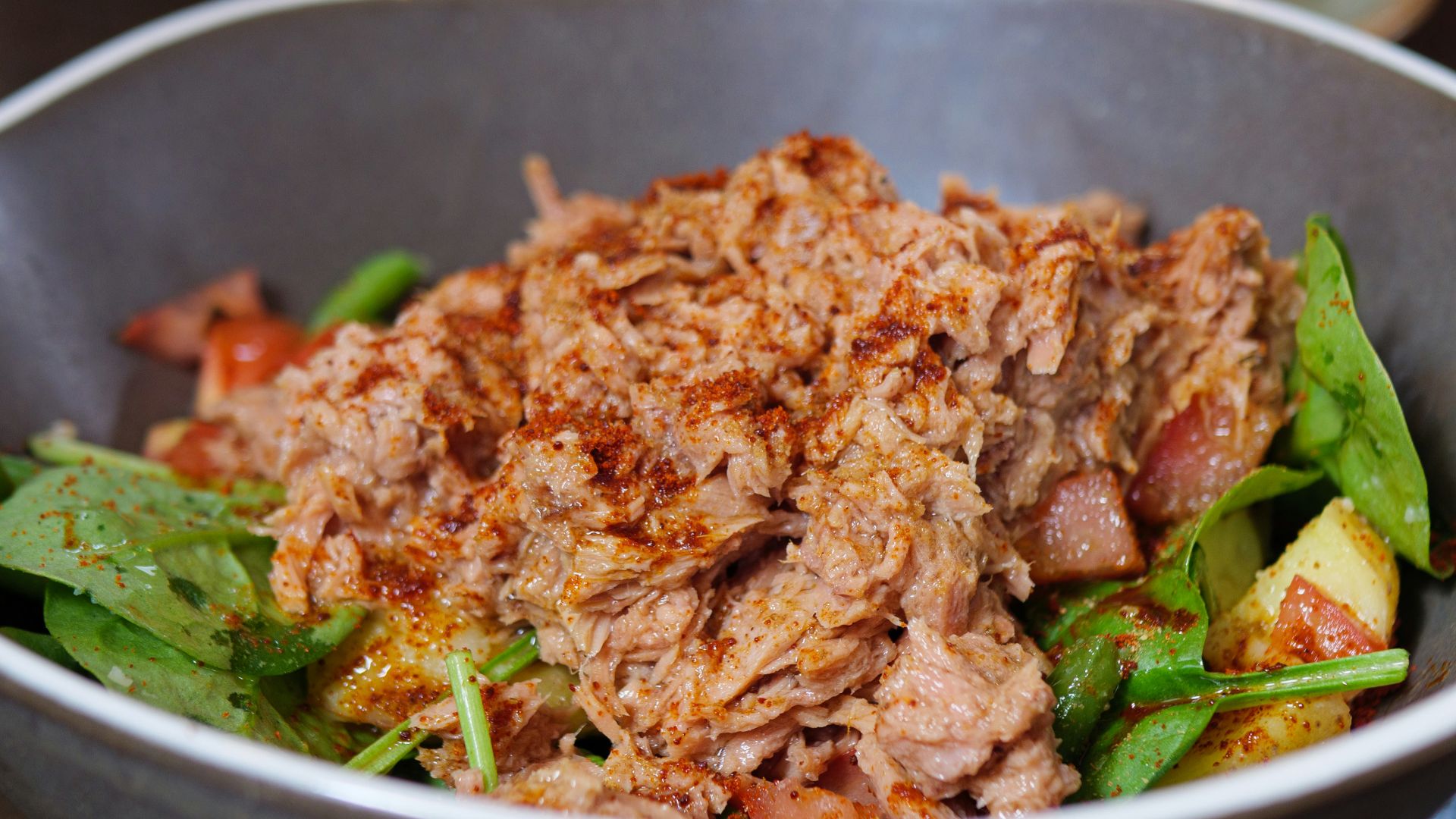
17. Canned Light Tuna
Canned light tuna provides roughly 1 mg of iron in a 3-ounce serving. Though it’s not the highest, it works well for seniors who want a quick protein without handling raw meat or standing over the stove for 20 minutes. You can also up the ante with lemon and finely chopped bell pepper.
 Grooveland Designs on Unsplash
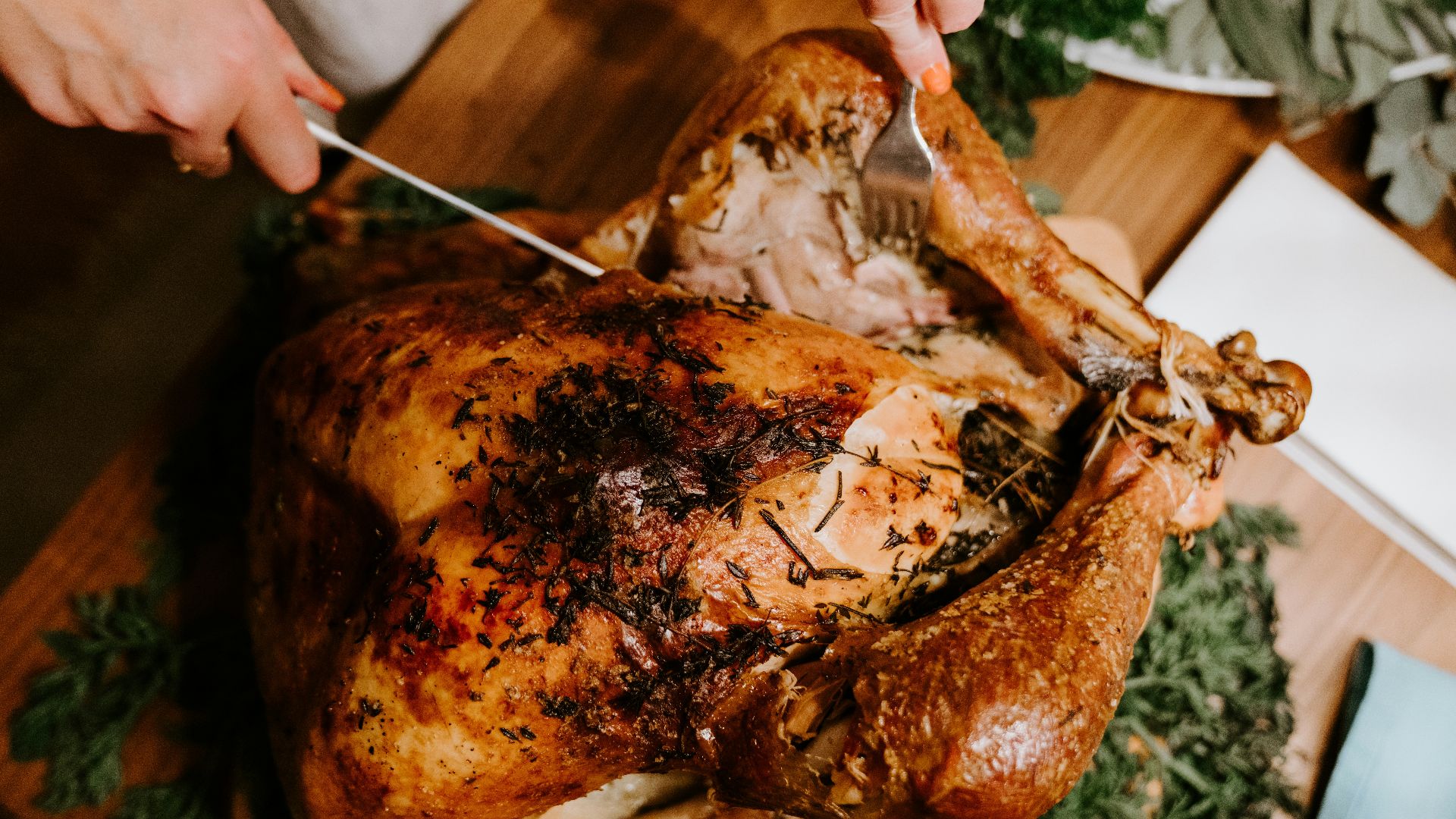
18. Roasted Turkey
Roasted turkey contributes about 1 mg of iron per 3-ounce serving, but the best thing about it is that it’s easy to reuse in several meals. You don’t need to limit yourself in the kitchen, either; leftovers can also be chopped finely and added to soup rather than served as a dry slab.
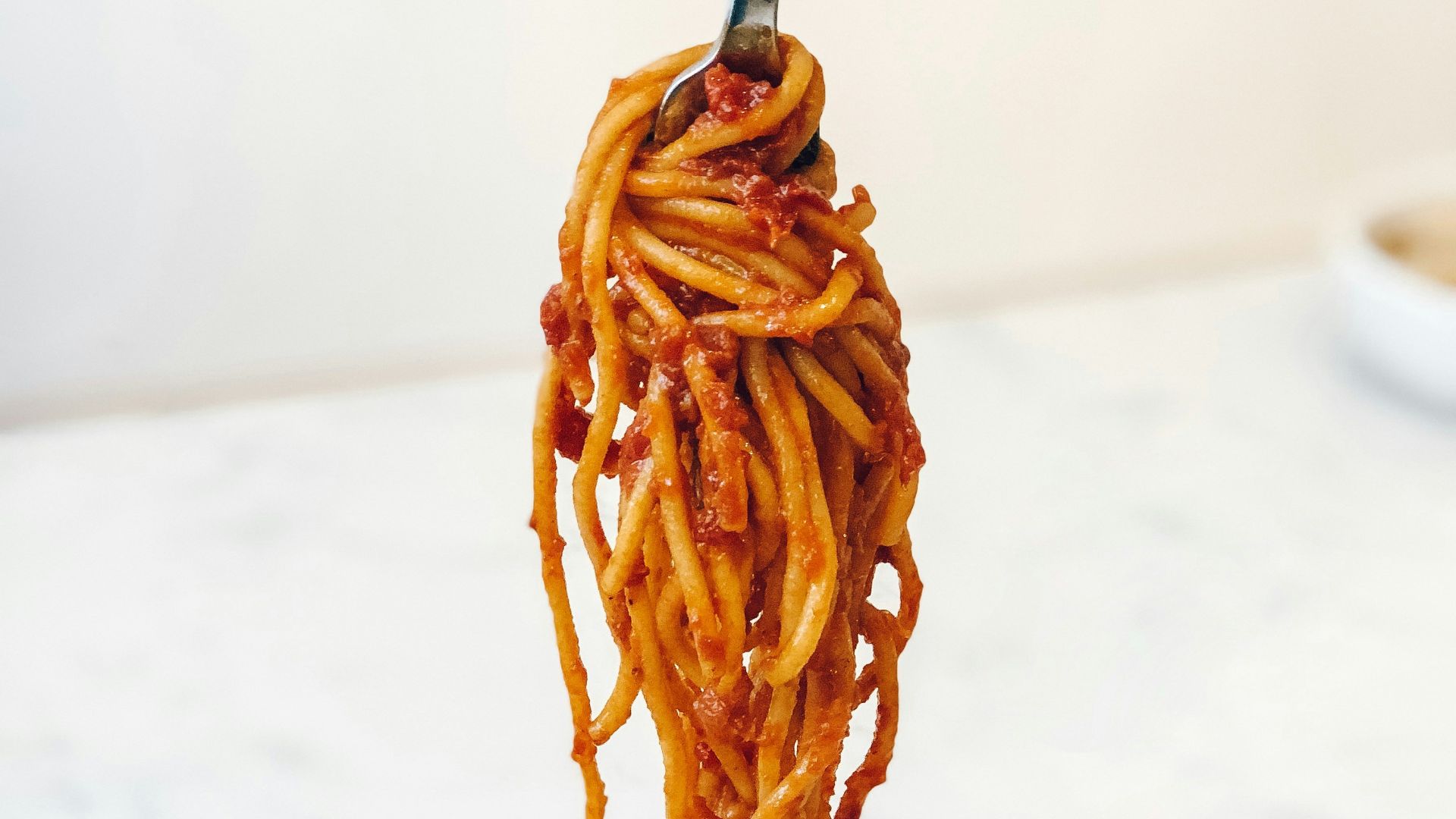
19. Whole-Wheat Spaghetti
Who said you had to get rid of pasta altogether? Whole-wheat spaghetti adds about 1 mg of iron per cooked cup, and some enriched pastas provide even more! This is an easy option when a senior needs a familiar meal that doesn’t demand much chewing, and you can even toss lentils or spinach in there for a better-rounded meal.
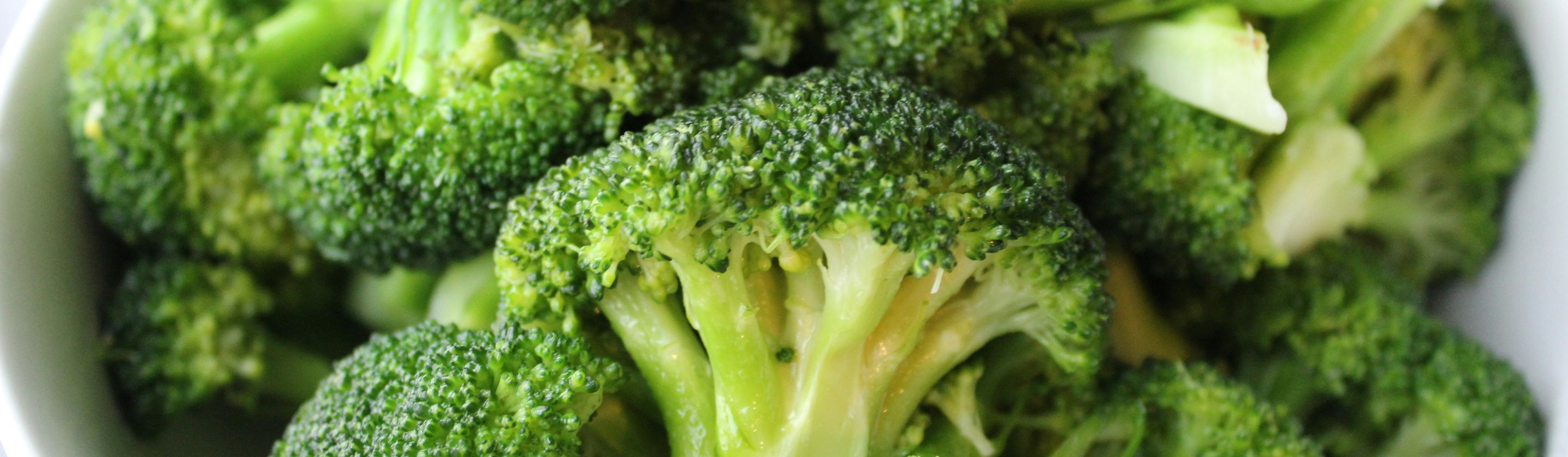
20. Broccoli
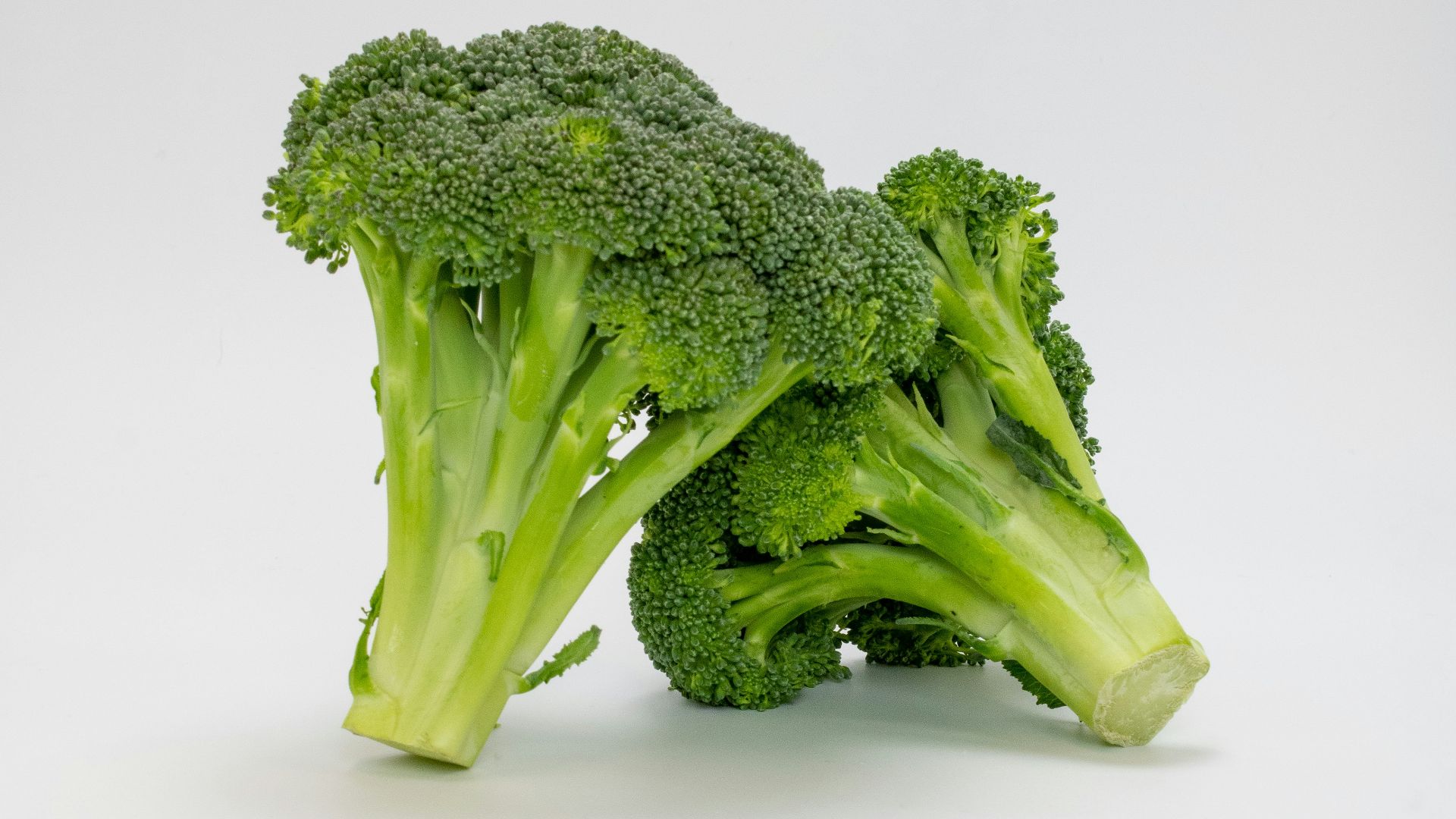
Cooked broccoli contributes around 1 mg of iron per half cup and brings vitamin C to the plate. You might not like it steamed, but no one’s stopping you from roasting a few florets with salt and pepper (or dipping them in hummus). Either way, its combination of nutrients also makes it a useful companion to plant sources such as beans, tofu, and whole grains.
KEEP ON READING


20 Things You Didn't Know Could Harm Your Heart