
The Messy Quest Before Modern Wrinkle Relaxers
As we look at the plethora of skin tightening, plumping, and sucking surgeries available at our disposal, it’s hard not to feel worn down by the never-ending quest for youth. We should all be so lucky to grow old and have the lines in our faces to show it. Whether or not you choose to participate in these alterations, we can all feel thankful that these procedures are, at the very least, safe. Before the creation of modern injections, youthfulness was found through a plethora of natural grooming habits or herbal treatments, while others involved less-than-favorable materials. You can love it or hate it, but at least nobody is putting radium on their skin anymore. Here are 20 ways humans did their best to look younger, for better or for worse.
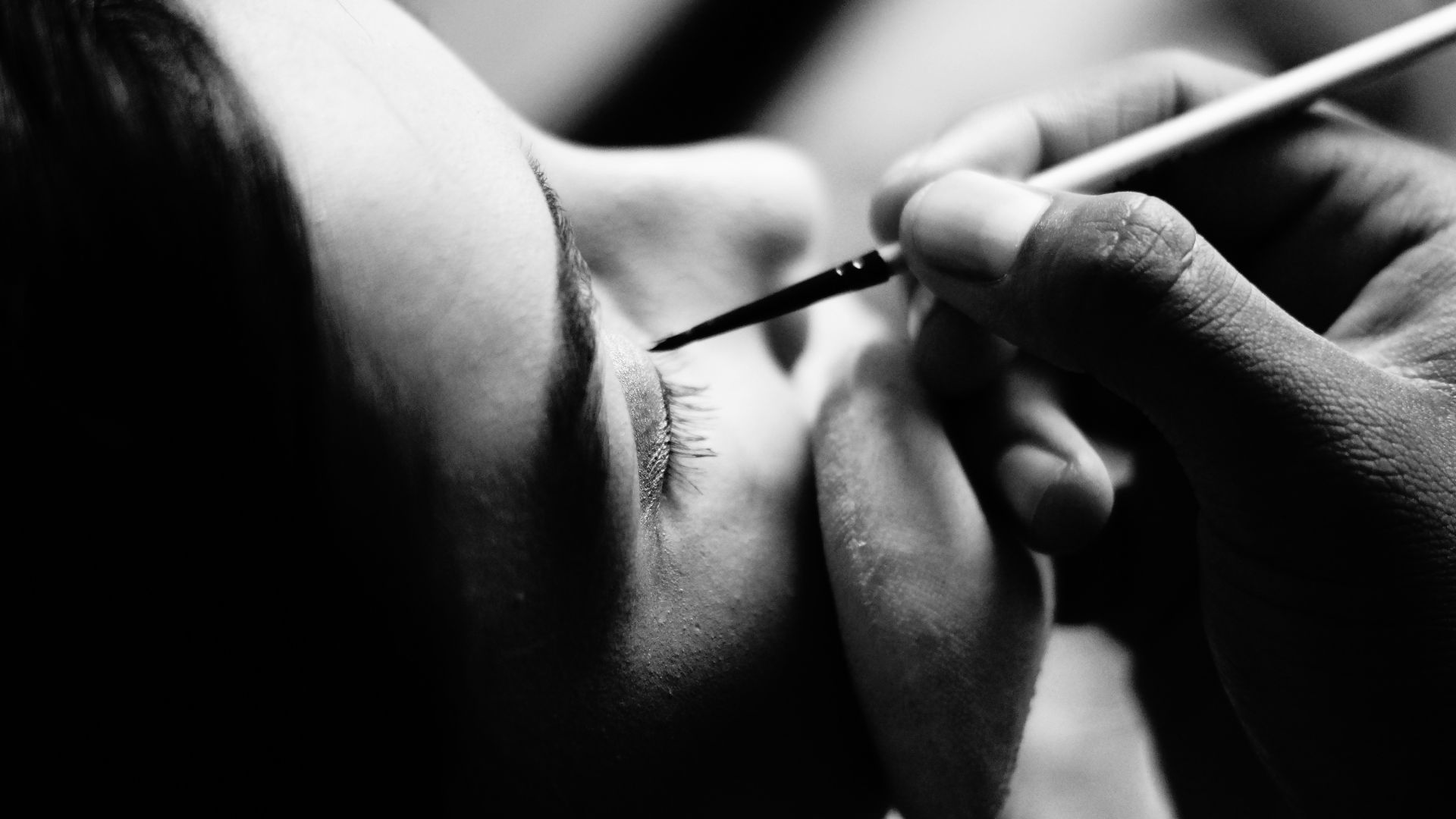
1. Kohl-Lined Eyes
Ancient Egyptians across different social groups used kohl to line the eyes. It made the eyes look sharper and more awake, and it carried cultural and religious meaning. While kohl was, and is, considered safe today, some of these forms contained lead or antimony compounds, which made these eye products hazardous to use.
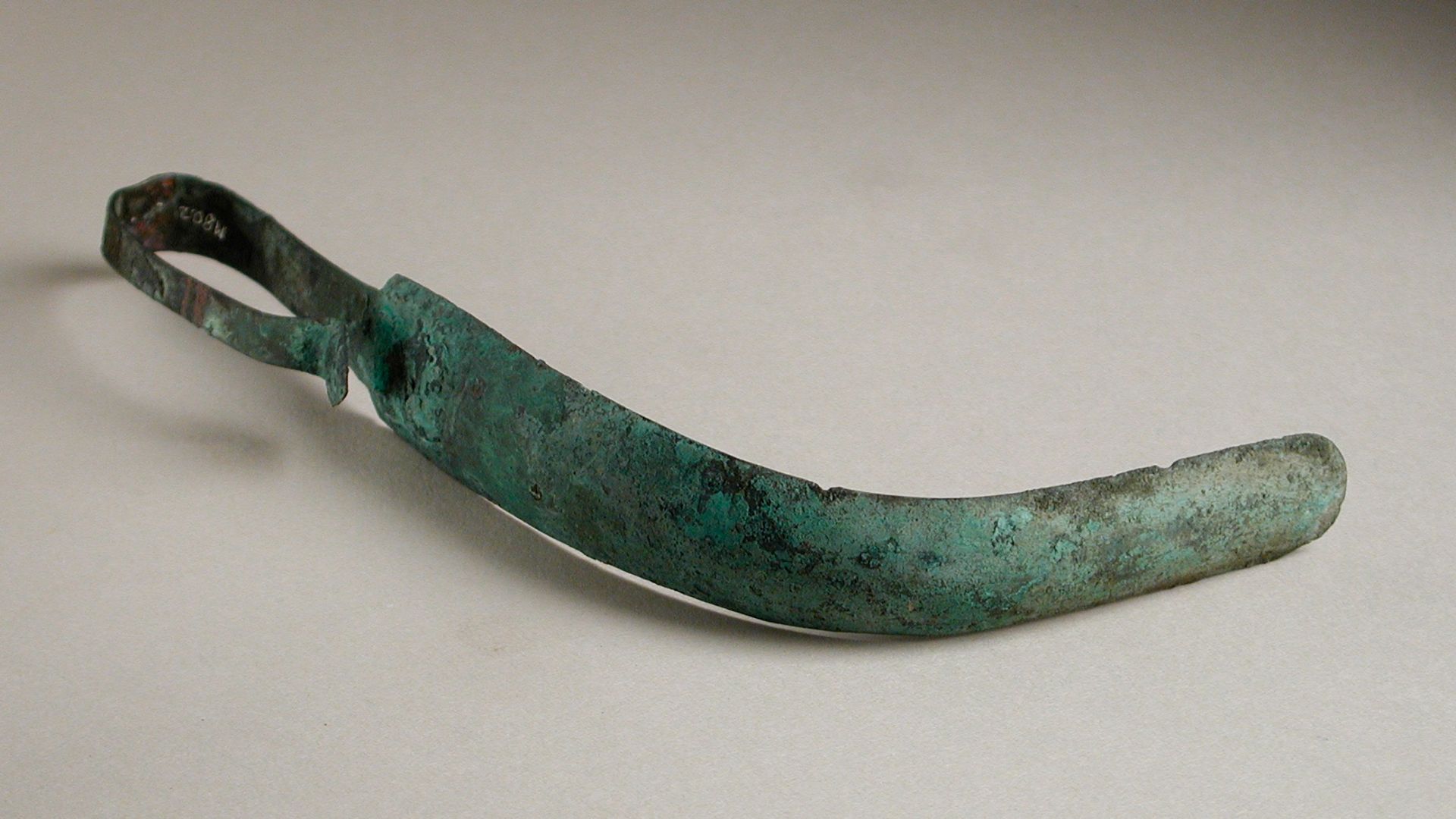
2. Olive Oil and a Strigil
With the excess of olive oil in ancient Greece, it’s no surprise that it was used outside of the kitchen. People put it on their skin, especially after exercise, then used a curved tool called a strigil to scrape the body clean. It lifted away the oil, sweat, and surface grime, leaving the body looking fresh and clean afterwards.
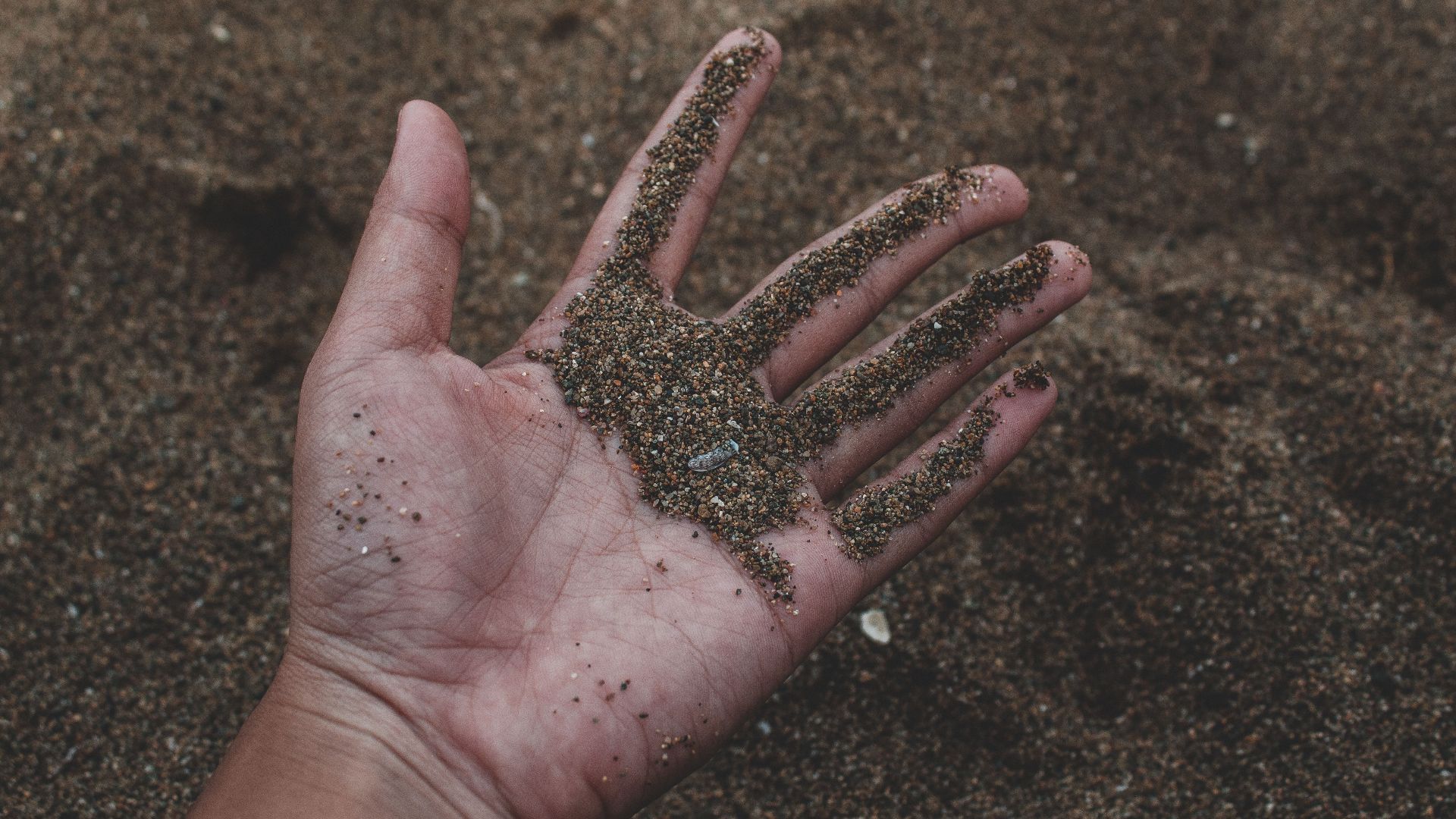
3. Rough Skin Resurfacing
To smooth rough-looking skin, people rubbed it with salt, pumice, ground grains, bone, and horn. They hoped the rough outer layer would come away and a smoother surface would show through. It was an early form of exfoliation, but it could often be too rough on the skin.
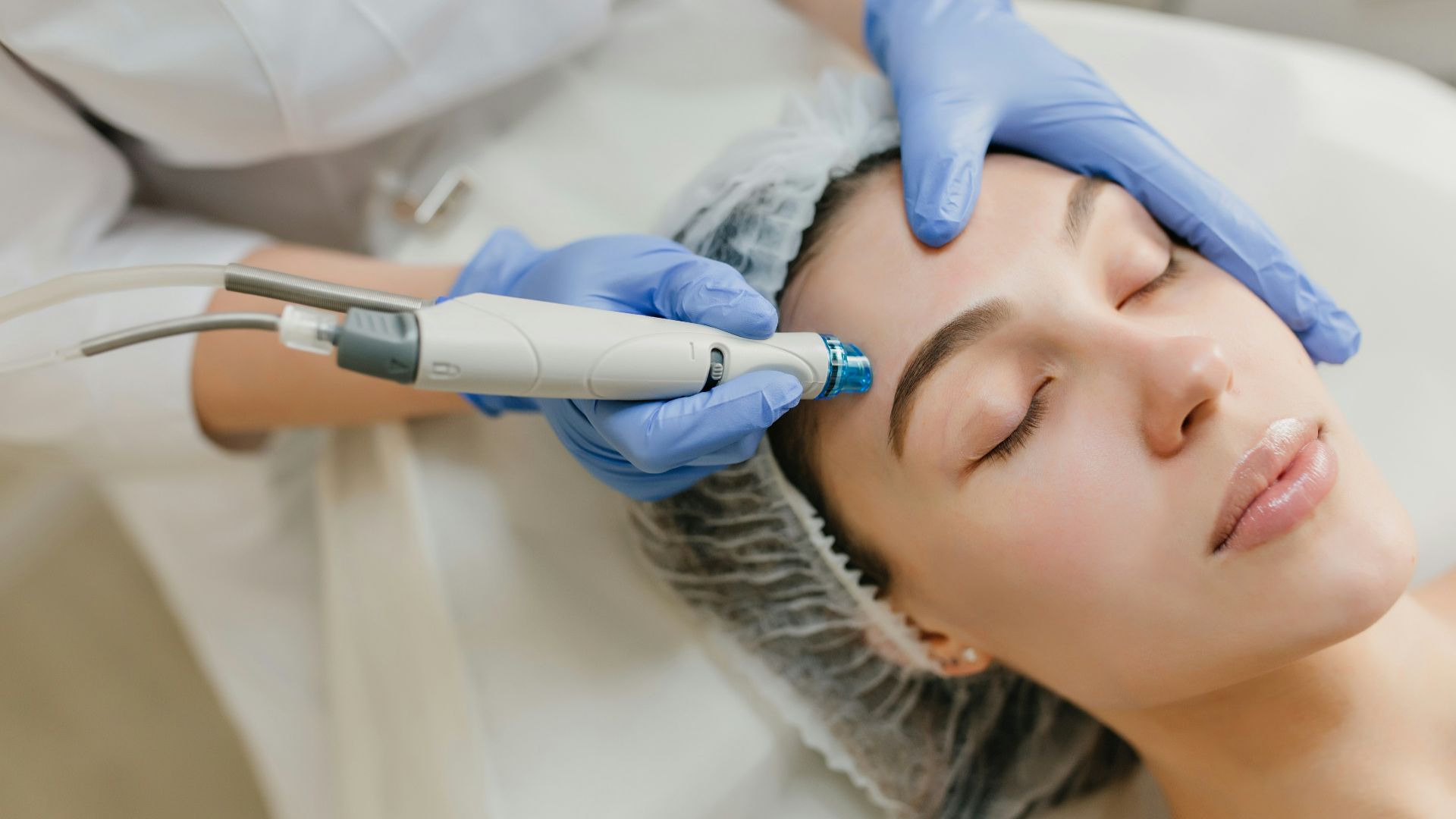
4. Early Chemical Peels
Some treatments were made to make the skin peel. The recipes used acids, metals, botanical extracts, and animal fats to change the skin's surface. We'd use newer language for it now, but the overall idea remains the same.
5. Pearl Powder
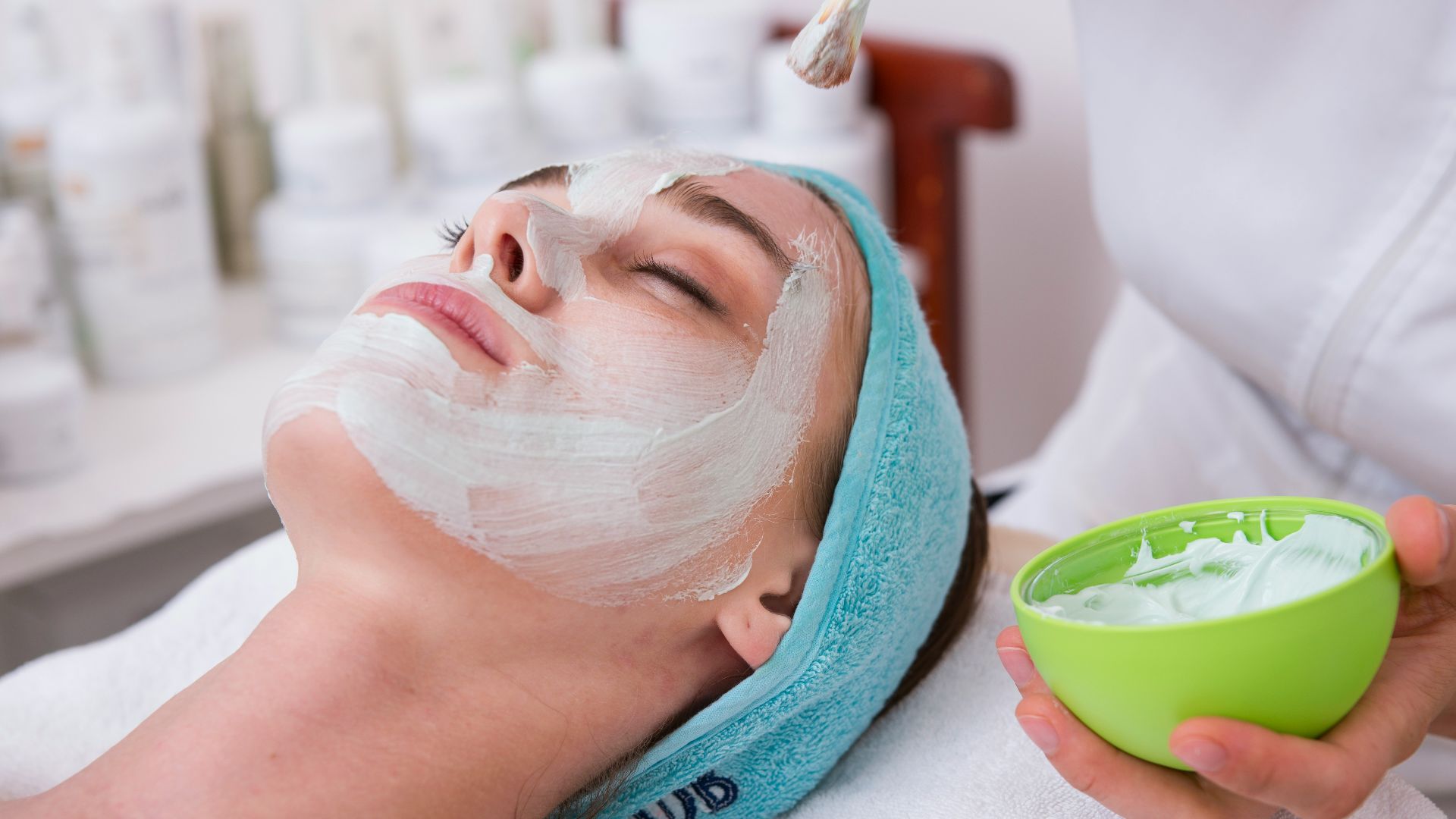
Pearl powder has long been used as a raw material in traditional Chinese medicine and cosmetics. It became part of beauty routines meant to give the complexion a more refined look. That said, it doesn’t prove that it worked as an anti-aging treatment.
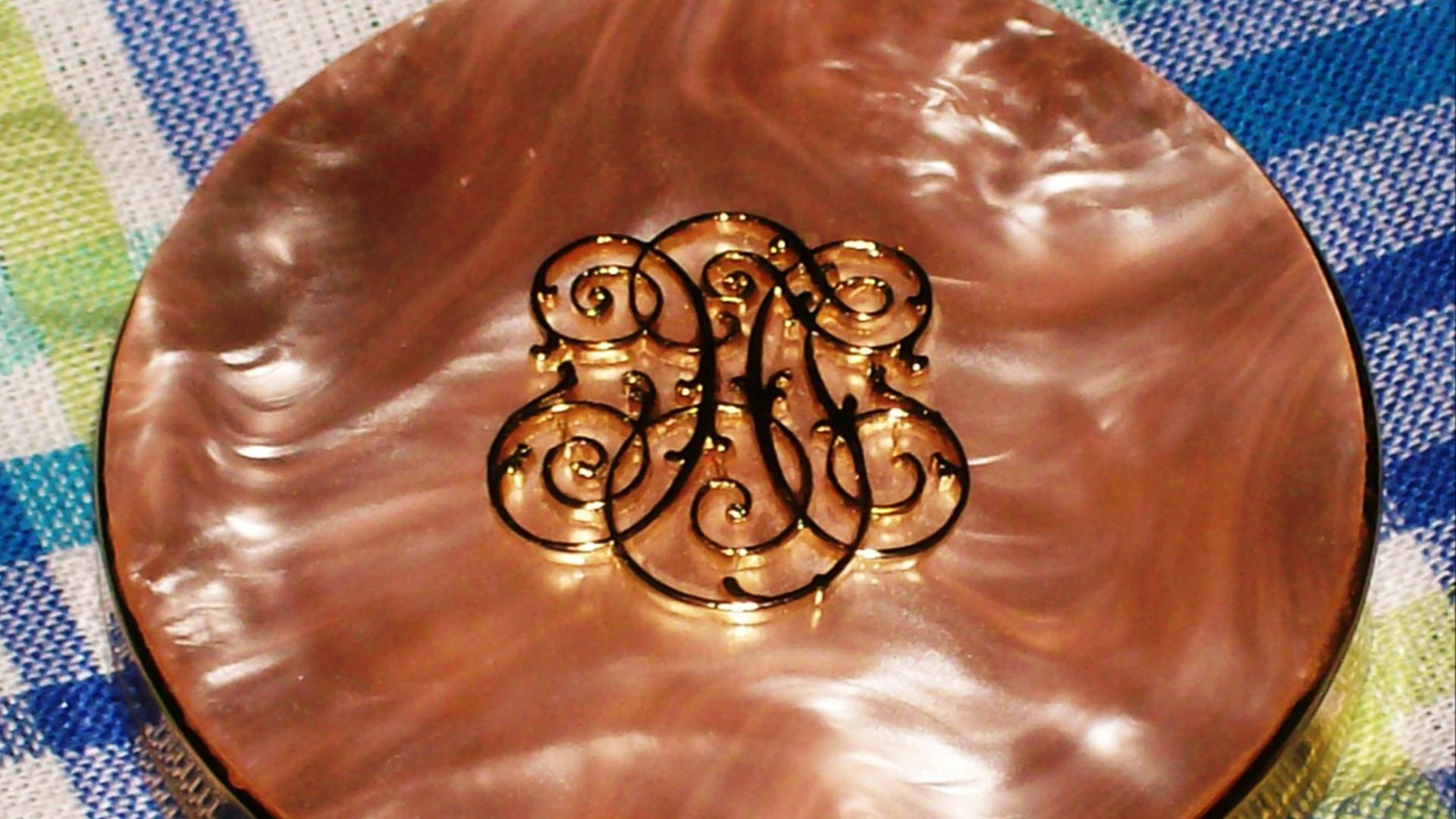 Joe Haupt from USA on Wikimedia
6. Medieval Beauty Recipes
Medieval beauty manuals included recipes with oils, ointments, scents, botanicals, minerals, and animal-derived ingredients. While we share some ingredients with our medieval ancestors, like beeswax and rosewater, we’ve gladly left some components behind. Imagine buying a skin product that contains “stinking iris juice.”

7. White Lead Foundation
Venetian ceruse mixed vinegar and white lead to produce the pale, even complexion prized during the Renaissance and in 18th-century European high society. It could hide blemishes and uneven tone, giving the face a porcelain finish. That finish didn't come without danger: repeated lead exposure carried serious health risks and could also damage the skin.
 After Levina Teerlinc on Wikimedia
8. Rouge for a Rosy Glow
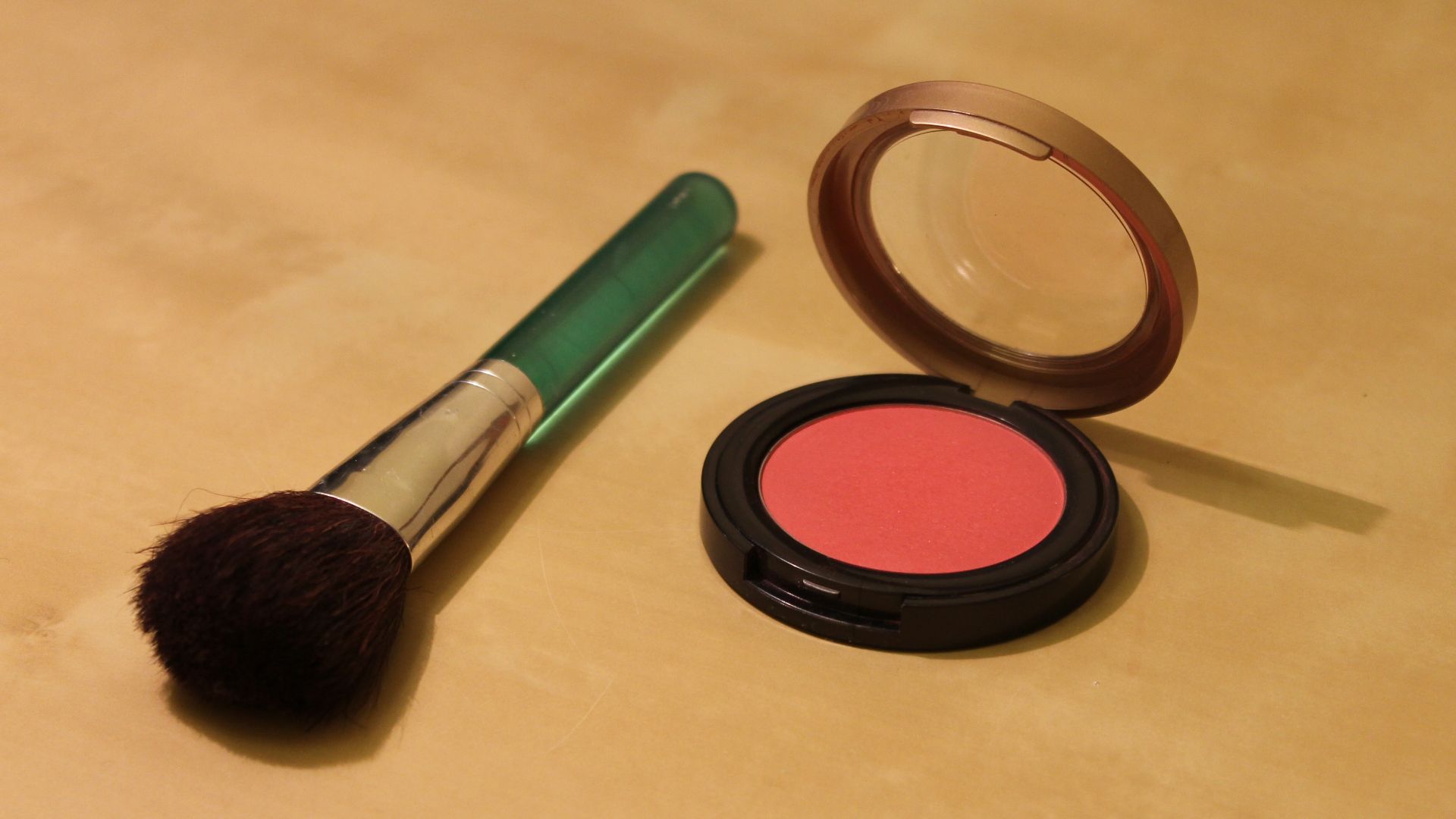
A pale face was often matched with red cheeks and lips to create a lively flush. Cosmetics included carmine, made from crushed insects, and vermilion, a mercury compound. We shouldn’t have to say it, but mercury shouldn’t be applied to the face.
9. Beauty Patches
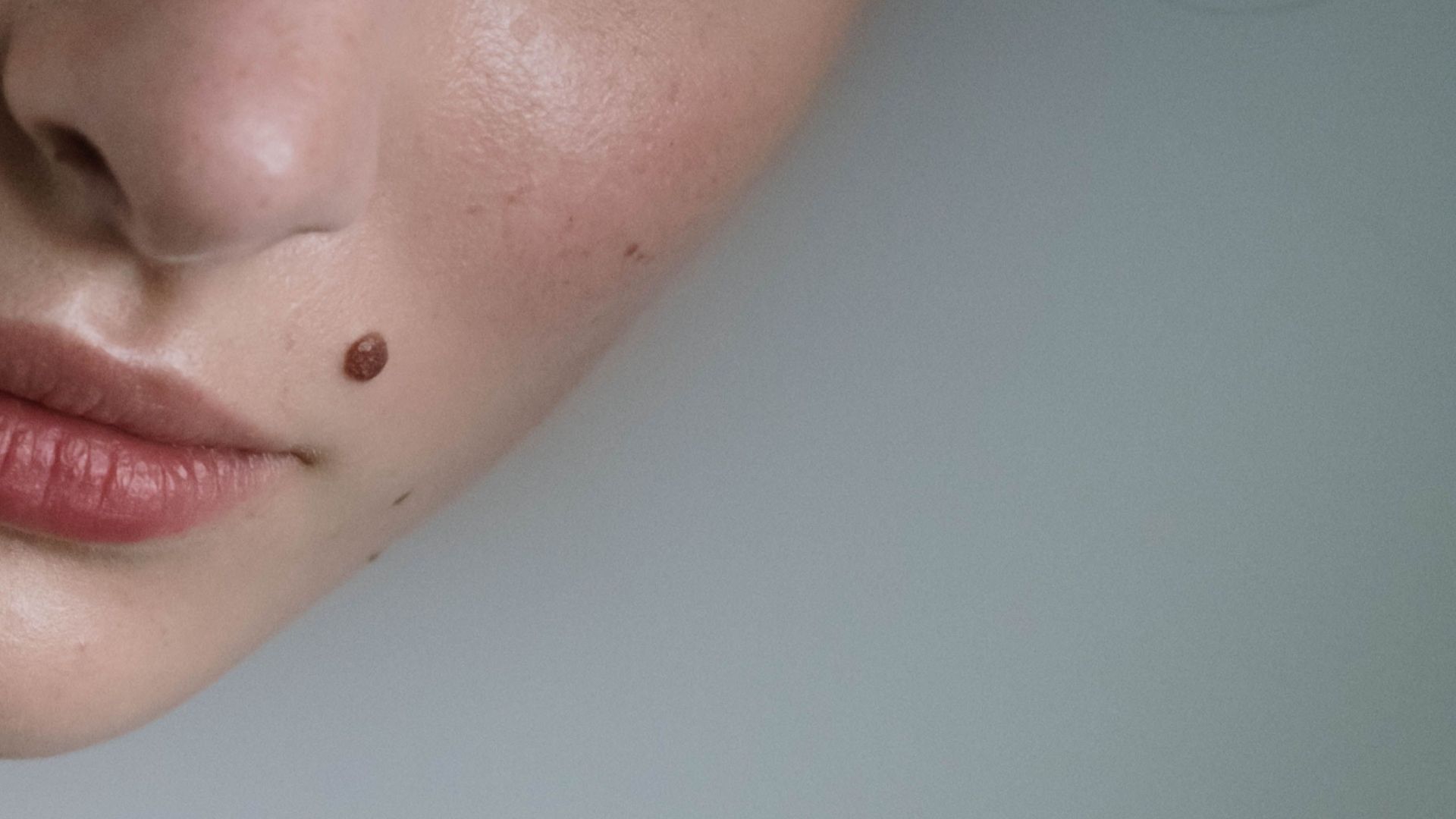
Small black patches called mouches could cover scars, facial lesions, and other marks. They were made from fine black velvet and sometimes mouse skin. This early form of camouflage was meant to make the complexion look smoother at a glance.
10. Belladonna Eye Drops
Some Victorian women used belladonna, made from deadly nightshade, to dilate their pupils. Larger pupils were considered attractive because they made the eyes look softer and more animated. Obviously, putting a deadly nightshade in your eyes comes with some pretty serious health risks.

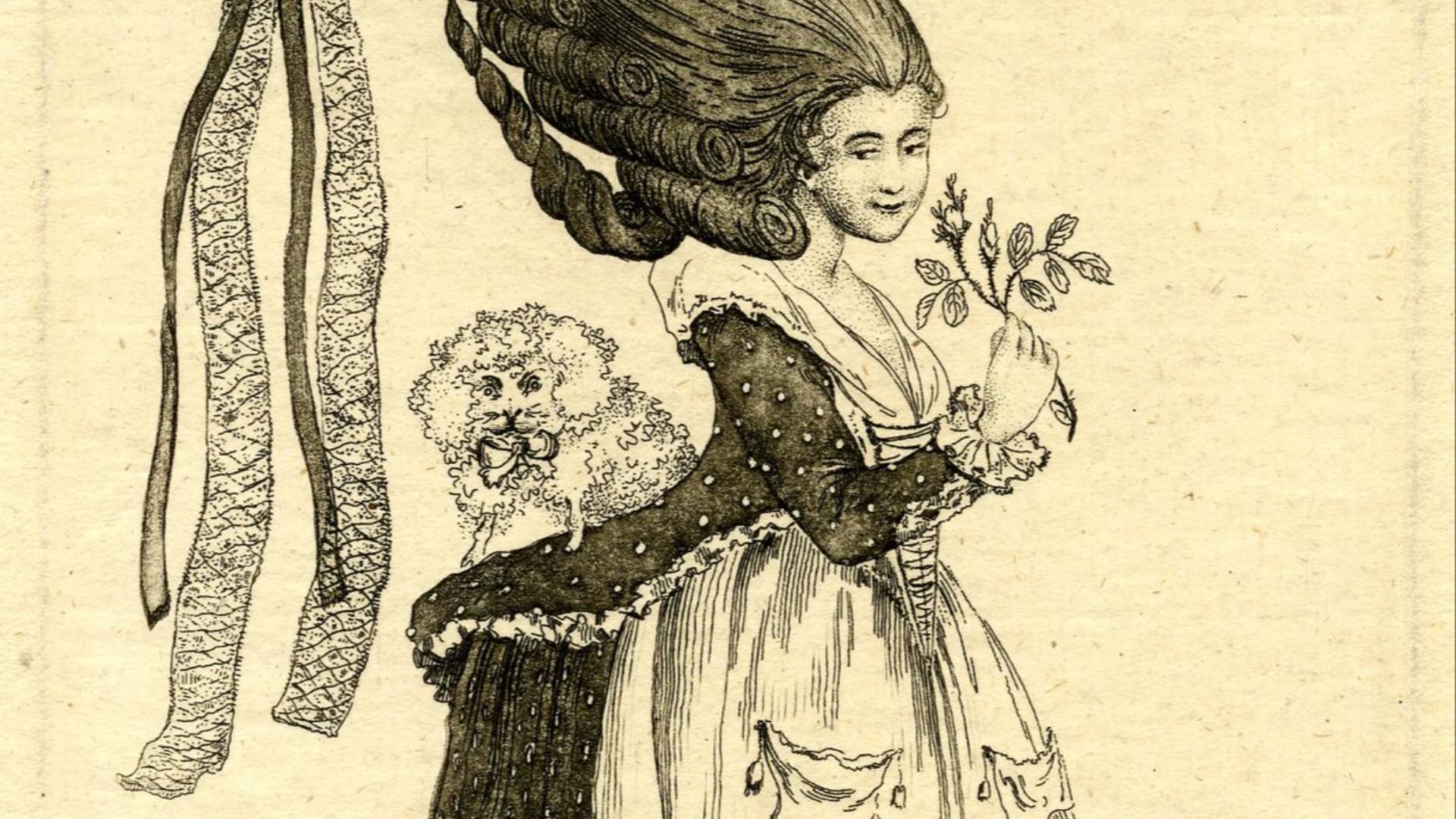
11. Corsets and Cork Rumps
In the late eighteenth century, whalebone corsets and padded "cork rumps," or false buttocks, helped create the fashionable silhouette of the day. They weren't wrinkle treatments, yet looking young was often treated as a concern for the whole body. A tightly controlled waist and fashionable shape could signal vitality, status, and desirability.
12. Flesh Brush Rubdowns
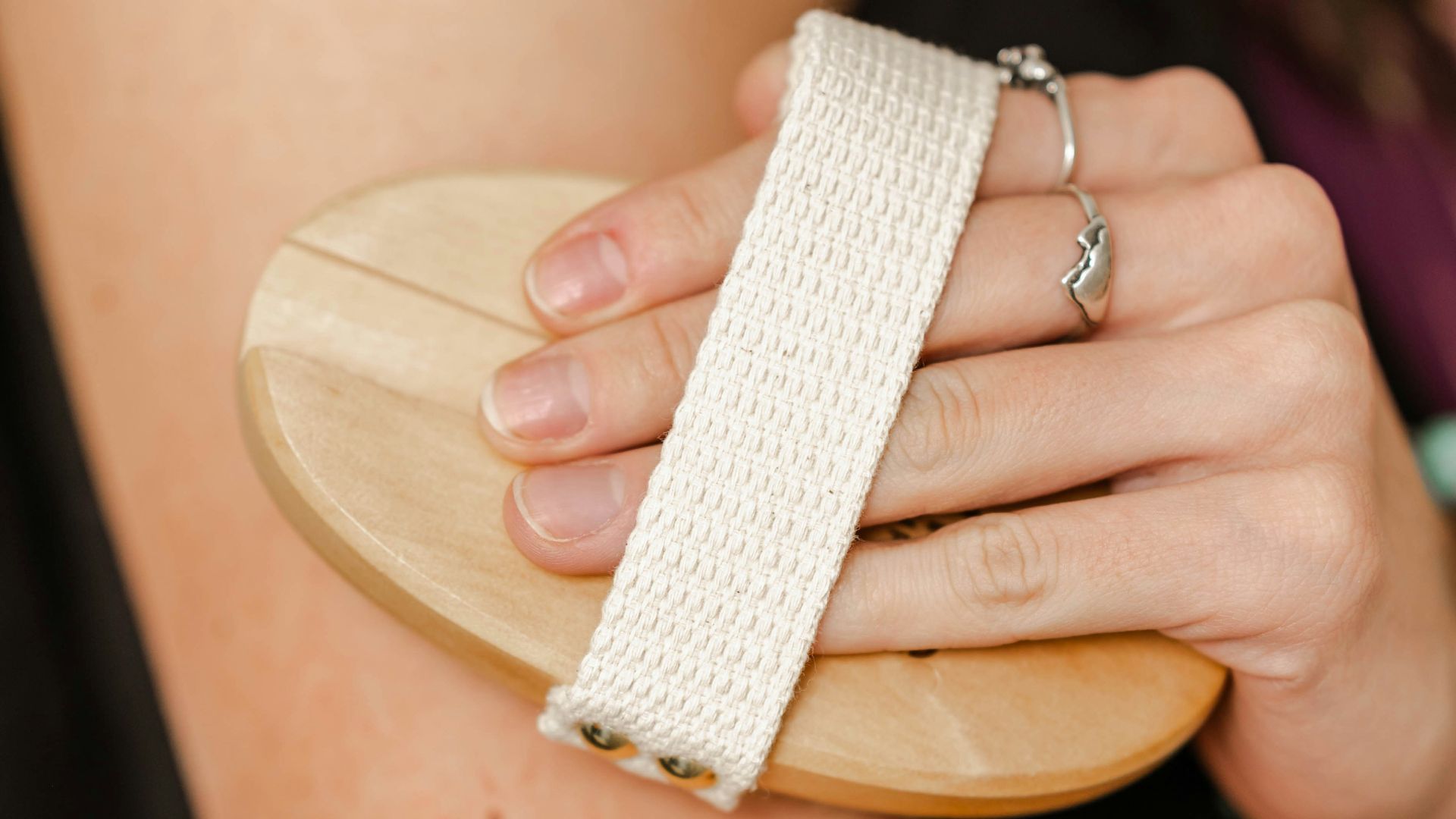
An 18th-century health guide promoted vigorous rubbing with a flesh brush as a substitute for exercise. The guide claimed you didn't need an actual workout to build a stronger, more youthful constitution. It was an early shortcut marketed as a way to keep vitality going.
13. Arsenic Complexion Products
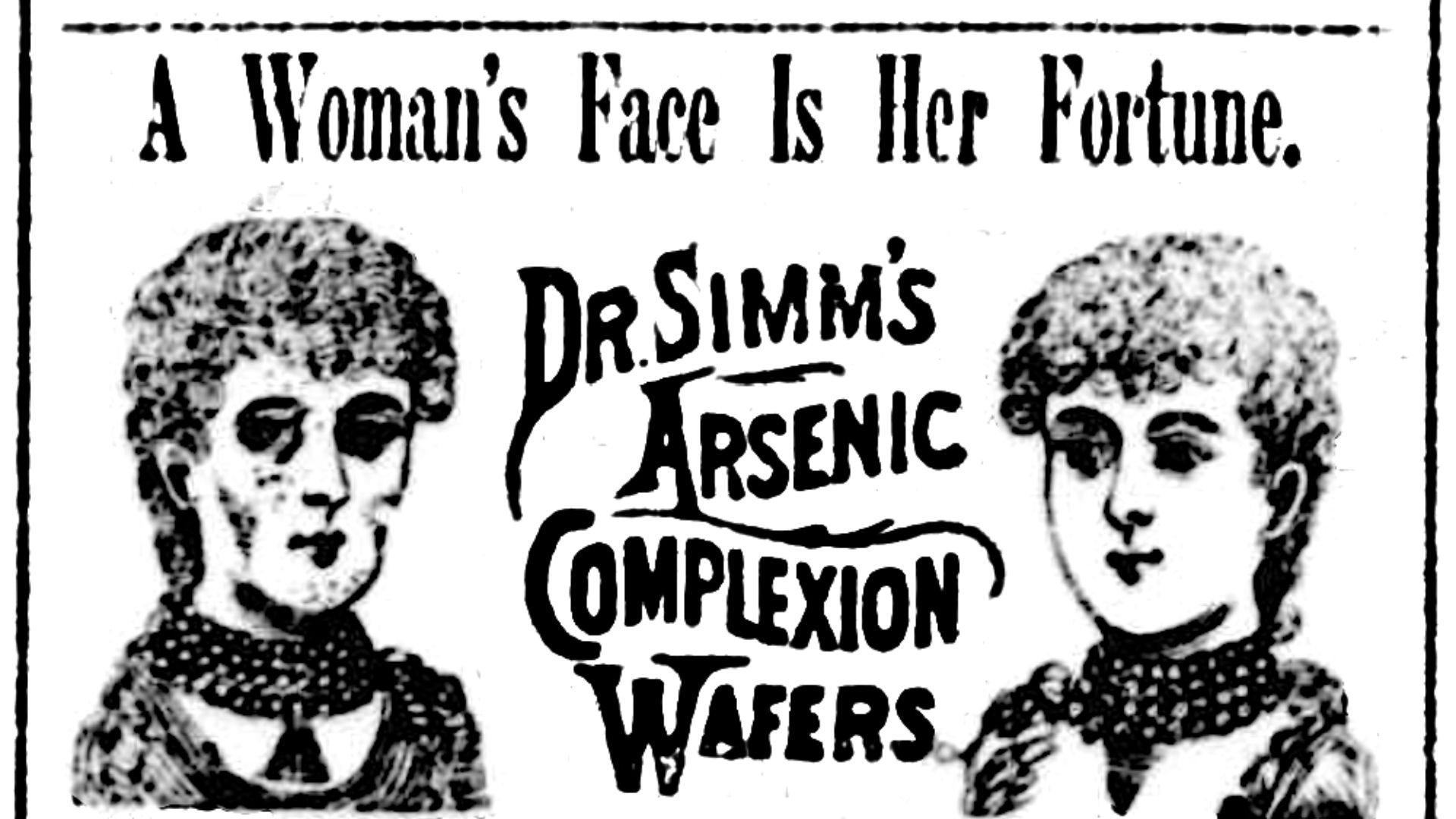
By the late nineteenth century, arsenic showed up in complexion wafers and soaps that promised clearer, whiter skin. The products claimed they could tackle redness, acne, freckles, and blackheads. That all sounds great… except for the arsenic part.
 The Helena Independent (newspaper) on Wikimedia
14. Radium Beauty Products
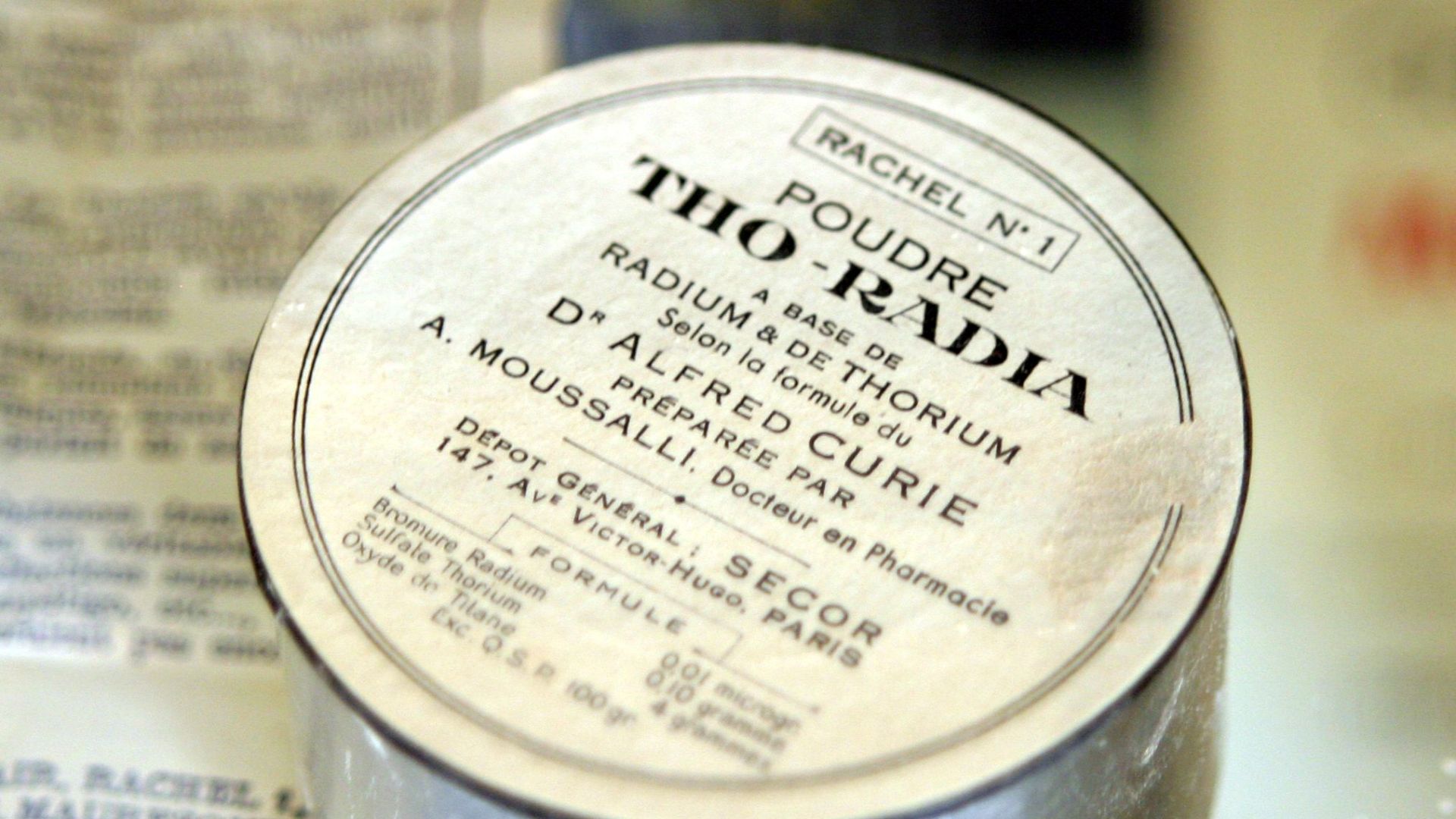
Radium became a beauty-industry fad after its discovery in 1898. It turned up in hand creams, lipsticks, and toothpaste, with its scientific novelty helping sell the products. Thankfully, today we understand the many dangers that come from radiation.
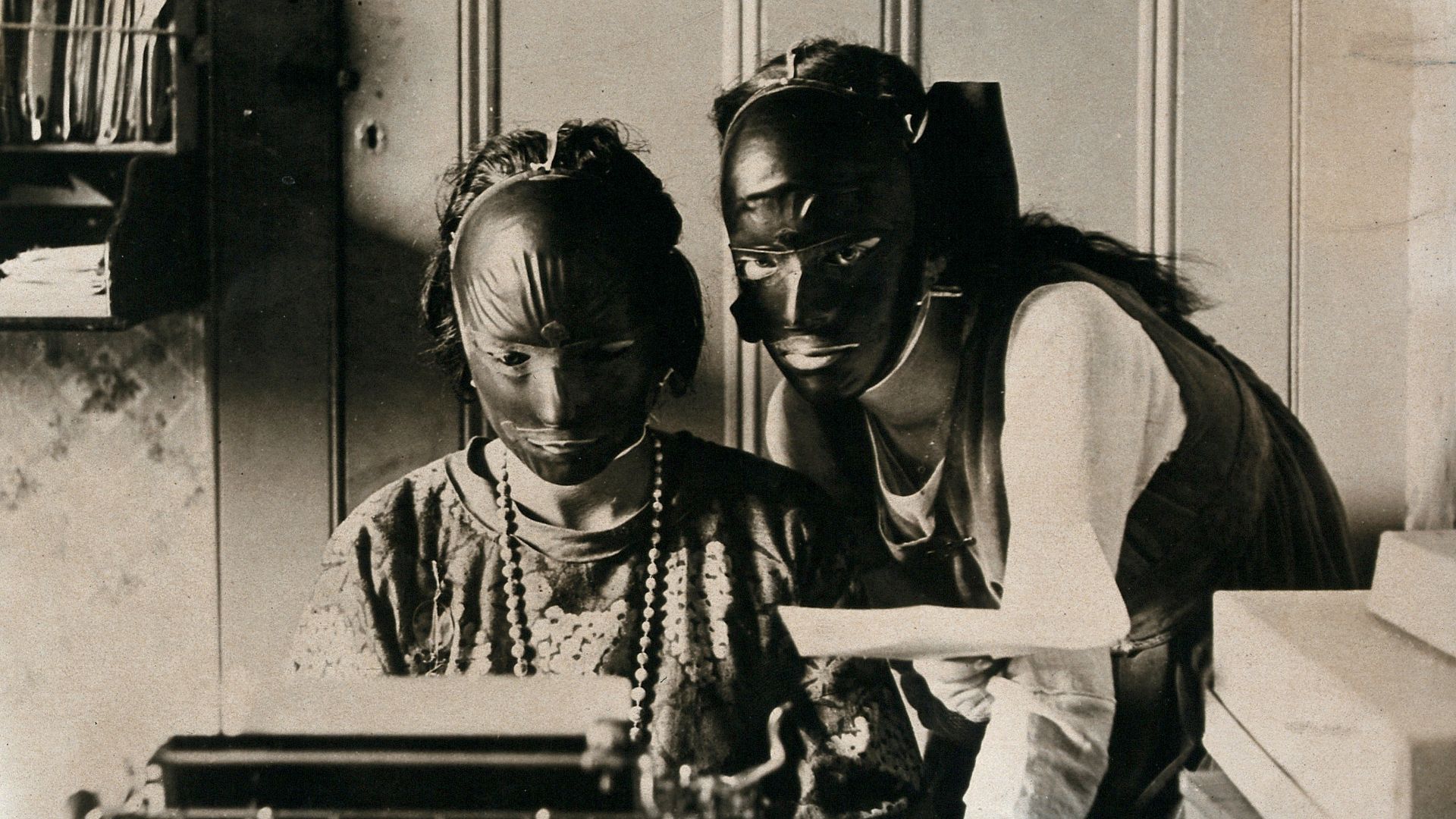
15. Rubber Beauty Masks
In 1921, women wore rubber beauty masks promoted to remove wrinkles and blemishes. The masks had a theatrical appearance, yet they were presented as a way to improve the skin. Unfortunately, there’s no proof that they actually did what was marketed to do.
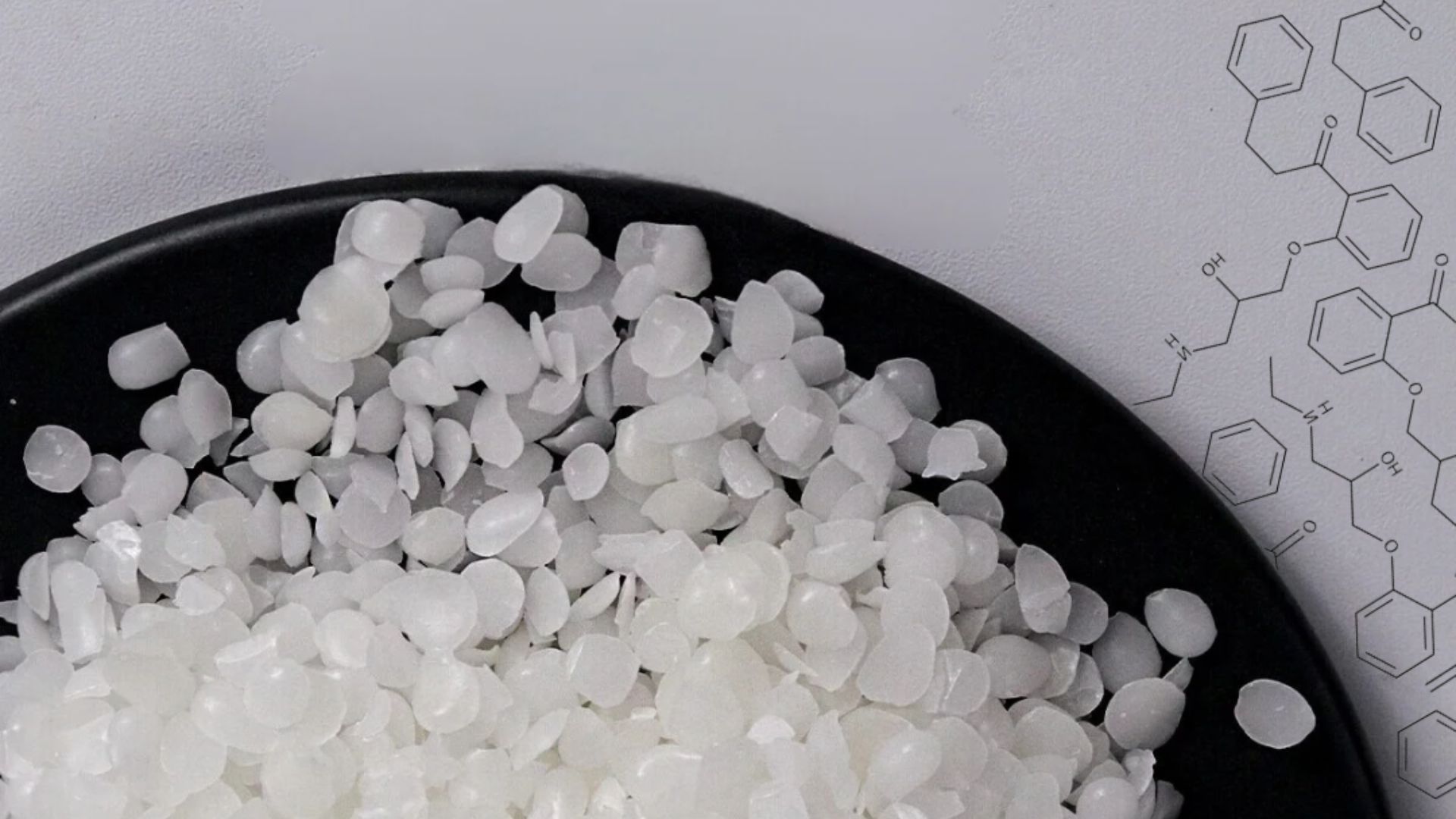
16. Paraffin Injections
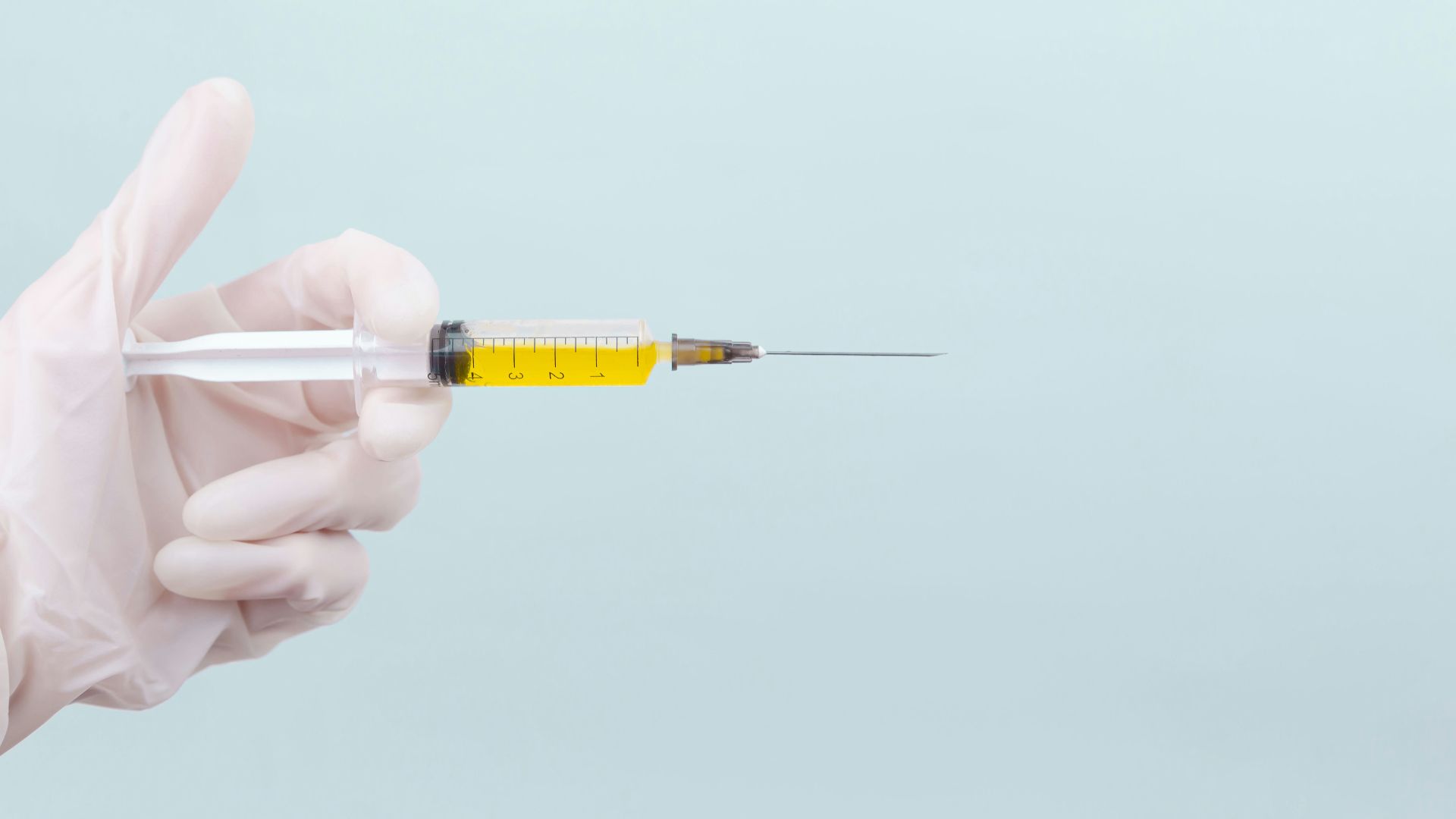
Early 20th-century practitioners injected liquid paraffin into facial lines and contours, hoping it would fill creases from beneath the skin. Disfiguring nodules appeared after paraffin injections for facial wrinkles as early as 1906. It’s safe to say that this trend didn’t last long.
 Riverton Bath and Candle LLC on Wikimedia
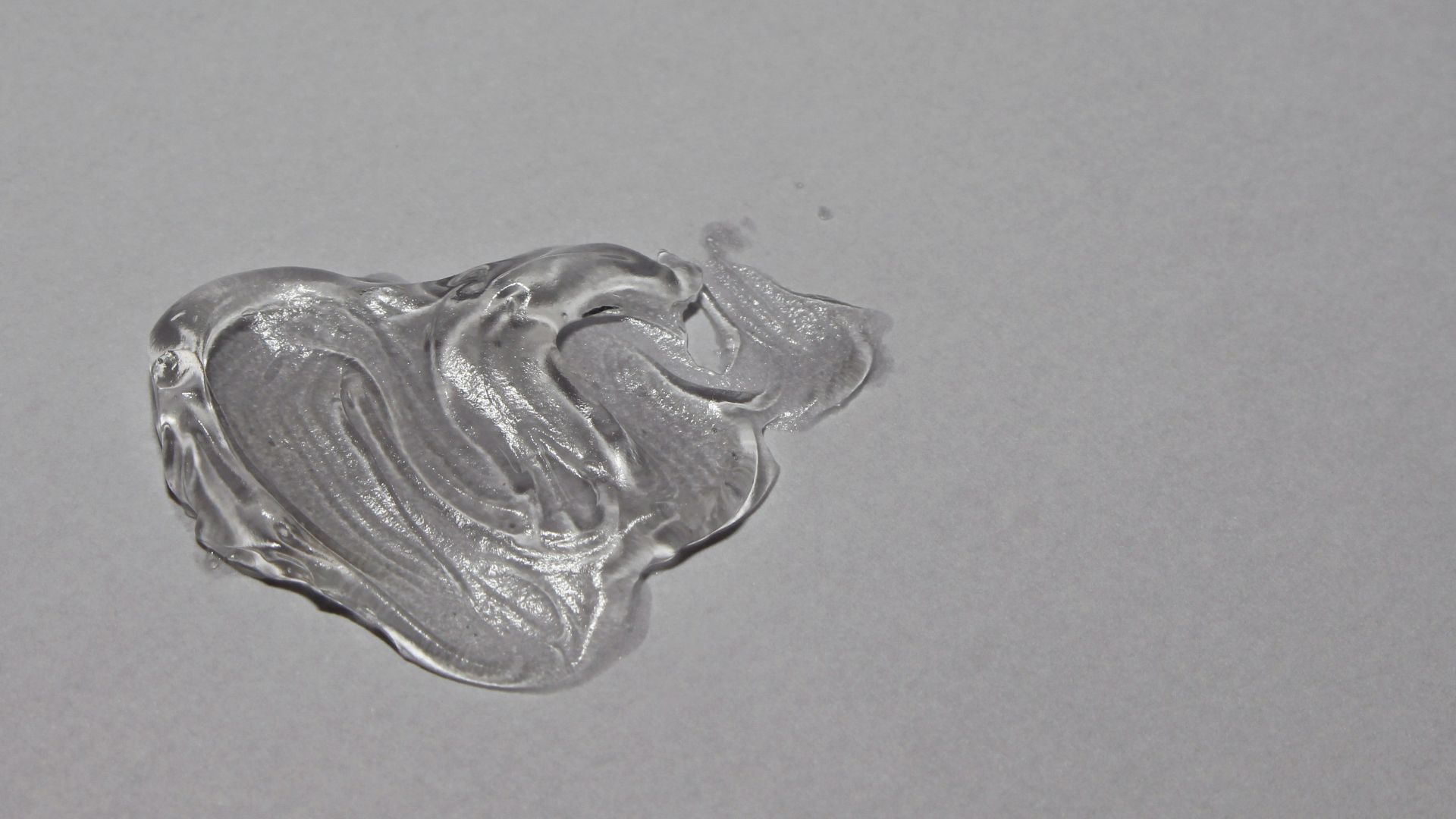
17. Liquid Silicone Fillers
Once paraffin fell out of favor, liquid silicone became another material used to create fuller, smoother contours. It could cause complications, including migration and inflammatory reactions. If you were lucky, you got away with a few bumps under the skin. If you weren’t, you might’ve needed major surgery to remove hardened silicone from somewhere in your body.
 melanfolia меланфолія on Unsplash
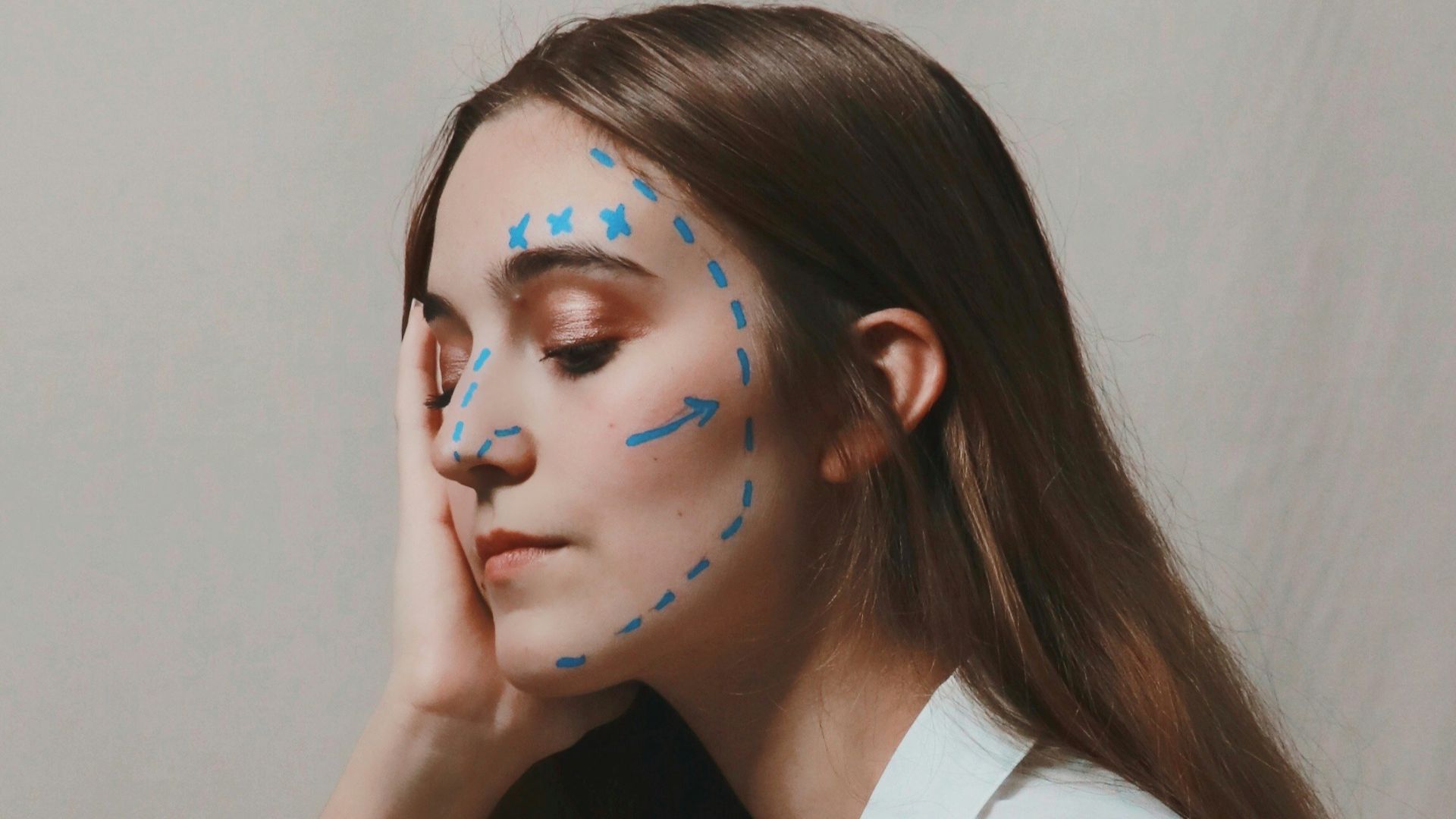
18. Early Facelifts
Facelifts have been performed in some form for more than a century. Early procedures focused on cutting away and tightening skin before the operation developed into more complex techniques. Surgical facial rejuvenation was already established decades before Botox Cosmetic was approved to treat frown lines.
19. Collagen Injections
In 1981, Zyderm, a filler made with bovine collagen, became the first approved collagen filler in the United States. It was used for facial lines, wrinkles, and shallow scars by adding volume beneath the skin. Because it used bovine collagen, people had to have allergy testing before treatment.
20. Tretinoin Cream
By the late 20th century, tretinoin cream had become a medical option for fine facial wrinkles linked to photodamaged skin. It was used alongside comprehensive skin care and sun avoidance, rather than as a quick fix. It could lessen fine wrinkles, but it didn't remove wrinkles or reverse photoaging.
KEEP ON READING



10 Pre-Workout & 10 Post-Workout Tips To Follow