
Still A Black Box
Neuroscience has mapped an enormous amount about the brain, but what it hasn't done is explain some of the most basic things about being a person with a mind. Researchers can watch consciousness happen in real time on a brain scan and still not agree on how or why it happens at all. Even everyday experiences like dreaming, déjà vu, or forgetting a name turn out to be genuinely unresolved once you ask a neuroscientist to explain the mechanism. Here's 20 mysteries about the brain that current science still can't fully answer.
1. Consciousness
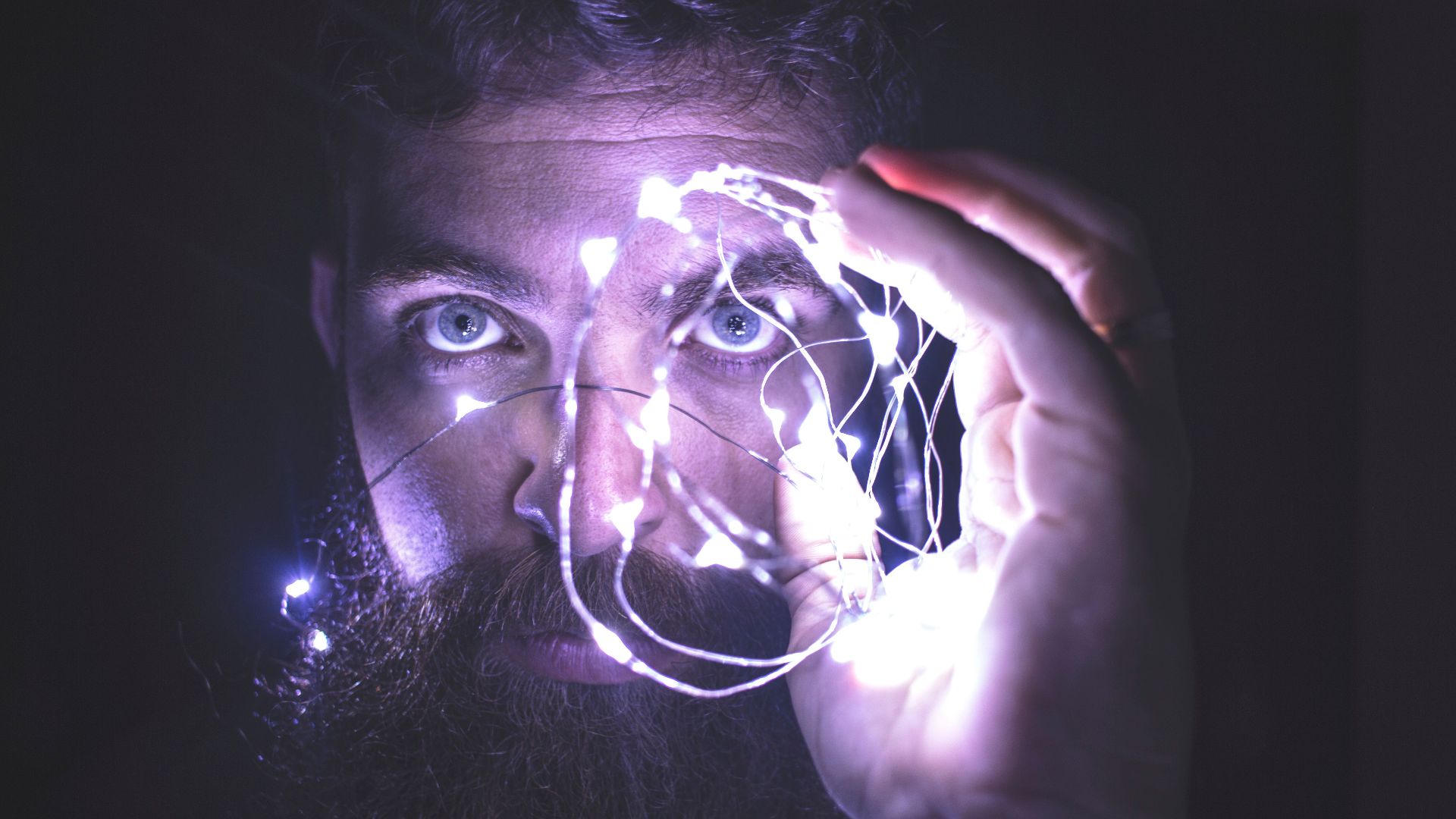
Nobody has a working explanation for why physical processes in the brain produce subjective experience at all, a puzzle philosophers call the hard problem of consciousness. Researchers can identify which brain regions activate during a given thought or sensation, but that correlation doesn't explain why any of it feels like something from the inside. Entire theories compete to answer this, and none has won over the field.

2. Why We Sleep
Every animal with a nervous system sleeps in some form, which suggests it serves something essential, yet no single theory fully accounts for what that something is. Memory consolidation and cellular cleanup both play a role, but neither explains why the cost of total unconsciousness for hours at a time was worth the evolutionary trade-off. Go without it long enough and the body eventually fails, but exactly why remains unsettled.

3. Why We Dream
Dreams recruit large parts of the brain, generate vivid sensory experiences, and follow something like a narrative structure, yet their actual function is still debated. Some researchers argue dreaming helps process emotional memories, others that it's mostly a side effect of other sleep processes with no purpose of its own. Nobody has settled which explanation is closer to true.

4. Where Memories Live
Scientists know memories involve strengthened connections between neurons, but pinning down the actual physical location of a specific memory, the so-called engram, has proven far harder than the theory suggests. Some memories appear to be distributed across many brain regions rather than stored in one place. How the brain retrieves the right memory out of that mess, instantly and usually correctly, is still not fully mapped.

5. The Neural Code
Neurons communicate through electrical spikes, but how exactly a pattern of spikes translates into a specific thought, image, or memory is still not understood at the level of individual neurons. Researchers can decode some simple signals, like which direction a hand is about to move, but nothing close to a general translation exists. The brain's actual language remains largely unread.
6. How Anesthesia Works
General anesthesia reliably switches off consciousness, yet the precise mechanism behind it is still not fully understood, even after more than 150 years of clinical use. Different anesthetic drugs act on entirely different receptors, which makes a single unified explanation difficult to pin down. Doctors know it works; they're still working out exactly why.
 yaser mobarakabadi on Unsplash
7. The Binding Problem
Color, shape, motion, and sound are all processed in separate parts of the brain, yet somehow they arrive together as one seamless experience of, say, a red ball bouncing. How the brain combines those separate streams into a single unified perception, without any obvious central place where the combining happens, remains an open question known as the binding problem.

8. Free Will And The Readiness Potential
In the 1980s, researcher Benjamin Libet found that brain activity linked to a decision appeared to begin before people reported consciously deciding to act. The finding has been reproduced in various forms since, and scientists still disagree over what it actually proves about free will. Some read it as evidence that decisions form unconsciously first; others argue the original interpretation overreached.

9. Déjà Vu
Nearly everyone experiences déjà vu at some point, that unsettling sense of having lived through a brand-new moment before, but neuroscientists still don't agree on what causes it. Leading theories point to a brief misfire in memory circuits, momentarily flagging something new as familiar. None of the theories has been confirmed well enough to close the case.

10. Synesthesia
Some people consistently see specific colors when they hear music, or taste flavors when they read certain words, a crossing of the senses called synesthesia. Brain imaging shows unusual connectivity between sensory regions in people who experience it, but why those extra connections form, and why only in some people, is still unclear.

11. Blindsight
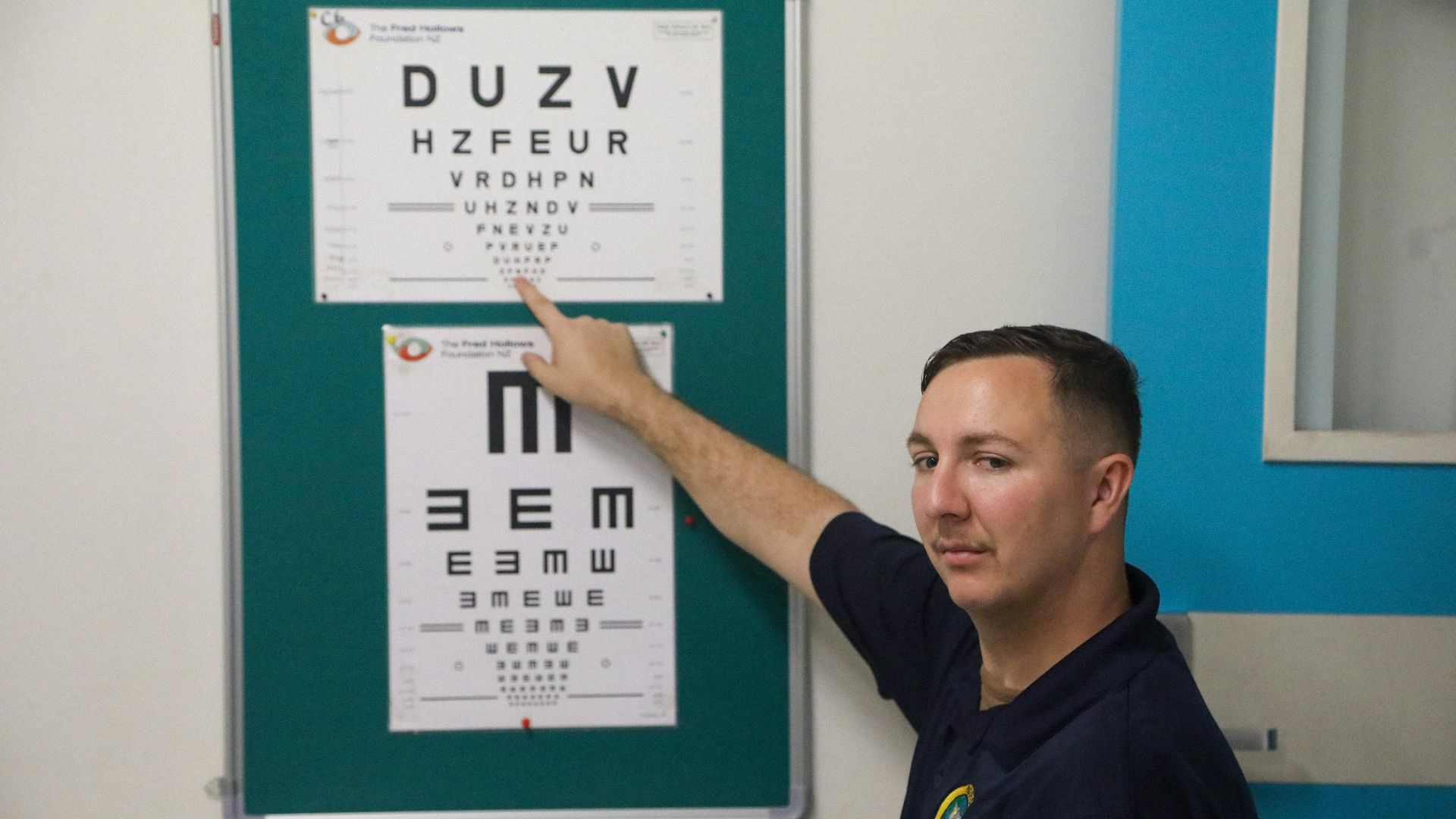
Some people with damage to their visual cortex report being completely unable to see, yet can still accurately point to or respond to objects placed in their blind field when asked to guess. The visual information is clearly reaching the brain and influencing behavior without ever reaching conscious awareness. Exactly how that split between processing and awareness works remains a live research question.
12. Phantom Limb Sensations
Most people who lose a limb continue to feel it, sometimes painfully, for years afterward, a phenomenon known as phantom limb sensation. Competing theories point to the brain's map of the body failing to update, or to damaged nerves sending confused signals, but no single explanation accounts for every case. Treatments like mirror therapy help some patients without anyone fully understanding why.

13. The Placebo Effect
An inert pill can measurably reduce pain, and in some cases trigger real, observable changes in brain chemistry, just because a person believes it's real medicine. The effect is strong enough that clinical trials have to control for it, yet the exact neural pathway connecting belief to physical outcome is still being worked out. Expectation alone, it turns out, does something the brain treats as genuinely real.

14. The Claustrum
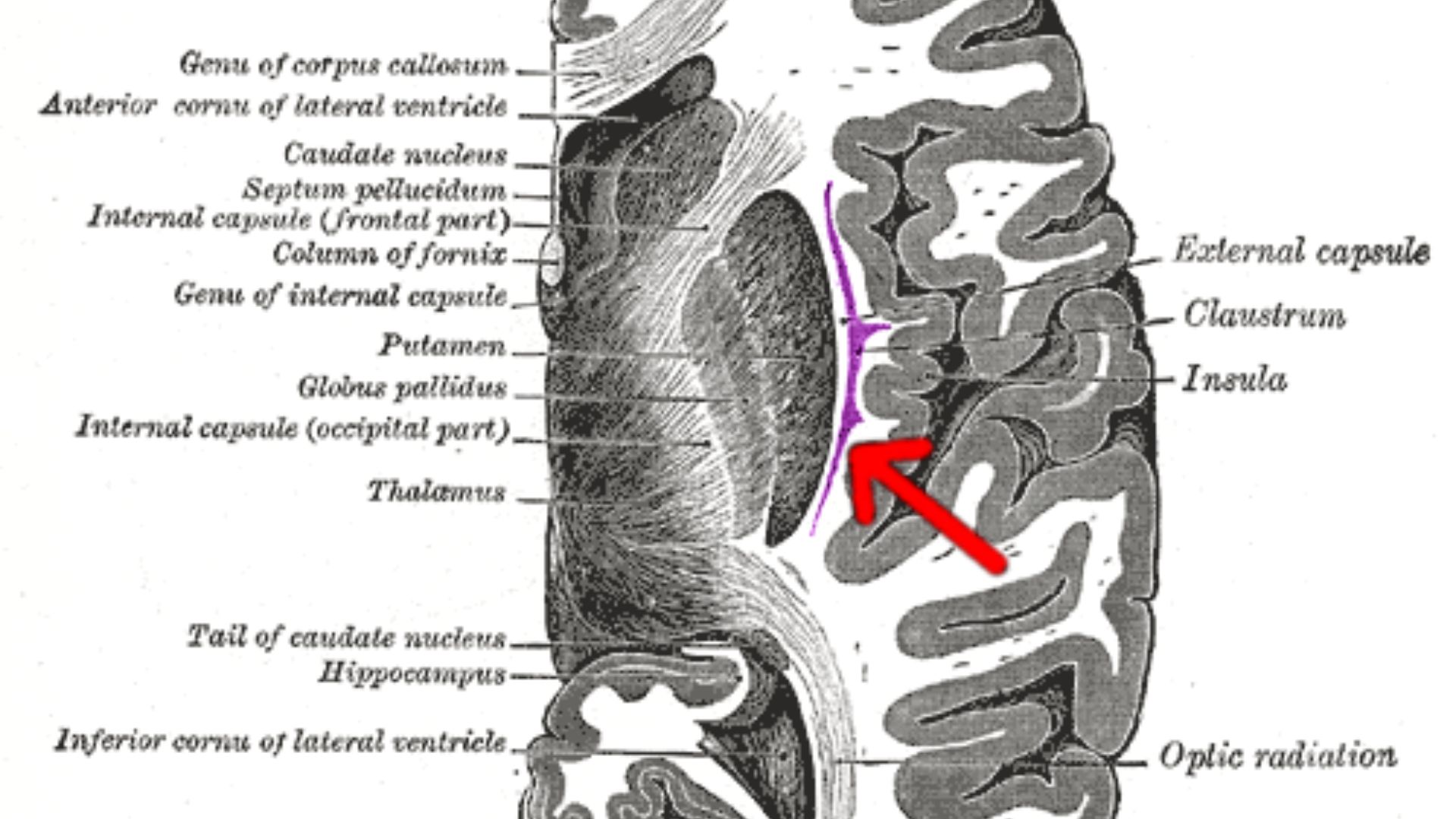
Tucked beneath the cortex is a thin sheet of neurons called the claustrum, connected to nearly every other region of the brain. The late scientist Francis Crick speculated it might act as a kind of conductor, binding different brain processes into one conscious experience, though the idea remains unproven. Its actual function is still one of the least understood in the entire brain.
15. Split-Brain Consciousness
When the band of tissue connecting the brain's two hemispheres is surgically cut, a rare treatment for severe epilepsy, patients sometimes behave as though they have two separate streams of awareness operating side by side. Whether that means two genuinely conscious minds are sharing one skull, or one mind is adapting to a strange new setup, is still argued over decades after the surgery was first studied.
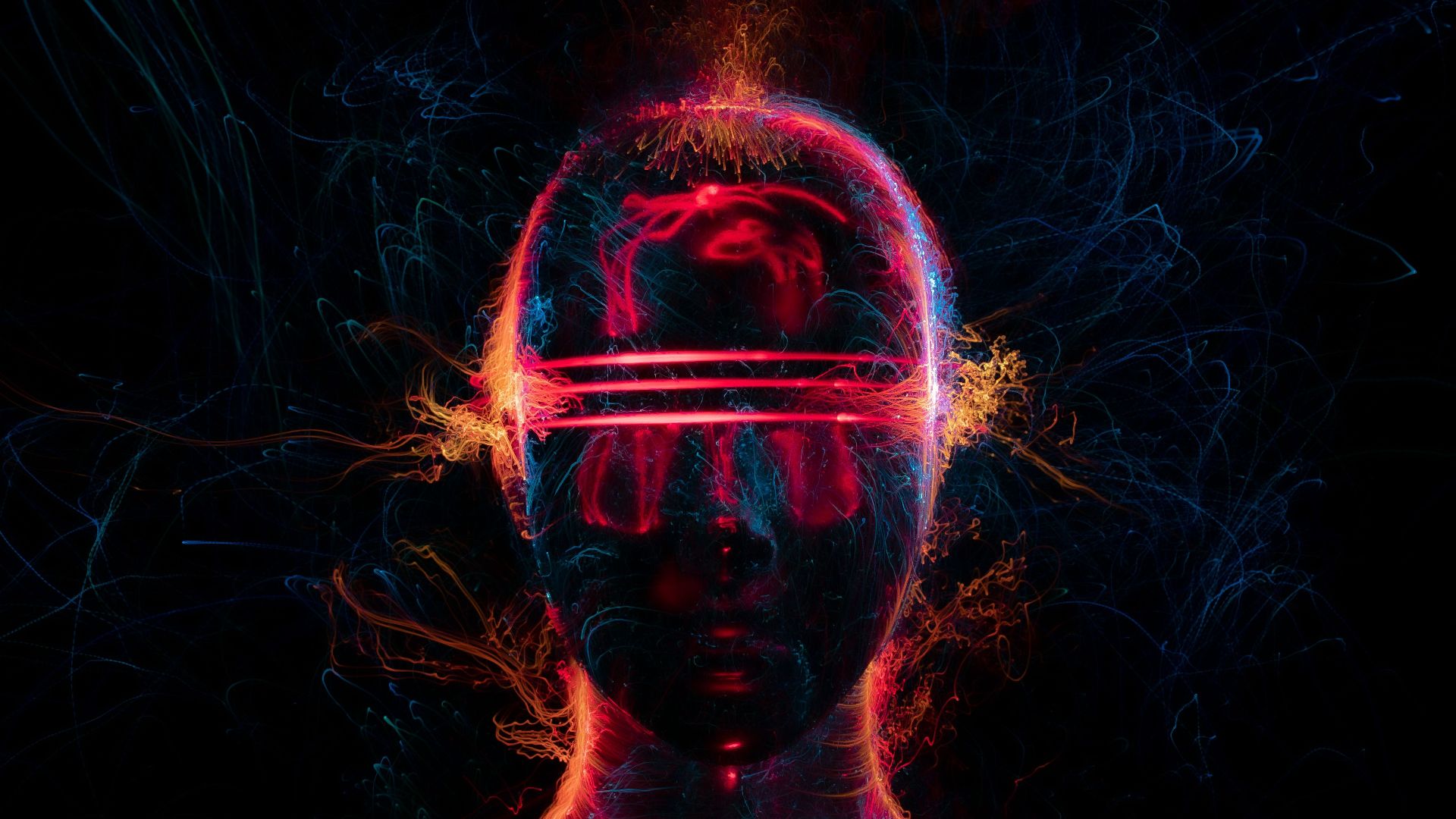 Merlin Lightpainting on Pexels
16. Savant Syndrome
A small number of people, some with autism, some following a brain injury in adulthood, develop extraordinary abilities in music, art, or calculation, often alongside significant cognitive impairment elsewhere. Researchers have theories involving unusual brain wiring and damage that may remove normal cognitive limits, but no complete model explains why the trade-off happens the way it does.

17. Why You Can't Tickle Yourself
The brain reliably predicts and cancels out sensations caused by your own movements, which is why self-generated touch, like tickling yourself, barely registers compared to the same touch from someone else. What's less settled is exactly how the brain draws that line between self and other so precisely, and why the mechanism occasionally breaks down in certain psychiatric conditions.

18. The Default Mode Network
When a person isn't focused on any task at all, just sitting quietly, a specific network of brain regions becomes more active rather than less. What this default mode network is actually doing during that downtime, whether it's simulating scenarios, consolidating memory, or something else entirely, is still debated.

19. Measuring Consciousness In Unresponsive Patients
Some patients in a vegetative state, unable to move or respond to any command, still show meaningful brain activity when asked to imagine playing tennis, detected only through brain scans. How much conscious awareness exists behind an unresponsive body, and how to reliably detect it, remains one of the most consequential open questions in clinical neuroscience.

20. Why The Brain Is So Energy Efficient
The human brain runs on roughly 20 watts of power, about what it takes to run a dim light bulb, while outperforming supercomputers that require thousands of times more energy on many everyday tasks. Researchers studying the brain's massively parallel structure hope to explain that efficiency well enough to copy it, but a full account of how the brain pulls it off is still a work in progress.

KEEP ON READING

20 Crazy Things The Body Does When You Get Angry

20 Ways People Tried To Stay Young Before Botox