

Better Rest Takes a Different Strategy
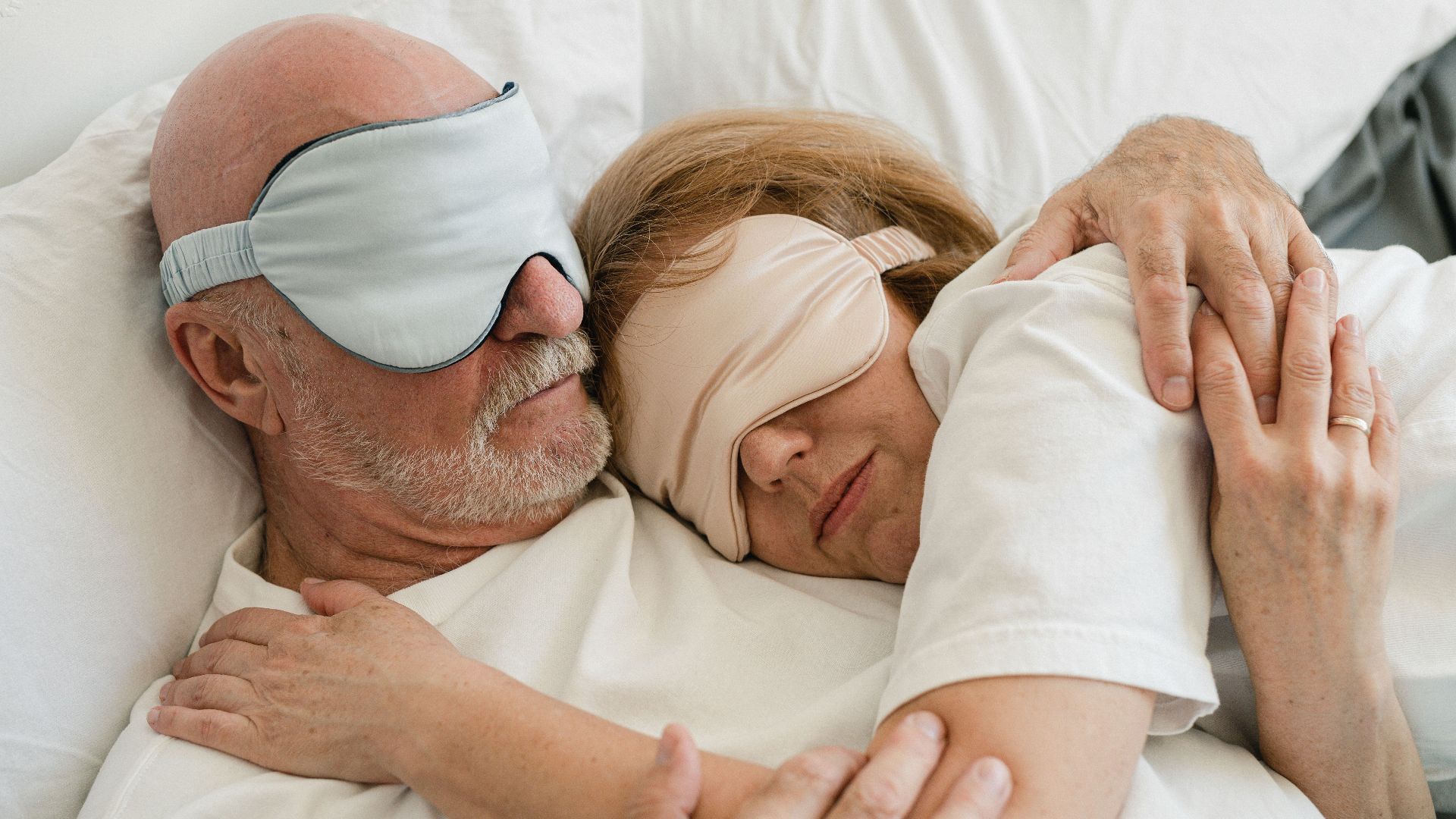
Sleep after 50 often requires more attention than it did in your 30s or 40s, whether you want to admit it or not. You may still need a solid night of sleep, but the habits that once worked without much effort can start causing problems, especially if you’re dealing with common concerns older generations struggle with, like hormonal changes or health issues. The good news is that small, specific changes can make your nights steadier and your mornings feel less draining—and we’ve narrowed down 20 you can try.
1. Keep Your Wake-Up Time More Consistent
In a cruel twist of fate, after 50, your internal clock can become easier to disrupt. That means that sleeping in for three hours on Sunday may make Monday night harder than expected! A steady wake-up time, even after a poor night, helps your body know when to feel alert and when to wind down.

2. Get Morning Light Earlier in the Day
You may have been a night owl when you were younger, but it’s time to embrace the sunrise. Morning light becomes more useful as your sleep rhythm shifts with age, especially if you’re waking too early or feeling sleepy right after dinner. Do yourself a favor—open the blinds during breakfast, drink coffee near a sunny window, or take a 10-minute walk before checking your phone.

3. Cut Off Caffeine Sooner
We know it sounds like a nightmare, but caffeine can actually feel stronger after 50; sleep often becomes lighter and more easily disturbed. Instead of having coffee at 3 p.m., move your last caffeinated drink to late morning or early afternoon and switch to water later in the day.

4. Treat Snoring as a Clue
Loud snoring, gasping, morning headaches, and daytime sleepiness shouldn’t be brushed off as normal aging. More often than not, these can be signs of sleep apnea, which becomes more common with age. If your partner says you experience any of the symptoms, ask your doctor about a sleep study.

5. Make Nighttime Bathroom Trips Safer
It’s a little embarrassing to admit sometimes, but there’s no shame in acknowledging that bathroom trips become more common with age. However, the bigger concern is falling when you’re half-asleep. Keep safe and put motion-sensor nightlights in the hallway, remove loose rugs, keep slippers beside the bed, and avoid leaving obstacles near your path.

6. Move Fluids Earlier
Speaking of nighttime urination, drinking most of your fluids late in the evening can turn sleep into a series of bathroom breaks. Aim to hydrate more steadily from morning through dinner, then keep bedtime drinks small unless your clinician has told you otherwise. The more you can do to sleep through the night, the better.

7. Review Your Medications
Many people over 50 take medications that can affect sleep timing, nighttime urination, vivid dreams, leg movements, or alertness. It’s important to bring the full list to your doctor and build a plan from there. Don’t stop anything on your own, but do ask whether taking a medication in the morning instead of at night could help.

8. Nap Earlier
A nap can be helpful after a rough night, but long, late-day naps only steal sleep from the night ahead. It might not seem like it, but it’s smarter to try keeping naps to about 20 or 30 minutes and taking them before midafternoon. On the other hand, if you need two-hour naps to function, that’s a sign to look for an underlying issue rather than simply accepting exhaustion.

9. Take Pain Seriously Before Bedtime
There was a time when we could fluff off pain as nothing that wouldn’t sort itself out—not anymore. Arthritis, back pain, shoulder pain, and neuropathy can keep sleep shallow even when you’re technically in bed for eight hours. Talk with your healthcare provider about safe timing for pain treatment, especially if discomfort keeps waking you up.

10. Be Careful With Evening Alcohol
Alcohol may make you feel sleepy at first, but it can do a lot more than ruin your night. It can also fragment sleep later in the night and worsen snoring or reflux. After 50, that 9 p.m. glass of wine may show up as a 2 a.m. wake-up with a dry mouth and restless thoughts.

11. Adjust Dinner for Reflux
Reflux becomes a bigger sleep problem for many adults as they get older, especially after large or spicy meals. That means that eating dinner earlier and avoiding late trigger foods such as fried food, chocolate, or tomato sauce can make lying down more comfortable.

12. Keep the Bedroom Cooler
It’s common to experience cold spells as you age, but cooler rooms can actually be a bigger help than you think. Try breathable pajamas, lighter blankets, a fan, or moisture-wicking sheets if you wake up hot. Best of all, it doesn’t have to affect marriages, either; couples can sleep better with separate blankets if one person runs cold and the other doesn’t.

13. Dim the House Before Bed
Bright lights late at night can make it harder for your brain to shift toward sleep. While you may have freed yourself from your demon phone, that doesn’t mean other lights won’t affect you. After dinner, use lamps instead of overhead lighting and avoid turning on a harsh bathroom light right before bed.

14. Save the Bed for Sleep and Intimacy
The bed works better when your brain doesn’t associate it with television, work emails, or doom scrolling. If you’re awake for a while, get up and do something quiet in low light, such as reading or folding a small load of laundry. Return to bed when you feel sleepy instead of lying there for an hour watching the clock.

15. Watch for Restless Legs
Uncomfortable sensations, such as twitching or repeated kicking, can increase with age, and in some cases, those symptoms may point to restless legs syndrome. Tell your doctor if your legs feel crawly, achy, or impossible to keep still at night, especially if your partner notices frequent movements. Without seeing a doctor, all you’re doing is keeping you and your partner up at night.

16. Strengthen Your Wind-Down Routine
A consistent bedtime routine becomes more valuable when sleep is less automatic. Keep it simple enough to repeat, so there’s no chance of failure! Washing your face, brushing your teeth, taking medications as directed, stretching for five minutes, and reading for 10 minutes can all help give your body the same signals every night.
 Centre for Ageing Better on Unsplash
17. Exercise
Exercise is just as important as you age, so don’t forget about it. A brisk morning walk, light strength training, tai chi, or even a simple bike ride before dinner can help without pushing bedtime later. If you struggle with joint pain, you can also ask about low-impact options rather than giving up on workouts altogether.

18. Reconsider Sleep Aids
The funny thing with sleep medications is that they can carry more risk after 50, including grogginess, falls, and confusion. They may even interact with other prescriptions. So, if insomnia has lasted for weeks, ask about cognitive behavioral therapy for insomnia instead of relying only on a pill.

19. Plan for Hormonal Sleep Changes
No one wants to deal with hot flashes, night sweats, mood changes, or early-morning waking—but it happens as we age. The good news is that practical changes can help, such as layered bedding and breathable sleepwear. If symptoms persist, however, talk with a clinician.

20. Track Patterns Before You Guess
Sleep problems after 50 often have more than one cause, so guessing will only really waste time. Keep a simple two-week log to go over with your clinician. Clear patterns, such as worse sleep after late coffee or more wake-ups on pain-heavy days, make it easier to choose the right next step.

KEEP ON READING

20 Signs Your Body Is Asking for More Sleep