
Not Every Dental Trend Is Worth Following
Social media has made oral health advice more accessible than ever, but it has also turned dental care into a source of endless trends, hacks, and questionable experiments. While some viral ideas generate attention because they're unusual or dramatic, dentists generally prefer simple, evidence-based habits that have been proven to protect teeth and gums. Here are ten of the weirdest oral health trends to gain popularity, followed by ten admittedly boring practices that dental professionals consistently recommend.
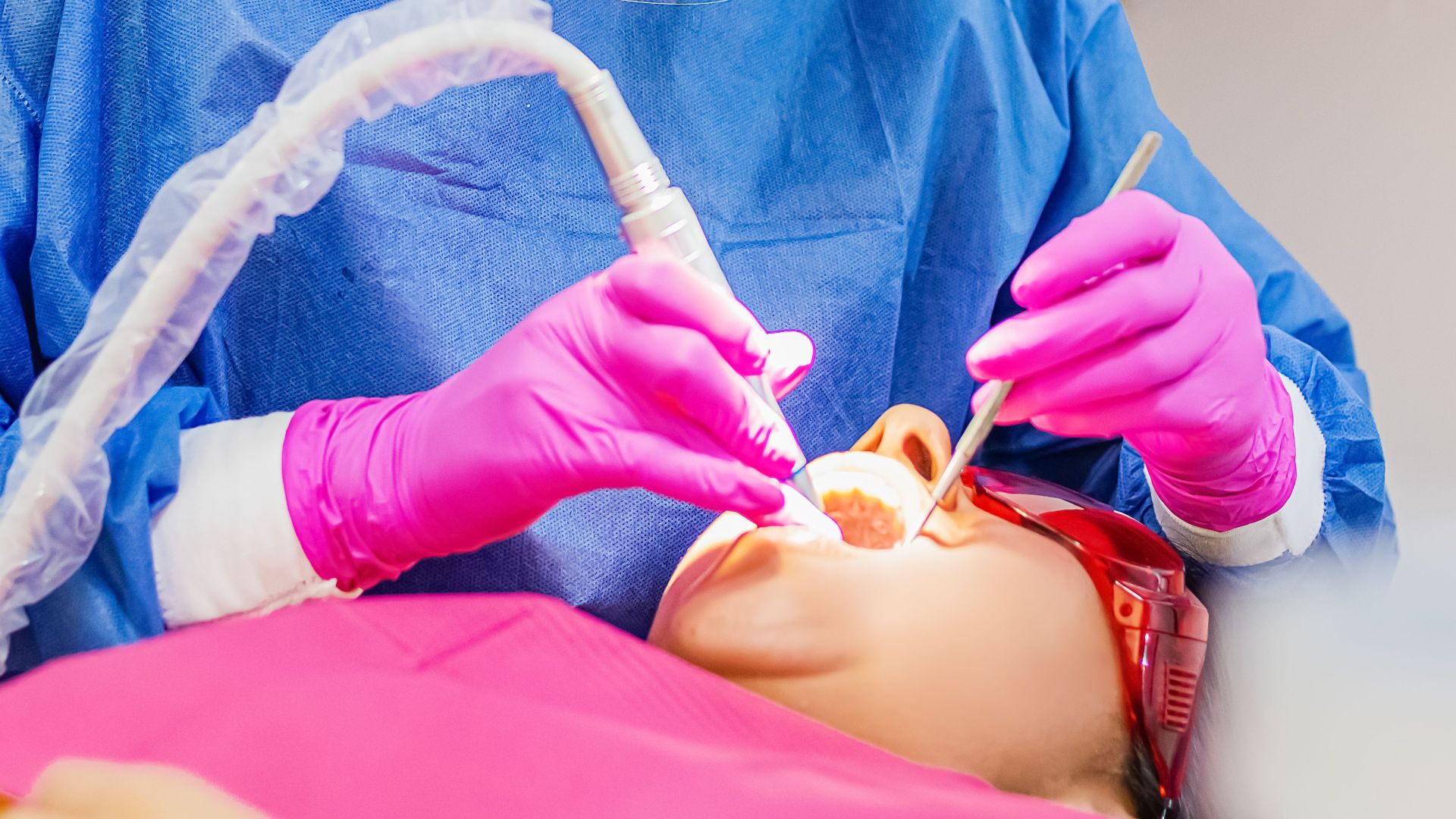
1. Charcoal Toothpaste for Whitening
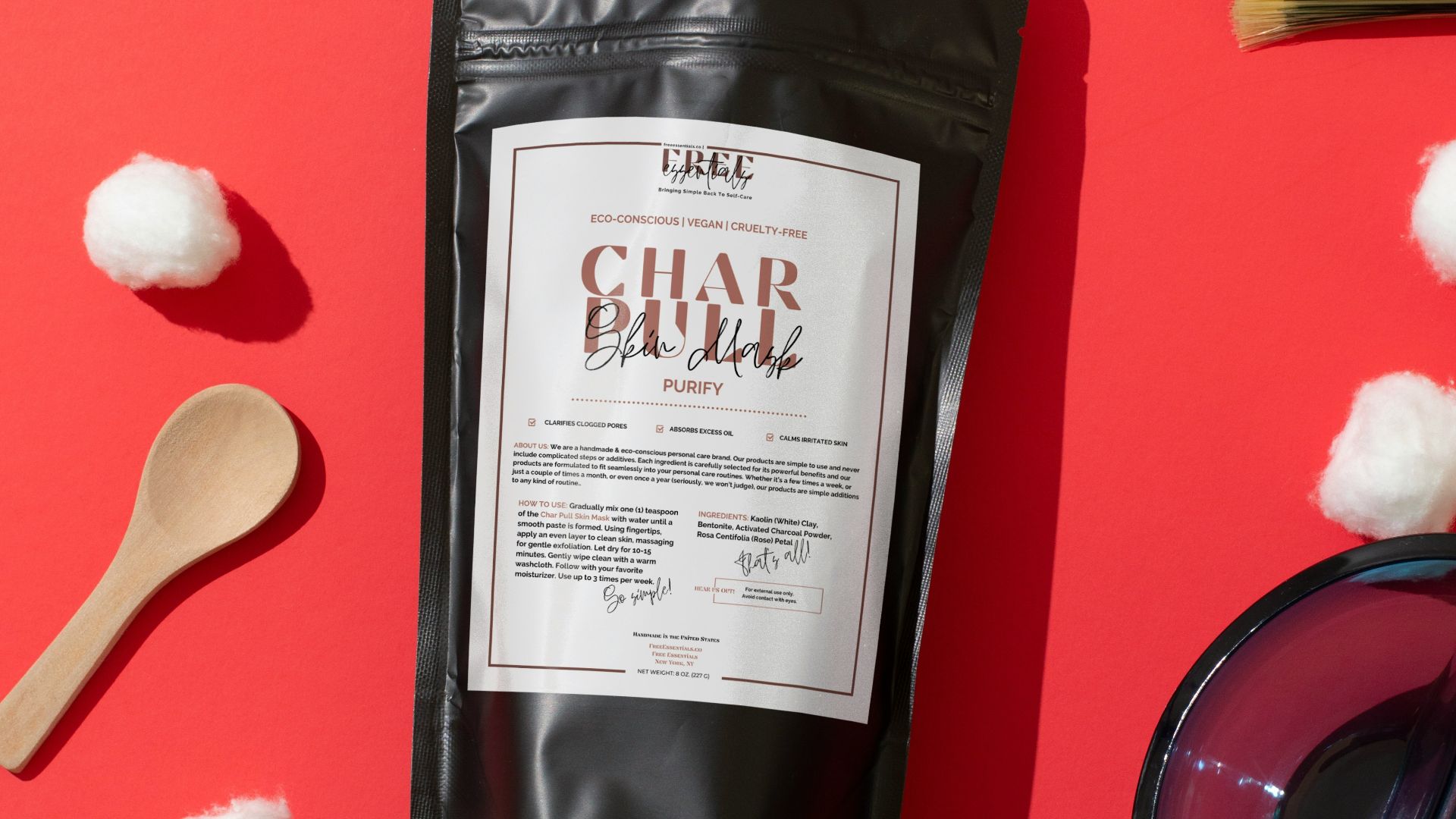
Activated charcoal toothpaste became popular because many people believed it could naturally whiten teeth. While it may remove some surface stains, studies haven't shown it to be a superior whitening treatment. Some dentists also worry that frequent use of abrasive charcoal products could contribute to enamel wear over time.
2. Oil Pulling
Oil pulling involves swishing oil, usually coconut oil, around the mouth for several minutes. Supporters claim it improves oral health and freshens breath through natural means. Although it may help reduce some bacteria, it shouldn't replace brushing, flossing, or professional dental care.
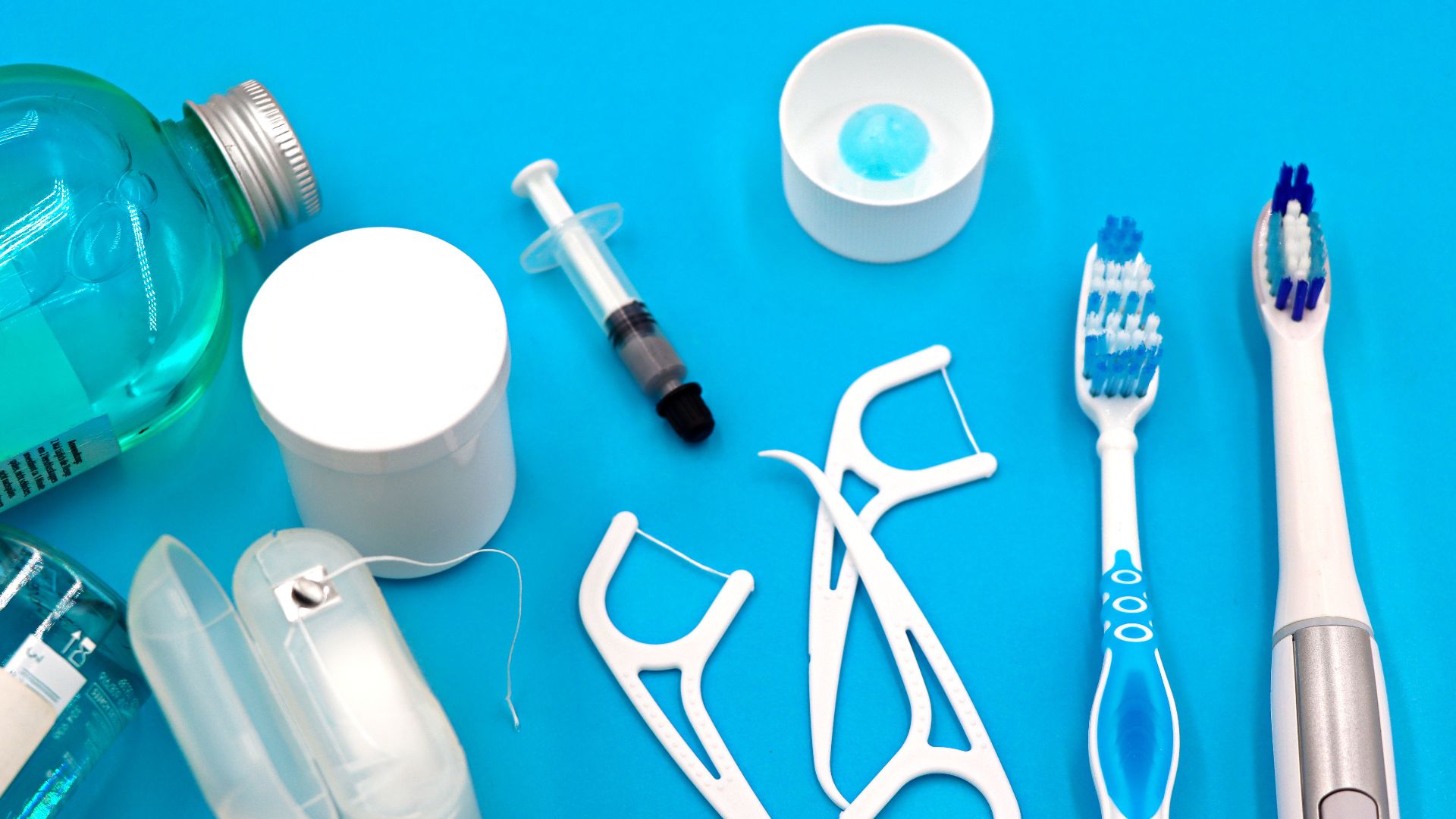
3. DIY Teeth Filing
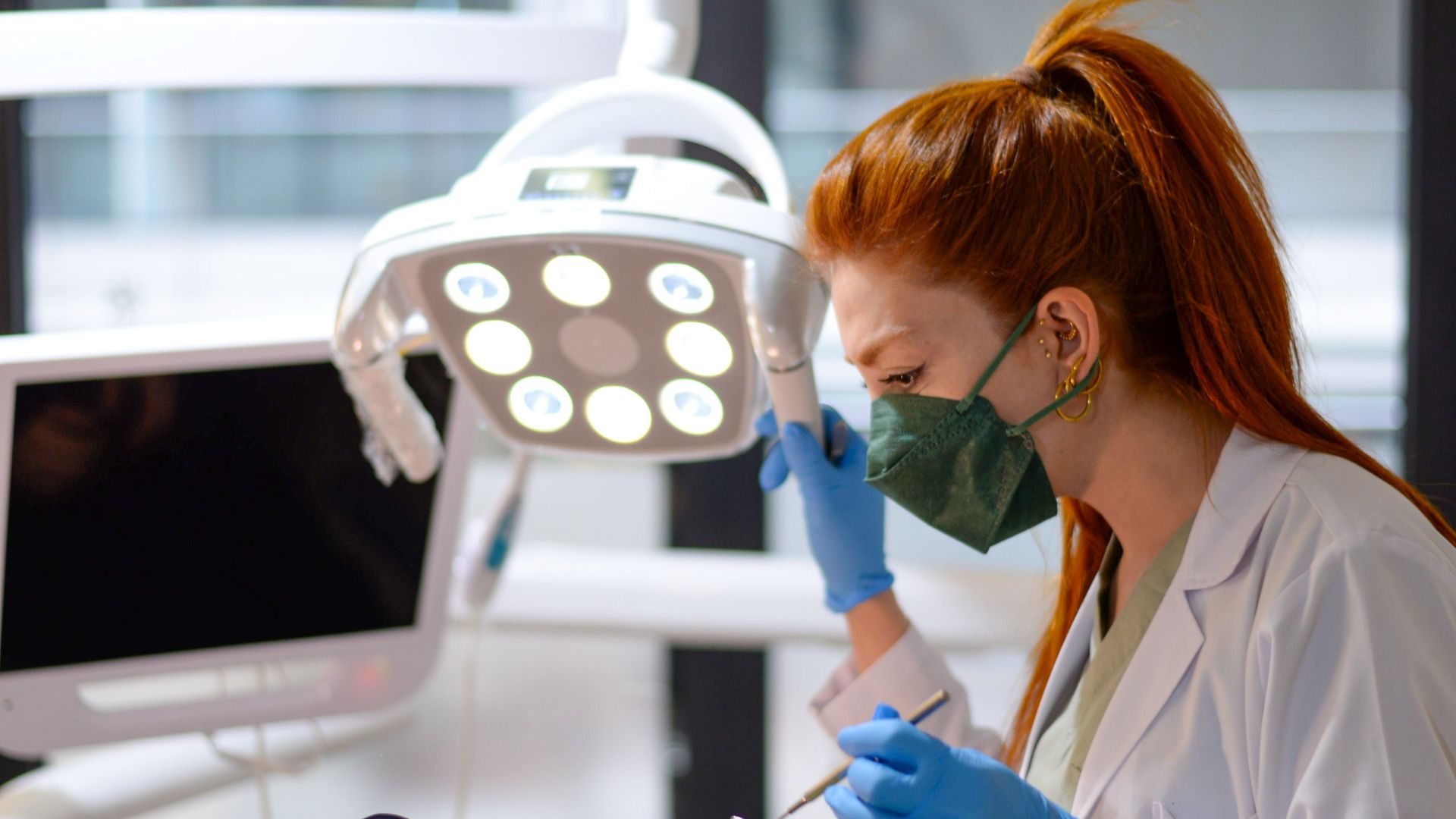
Videos showing people filing their own teeth have circulated widely online. The trend is alarming because enamel doesn't grow back once it's removed. Dentists strongly discourage the practice due to the risk of permanent damage and sensitivity.
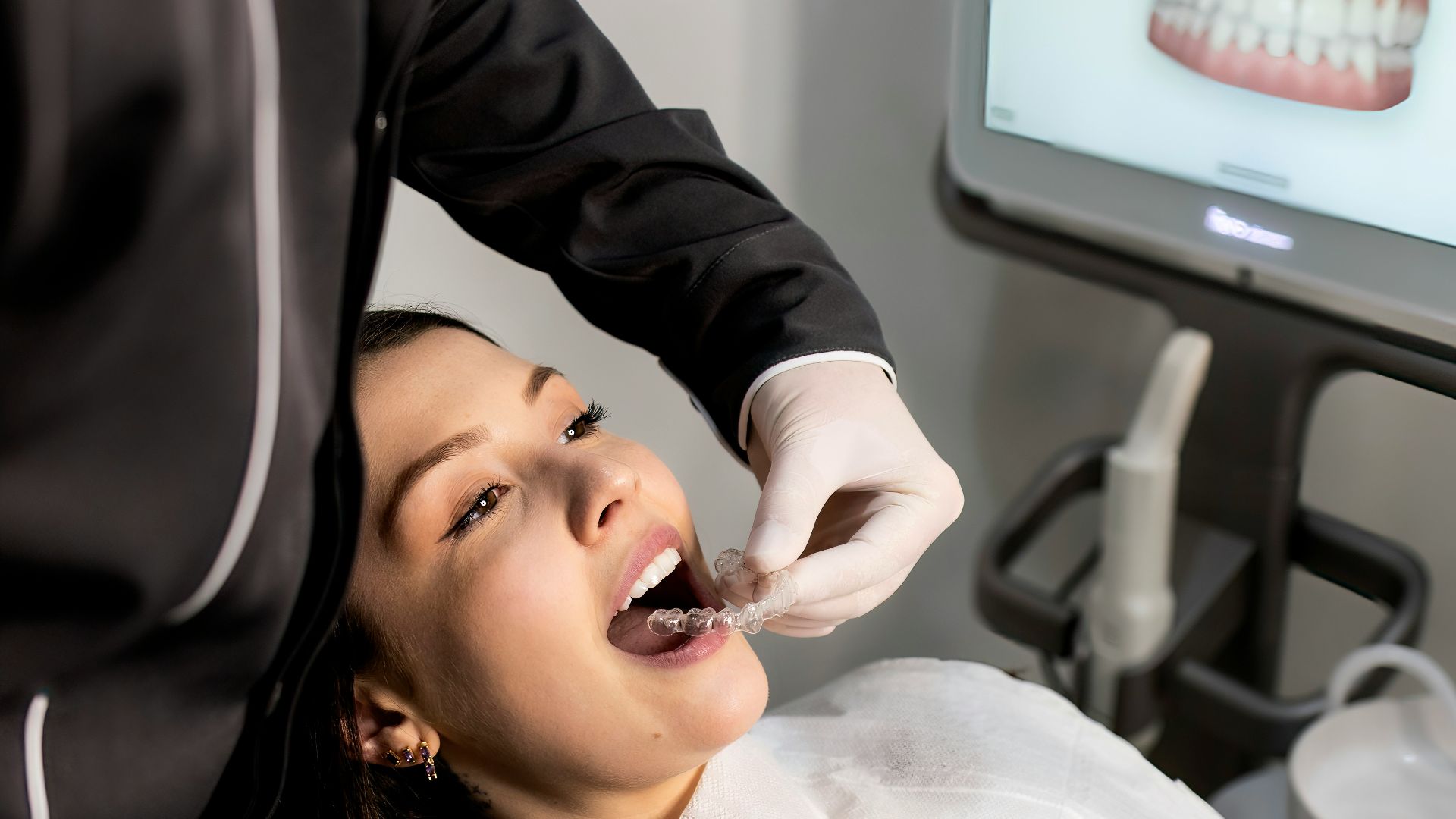 Filip Rankovic Grobgaard on Unsplash
4. Lemon Juice Teeth Whitening
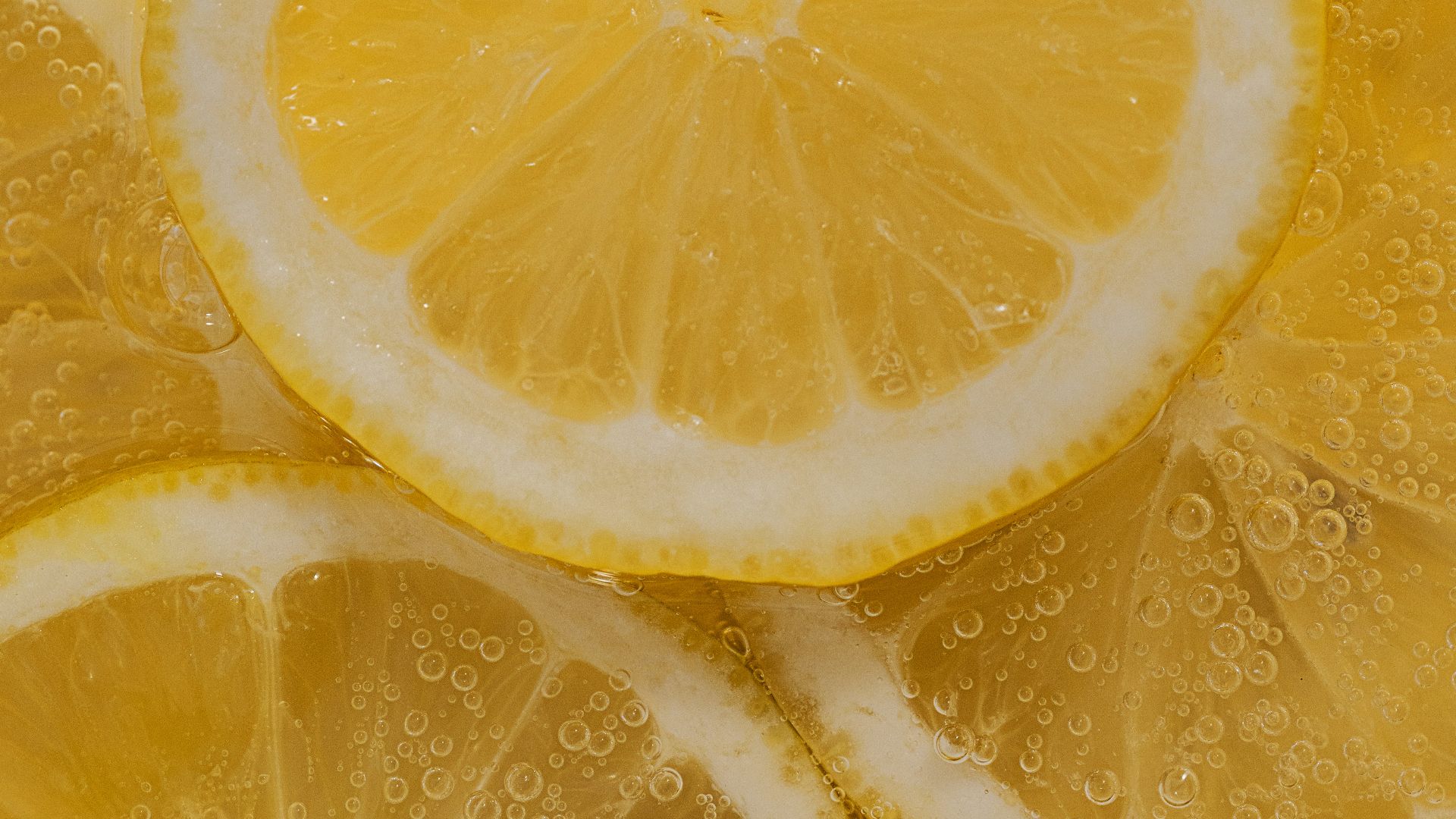
Some social media users have promoted lemon juice as a natural whitening solution. The problem is that the acid in lemons can erode tooth enamel. Once enamel is lost, teeth become more vulnerable to decay and discoloration.
5. Tooth Gems
Decorative tooth gems have become increasingly popular as a cosmetic trend. When applied professionally, they can often be attached safely without drilling. However, improper placement or poor maintenance may create areas where plaque can accumulate.
6. Mouth Taping During Sleep
Mouth taping is intended to encourage breathing through the nose while sleeping. Although some people report benefits, dental professionals caution that it isn't appropriate for everyone, especially individuals with breathing difficulties. Anyone considering it should discuss the practice with a healthcare provider first.

7. Homemade Baking Soda Scrubs
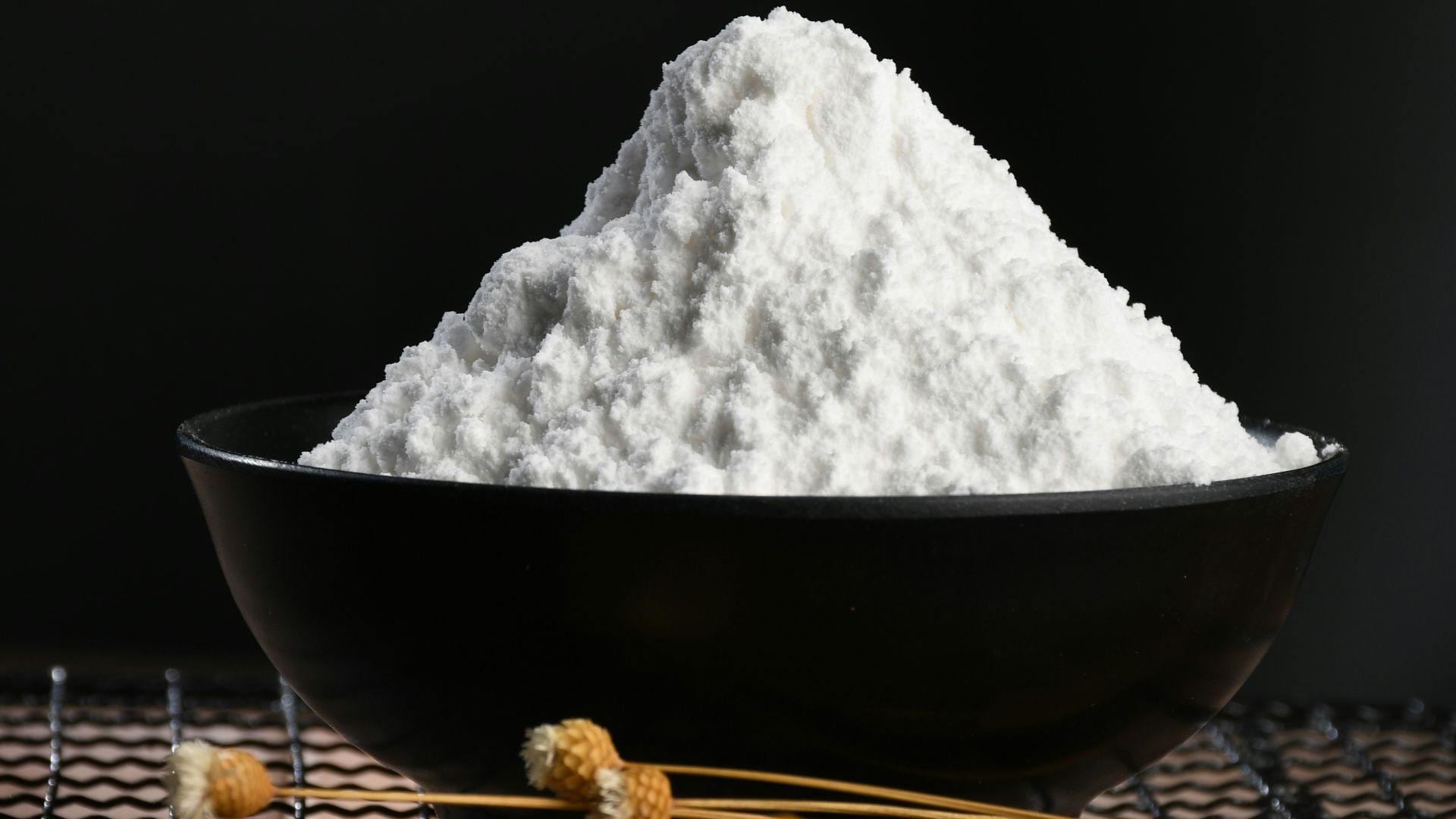
Baking soda can help remove certain surface stains, but some online trends encourage overly aggressive scrubbing. Excessive abrasion may irritate gums and contribute to enamel wear. Most dentists recommend using products specifically designed for dental care instead.
8. UV Teeth Whitening Kits Purchased Online
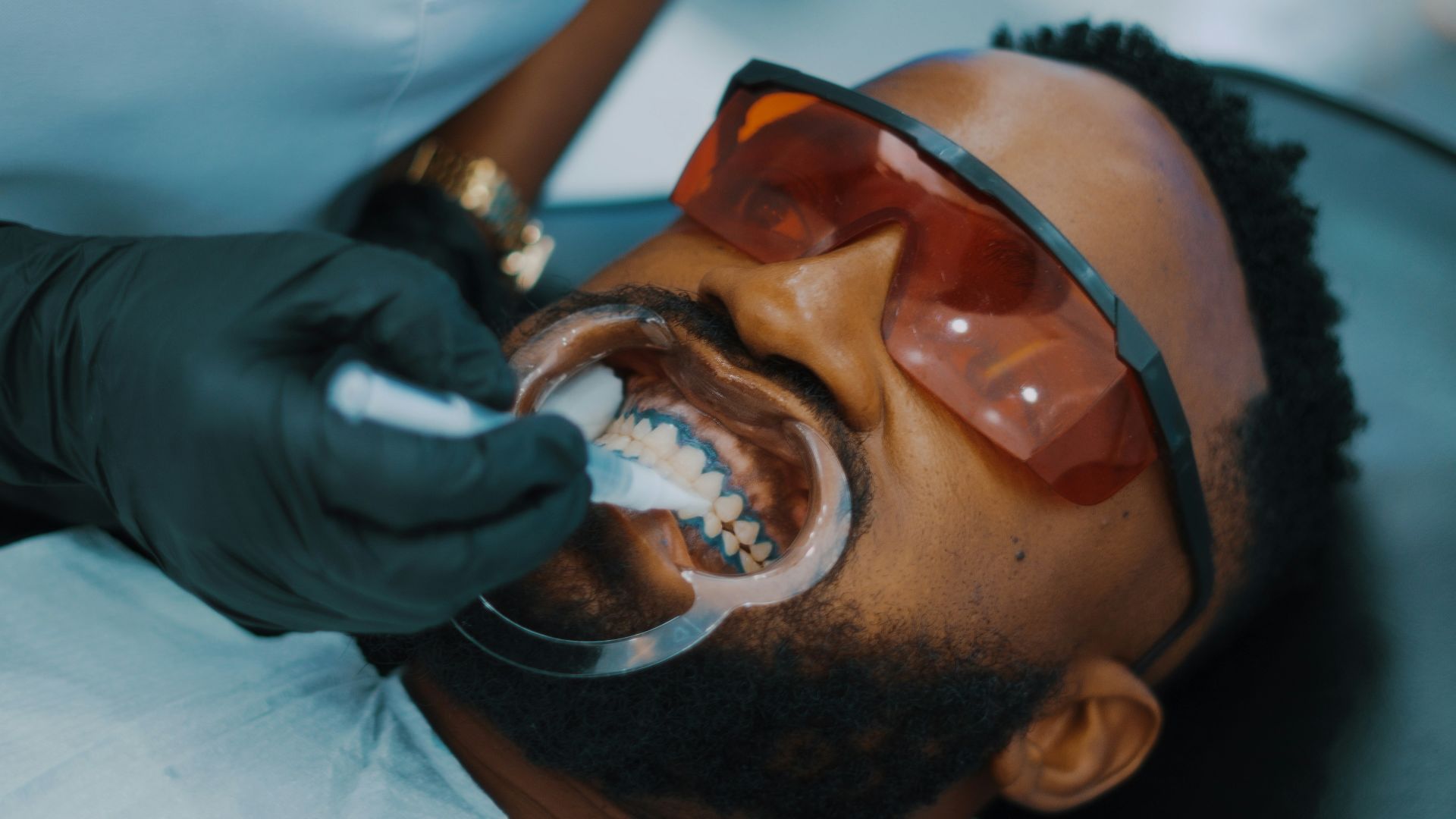
Low-cost ultraviolet whitening devices have become a popular online purchase. While some whitening treatments use light as part of the process, not all devices are supported by strong evidence. Results often vary significantly depending on the product and whitening ingredients involved.
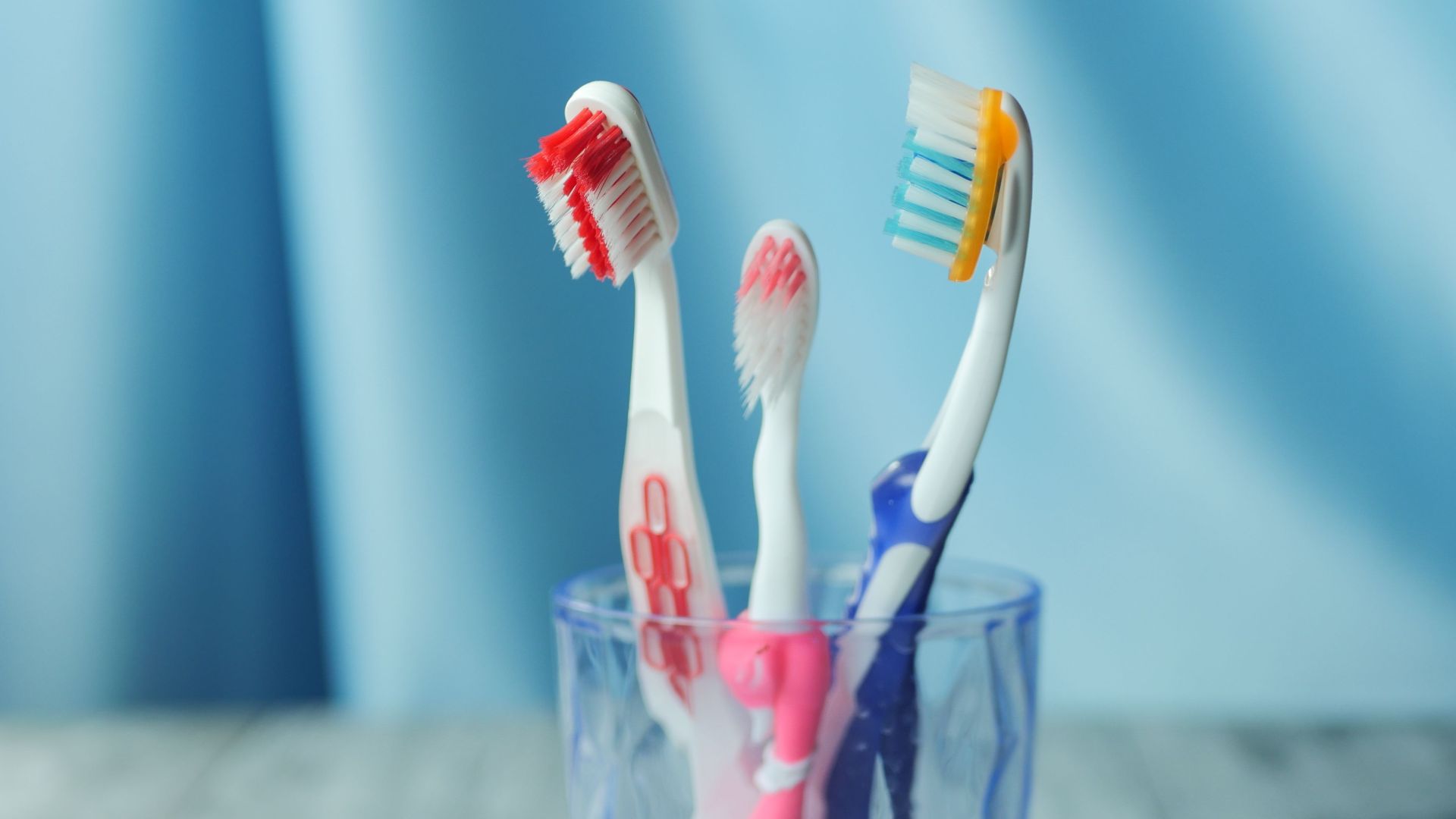
9. Crystal-Infused Toothbrushes
Some companies have marketed toothbrushes containing decorative crystals or gemstones. Claims often focus on wellness benefits rather than dental science. There is no credible evidence suggesting crystals improve brushing effectiveness.
10. Probiotic Gum and Candy Craze
Products containing probiotics for oral health have gained attention in recent years. Research into oral probiotics is ongoing, and some early findings appear promising. However, they remain a supplement to traditional dental care rather than a replacement for proven habits.
1. Brushing Twice a Day
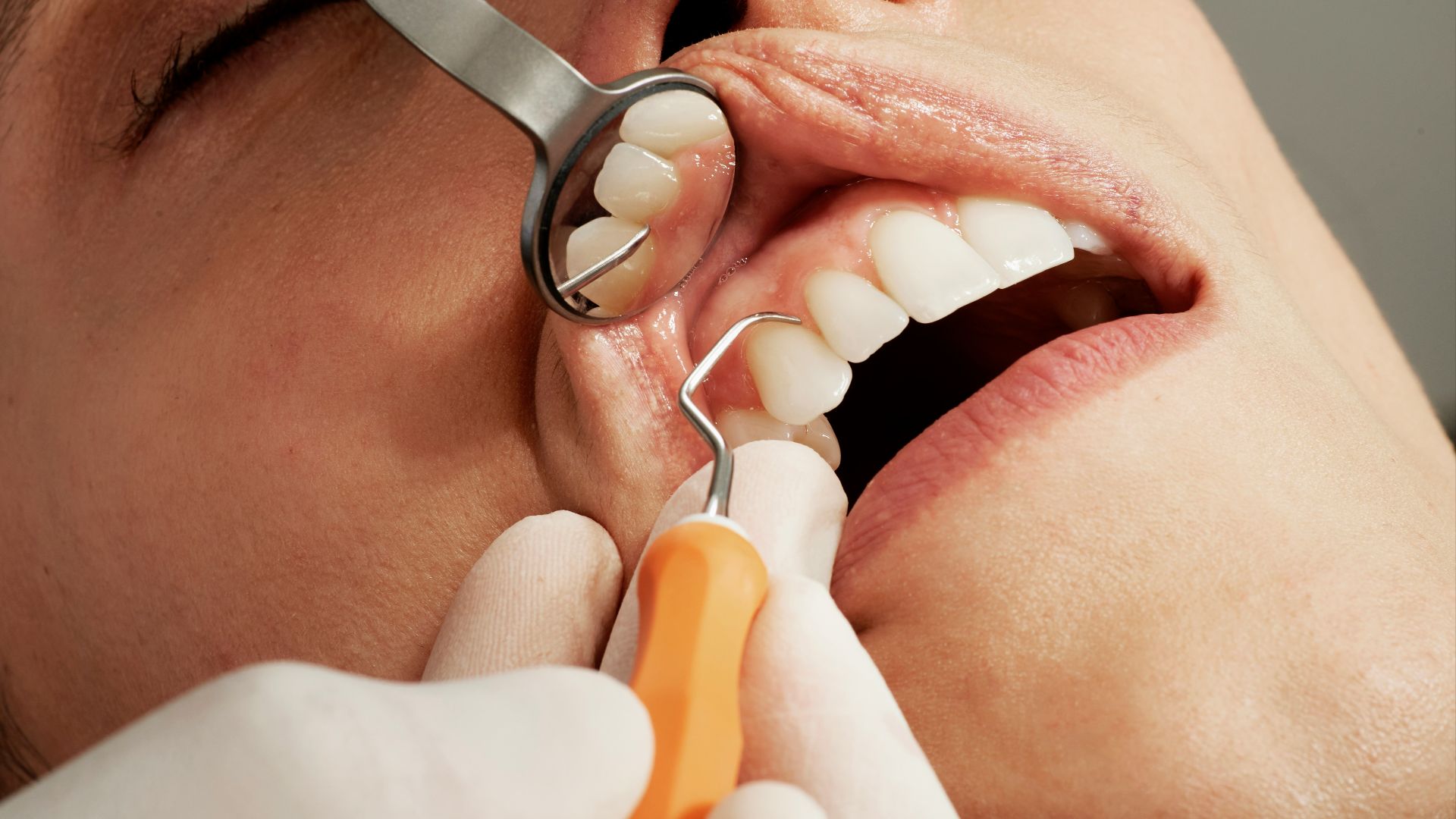
Brushing twice daily with fluoride toothpaste remains one of the most effective ways to prevent cavities. It removes plaque before it can contribute to tooth decay and gum disease. Despite its simplicity, few habits have a greater impact on long-term oral health.
2. Daily Flossing
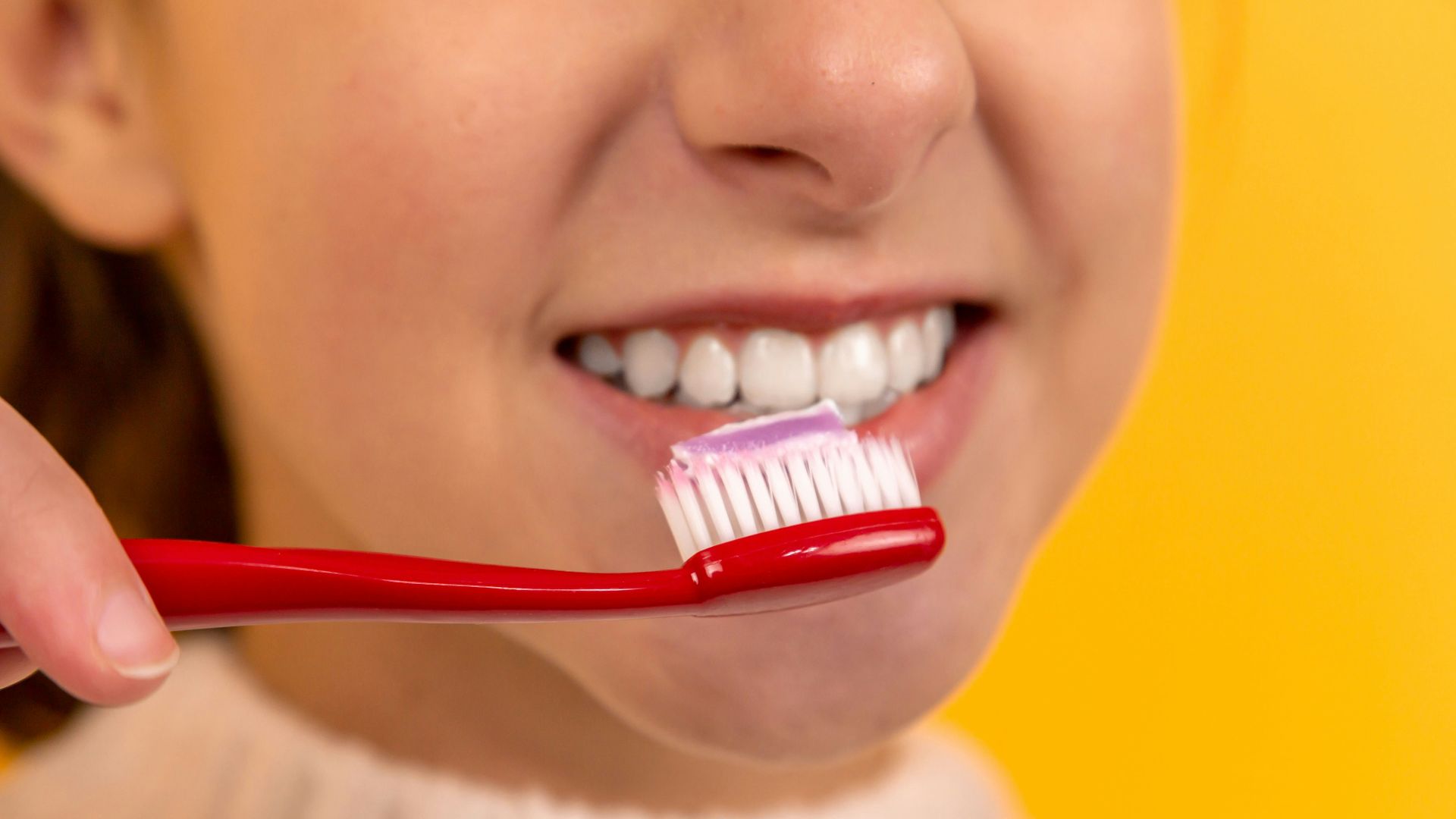
Flossing removes food particles and plaque from areas that the toothbrush bristles can't easily reach. Regular flossing helps reduce the risk of cavities between teeth and supports gum health. Dentists continue recommending it because it consistently delivers results.
3. Using Fluoride Toothpaste
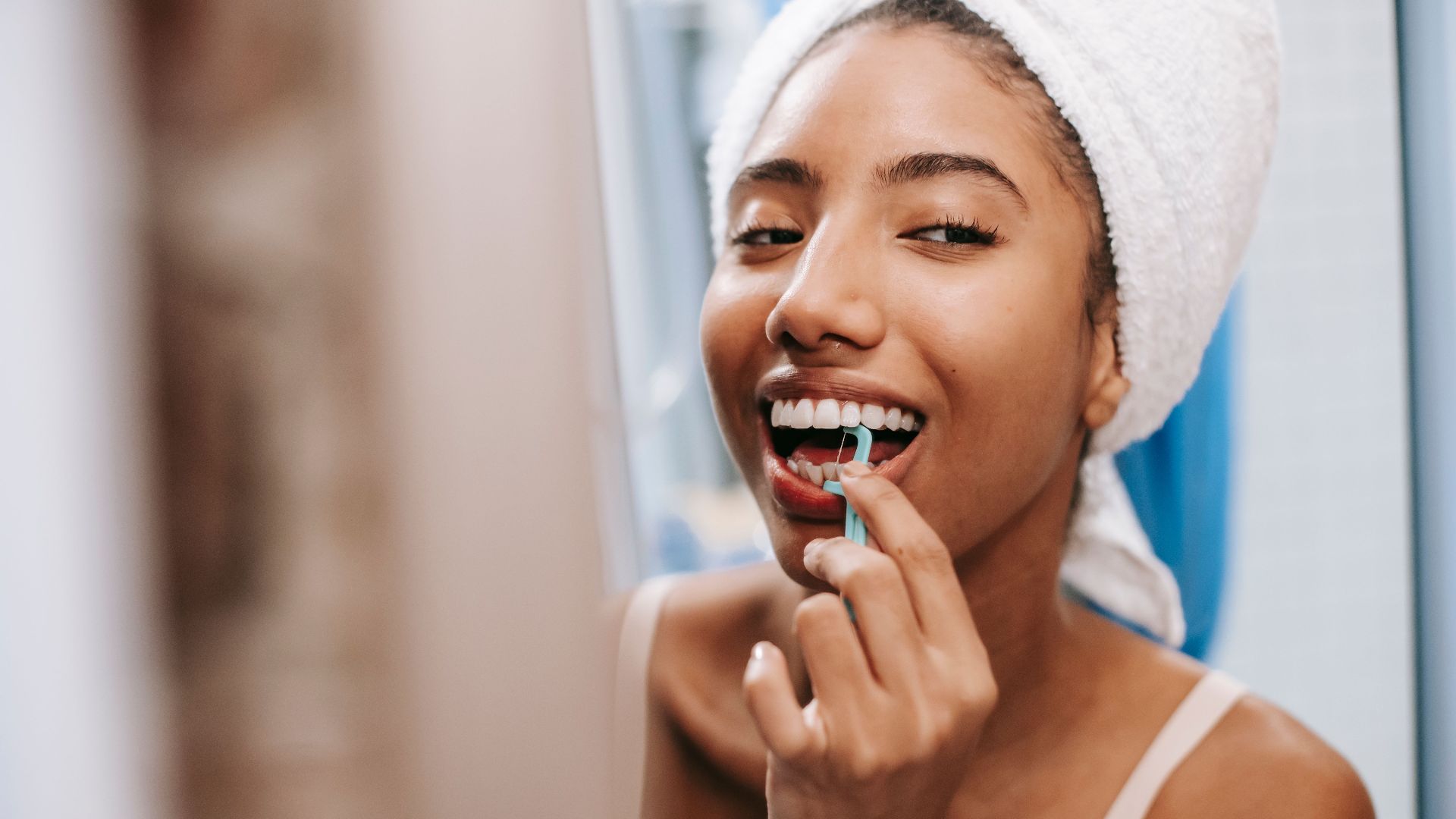
Fluoride helps strengthen tooth enamel and reduce cavity risk. Decades of research support its effectiveness in preventing tooth decay. That's why fluoride toothpaste remains a cornerstone of modern dental care.
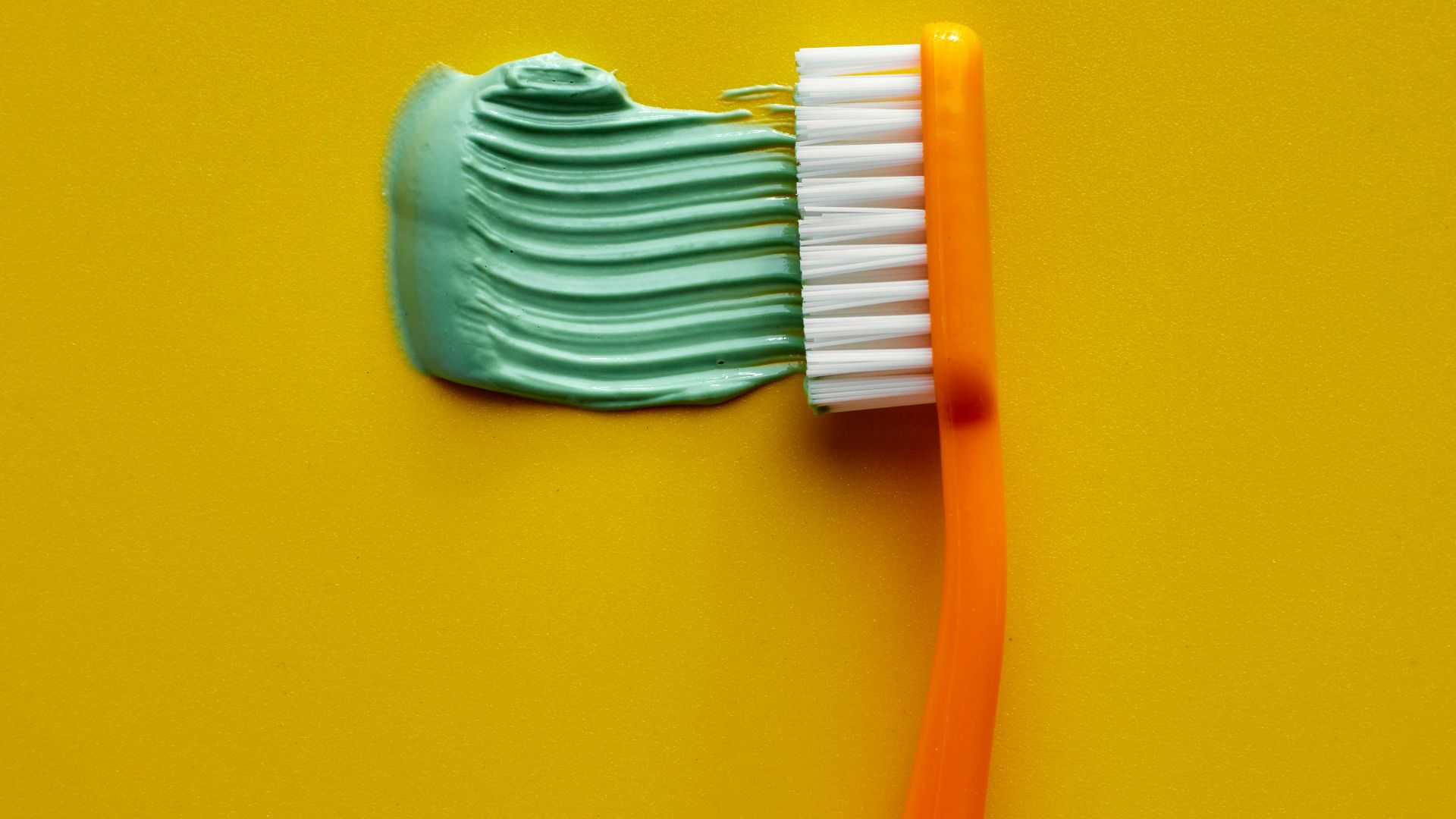
4. Drinking More Water
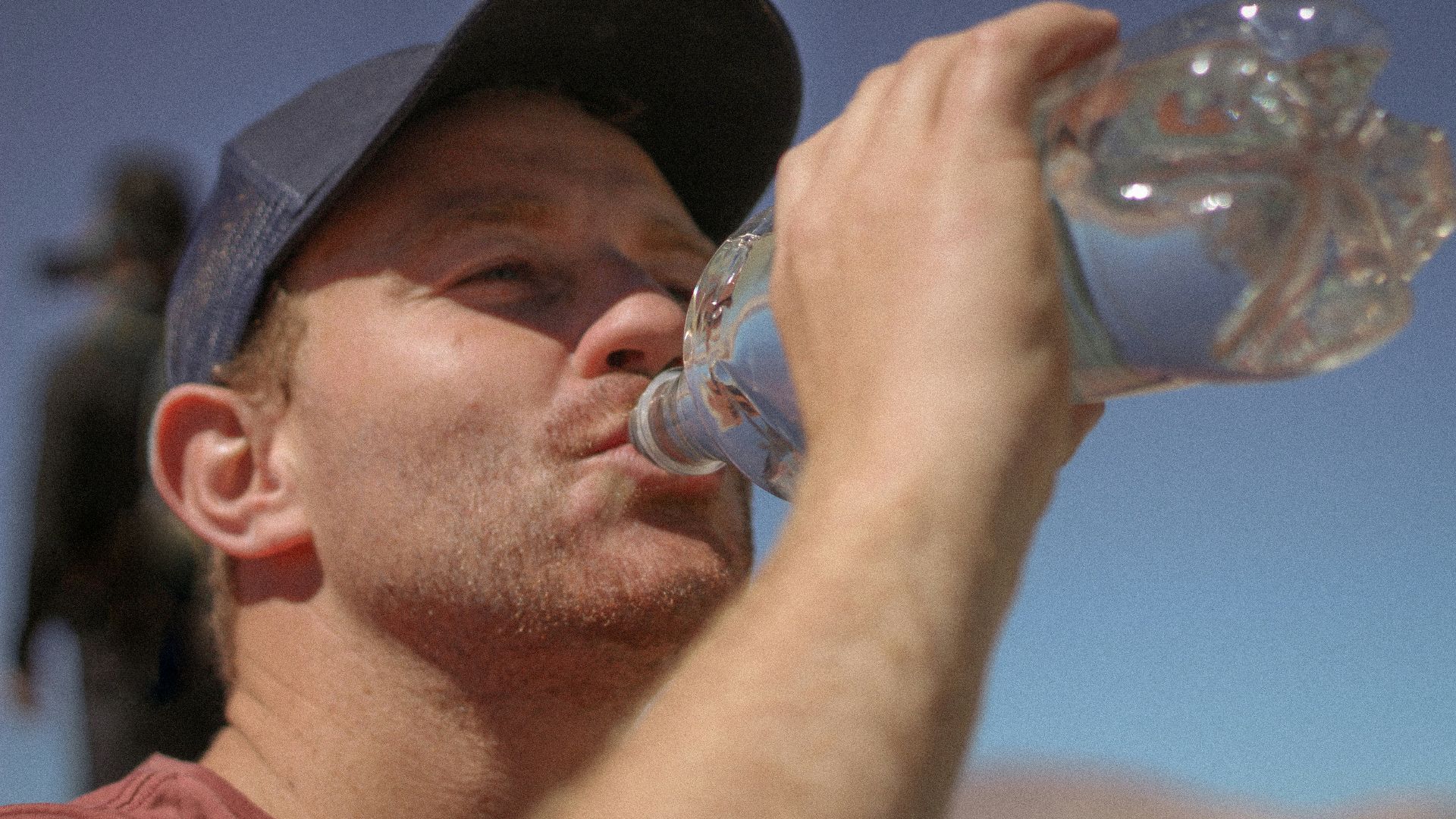
Water helps rinse away food debris and supports saliva production. Saliva plays an important role in neutralizing acids that can damage teeth. Choosing water over sugary beverages also reduces exposure to cavity-causing sugars.
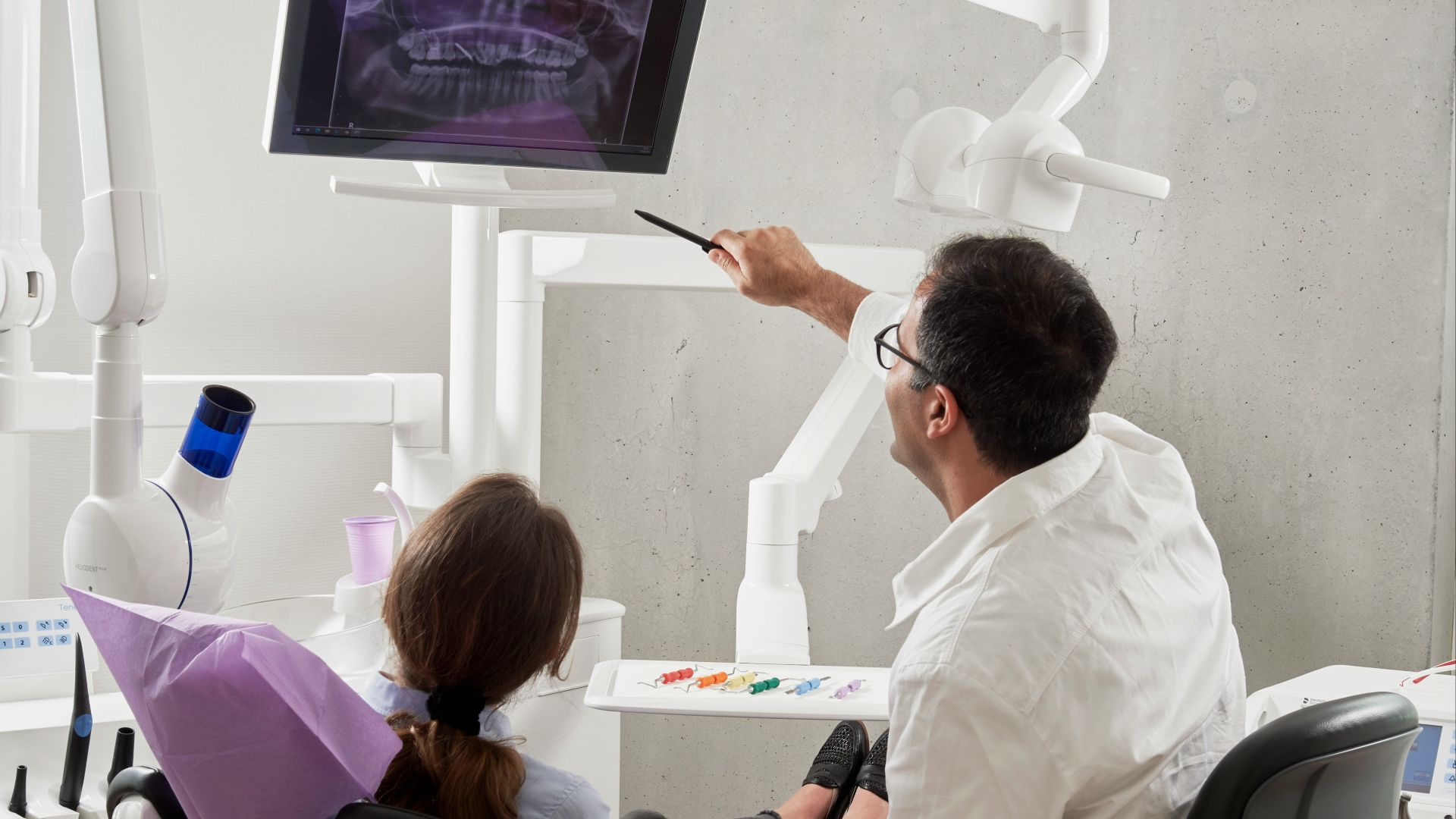
5. Regular Dental Checkups
Routine dental visits allow professionals to identify issues before they become serious problems. Early treatment is often simpler, less invasive, and less expensive. Consistent checkups remain one of the most valuable preventive measures available.
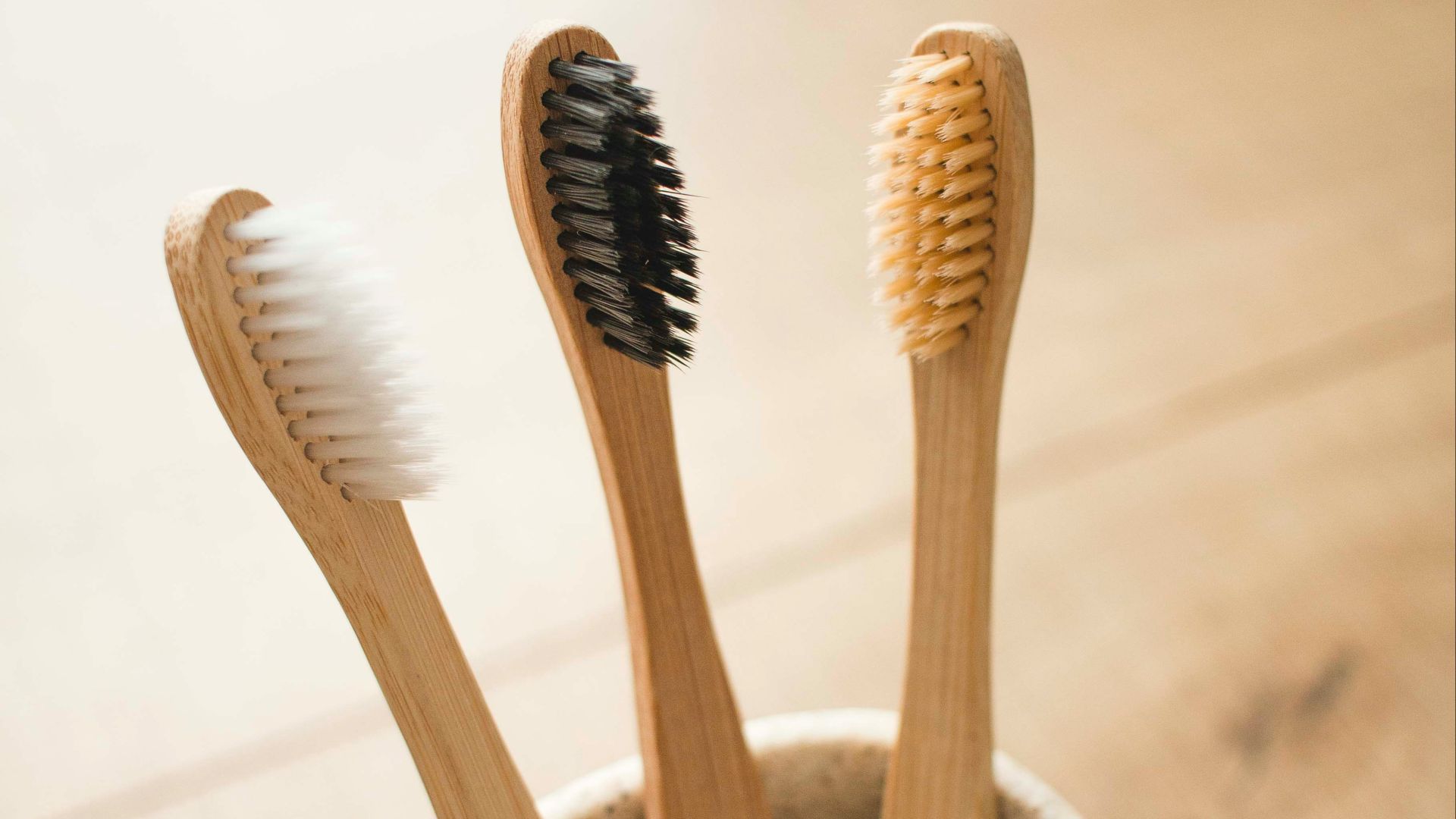
6. Replacing Your Toothbrush
Toothbrush bristles gradually wear down with use. Replacing a toothbrush every few months helps maintain effective cleaning performance. A fresh brush may not be exciting, but it supports better oral hygiene.
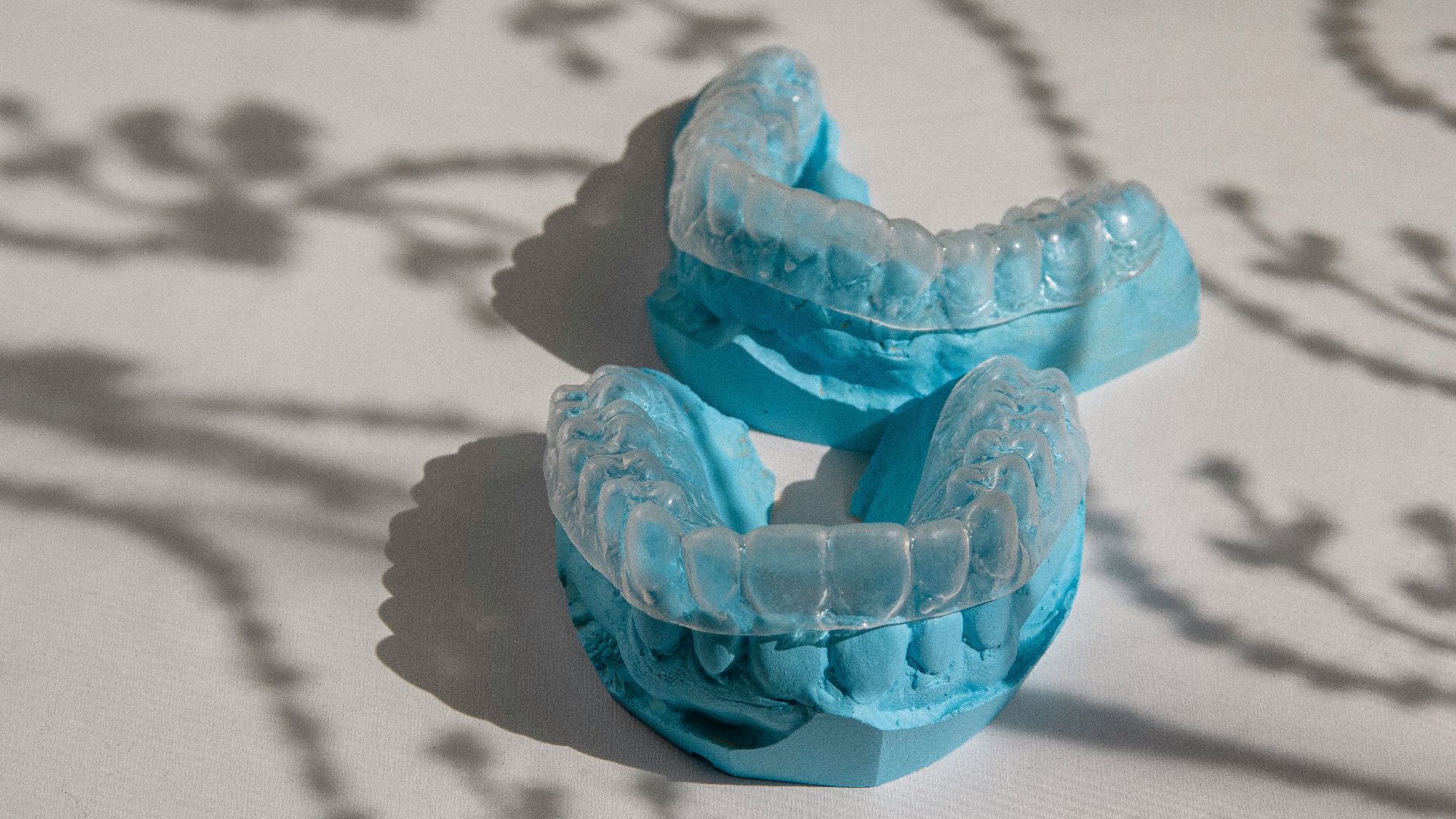
7. Wearing a Night Guard
Many people grind or clench their teeth while sleeping without realizing it. A properly fitted night guard can help protect teeth from excessive wear and reduce strain on the jaw. Dentists frequently recommend them for patients showing signs of grinding.
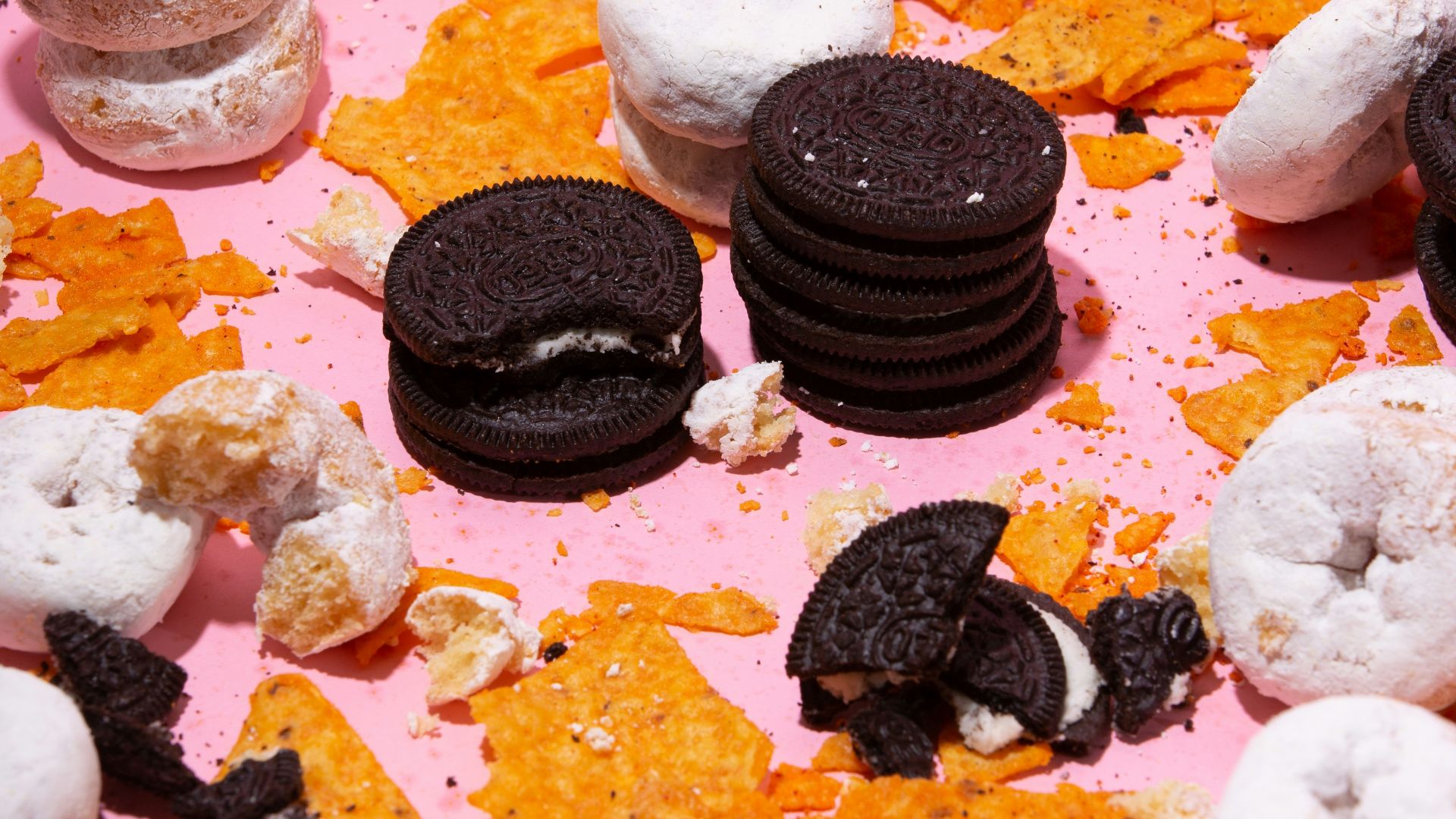
8. Limiting Sugary Snacks
Frequent sugar consumption gives cavity-causing bacteria a steady source of fuel. Reducing sugary snacks lowers the amount of acid produced in the mouth. It's a simple habit that can make a meaningful difference over time.
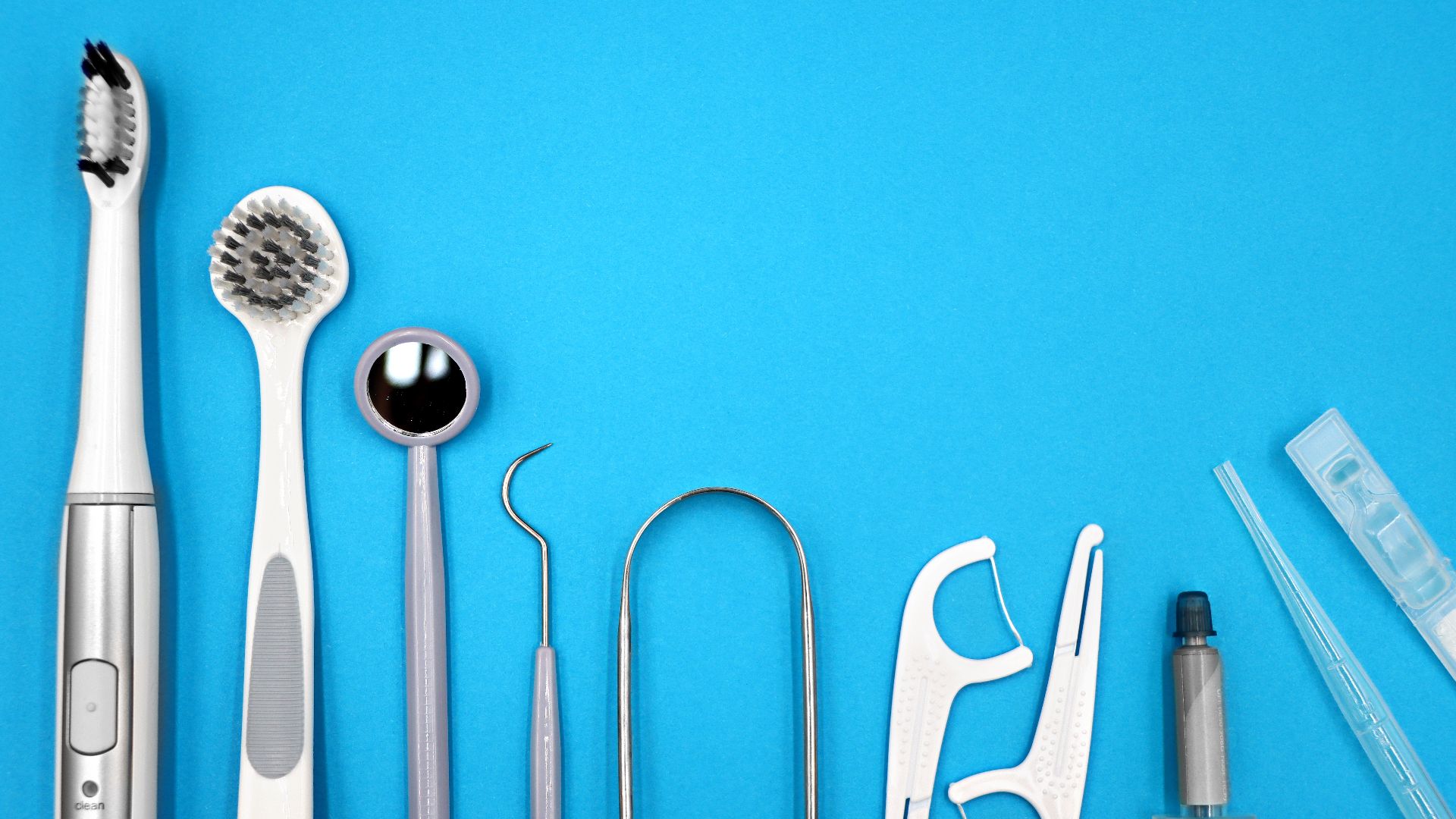
9. Cleaning Your Tongue
The tongue can harbor bacteria that contribute to bad breath. Using a tongue scraper or gently brushing the tongue helps remove some of that buildup. Although it rarely attracts attention online, it's a useful addition to a daily routine.
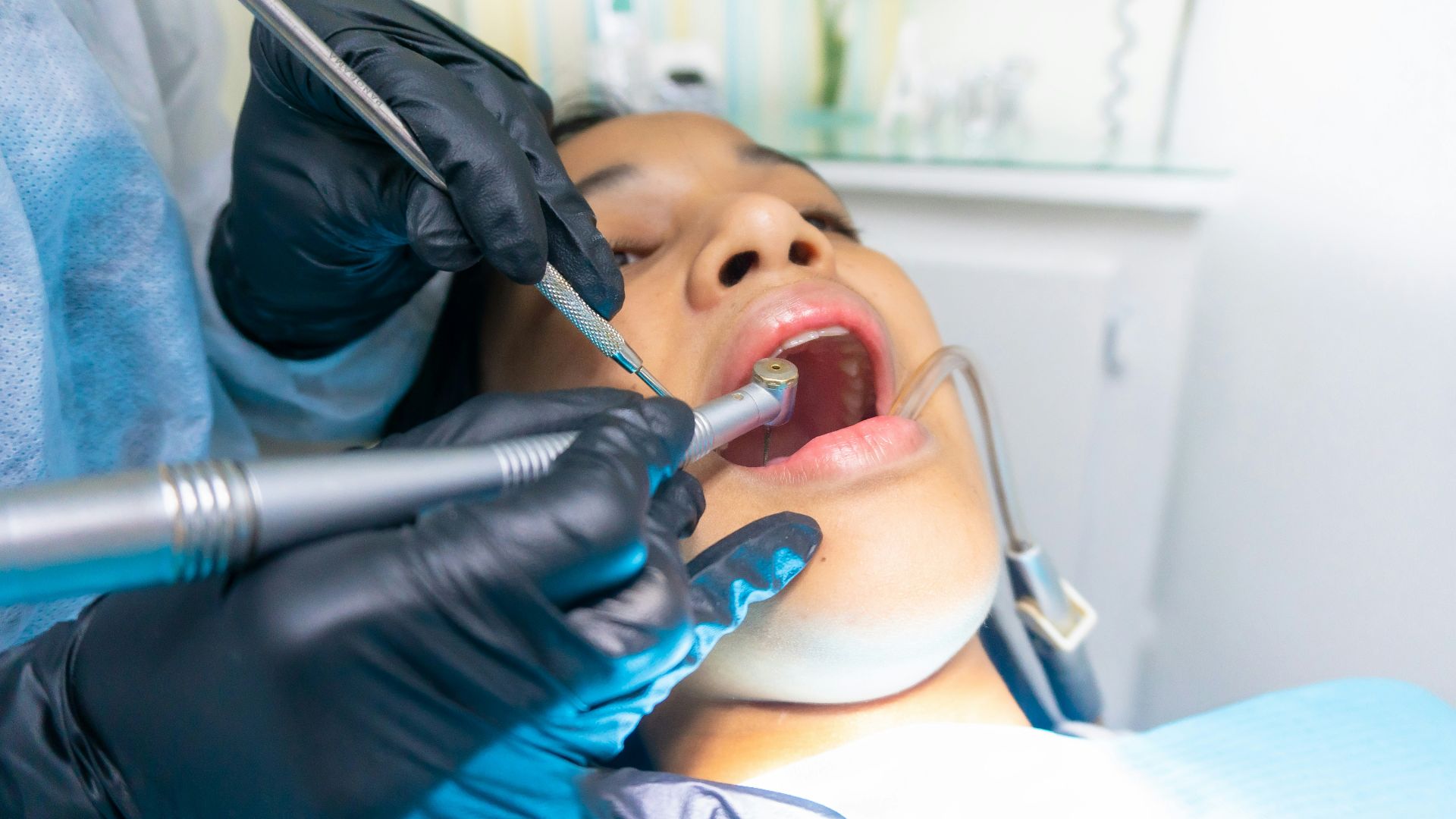
10. Following Post-Treatment Instructions
Whether you've had a filling, extraction, or deep cleaning, following professional instructions matters. Proper aftercare supports healing and helps prevent complications. It may not be trendy, but it's one of the smartest things you can do for your oral health.
KEEP ON READING

20 Ways Perimenopause Changes Fitness and Appetite


20 Unhealthy Obsessions People Have

20 Gut-Friendly Fermented Foods For Everyday Meals