
The Benefits And Drawbacks Go Beyond Protein
Red meat has been part of human diets for thousands of years, and it remains one of the most debated foods in nutrition. Beef, lamb, pork, and other red meats provide important nutrients, but they can also affect the body in ways many people don't realize. The impact often depends on factors such as portion size, preparation methods, overall diet, and how frequently red meat is consumed. Here are 20 surprising things that eating red meat does to your body.

1. It Provides Complete Protein
Red meat contains all nine essential amino acids that the body cannot produce on its own. These amino acids support muscle growth, tissue repair, and countless biological functions. This makes red meat one of the most nutrient-dense protein sources available.
2. It Boosts Iron Levels
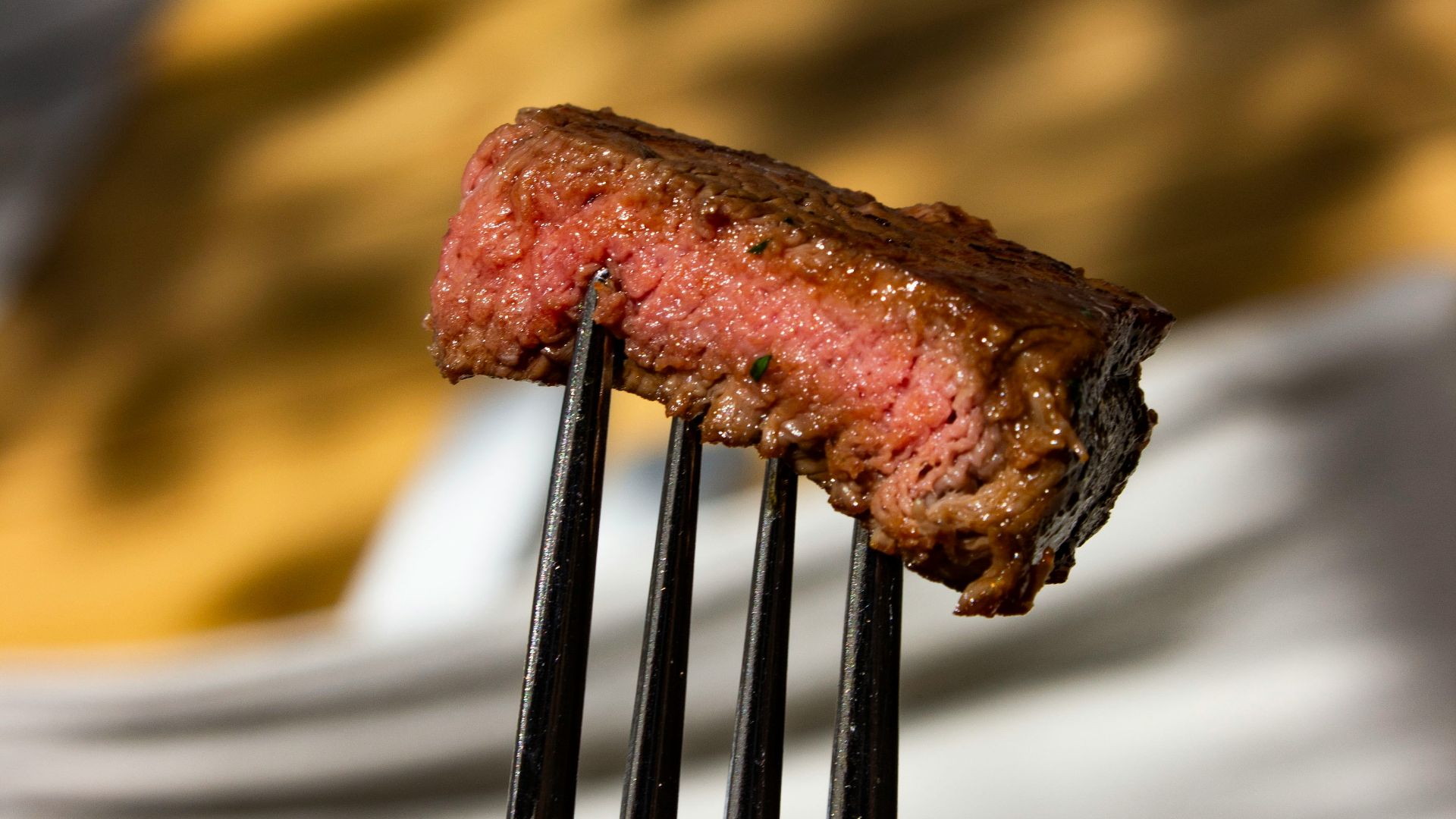
The iron found in red meat is known as heme iron, which the body absorbs more efficiently than the iron found in most plant foods. Adequate iron supports oxygen transport throughout the body. People with low iron levels may benefit from moderate consumption.

3. It Supports Vitamin B12 Intake
Red meat is one of the richest natural sources of vitamin B12. This nutrient plays a key role in nerve function and red blood cell production. A deficiency can lead to fatigue, weakness, and neurological problems.
4. It Can Increase Satiety
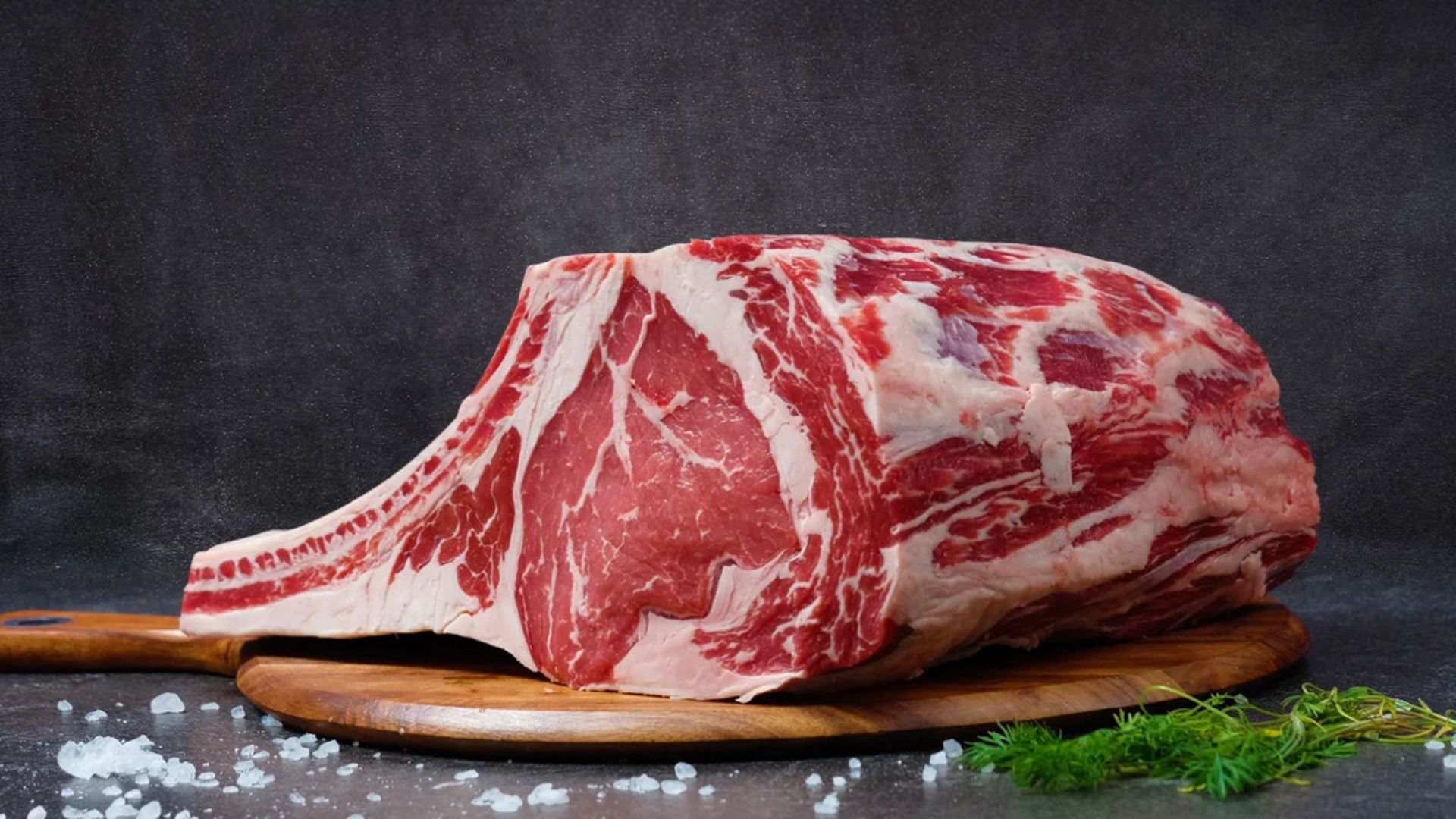
Meals containing red meat often leave people feeling full for longer periods. The combination of protein and fat slows digestion and helps reduce hunger. This may make it easier for some individuals to manage their calorie intake.
5. It Helps Maintain Muscle Mass
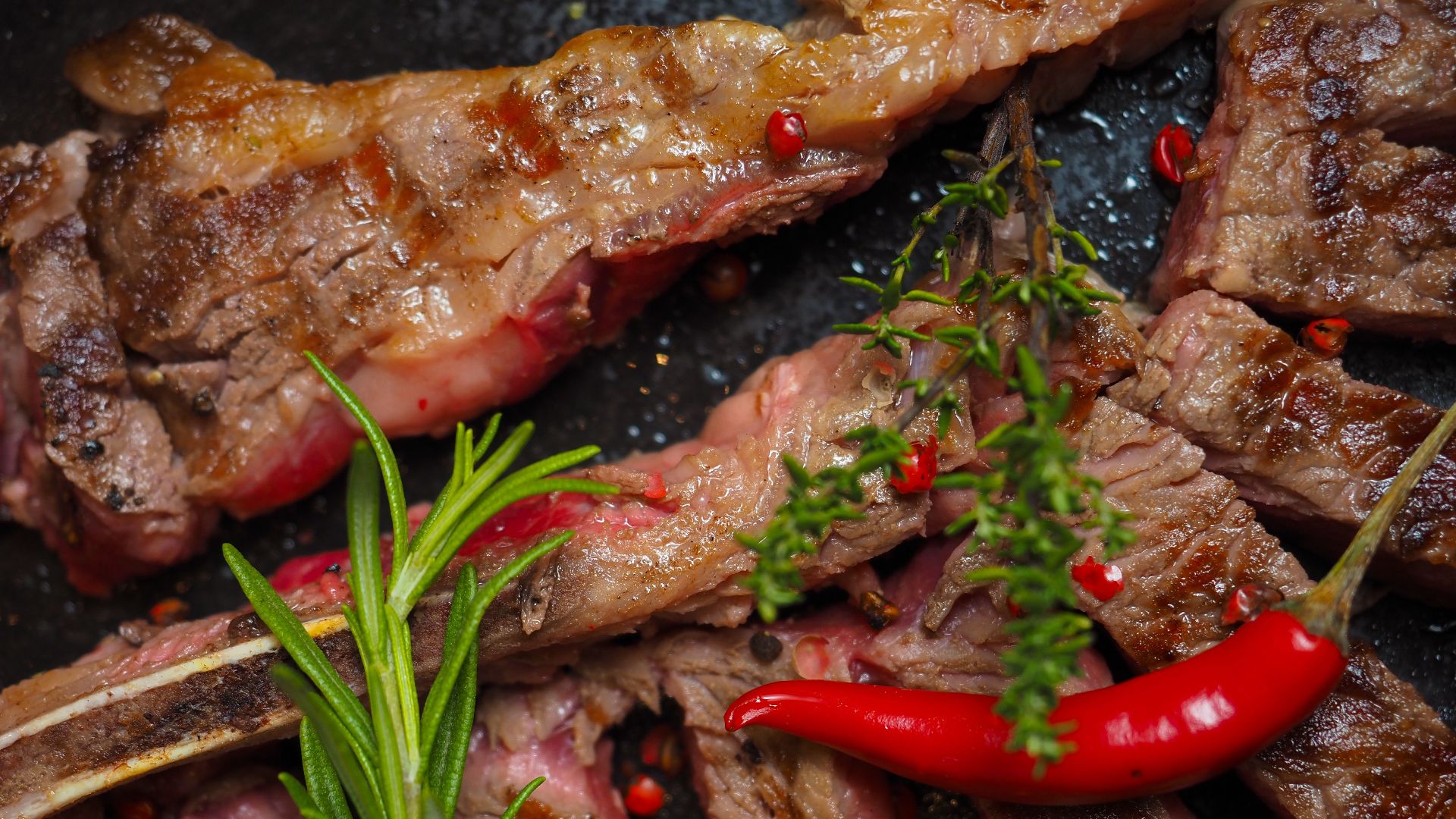
The amino acids in red meat support muscle maintenance and recovery. This can be especially important for athletes and older adults, who may face greater challenges preserving muscle tissue. Adequate protein intake becomes increasingly important with age.

6. It Supplies Zinc
Red meat is an excellent source of zinc, a mineral involved in immune function and wound healing. Zinc also supports normal growth and cellular repair. Many people obtain a significant portion of their zinc intake from meat products.
7. It Can Raise Cholesterol Levels
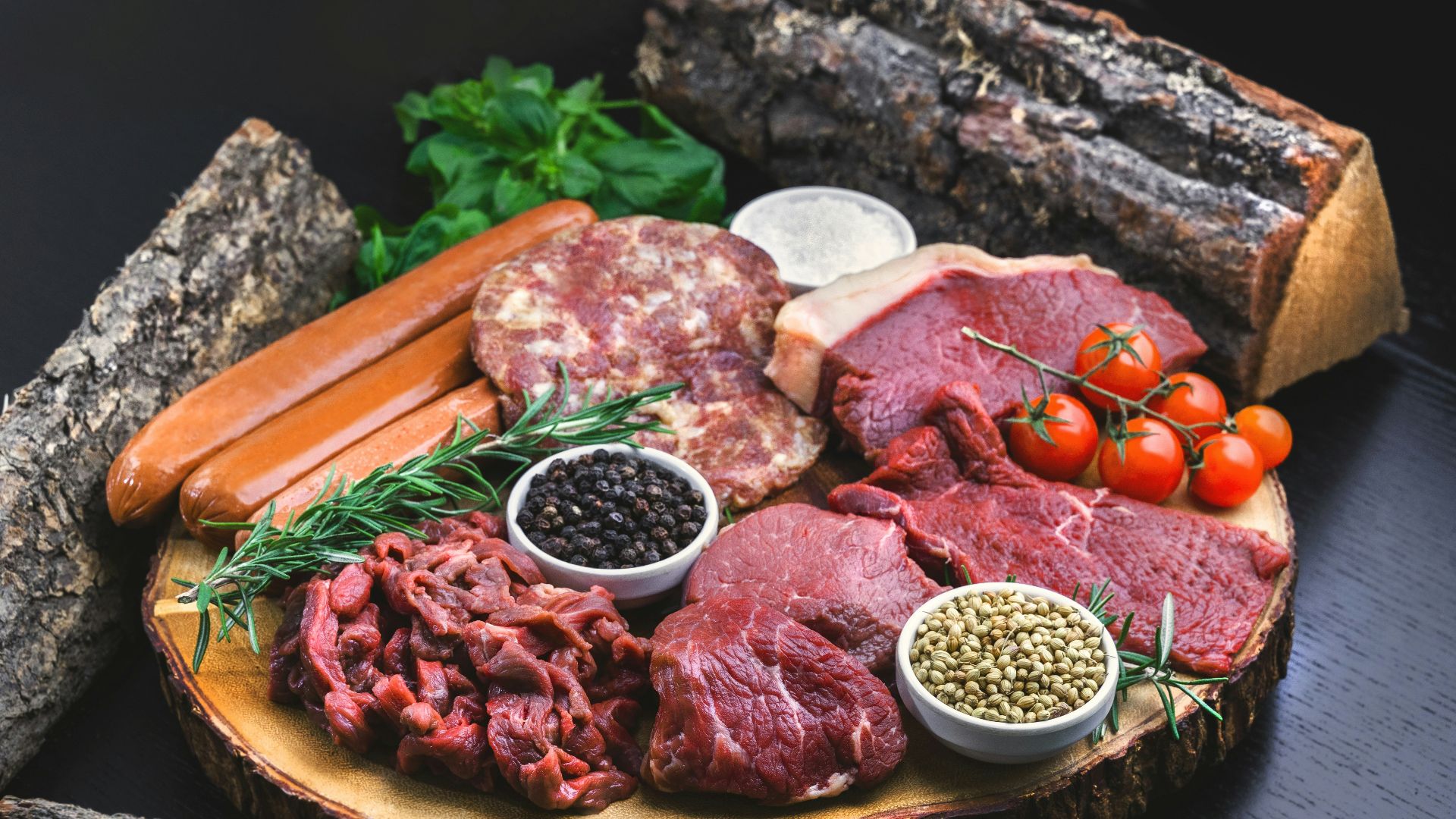
Certain cuts contain significant amounts of saturated fat, which may raise LDL cholesterol levels in some individuals. Elevated LDL cholesterol is associated with an increased risk of cardiovascular disease. The effect varies depending on genetics and overall dietary patterns.

8. It May Increase Creatine Stores
Red meat naturally contains creatine, a compound that helps supply energy to muscles during short bursts of activity. Higher creatine levels may support strength and athletic performance. This is one reason why creatine supplements are popular among athletes.
9. It Can Affect Gut Bacteria
What you eat influences the composition of your gut microbiome. Diets high in red meat may promote different bacterial populations than diets rich in plant foods. Researchers continue to study how these changes affect long-term health.
10. It Supports Red Blood Cell Production
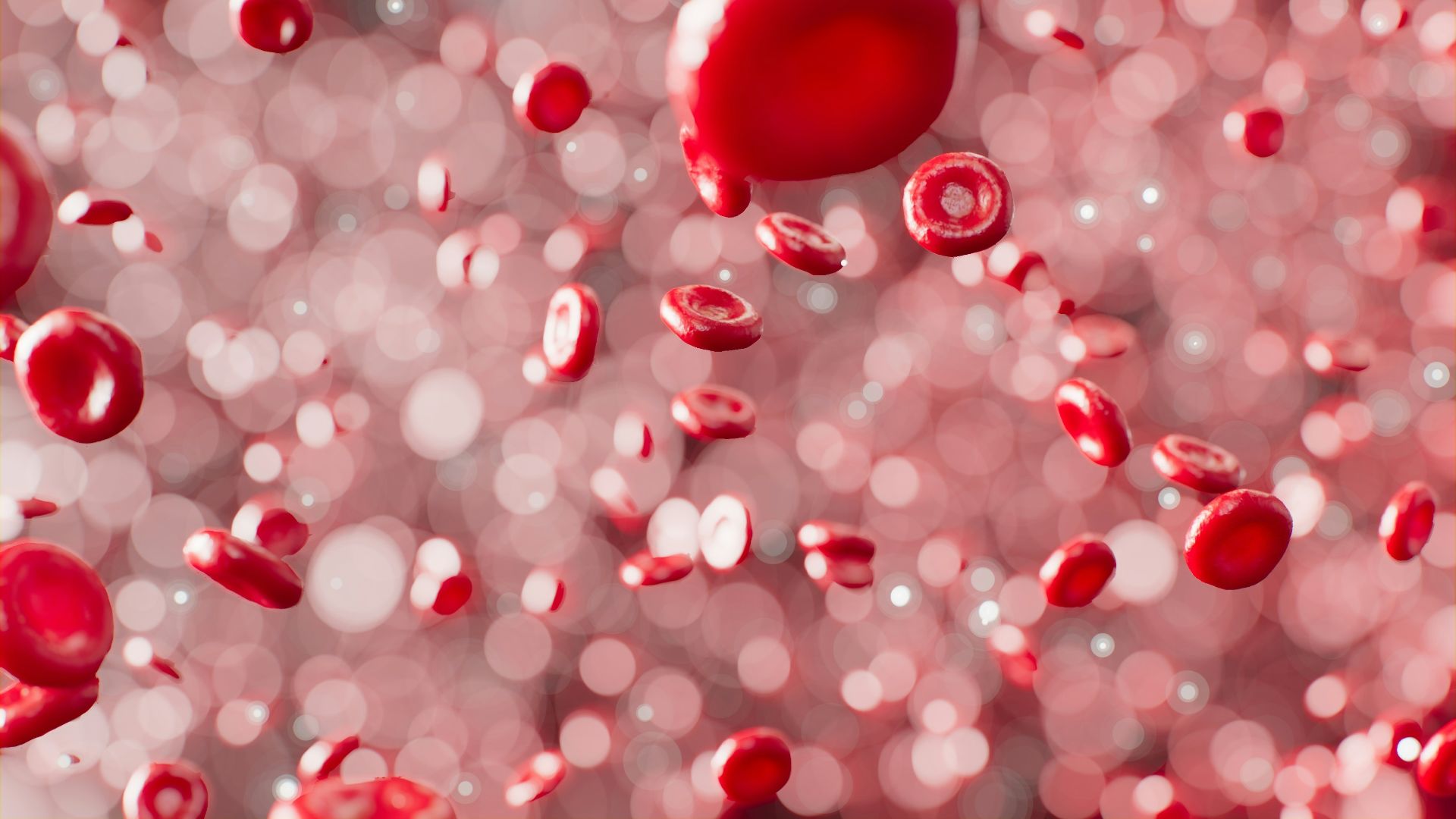
Several nutrients found in red meat, including iron and vitamin B12, contribute to healthy red blood cell formation. These cells are essential for transporting oxygen throughout the body. Proper production helps maintain energy and overall health.
11. It May Increase TMAO Production
Compounds found in red meat can contribute to the formation of trimethylamine N-oxide, or TMAO, through interactions with gut bacteria. Some studies have linked higher TMAO levels with cardiovascular risk. Researchers are still investigating the strength and significance of this relationship.
12. It Can Help Prevent Certain Nutrient Deficiencies
People who consume moderate amounts of red meat often obtain nutrients that can be harder to acquire elsewhere. These include vitamin B12, zinc, and highly absorbable iron.
13. It May Increase Calorie Intake More Easily
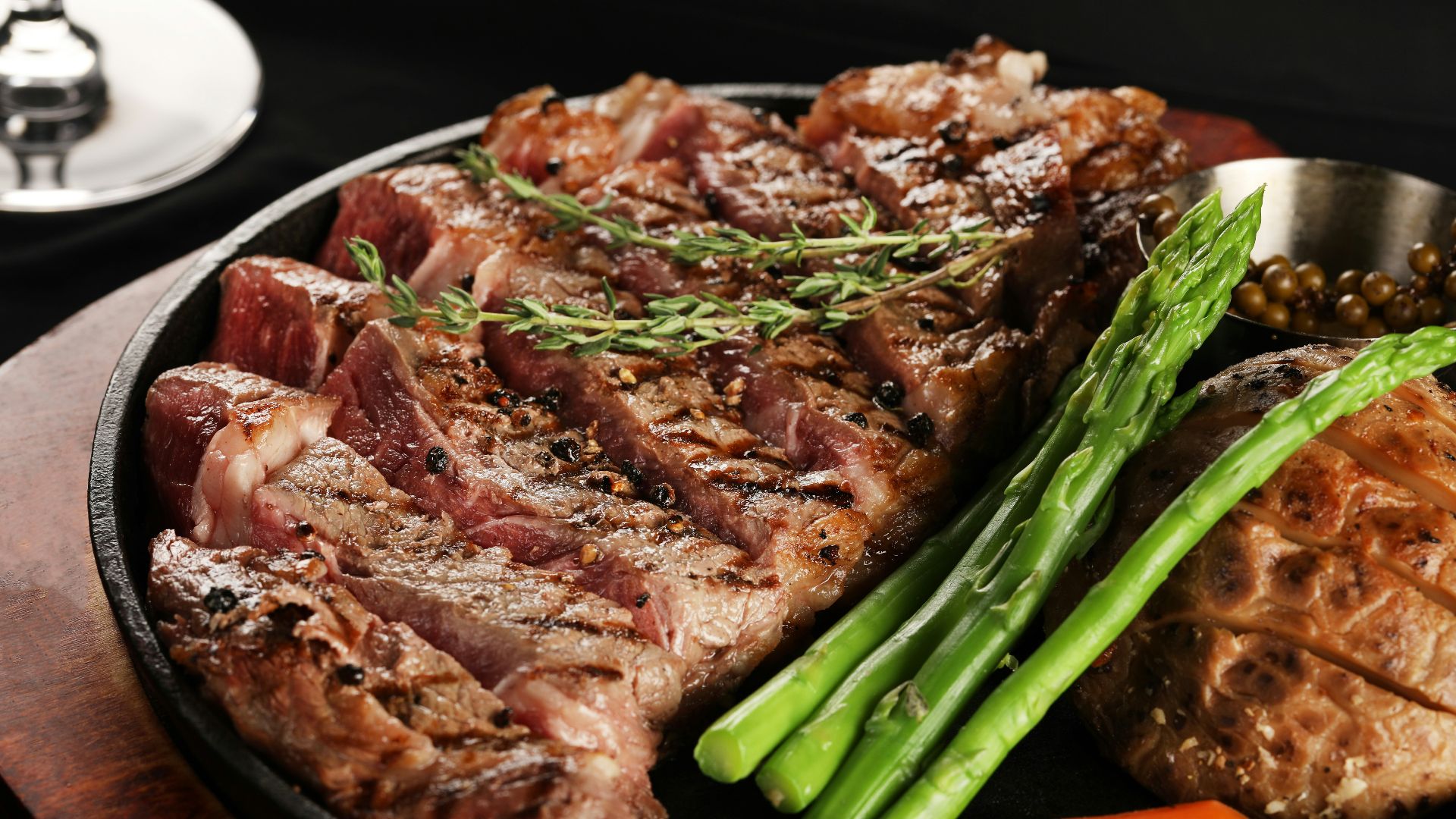
Many red meat dishes are calorie-dense, particularly when paired with rich sauces or higher-fat cuts. Larger portions can contribute significant calories without seeming excessive.
14. It Provides Selenium
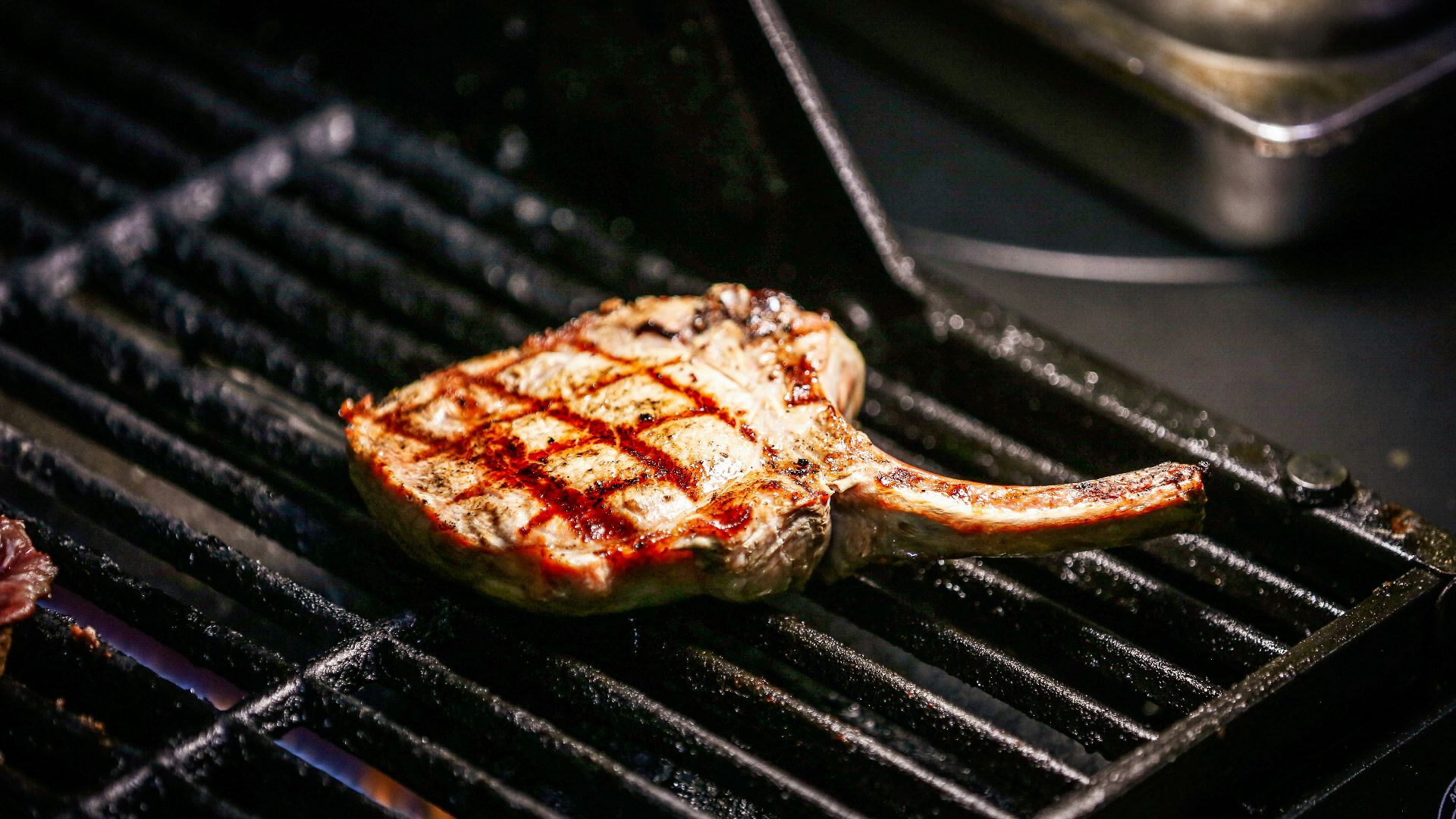
Red meat contains selenium, a trace mineral involved in antioxidant defense and thyroid function. The body requires only small amounts, but adequate intake remains important. Selenium supports several processes related to cellular health.
15. It Can Increase Sodium Intake In Processed Forms
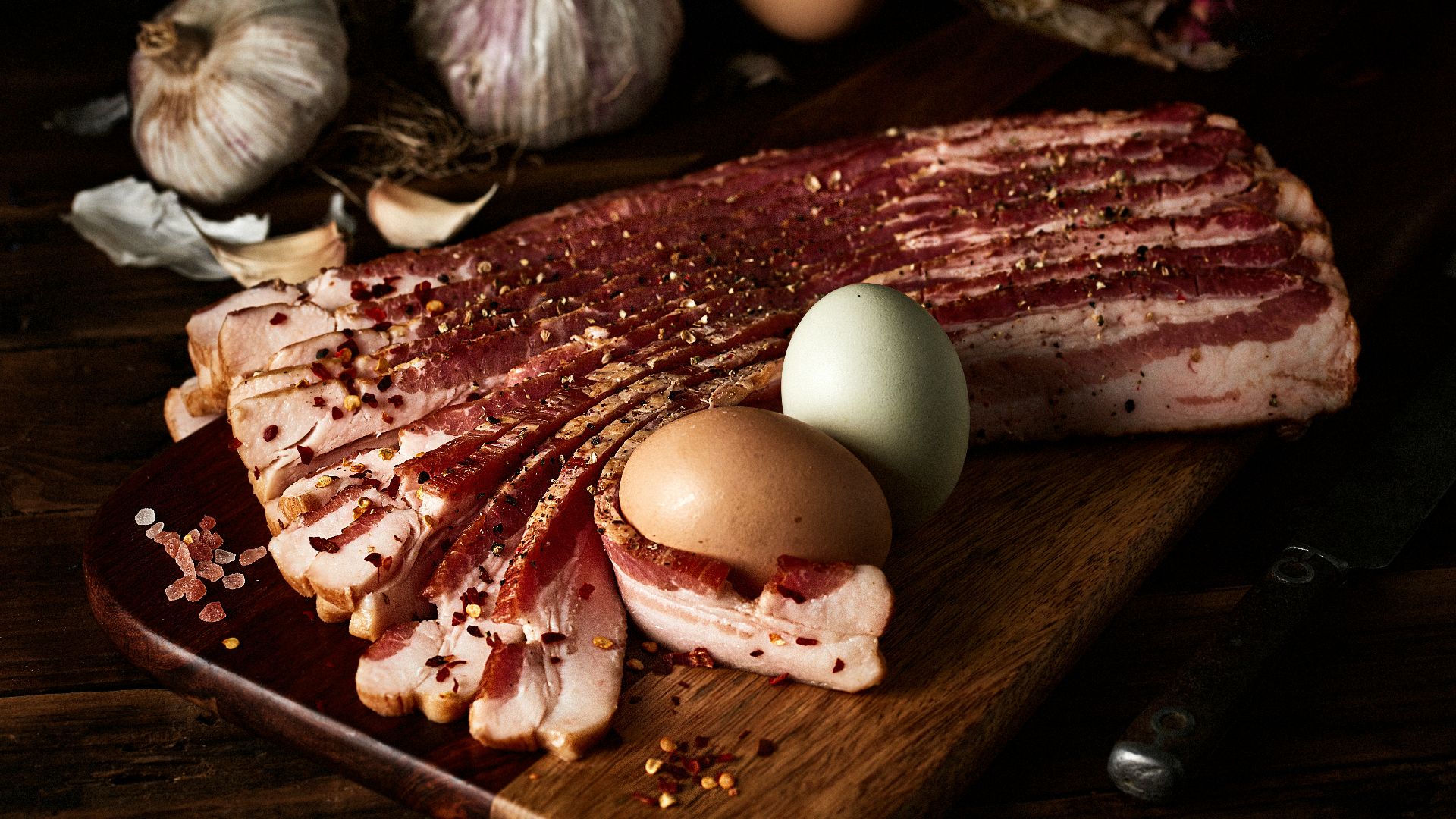
While fresh cuts contain relatively modest amounts of sodium, processed varieties often contain much more. Products such as bacon, sausages, and cured meats may contribute significantly to daily sodium consumption. Excessive sodium intake is associated with high blood pressure.
16. It May Influence Inflammation Levels
Research suggests that heavily processed red meats may be associated with higher levels of inflammation-related markers in some individuals. Fresh, unprocessed cuts appear to have different effects. Overall dietary patterns often play a larger role than any single food.
17. It Supports Recovery After Exercise
The protein, amino acids, and micronutrients found in red meat can aid recovery following strenuous physical activity. These nutrients help repair muscle tissue and support adaptation to training.
18. It Can Affect Heart Health Depending On Intake
Moderate consumption of lean cuts may fit into a balanced diet, while frequent consumption of processed varieties has been linked to higher cardiovascular risk. Preparation methods and portion sizes also matter. The overall quality of the diet remains an important factor.

19. It May Increase Cancer Risk When Consumed Excessively
Research has linked high consumption of processed red meats with an increased risk of colorectal cancer. Frequent intake of large amounts of red meat may also contribute to higher risk levels.
20. It Provides Long-Lasting Energy
Because it contains protein and fat, red meat digests more slowly than many carbohydrate-heavy foods. This slower digestion can provide sustained energy and help stabilize hunger between meals.
KEEP ON READING