
The Best Gut Foods Are Probably Already in Your Kitchen
Most of the conversation around gut health has been taken over by supplements and products with "probiotic" printed on the label in a font that implies scientific credibility. The reality is that a lot of the most effective foods for your gut microbiome are ordinary, cheap, and have been sitting in grocery stores for decades without anyone marketing them as functional. What keeps coming up in the research is that diversity and fiber matter more than any single supplement, and the foods below deliver both. Here's 20 that are worth paying more attention to.
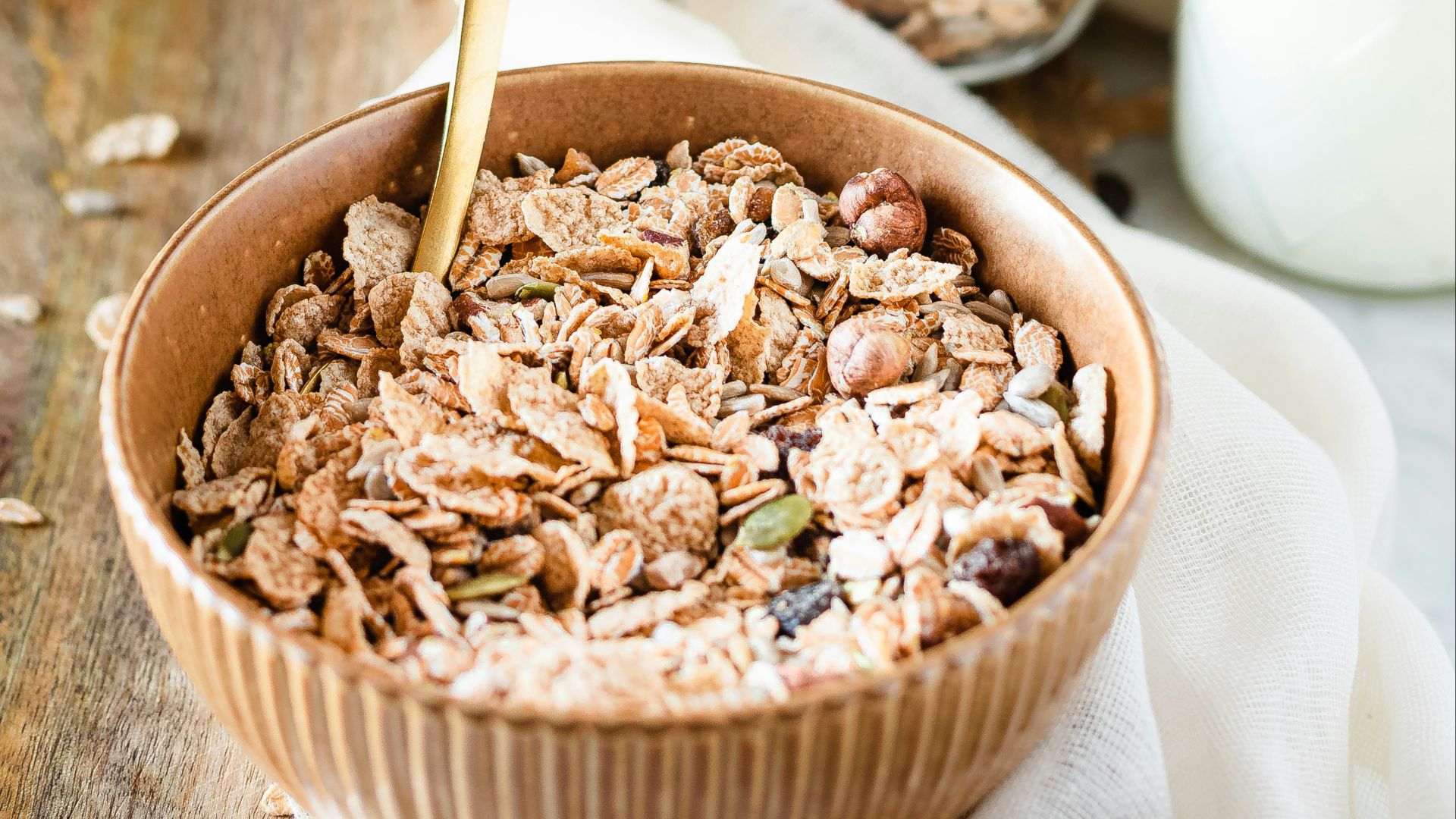
1. Oats
Oats contain a soluble fiber called beta-glucan that feeds beneficial bacteria in the colon and has been shown to increase microbial diversity in people who eat them regularly. They are also one of the most affordable foods on this list, which makes how little attention they get in gut health conversations particularly strange.
 micheile henderson on Unsplash
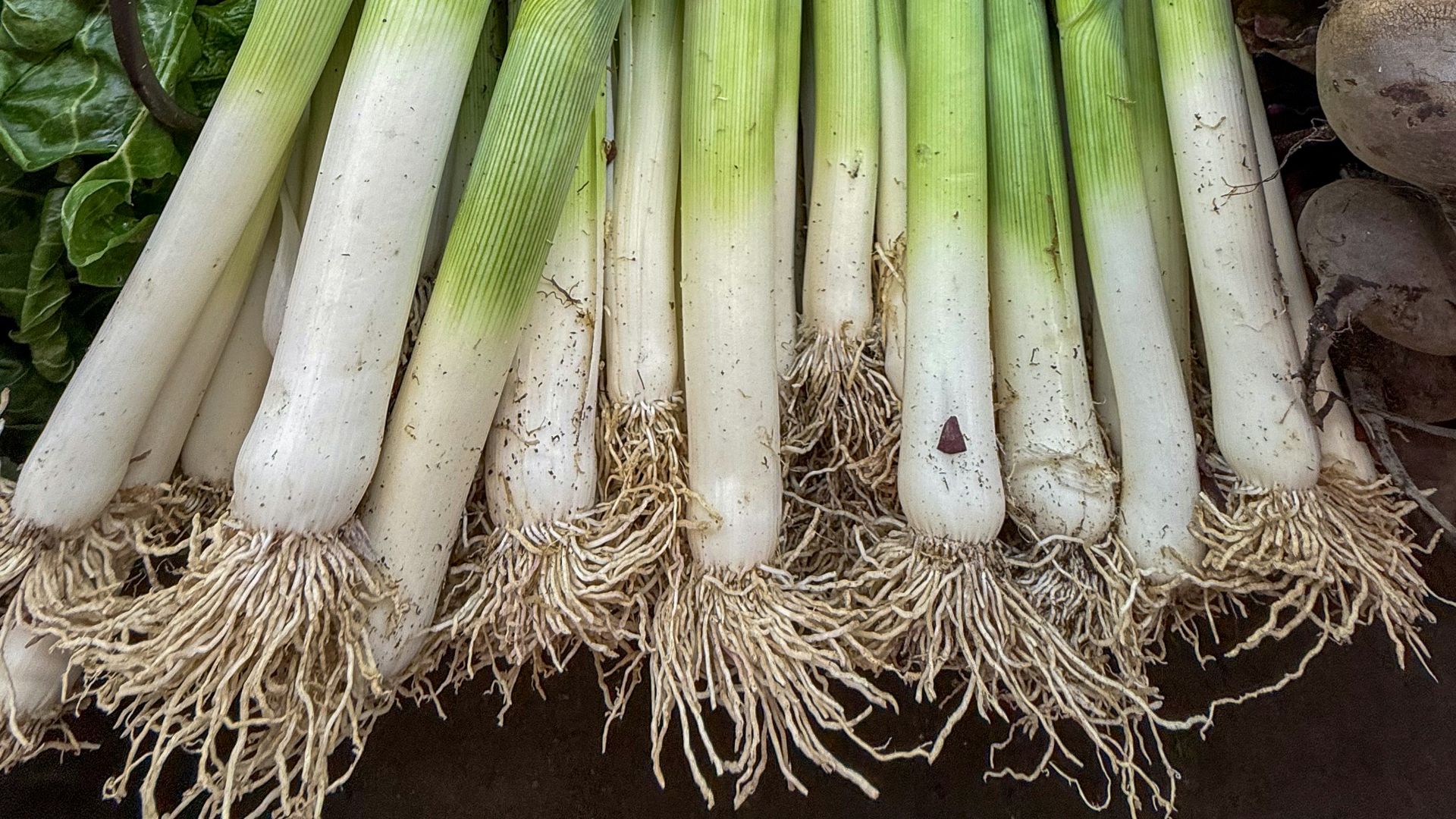
2. Leeks
Leeks belong to the same family as garlic and onions and contain significant amounts of inulin, a prebiotic fiber that feeds the bacteria already living in your gut rather than introducing new ones. Adding them to soups or roasted vegetable dishes is one of the easier ways to increase prebiotic intake without thinking much about it.
3. Canned Sardines
Sardines are rich in omega-3 fatty acids, which have been linked to reduced gut inflammation and a more diverse microbiome, and the canned version is one of the most nutritionally dense foods available at a low price point. The bones are soft enough to eat, the whole thing is shelf-stable, and there is no excuse about them going bad.

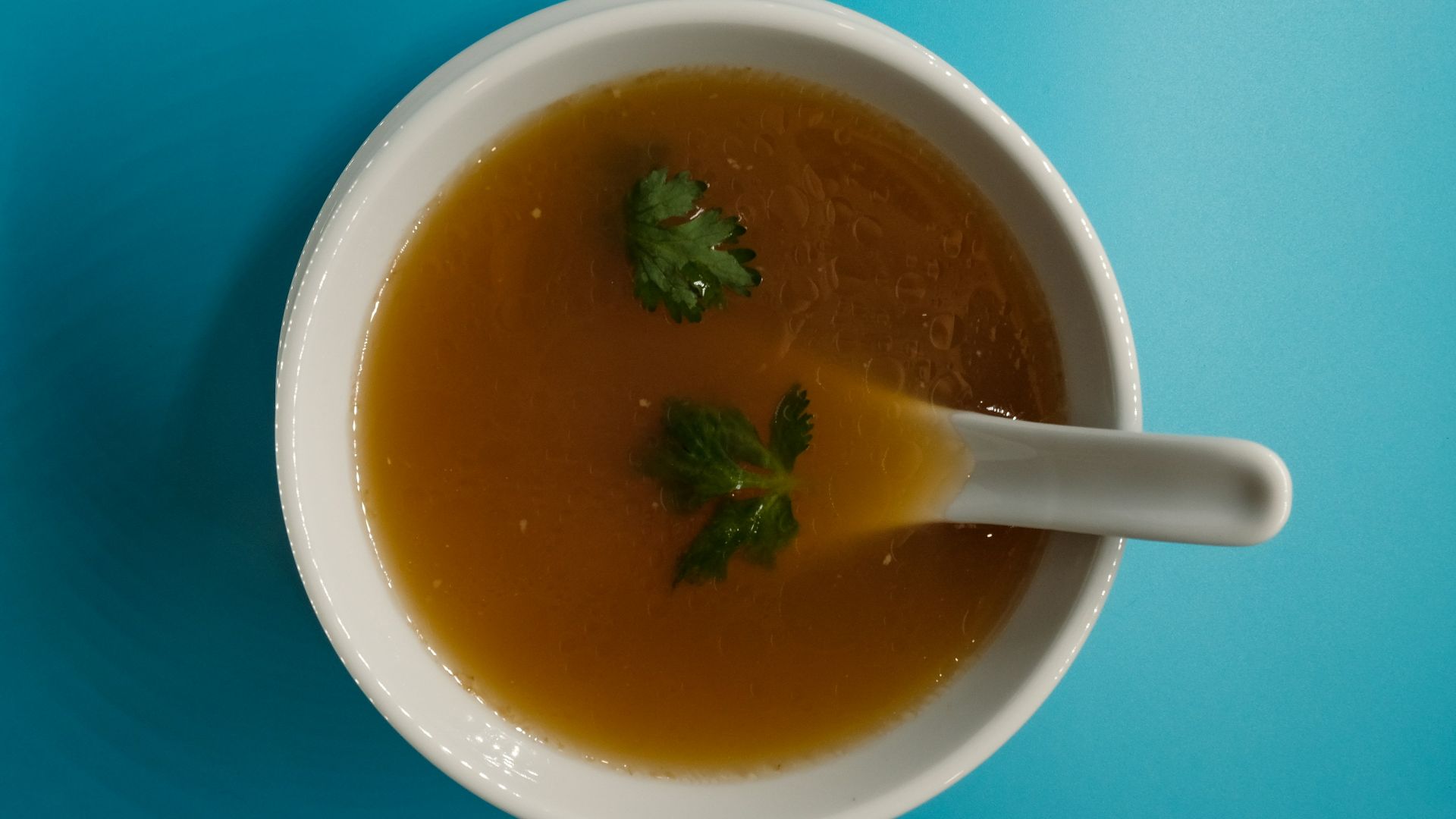
4. Miso
Miso is a fermented soybean paste with live cultures that has been a staple of Japanese cuisine for centuries, which is relevant context given what researchers have found about Japanese gut microbiome diversity. A spoonful stirred into warm water or broth is enough to get the benefit, though it should not be boiled or the heat will kill the cultures.
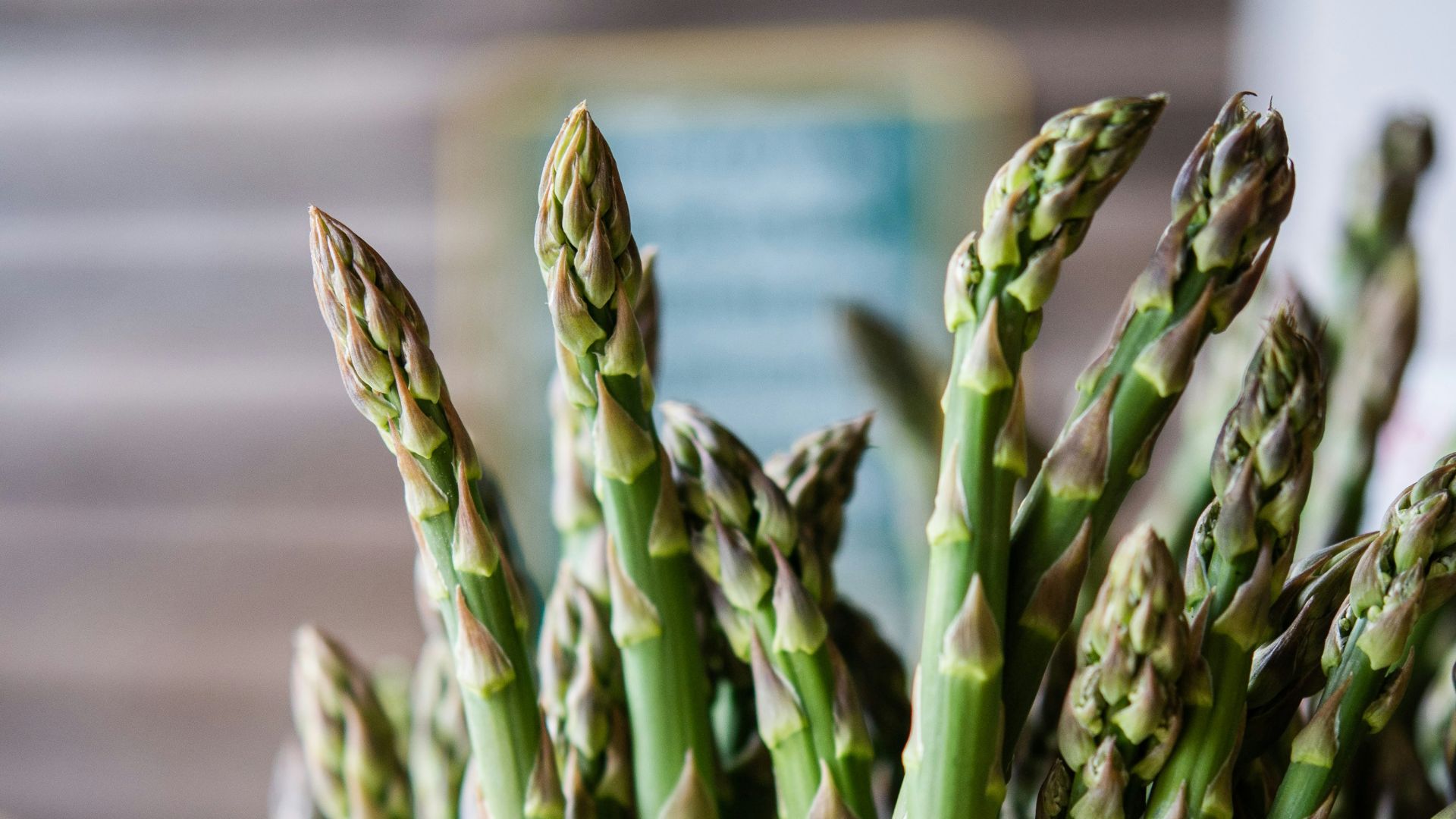
5. Asparagus
Asparagus is one of the better natural sources of inulin and fructooligosaccharides, both prebiotic fibers that selectively feed beneficial bacteria like Bifidobacterium. It also delivers meaningful prebiotic value even after cooking, which makes it more practical than raw alternatives most people are not going to eat in large quantities.
6. Barley
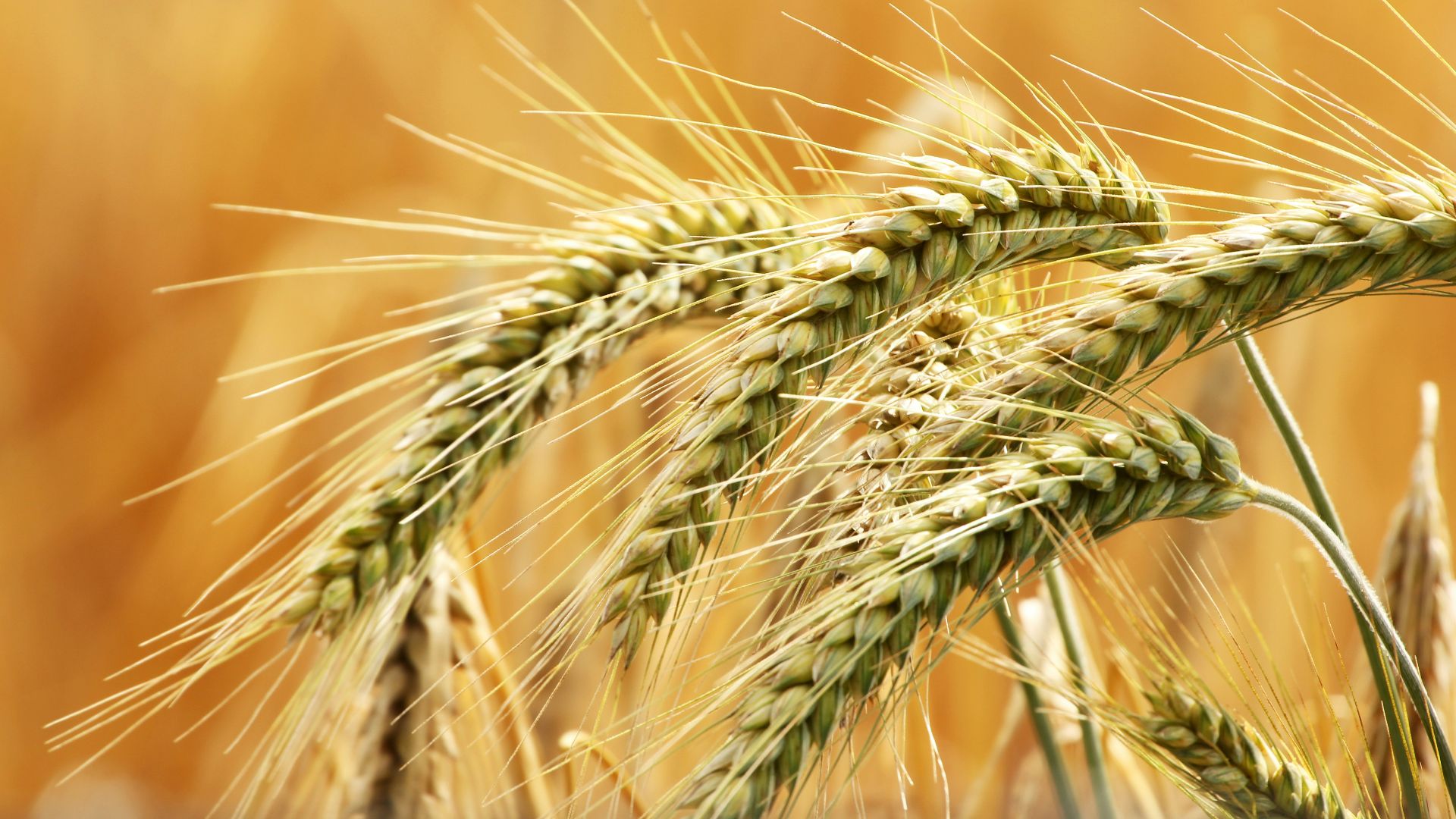
Barley has a higher beta-glucan content than oats and produces butyrate when fermented in the colon, a short-chain fatty acid that serves as the primary fuel source for the cells lining the gut wall. It works well in soups and stews, absorbs surrounding flavors, and is genuinely underused as a grain given how well it performs on this front.
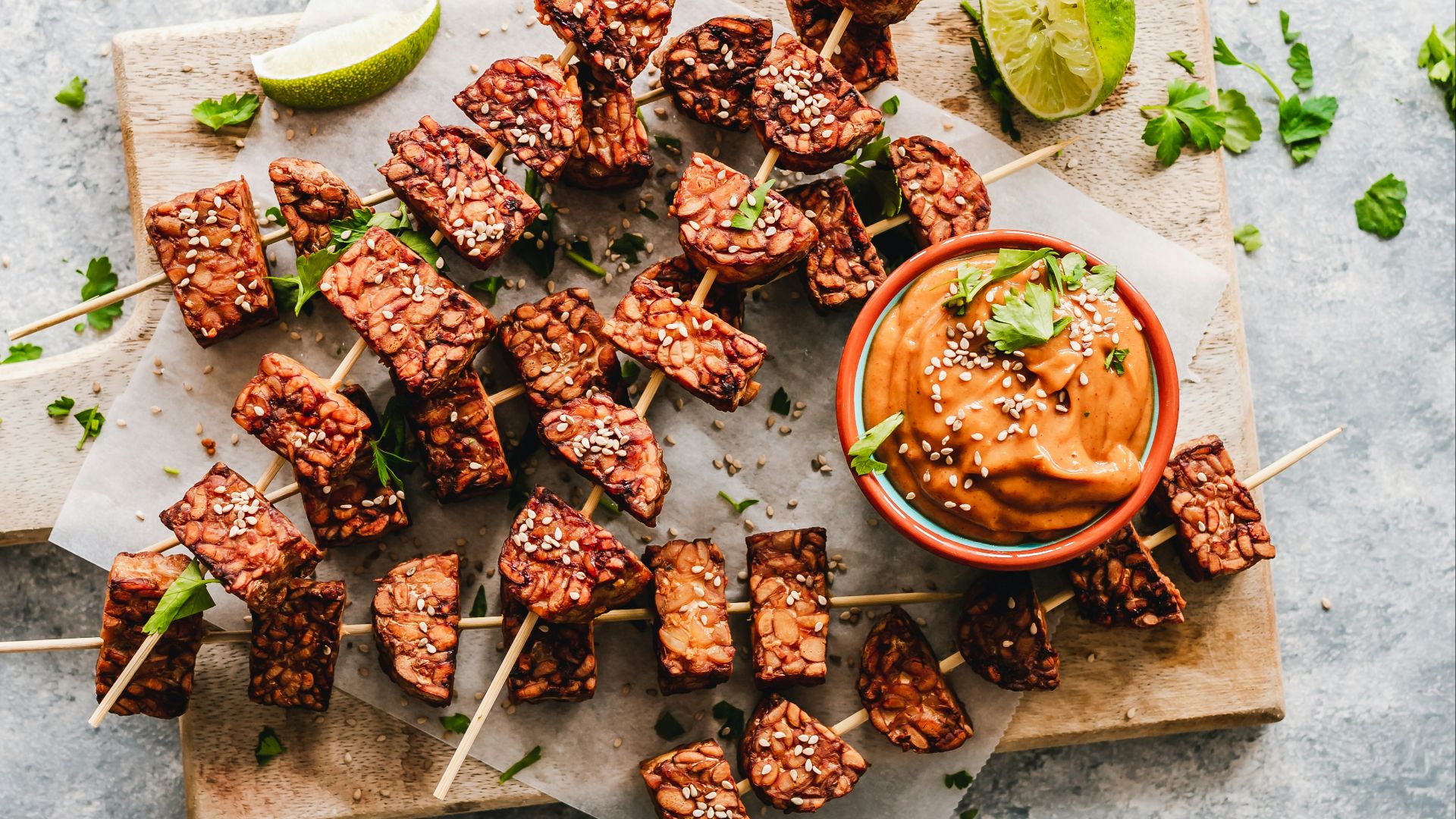
7. Tempeh
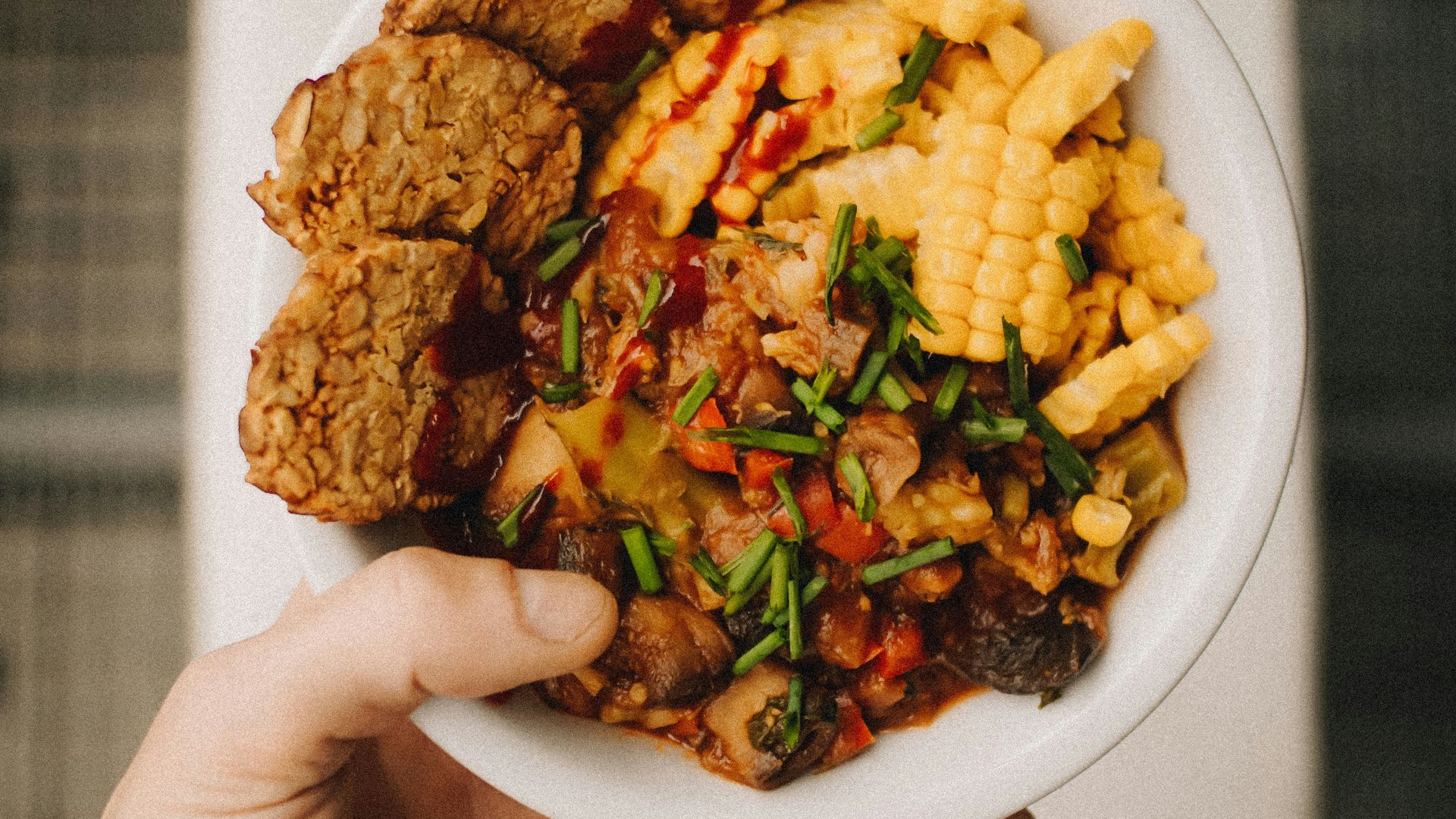
Tempeh is fermented soybeans pressed into a firm cake that, unlike tofu, retains the whole soybean including the fiber, meaning it delivers both probiotics and prebiotics in the same food. It has a stronger, nuttier flavor than tofu and holds up well to high heat, which makes it more versatile than its health food reputation suggests.
8. Jerusalem Artichokes
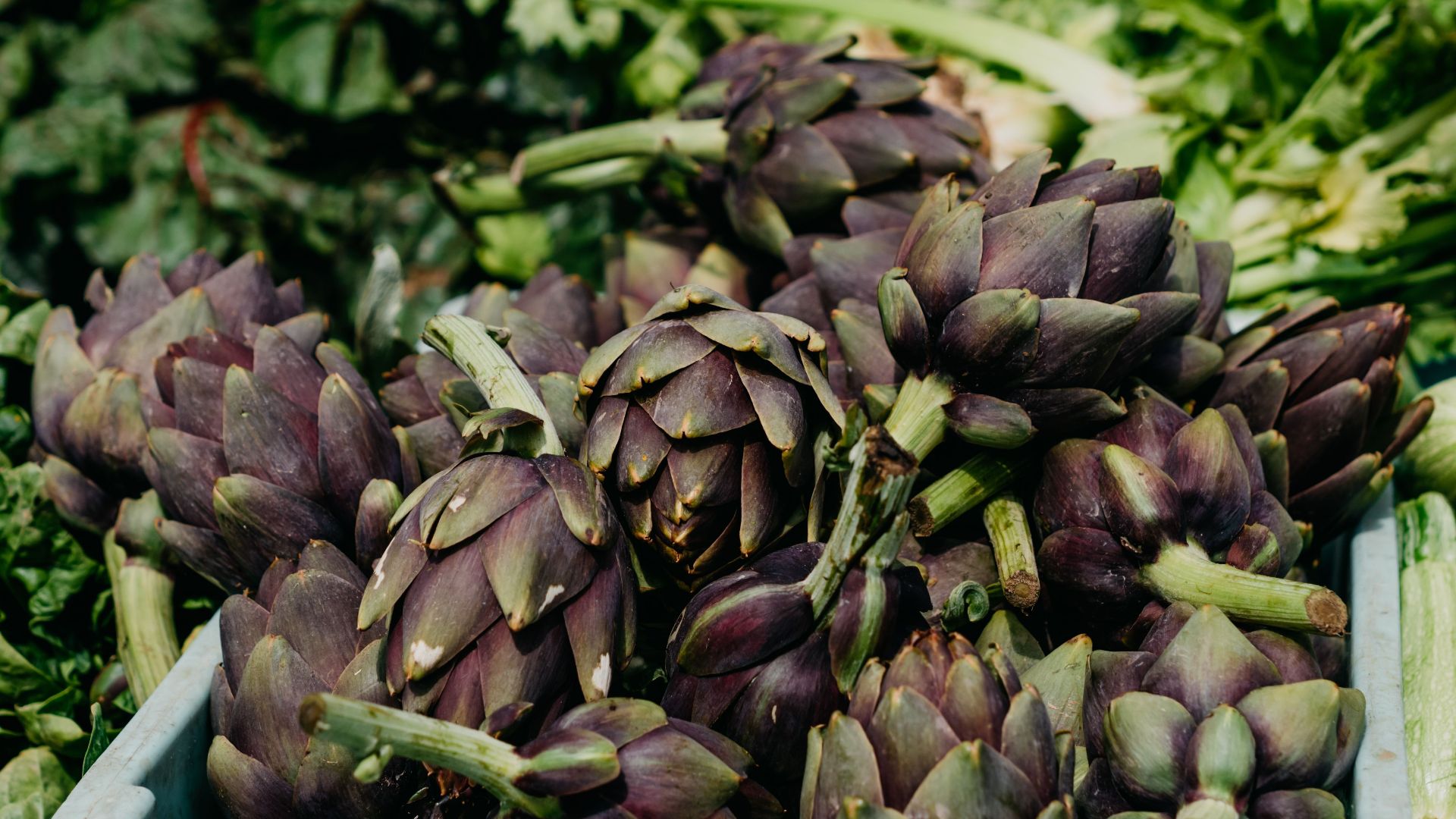
Jerusalem artichokes, which are neither from Jerusalem nor artichokes, contain more inulin per gram than almost any other food and are among the most potent prebiotic vegetables available. They are also the kind of thing that can cause significant gas in people not used to high-fiber foods, which is worth knowing before you eat a large portion at a dinner party.
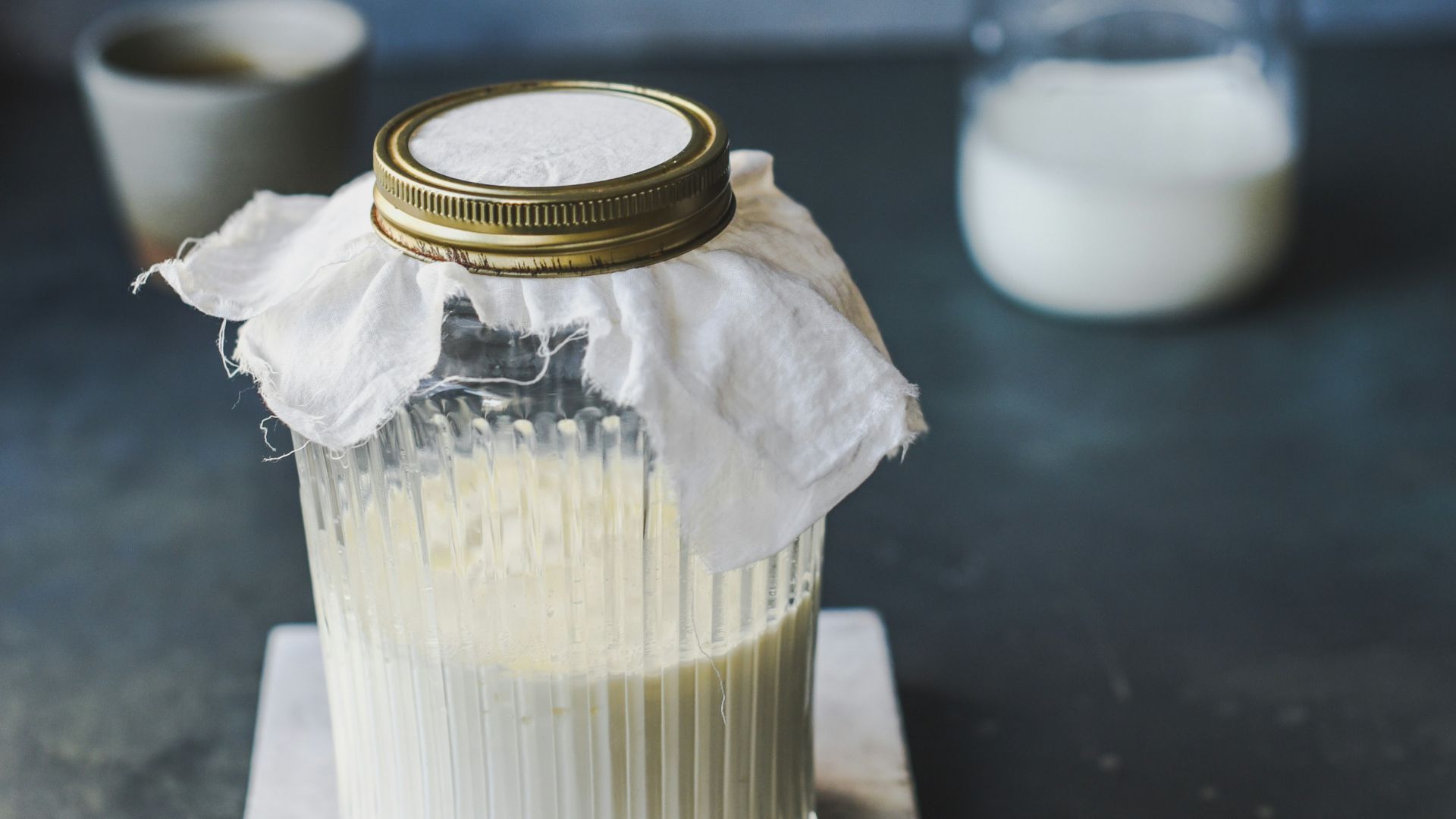
9. Kefir
Kefir is a fermented milk drink that contains a wider range of bacterial strains than most yogurts, including strains shown to survive the journey through the stomach and actually reach the colon. The plain, unsweetened version is considerably more useful than the flavored commercial varieties.
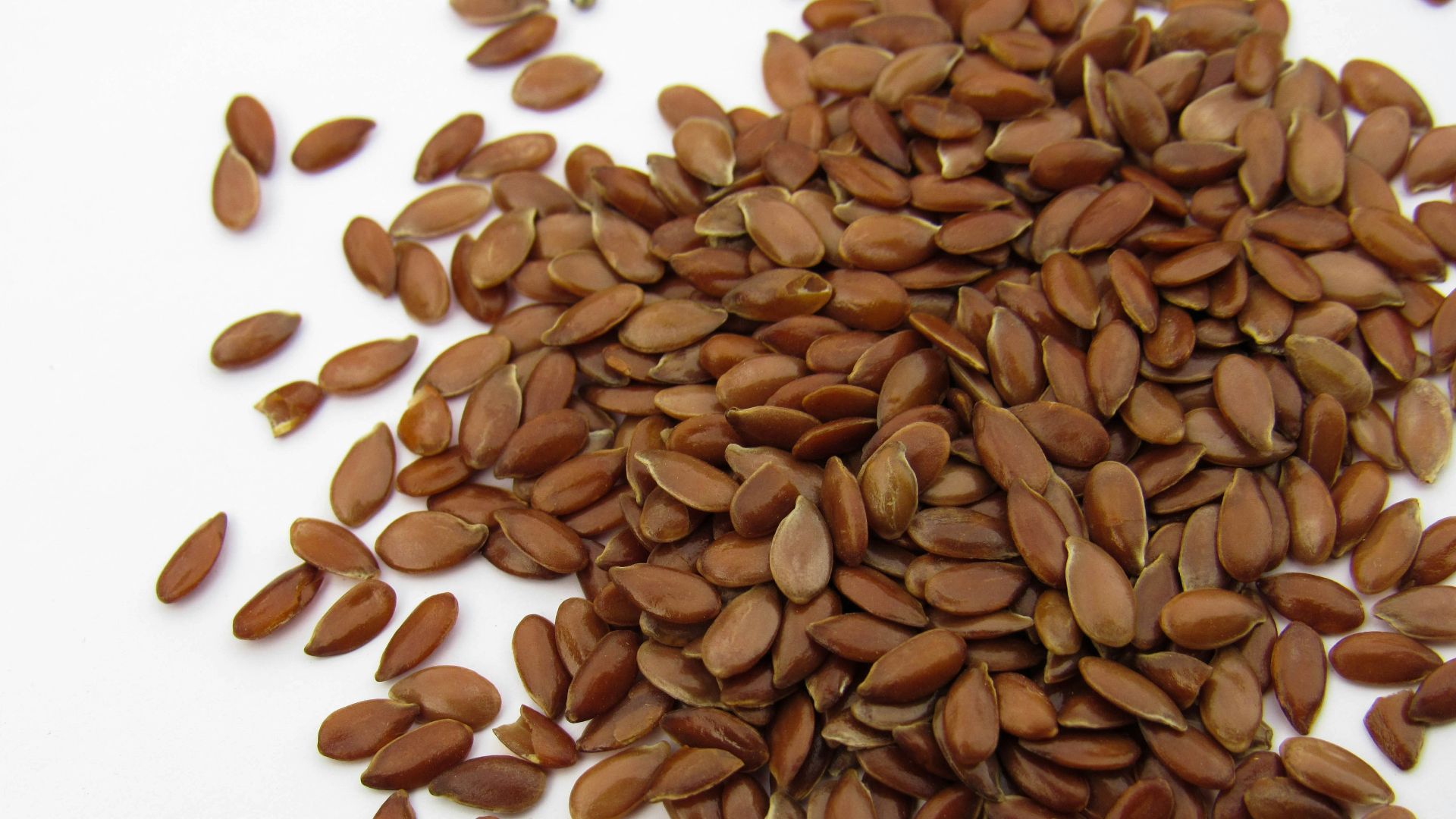
10. Flaxseeds
Flaxseeds contain both soluble and insoluble fiber along with lignans, which gut bacteria convert into compounds with anti-inflammatory effects. Ground flaxseed is more bioavailable than whole, and a tablespoon or two added to yogurt or oatmeal is enough to make a difference without changing how you already eat.
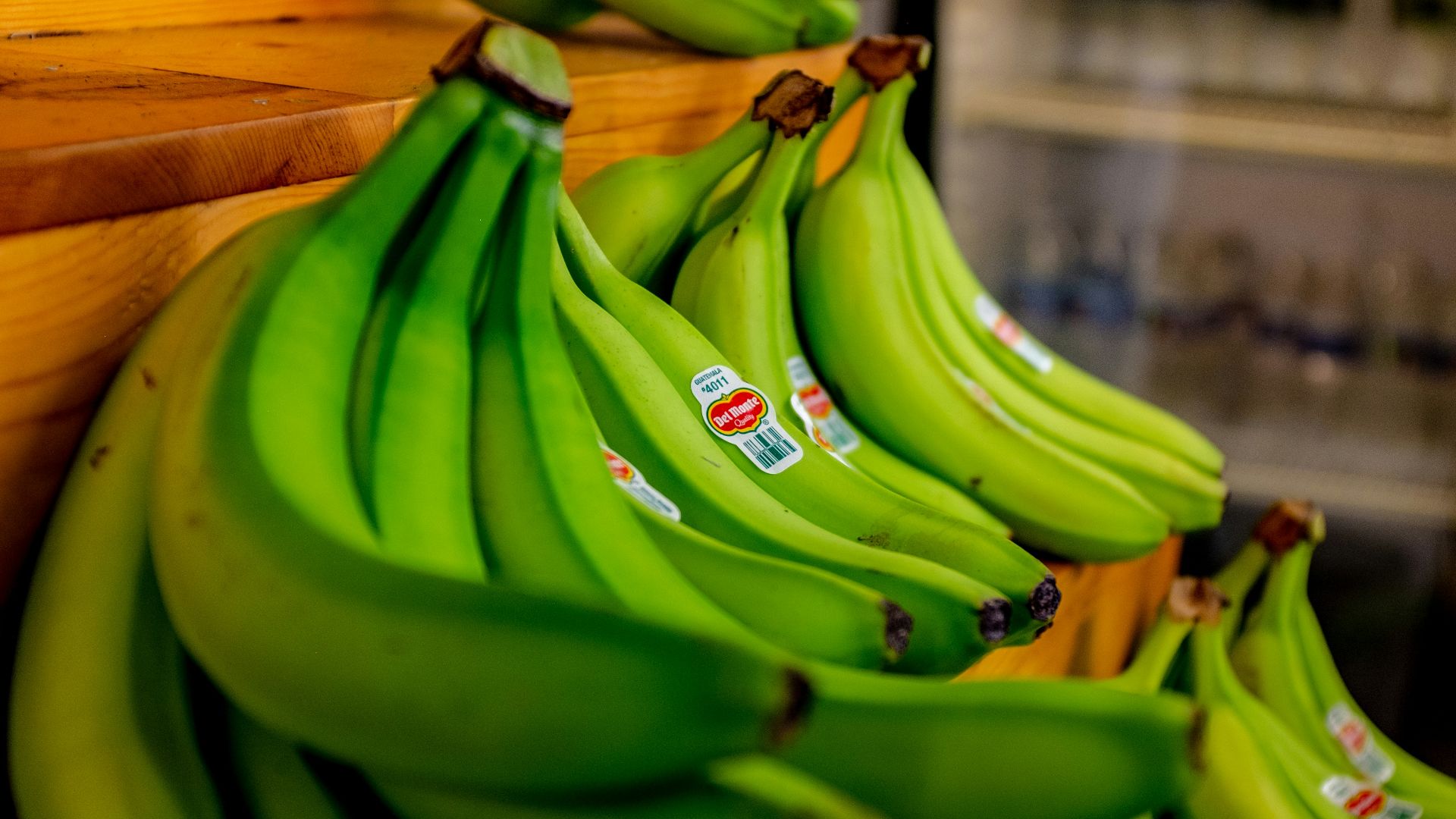
11. Green Bananas
Green bananas contain resistant starch, which passes through the small intestine undigested and arrives in the colon where bacteria ferment it into butyrate and other beneficial compounds. The resistant starch content drops significantly as the banana ripens, so the less appealing version is the more functional one.
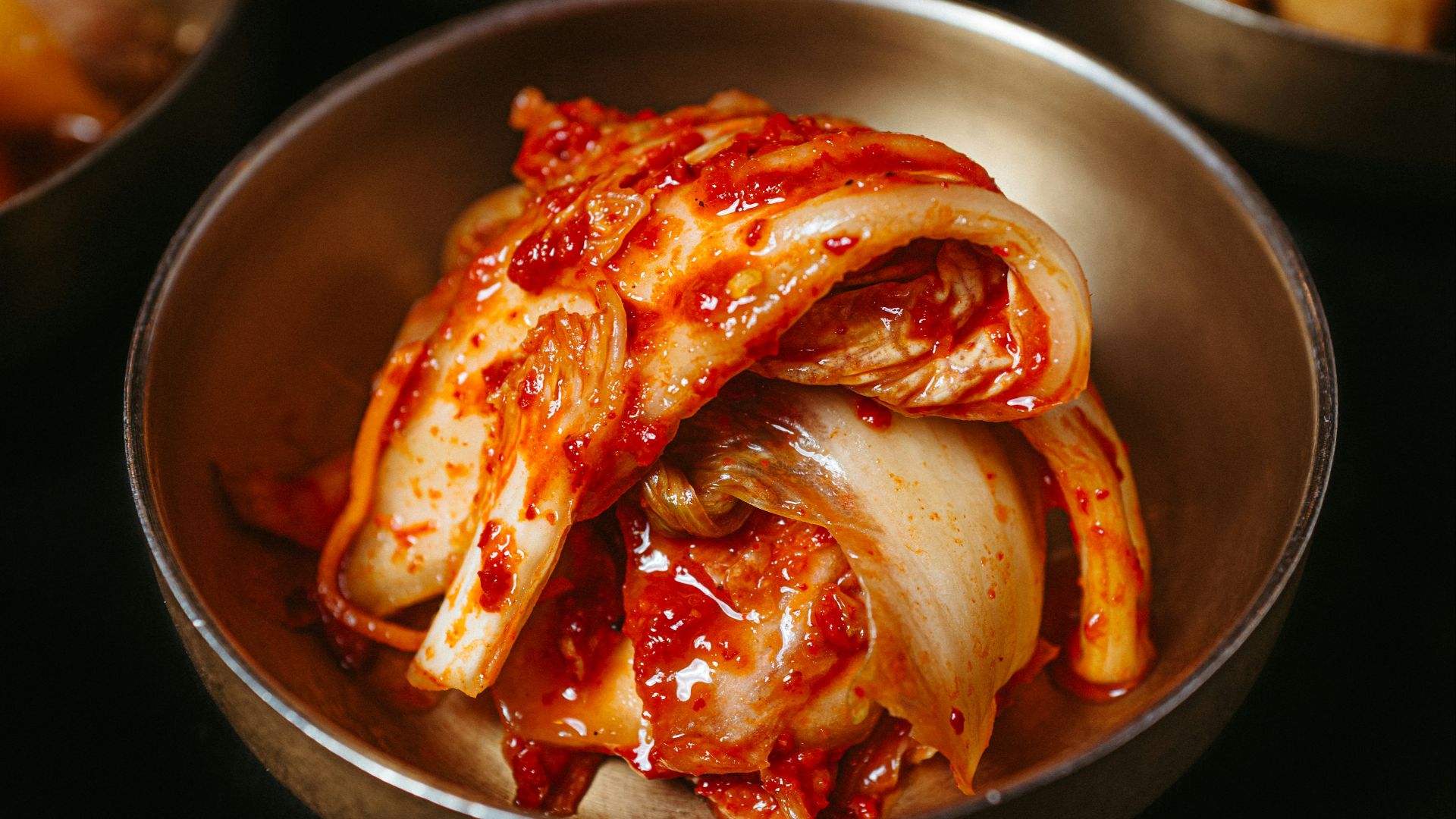
12. Kimchi
Kimchi is fermented cabbage with a bacterial profile that tends to be more diverse than commercially produced sauerkraut, and regular consumption has been associated with improvements in gut microbial diversity in several studies. The milder versions are widely available in grocery stores now in a way they were not a decade ago.
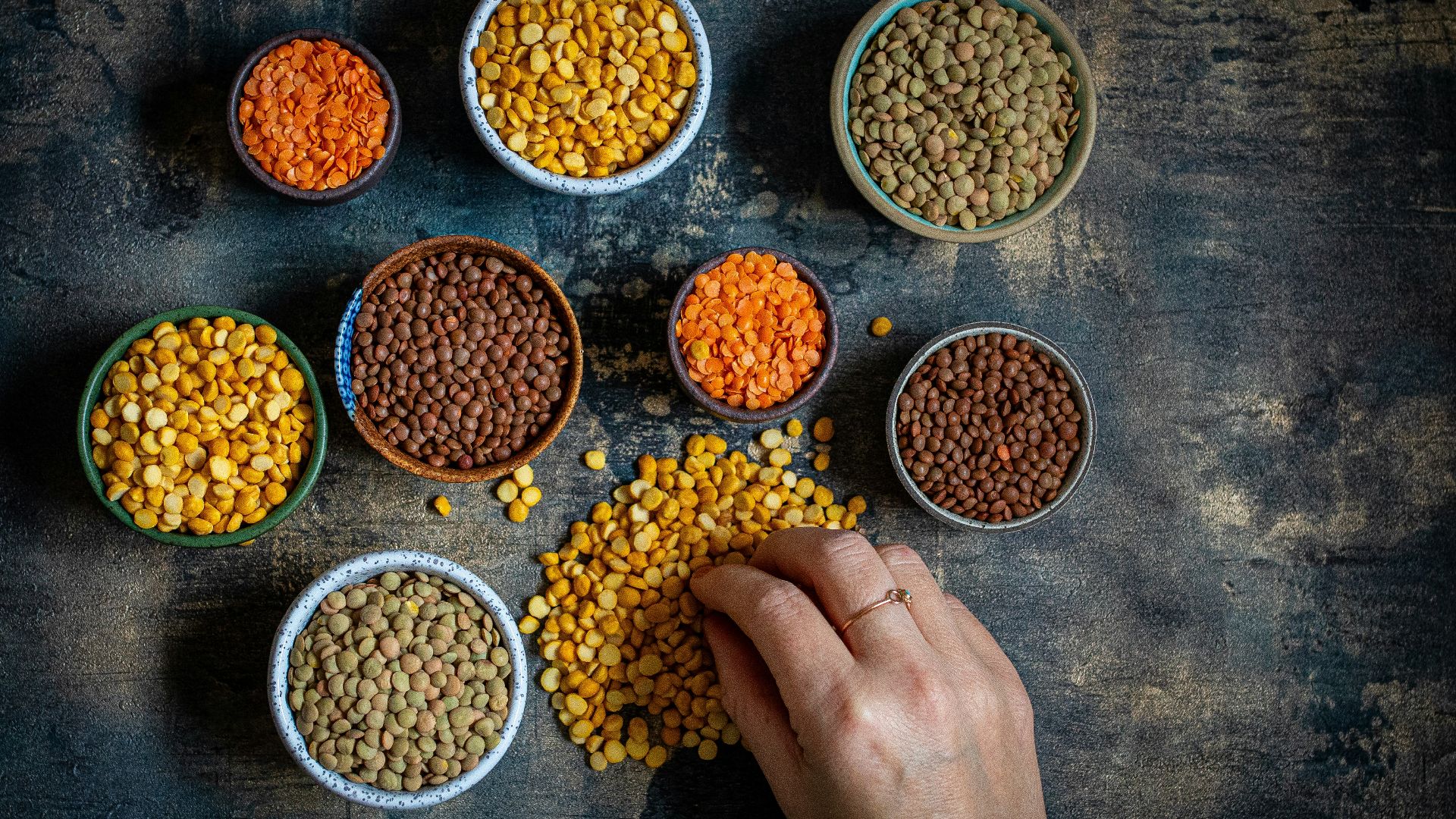
13. Lentils
Lentils are high in both soluble fiber and resistant starch, cook faster than most other legumes, and have been shown to increase populations of beneficial bacteria associated with reduced gut inflammation. They also deliver meaningful protein alongside their fiber content, which makes them useful well beyond the gut health context.
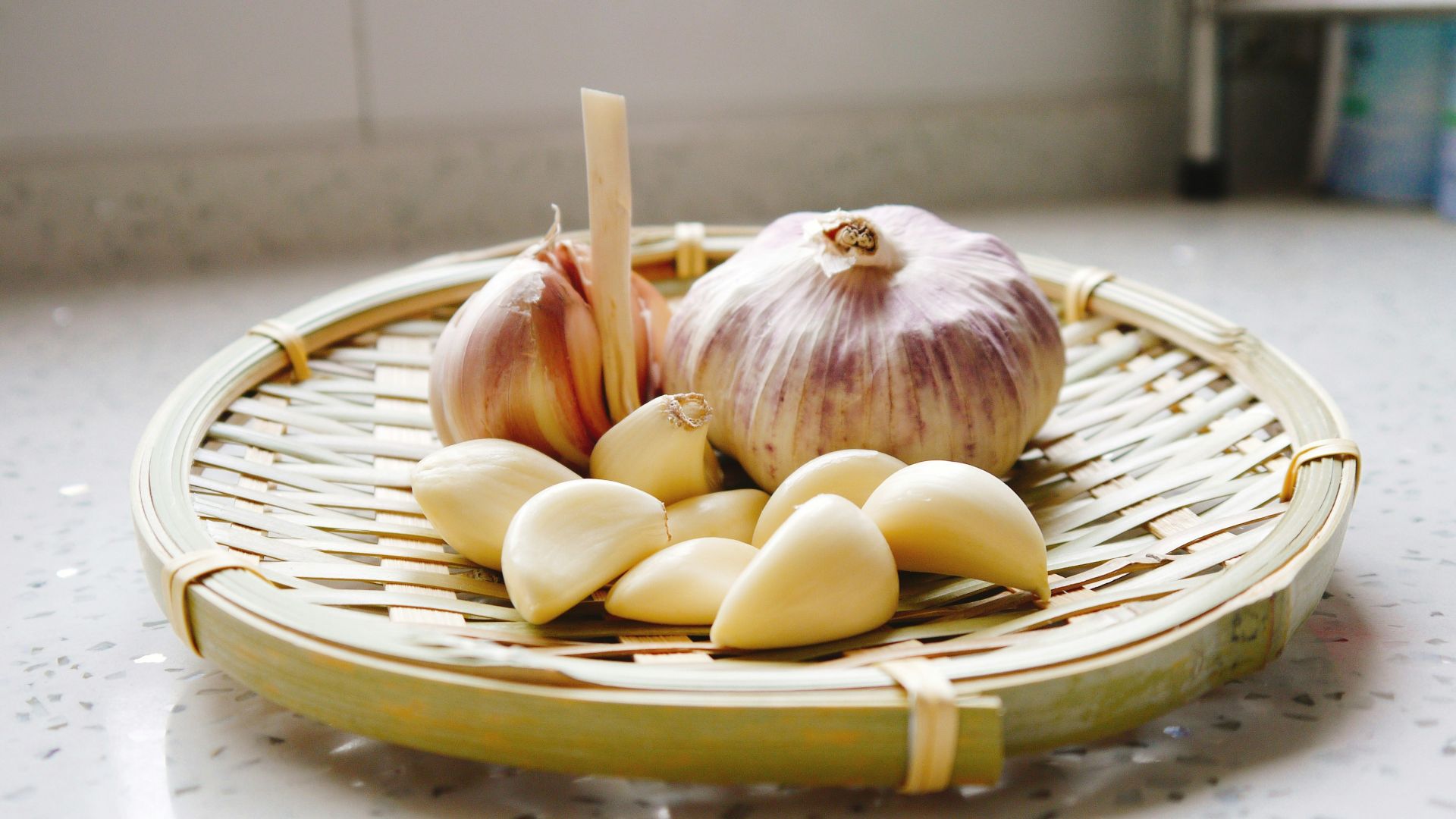
14. Garlic
Raw garlic contains fructooligosaccharides that feed beneficial bacteria and has demonstrated antimicrobial properties against some of the less desirable bacteria that can colonize the gut. Cooking reduces the prebiotic effect, so adding a small amount raw to a dressing or sauce after cooking delivers more benefit than garlic that has been roasted for a long time.
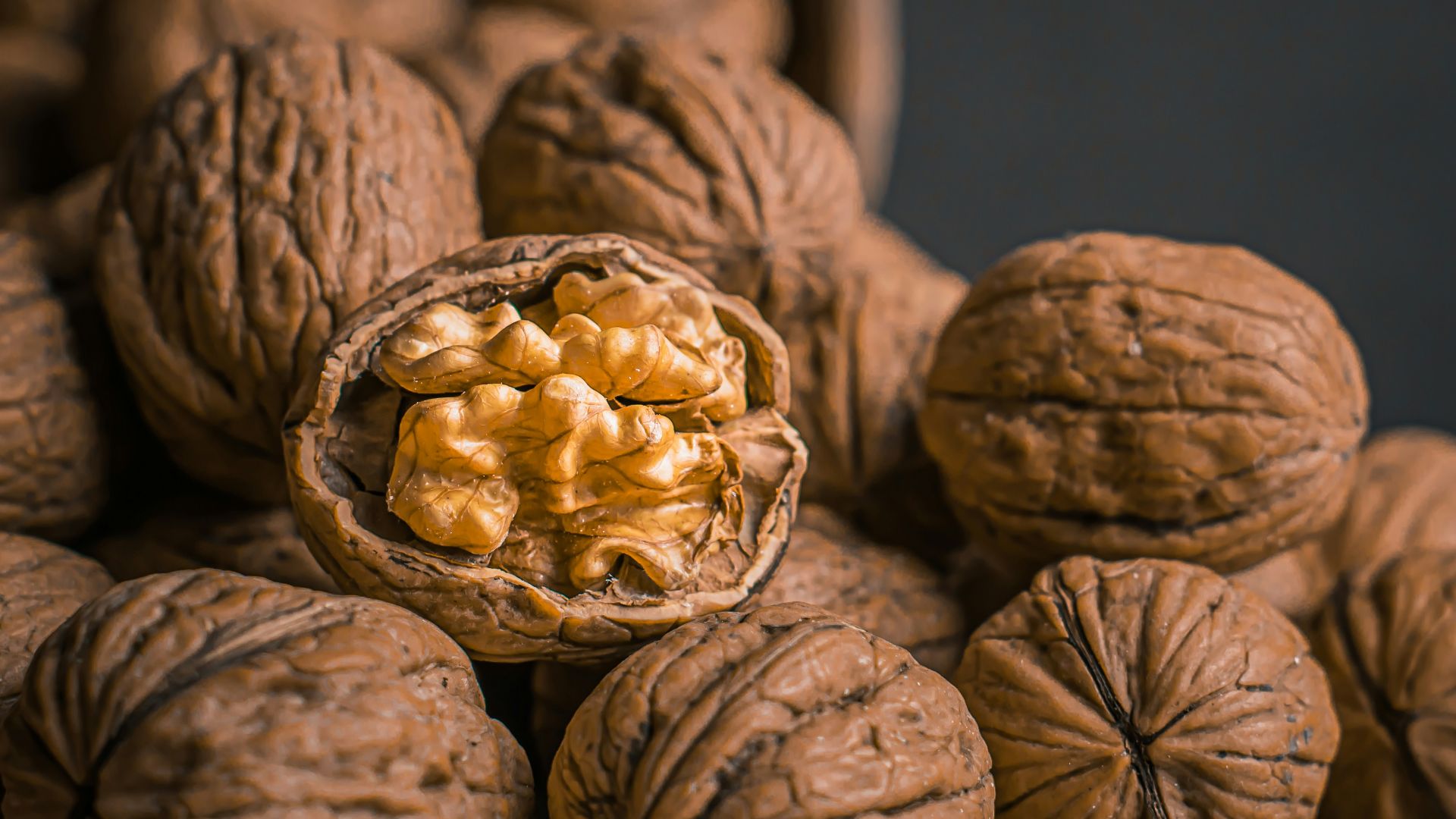
15. Walnuts
Walnuts have been shown in multiple studies to increase populations of Lactobacillus and Bifidobacterium in the gut, a more specific finding than the general fiber argument that applies to most plant foods. A small daily handful is enough to produce measurable changes in microbial composition within a few weeks.
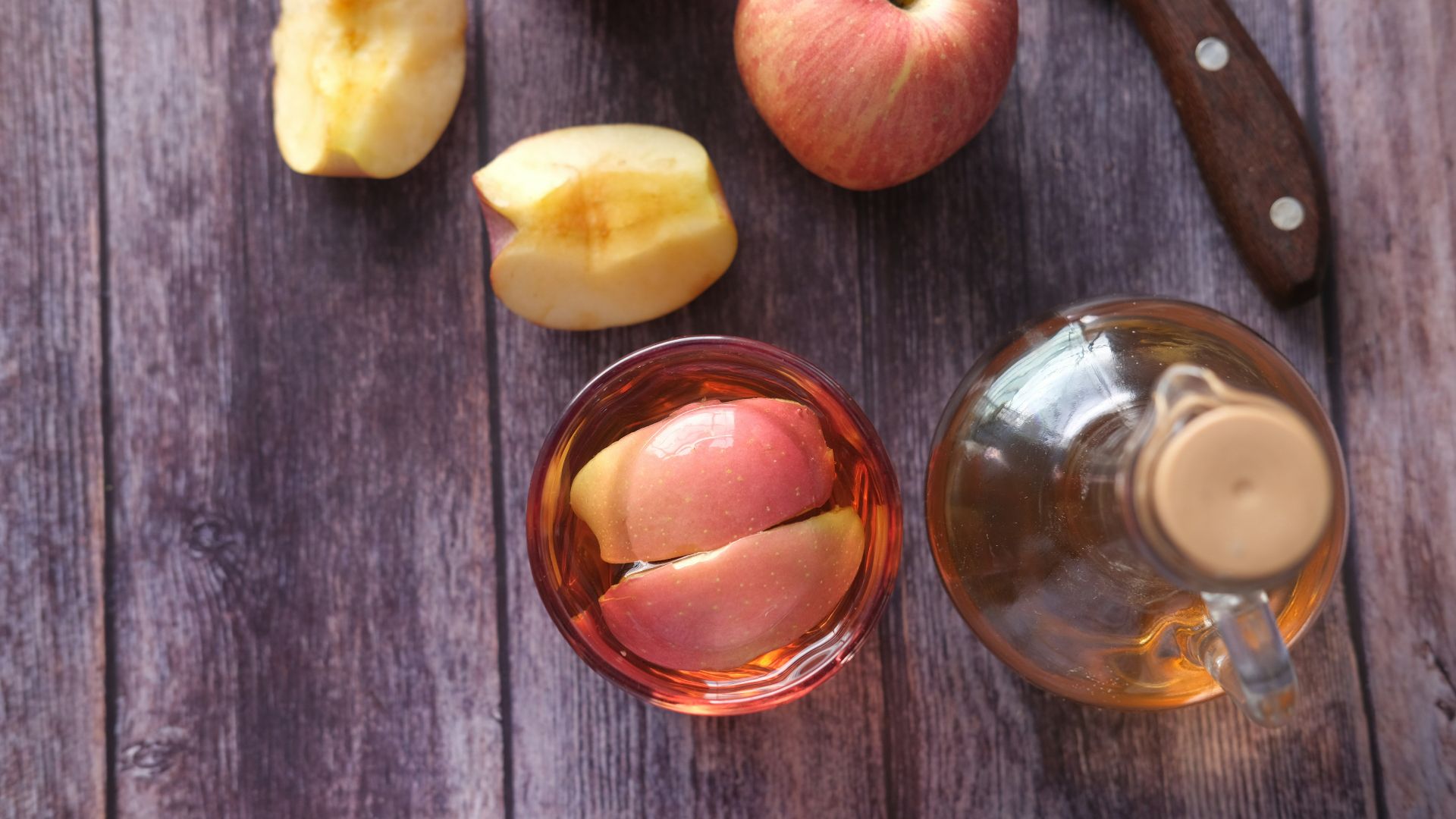
16. Apple Cider Vinegar
The evidence on apple cider vinegar is more modest than its reputation, but it does appear to have some prebiotic properties and has been shown to slow the rate at which food leaves the stomach, affecting blood sugar response and digestion. The unfiltered version with the cloudy sediment is the one most likely to retain any beneficial compounds.
17. Chicory Root
Chicory root is the most concentrated natural source of inulin available and is actually the source material for much of the inulin used in commercial fiber supplements. If you have ever ordered coffee with chicory in New Orleans, you have already encountered it without necessarily thinking about the prebiotic implications.

18. Peas
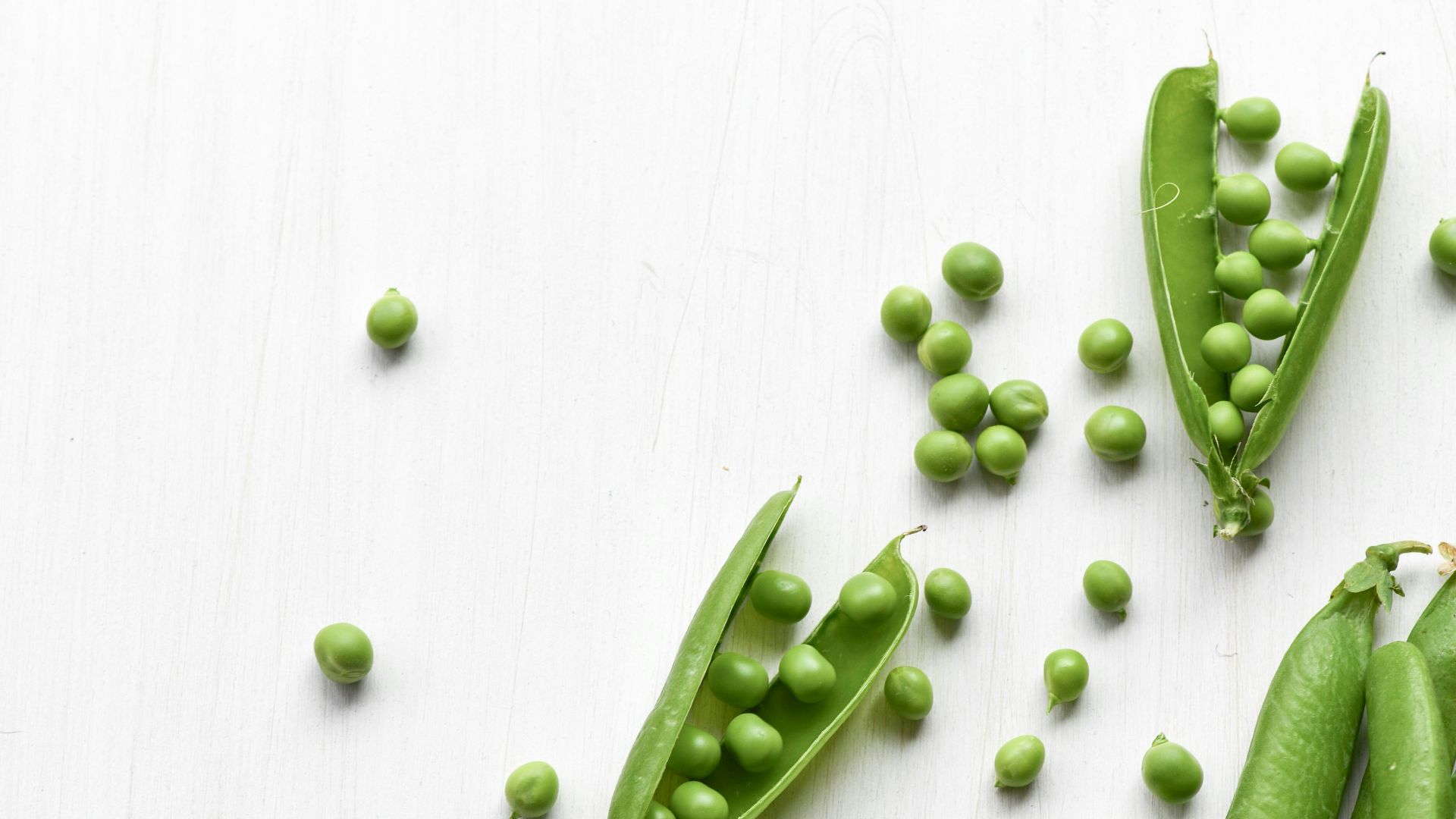
Peas contain a combination of soluble fiber, insoluble fiber, and resistant starch that makes them more gut-beneficial than their mild reputation suggests, and frozen peas are nutritionally equivalent to fresh in this respect. They are also one of the easier vegetables to add to dishes already in your rotation without changing the character of the meal much.
19. Sauerkraut
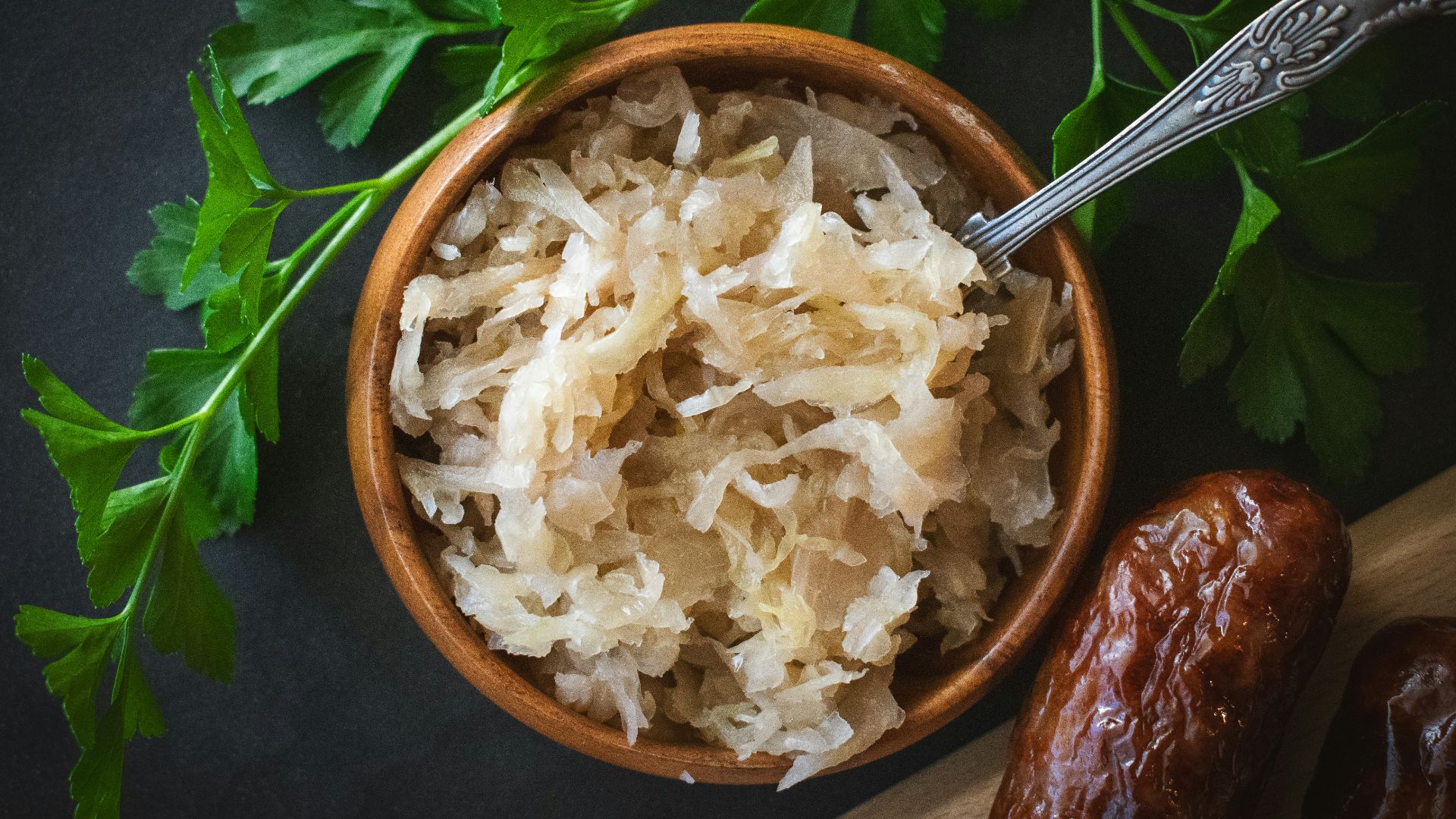
Unpasteurized sauerkraut contains live cultures and is one of the most studied fermented foods in the context of gut health, with evidence suggesting regular consumption can meaningfully shift microbial composition. The pasteurized version sold in shelf-stable cans does not have live cultures, so the refrigerated kind in a pouch or jar is what actually delivers the benefit.
20. Dark Chocolate
Dark chocolate with a cocoa content above seventy percent contains polyphenols that gut bacteria ferment into anti-inflammatory compounds, and several studies have found that regular consumption is associated with greater microbial diversity. The effect is real enough to appear in the research and modest enough that it is not a reason to eat large amounts, but interesting enough that it belongs on a list like this.

KEEP ON READING

20 Ways Perimenopause Changes Fitness and Appetite


20 Unhealthy Obsessions People Have
20 Gut-Friendly Fermented Foods For Everyday Meals