
Your Body Has More Than One Way to Say “Go to Bed”
Your body is usually more honest about sleep than your calendar is. You may tell yourself you’re fine, productive, and fully capable of surviving on “just one more episode,” but your brain, mood, appetite, eyes, and energy levels may be telling a very different story. Missing sleep once in a while is normal, but regularly getting too little rest can affect how you think, feel, move, and handle everyday stress. Here are 20 signs your body is asking for more sleep.

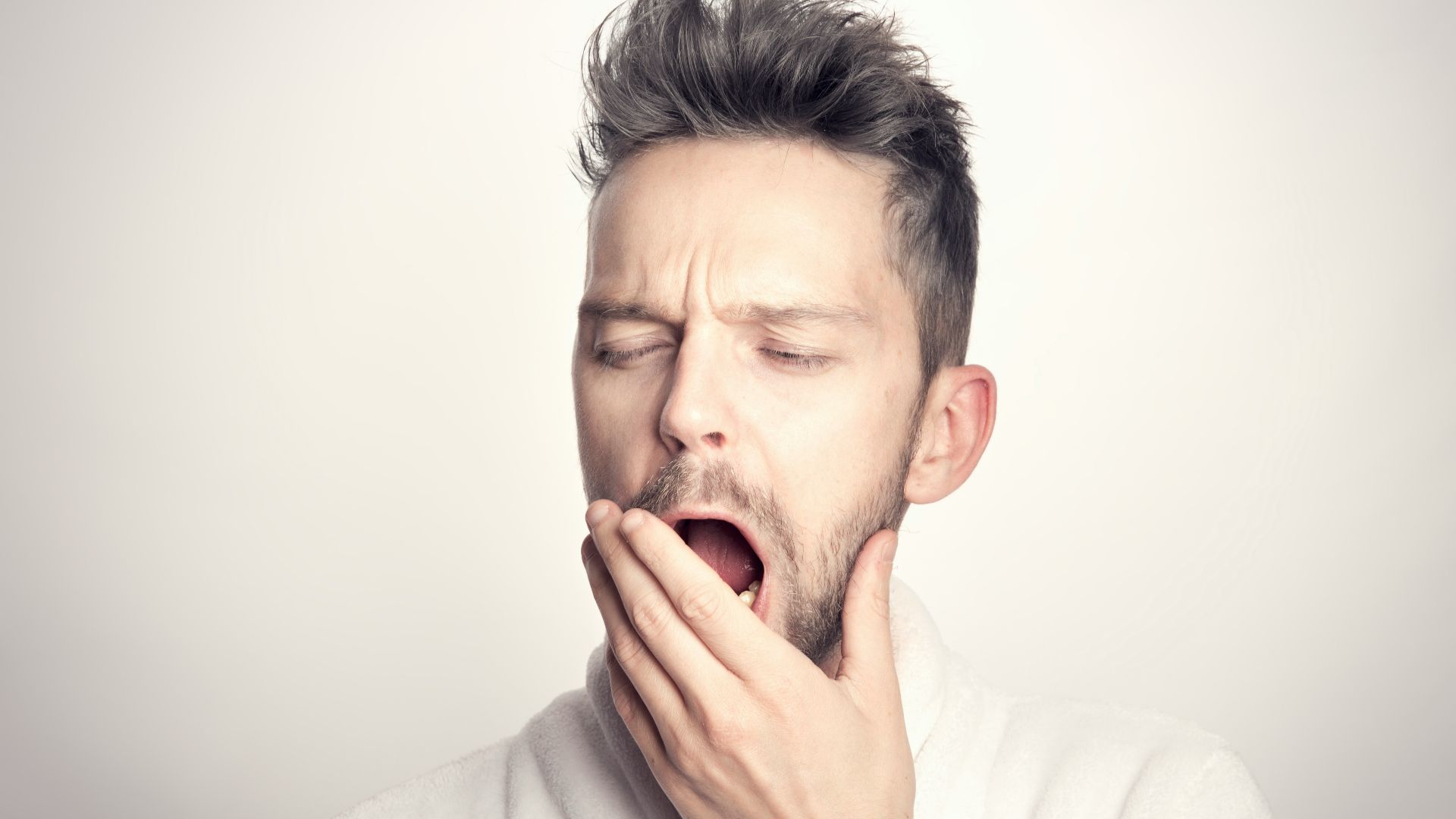
1. You Wake Up Already Tired
Waking up tired after a short or restless night makes sense, but it becomes a bigger clue when it keeps happening. If your alarm goes off and you feel like you barely recovered, your body may not be getting enough quality sleep. You might technically spend hours in bed, but frequent waking, stress, or poor sleep timing can still leave you drained.
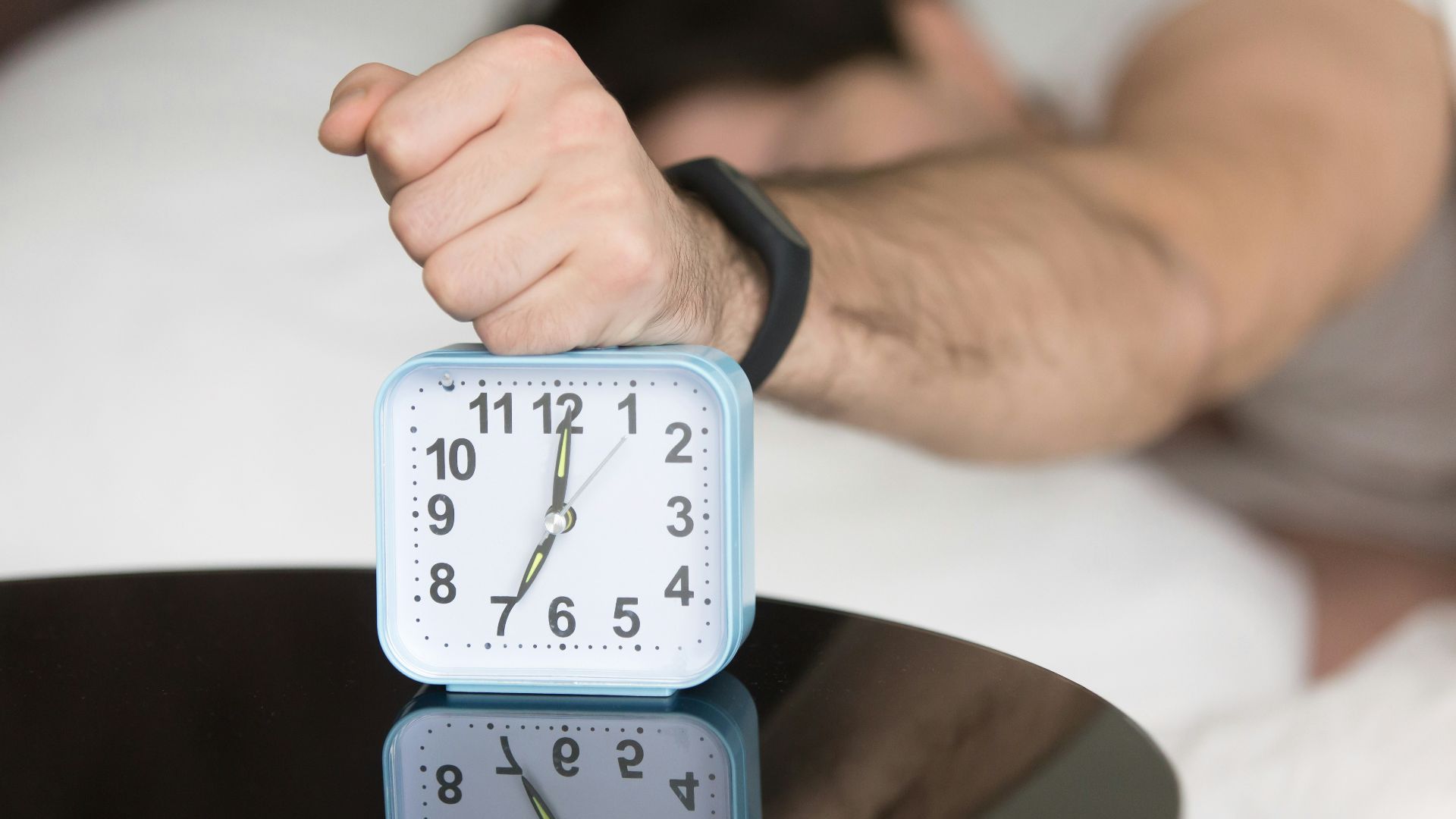
2. You Hit Snooze Several Times
Everyone enjoys a few extra minutes sometimes, but constant snoozing can signal that your body is not ready to wake up. You may keep bargaining with the alarm because your brain still needs more rest. Those broken little sleep fragments rarely make you feel truly refreshed.
 Solving Healthcare on Unsplash
3. You Feel Sleepy During the Day
Daytime drowsiness is one of the clearest signs you may need more sleep. If you struggle to stay alert during meetings, errands, classes, or quiet moments, your body is trying to catch up. This is especially important if you feel sleepy while driving, because that can become dangerous quickly.

4. Your Focus Keeps Slipping
Sleep helps your brain stay alert, organized, and ready to process information. When you're short on rest, it can become harder to concentrate, follow conversations, or finish tasks without drifting. You may read the same sentence several times and still have no idea what it just said.
5. You Forget Little Things More Often
If you keep misplacing your keys, forgetting names, missing details, or walking into rooms with no idea why, sleep may be part of the problem. Your brain uses sleep to support memory and learning, so too little rest can make recall feel fuzzy.
6. Your Mood Changes Fast
Not enough sleep can make your emotions feel closer to the surface. Small annoyances may suddenly seem much larger, and harmless comments can land badly. You might feel teary, irritated, anxious, or unusually negative without a clear reason. Sometimes the reason is not dramatic at all; your brain just needs a better night.

7. You Crave Sugar & Snacks
When you're tired, your body may start asking for quick energy in the form of sugar, salty snacks, or extra caffeine. Sleep affects hormones involved in hunger and appetite, which can make cravings feel stronger. You may not actually need another cookie or a third latte, though both may present convincing arguments.

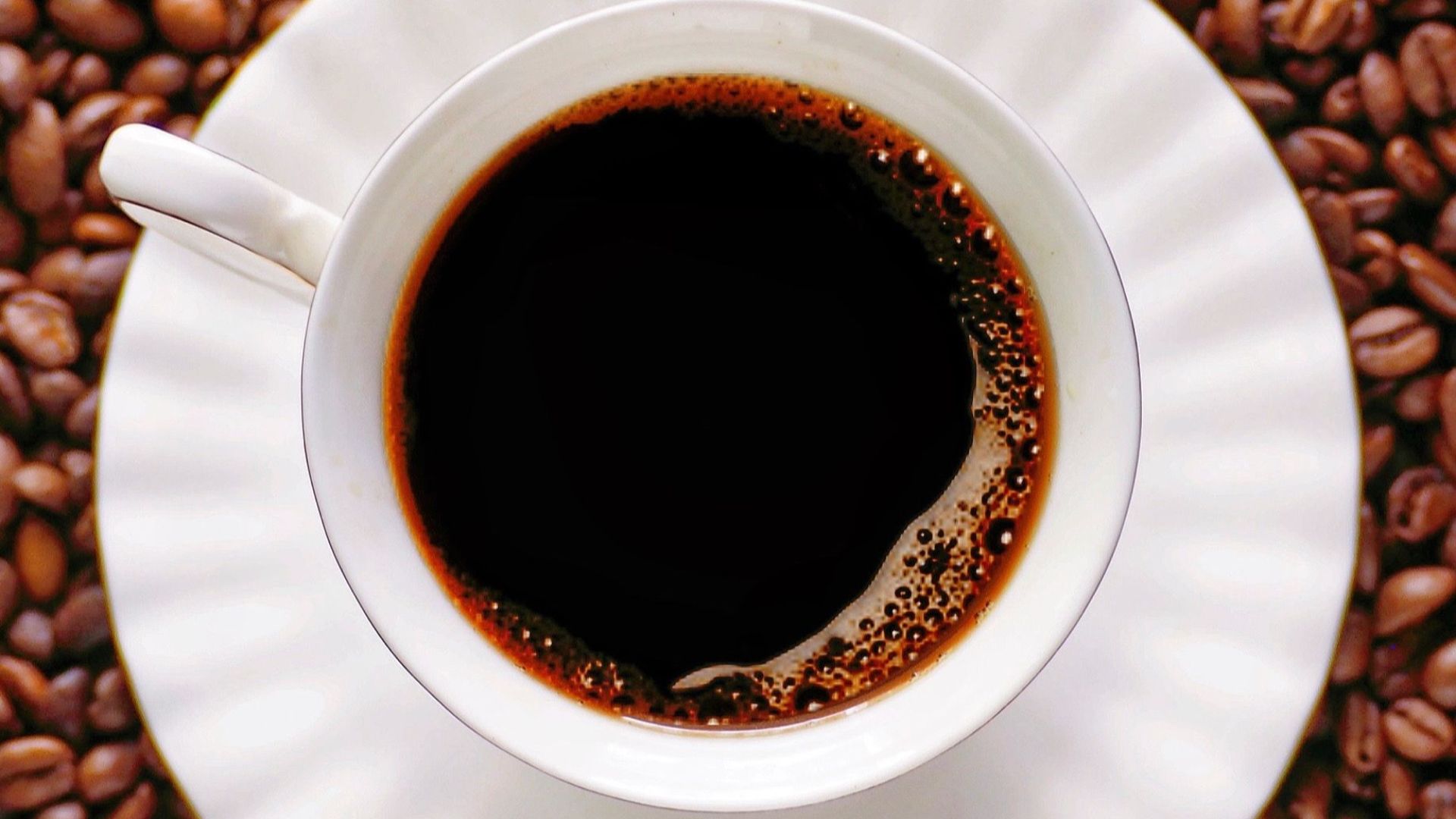
8. You Rely on Caffeine to Function
Coffee can be lovely and helpful, but needing it just to feel human is worth noticing. If caffeine is carrying your entire personality by 9 a.m., sleep may be falling behind. You may also find yourself needing more caffeine than before to get the same effect.
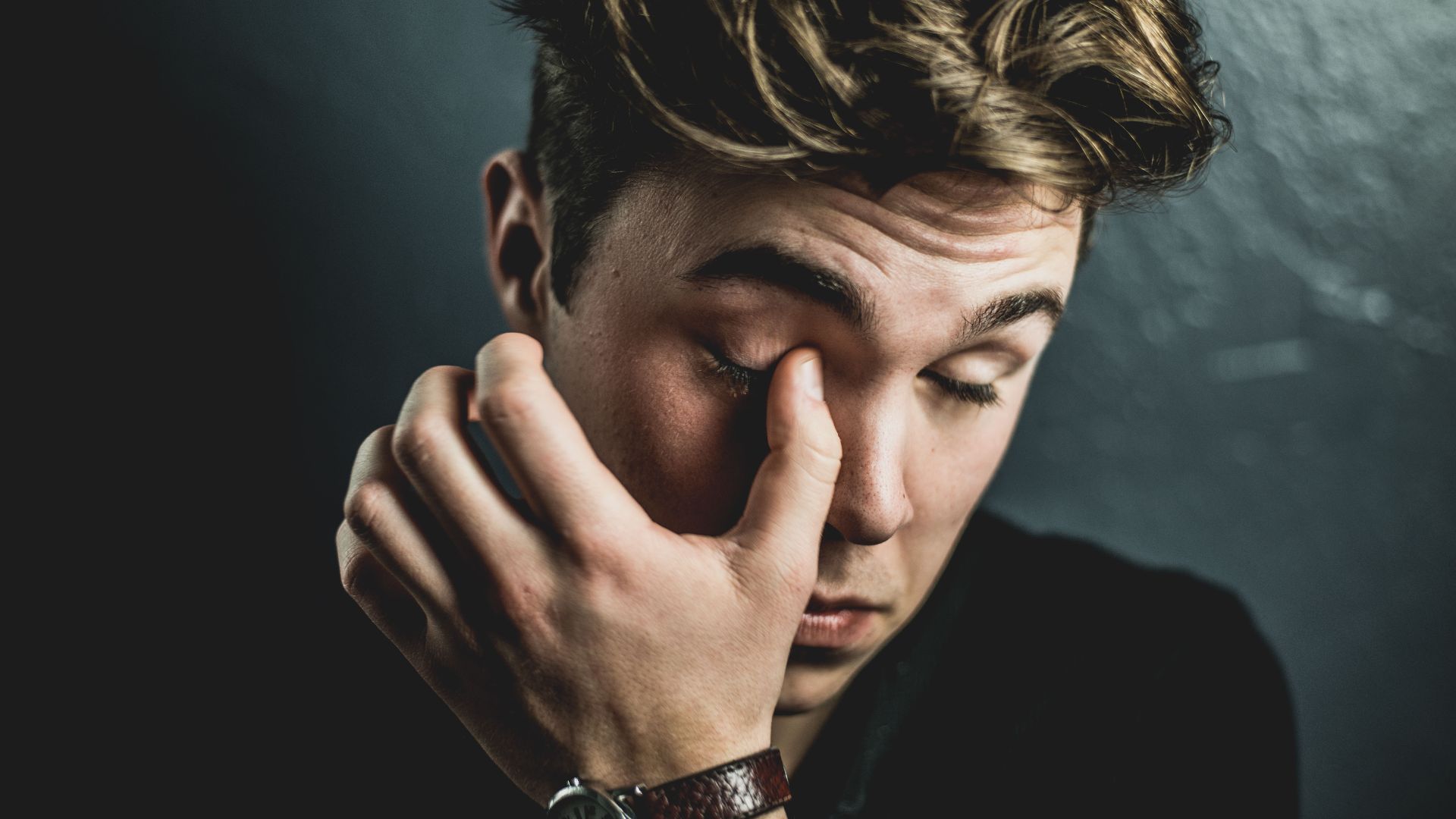
9. Your Eyes Feel Dry or Heavy
Tired eyes can show up as dryness, heaviness, blurry vision, or that gritty feeling that makes blinking seem like a hobby. Long screen time can contribute too, but sleep loss often makes your eyes feel less comfortable. You may rub them more, squint more, or look more tired than you expected.
10. Your Reaction Time Feels Slower
Sleep deprivation can slow reaction time and make quick decisions harder. You may feel clumsier, bump into things, drop objects, or respond more slowly while driving or exercising. If your body feels a half-second behind the rest of the world, it may be asking for rest.

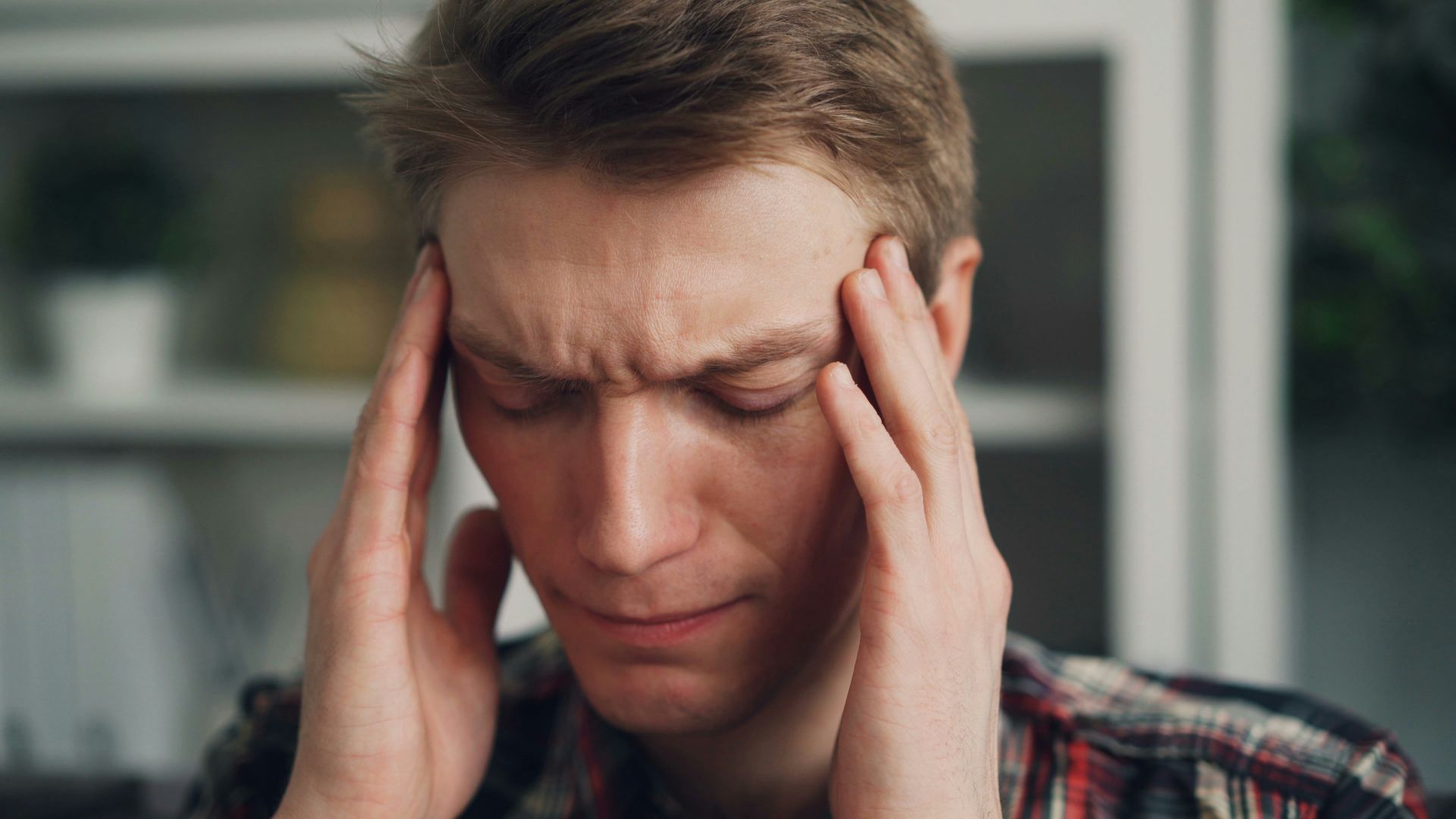
11. You Keep Getting Headaches
Headaches can have many causes, but poor sleep can be one of the triggers for some people. A lack of rest may make tension, dehydration, habits, stress, or screen strain harder for your body to handle. If headaches appear more often after short nights, the pattern is worth noticing.
12. Your Motivation Drops
When you're under-rested, even normal tasks can feel strangely unappealing. Laundry, emails, exercise, cooking, and basic errands may all seem like they require heroic effort. You may still care about getting things done, but your energy doesn't show up to support the plan.

13. You Feel More Sensitive to Stress
Sleep helps your body and brain recover from daily pressure. Without enough of it, ordinary stress can feel sharper and more personal. You may become overwhelmed faster, even by problems you normally handle well.
14. You Get Sick More Often
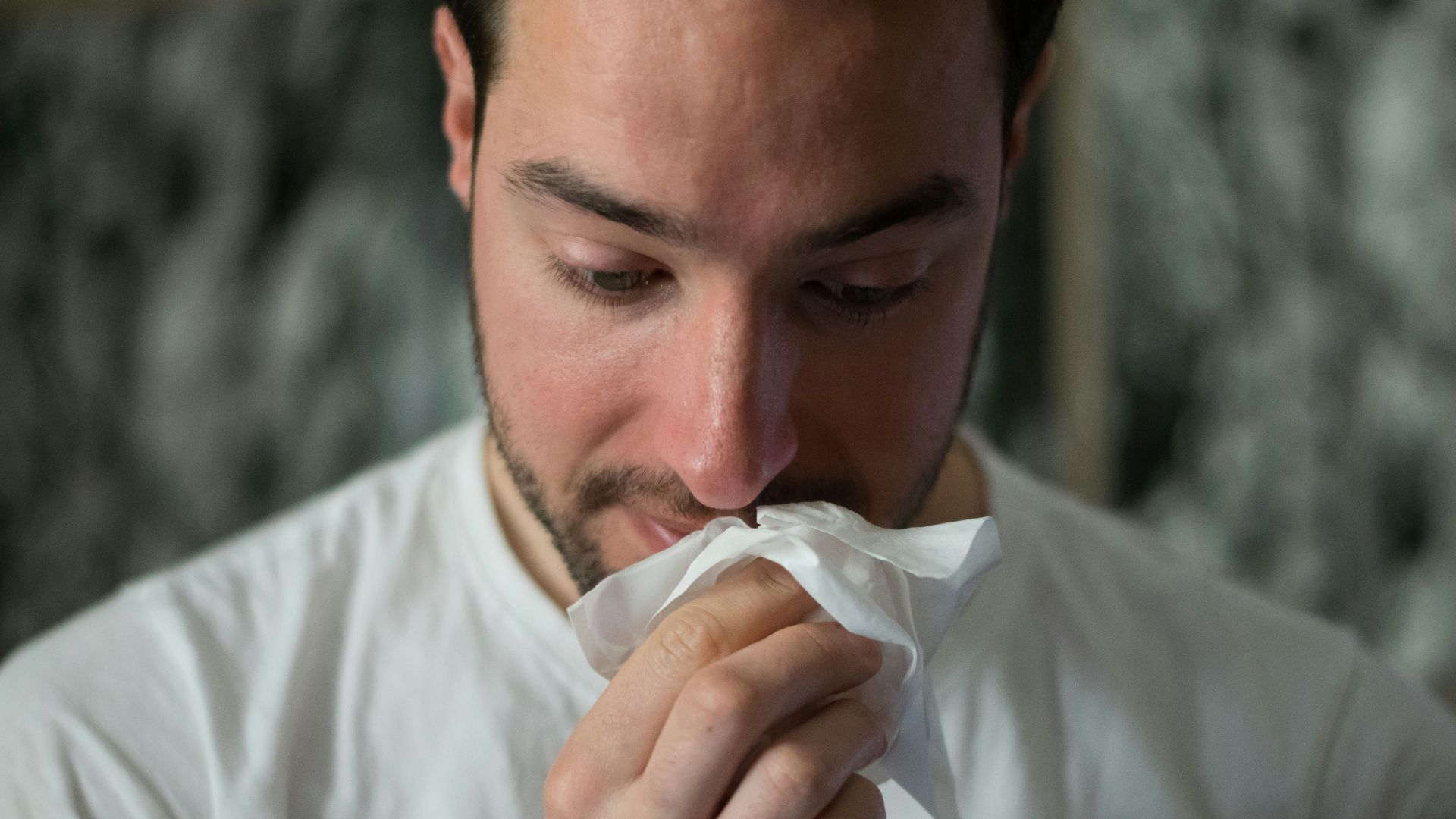
Sleep supports the immune system, so regularly missing rest can make it harder for your body to defend itself well. You may notice more frequent colds, slower recovery, or a general sense that your body isn't bouncing back like usual. Your immune system appreciates bedtime more than your late-night scrolling does.
15. Your Skin Looks Duller Than Usual
A tired body can show up on your face. Your skin may look duller, puffier, or less fresh when you've been sleeping poorly. Dark circles and under-eye puffiness aren't always caused by sleep loss, but short nights can make them more noticeable.

16. You Feel Hungrier Than Normal
Sleep loss can affect appetite signals, which may leave you feeling hungrier than usual. You may snack more often or feel less satisfied after meals. This can be frustrating because it feels like a willpower issue when your body may actually be responding to fatigue.

17. You Make More Mistakes
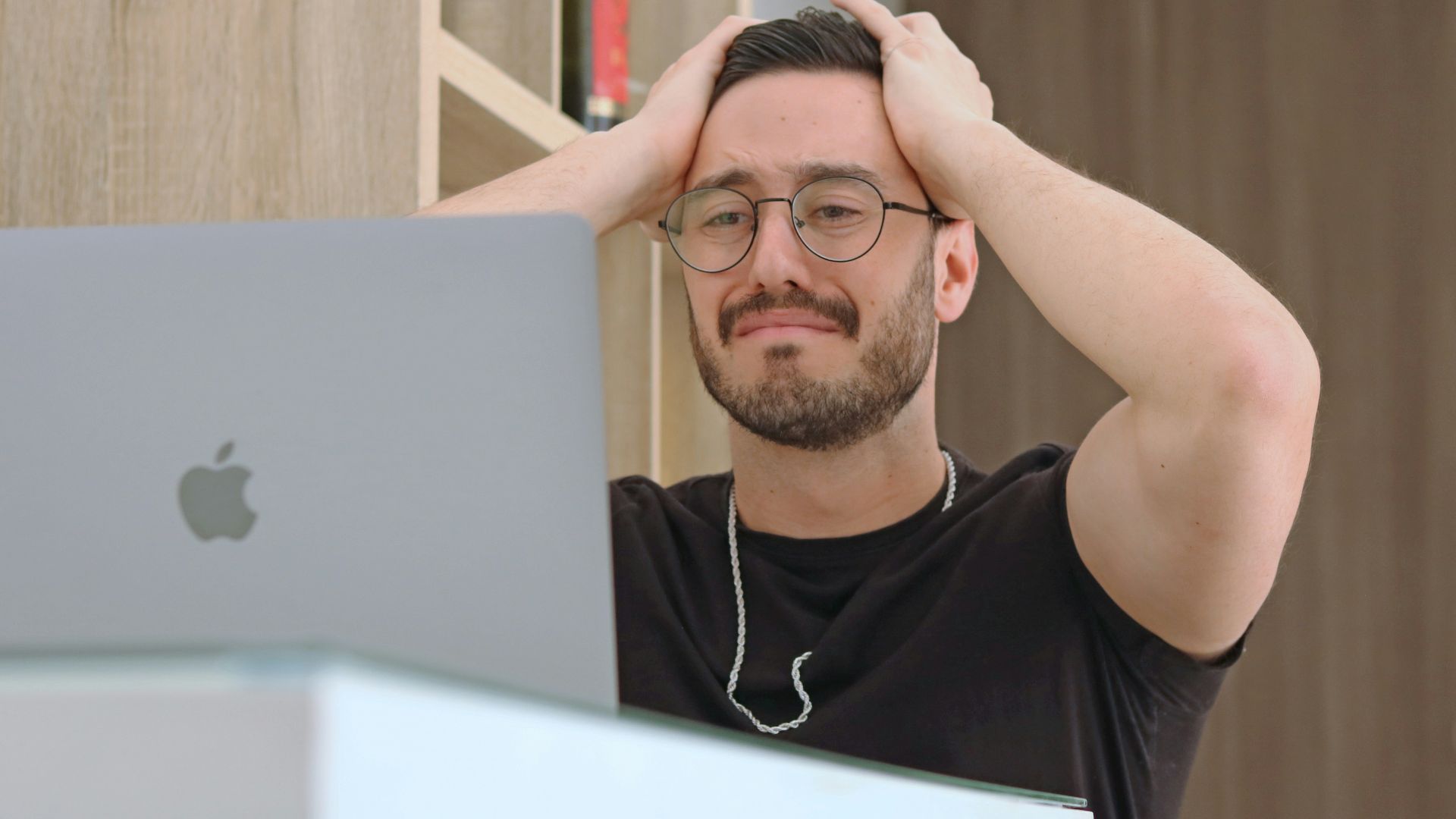
If you are sending emails with missing attachments, forgetting appointments, misreading instructions, or making silly errors, fatigue may be involved. Sleep deprivation can affect attention, judgment, and accuracy. Small mistakes happen to everyone, but a sudden increase can be a clue that your brain is running on fumes.
 Francisco De Legarreta C. on Unsplash
18. You Feel Unusually Clumsy
A tired body often handles coordination less smoothly. You might trip, knock things over, spill drinks, or feel less steady during routine movements. This doesn't always mean anything serious, but it can be one of those small signs that rest is overdue.
19. You Fall Asleep Too Quickly
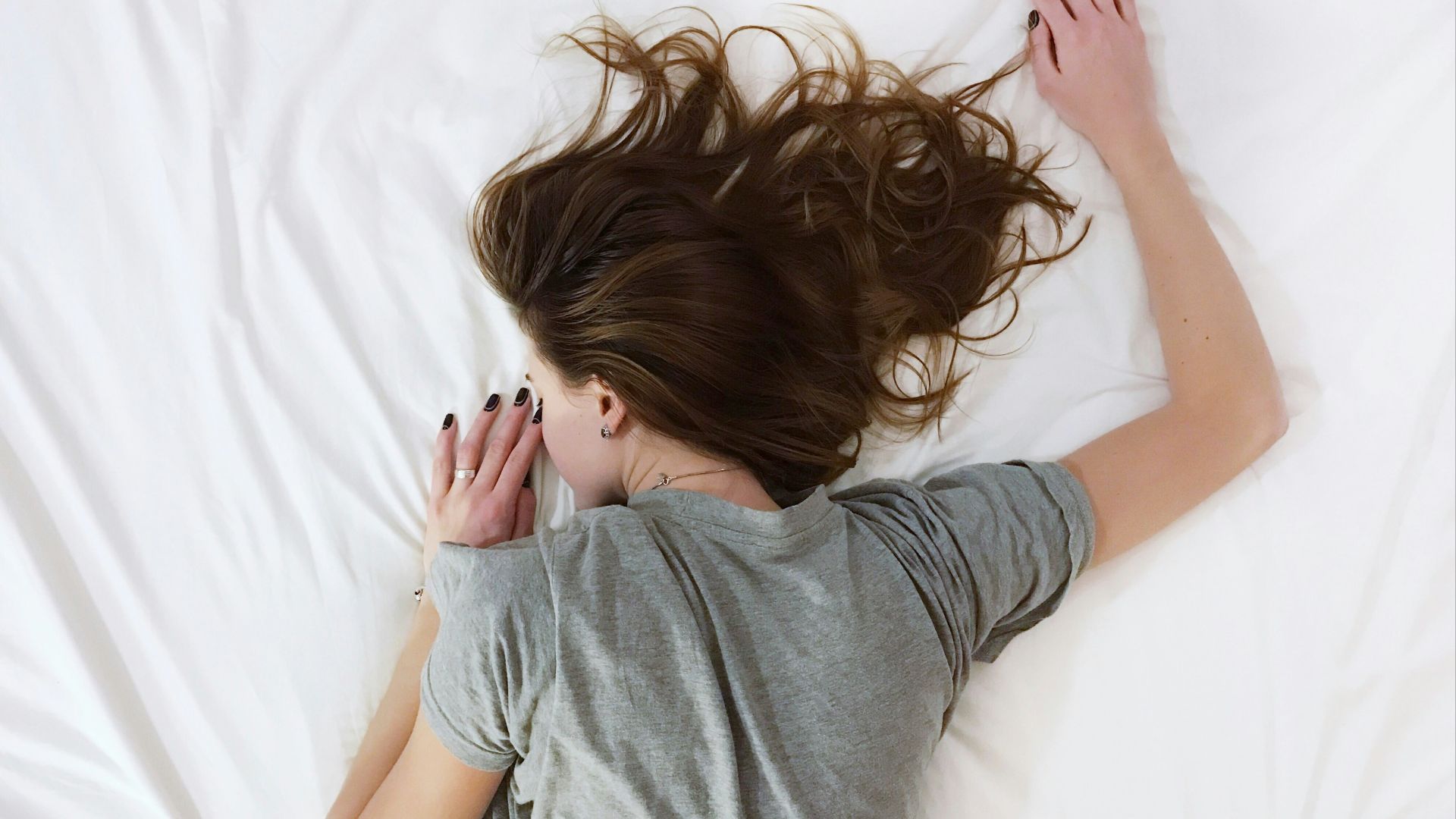
Falling asleep fast can seem like a gift, but dropping off almost immediately every night can sometimes signal sleep debt. If your body shuts down the second you stop moving, it may be deeply tired. Healthy sleepiness is normal at bedtime, but crashing hard can be your system trying to catch up.
 Vladislav Muslakov on Unsplash
20. You Feel Better After One Solid Night
One of the clearest signs you needed sleep is how much better you feel after finally getting it. Your mood improves, your focus sharpens, cravings may calm down, and the world suddenly seems less personally annoying. That quick improvement can reveal how much fatigue had been shaping your day.

KEEP ON READING



20 Signs Your Body Is Asking for More Sleep


20 Ways Your Sleep Needs To Change After 50