Full Of Strange Surprises
Newborns are sweet, sleepy, and brand-new to being outside the womb so they can look a little unexpected at first. A baby may have fuzzy shoulders, peeling skin, a slightly pointy head, jerky reflexes, or breathing that makes every nearby adult suddenly pay close attention. Most of these things are part of the normal transition from pregnancy to life outside the womb. Still, newborns need careful attention, so fever, poor feeding, trouble breathing, blue lips or face, unusual sleepiness, or anything that feels off should always be taken seriously. These 20 weird facts about newborn babies can make those first strange little details feel a lot less alarming.

1. Newborns Can Be Covered in Vernix
Some babies arrive with a white, waxy coating on their skin called vernix. You may spot it in the creases of the neck, arms, or legs, and while it can look a little odd at first, it helps protect delicate skin before birth and may stay on the skin briefly after delivery.

2. Some Babies Have Fuzzy Shoulders
That soft, downy hair on a newborn’s back, shoulders, ears, or forehead is called lanugo. Many babies shed it before delivery, while others still have some visible fuzz when they’re born, especially if they arrive early.

3. Their First Bathroom Experience Looks Like Tar
A newborn’s first stool is called meconium, and it can be surprisingly dark, thick, and sticky. It’s usually dark green or black because it’s made from material the baby swallowed before birth, including amniotic fluid, mucus, cells, and other normal debris. It can look strange in the diaper, but that first sticky stool is expected.

4. Their Heads Can Look Pointy
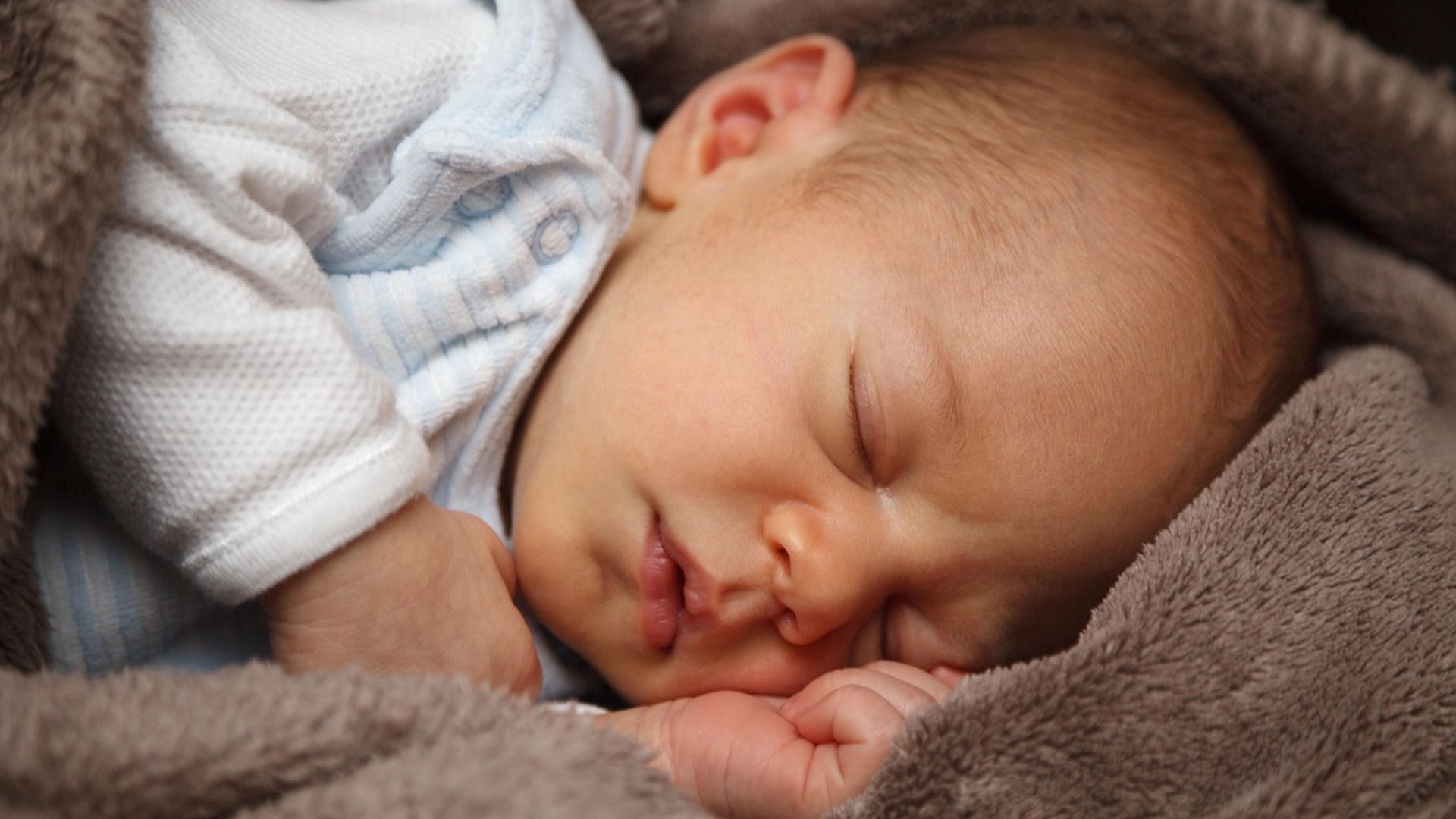
After birth, a newborn’s head may look cone-shaped, uneven, or slightly squished. That happens because the skull bones are flexible and can shift as the baby moves through the birth canal, and the shape is usually temporary.
 PublicDomainPictures on Pixabay
5. Their Soft Spots Can Seem to Pulse
Newborns have soft spots, called fontanelles, where the skull bones haven’t fully joined yet. These areas leave room for fast brain growth, and one may appear to pulse gently with the baby’s heartbeat.

6. Their Hair May Not Stick Around
A baby born with a full head of hair may not keep that exact look for very long. Newborn hair can thin or fall out in the first few months, and the next round of growth may come in with a different color or texture.

7. Their Hands and Feet Can Look Blue
Bluish hands and feet can happen in healthy newborns, especially when the baby is cold or still adjusting after birth. Blue lips, tongue, face, or any sign of breathing trouble are different and need urgent medical attention.
8. They See Best Up Close
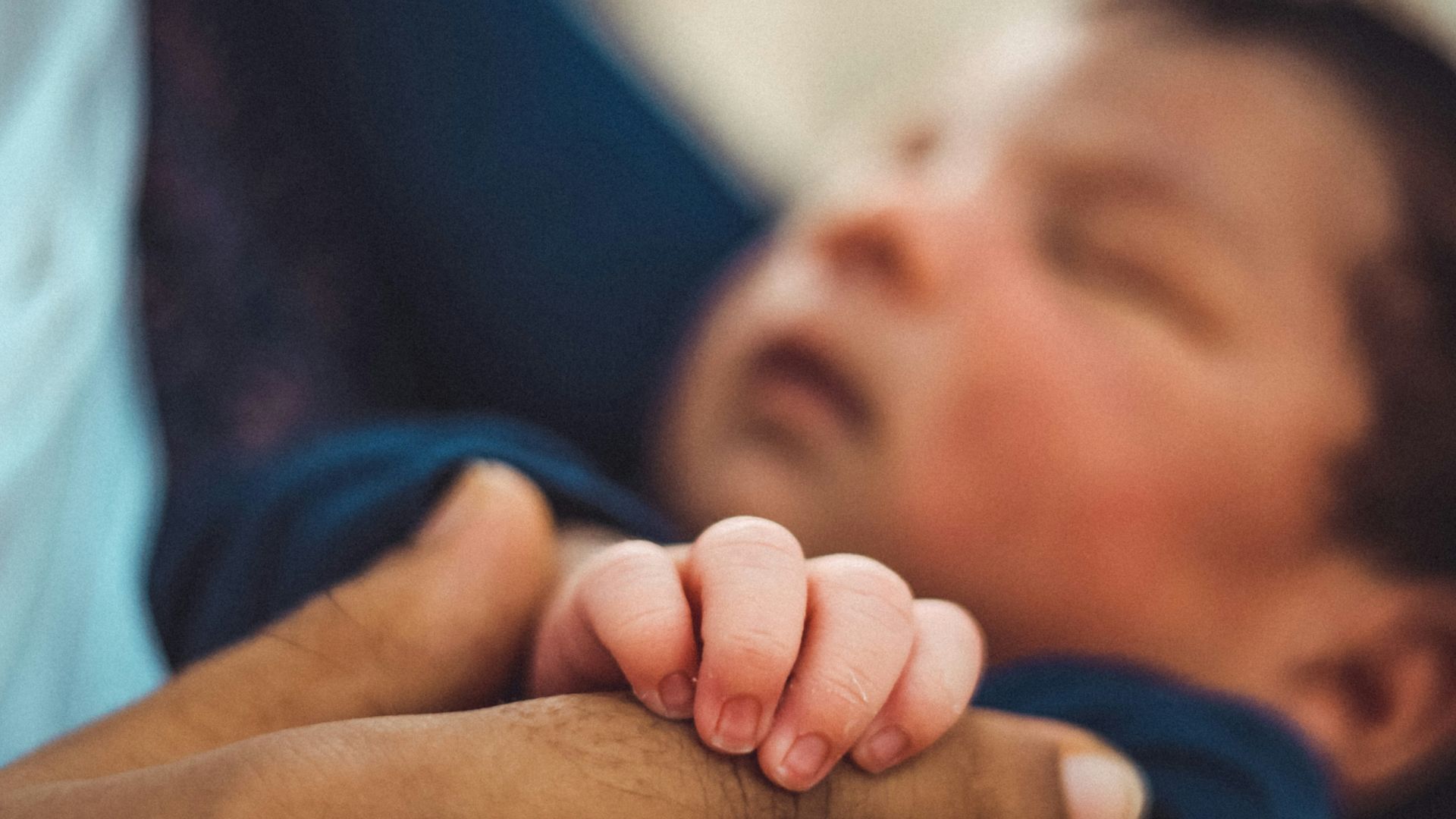
Newborn vision is blurry, but babies can focus best on things close to their face. That lines up neatly with the distance to a caregiver’s face during feeding, which is part of why those quiet moments feel so personal.
9. Their Eyes May Wander
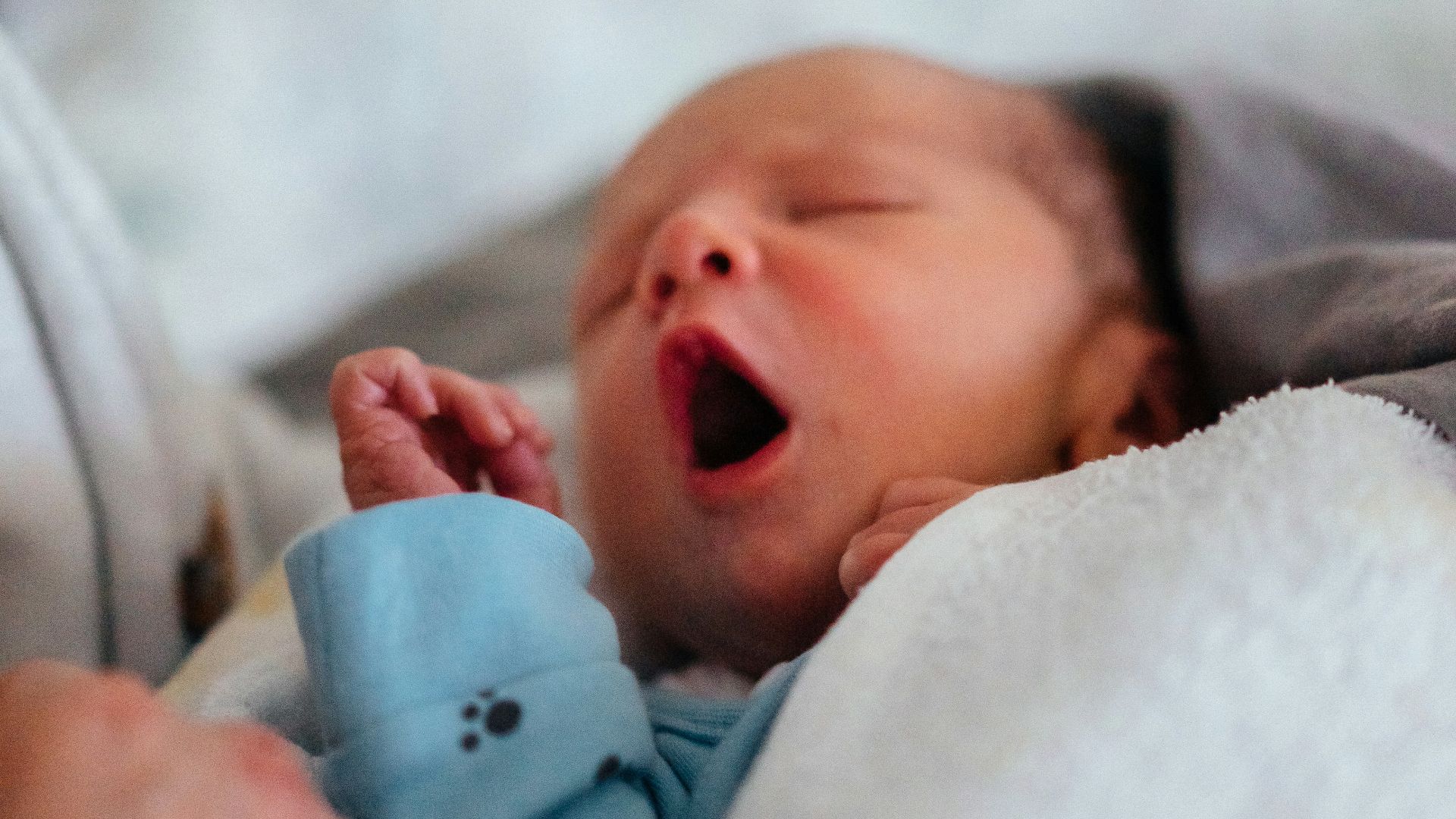
A newborn’s eyes can look crossed or slightly uncoordinated during the early months. Their eye muscles and visual system are still developing, so an occasional wandering gaze is common.
10. They Recognize Familiar Voices
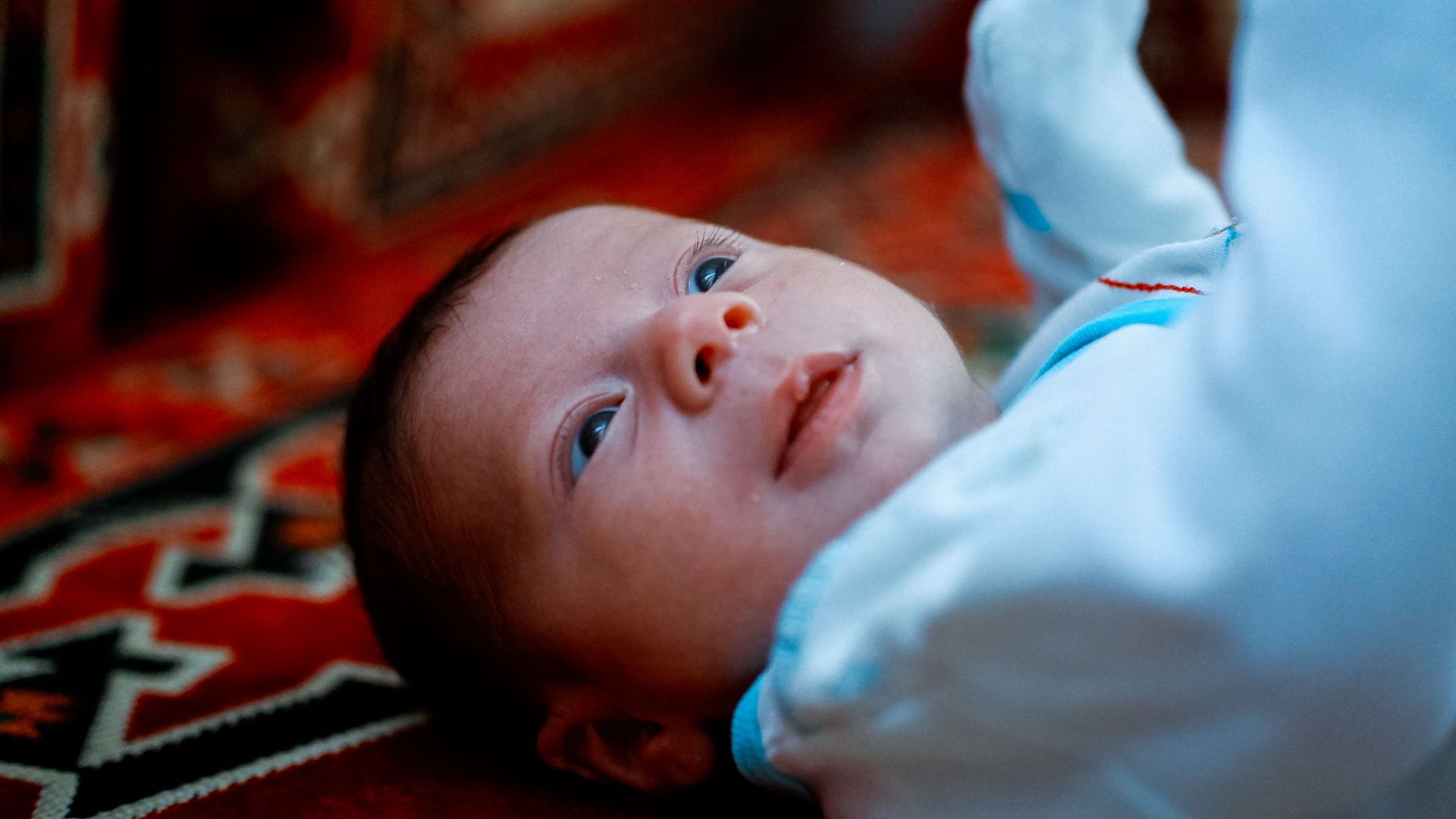
Newborns aren’t blank slates, even if they spend much of the day sleeping. They can respond to familiar voices, especially voices they heard often before birth, which is one reason talking, humming, and singing can feel soothing.

11. They Sleep a Lot
Newborns sleep many hours across a full day, but that sleep usually comes in short stretches. Since they need frequent feedings and don’t yet follow a mature day-night rhythm, they may be wide awake when everyone else is running on fumes. The total sleep can be high, even when no one in the house feels especially rested.
12. Their Breathing Can Seem Uneven
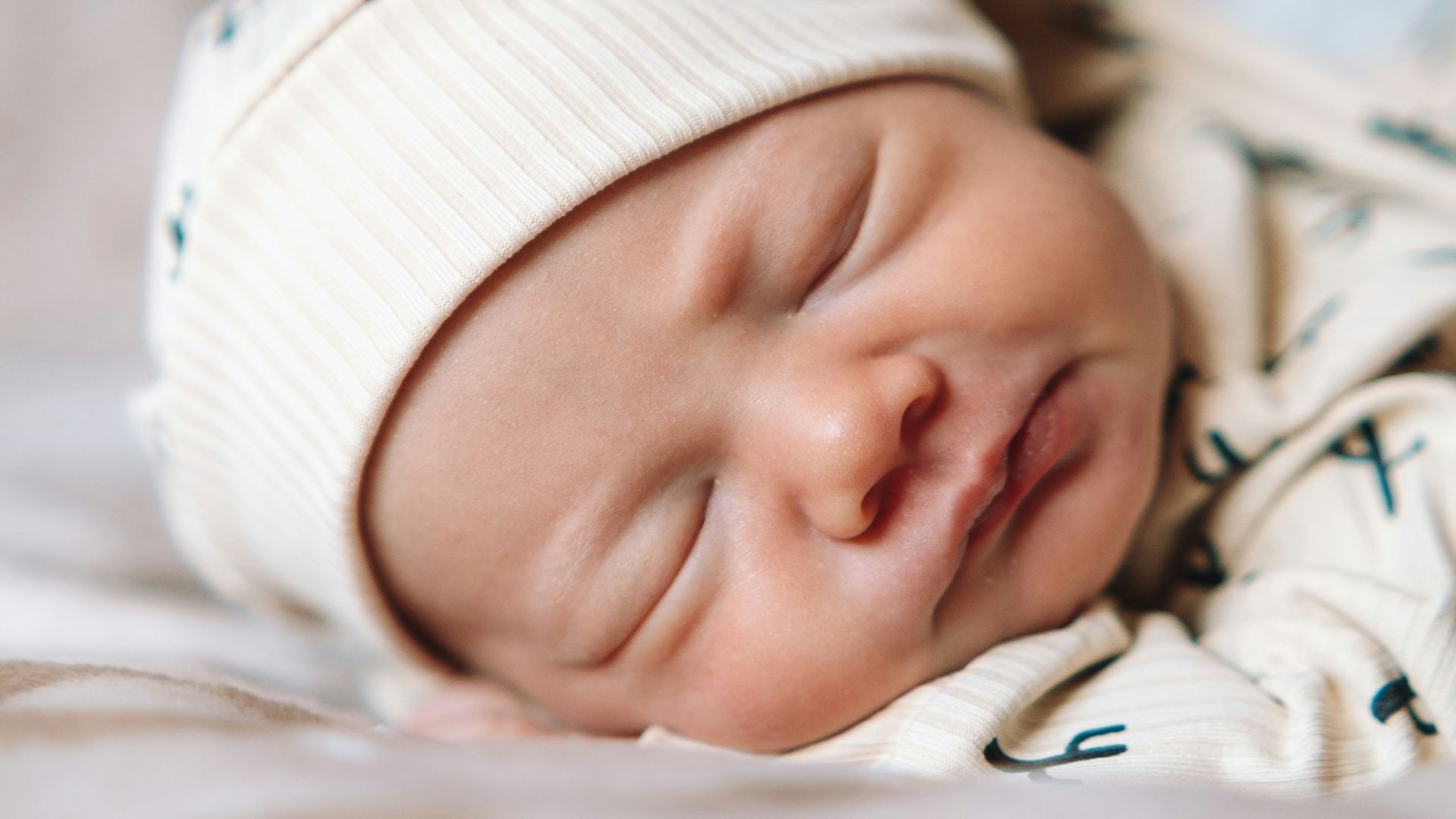
Newborn breathing can look odd during sleep, with brief pauses followed by several faster breaths. Short pauses can be normal, but long pauses, color changes, grunting, flaring nostrils, or visible struggle should be checked right away. Watching a newborn breathe can be nerve-racking, so the safest rule is to take obvious distress seriously.
13. They Can Cry Without Many Tears
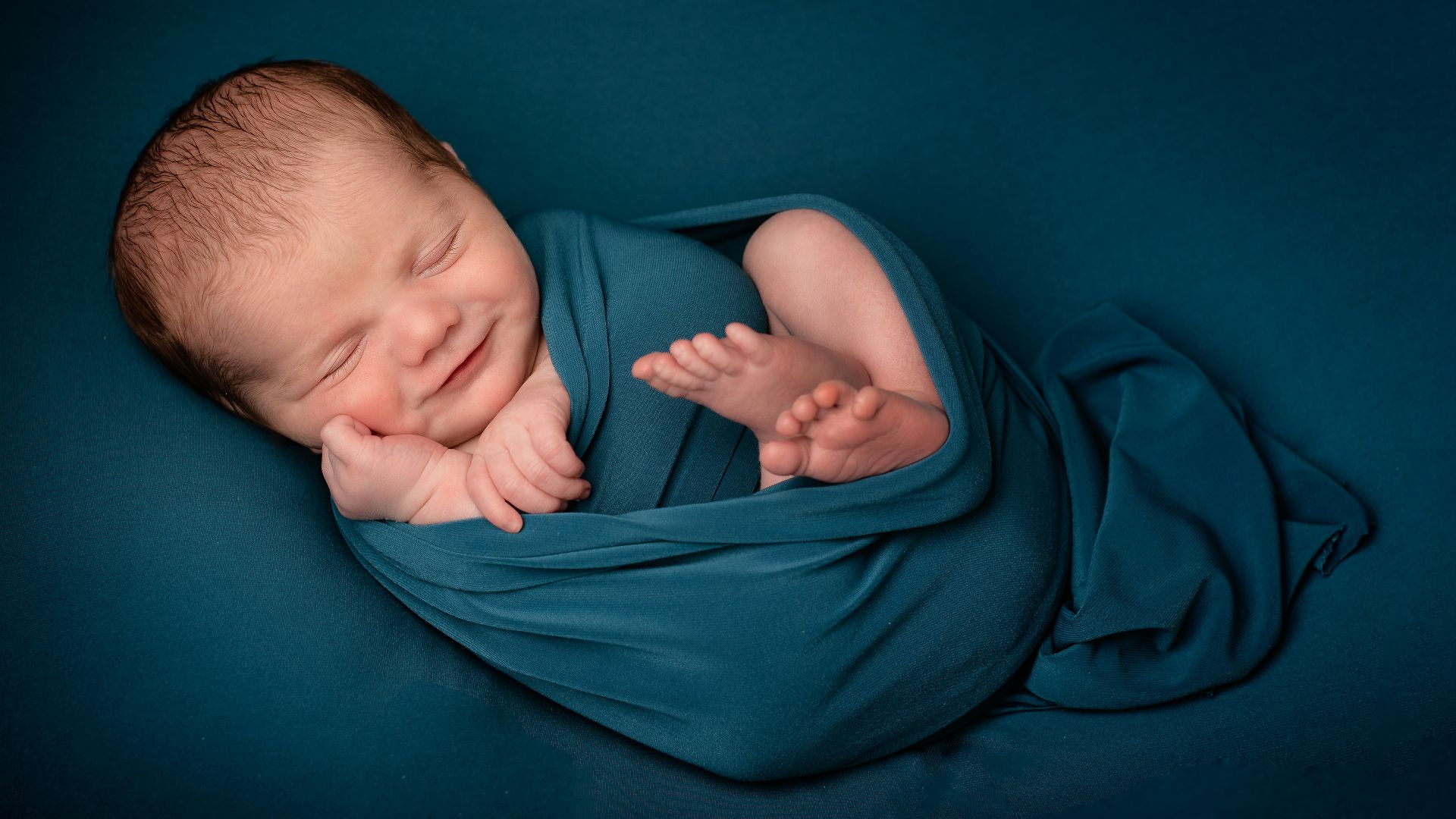
A newborn can cry loudly without much visible moisture on the cheeks. Tear production is still developing in the early weeks, so crying may sound intense before many tears appear. Later, very dry crying, along with signs such as fewer wet diapers or unusual sleepiness, can be a reason to check for dehydration.

14. They Have a Big Startle Reflex
The Moro reflex can make a newborn suddenly fling out their arms and legs, cry, and then pull everything back in. It can happen after a loud noise, sudden movement, or the feeling of being lowered too quickly.

15. Their Cheeks Help Them Find Food
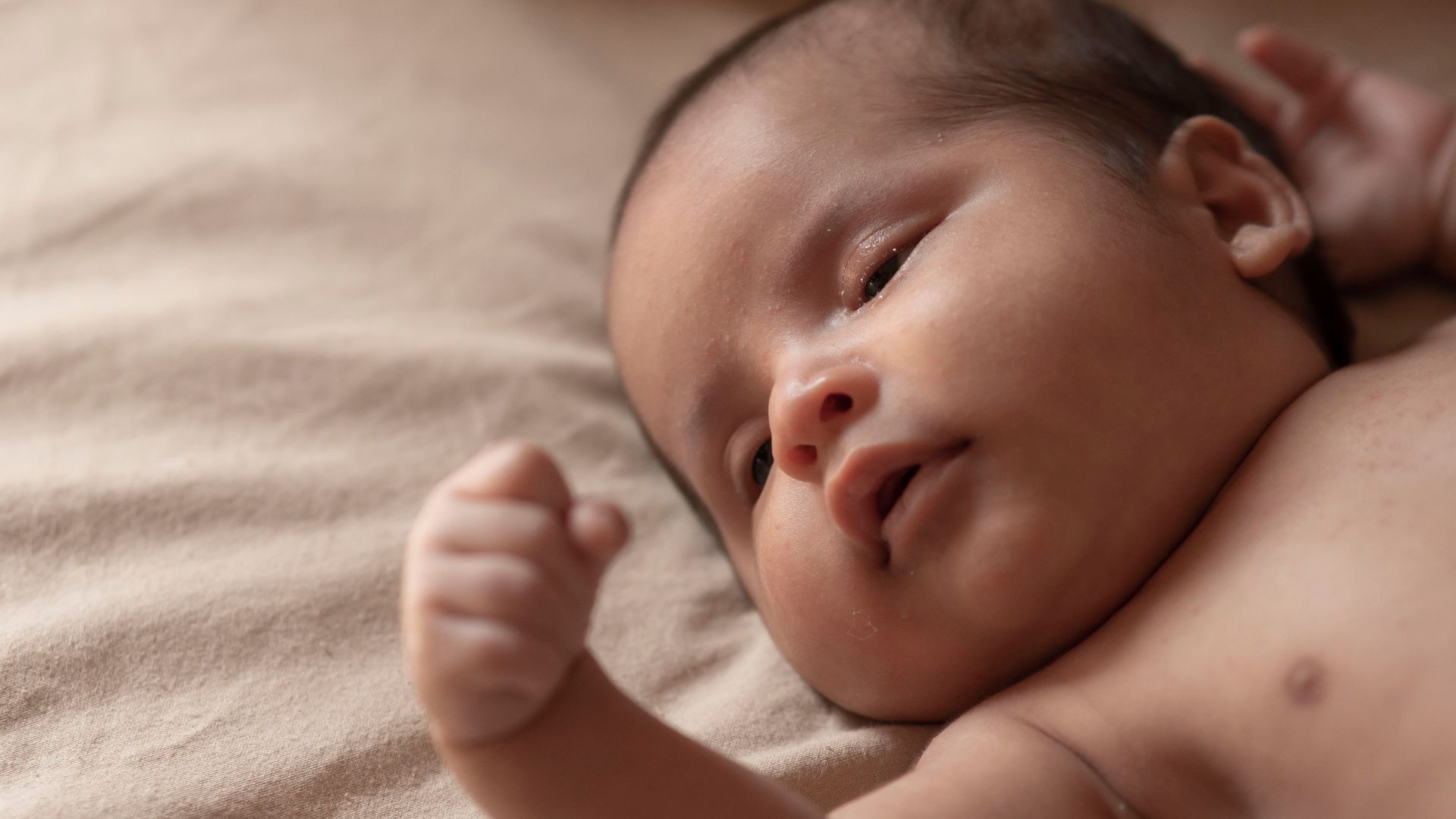
Touching the corner of a newborn’s mouth or cheek can make the baby turn toward that side and open their mouth. This rooting reflex helps babies find the breast or bottle.
 Luis Becerra Fotógrafo on Pexels
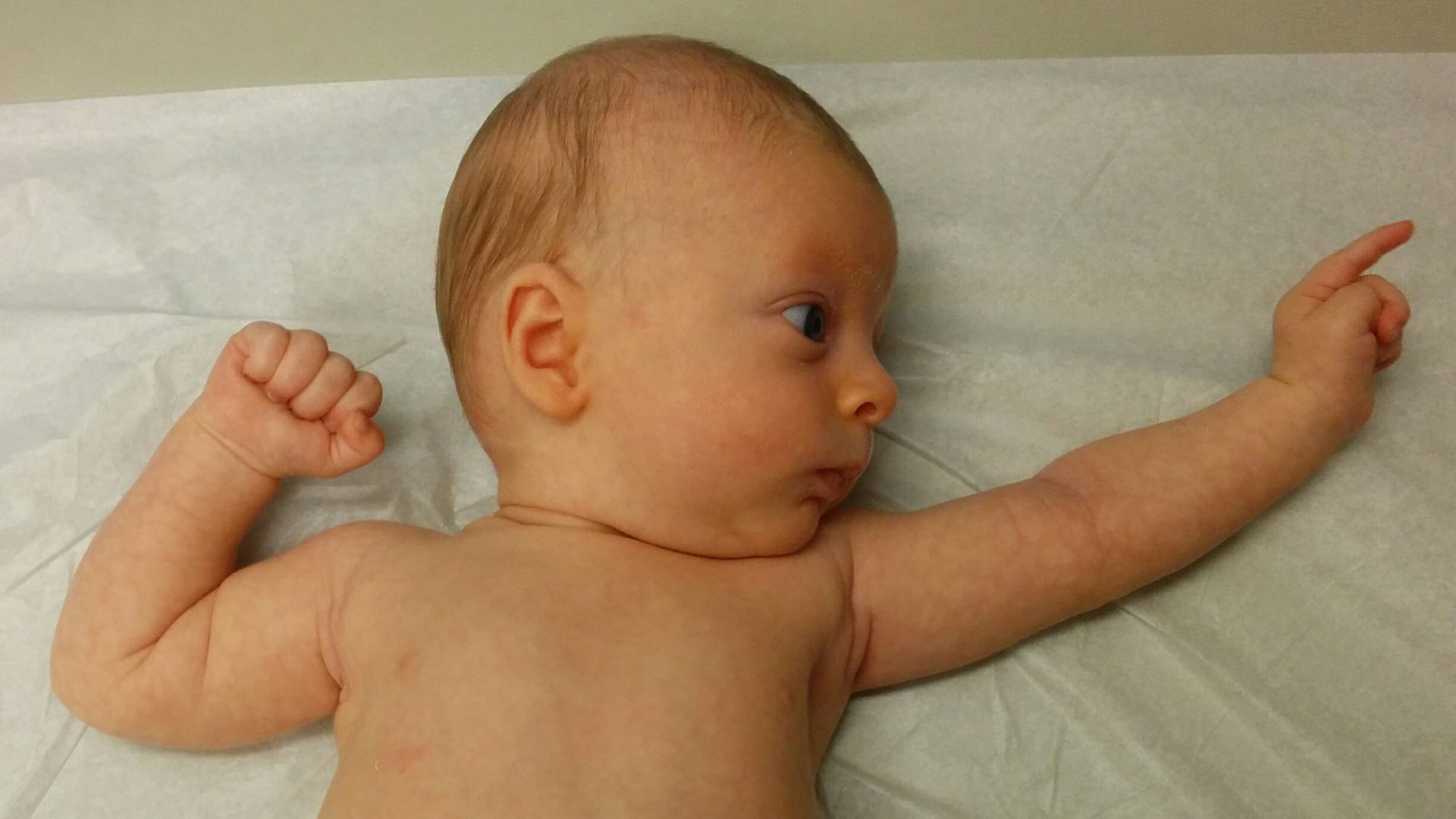
16. They Can Strike a Fencing Pose
When a newborn turns their head to one side, the arm on that side may stretch out while the opposite arm bends. This tonic neck reflex can make a baby look like a tiny fencer, though the movement happens on its own.
17. They Can Grip and Step Reflexively
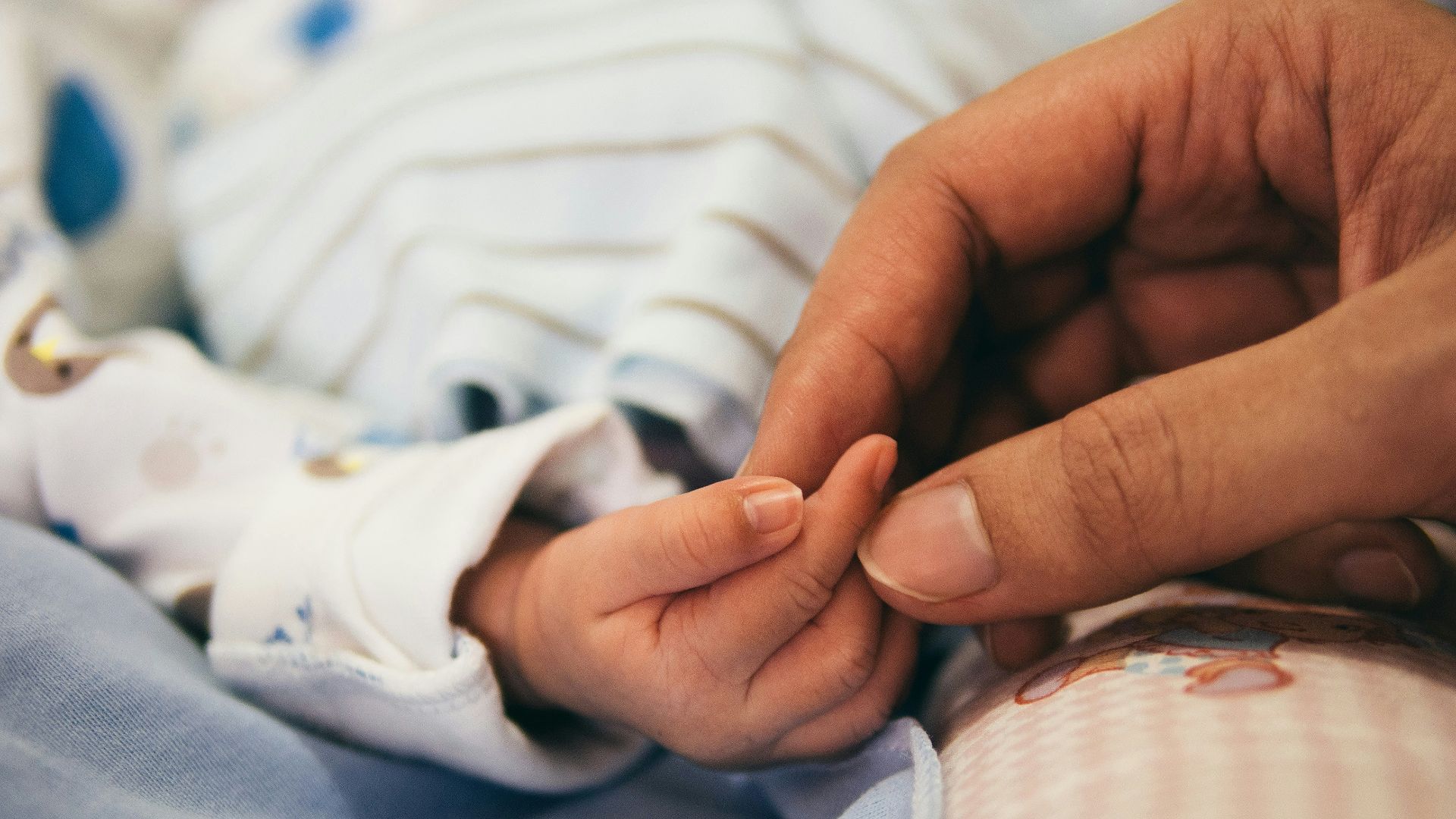
Stroke a newborn’s palm, and their fingers may curl tightly around yours. Hold them upright with their feet touching a firm surface, and they may make stepping motions.
18. They May Lose Weight at First
Many newborns lose some weight in the first few days after birth. That can be normal, but healthcare providers track it closely because feeding, hydration, and steady weight gain matter so much early on. Parents may often hear about diapers, feeding patterns, and weight checks during those first visits for exactly this reason.
19. Hormones Can Cause Strange Changes
Hormones passed from the mother during pregnancy can cause temporary changes after birth. Some newborns develop swollen breast tissue, a little nipple discharge, or, in newborn girls, vaginal discharge or light bleeding. These changes can feel startling to see, but they’re usually temporary as the baby’s body adjusts.

20. Their Skin Can Look All Over the Place
Newborn skin can be blotchy, flaky, bumpy, yellowish, or marked with birthmarks. Many changes are harmless and temporary, but worsening yellowing, fever, pus-filled bumps, poor feeding, or a baby who seems unwell should always be checked by a doctor. In the first days and weeks, skin can change quickly, so new concerns are always worth asking about.

KEEP ON READING

20 Ways Perimenopause Changes Fitness and Appetite


20 Unhealthy Obsessions People Have

20 Gut-Friendly Fermented Foods For Everyday Meals