
Your Body Is A Miracle
People tend to treat their bodies like fragile glass sculptures that require perfect conditions, pristine diets, and eight hours of uninterrupted sleep just to function properly. In reality, the human form is an incredibly rugged piece of biological engineering that can take an absolute beating and keep right on ticking. From extreme environmental pressures to shocking internal rewiring, our organs and cells have built-in emergency protocols that kick into gear when things go completely sideways.
1. Living Without a Stomach
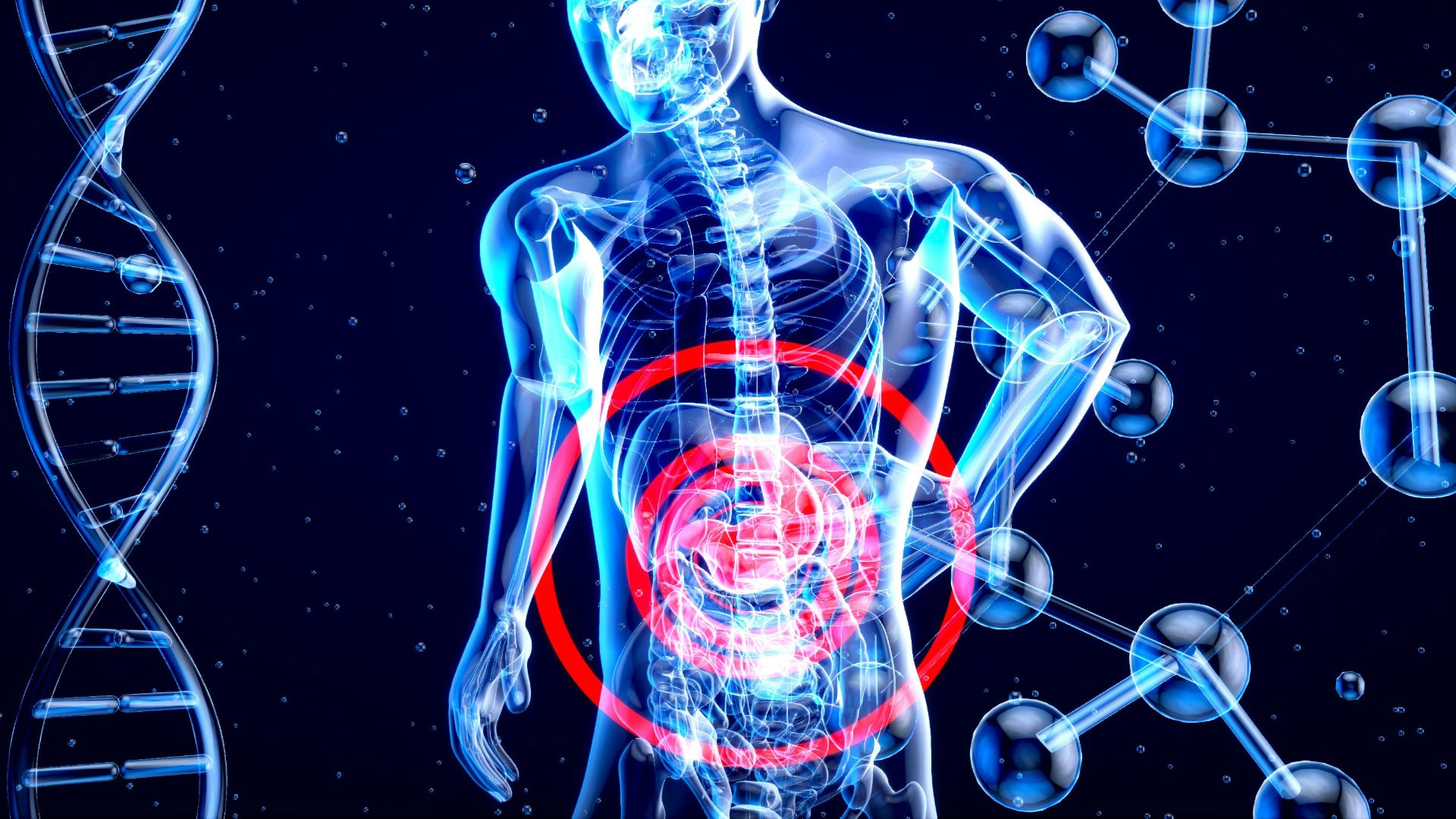
The idea of going stomach-less may sound completely impossible, but you’d be surprised how your body copes. Emergency surgery removes your stomach and reconnects your esophagus to your small intestine. The intestines simply take on the workload of your stomach and help you digest.
2. Freezing Cold
Say you fall through a lake or get trapped in an avalanche. Your body temperature plummets, and it feels like the end is inevitable. Actually, your core temperature can get so low that your body goes into hibernation mode where your brain requires minimal oxygen.

3. Losing Half a Brain
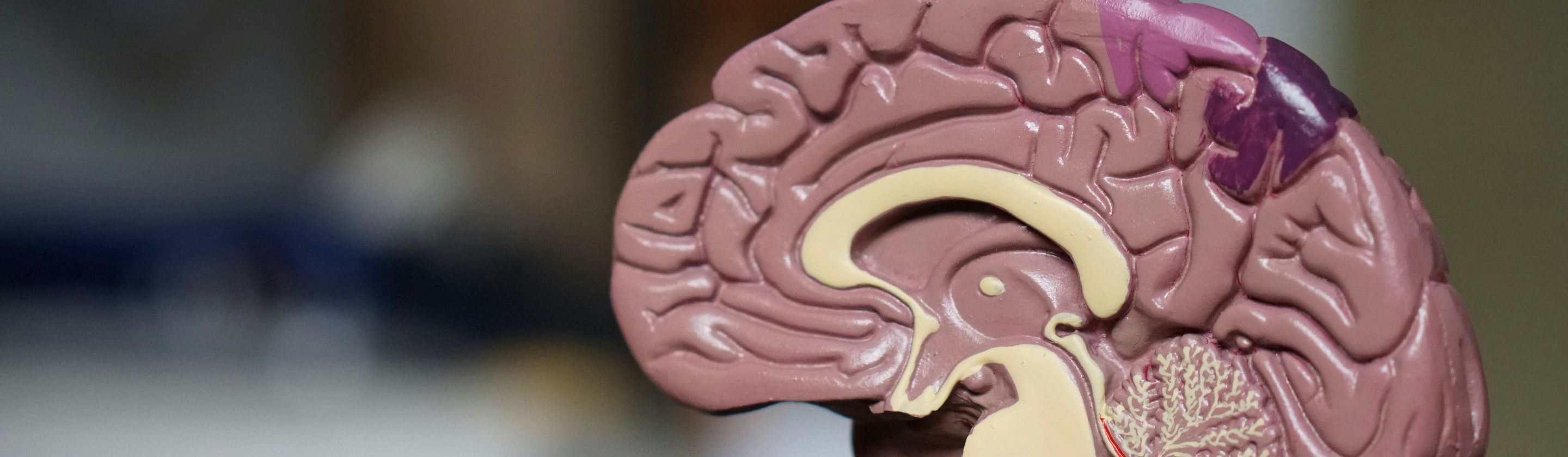
Need your brain removed? Surgeons can remove half your brain to combat serious epileptic conditions. Called a hemispherectomy, your body naturally reprograms itself to function as normal thanks to your brain’s neuroplasticity.
4. Bouncing Back from Lightning Strikes
Surprisingly, the vast majority of people who experience a lightning strike actually manage to walk away alive. The current often flashes across the outside of the skin in a split second rather than traveling deep through the vital organs. You might end up with some temporary, intricate fern-like burn patterns on your skin, but your heart can keep beating.

5. Starving for Months
Your body really values its stored energy. Go without food, and your body will burn all of your carbs, fats, and muscles in that order. You can technically survive for months without food.

6. Surviving Blood Loss
You can lose a good chunk of your blood volume, and your body will naturally constrict your blood vessels to normalize blood pressure. Your spleen even releases stored blood into your system to keep oxygen flowing. Get to a hospital soon, and you’ll make it.
7. Enduring Total Sleep Deprivation
Pulling an all-nighter is rough, but scientists have documented individuals staying awake for over eleven days straight. Your brain handles this intense exhaustion by forcing you into microscopic naps called microsleeps. Thankfully, your cognitive functions will completely bounce back to normal after a single long night of deep sleep.

8. Walking Off Major Fractures
An internal decapitation occurs when the severe impact of a car crash completely detaches the skull from the spine while leaving the skin and muscles intact. While this injury is historically fatal, modern spinal stabilization techniques have allowed several patients to make a full recovery. If things go well, the nerves can heal too.

9. Absorbing High-Fall Impacts
Jumping out of a plane without a parachute equals instant game-over, right? Skydiving accidents prove otherwise. Falling feet first into an incline of snow or a pile of trees can allow your body to absorb the impact.

10. Navigating Life on One Lung
Need one lung removed? No problem. Thanks to modern medicine, you can go with one lung. Your remaining lung will continue to grow and adapt to your missing lung’s space.

11. Drastically Altering Your Core pH
Your pH levels are carefully balanced to give you just enough leeway before all systems fail. If your pH levels reach dangerous levels, your kidneys and lungs will go into overdrive to correct the acidity of your blood. Doctors are constantly surprised by how much your body can handle.

12. Depriving the Brain of Oxygen
Elite free-divers have trained their bodies to activate the mammalian dive reflex, dropping their heart rates to a crawl to conserve resources. Some individuals have held their breath underwater for over ten minutes without suffering a single blip of cognitive decline. Your nervous system is surprisingly adept at budgeting its resources when you turn off the air valve.
13. Crushing Extreme G-Forces
Sitting in a spinning centrifuge or crashing a high-speed racing car can subject the frame to forces that make your own body weight feel forty times heavier. At that extreme level, blood immediately drains away from your eyes and brain, threatening an instant blackout. Human beings have successfully survived brief spikes of over forty Gs during severe deceleration accidents.

14. Relocating Internal Organs During Pregnancy
The sheer physical transformation of gestating a human baby requires your internal organs to engage in a massive game of musical chairs. Your stomach gets pushed up into your chest, your intestines are shoved into the corners, and your bladder gets flattened into a pancake. Despite this intense crowding and structural rearrangement, every single system continues to perform its daily duties perfectly.

15. Passing Monstrous Kidney Stones
Anyone who has experienced these jagged crystalline deposits knows they feel like passing a piece of broken glass through a tiny straw. The delicate urinary tract manages to stretch and expand to accommodate stones. It is an excruciatingly painful process, but your tissues can bounce back without any permanent structural defects.

16. Surviving Without Kidneys
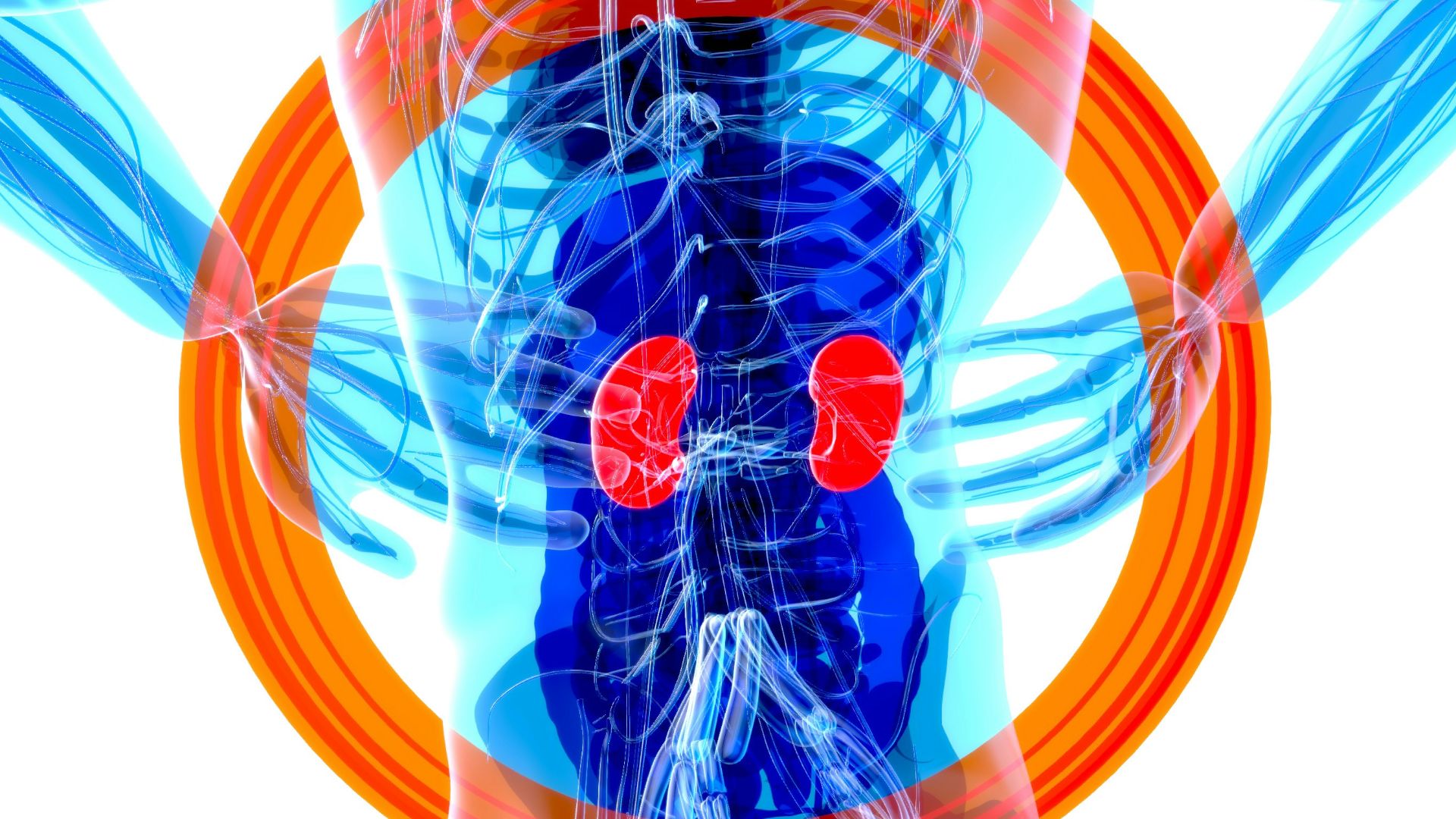
If both of your kidneys fail completely, your body loses its primary filtration system, allowing toxic waste to build up rapidly in your blood. Before modern medicine, this was an open-and-shut case. But today, you can survive for decades using dialysis machines.
17. Weathering Intense Dehydration
Walking through a scorching desert without a water bottle will quickly push your hydration levels into a critical state of emergency. As you sweat and exhale moisture without replacing it, your blood volume drops and its texture becomes thick and sludge-like. This forces your heart to pump significantly harder and faster just to keep your brain oxygenated and keep you conscious.
 Wolfgang Hasselmann on Unsplash
18. Absorbing Massive Doses of Radiation
Getting exposed to a high blast of ionizing radiation damages your DNA strands on a microscopic level, causing severe sickness. Amazingly, the cellular repair teams inside your body immediately go to work patching the broken genetic ladders back together. You possess an army of tiny microscopic mechanics that work around the clock to fix nuclear-level blunders.
 Vladyslav Cherkasenko on Unsplash
19. Shedding Large Amounts of Skin
Severe burns or rare allergic reactions can do a number on your skin. Losing your primary shield against the outside world exposes you to massive infection risks and fluid loss. Modern burn units can keep you alive using temporary synthetic skin and advanced culturing techniques while your skin heals.

20. Swallowing Sharp Metal Objects
The human stomach produces a highly concentrated hydrochloric acid solution that is strong enough to dissolve zinc and corrode steel over time. Medical histories are full of patients with strange conditions who have swallowed sharp objects without puncturing their digestive tracts. The thick mucous lining of your stomach protects you from a lot.

KEEP ON READING



10 Pre-Workout & 10 Post-Workout Tips To Follow