

Your Body Stays Surprisingly Busy Overnight
Sleep may feel like a period of complete rest, but your body remains remarkably active while you're unconscious. Throughout the night, countless physical and mental processes continue working behind the scenes to maintain health, regulate bodily functions, and prepare you for the next day. Many of these 20 activities happen automatically, meaning you can spend years doing them without ever realizing they're taking place.

1. Paralyzing Most of Your Muscles
During REM sleep, your brain temporarily limits movement in most voluntary muscles. This natural process helps prevent you from physically acting out your dreams. While a few muscles remain active for essential functions like breathing and eye movement, much of your body is effectively placed in a temporary state of immobility. Most people never realize this is happening because it occurs automatically.
2. Washing Waste Products Out of Your Brain
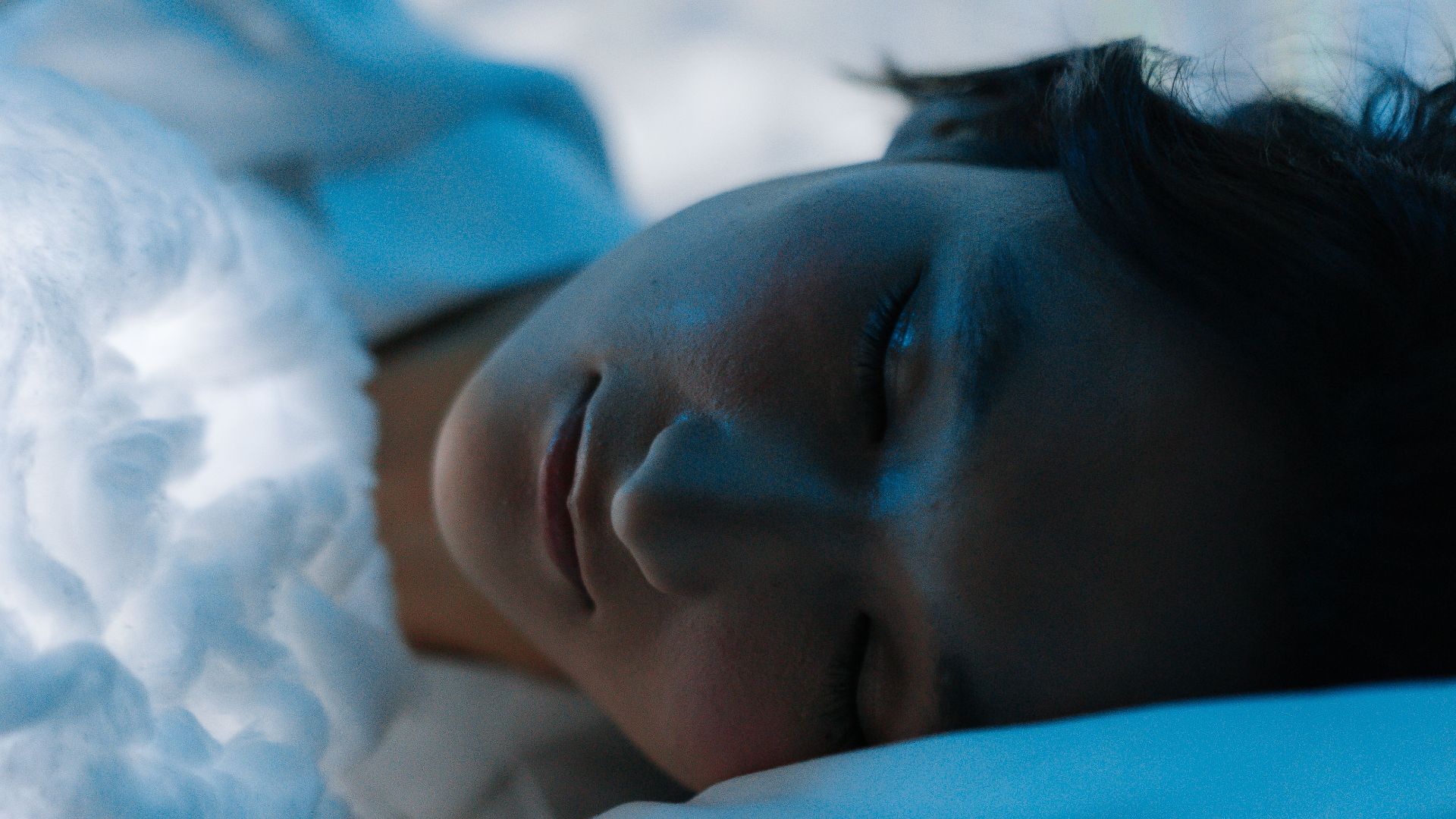
While you sleep, the brain activates a specialized waste-clearing process known as the glymphatic system. Fluids move through brain tissue and help remove metabolic byproducts that accumulate during the day. Scientists believe this nightly cleanup plays an important role in maintaining healthy brain function. The process happens every night without any conscious effort on your part.

3. Consolidating Memories
Your brain spends part of the night organizing and strengthening information gathered during the day. Important experiences are reinforced while less useful details may be filtered out. This process plays a significant role in learning and memory retention. Quality sleep is one reason studying and then resting often improves recall.
 Kate Stone Matheson on Unsplash
4. Regulating Hormones
Many hormones are released or adjusted while you sleep. These hormones influence growth, appetite, stress levels, and numerous other bodily functions. The timing of these changes is carefully coordinated by the body's internal systems. Poor sleep can sometimes disrupt this balance and affect overall health.

5. Moving Your Eyes Rapidly
During REM sleep, your eyes may move quickly beneath closed eyelids. Scientists have observed this phenomenon for decades and use it to identify specific sleep stages. The movements often occur while dreaming is most active. Someone watching you sleep might notice subtle signs of this activity.

6. Strengthening Your Immune System
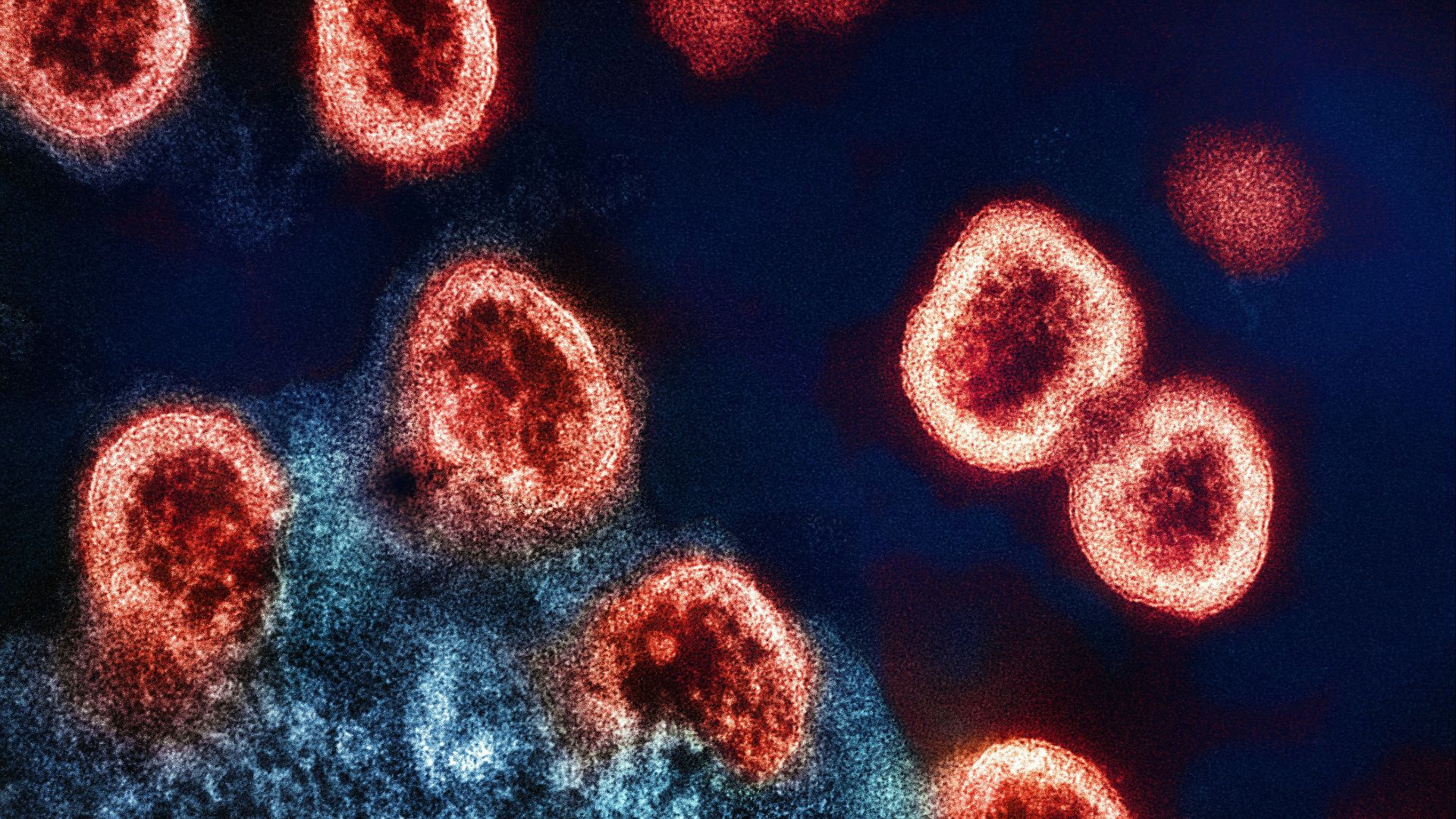
Sleep allows the immune system to perform important maintenance work. During this time, the body produces and regulates substances that help fight illness and infection.
 National Institute of Allergy and Infectious Diseases on Unsplash
7. Adjusting Body Temperature
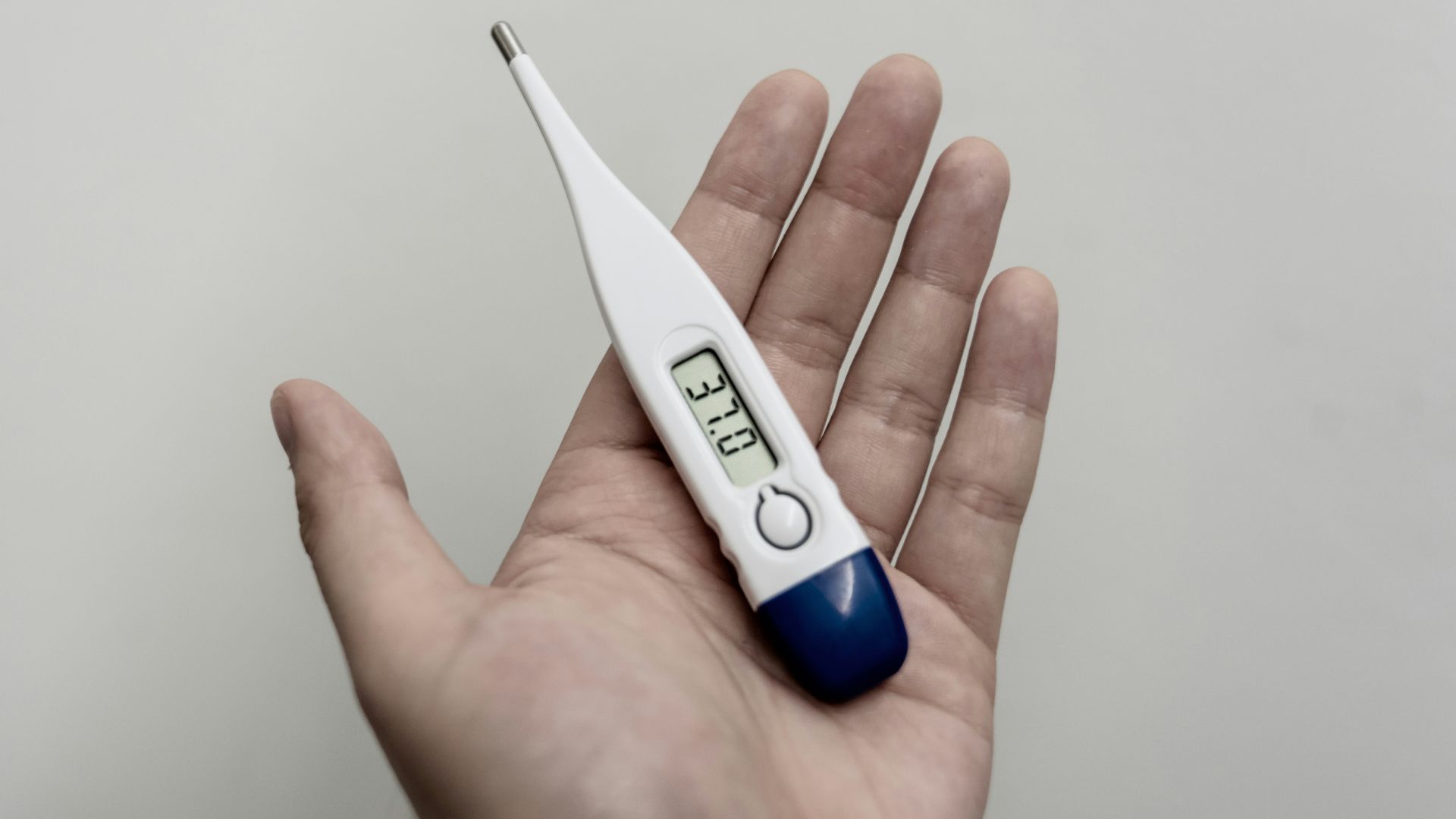
Your body temperature naturally changes throughout the night as part of the sleep cycle. These fluctuations help support healthy sleep patterns and other biological processes. The changes occur automatically without any conscious effort. Your body is constantly making small adjustments to maintain proper balance.
8. Processing Emotions
Sleep appears to help the brain sort through emotional experiences from the day. Researchers have found that emotional regulation is closely connected to healthy sleep patterns. This overnight processing may help people respond more effectively to challenges and stress. It's one reason difficult situations sometimes feel easier to handle after a good night's sleep.

9. Grinding Your Teeth
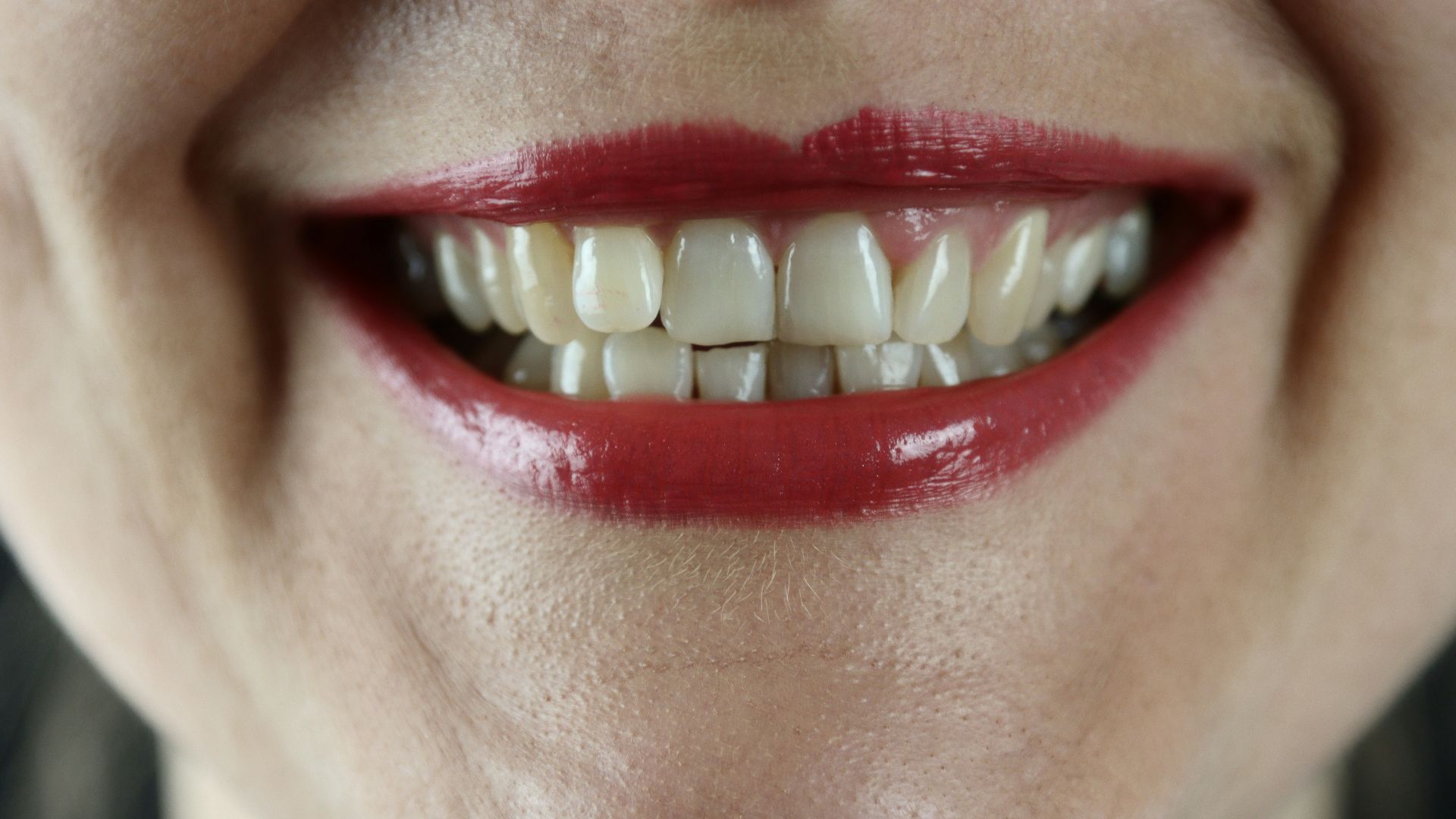
Some people clench or grind their teeth during sleep without realizing it. This condition, known as sleep bruxism, can occur occasionally or more frequently. In some cases, it may contribute to jaw discomfort or tooth wear over time.
10. Talking in Your Sleep
Sleep talking is surprisingly common and can range from a few words to entire conversations. Most people have no memory of doing it once they wake up. The speech may be clear, mumbled, or completely nonsensical.

11. Experiencing Brief Awakenings
People often wake up for short periods during the night without remembering it later. These awakenings may last only a few seconds before sleep resumes. Because they are so brief, they usually go unnoticed.

12. Relaxing Your Muscles
Many muscles become significantly more relaxed while you sleep. This reduction in activity helps the body recover from daily movement and exertion. Certain stages of sleep involve particularly deep muscle relaxation.

13. Growing and Repairing Tissue
The body performs important repair work while you're asleep. Cells are renewed, tissues recover, and physical wear from the day is addressed. This process helps support overall health and recovery.

14. Regulating Blood Pressure
Blood pressure typically changes during normal sleep cycles. For many people, it decreases during certain stages of sleep, allowing the cardiovascular system to rest. These natural fluctuations are part of healthy bodily function.

15. Breathing Differently
Breathing patterns often change throughout the night depending on the sleep stage. Breaths may become slower, deeper, or more irregular during certain periods. These shifts are usually normal and occur automatically.
16. Moving Your Limbs
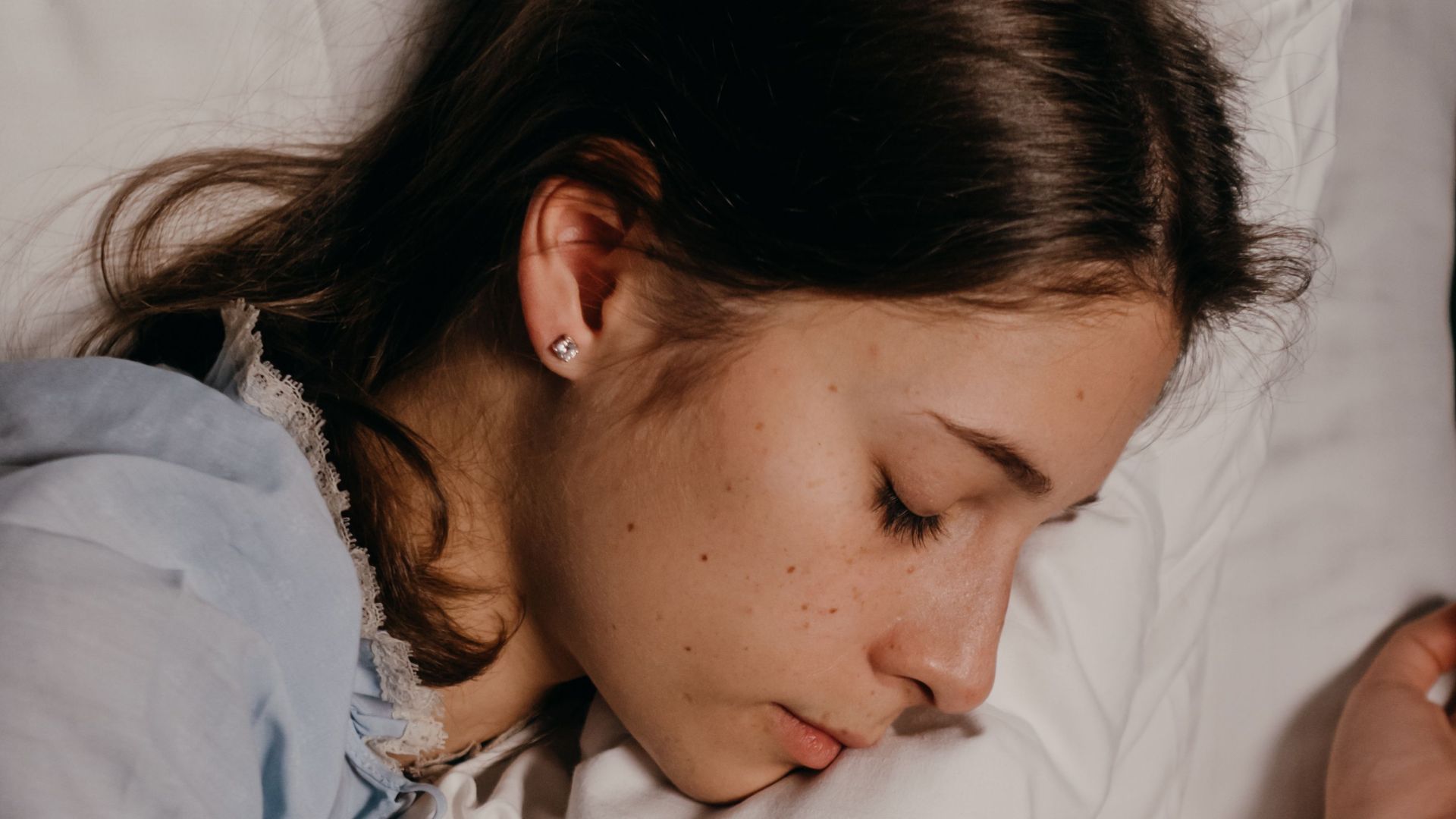
Small arm and leg movements can happen during sleep without waking you. Some people experience occasional twitches, while others move more frequently. Most of these motions are harmless and quickly forgotten.
17. Producing Growth Hormone
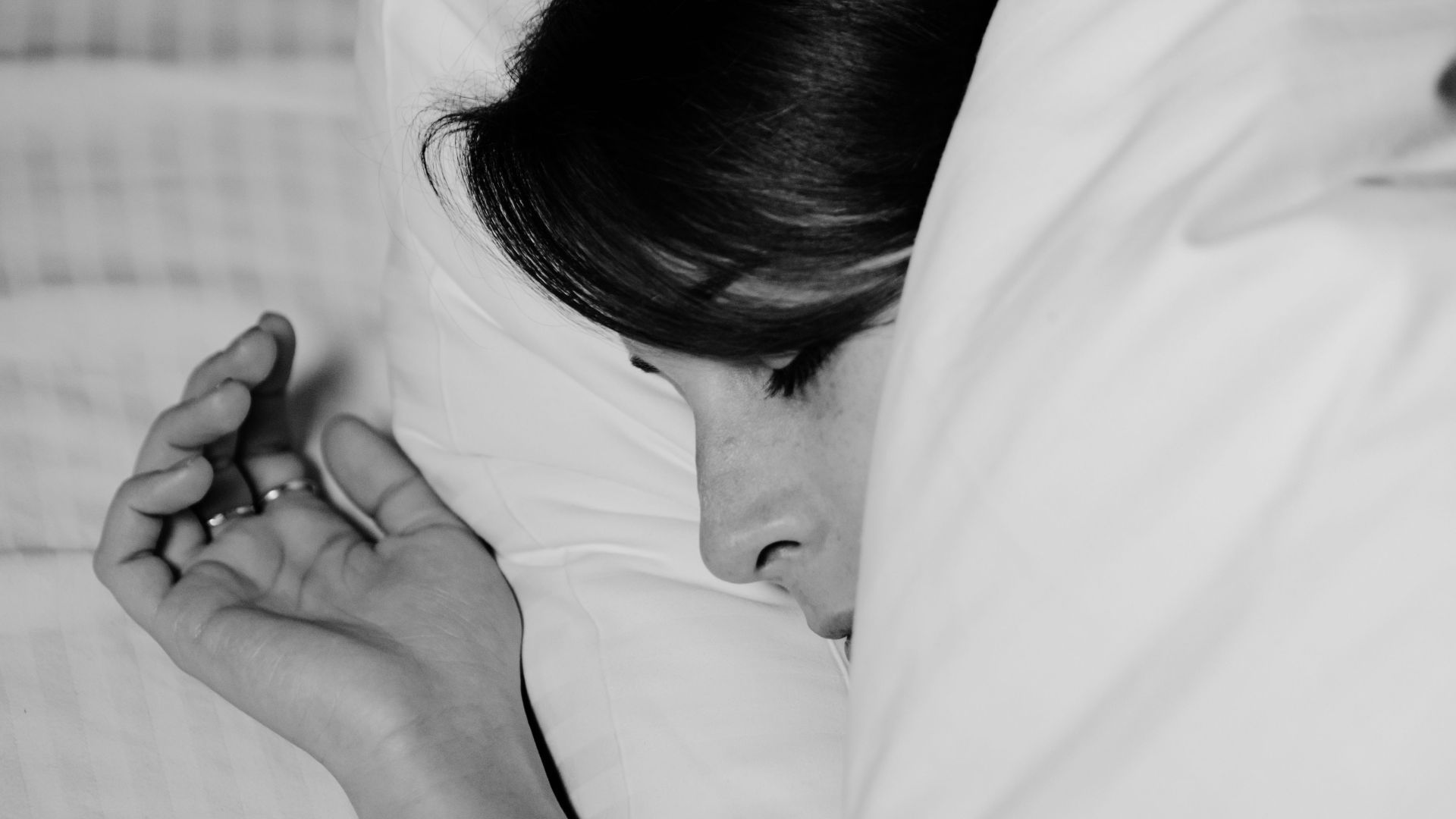
Growth hormone is released primarily during deep sleep. In children and teenagers, it plays a major role in growth and development. Adults also rely on it for tissue maintenance and repair.
18. Sorting Through Information
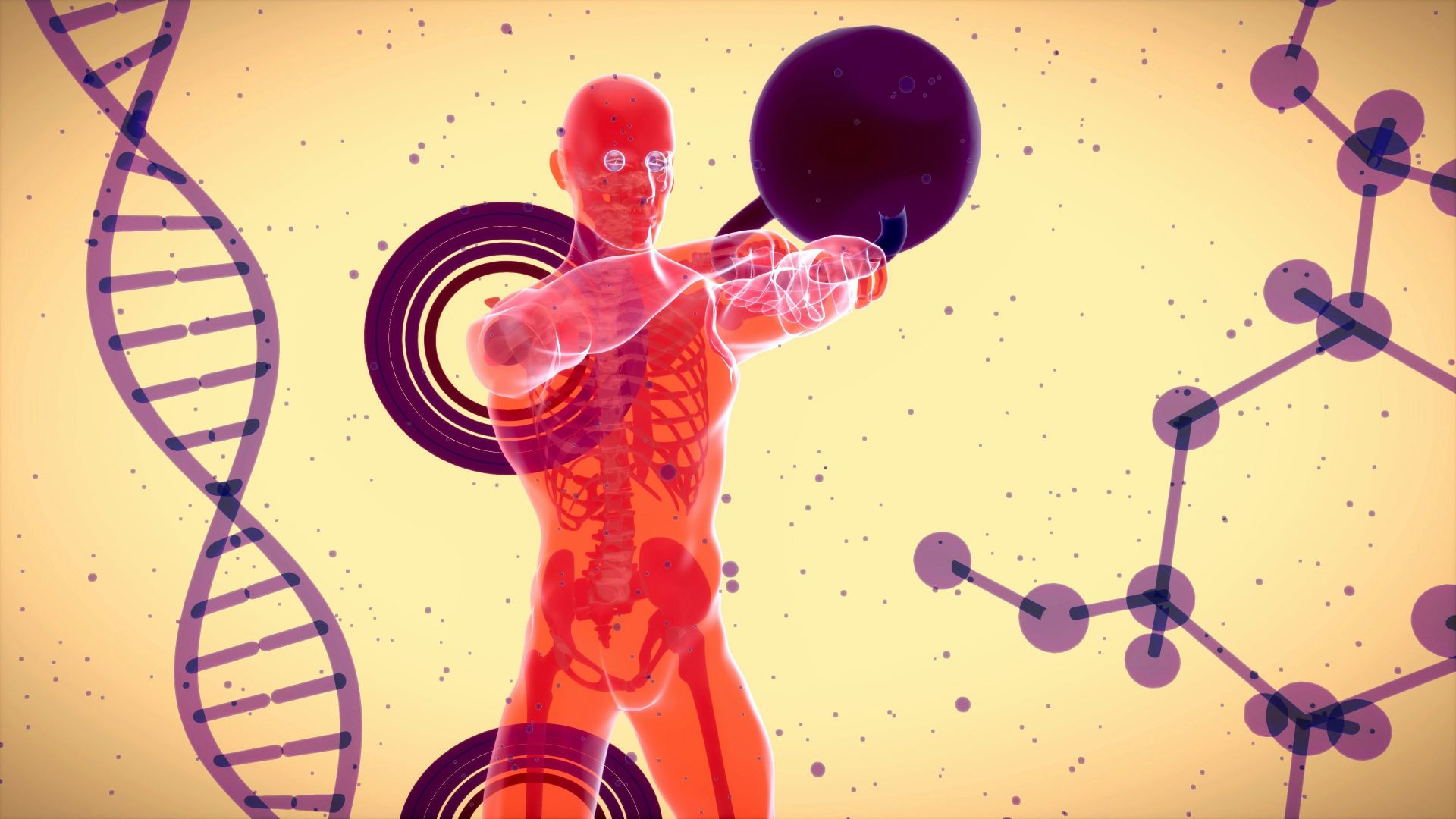
The brain continues processing information long after you're asleep. Experiences, skills, and knowledge acquired during the day may be reviewed and organized. This activity contributes to learning and cognitive performance.

19. Maintaining Internal Organs
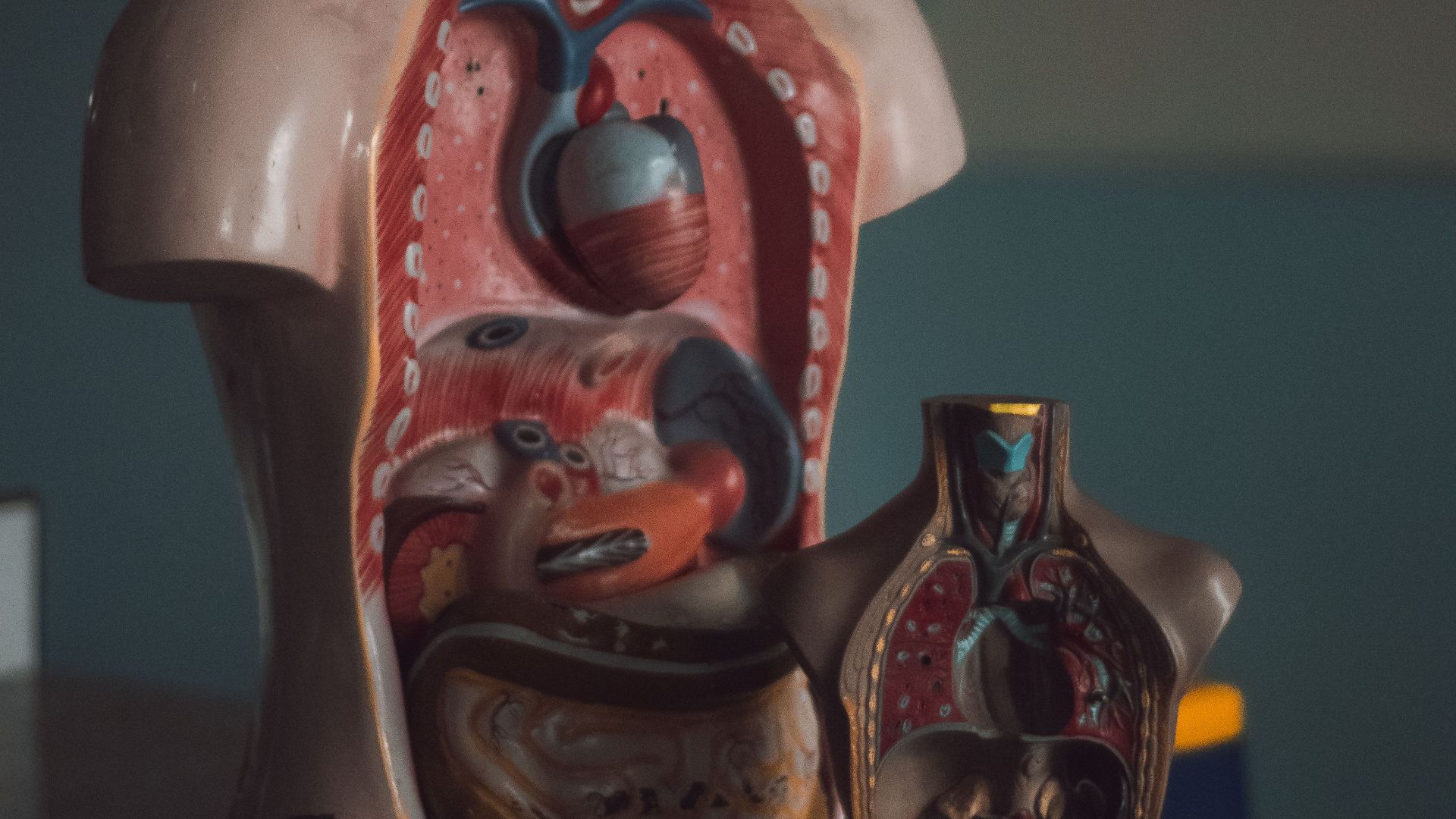
Vital organs continue working around the clock, even while you're unconscious. The heart, lungs, kidneys, and other systems constantly perform essential functions. Sleep allows many of these systems to operate under different conditions than they do during wakefulness.
20. Cycling Through Multiple Sleep Stages
Sleep isn't a single uniform state. Throughout the night, the brain repeatedly cycles through several stages, including light sleep, deep sleep, and REM sleep.

KEEP ON READING