
A Challenging Bodily Experience
Iron deficiency often doesn’t show up with obvious signs; instead, it may manifest in subtle yet frustrating symptoms such as persistent tiredness, reduced exercise performance, cold extremities, unusual cravings, or even the sensation that climbing stairs has become daunting. Because these symptoms can overlap with various issues—such as sleep disturbances, stress, thyroid problems, vitamin deficiencies, pregnancy, heart conditions, and others—they are not sufficient on their own to confirm low iron levels. However, since iron is crucial for red blood cells to transport oxygen throughout the body, its deficiency can create effects in unexpected areas.
1. Fatigue Not Relieved by Sleep
An overwhelming sense of tiredness is one of the most common indicators of low iron levels, particularly when iron levels are low and affect the production of healthy red blood cells. You may feel exhausted after a typical night’s sleep, or you might find that daily tasks require significantly more effort than before.

2. Reduced Strength in Daily Activities
Low iron can diminish your muscle strength, making routine activities feel more strenuous, even if your daily routine hasn’t changed. Tasks like carrying groceries or exercising may become more challenging.

3. Increased Shortness of Breath
If your body struggles to deliver oxygen effectively, you might experience breathlessness more easily. This could occur while climbing stairs, taking a walk, or during activities that previously felt effortless. Any new or worsening breathing issues should be evaluated.
4. Feeling Dizzy or Lightheaded
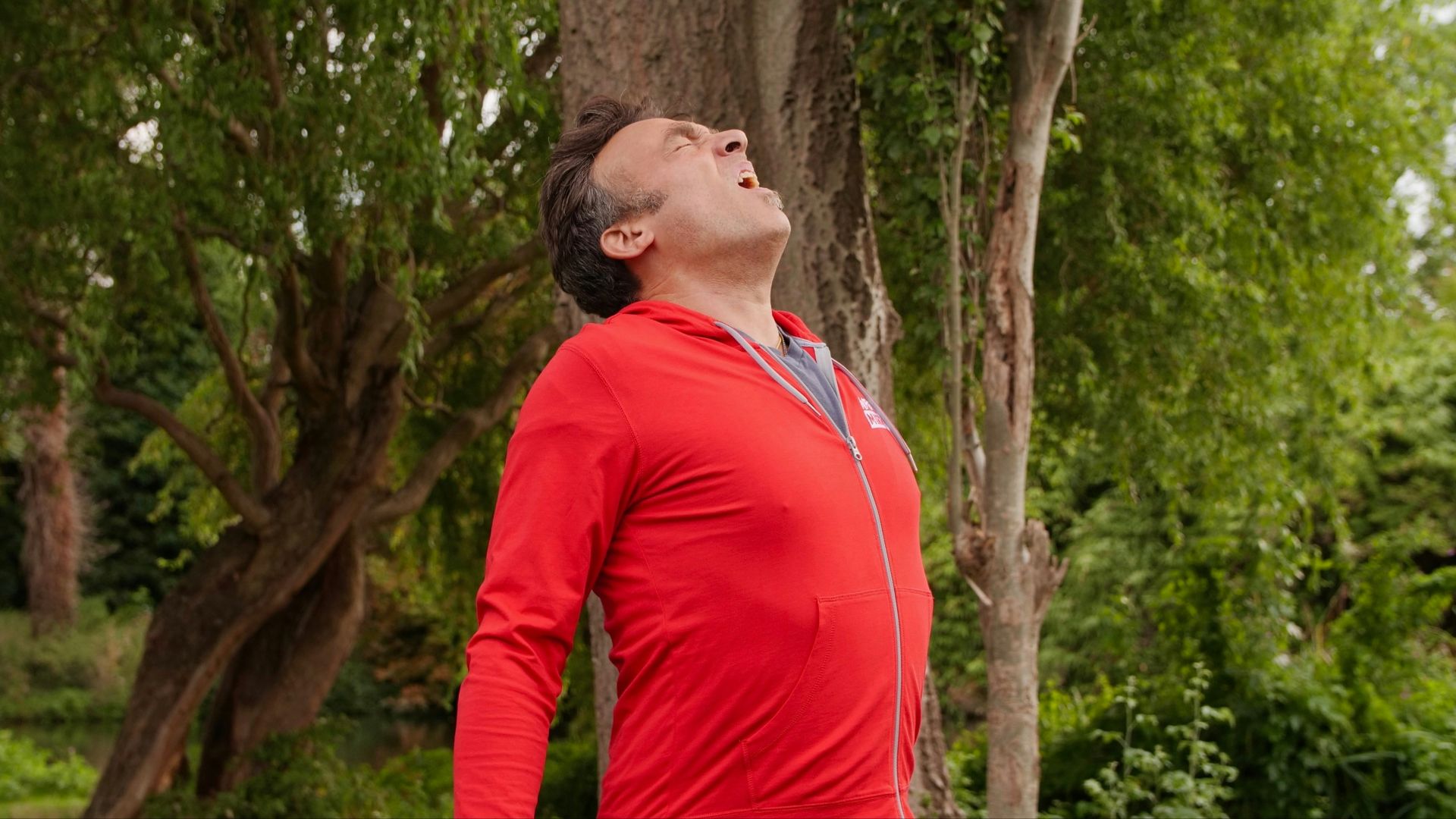
Dizziness, lightheadedness, and headaches can arise when low iron hinders oxygen delivery. Some people may notice this sensation when standing up quickly, exercising, or during long days, especially when accompanied by fatigue, weakness, or breathlessness.

5. Paler Skin than Usual
A noticeable paleness might indicate iron-deficiency anemia, though it can vary among individuals. You may observe changes in the coloring of your face, lips, gums, nail beds, or the inside of your lower eyelids compared to your typical complexion.

6. Rapid or Pounding Heartbeat
A fast, fluttering, or pounding heartbeat may occur when the heart has to work harder to pump oxygen-rich blood. This sensation can be alarming, especially when accompanied by dizziness, weakness, or shortness of breath, and should be taken seriously.
7. Cold Hands and Feet
Low iron may increase your sensitivity to cold, particularly in your hands and feet. You might find yourself needing extra layers when others feel comfortable. However, cold sensitivity can also be related to circulation or thyroid issues.

8. Sore or Smooth Tongue
A sore, swollen, smooth, or tender tongue is sometimes associated with iron deficiency. You may also experience cracks at the corners of your mouth, which can make spicy or acidic foods feel more irritating than usual.

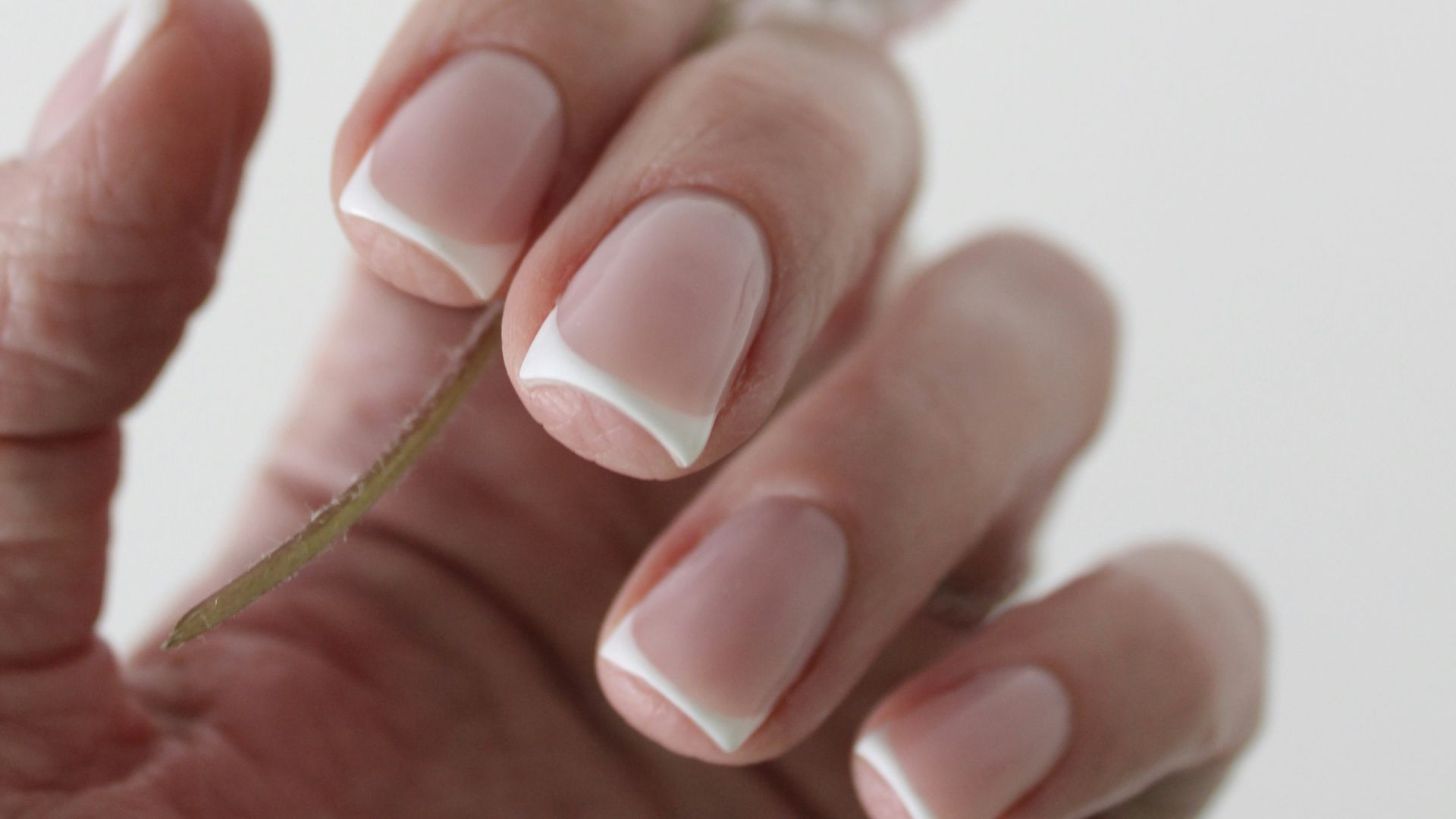
9. Brittle or Spoon-Shaped Nails
While brittle nails can result from various everyday factors, including cold weather or frequent handwashing, low iron can also weaken nails, making them thinner or more prone to breaking. In some cases, nails may take on a spoon-like shape, curving upwards.
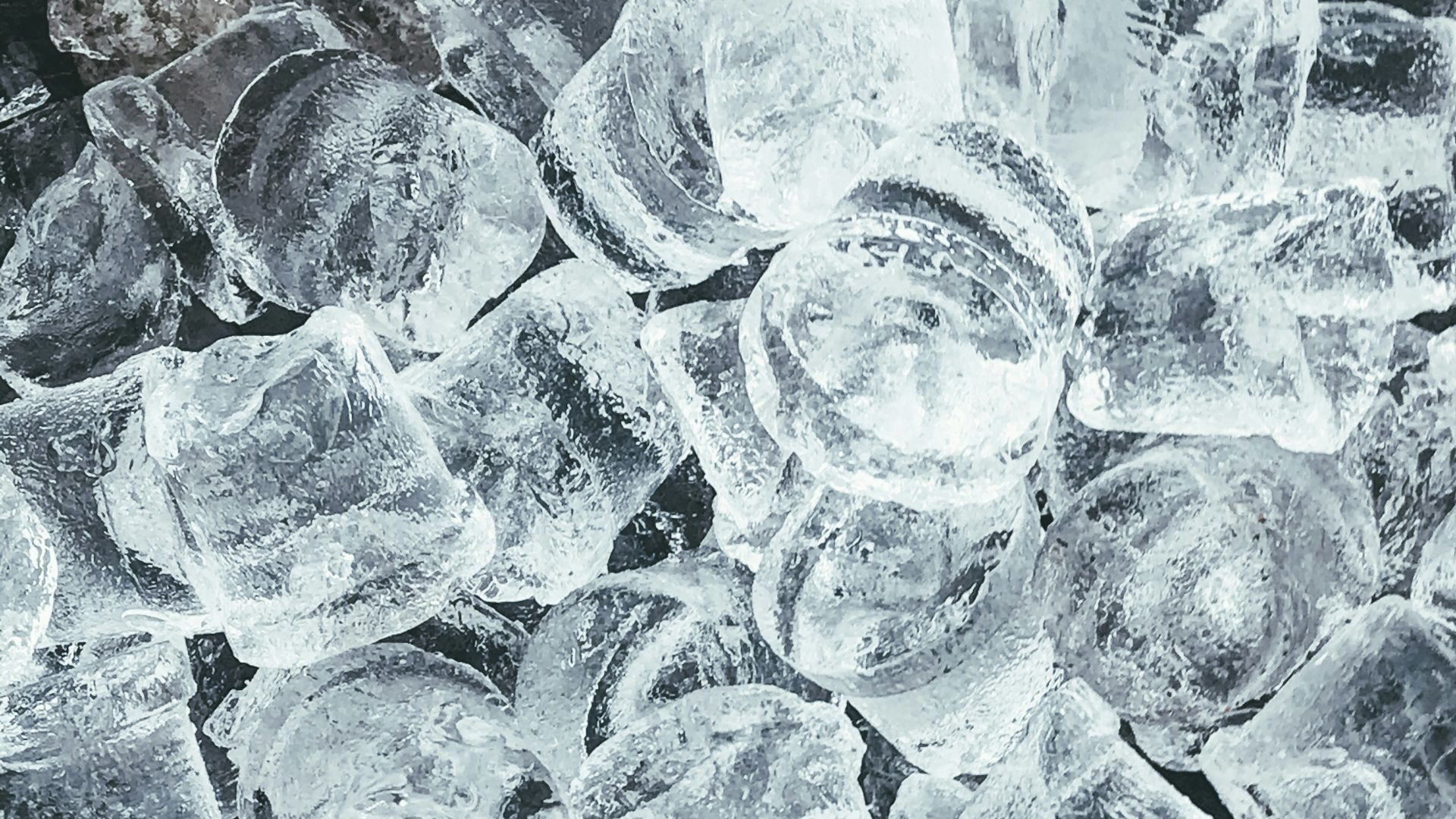
10. Craving Ice or Nonfood Items
A desire to chew ice may be linked to iron deficiency anemia. Some individuals may also crave nonfood items such as clay, dirt, or paper—a condition known as pica. Such unusual cravings should prompt a discussion about iron testing.
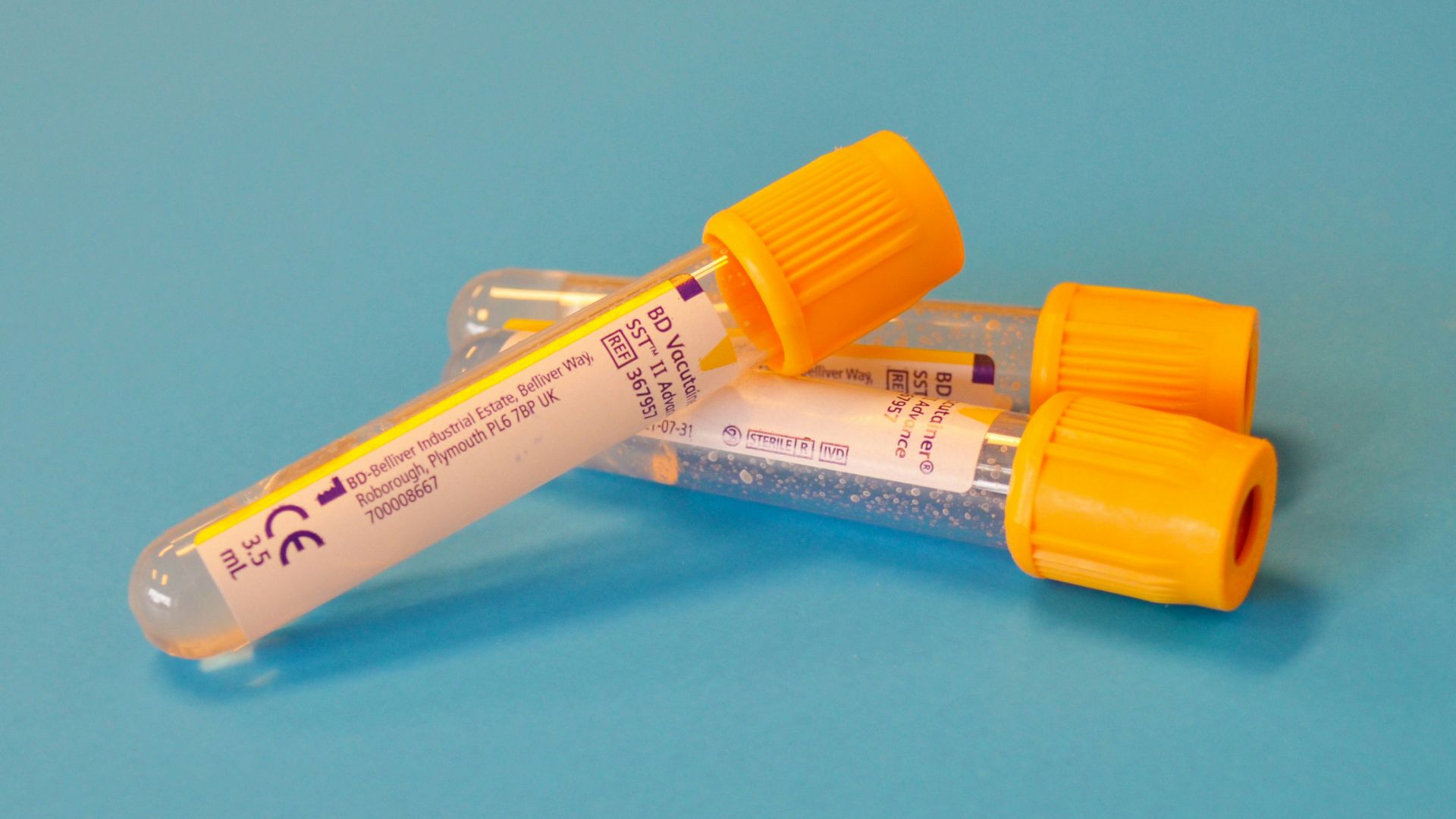
1. Getting Blood Work First
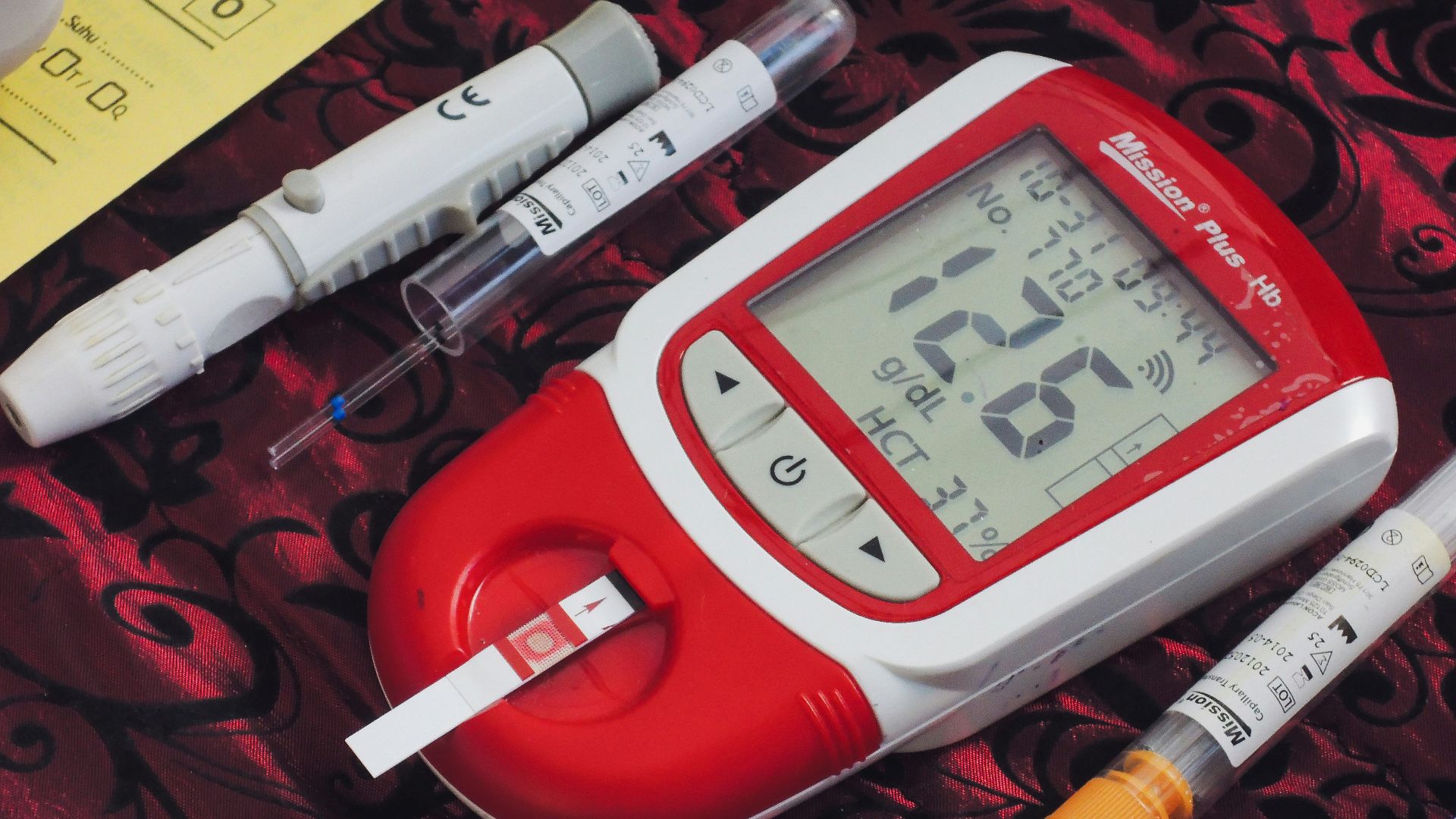
The safest way to determine if your iron levels are low is to get blood work done. A healthcare professional will review red blood cell measurements, hemoglobin, ferritin, iron levels, and other markers to assess both anemia and iron stores.
2. Finding the Real Cause
Low iron levels aren’t always due to insufficient intake of iron-rich foods. Factors such as heavy periods, pregnancy, recent childbirth, blood donation, digestive issues, internal bleeding, certain medications, and absorption problems can all contribute.
3. Eating More Iron-Rich Animal Foods
If animal products are part of your diet, consuming lean red meat, poultry, fish, and shellfish can help increase your iron intake. The iron from these foods is generally more easily absorbed by the body compared to iron from plant sources, so including them can support your treatment plan.

4. Building Better Plant-Based Iron Meals
Plant-based foods can still be excellent sources of iron if consumed regularly. Foods such as beans, lentils, chickpeas, tofu, fortified cereals, enriched grains, pumpkin seeds, cashews, spinach, peas, and leafy greens can all contribute to your iron intake.

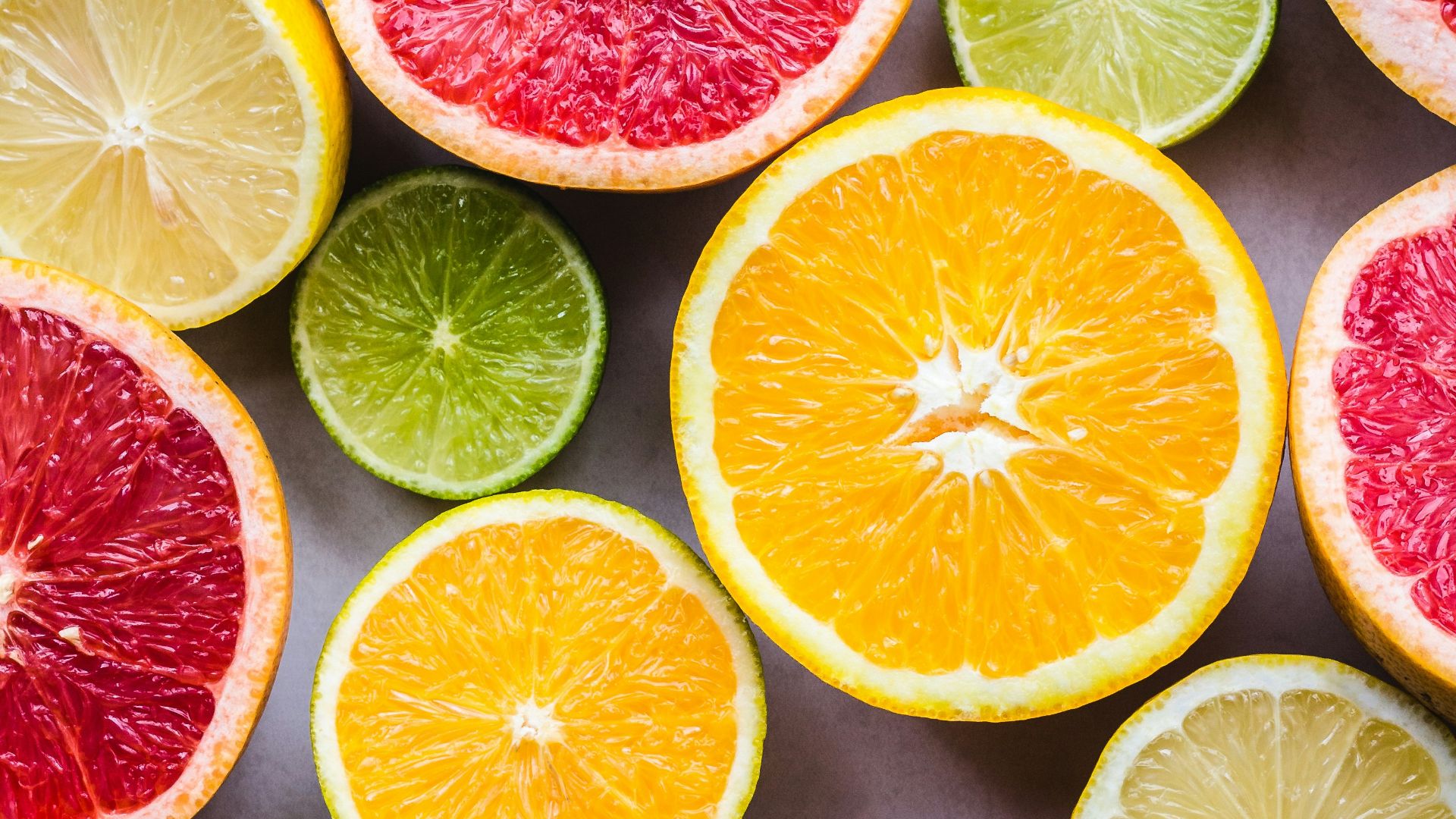
5. Pairing Iron with Vitamin C
Vitamin C enhances the body’s ability to absorb plant-based iron. Simple combinations work well, such as pairing strawberries with fortified cereal, bell peppers with beans, tomatoes with lentils, or adding lemon juice to leafy greens.
6. Watching the Timing of Coffee, Tea, and Calcium
Some foods, beverages, and medications can hinder iron absorption when taken simultaneously. Coffee, tea, calcium, antacids, and certain medications may interfere with absorption, especially when taken around iron supplements, so timing is important.

7. Using Supplements Only with Guidance
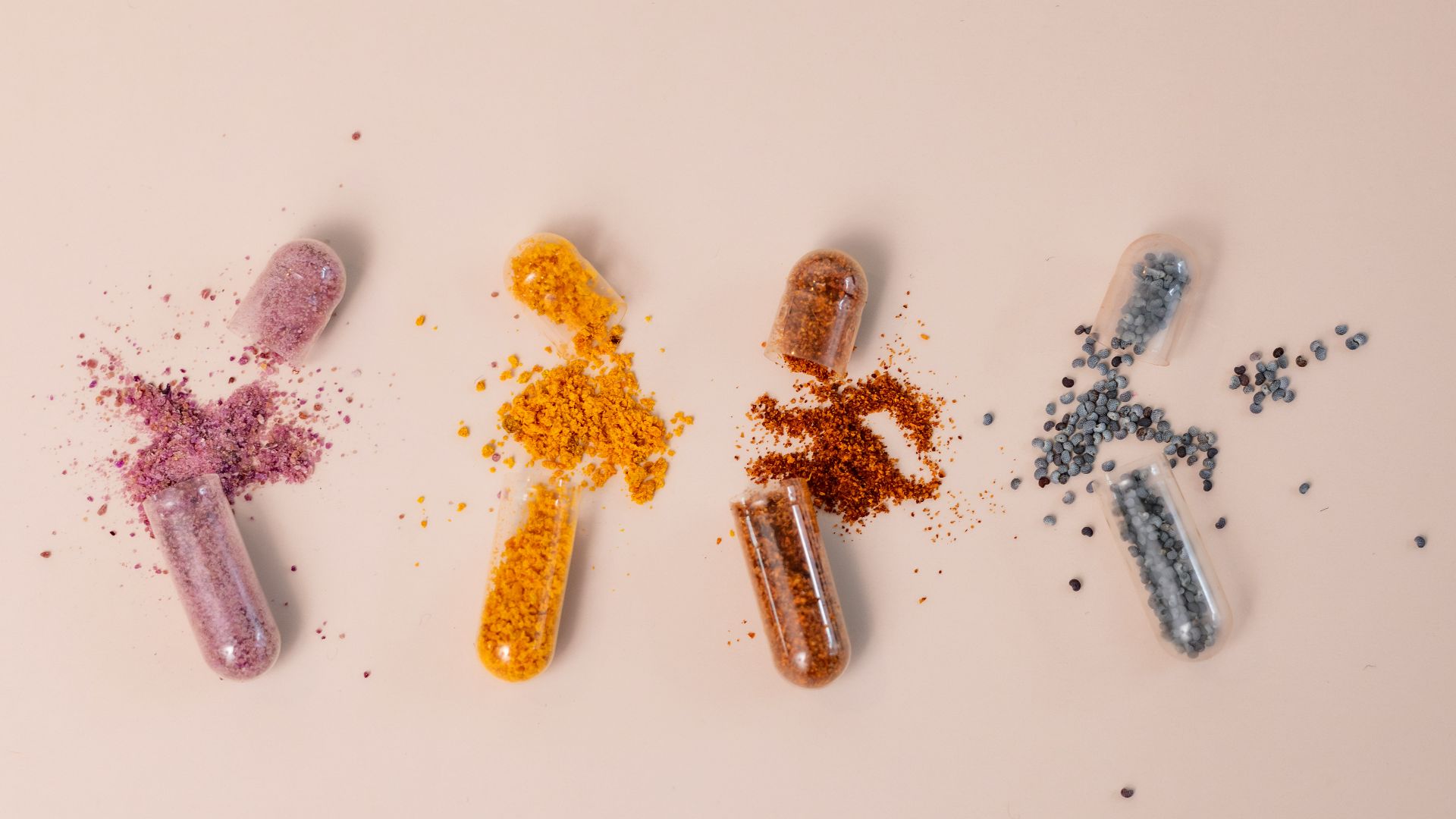
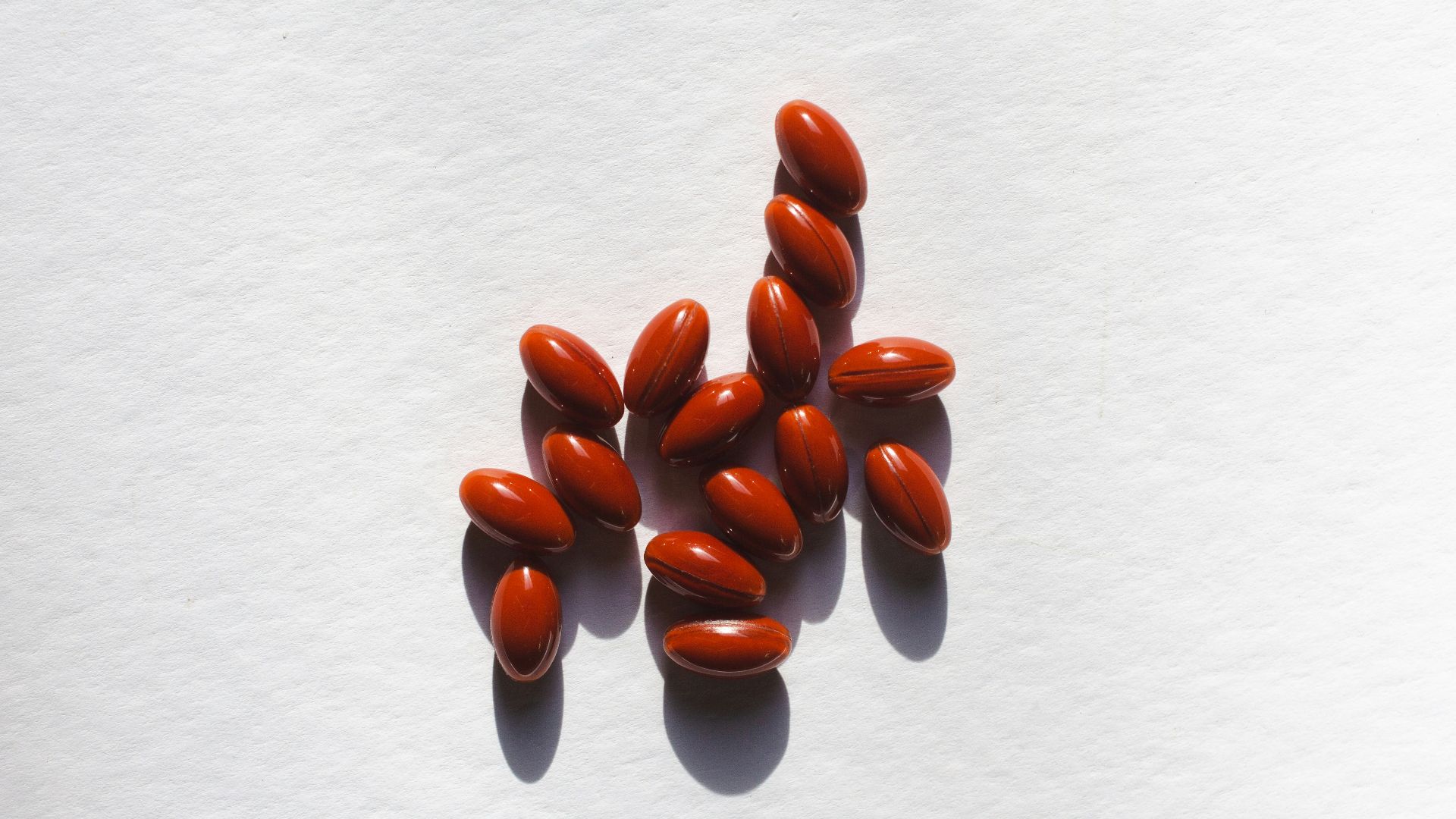
Iron supplements can be beneficial when genuinely needed, but they should not be taken lightly. Excess iron can be harmful, and supplements may cause side effects such as constipation, nausea, stomach pain, diarrhea, or dark stools.
8. Adjusting if Iron Pills Upset Your Stomach
Iron pills can sometimes cause digestive issues, which is why some people stop taking them. Before discontinuing, ask your healthcare provider if adjusting the dose, changing the form, altering the timing, or modifying food pairings could help make them easier to tolerate.
 montatip lilitsanong on Unsplash
9. Exploring Other Options if Pills Don’t Work
Some individuals may not tolerate oral iron well, may not absorb it effectively, or may require quicker correction under medical supervision. In such cases, intravenous iron may be considered by a healthcare professional, though it is not the default option for everyone.

10. Rechecking Levels After Treatment
Iron levels typically do not return to normal overnight, even when treatment is effective. While symptoms may improve before iron stores are fully replenished, follow-up testing is important to confirm that your body is recovering and that the underlying cause is being addressed.
KEEP ON READING



20 Ways To Get Your Vitamins And Minerals

20 Ways Doing Less Can Actually Improve Your Health