
Your Bones Are Busier Than They Look
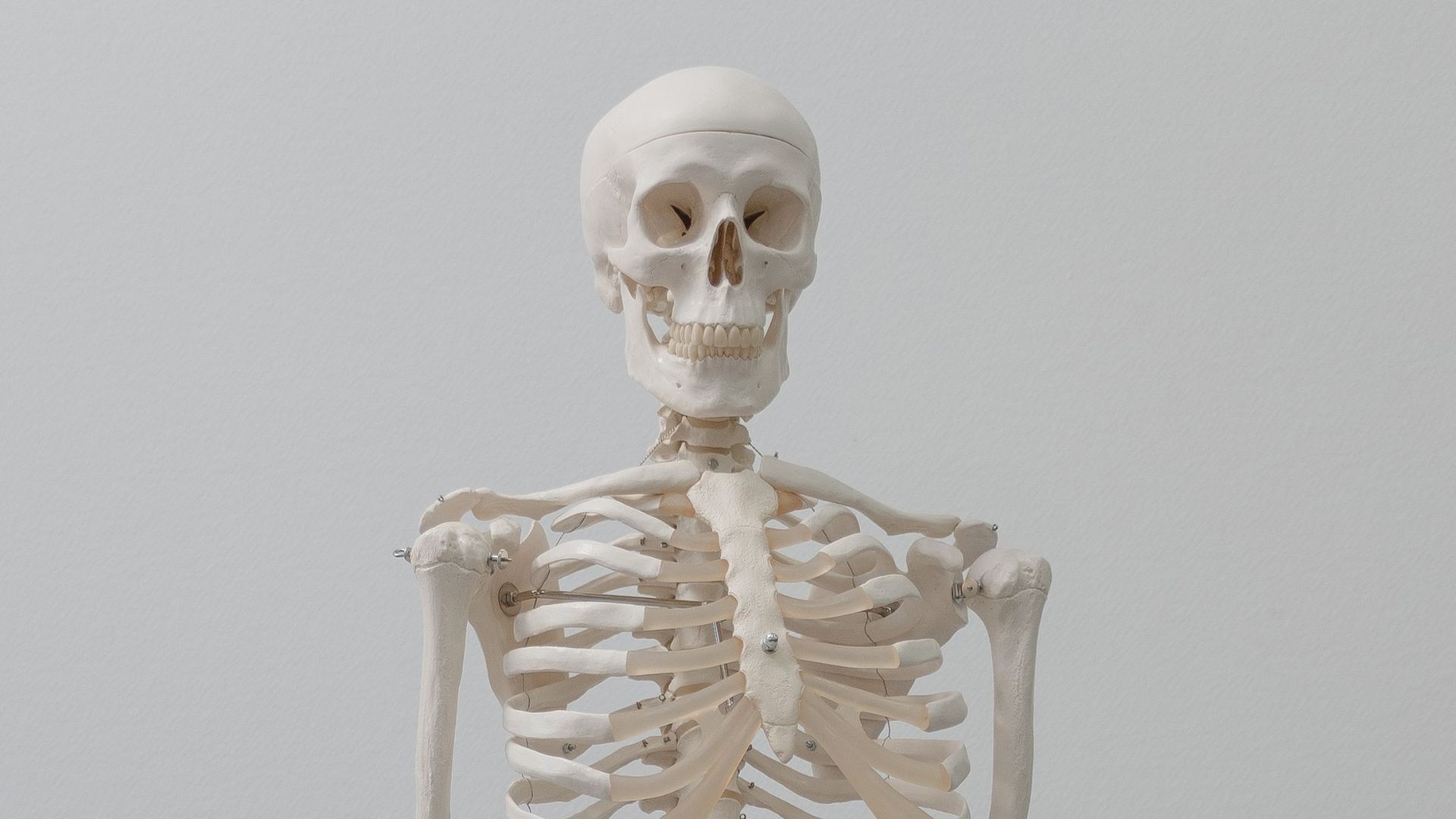
Your skeleton gets plenty of credit for keeping you upright, but that is only one part of its job. Bones protect delicate organs, help you move, store important minerals, produce blood cells, and quietly support several systems you probably don't think about ever. They're living tissue, not a dry collection of coat hangers hiding under your skin. Here are 20 things your skeleton does other than prevent you from becoming an amoeba.
1. It Protects Your Brain
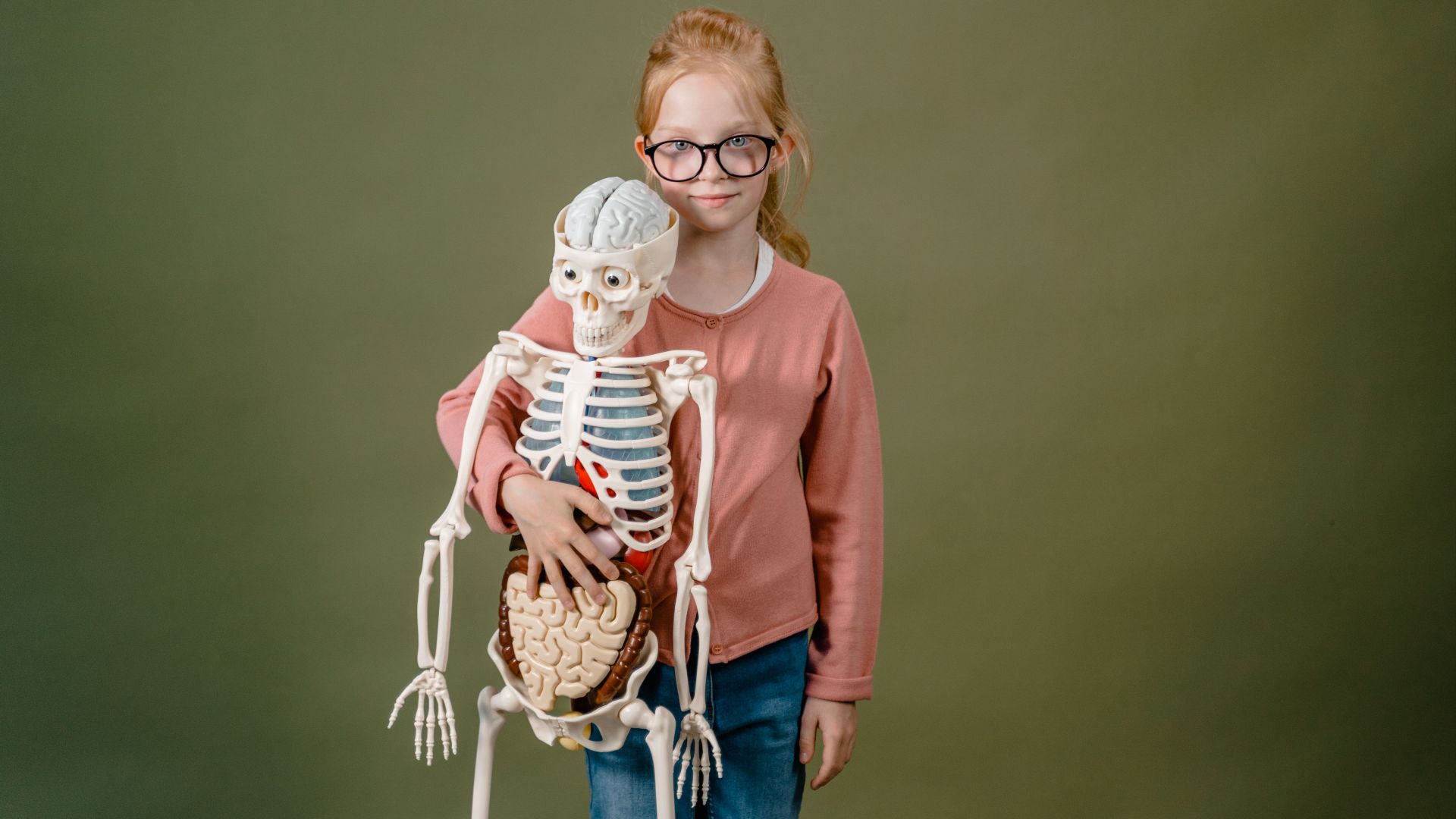
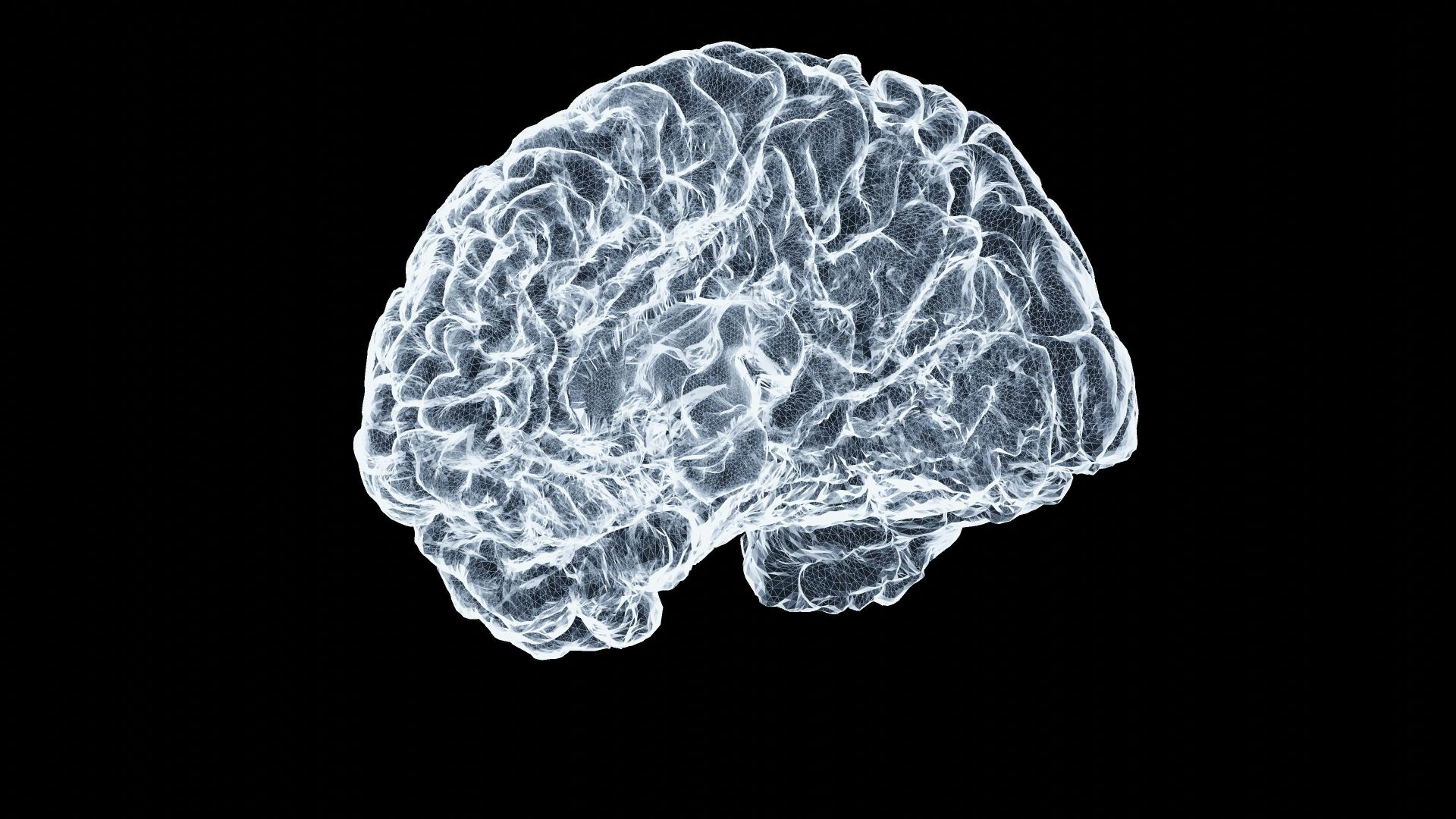
Your skull isn't just there to give your head a recognizable shape. It forms a hard protective case around your brain, which is helpful because your brain is important and also not especially built for impact. The skull can't prevent every injury, but it gives the brain a serious layer of defense.
2. It Guards Your Heart
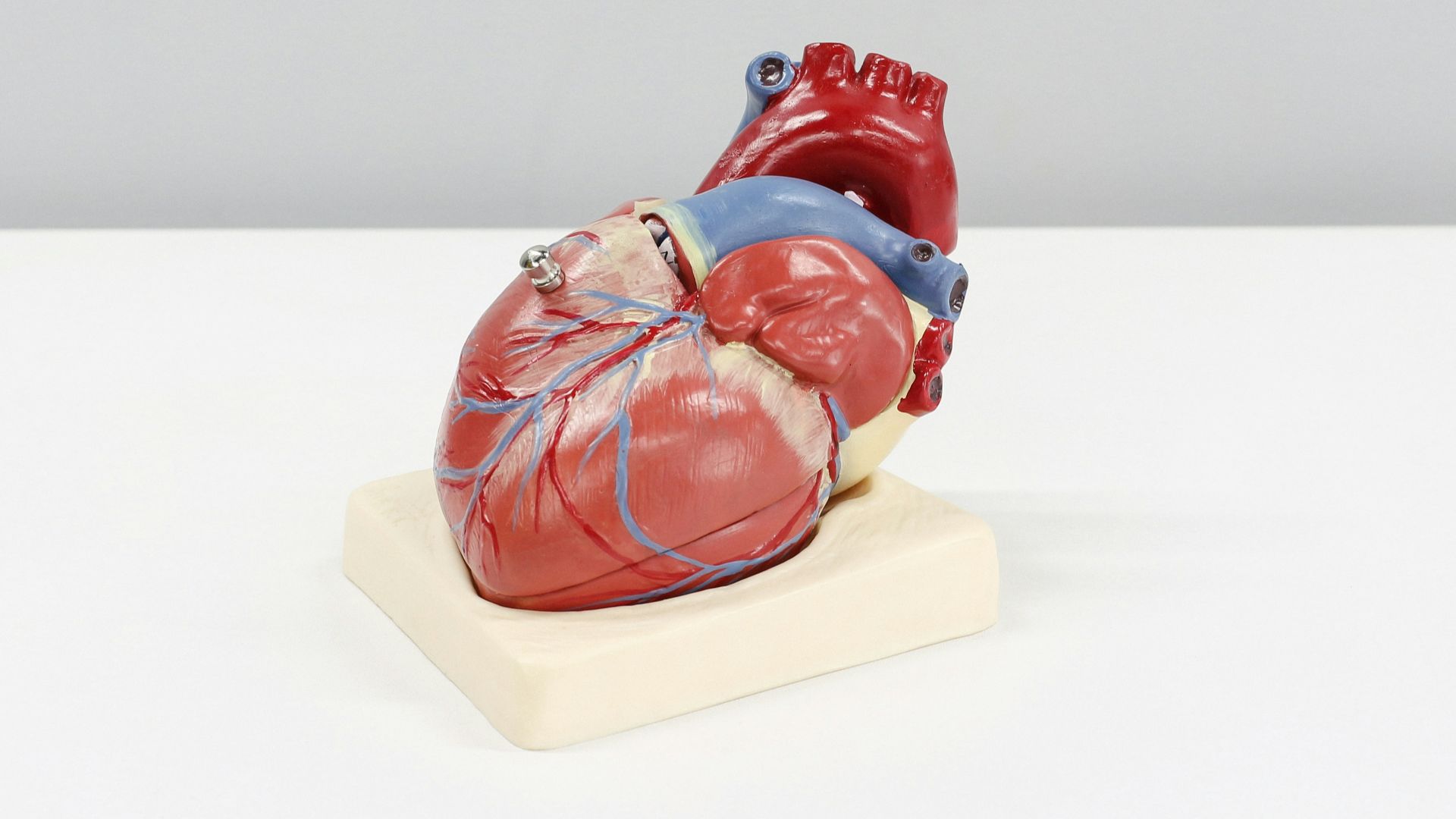
Your rib cage helps protect your heart from bumps, pressure, and injury. The heart sits in a very busy area of the body, so having curved bones around it is a major advantage. Your ribs don't make the chest indestructible, but they do create a protective barrier.
3. It Shields Your Lungs
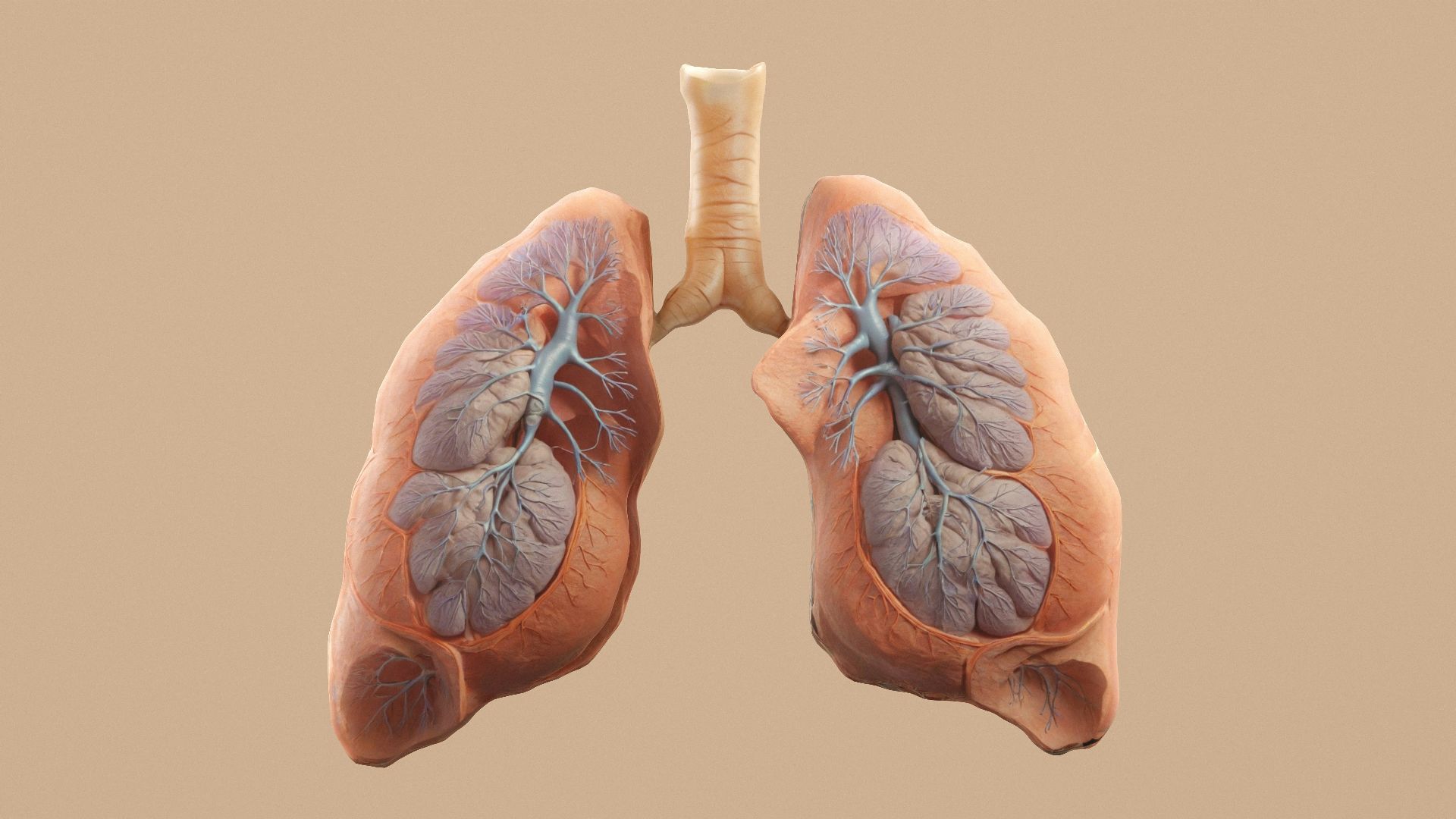
The ribs and sternum also help protect your lungs. These organs are delicate, full of air spaces, and constantly working as you breathe. The rib cage gives them room to expand while still offering protection from the outside.
4. It Protects Your Spinal Cord
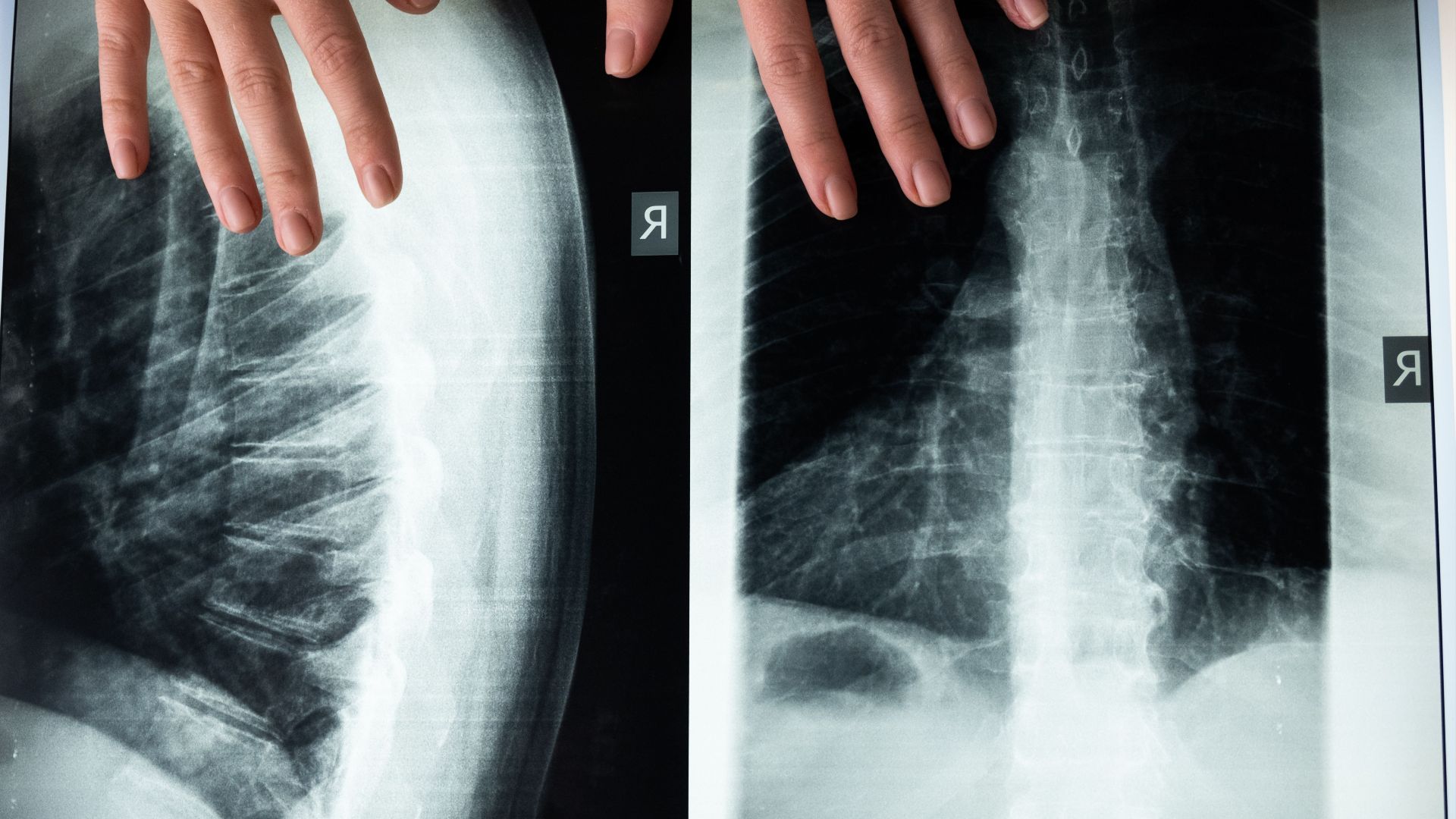
Your vertebrae form a protective column around the spinal cord. This matters because the spinal cord carries messages between the brain and much of the body. Damage there can affect movement, sensation, and many automatic functions.
5. It Helps You Move
Bones work with muscles, tendons, and joints to create movement. Muscles pull on bones, and bones act as levers that help you walk, lift, bend, chew, wave, and dance with whatever level of confidence you have available. Without bones, muscles wouldn't have the same structure to pull against.

6. It Makes Blood Cells
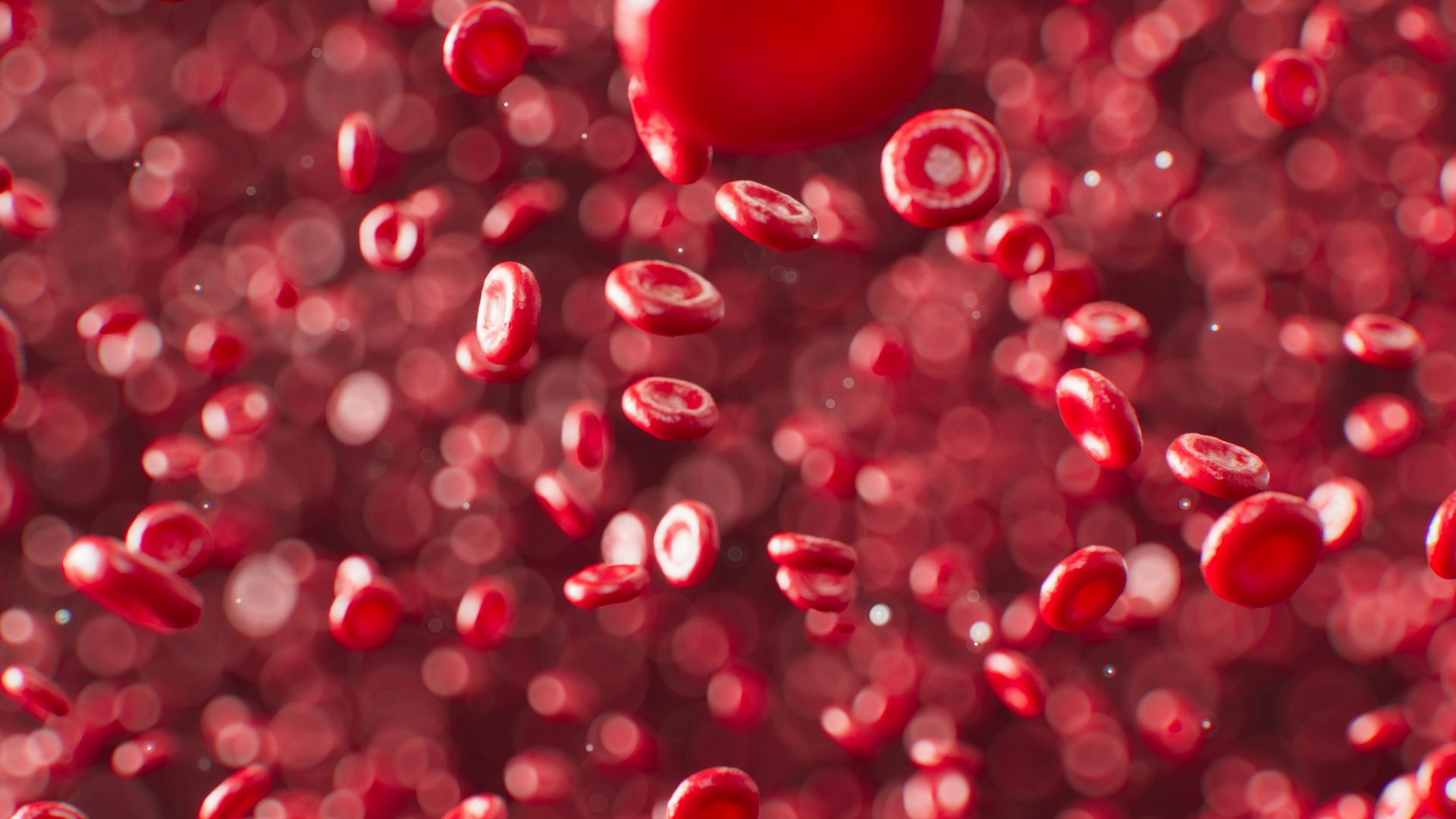
Bone marrow inside certain bones helps produce red blood cells, white blood cells, and platelets. Red blood cells carry oxygen, white blood cells support immune defense, and platelets help with clotting. That means your skeleton is quietly involved in keeping your blood supply refreshed.
7. It Stores Calcium
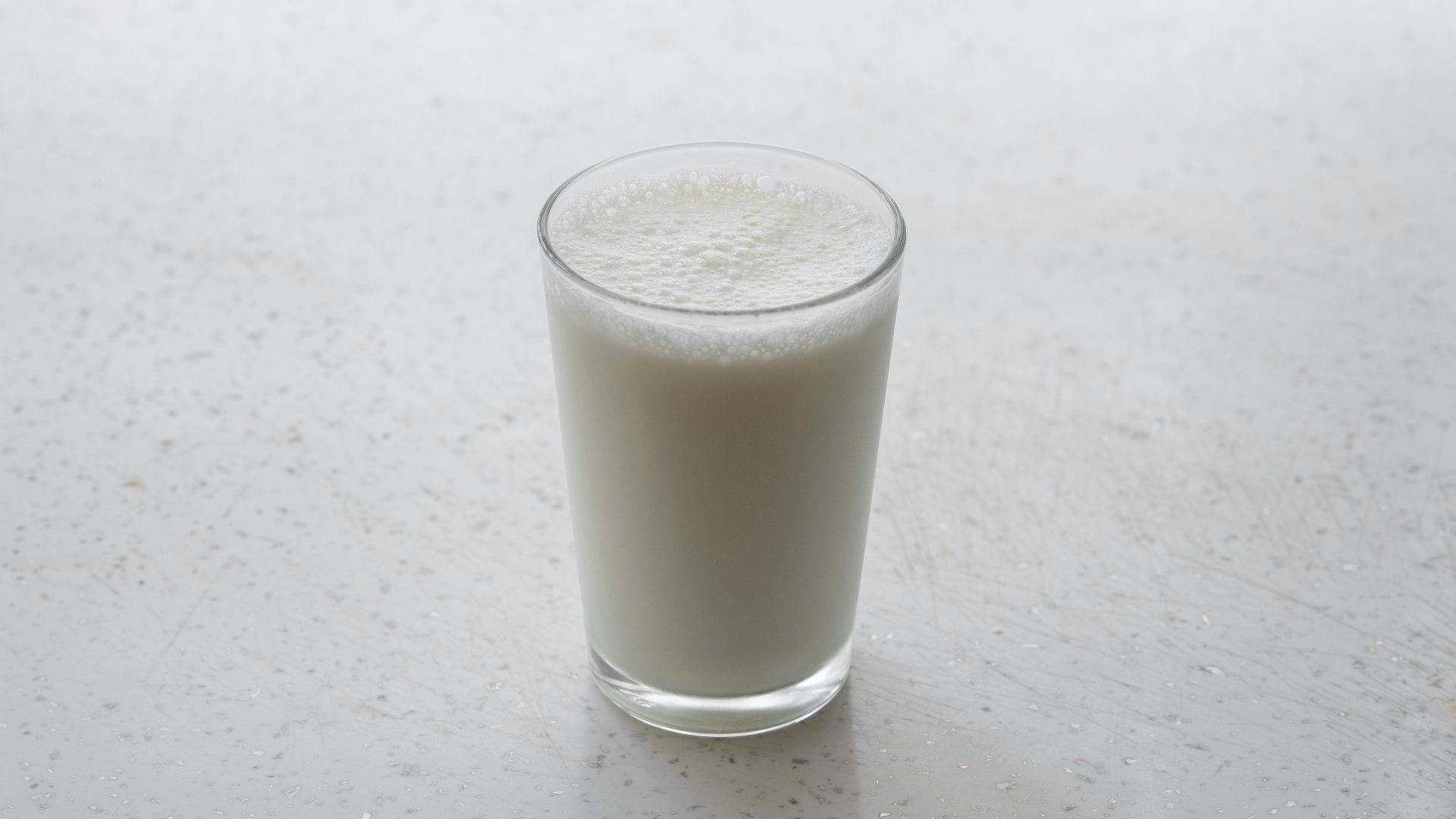
Your bones store most of the calcium in your body. Calcium helps build strong bones, but it is also important for muscle contraction, nerve signaling, and other body functions. When your body needs calcium, bone tissue can release some into the bloodstream under hormonal control.
8. It Stores Phosphorus
Phosphorus is another important mineral stored in bone. Your body uses phosphorus for bone strength, energy production, and cell function. Bones help keep this mineral available in the right amounts, which supports many processes beyond the skeleton itself.
9. It Stores Fat in Yellow Marrow
Not all bone marrow is focused on blood cell production. Yellow marrow stores fat, which can serve as an energy reserve for the body. This fat storage role is one of those skeleton jobs people rarely mention at dinner.
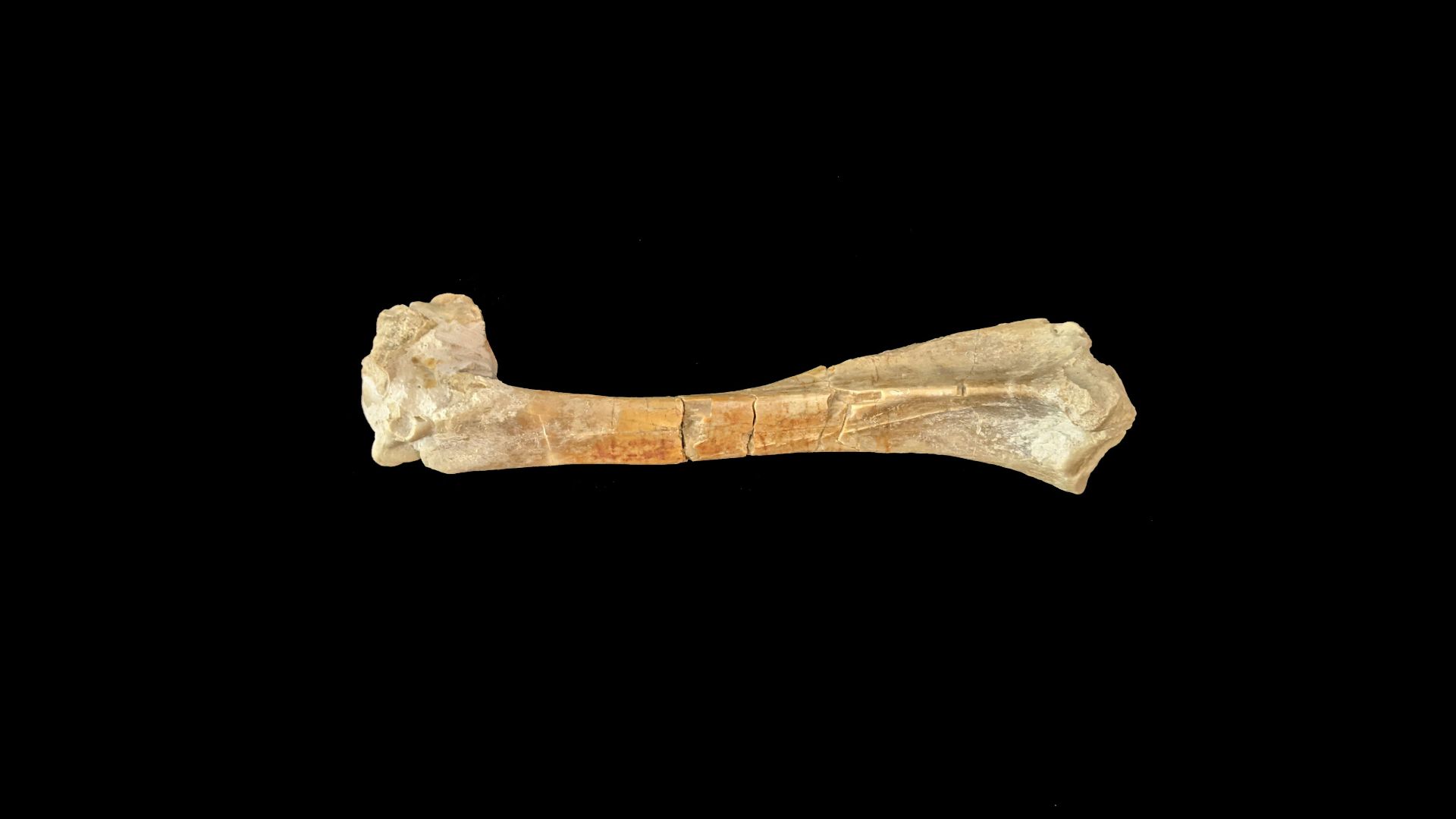
10. It Gives Muscles a Place to Attach
Your muscles need anchor points, and bones provide them. Tendons connect muscles to bones, allowing muscle contractions to move different parts of the body. This is why your skeleton is essential for everything from typing to running.
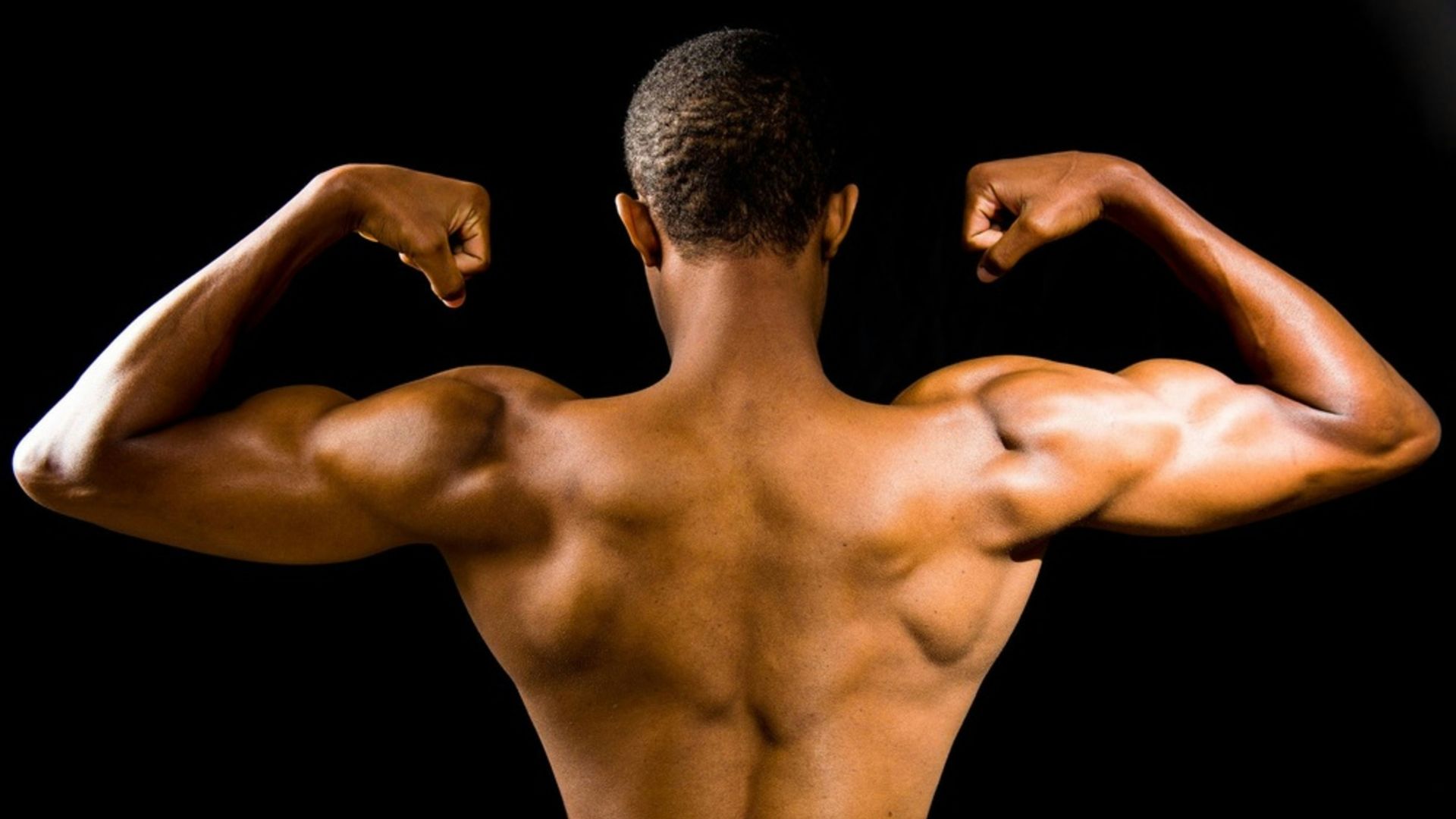
11. It Supports Your Breathing Mechanics
Your rib cage is involved in breathing, not just protection. As you inhale and exhale, the ribs move with the help of muscles between them and the diaphragm below. This movement helps change the space inside your chest, allowing the lungs to expand and release air.

12. It Helps You Hear
Three tiny bones in each middle ear help transmit sound vibrations. These bones, called the malleus, incus, and stapes, pass vibrations from the eardrum toward the inner ear. The stapes is the smallest bone in the body, but it plays a huge role in hearing.
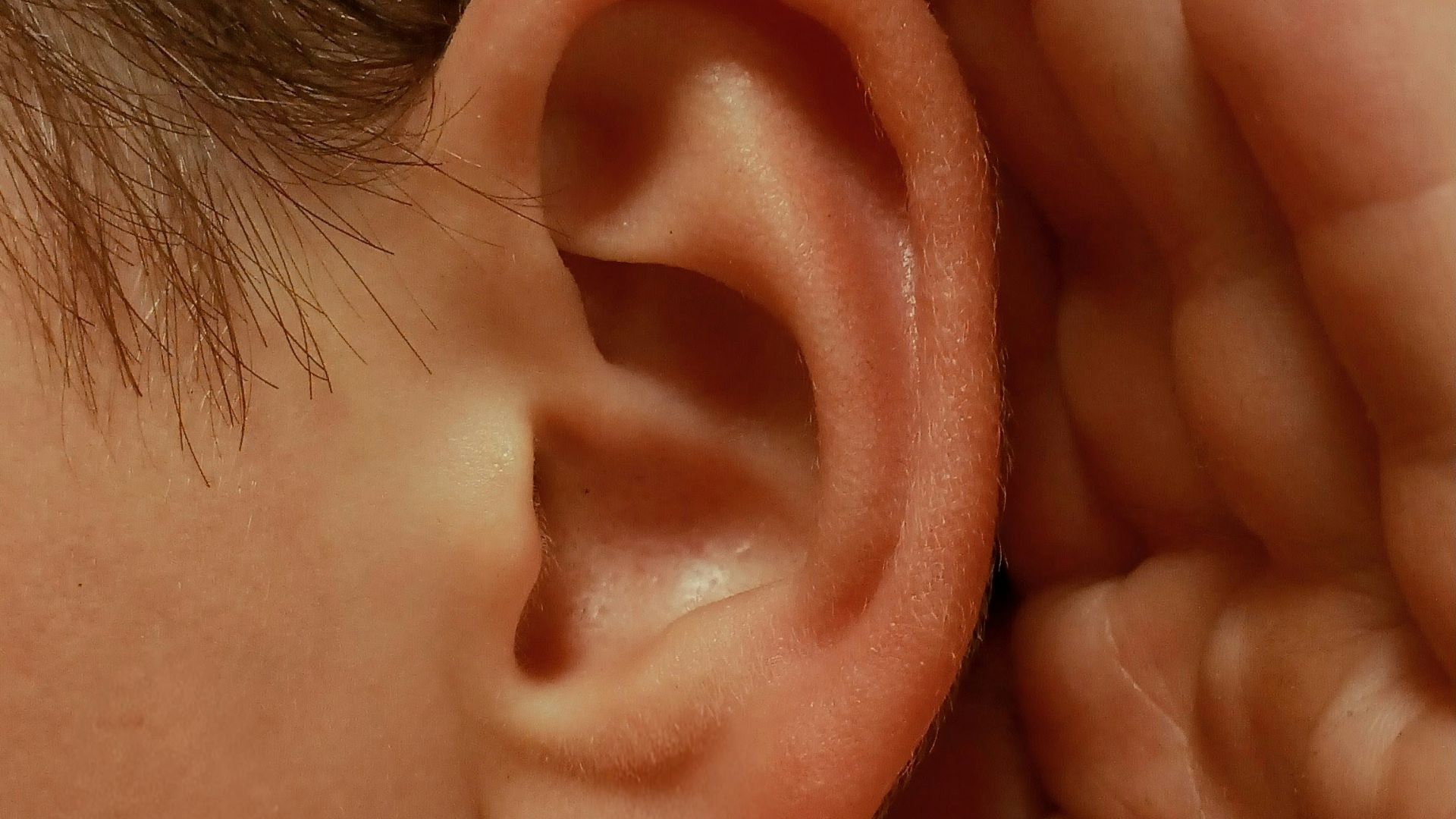
13. It Shapes Your Face
Facial bones help create the structure of your face. They support your eyes, nose, mouth, cheeks, and jaw, giving your face its basic form. These bones also help with chewing, speaking, breathing through the nose, and holding teeth in place.

14. It Helps You Chew
The jawbone plays a major role in chewing food. It works with muscles, teeth, and joints to break food down before it reaches the stomach. Chewing also helps prepare food for digestion by increasing its surface area and mixing it with saliva.

15. It Holds Your Teeth
Your jawbones hold your teeth in place through special sockets. This support allows your teeth to bite, chew, and stay aligned well enough to do their job. Healthy bone around the teeth is important for long-term dental stability.
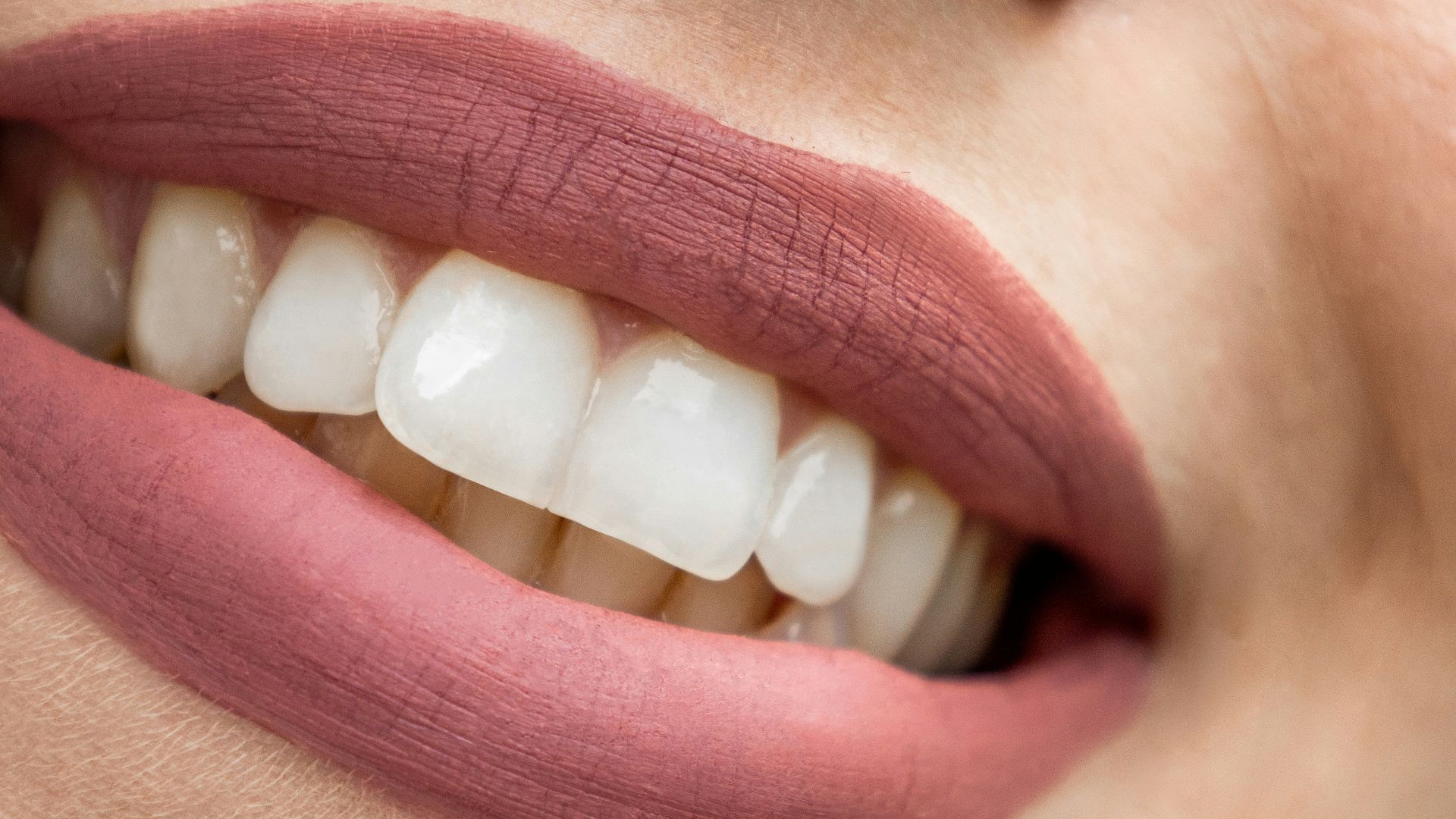
16. It Helps Maintain Mineral Balance
Bones don't simply store minerals and forget about them. They help regulate levels of minerals like calcium and phosphorus in the blood. This balance matters for nerves, muscles, cells, and many body systems.
17. It Repairs Itself After Injury
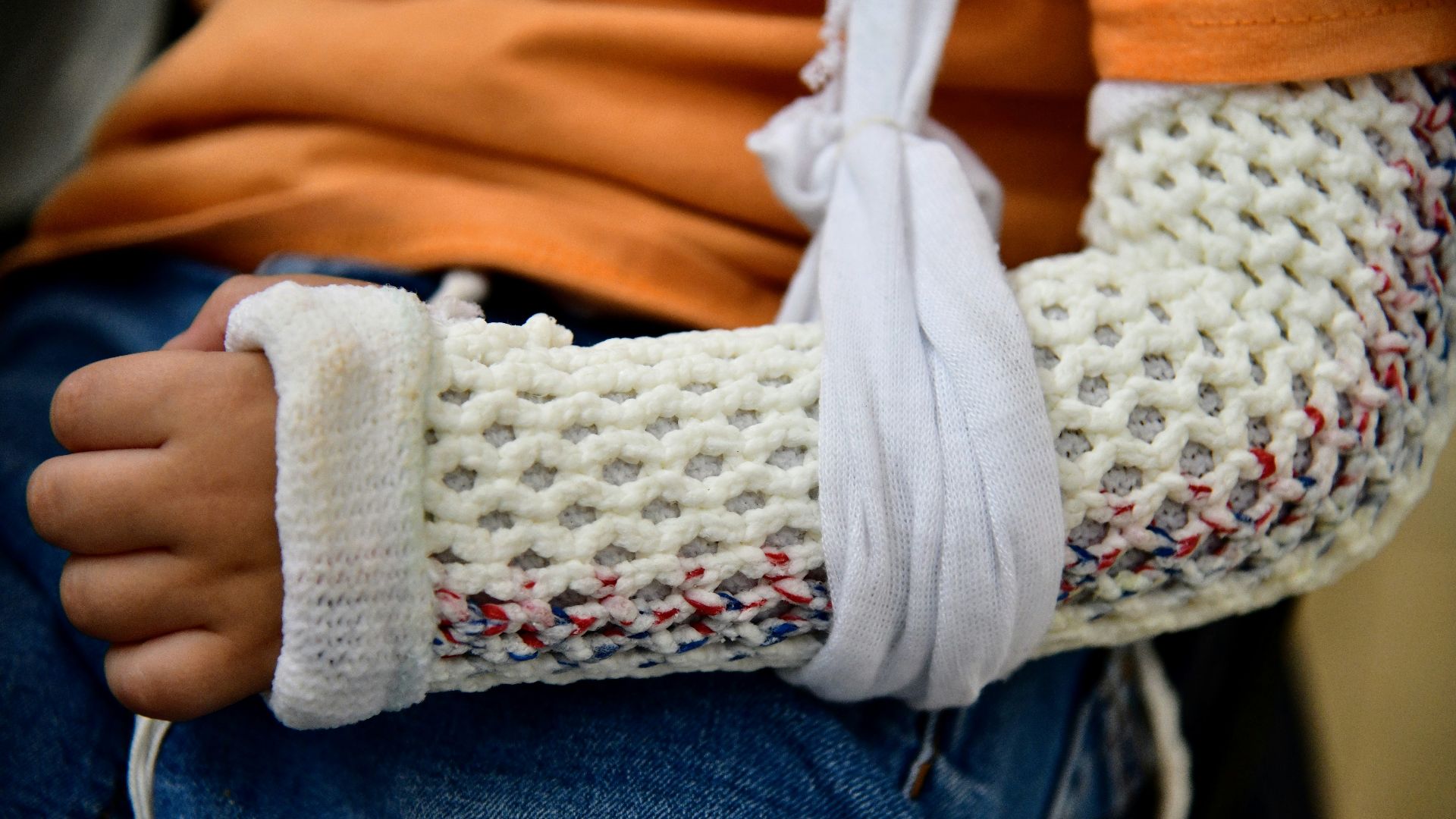
Bone can heal after a fracture through a complex repair process. New tissue forms, stabilizes the break, and gradually remodels as the bone recovers. This doesn't mean broken bones are casual events, but it does show that bone is living tissue with impressive repair abilities.
18. It Responds to Exercise
Bones adapt to the stress placed on them. Weight-bearing movement and resistance training can help stimulate bone maintenance and strength over time. That is one reason physical activity matters for bone health, especially as people age.

19. It Helps Protect Pelvic Organs
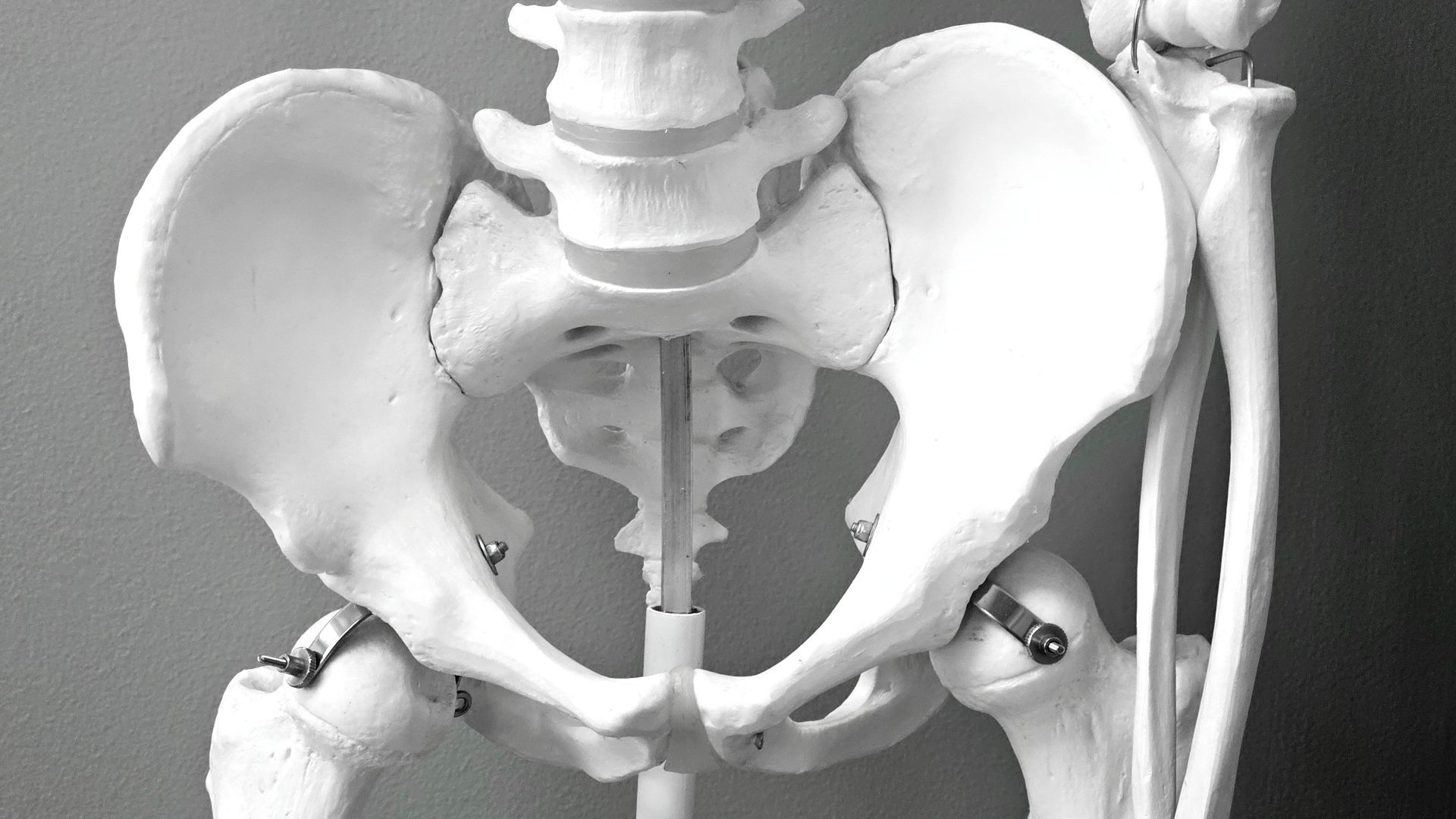
The pelvis protects important organs in the lower abdomen and reproductive region. It also supports parts of the digestive and urinary systems. This strong bony structure has to balance protection, movement, and support all at once.
20. It Keeps Changing Throughout Life
Your skeleton isn't finished once you stop growing taller. Bone is constantly being broken down and rebuilt through a process called remodeling. This helps repair small damage, adjust to stress, and maintain mineral balance. Your skeleton may feel permanent, but it's actually renewing itself all the time.

KEEP ON READING


20 Natural Ways You Can Boost Your Immune System
20 Ways To De-stress & Relax After Work
The 10 Most Common Diseases & The 10 Most Rare