
Separating Diabetes Facts from Fiction
Diabetes affects hundreds of millions of people worldwide, yet misinformation about the condition spreads just as quickly as ever, often shaping how people think about the disease in general. For one, you might think that a diabetes diagnosis primarily comes from a high-sugar diet, but it's actually not always such a direct correlation. You may even wonder if you can "catch" diabetes from someone else. To make sure you're well-informed about the intricacies of this common health condition, here are 10 myths to stop believing—and 10 facts that help paint a more accurate picture of what diabetes actually involves.

1. Eating Too Much Sugar Causes Diabetes
Many people assume that eating a lot of candy, soda, or desserts is what gives someone diabetes, but the relationship is far more complicated than that. Type 1 diabetes develops because the immune system mistakenly attacks the cells in the pancreas that produce insulin, and diet has nothing to do with triggering that process. Type 2 diabetes can be influenced by factors like genetics, age, and activity level, and while a diet high in added sugar can contribute to weight gain that raises risk, sugar alone isn't the singular cause anyone should point to.

2. Only People Who Are Overweight Get Diabetes
It's easy to picture diabetes as a condition that only affects people carrying extra weight, but plenty of people with a healthy body weight develop type 2 diabetes as well. Family history, ethnicity, age, and even where the body tends to store fat all play a role in determining who ends up with the condition. Thin or athletic people aren't automatically protected, so dismissing the possibility based on appearance alone can delay a diagnosis that really matters.

3. A Diagnosis Means You Can Never Eat Sweets Again
The idea that dessert disappears forever the moment someone gets diagnosed with diabetes is one of the more disheartening myths out there, and it simply isn't accurate. Blood sugar management comes down to balance, portion awareness, and pairing carbohydrates with protein or fiber rather than eliminating entire categories of food. A birthday slice of cake or a scoop of ice cream on occasion fits into most diabetes management plans just fine, as long as the rest of the day's meals are accounted for.

4. Diabetes Can Spread from One Person to Another
Some people worry that close contact with someone who has diabetes might somehow put them at risk, but the condition isn't infectious in any sense. There's no virus or bacteria involved, and you can't catch it through a shared meal, a hug, or living in the same household. The confusion likely stems from how often diabetes gets discussed alongside other chronic illnesses, but its causes sit firmly in genetics, immune response, and metabolic factors instead.

5. Starting Insulin Means Treatment Has Failed
Plenty of people view an insulin prescription as a sign that they've done something wrong or that their condition has reached its worst stage, but that framing misses the point entirely. Insulin is simply one tool among several for keeping blood sugar within a healthy range, and some people need it from the very beginning while others add it later as their needs change. Needing insulin doesn't reflect poor choices or a lack of effort; it reflects how the body's insulin production naturally shifts over time for many people with diabetes.
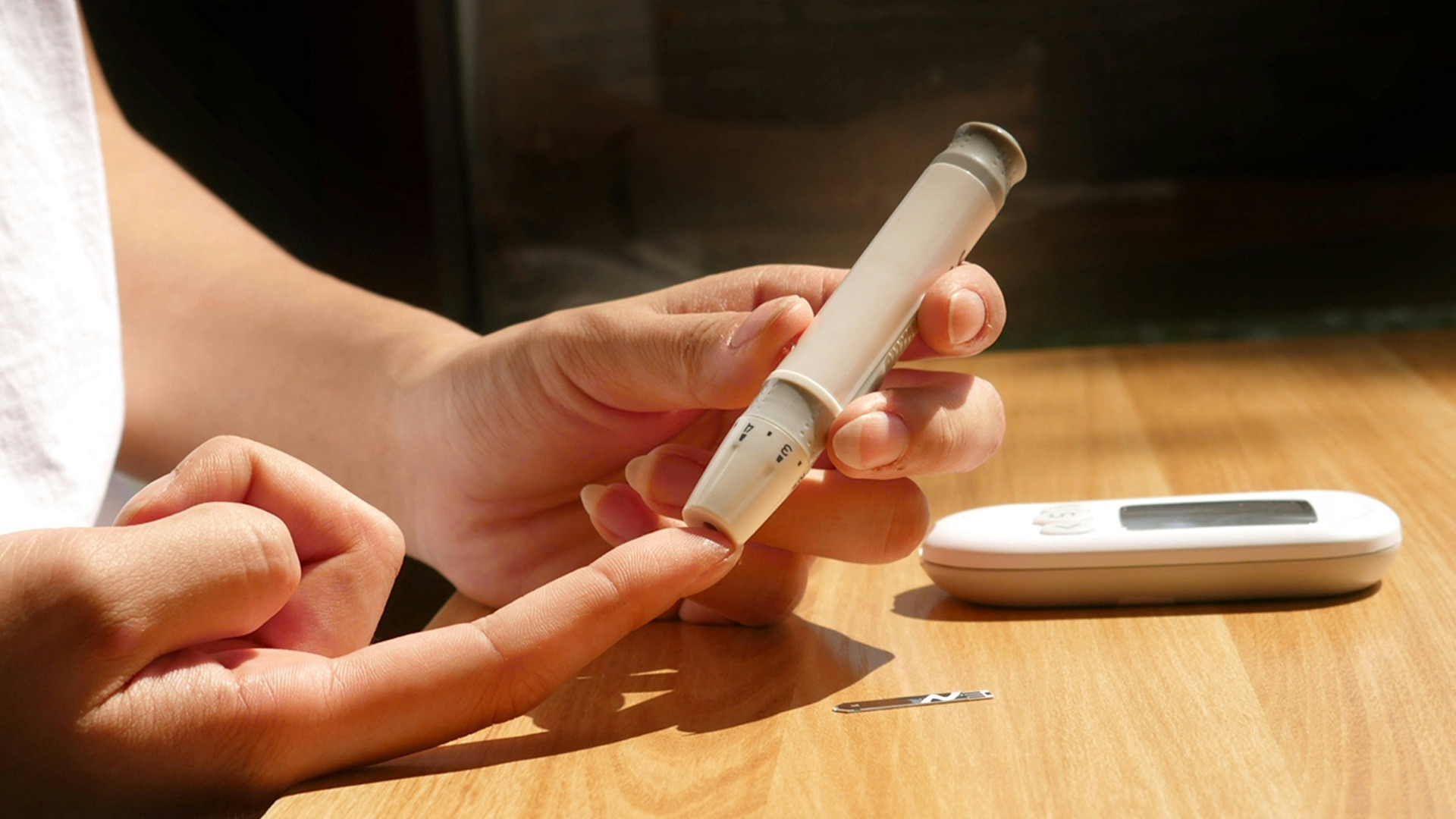
6. Diabetes Isn't Something to Take Seriously
Because diabetes is so common and so often managed successfully, some people assume it's a minor inconvenience rather than a real medical concern. Left unmanaged, however, diabetes can damage the heart, kidneys, eyes, and nerves, and it remains one of the leading causes of serious complications nationwide. Treating the condition casually, rather than working with a doctor on a consistent management plan, raises the odds of those complications showing up down the road.

7. Exercise Is Too Risky for People with Diabetes
Exercise gets unfairly labeled as risky for people with diabetes, when research actually points in the opposite direction. Regular movement helps the body use insulin more effectively, supports a healthy weight, and can lower the amount of medication some people need over time. Checking with a doctor about which activities suit your specific situation makes sense, but skipping exercise altogether usually does more harm than good.
 Centre for Ageing Better on Unsplash
8. Fruit Is Too Risky to Eat with Diabetes
Fruit gets unfairly lumped in with candy and soda, leading many people to believe it should be avoided entirely after a diabetes diagnosis. Whole fruit contains fiber, vitamins, and water that help slow down how quickly sugar enters the bloodstream, which sets it apart from sugary snacks and drinks. Portion size still matters, and pairing fruit with a source of protein or fat can help, but cutting it out completely removes nutrients most people actually benefit from.

9. Symptoms Always Show Up Right Away
Diabetes doesn't always introduce itself with obvious symptoms like thirst, fatigue, or sudden weight changes, despite what a lot of people expect. Type 2 diabetes in particular can develop gradually over years without producing symptoms that feel urgent enough to prompt a visit to the doctor. Routine screening matters precisely because elevated blood sugar can persist for years without triggering any obvious warning signs.

10. Gestational Diabetes Guarantees a Lifetime Diagnosis
Hearing the words gestational diabetes during pregnancy can feel alarming, especially with the assumption that it locks someone into a permanent diagnosis. For most people, blood sugar levels return to normal shortly after delivery, and the condition doesn't carry over into life beyond pregnancy. That said, having gestational diabetes does raise the likelihood of developing type 2 diabetes later on, which makes follow-up screening worth keeping on the calendar.
Clearing up these misconceptions only covers half of the picture, though, since knowing what diabetes isn't doesn't always explain what it actually is. The next 10 points dig into the real, evidence-backed details that round out a fuller understanding of the condition.

1. Diabetes Isn't a Single Condition
Diabetes actually covers several distinct conditions, including type 1, type 2, and gestational diabetes, and each one develops differently and calls for its own management approach. According to the CDC, type 2 diabetes makes up roughly 90 to 95 percent of diagnosed cases, while type 1 accounts for a much smaller portion. Treating diabetes as a single, uniform diagnosis overlooks how differently these forms develop and how differently doctors approach treating them.
 National Cancer Institute on Unsplash
2. Type 1 Diabetes Is Driven by the Immune System
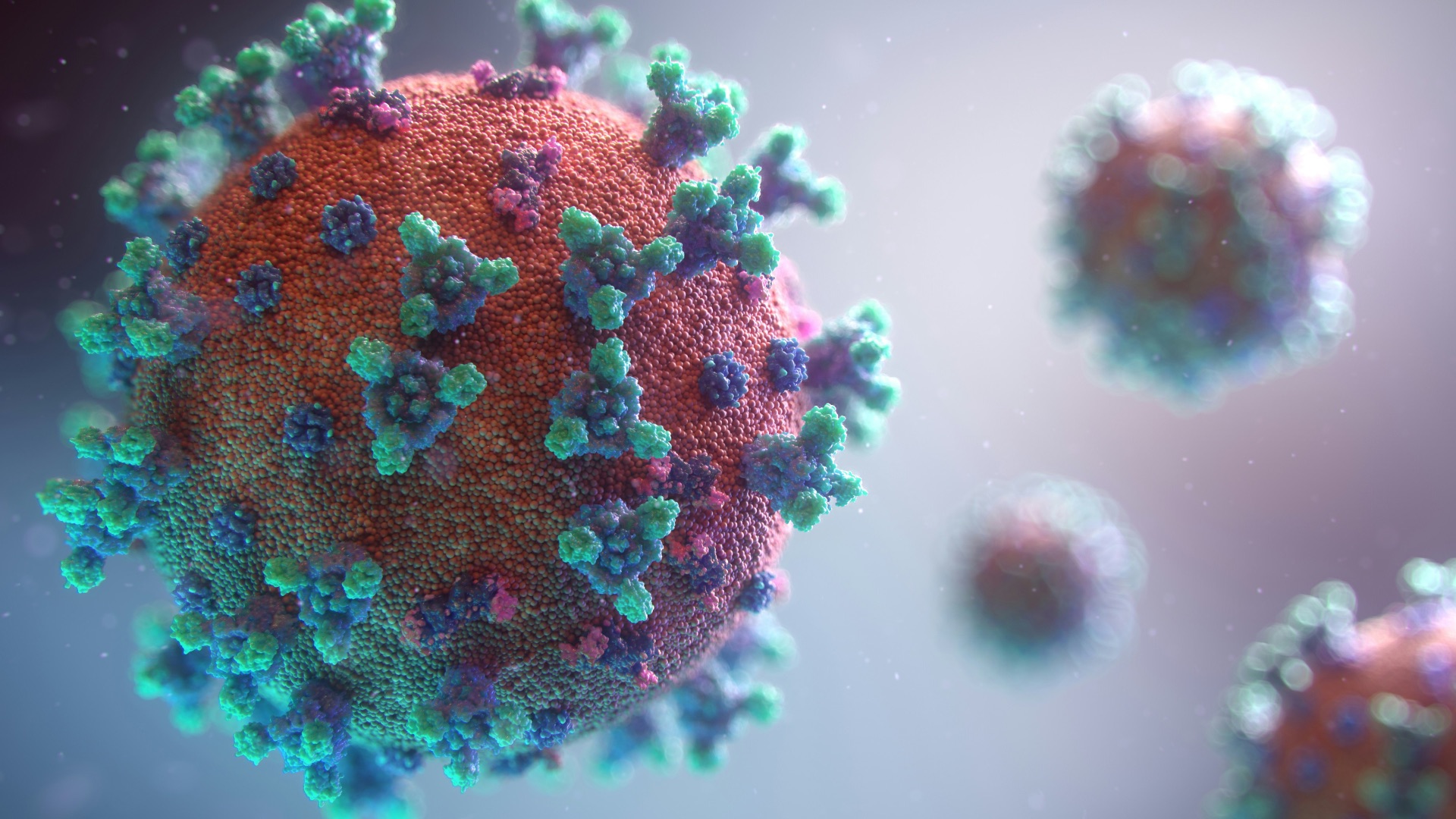
Type 1 diabetes happens when the immune system mistakenly attacks the insulin-producing cells in the pancreas, and researchers consider it an autoimmune condition rather than a lifestyle-driven one. The CDC points out that genetics and certain environmental triggers, such as viruses, appear to play a role in setting off that immune response. This process can unfold for months or even years before symptoms show up, which is part of why type 1 often gets diagnosed unexpectedly in children, teens, and young adults alike.
 Fusion Medical Animation on Unsplash
3. Type 2 Diabetes Comes from a Mix of Factors
Type 2 diabetes tends to develop from a combination of genetics, age, activity level, and how the body responds to insulin over time, rather than from any single cause. Family history raises someone's risk considerably, so a person with a close relative who has type 2 diabetes should pay closer attention to their own risk factors. Lifestyle adjustments like regular movement and balanced eating can lower the odds of developing the condition, but they work alongside genetics rather than overriding it entirely.

4. Millions of People Have It Without Realizing
A surprising number of people walk around with diabetes for years before they ever get a diagnosis, often because early symptoms feel mild or get brushed off as something else. The CDC reports that more than two in five adults have prediabetes, and the numbers are even higher for those who don't know they have it—eight in 10. Routine blood sugar screening, especially for adults starting around age 35, helps catch these cases before complications have a chance to develop.

5. Carbohydrate Balance Beats Total Avoidance
Rather than cutting carbohydrates out entirely, most diabetes management plans focus on balance, timing, and pairing carbs with protein or fiber to slow down how quickly blood sugar rises. Working with a doctor or dietitian to figure out an individual carbohydrate target tends to produce better results than following a one-size-fits-all restriction. This approach lets people keep enjoying a wide variety of foods while still keeping their blood sugar within a healthy range.

6. Movement Plays a Direct Role in Blood Sugar Control
Physical activity helps muscles use glucose more efficiently, which can lower blood sugar both during exercise and for hours afterward. The American Diabetes Association recommends a combination of regular aerobic activity and strength training for most adults with diabetes, tailored to individual health and ability. Even short walks throughout the day can add up and make a measurable difference for people who aren't able to commit to longer workouts.

7. Insulin Is a Management Tool, Not a Verdict
Insulin therapy simply replaces or supplements what the body isn't producing on its own, and plenty of people use it successfully for years without their condition worsening. Some people with type 1 diabetes need insulin from diagnosis onward, while some people with type 2 diabetes add it later once other medications stop covering their needs. Viewing insulin as a practical tool rather than a setback tends to make the adjustment to using it considerably easier.
8. Unmanaged Diabetes Can Affect Several Organs
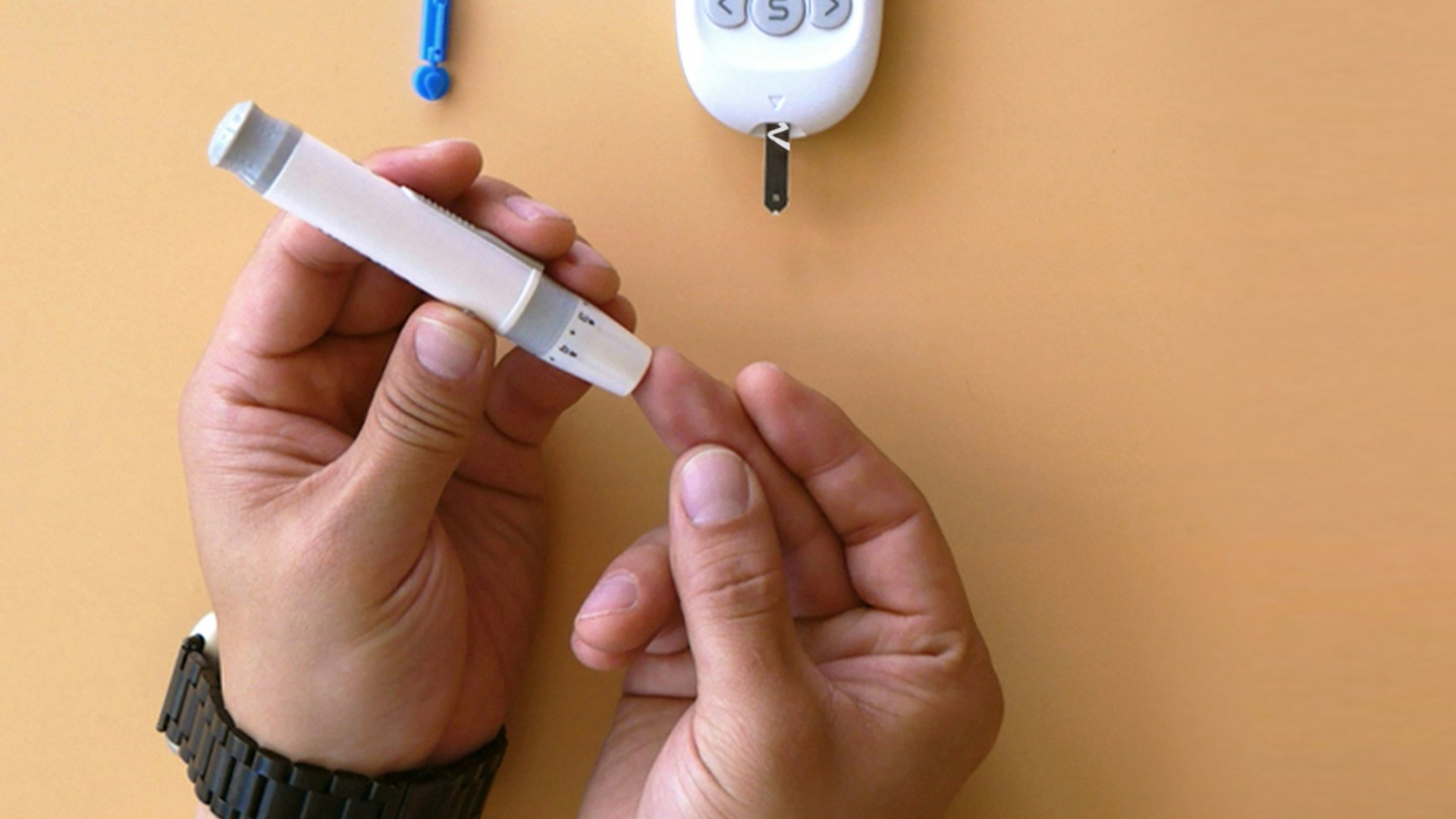
Persistently high blood sugar can damage blood vessels and nerves throughout the body, which is why diabetes touches far more than just glucose levels. The CDC identifies diabetes as a leading cause of kidney failure, lower-limb amputations, and adult blindness in the United States. Consistent management, including regular checkups and blood sugar monitoring, substantially lowers the risk of these complications developing over time.

9. Gestational Diabetes Raises Future Risk
Gestational diabetes usually resolves on its own after delivery, but it leaves a lasting mark on a person's long-term health risk. The CDC notes that people who've had gestational diabetes face a higher chance of developing type 2 diabetes later in life, and their children face a higher chance of obesity and type 2 diabetes as well. Follow-up screening after pregnancy gives doctors a chance to catch any shift in blood sugar early, well before it becomes a bigger problem.

10. Early Screening Changes Outcomes
Catching prediabetes or early diabetes through routine screening gives people a real chance to adjust their habits before serious complications set in. Updated guidelines from the CDC and the American Diabetes Association now recommend screening starting at age 35 for most adults, with retesting every three years. Bringing up screening with a doctor, rather than waiting for symptoms to appear, puts people in a much stronger position to manage their health proactively.

KEEP ON READING

20 Ways Perimenopause Changes Fitness and Appetite


20 Unhealthy Obsessions People Have

20 Gut-Friendly Fermented Foods For Everyday Meals