Morning Exhaustion Usually Has a Backstory
Waking up tired can feel unfair, especially when you technically spent enough hours in bed. The problem is that sleep quality depends on more than the clock, and your body may be dealing with poor sleep habits, stress, disrupted breathing, caffeine timing, alcohol, inconsistent schedules, or health issues that deserve attention. If you keep waking up exhausted, your body is probably not being dramatic for no reason.

1. You’re Not Actually Getting Enough Sleep
Sometimes the simplest explanation is the right one. You may be spending eight hours in bed but losing time to scrolling, tossing, waking up, pets, kids, or noise. If your mornings feel rough, your real sleep time may be much shorter than your bedtime suggests.

2. Your Sleep Schedule Keeps Changing
Your body likes rhythm more than most people like alarms. Going to bed and waking up at different times every day can confuse your internal clock and make mornings harder. A weekend sleep-in may feel glorious in the moment, but it can make Monday morning more difficult.

3. You’re Waking Up During Deep Sleep
You can sleep for a decent number of hours and still wake up groggy if your alarm interrupts deep sleep. That heavy, foggy feeling is often called sleep inertia, and it can make your brain feel like it needs a few more minutes to fully arrive. It's usually temporary, but it can be more intense when you are sleep-deprived or have irregular sleep patterns.

4. You’re Drinking Caffeine Too Late
Caffeine doesn't always leave your system as quickly as you wish it would. An afternoon coffee, energy drink, or strong tea can interfere with falling asleep or staying asleep, even if you do not feel wired at bedtime. Some people are more sensitive than others, which makes the cutoff time personal.

5. Alcohol Is Disrupting Your Sleep
A nightcap may relax you and make you feel sleepy at first, but it can interfere with sleep quality later in the night. You might fall asleep quickly and still wake up feeling unrested, thirsty, or oddly foggy. It can also worsen snoring or breathing problems for some people.

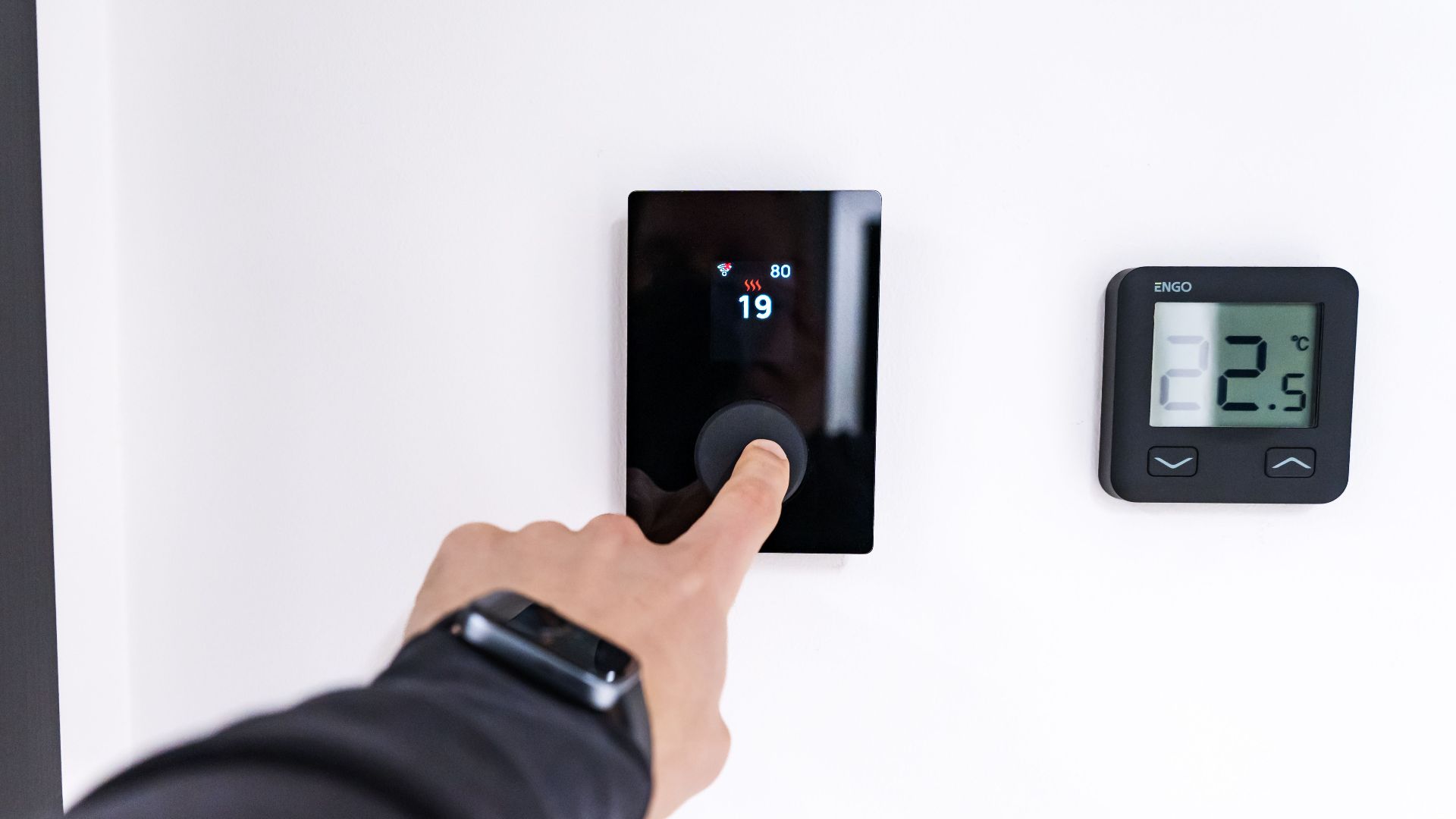
6. Your Room Is Too Warm
A hot bedroom can make sleep lighter and more restless. Your body temperature naturally shifts during the night, and an overheated room can make it harder to stay comfortable. You may not fully wake up every time, but small disruptions can add up by morning.
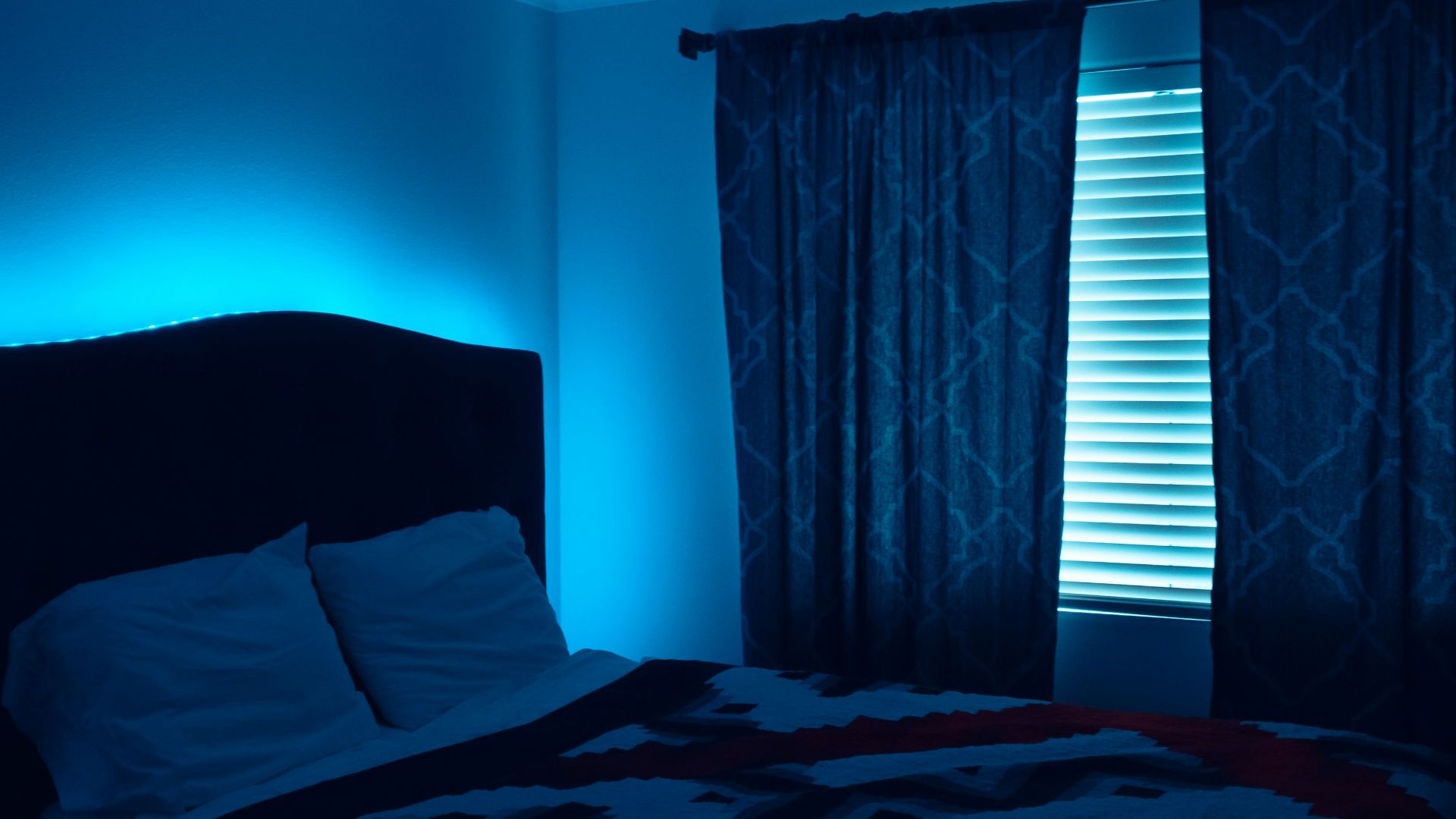
7. Light Is Sneaking Into Your Sleep
Streetlights, phone screens, hallway glow, or early sunrise can all disturb sleep. Light helps regulate your circadian rhythm, so poorly timed light exposure can make it harder for your body to stay in sleep mode. Even small light sources can bother sensitive sleepers.
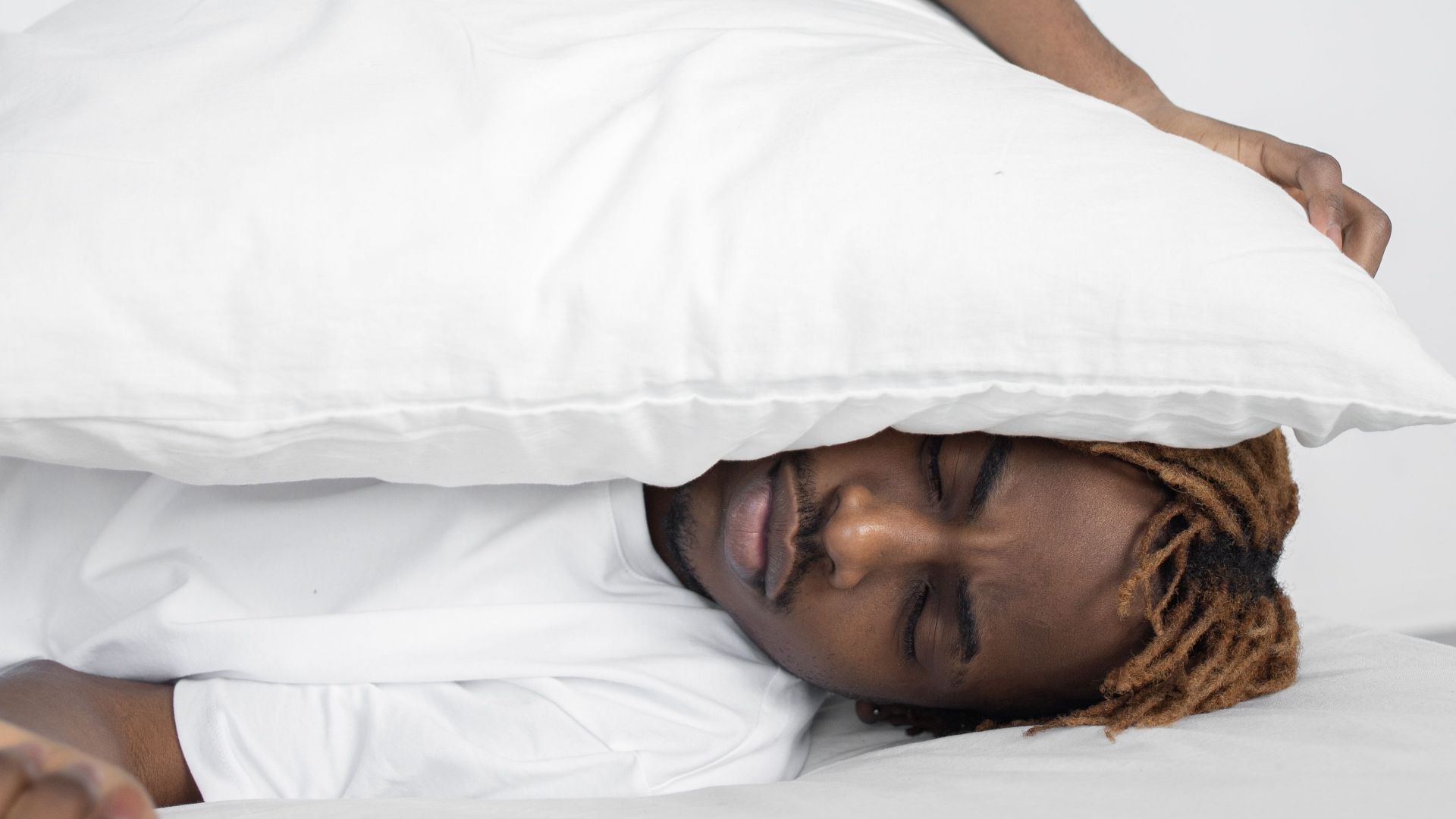
8. Noise Keeps Interrupting You
You may not remember every sound that wakes you slightly. Traffic, neighbors, snoring, pets, appliances, or early morning household noise can fragment your sleep without creating a dramatic awakening. The result is a night that looked long enough but didn't feel restorative.
9. Stress Is Keeping Your Body Alert
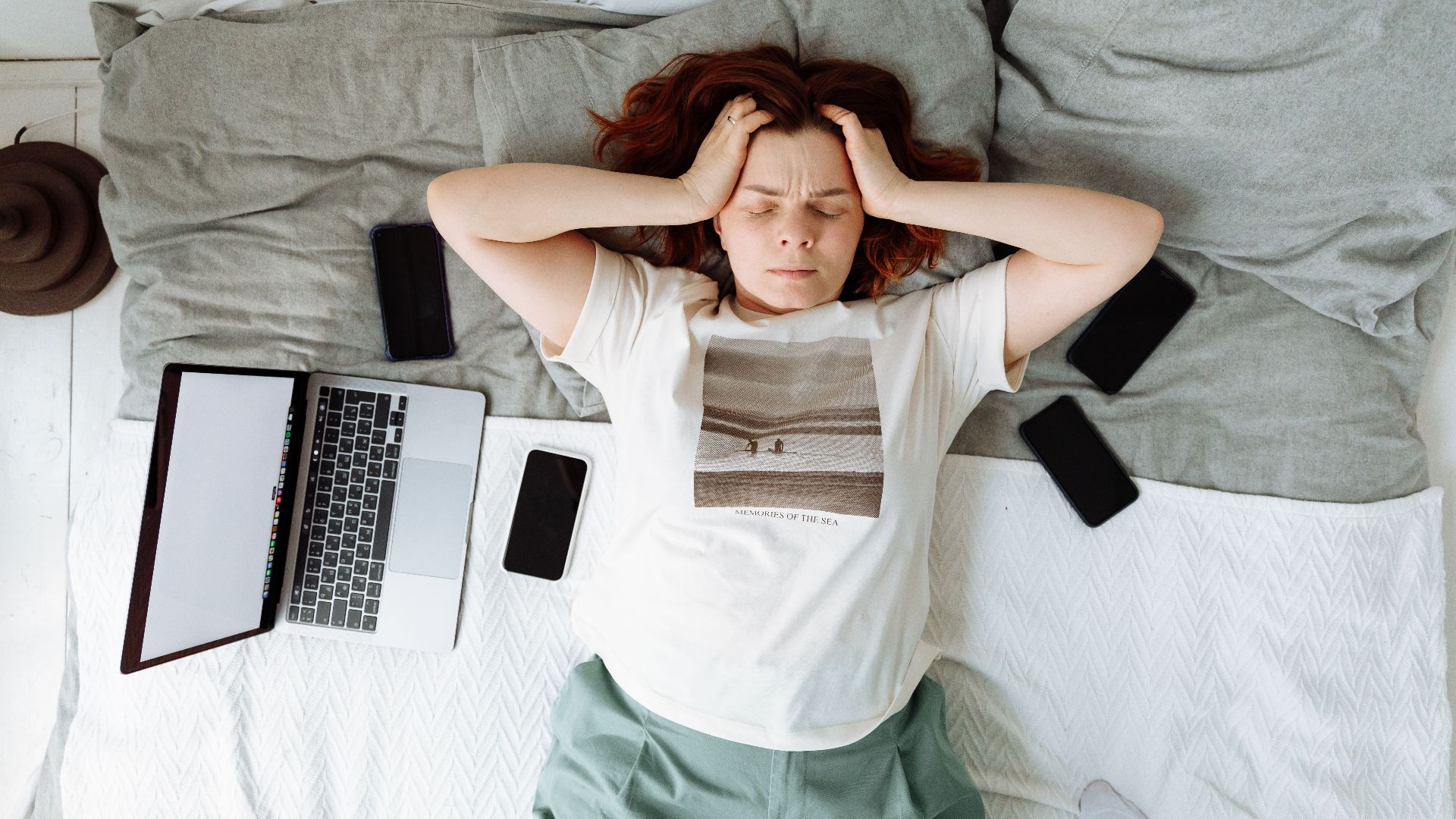
Stress doesn't always clock out just because you got into bed. If your body stays on alert, your sleep may become lighter, shorter, or more restless. You might wake up tired because your nervous system spent the night acting like there was still something to solve.
10. Anxiety Is Waking You Up Early
Anxiety can make it harder to fall asleep, but it can also pull you awake before you're ready. You may wake up with racing thoughts, a tight chest, or a sense that the day has already started yelling. That kind of morning fatigue isn't just about sleep length; it's about how much your mind worked overnight.

11. You Might Be Dealing With Depression
Depression can affect sleep in several ways. Some people sleep more and still feel exhausted, while others wake too early or struggle to get restful sleep at all. Morning tiredness can be one piece of a larger pattern that includes low mood, low motivation, appetite changes, or loss of interest.

12. Sleep Apnea Could Be Interrupting Your Night
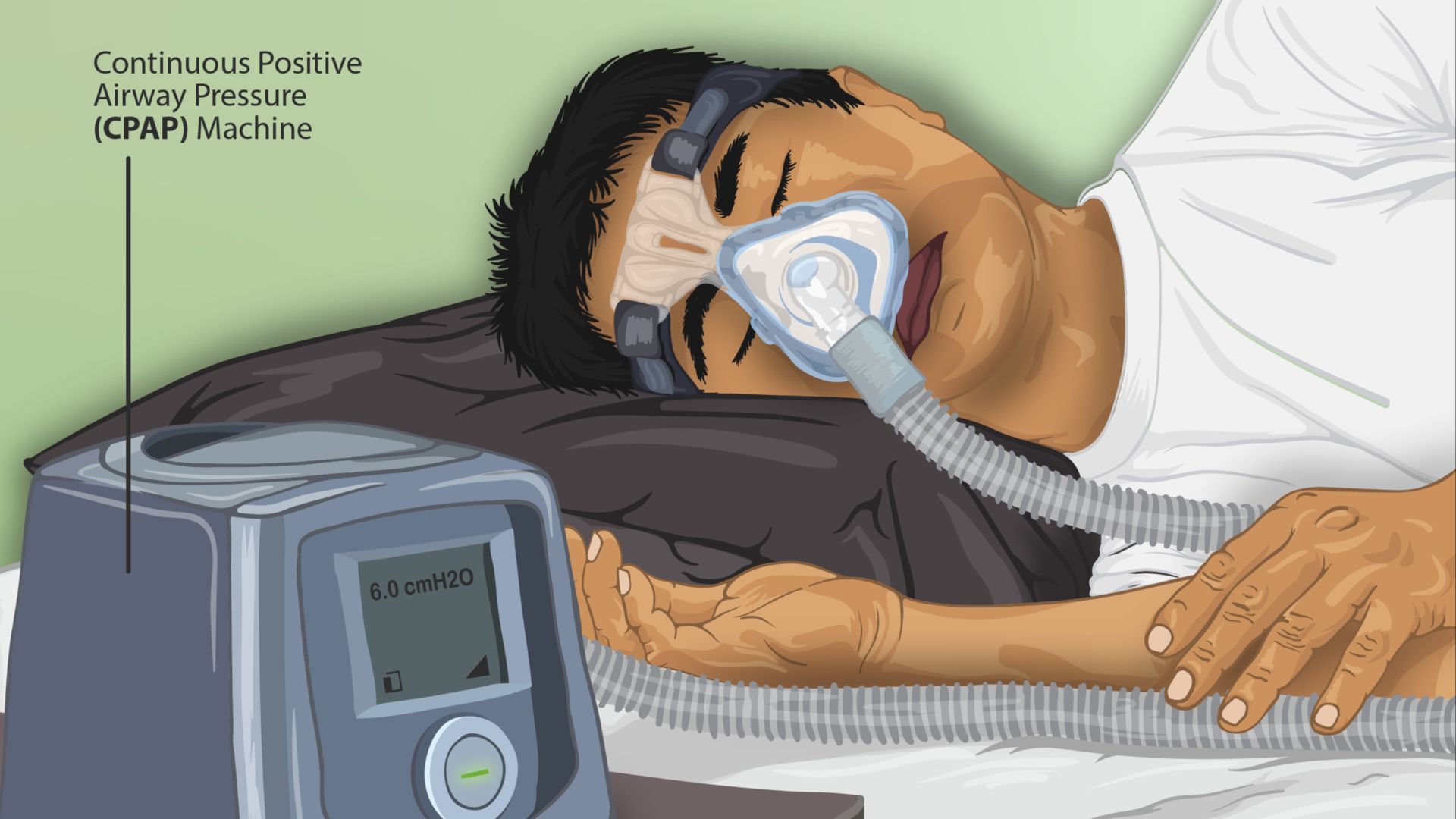
Sleep apnea can cause breathing pauses or shallow breathing during sleep, which repeatedly disrupts rest. You might snore, wake with a dry mouth, have morning headaches, or feel sleepy during the day even after a full night in bed. Many people don't realize it's happening because the awakenings can be brief.
 https://www.myupchar.com/en on Wikimedia
13. Restless Legs Are Stealing Rest
Restless legs syndrome can create uncomfortable sensations and an urge to move the legs, especially at night. Even if you eventually fall asleep, repeated discomfort or movement can make sleep less refreshing. Some people also have periodic limb movements during sleep that disturb rest without fully waking them.

14. Pain Is Fragmenting Your Sleep
Back pain, neck pain, headaches, arthritis, cramps, or old injuries can all interrupt sleep. You may change positions repeatedly, wake briefly, or spend the night in lighter sleep because your body can't get comfortable. Even mild pain can make mornings feel heavier if it keeps chipping away at rest.

15. Your Mattress or Pillow Is Working Against You
A worn-out mattress or wrong pillow can leave you waking tired, stiff, or sore. If your bed doesn't support your sleeping position, your body may spend the night adjusting instead of settling. People often blame themselves before blaming the lumpy object they sleep on every night.

16. You’re Eating Too Close to Bedtime
A heavy late meal can make sleep feel more restless. Your body may be busy digesting when you want it to fully wind down, and certain foods can worsen reflux or discomfort. A lighter evening routine may help if your stomach keeps joining the bedtime conversation.

17. Reflux Is Bothering You Overnight
Acid reflux can disturb sleep even when you don't wake up with obvious heartburn. You may notice coughing, a sore throat, a sour taste, or morning hoarseness. Lying down after eating can make symptoms worse for some people.

18. Your Blood Sugar May Be Swinging
Blood sugar changes can affect how you feel when you wake up. Skipping meals, eating a sugary late-night snack, drinking alcohol, or having an underlying blood sugar issue can all play a role for some people. You might wake up shaky, hungry, sweaty, or unusually drained.

19. Medications May Be Affecting Sleep
Some medications can make you sleepy, restless, wired, or more likely to wake during the night. Antidepressants, allergy medicines, blood pressure drugs, pain medicines, and many other prescriptions or supplements can influence sleep in different ways. Your doctor or pharmacist should know if your mornings suddenly feel harder.

20. You’re Not Getting Morning Light
Morning light helps tell your internal clock that the day has started. If you wake in a dark room, stay indoors, or look at screens before getting natural light, your body may stay groggy longer. Light exposure early in the day can support a stronger sleep-wake rhythm over time.