We Swear We’ve Told You This Before
Déjà vu can feel strange, but it usually lasts only briefly. It’s one of those odd moments that can make an ordinary day feel a little uncanny. You walk into a room, hear a phrase, or notice a small detail, and suddenly the entire scene feels familiar, even though you know it’s new. For most people, this feeling passes quickly and isn’t something to worry about. However, déjà vu is connected to memory, attention, sleep, stress, and brain health, so, understandably, there are multiple explanations for it. Here are 20 reasons you may experience déjà vu.

1. Your Brain Briefly Mixes Up Newness and Familiarity
Déjà vu may occur when the brain mistakenly treats a new experience as if it has already been stored in memory. The experience is new, but the feeling of recognition surfaces anyway, creating that strange mismatch.
2. A Memory Feels Familiar Without Fully Surfacing
Sometimes you might recognize the mood, shape, or outline of a memory without being able to recall the complete experience. This can make a place, phrase, or situation feel known, even when you can’t connect it to a specific earlier memory.

3. A New Place Has a Familiar Layout
A hotel hallway, restaurant, office, or apartment may be completely new to you, but arranged like a place you’ve visited before. While the furniture, lighting, and people may differ, the basic layout still provides a familiar pattern for your brain to latch onto.

4. You Noticed Something Before You Realized It
Your brain can register a detail before your conscious attention fully catches up. When you notice that same detail a moment later, the second observation may feel like a repeat, even though it’s part of the same experience.

5. A Sensory Detail Is Tugging at an Old Memory
A smell, sound, color, or bit of background noise can evoke an old memory without bringing it fully back into your consciousness. You might first feel a sense of familiarity without ever retrieving the memory that would explain it.

6. A Dream Memory Feels Close to the Present
Some people describe déjà vu as a waking moment brushing against something they once dreamed about. This doesn’t mean the dream predicted the future, but the present moment may resemble a remembered or half-remembered dream.

7. You Remember Dreams Vividly
People who easily remember dreams may have more dream material that feels familiar later on. A room, conversation, mood, or odd image from a dream can make real life feel briefly recycled, especially when the resemblance is vague rather than exact.

8. You Travel Often
Travel exposes you to a continuous stream of new places that still share familiar elements. Airports, hotel rooms, cafes, train stations, and side streets can blur together enough to make one new moment feel strangely known.

9. You’re in a New or Stimulating Setting
Busy or unfamiliar places can give your brain a lot to process at once. In a new setting with a few recognizable cues—like a specific smell, floor pattern, or background hum—déjà vu may be easier to notice.
 Clément Dellandrea on Unsplash
10. You’re Younger
Déjà vu tends to be more common in younger individuals, particularly teenagers and young adults. While these experiences can occur at any age, many people notice they become less frequent as they get older.

11. You’re Tired
Fatigue can impair both attention and memory, making it more difficult to focus. When your brain is low on energy, new experiences may feel oddly familiar, slightly out of context, or harder to place.

12. You’re Short on Sleep
Lack of sleep can leave your mind feeling foggy, particularly with attention and memory. Déjà vu may become more pronounced when your brain tries to process daily events while running on an exhausted and under-rested system.
 Solving Healthcare on Unsplash
13. Stress Is Overloading Your Attention
Stress can clutter your mind, especially when you’re juggling worries, deadlines, errands, and the usual chaos of daily life. In this state, a brief feeling of false familiarity may be more noticeable or harder to shake off.

14. Anxiety Is Making the Feeling Stronger
Anxiety can amplify your awareness of physical sensations, thoughts, and unusual mental shifts. For some people, déjà vu may occur more frequently, more intensely, or more unnervingly during periods of anxiety.

15. You’re Experiencing an Unusual Migraine Aura Symptom
Migraine aura typically involves visual, sensory, speech, or other nervous system symptoms. While déjà vu-like sensations are not typical within everyday migraine experiences, some individuals may experience unusual perceptual changes, which should be taken seriously if they are new or different.
16. Your Memory Circuits Are Briefly Out of Sync
Déjà vu is often described as a mismatch between recognition and accurate memory. Essentially, the brain may create a sense of familiarity before confirming whether a real memory is associated with it.
17. A Focal Seizure May Be Beginning
In some cases, déjà vu can be a sign of a focal seizure, especially if the temporal lobe is involved. This may be accompanied by a sudden wave of fear, a strange smell or taste, confusion, a sensation of rising in the stomach, or repetitive movements.
18. Temporal Lobe Epilepsy Is Part of the Picture
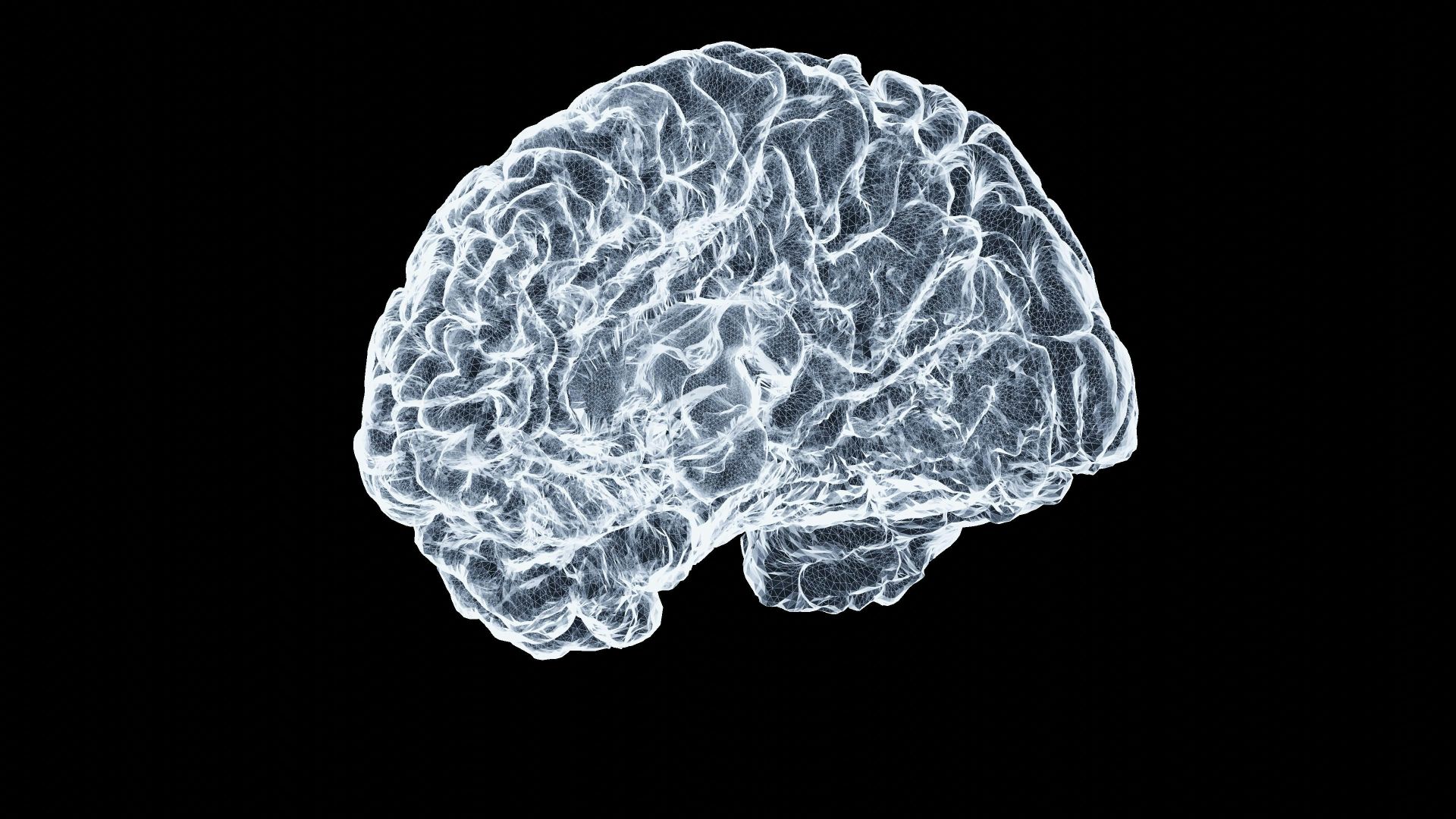
Temporal lobe epilepsy is one of the clearer medical links to recurring déjà vu. In this context, the sensation may act as an aura, indicating the onset of seizure activity rather than being merely a fleeting feeling.
19. A Past Brain Issue Has Increased Seizure Risk
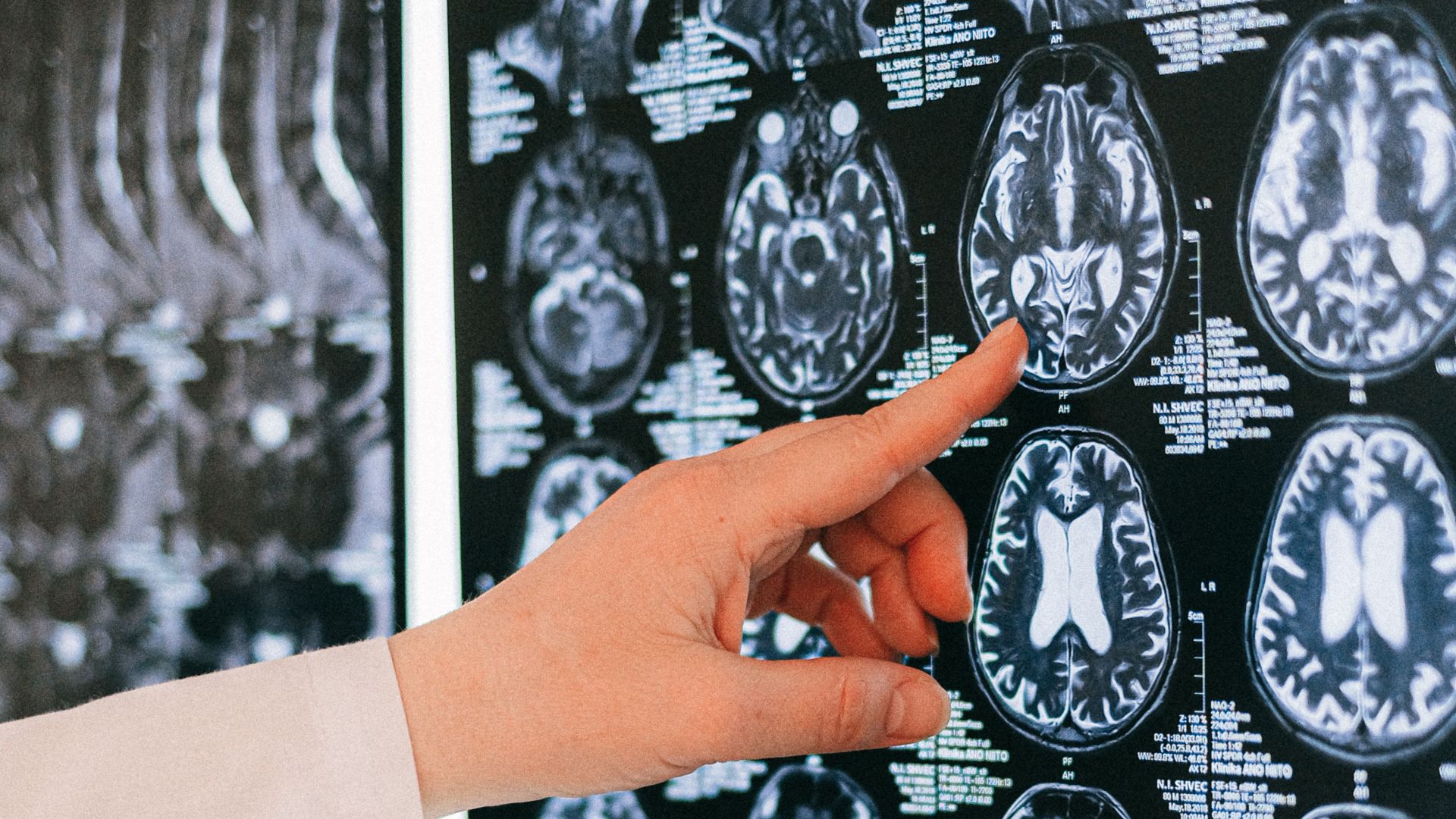
A history of head injury, stroke, infection, tumor, or certain brain development differences may elevate seizure risk for some individuals. If déjà vu occurs alongside other seizure-like symptoms, it could indicate activity in brain networks responsible for memory, emotion, and recognition.

20. Dementia-Related False Familiarity Is Involved
Certain memory issues related to dementia can lead to a stronger, more persistent sensation that new events have already occurred. This differs from typical déjà vu, which is usually brief. However, if you experience repeated confusion, persistent false familiarity, or a significant change in mental status, seek medical attention.
KEEP ON READING