When Swiping Starts Feeling Personal
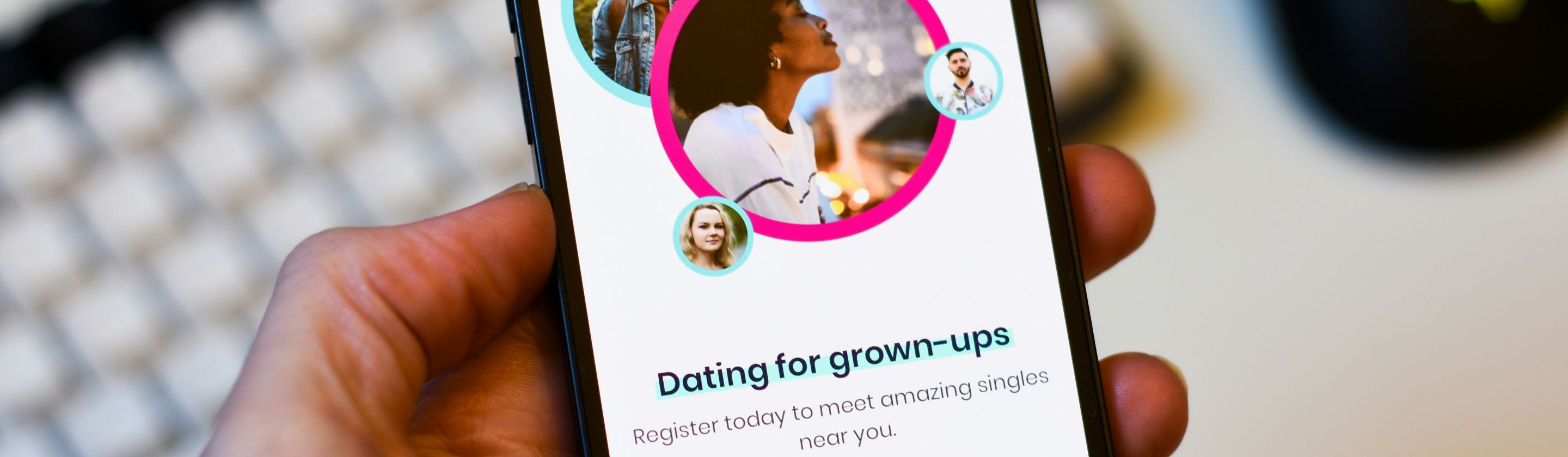
Dating apps can be useful and convenient for anyone looking to join the scene, but they can also take a quiet toll on your mental health if you’re not careful. What begins as a simple way to meet people can turn into a habit that affects your confidence, mood, attention span, and sense of self-worth. Here are 20 ways that dating apps are ruining people's mental health.
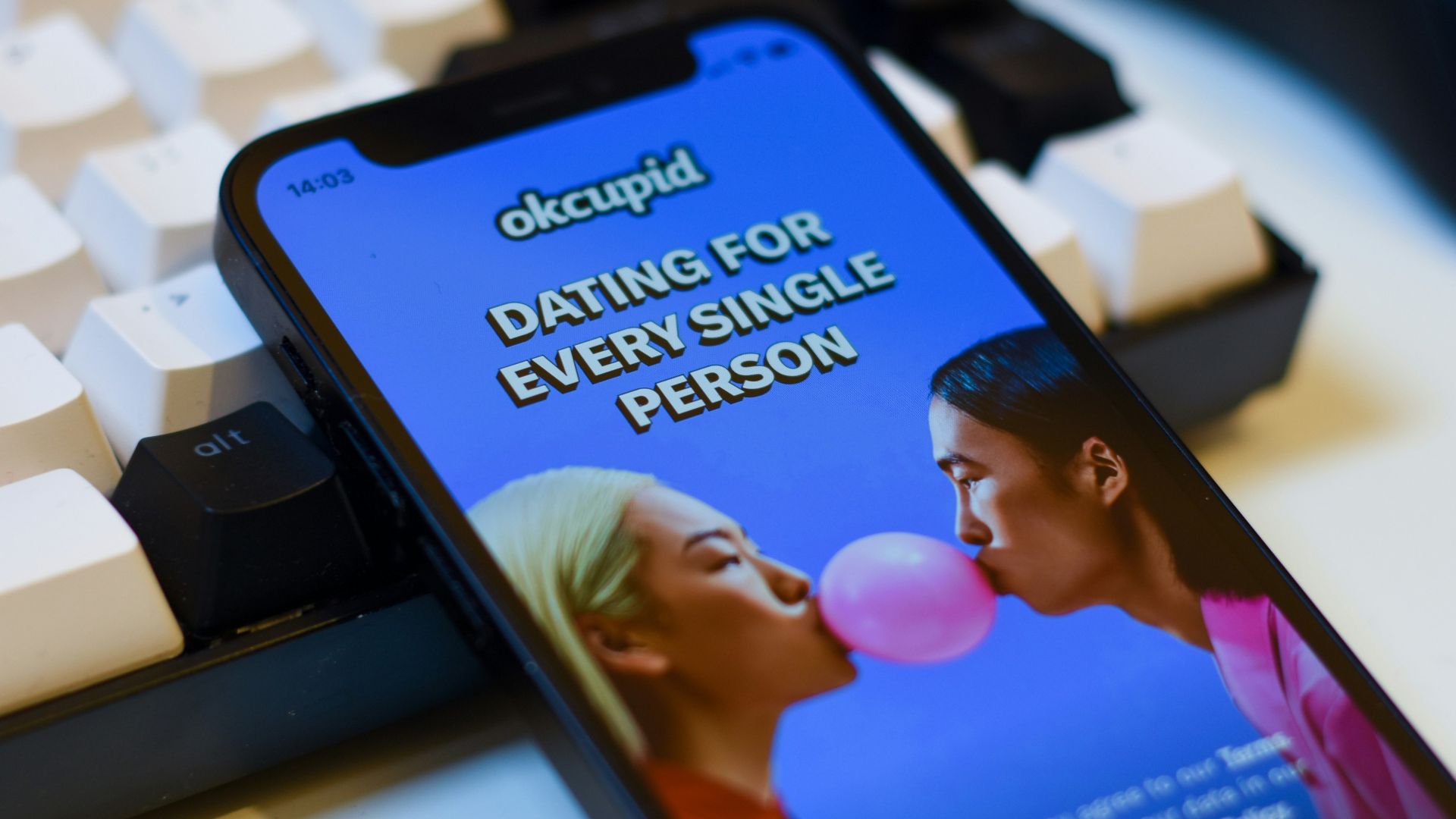
1. They Make Rejection Feel Constant
Dating apps can hit you hard in your confidence levels when you get exposed to rejection frequently. It can come in different forms, too, like not matching with someone, getting unmatched, or getting ghosted. Even when you know it’s normal, repeated silence can still make you question yourself.
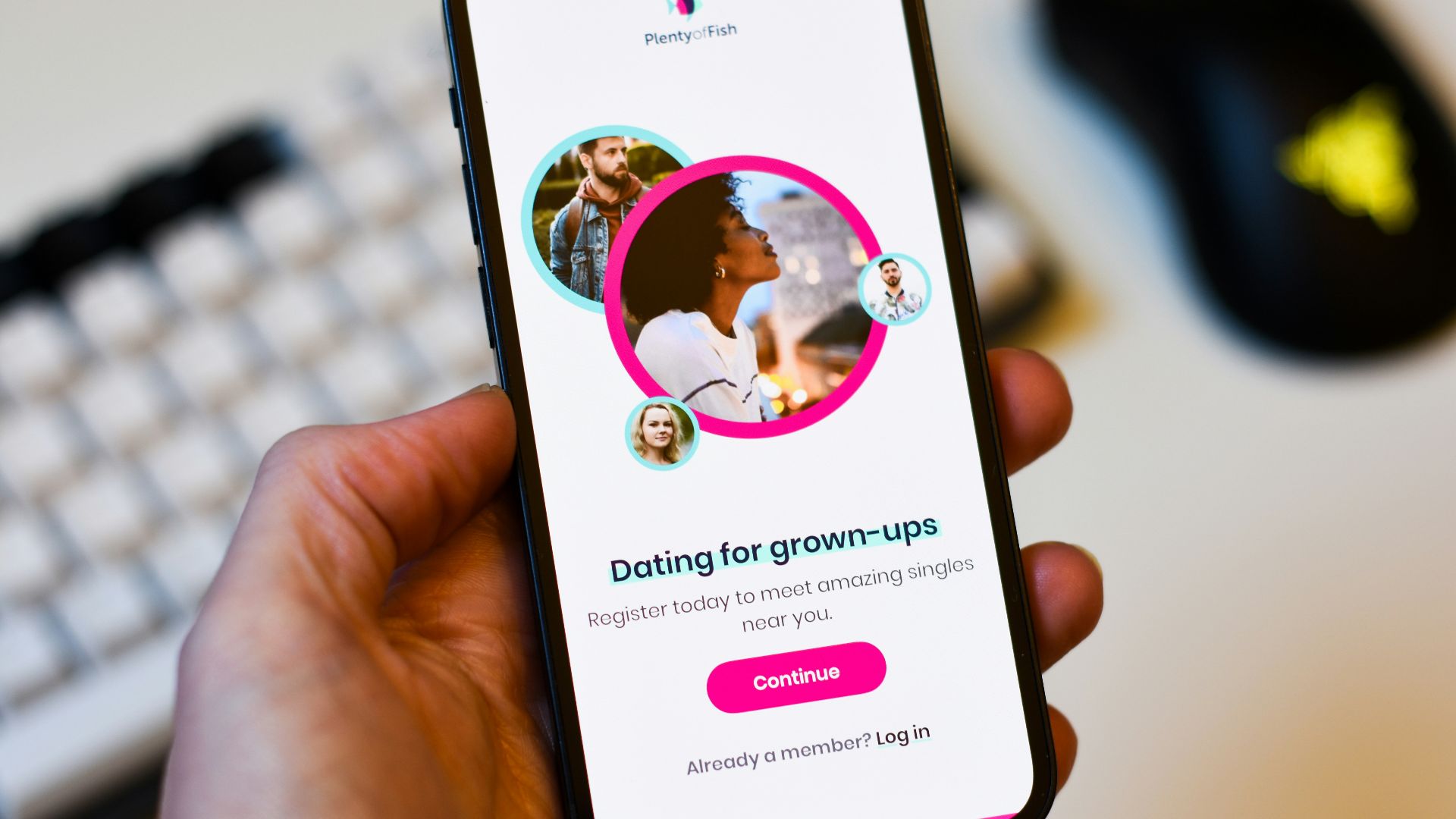
2. They Turn Dating Into a Numbers Game
When you’re swiping through dozens of profiles, it’s easy to forget that each person is a full human being. There's a real person behind those pictures and words! Sadly, the apps encourage you to think in terms of options, odds, and outcomes instead of actual connection.
3. They Can Damage Your Self-Esteem
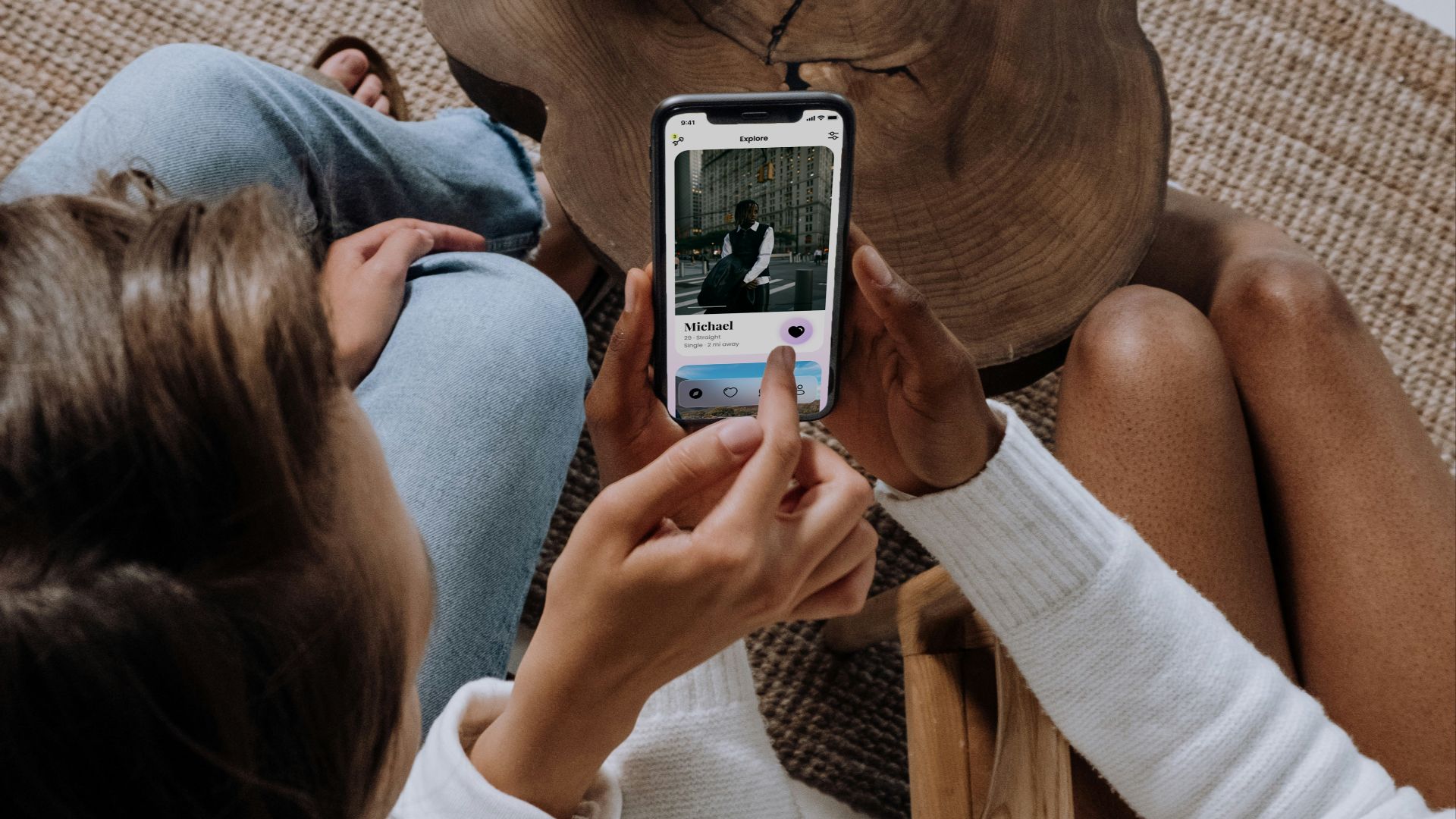
Getting fewer matches than you expected can sting, even if you tell yourself not to care. It's not uncommon to start wondering whether your photos are bad, your bio is boring, or you’re simply not attractive enough. Eventually, that kind of constant self-monitoring can become exhausting.
4. They Encourage Endless Comparison
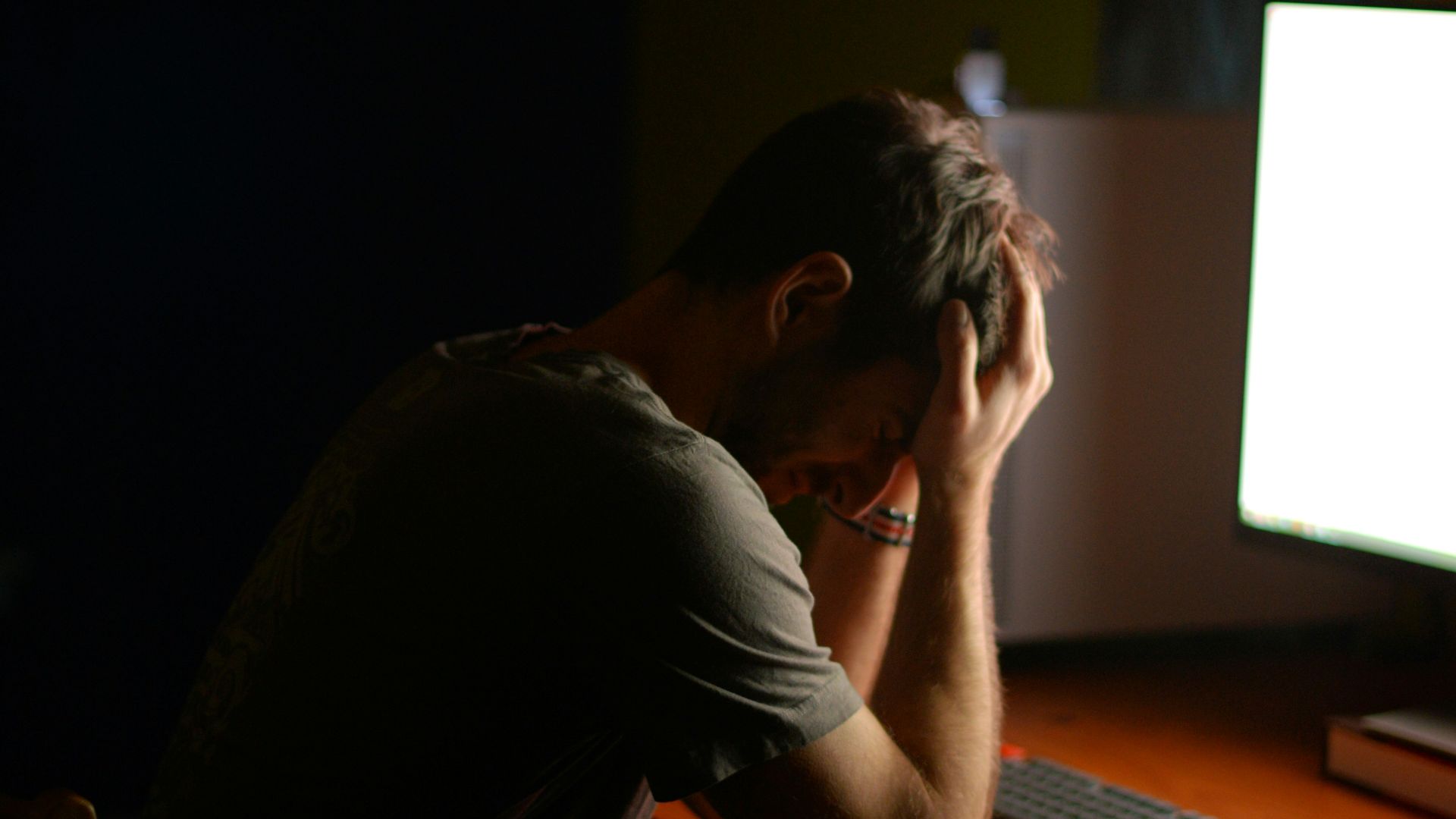
Dating apps make it almost too easy to compare yourself to everyone else. You may find yourself looking at other people’s photos, jobs, bodies, travel pictures, or lifestyles and feel like you’re coming up short. It's like you forget profiles are only meant to show the best parts of everyone, and can sometimes be "fake."
5. They Make You Overthink Every Message
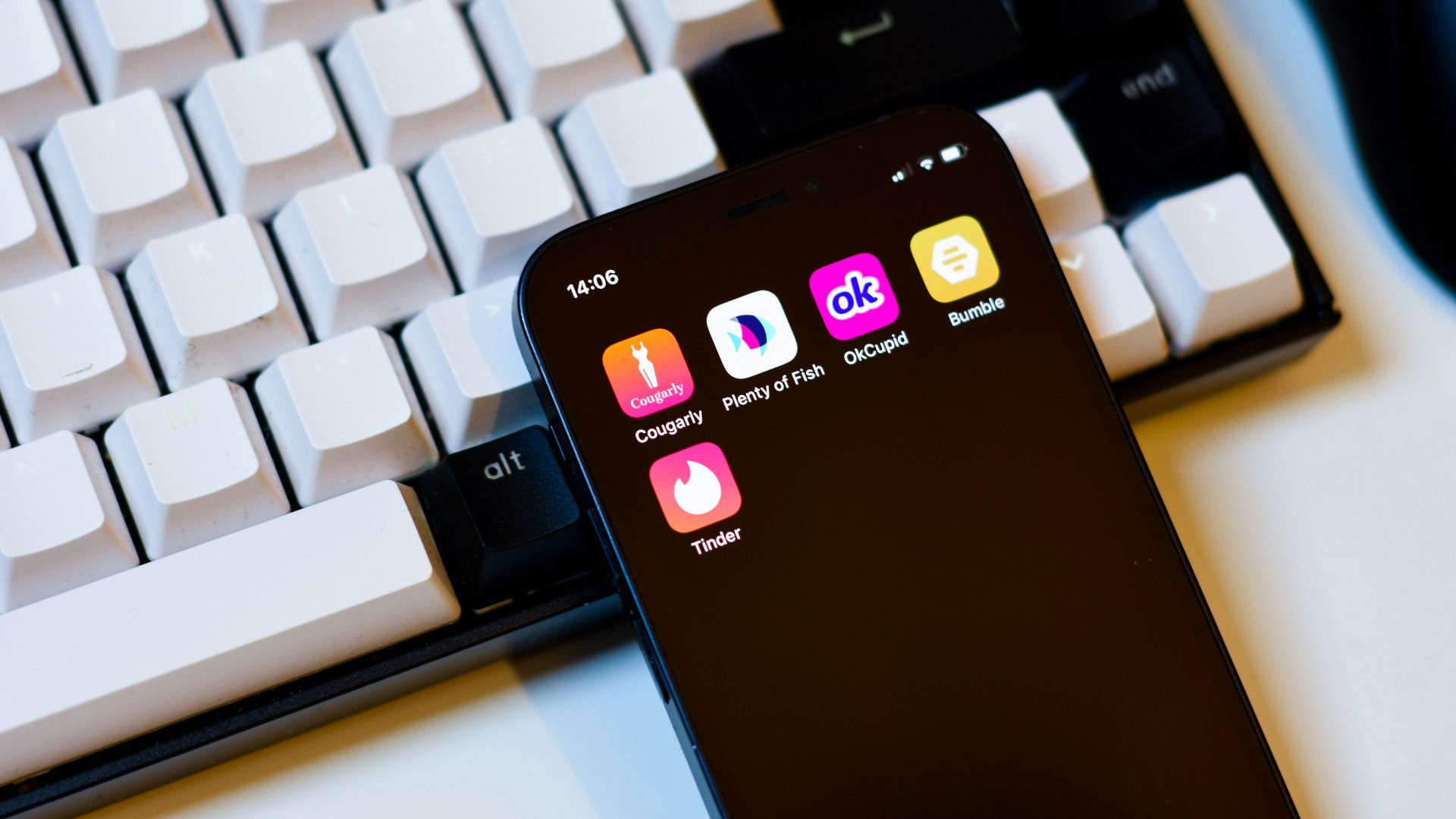
Suddenly, starting a conversation feels like a high-pressure situation you don't know how to handle. You'll catch yourself rereading messages, worrying about tone, or wondering if you sound too interested or not interested enough. Dating apps can simply make basic communication unnecessarily stressful.
6. They Normalize Ghosting
For whatever reason, ghosting has become a common norm on dating apps. People disappear without explanation because it's easy when you're hidden behind a screen, but that just leaves the victim stressing to understand why. That lack of closure can make a casual interaction feel surprisingly unsettling.
7. They Create False Hope Too Quickly
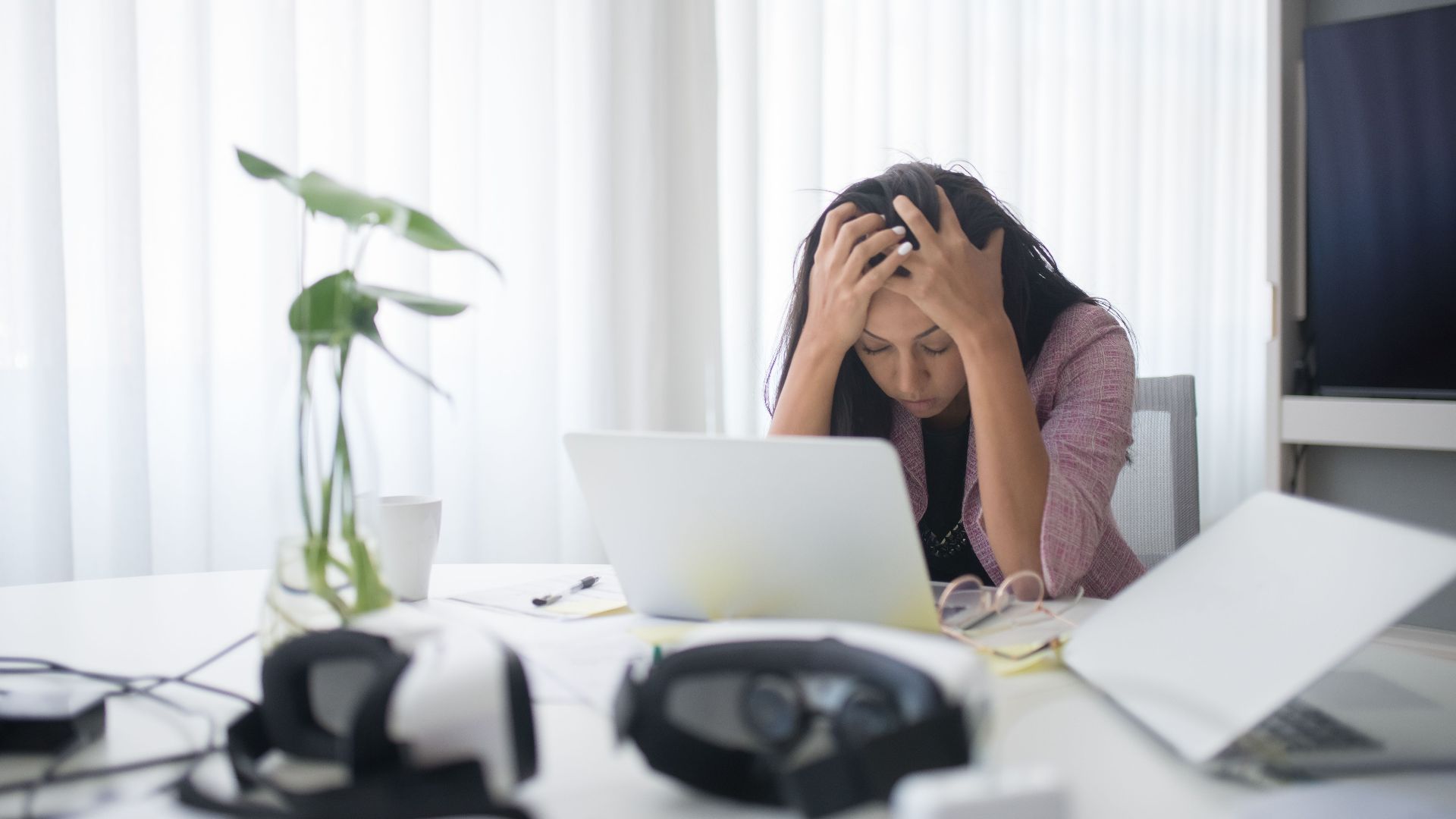
A great conversation can make you feel excited before you’ve even met the person. It'll start getting to your head, making you imagine potential dates, chemistry, and possibilities based on a few messages. Then, if the conversation fades or the date doesn't go well, the disappointment hits even harder.
8. They Make People Seem Disposable
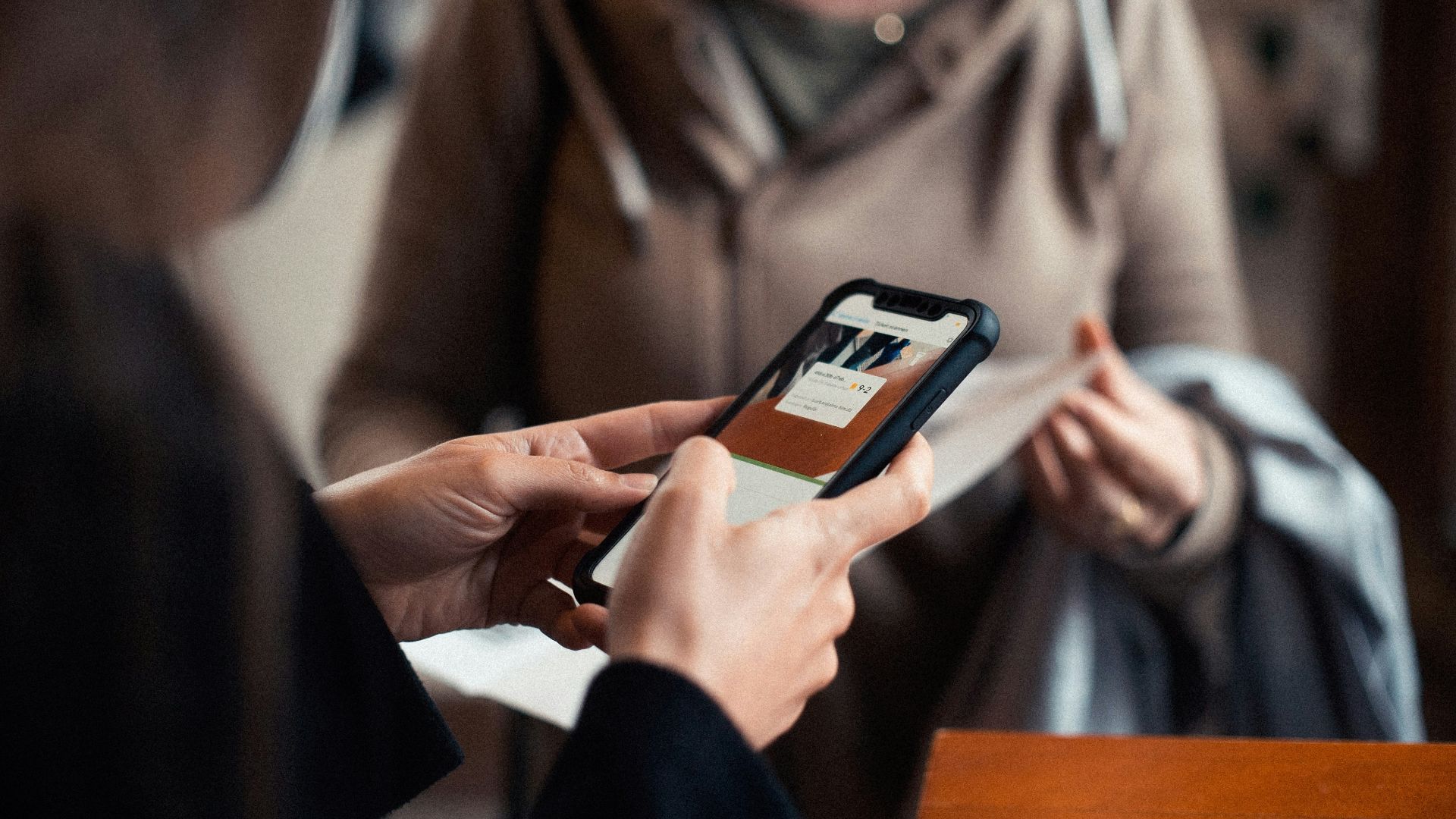
The most dangerous aspect of dating apps is that they give you the illusion of choice. When another profile is always one swipe away, it becomes easier to treat people as replaceable! That mindset deeply affects how you date, causing you to become less patient, less curious, or less willing to give someone a fair chance.
9. They Can Trigger Anxiety
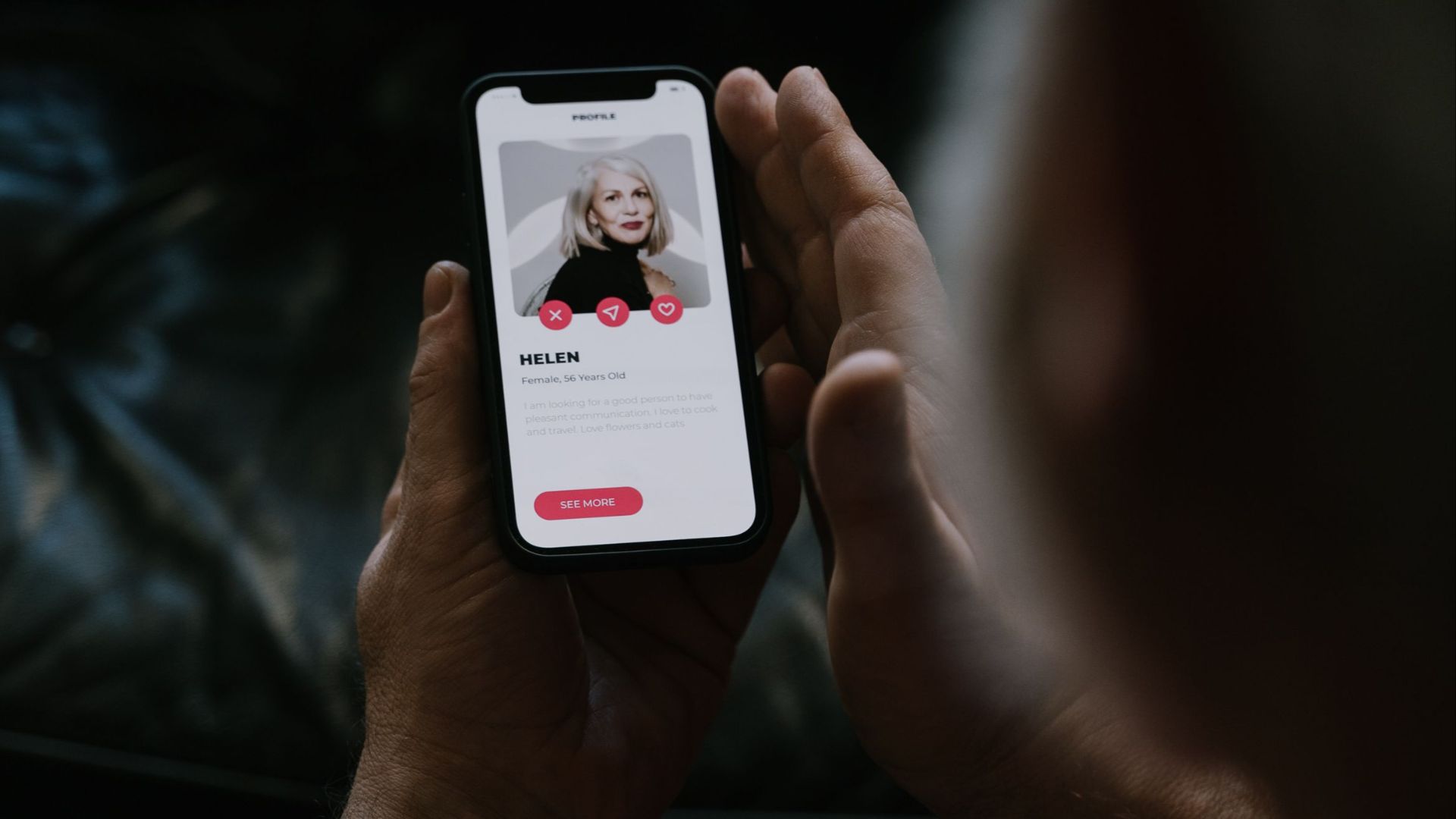
Dating apps can create a constant loop of checking, waiting, and wondering. It's possible you'll find yourself unhealthily attached to your phone, waiting to see if someone replied, whether they viewed your profile, or whether a new match appeared. That uncertainty can keep your nervous system on alert in a bad way.
 Priscilla Du Preez 🇨🇦 on Unsplash
10. They Reward Surface-Level Judgment
Because everything is built around making quick decisions only based on photos and short bios, dating apps essentially reward surface-level thinking. Sure, attraction matters, but it shouldn't just be about appearance and presentation. This can make dating feel too much like being marketed.
11. They Make Boredom Feel Like Loneliness
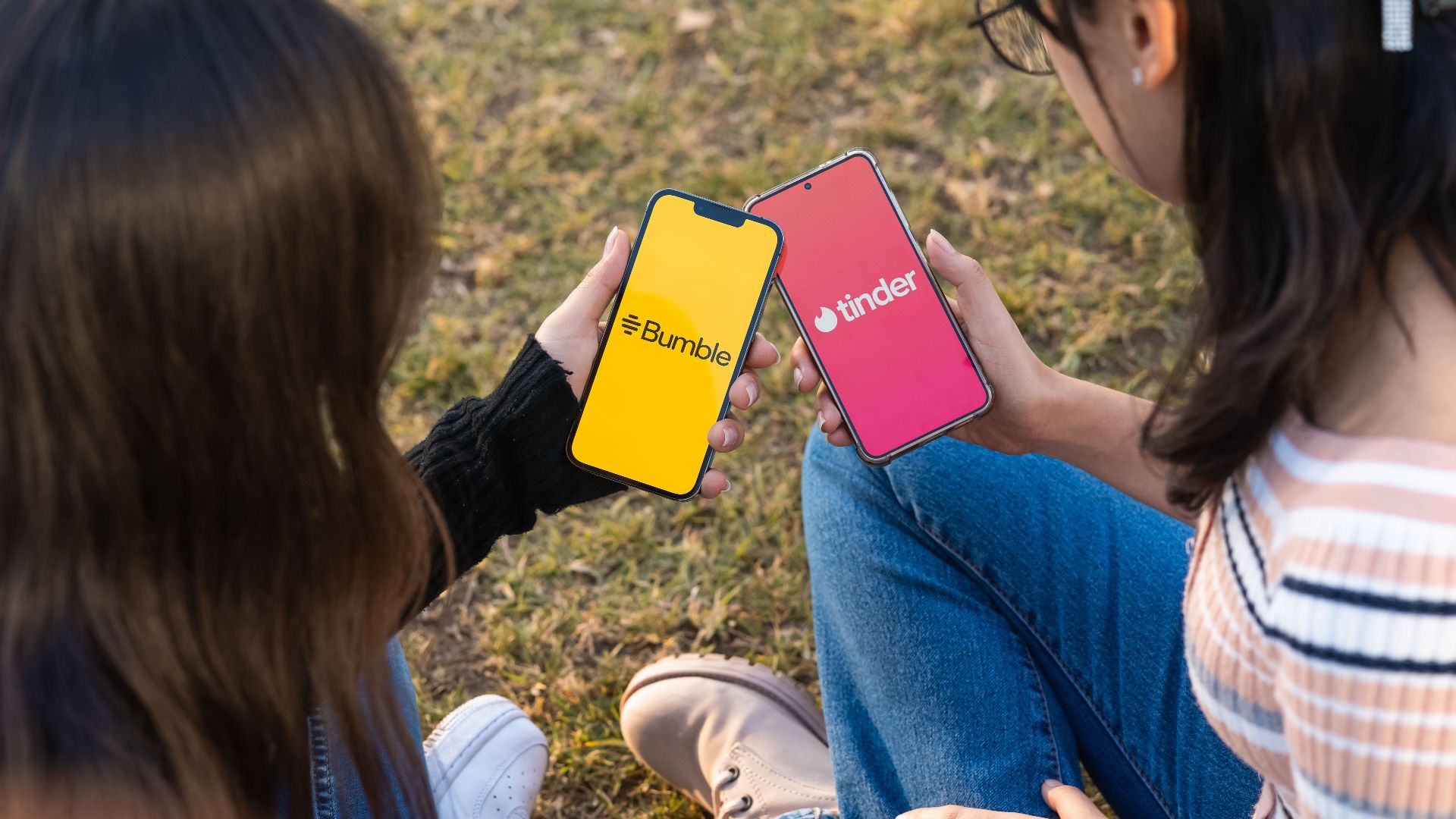
Sometimes you open a dating app because you’re bored and want to meet people. The problem is that scrolling through profiles can leave you feeling lonelier than when you started. Seeing so many people available without feeling truly connected to anyone can be emotionally confusing.
12. They Can Become Addictive
The biggest pull that dating apps have is that it can become addictive. It's hard to meet people in real life, and with a potential match just being a click away, you keep coming back for more. But slowly, combined with all the other factors we've mentioned, this habit can quietly take up more mental space than you intended.
13. They Make It Harder to Be Present
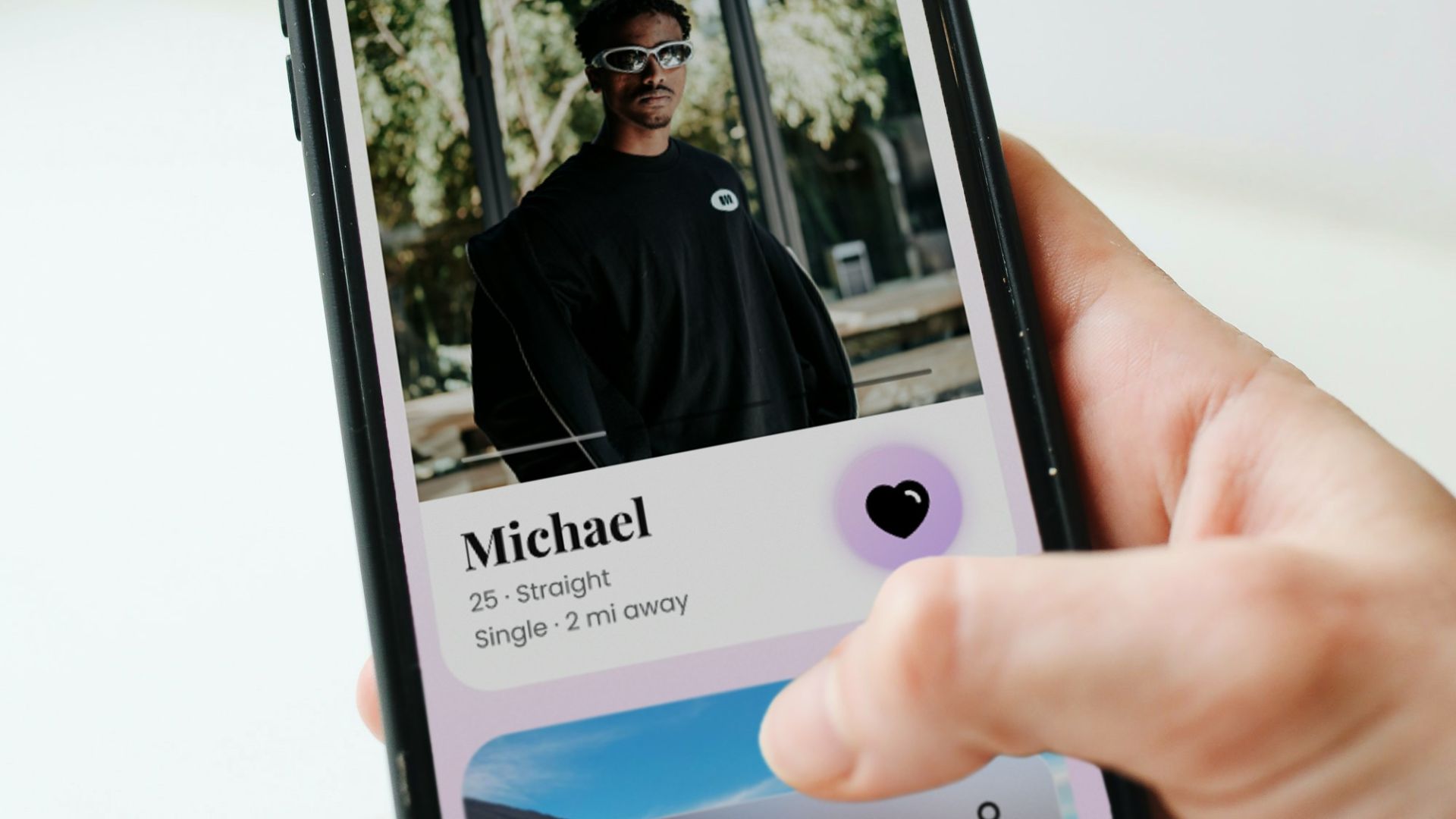
When dating apps are always available, it’s tempting to keep browsing even when you’re doing something else. After all, they try to convince you that the more you swipe, the more matches you might get. This can lead you to be watching TV, spending time with friends, or lying in bed while still checking your matches.
14. They Can Make Dating Feel Like Work
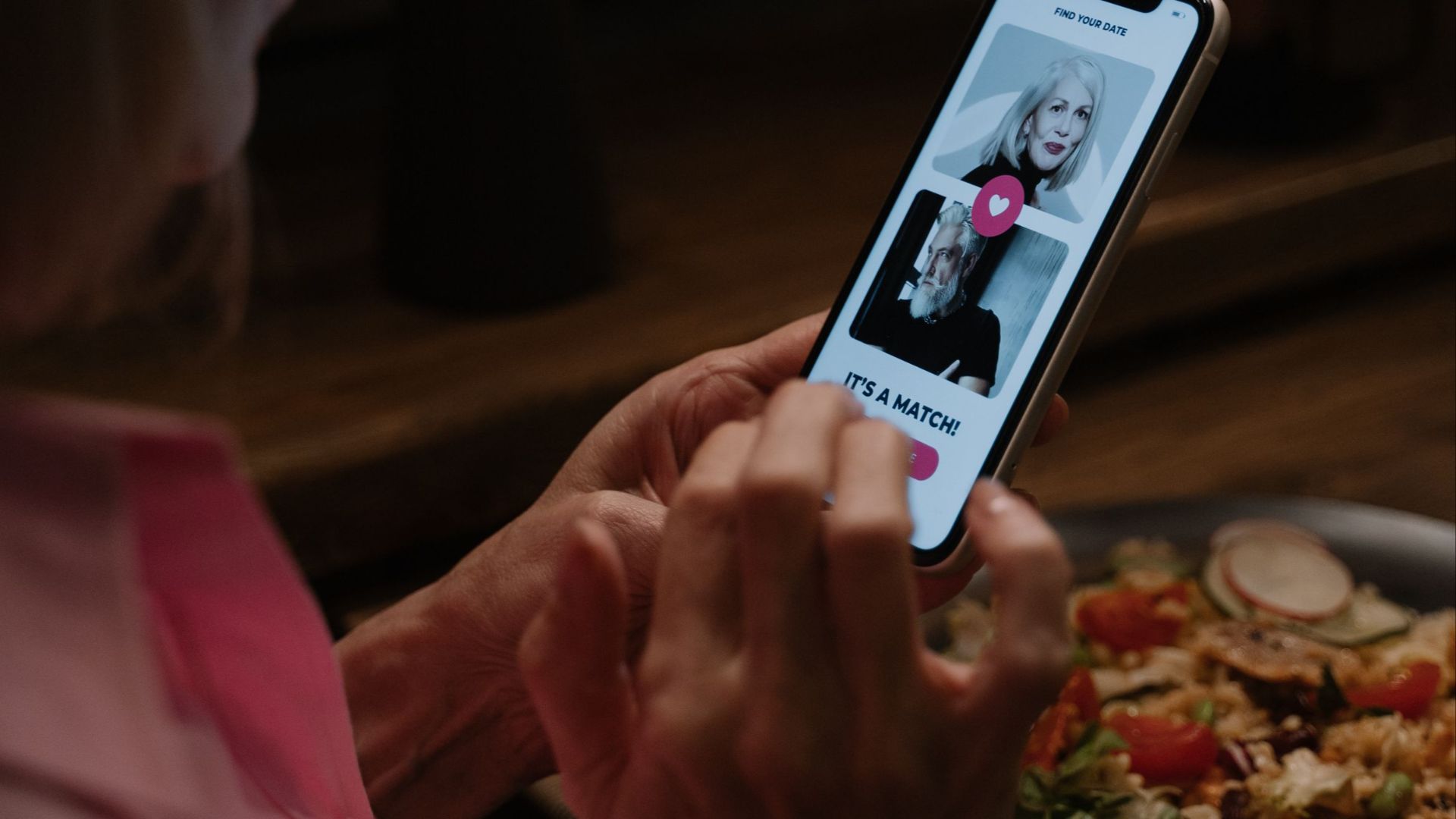
Managing matches, writing replies, planning dates, and dealing with ghosting can be a lot to deal with! Even pleasant conversations can become tiring when there are too many of them at once. Dating should and does take energy, but it shouldn’t leave you feeling so drained.
15. They Increase Fear of Missing Out
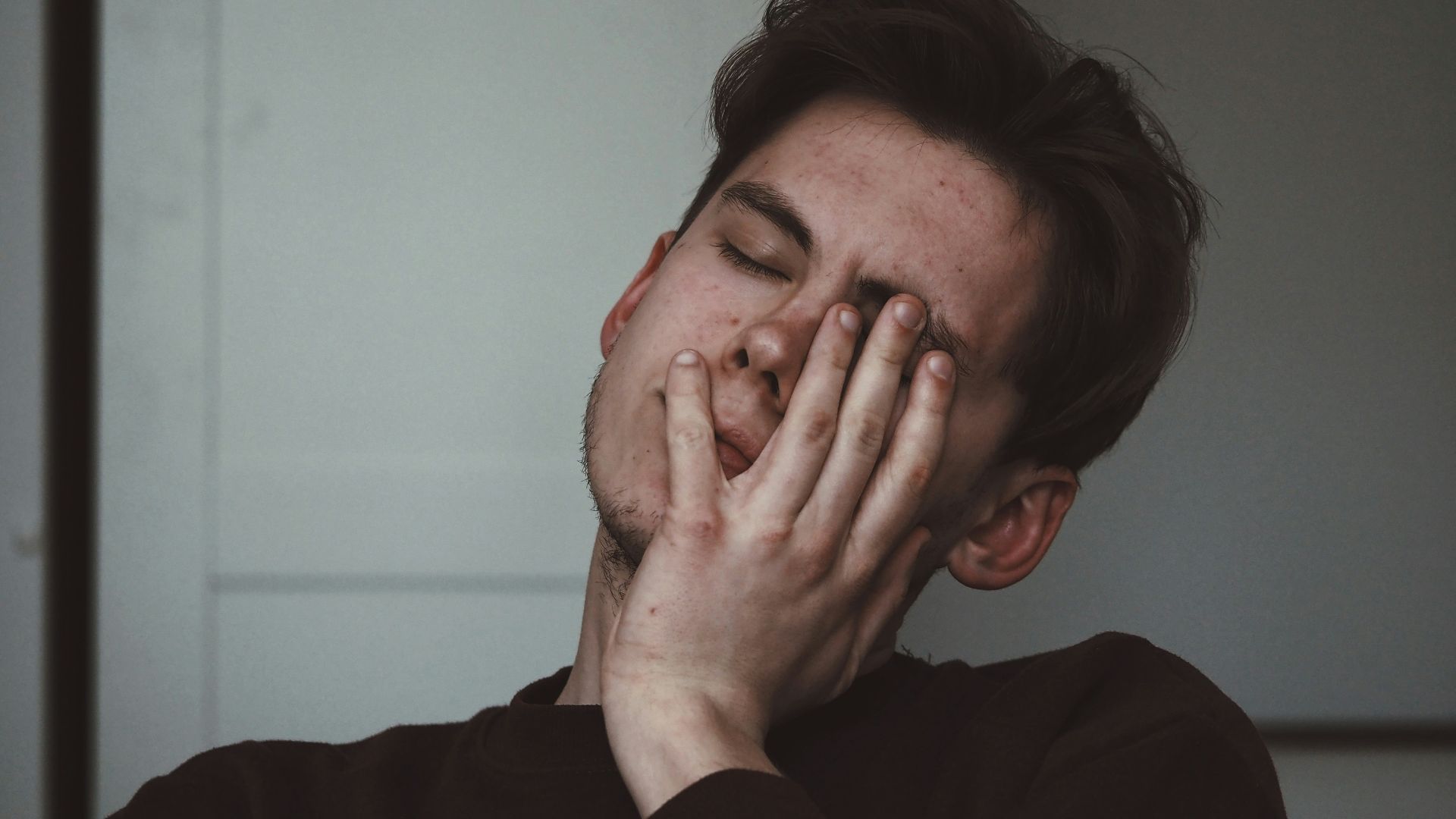
Swiping is so easy on these apps that it makes you constantly wonder if someone better is just one more swipe away. That fear can make it harder to appreciate what's in front of you if you're always looking two steps ahead or living in your fantasies.

16. They Can Blur Your Boundaries
It’s easy to feel pressured to respond quickly, share more than you want to, or agree to meet before you’re comfortable when everything's done online and behind a screen. Because the app moves fast, your boundaries may start to feel like obstacles instead of healthy limits.
17. They Make Mixed Signals More Common
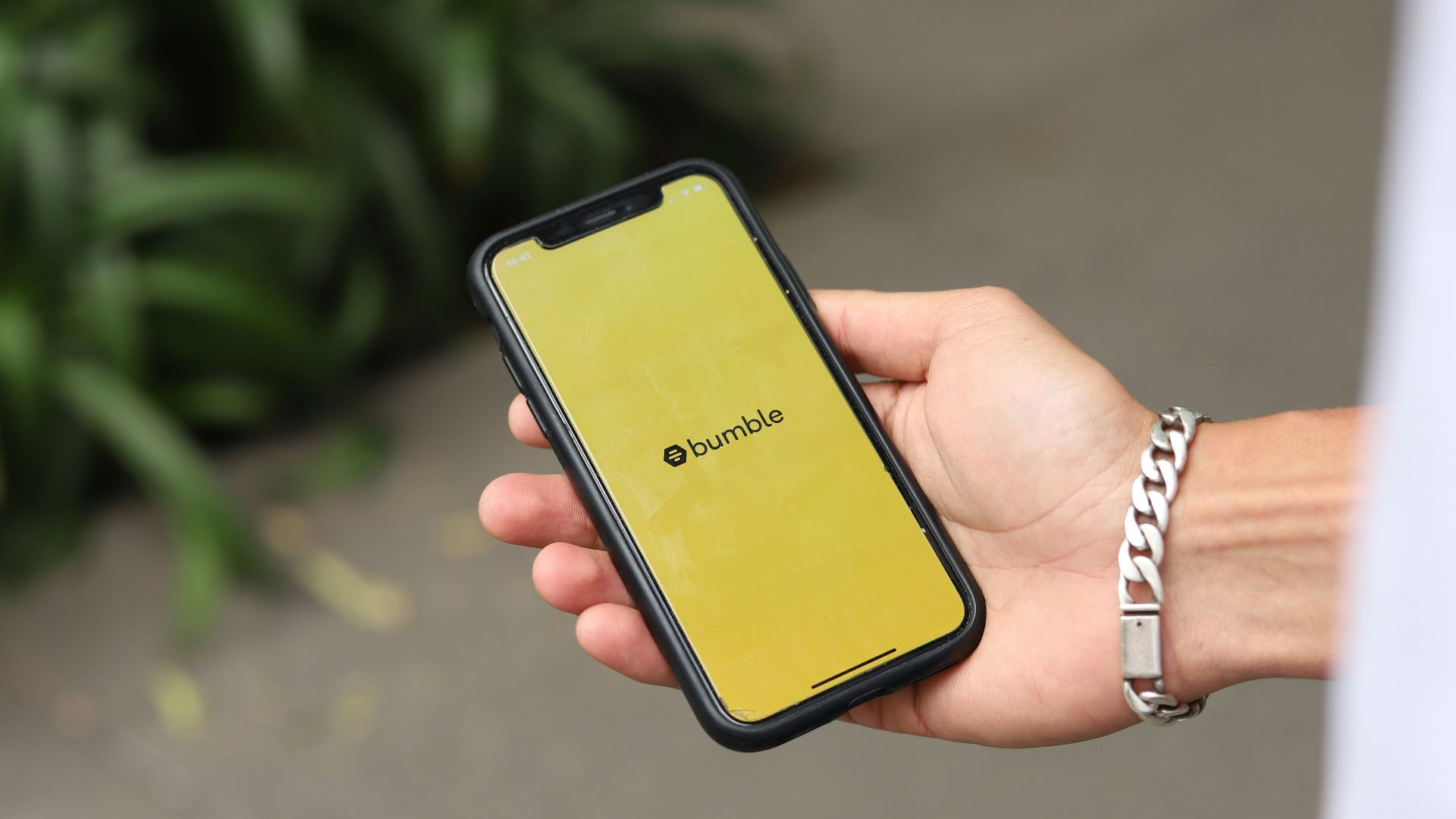
A person can match with you, flirt with you, disappear, return, and then act casual about the whole thing. That kind of inconsistent behavior can be difficult to deal with, eventually leaving you feeling frustrated and confused.
18. They Can Make You Cynical
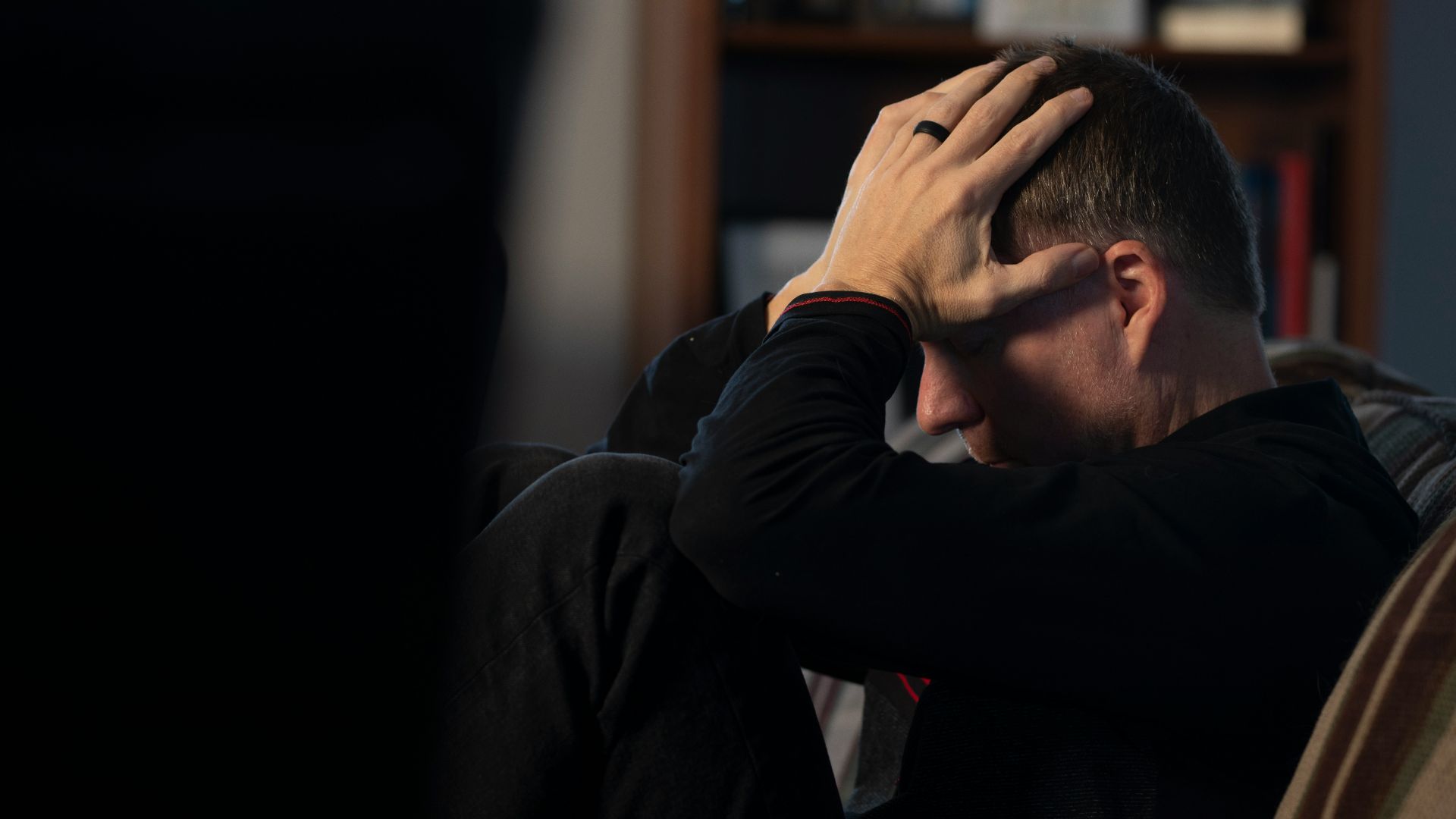
After enough strange conversations, awkward dates, and disappointing matches, it’s easy to become jaded. You may start assuming all people on the apps are dishonest, unserious, or only looking for attention. While caution is healthy, constant cynicism can make dating feel miserable before it even begins.
19. They Encourage You to Perform Instead of Connect
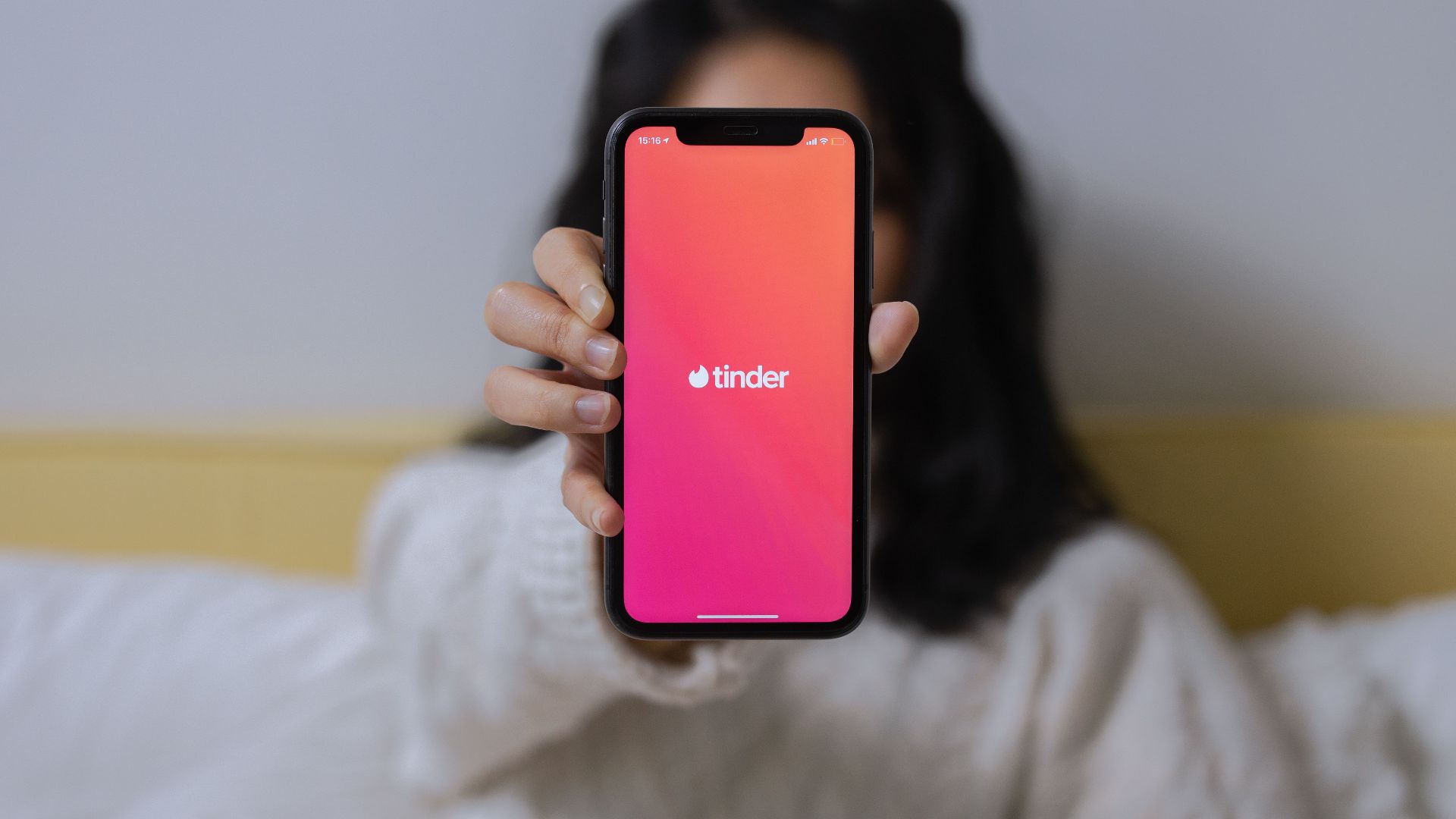
Being on the apps constantly makes you feel like you need to be funnier, cooler, more attractive, and more interesting than you naturally feel. You may edit your personality into a version that seems more matchable, just to get conversations rolling. That performance can get tiring fast though.
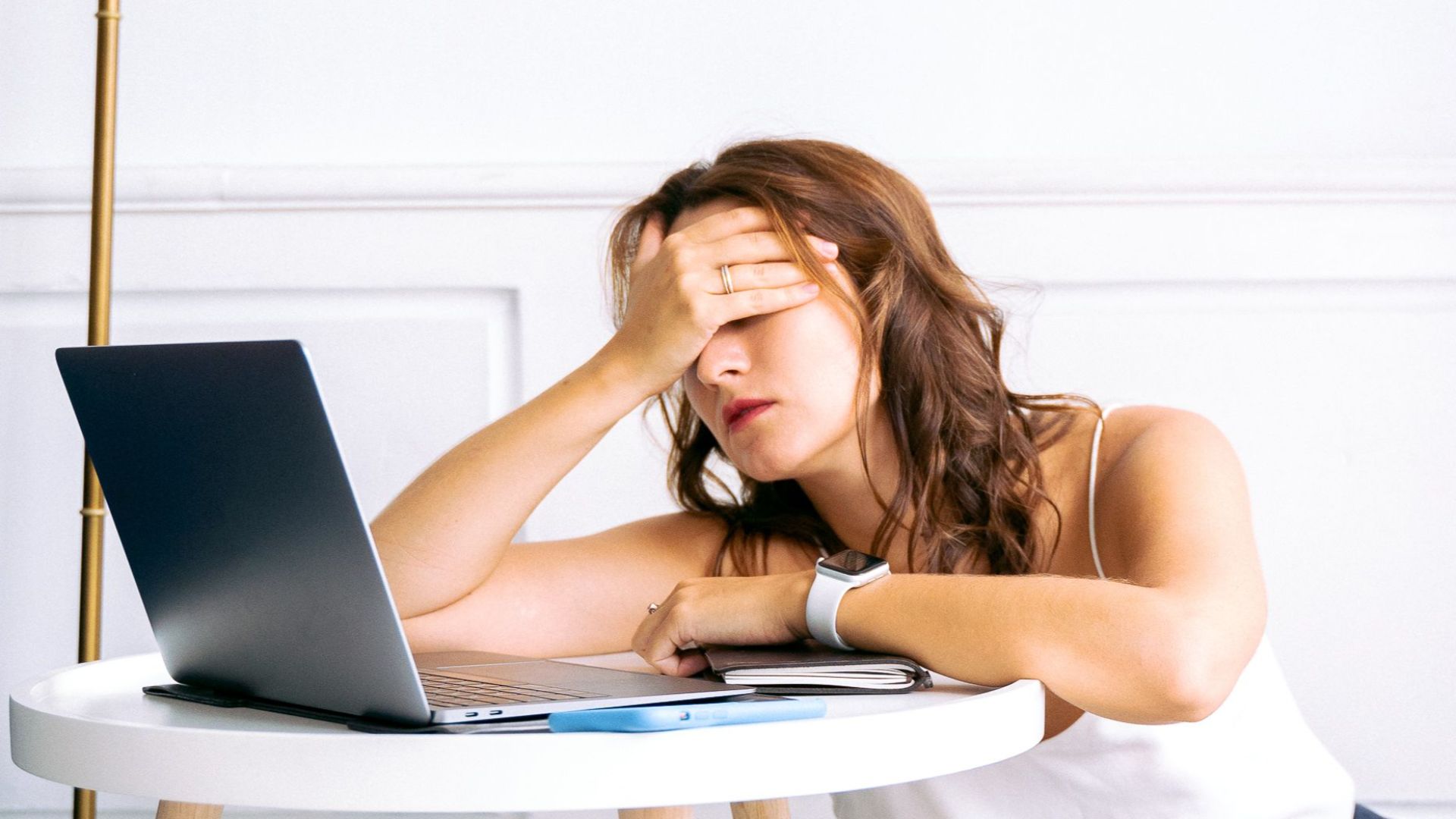
20. They Can Make You Forget Dating Is Supposed to Feel Human
At their worst, dating apps turn connection into a routine of swiping, judging, messaging, and waiting. It doesn't have the same natural feel as meeting someone in real life! The app might help you meet people, but it shouldn’t decide how you feel about yourself. When your mental health starts paying the price, it’s fair to step back.
KEEP ON READING

20 Common Facial Expressions And What They Mean
20 Ways Dating Apps Ruin Your Mental Health

20 Reasons You May Experience Déjà Vu
20 Things That Happen To Your Skin Without Sunscreen