Your Desk is Testing Your Patience
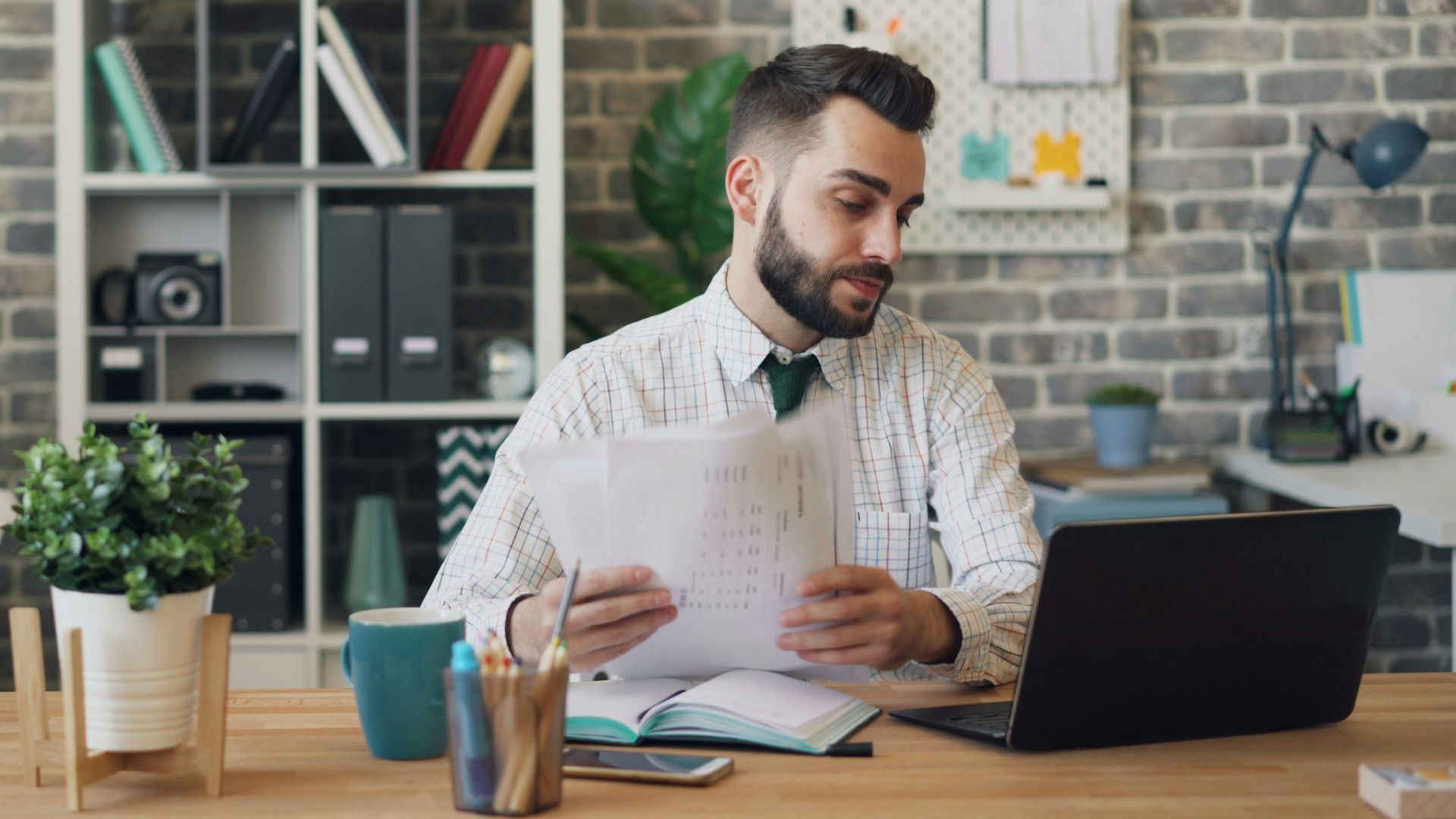
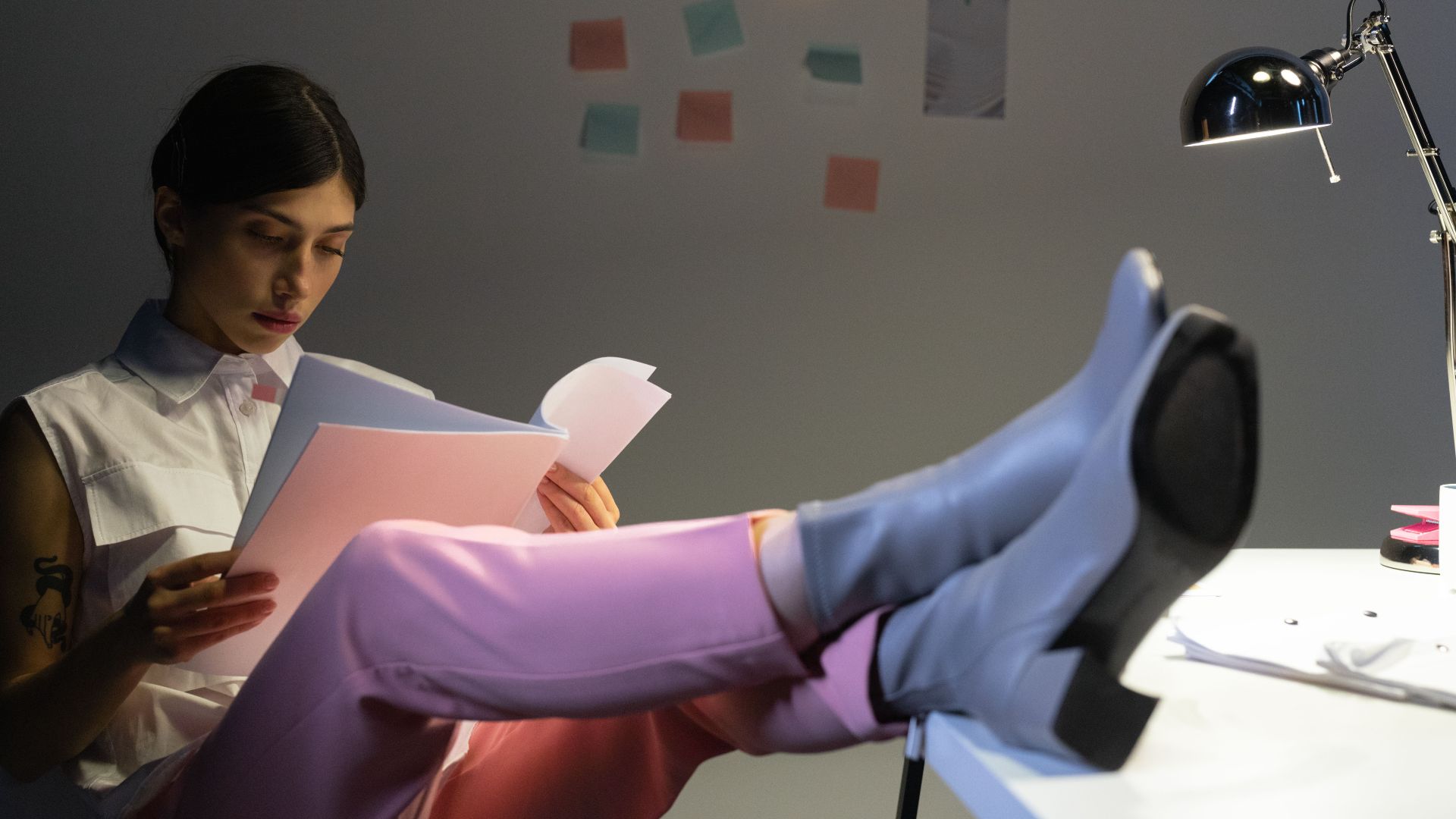
A sedentary job can look harmless from the outside, especially when the biggest physical challenge seems to be refilling your coffee. But sitting all those hours does a lot more damage than you think, and what makes it particularly harmful is the assumption that your muscles are safe! While you don’t have to quit your job or turn every lunch break into a boot camp, it helps to know exactly what you’re dealing with, and we’re here to break down a few symptoms.

1. Your Glutes Stop Doing Their Job
Your glutes are meant to help with mobility, including standing, walking, climbing stairs, and keeping your hips stable. A chair gives them very little reason to work. After hours of sitting, they can become underactive, which is why getting up after a long afternoon may feel strangely stiff.
2. It Tightens Your Hip Flexors
When you sit, your hip flexors stay shortened for long stretches, and they don’t always bounce back when you decide to get up. That tightness can make walking feel shorter and even stretching harder than it should. You might also notice it when you try to stand tall after driving home from work.
3. It Weakens Your Core
Our core does a lot of work behind the scenes, even though it doesn’t always seem like it. A supportive chair can make your abdominal muscles lazy—the backrest does some of the stabilizing for you. Over time, your core may not brace as well during everyday tasks.
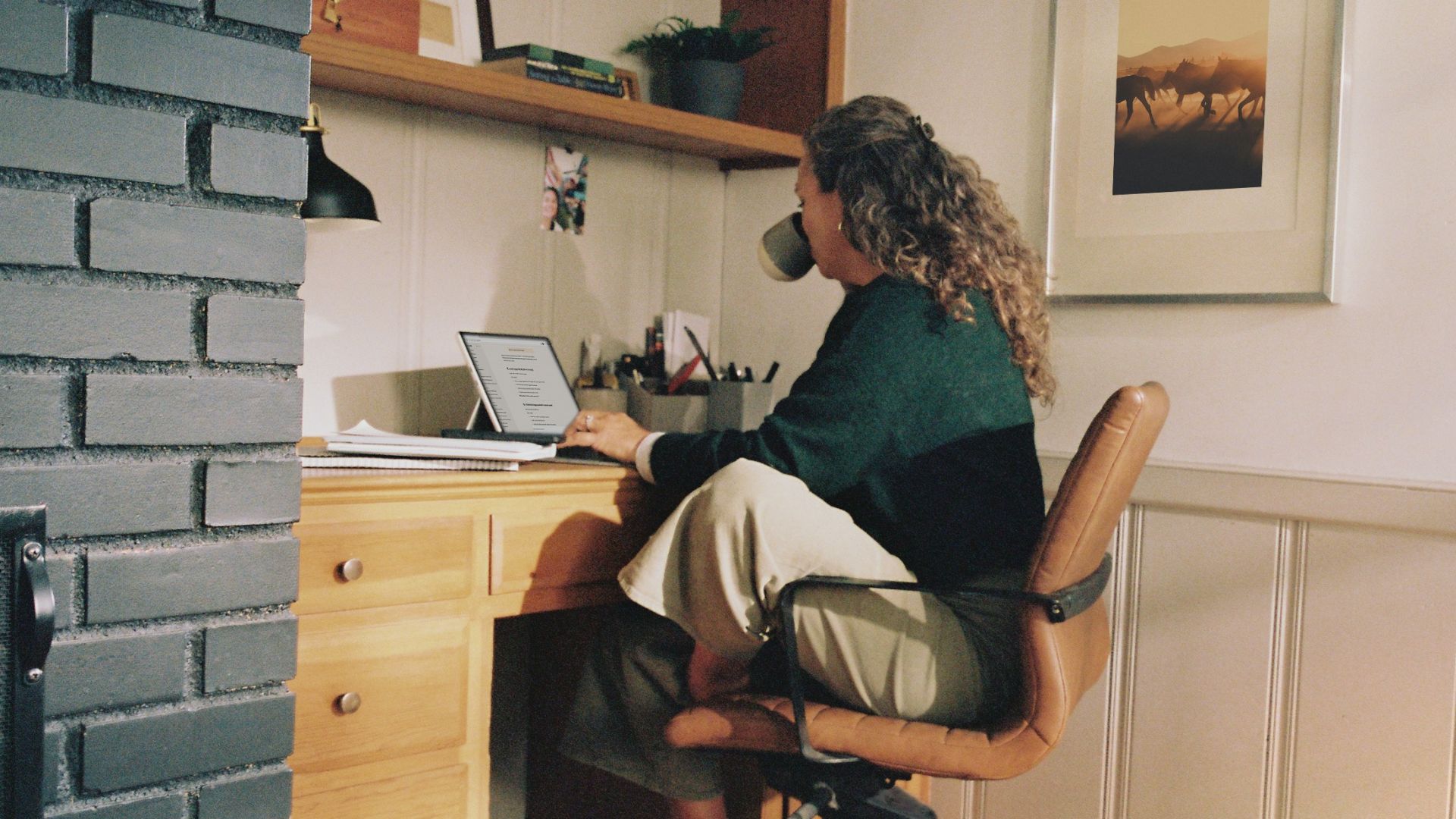
4. It Leaves Your Lower Back Muscles Overworked
Funnily enough, sitting doesn’t always relax your back the way you’d assume, and it’s only worse if you slump. Your lower back muscles may end up holding a poor position for hours, which only creates fatigue. By 4 p.m., that dull ache near your beltline may be less about age and more about your terrible posture.

5. It Makes Your Hamstrings Less Cooperative
Your hamstrings spend a lot of desk time in a bent-knee position, and that can actually make them tight when you stand. Make no mistake: tight hamstrings can affect how your hips and lower back move, so the issue doesn’t always stay neatly in the back of your thighs.
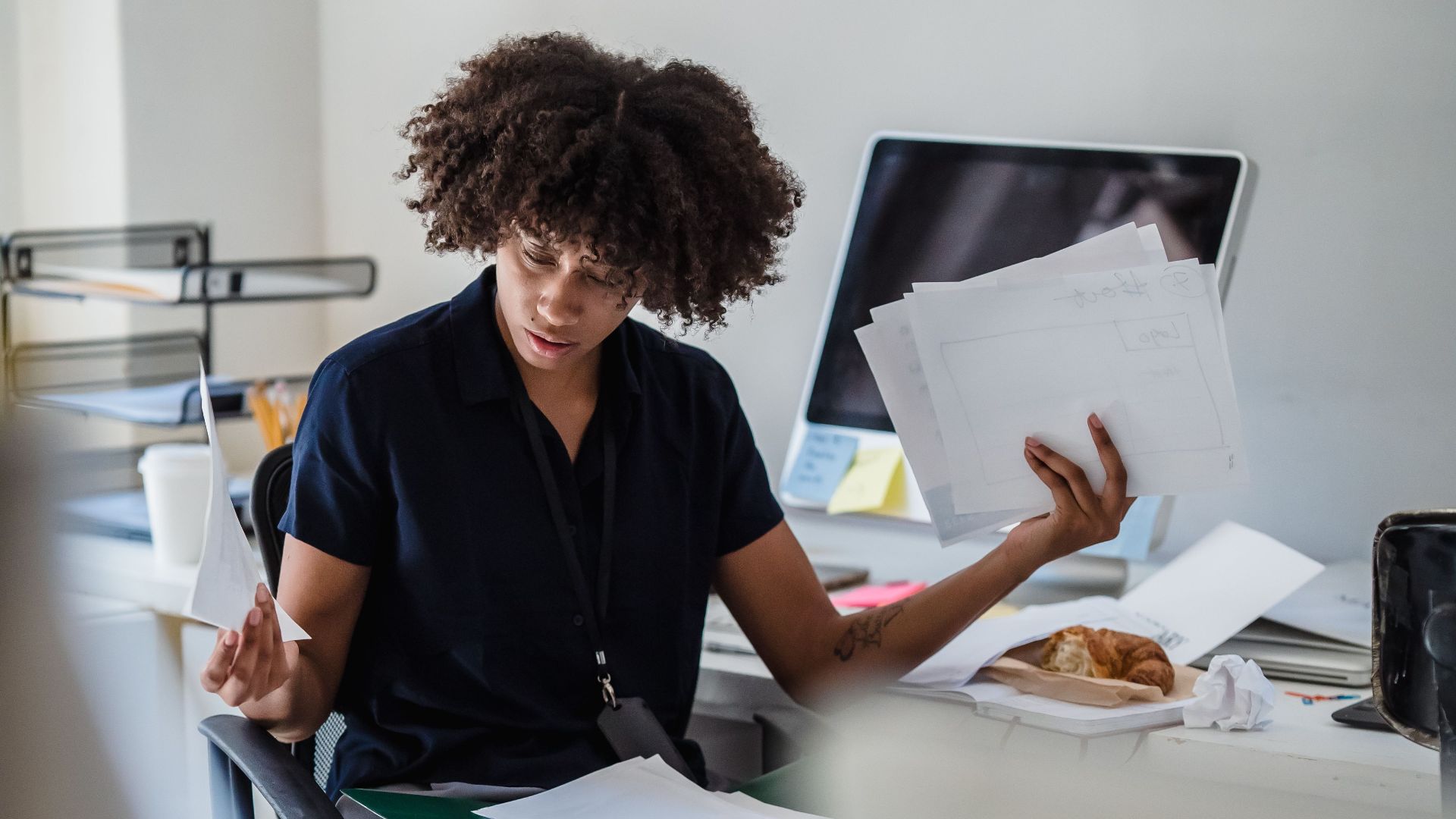
6. It Encourages Rounded Shoulders
A keyboard, mouse, and laptop screen can pull your upper body into a forward position for hours at a time. Worst of all, it happens gradually, and that terrible position then becomes the norm. When that posture becomes your default, the muscles across your chest can tighten while the muscles in your upper back weaken.
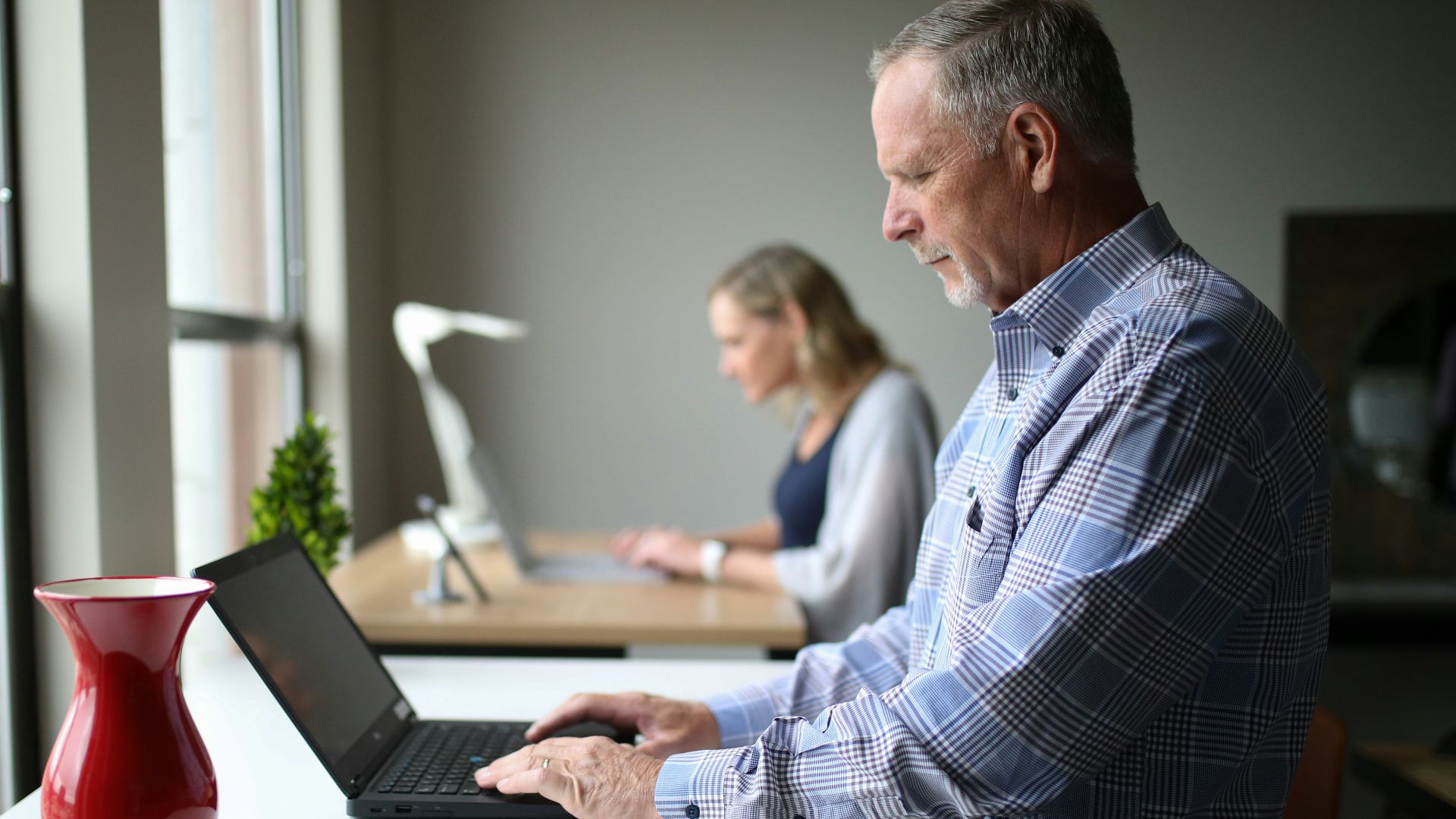
7. Your Calves Miss Out
Calves are supposed to help push you forward and support balance, but a desk job limits those tiny contractions that happen when you walk across a room. Your calves also don’t get access to climbing steps or standing in line. If your calves feel stiff after a long workday, they may be annoyed that their biggest assignment was resting.
8. It Reduces Tiny Muscle Activity
When you think of your muscles, it’s important to include the little guy in there! Small contractions happen during standing, walking, and fidgeting, which means a sedentary job can remove a lot of that low-level activity. Even walking to a coworker’s desk instead of sending another email can give your body a small but meaningful reminder to move.
9. Your Neck Muscles Work Overtime
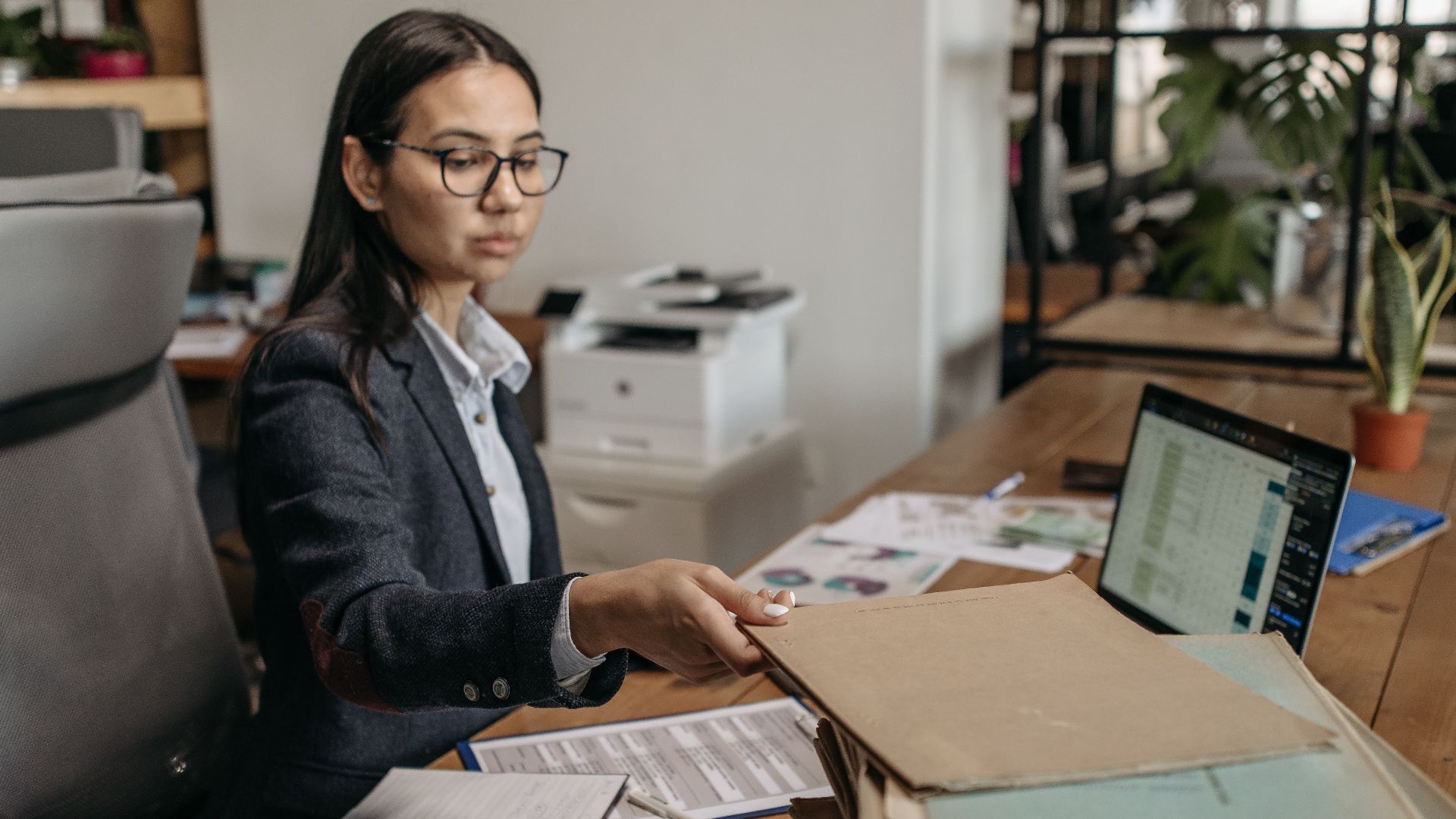
Looking down at a laptop? Leaning toward a monitor? Those activities put your neck in a strained position for much of the day. The muscles at the back and sides of your neck also tighten while trying to support your head in a less-than-ideal angle.

10. It Can Flatten Your Posture
You’ve likely heard the warnings by now, but that’s because they’re true! A sedentary work setup trains your body into a seated shape, especially if your screen is low, your shoulders are rounded, and your hips stay folded. Eventually, standing tall may feel unnatural. It makes sense when you think about it—your body has been practicing the opposite all week.
11. It Weakens the Muscles That Protect Your Knees
Strong hips, glutes, thighs, and calves all help guide your knees. When those muscles wear down from too much sitting, your knees inevitably take on more stress than they should during ordinary movement. You might not feel it now, but it could sneak up on you when stepping off a curb or returning to exercise.

12. Your Upper Back is Less Reliable
Your upper back muscles don’t get much practice when you’re slouched over a desk. That’s an issue—if they weaken, your shoulders may drift forward more easily, and your posture can feel harder to correct. That’s exactly why a few rows at the gym can feel surprisingly humbling after years of laptop work.

13. It Turns Simple Movements Into Big Jobs
When your muscles go ignored, everyday tasks can start requiring more effort than usual. Standing up from a chair, carrying a work bag, or even just walking across a parking lot may feel more tiring than expected. The reality is that your muscles are likely undertrained for normal movement.
14. It Makes Your Ankles Stiffer
Ankles are just as big a part of your body as anything else, and they too need regular movement to stay mobile. Desk work keeps them in the same position for hours on end. You’re then left with stiff ankles that affect squatting, walking, balance, and how your knees and hips move.

15. It Can Make One Side Of Your Body Work Harder
Many desk habits are uneven. Think about it! You likely cross the same leg, lean on one elbow, or always keep the mouse on one side. Over time, those patterns make certain muscles more active while others become less responsive.
16. It Undermines Your Balance
Balance depends on everything from your feet and calves to your hips and core. A sedentary job gives those systems fewer chances to practice. Don’t forget that sitting removes the little adjustments your body makes while moving, and that can show up during simple balance moves or exercises.
17. It Makes Exercise Harder
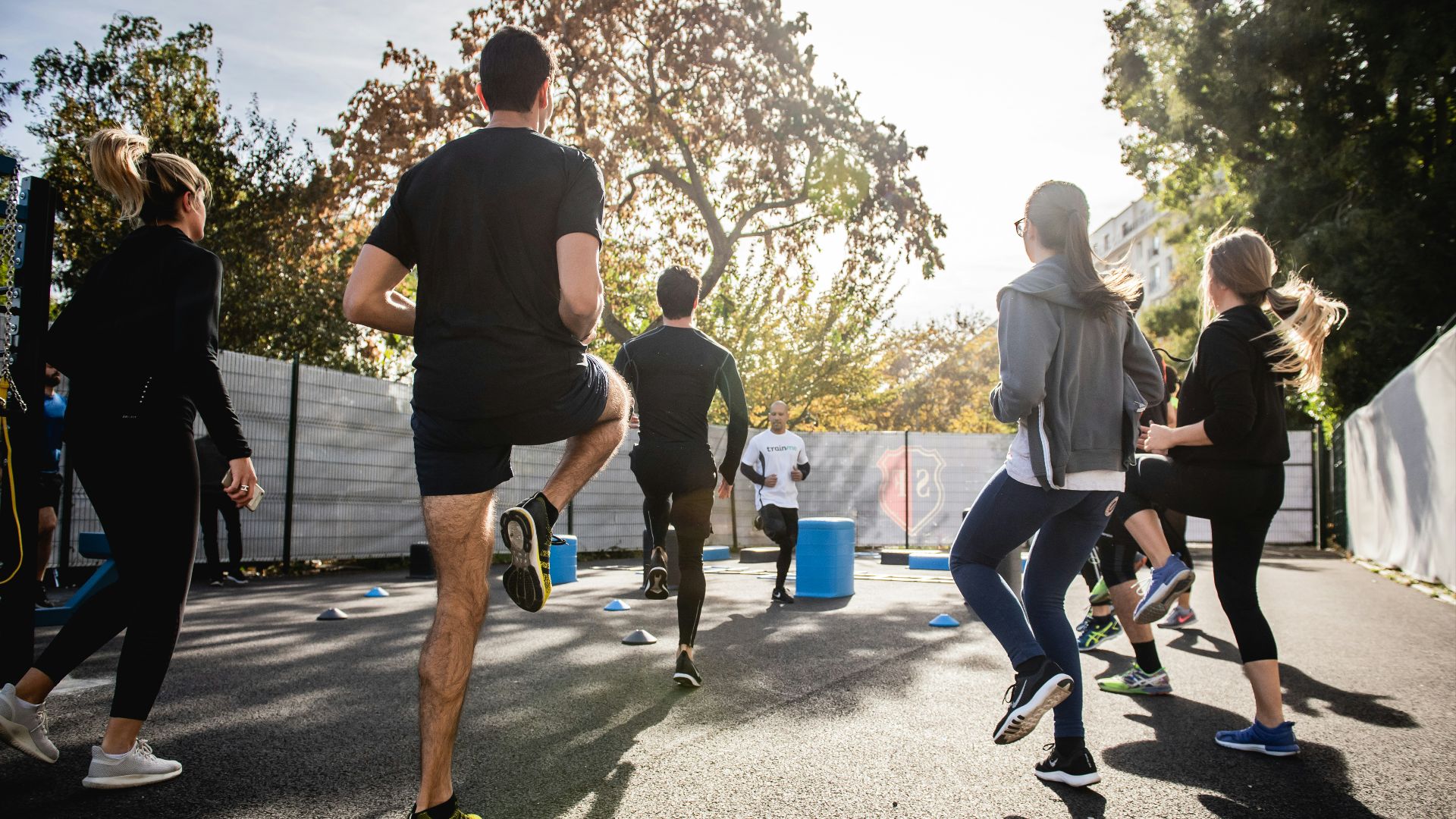
After sitting all day, jumping straight into a workout asks stiff muscles to suddenly perform. That won’t happen. Instead, that only makes squats, lunges, or even brisk walking tougher than expected.
18. It Encourages Muscle Imbalances
Your hips rely on several muscle groups working together, including the glutes, hip flexors, and outer hips. Sitting usually tightens some of these muscles while leaving others underused, which can all affect how you exercise. That imbalance can also be one reason your hips feel fine at your desk but stiff during long walks.
19. It Makes Your Hands and Forearms Tense
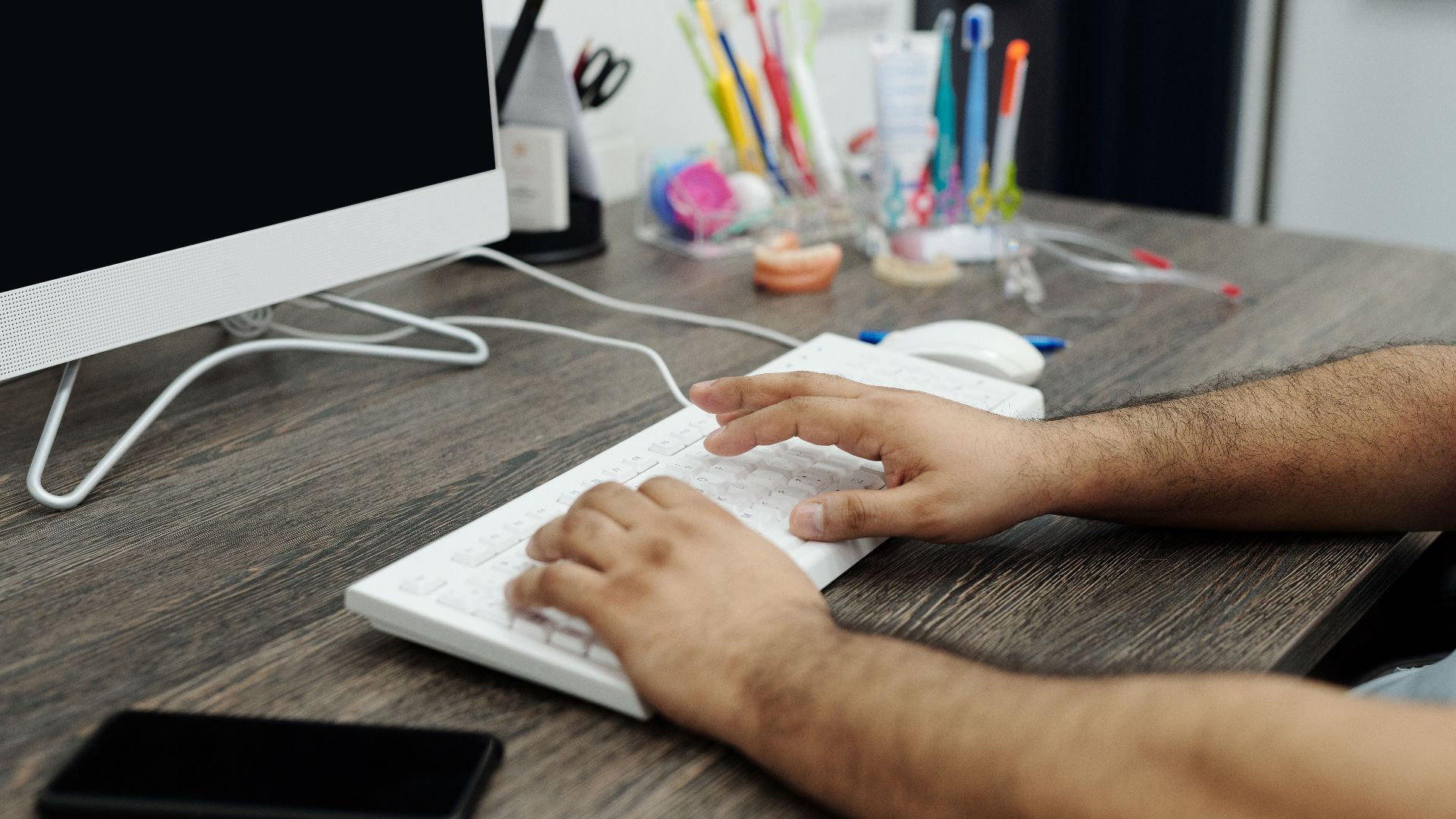
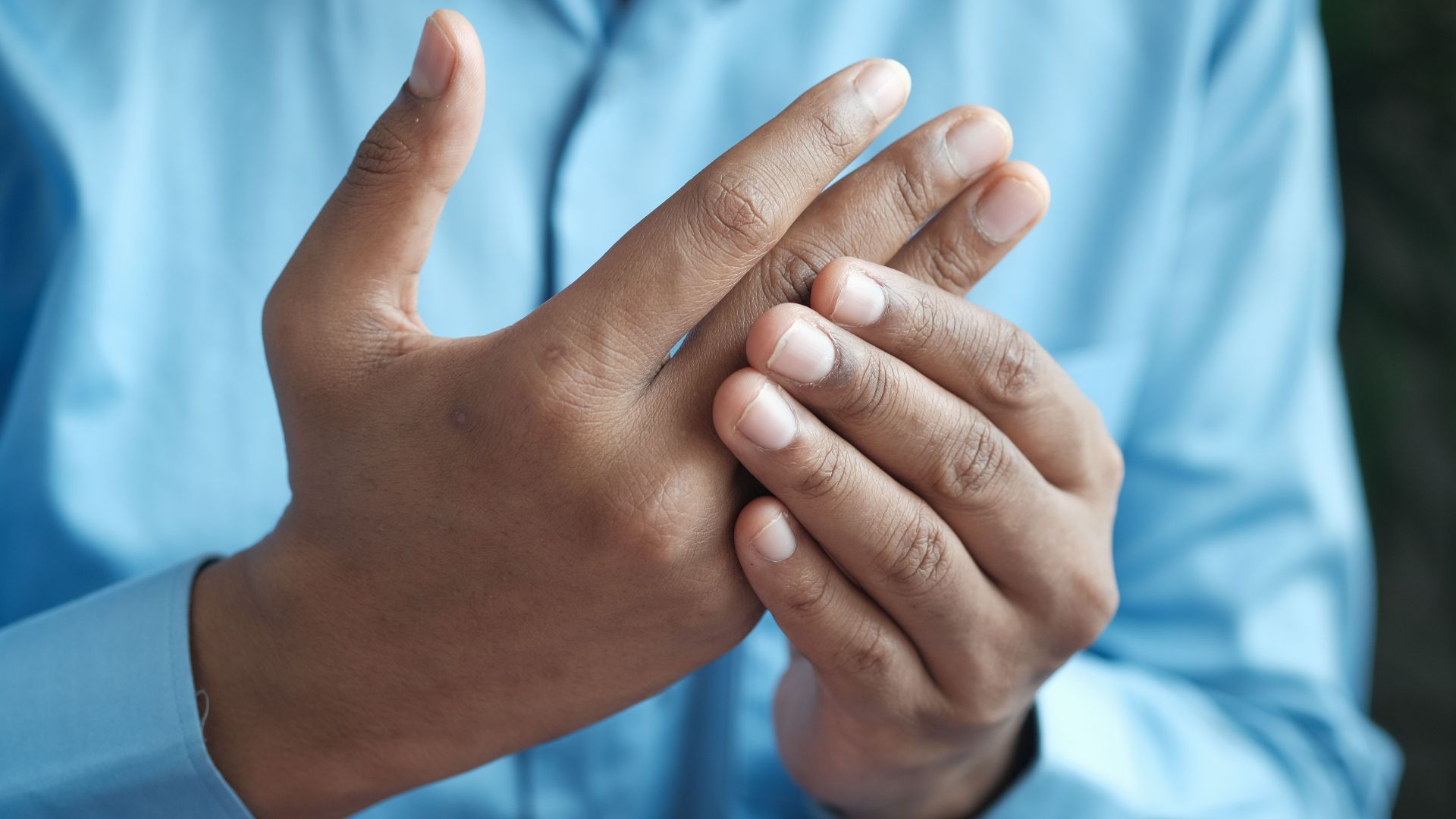
Desk work may seem sedentary, but you’re actually doing a lot of repetitive movements: typing, clicking, scrolling, and gripping a phone. Those muscles become tight even while larger muscles, like your glutes and legs, do almost nothing. If your wrists feel tired after spreadsheets and video-call notes, there’s a reason.
20. It Trains Your Body to Expect Less Movement
Perhaps the worst effect of a sedentary job is how normal stillness starts to feel. When your muscles spend most days underused, they eventually get used to the relaxed lifestyle. The good news is that small changes, such as standing during phone calls, taking short walking breaks, stretching your hips, and doing a few bodyweight movements, can remind your muscles that they aren’t retired.
KEEP ON READING

10 Pre-Workout & 10 Post-Workout Tips To Follow