
Simple Ways To Feel Better During The Last Months Of Pregnancy
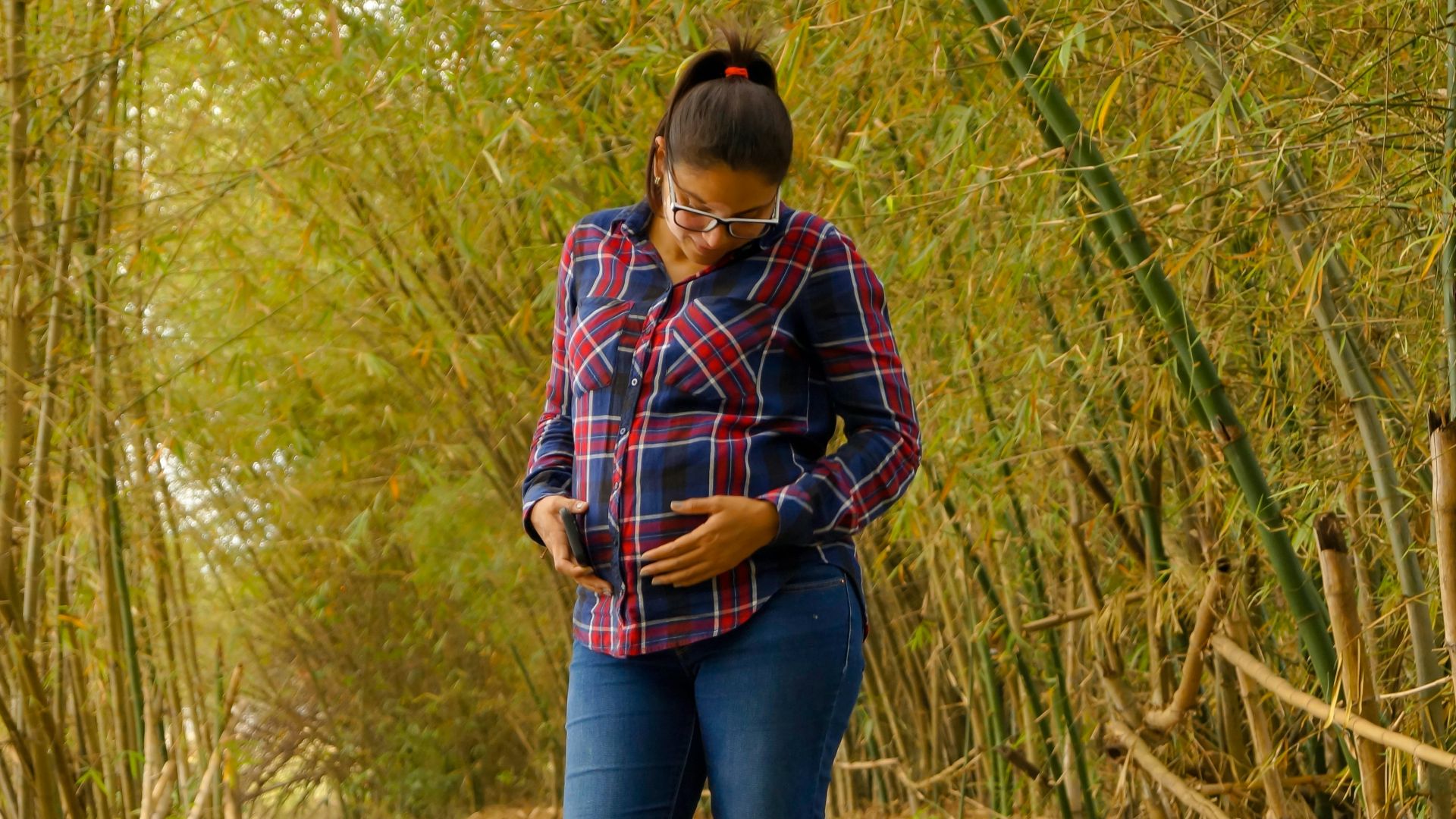
The third trimester can make normal daily life feel a lot more complicated than it used to. Sleeping might take more effort, meals can feel heavier, and even getting your shoes on can turn into a whole little process. Many of these discomforts are common as the baby grows and your body deals with extra weight, slower digestion, and more pressure on your back, hips, bladder, and ribs. Small changes can help you feel more comfortable day to day, though any pain or symptom that feels serious, sudden, strange, or worrying shouldn’t be ignored and should be checked by your doctor, midwife, or care team. For everyday aches, heartburn, swelling, tiredness, and restless nights, these 20 third-trimester comfort tricks can help.

1. Side-Sleeping
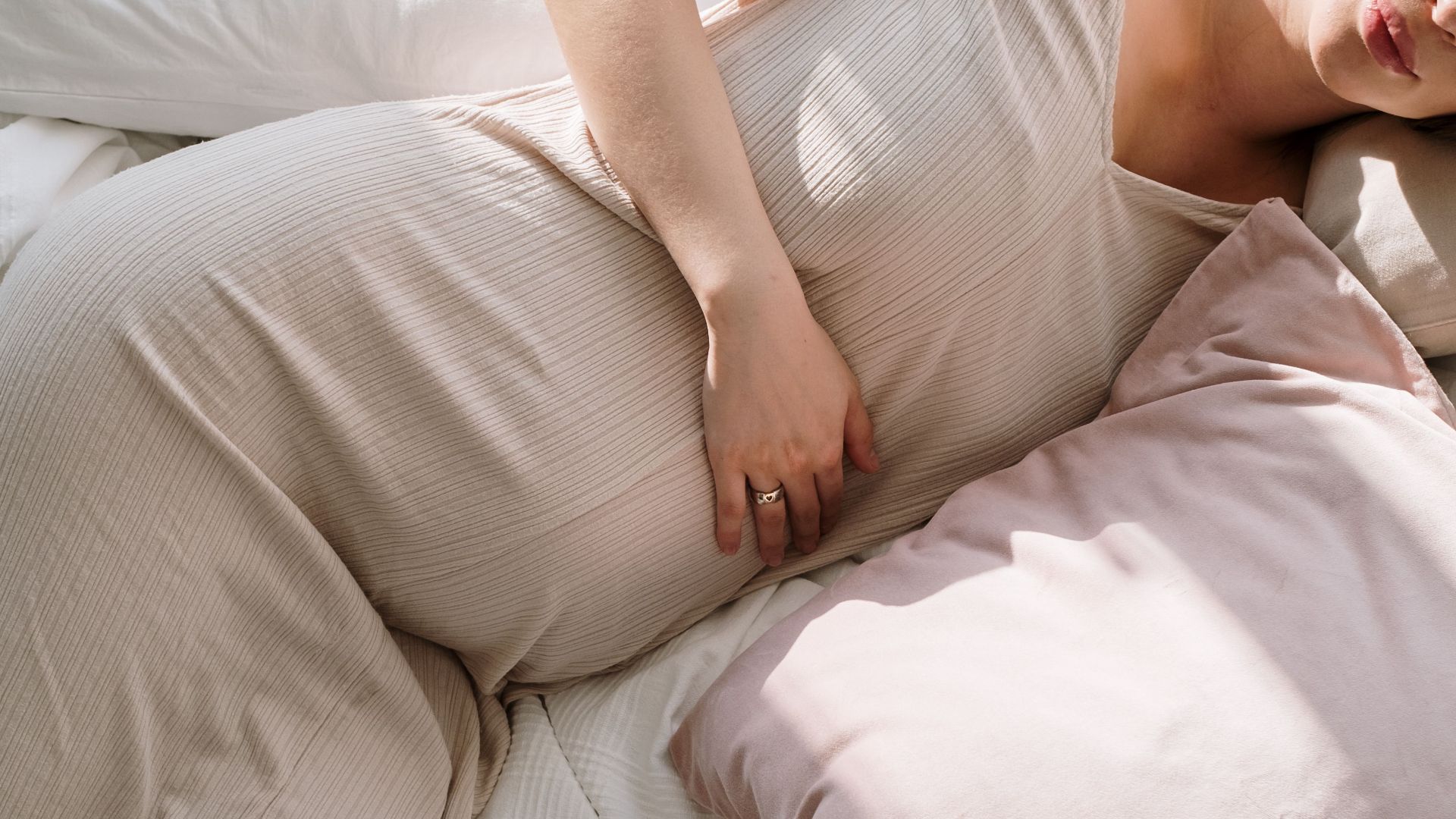
Side sleeping often feels best late in pregnancy, especially once your belly makes other positions harder. Put a pillow between your knees, tuck another under your belly, and add one behind your back if that helps you feel steadier. If you wake up on your back, don’t worry, just roll back onto your side and get comfortable again.
2. Raise Your Upper Body
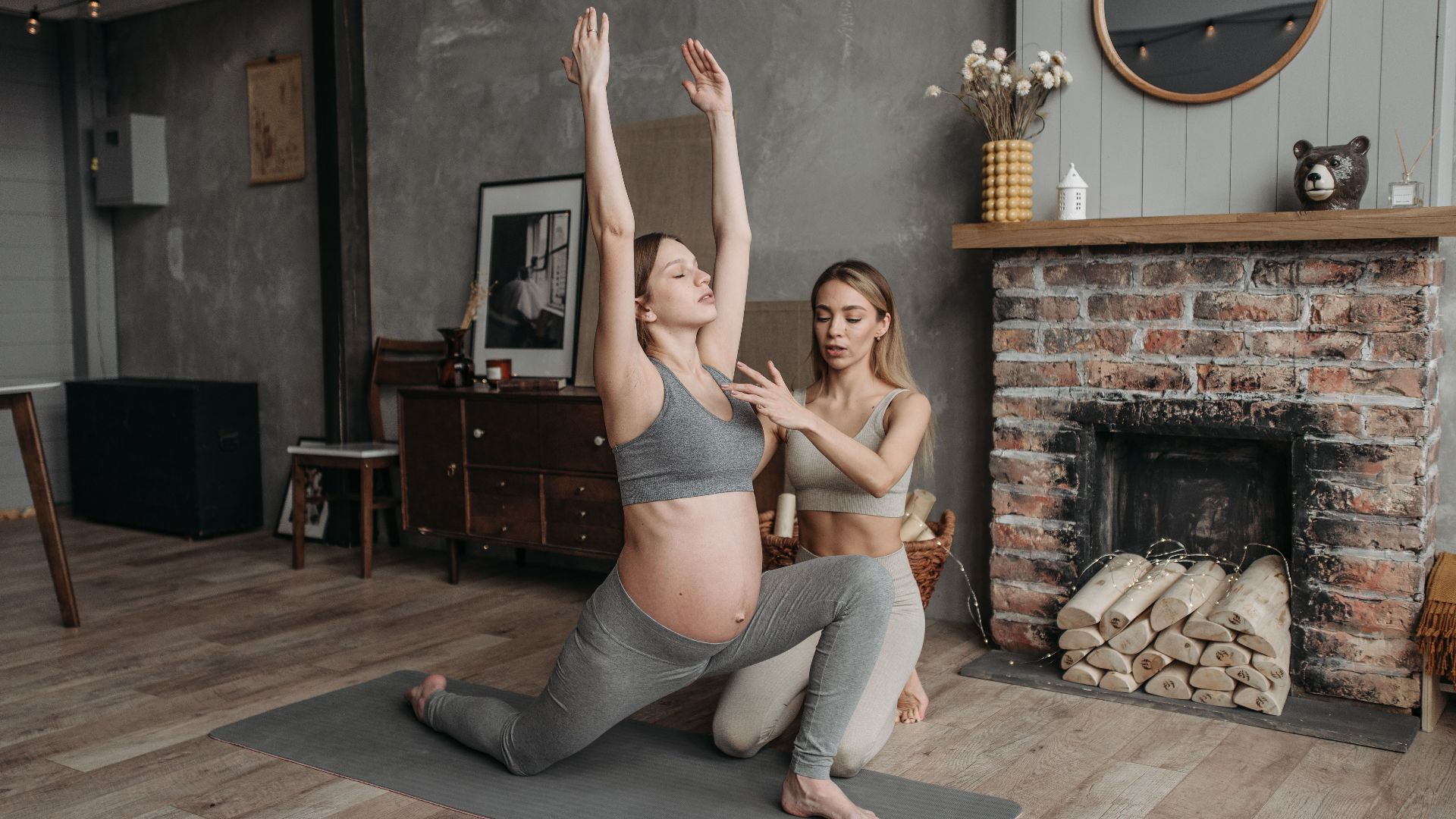
Heartburn can happen more often in the third trimester because digestion slows down and the growing uterus puts more pressure upward. Sleeping with your upper body slightly raised may help, especially if heartburn gets worse when you’re lying flat. Eating dinner earlier can also make bedtime a little easier on your stomach.
3. Eat Smaller Meals
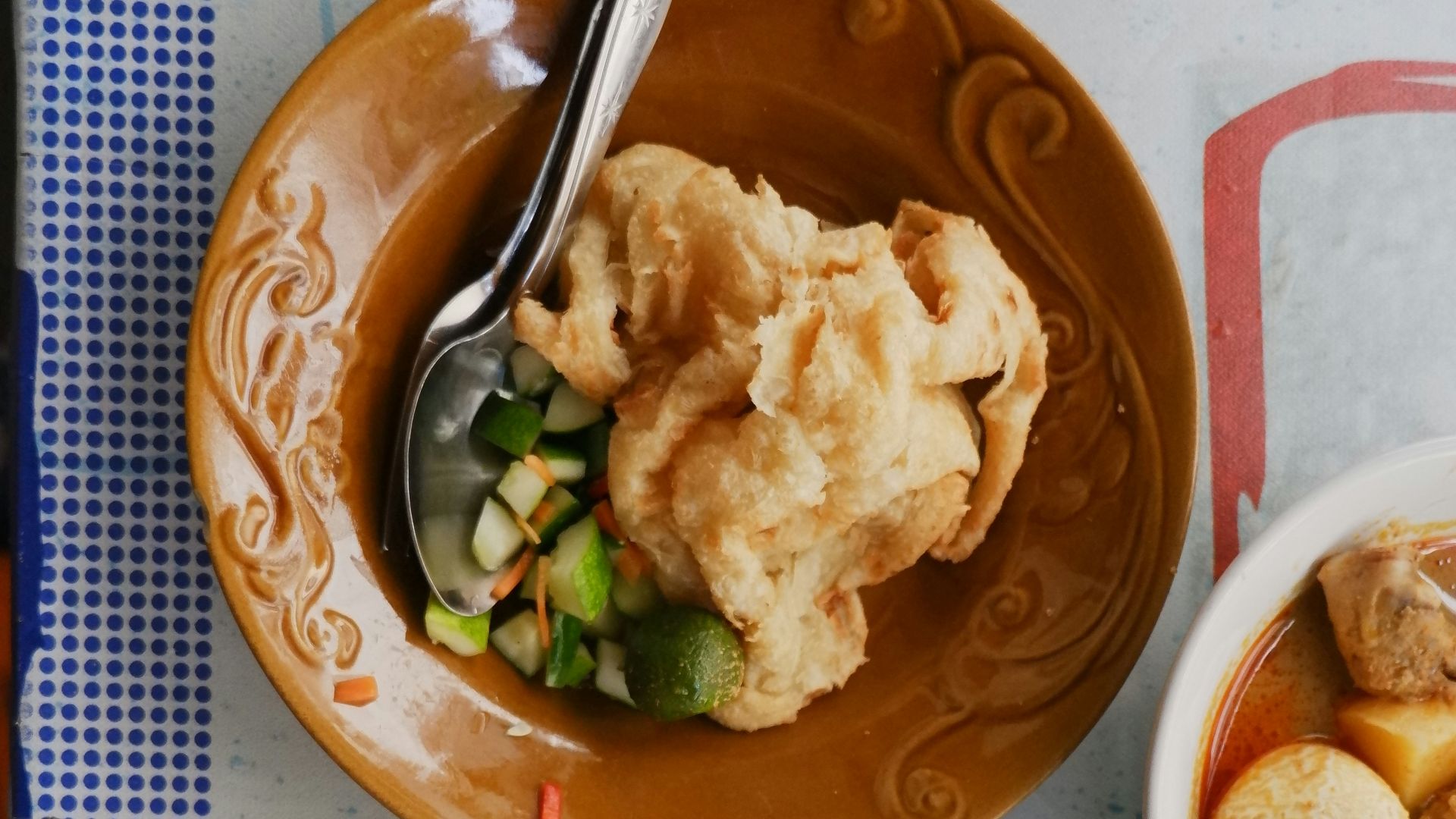
Large meals can feel uncomfortable when there isn’t much room left in your belly. Smaller meals throughout the day may be easier to handle and can help with that heavy, too-full feeling. Simple meals and snacks can be gentler than trying to sit down to one big plate.
4. Keep Water Within Reach
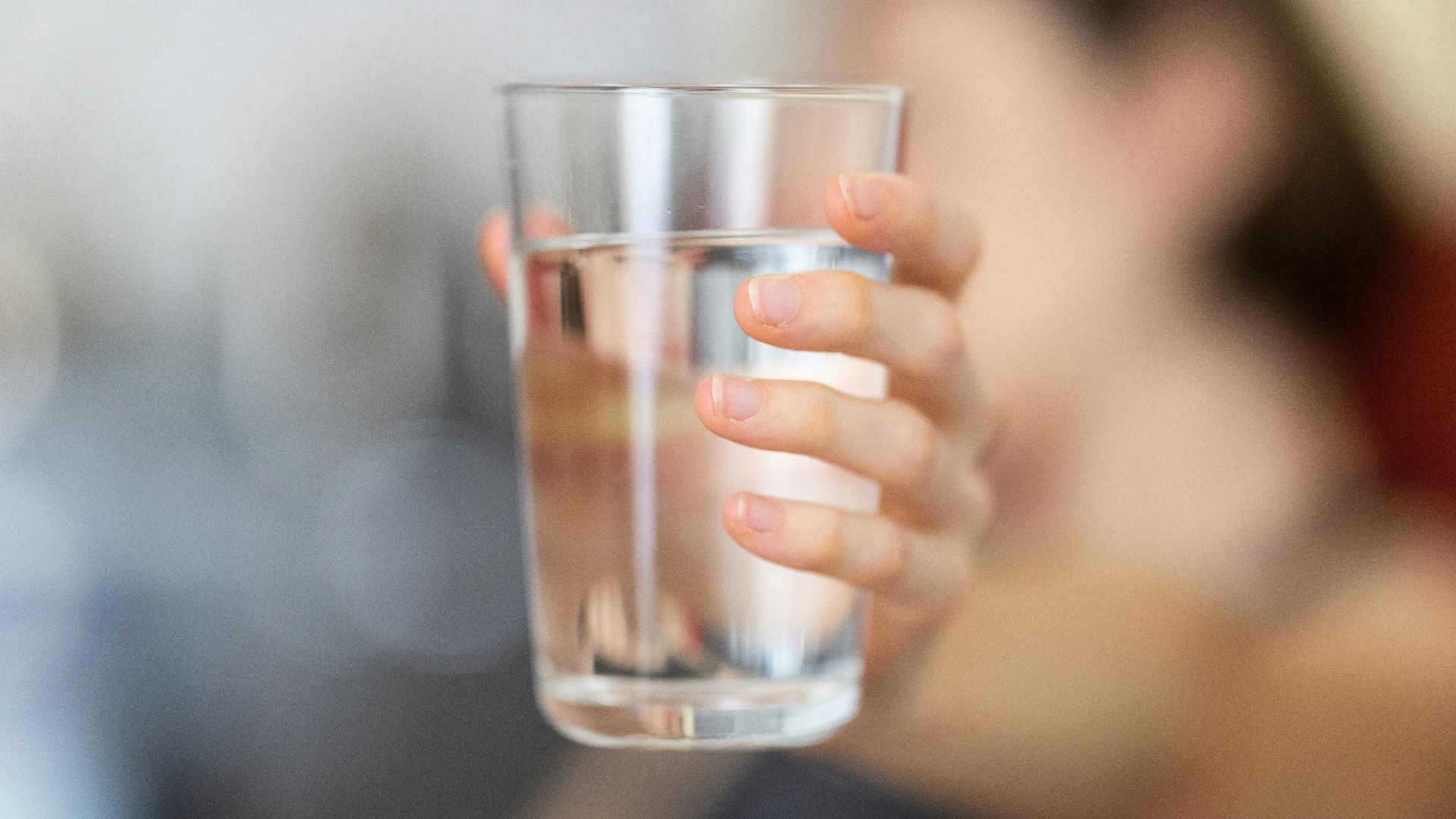
Drinking enough water matters during pregnancy, and it’s much easier when water’s already nearby. Keep a bottle next to the bed, on your desk, by the couch, and in the car so you don’t have to keep reminding yourself.
5. Take Gentle Walks
You don’t need a hard workout for movement to help. A short walk around the block, an easy trip through the store, or 10 slow minutes after dinner can help with blood flow, digestion, mood, and stiffness.
6. Wear Supportive Shoes
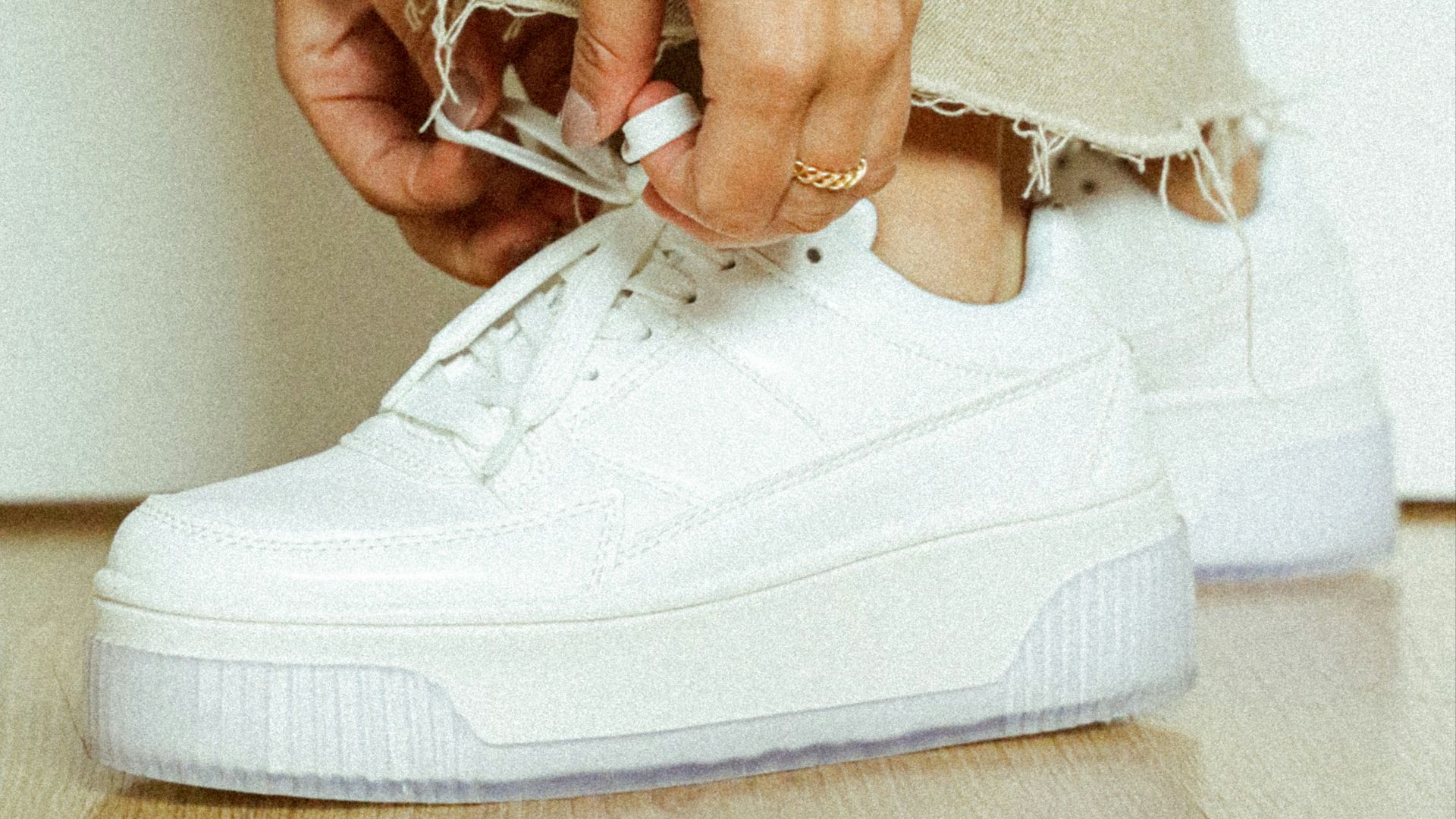
Late in pregnancy, your balance changes, and your feet may feel sore, swollen, or tired. Shoes with cushioning and steady soles can make walking, errands, and appointments feel easier. This is a good time to choose shoes that feel kind to your feet.
 Ihssan Rami Azouagh on Unsplash
7. Try A Maternity Support Belt
A maternity support belt may help with some lower-back, hip, or pelvic discomfort by giving your belly extra support. It can be useful when you’re walking, standing, or doing light chores around the house. The belt should feel snug and supportive, not tight or painful.
 Luis Becerra Fotógrafo on Pexels
8. Put One Foot Up While Standing
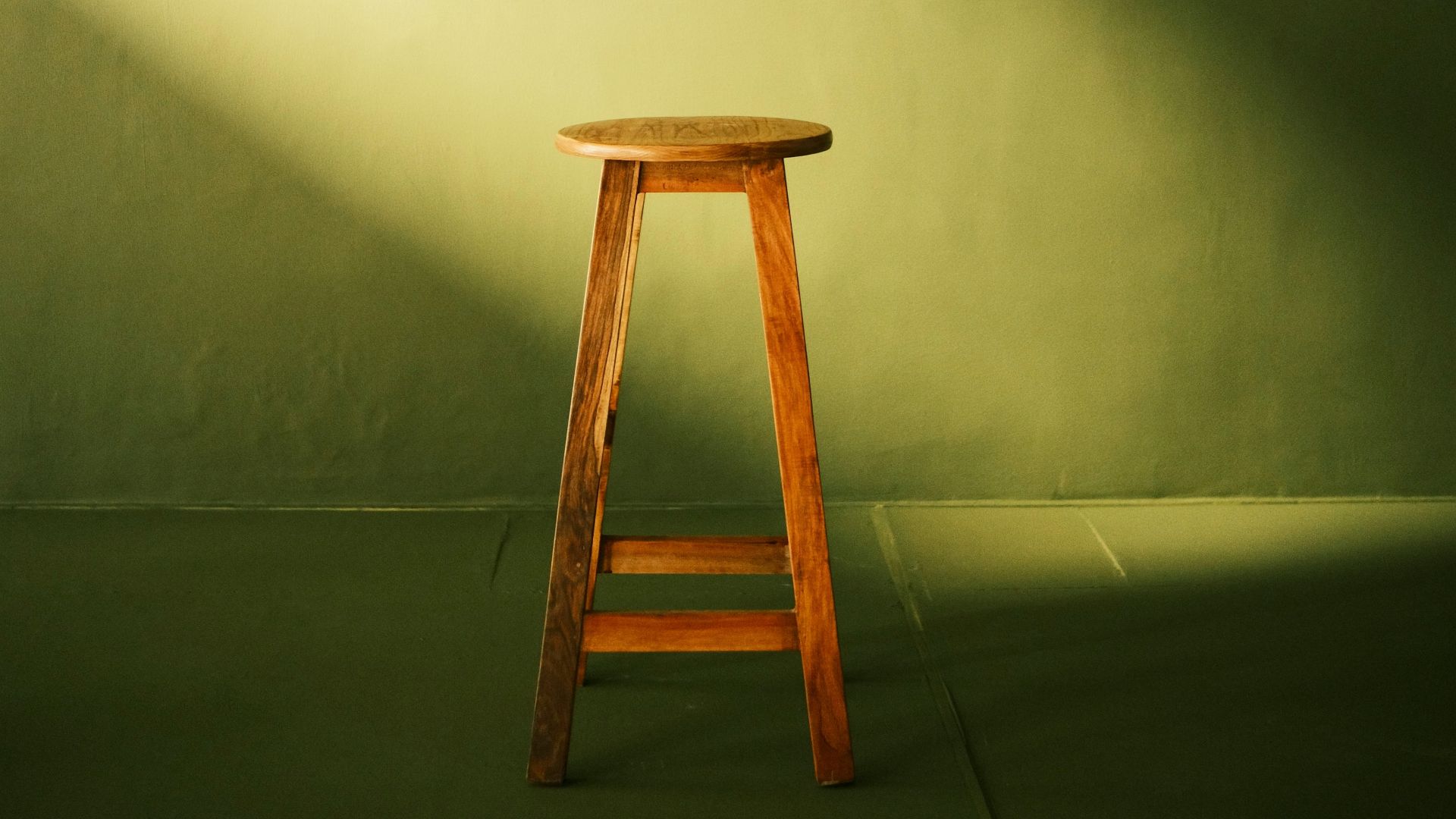
Standing for a long time can make back pain worse. Resting one foot on a low stool, step, or sturdy box can help take some pressure off your back and hips. Switch sides every so often so one side of your body doesn’t end up doing all the work.
9. Sit Down To Get Dressed
Getting dressed can feel awkward in late pregnancy, especially when your belly blocks your view, and your balance feels off. Sitting down to put on underwear, pants, socks, and shoes can make the whole process safer and easier. It’s a tiny change, and it can save you from wobbling around the room while trying to find your footing.

10. Use Gentle Heat Or Cold On Your Back
Backaches are common in the later months of pregnancy as your body carries more weight and your posture changes. A warm shower, a heating pad on a low setting on your back, or a cold pack wrapped in a towel may help sore muscles feel better.

11. Add Fiber In Simple Ways
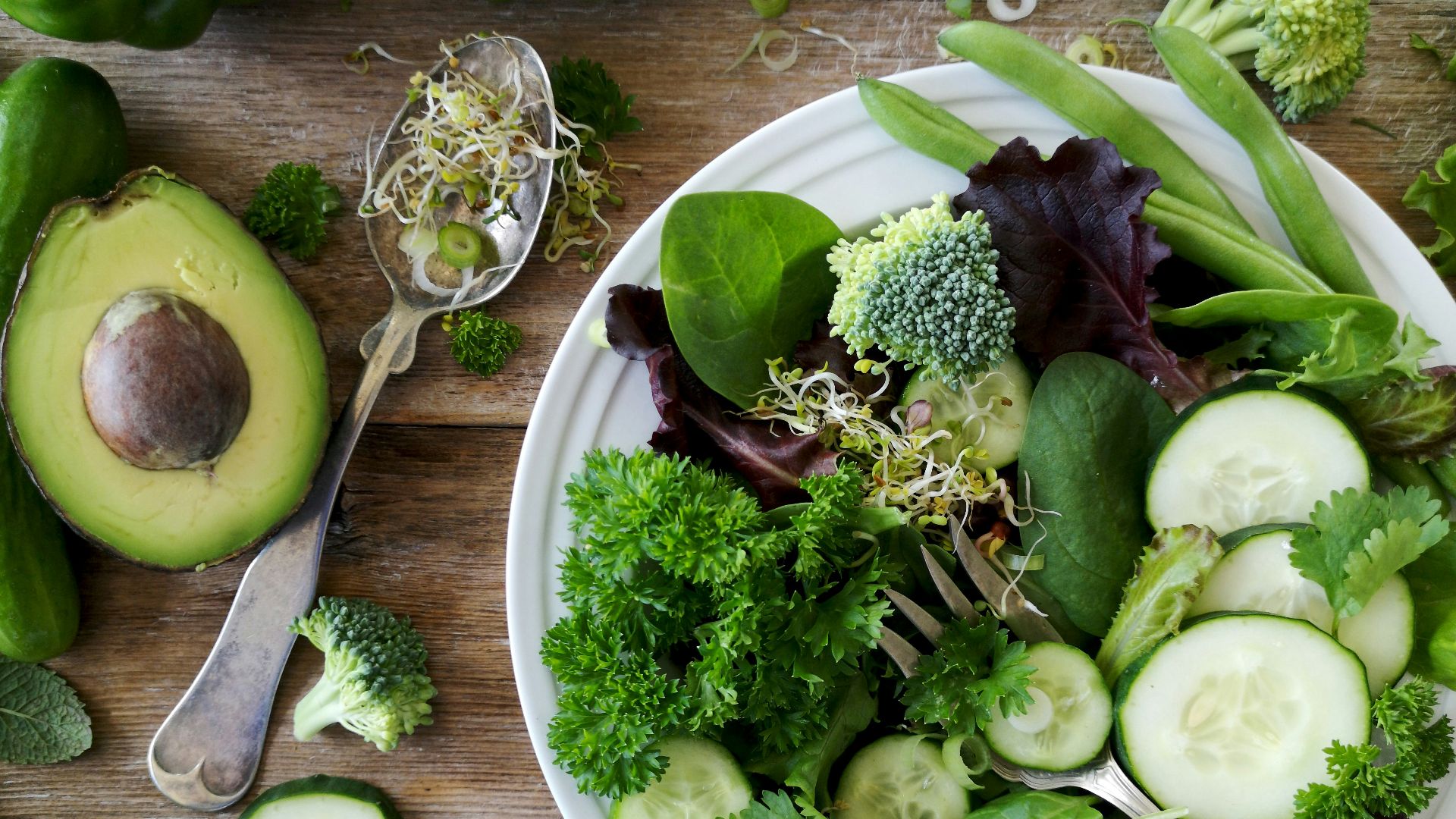
Constipation can be a stubborn problem in the third trimester. Foods like oatmeal, berries, beans, lentils, vegetables, whole-grain toast, and prunes can add more fiber to your day without making meals complicated. Drink fluids along with fiber so your body can move things along more comfortably.
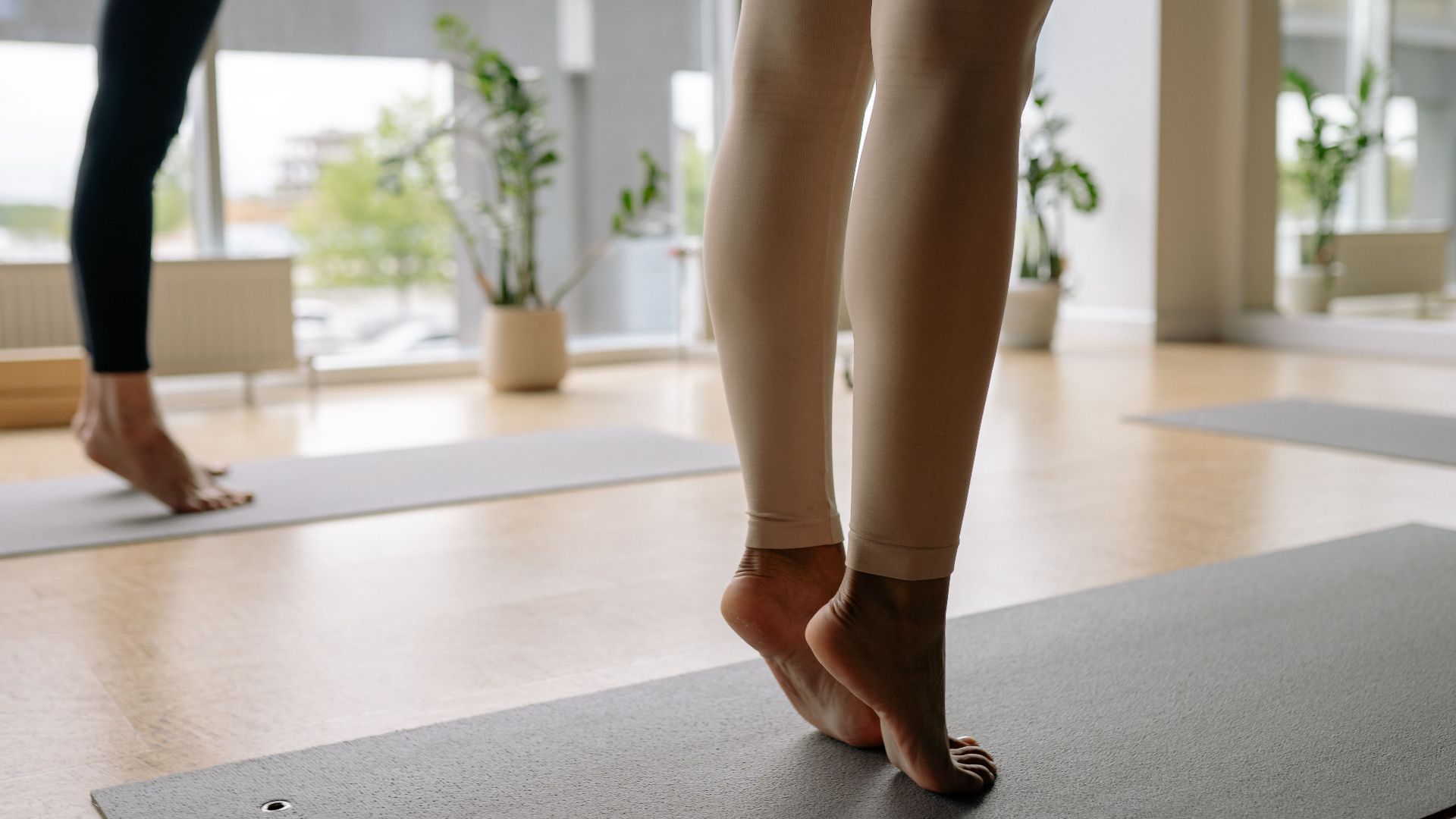
12. Stretch Your Calves Before Bed
Leg cramps often show up at night, right when you’re trying to rest. Gentle calf stretches, ankle circles, and flexing your feet before bed may help your lower legs relax.
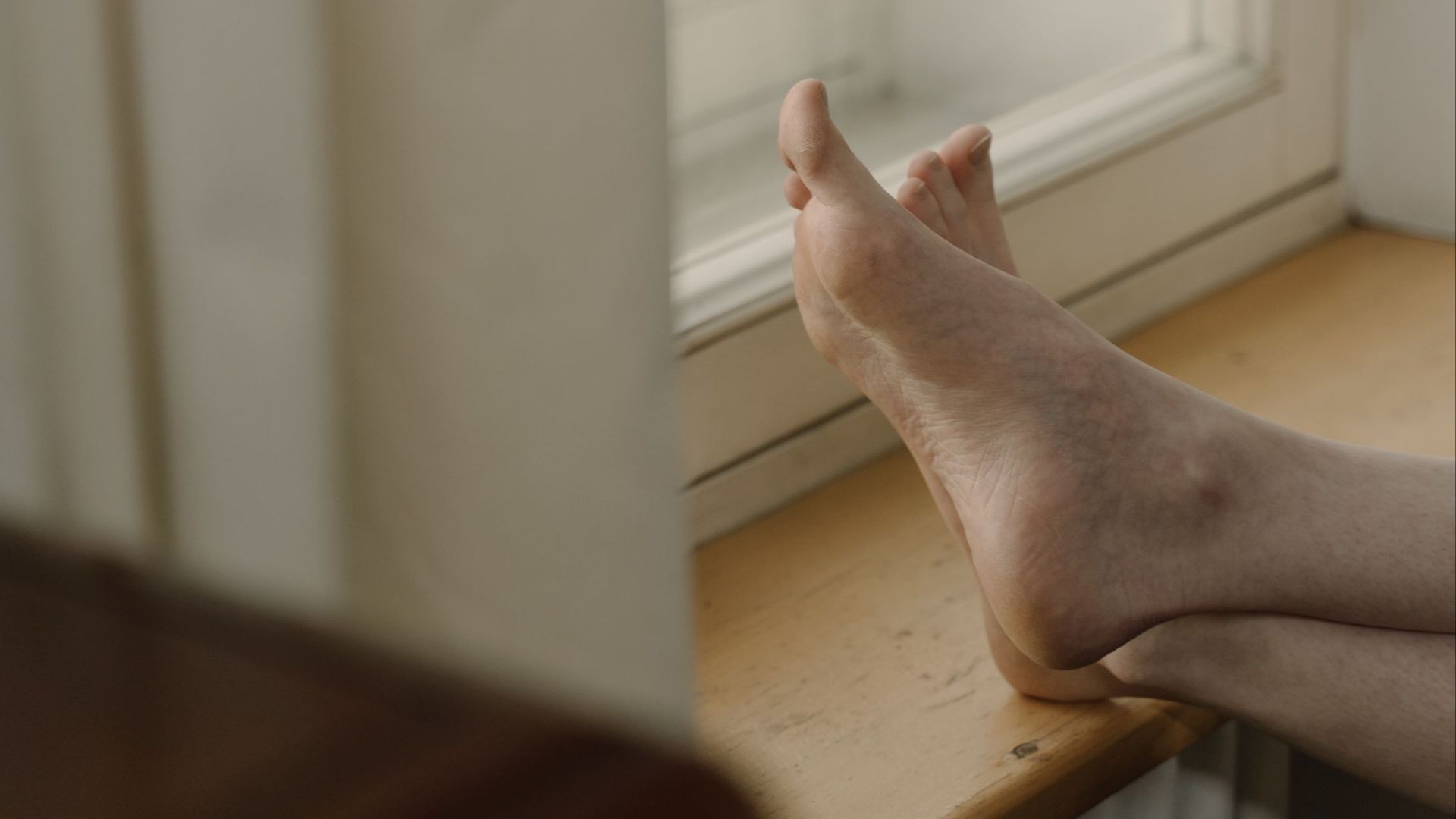
13. Elevate Swollen Feet
Mild swelling in the feet and ankles is common late in pregnancy, especially after standing, warm weather, or a long day. Putting your feet up while you rest can help ease that heavy, puffy feeling. Comfortable shoes, short walking breaks, and avoiding crossed legs may also help.
14. Dress To Stay Cool
Many pregnant people feel warmer than usual. Loose clothing, light layers, breathable fabrics, a fan, and cool showers can help you feel more comfortable. Clothes that worked earlier in pregnancy may start feeling too tight, too warm, or just plain annoying by the last months.

15. Keep A Pillow Between Your Knees
A pillow between your knees can help your hips, pelvis, and lower back feel more supported while you sleep. You don’t need a special pregnancy pillow if you already have something that works. A firm regular pillow, folded blanket, or small body pillow can help as long as it stays in place.
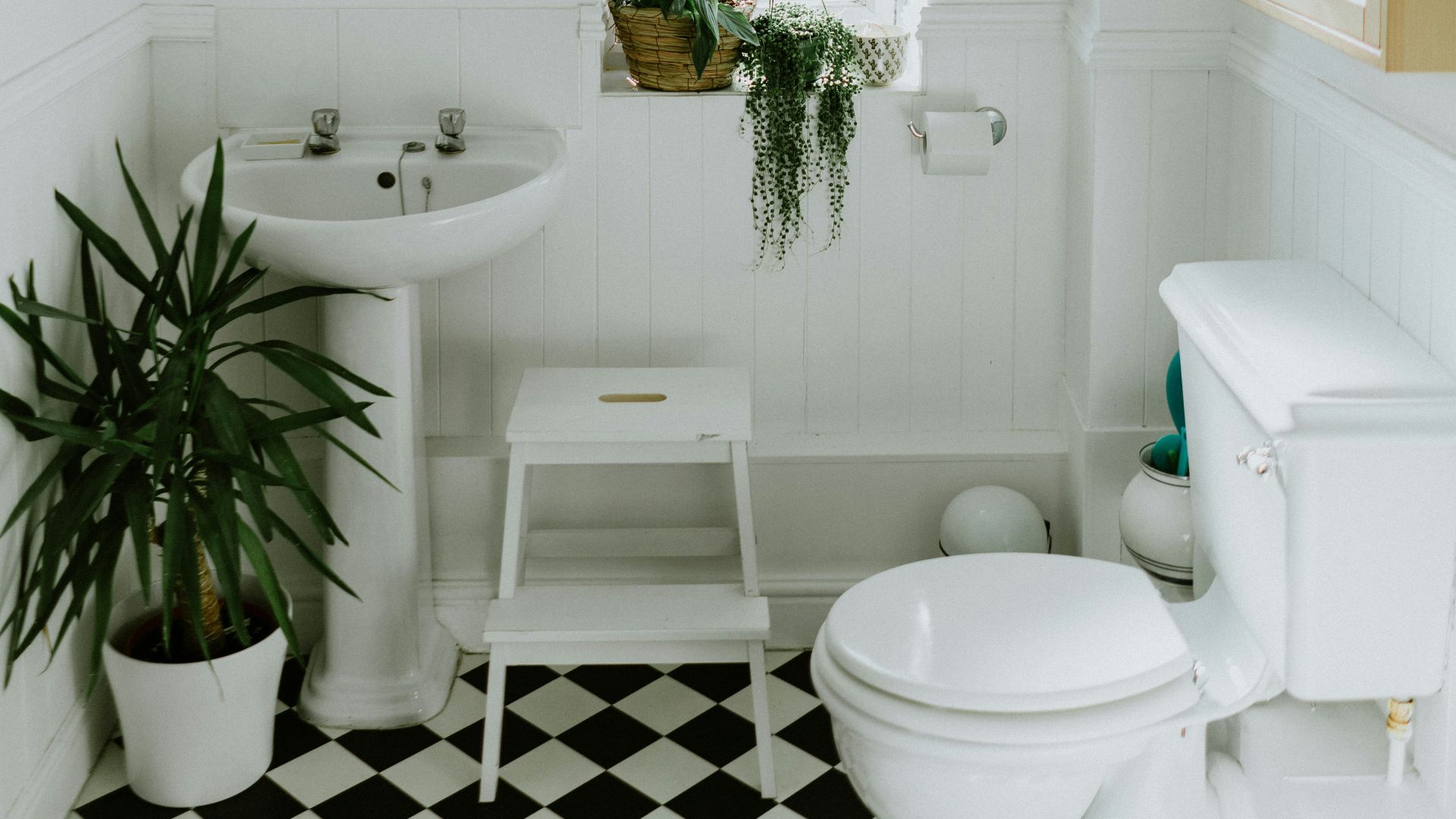
16. Plan Around Bathroom Breaks
Needing to pee often is very common in the third trimester because the baby can put more pressure on your bladder. Try using the bathroom before you leave the house, before bed, before meetings, and before sitting down for a movie you’d like to finish.

17. Sit Tall To Breathe Easier
As the baby grows, pressure near your ribs can make breathing feel harder, especially when you’re slouched or lying flat. Sitting upright, relaxing your shoulders, and resting with your upper body slightly raised may help you breathe more comfortably.

18. Hemorrhoids
Hemorrhoids are common in late pregnancy, even though they can be uncomfortable and annoying. Warm soaks, cold packs, drinking fluids, eating fiber-rich foods, and avoiding straining may help.
19. Rest Before You Crash
Third-trimester tiredness can hit quickly, especially after errands, showers, appointments, or chores. Short rests before you’re completely worn out can help you get through the day with more energy. Resting sooner can be easier than trying to recover after you’ve pushed too far.

20. Know When To Call For Help
Comfort tricks can help with everyday aches, but they’re not meant for serious symptoms. Call your care team right away for a severe headache, vision changes, chest pain, trouble breathing, heavy bleeding, leaking fluid, sudden swelling of the face or hands, one-sided leg swelling, fever, severe belly pain, or if the baby is moving less than usual.
KEEP ON READING

20 Natural Ways You Can Boost Your Immune System
20 Ways To De-stress & Relax After Work
The 10 Most Common Diseases & The 10 Most Rare