Our Leftover Biological Baggage
You might think the human body is a finely tuned machine of absolute perfection, but the reality is that our anatomy looks a lot like an old house that has never been properly cleaned out. Evolution takes a really long time to completely erase features, which means we are all walking around with a collection of anatomical leftovers that our ancestors actually needed but we definitely do not. These biological relics, known as vestigial structures, are completely harmless for the most part, though not always.

1. The Infamous Appendix
This small, pouch-like organ, which dangles from your digestive tract, causes mayhem every time it acts up, but let’s remember how pointless it is. Apes and our distant ancestors needed it to store extra bacteria to digest foliage. Now that we cook our food and don’t eat raw plants, we don’t need those bacteria.

2. The Stubborn Wisdom Teeth
The strong jaws and huge molars of our ancestors enabled them to crush bone and pulverize raw vegetation. They also had an extra set of molars to spread out the workload of chewing. As humans evolved, our jaws grew smaller due to our expanding brains, and now wisdom teeth don’t have enough room to grow in properly.

3. The Relic of a Tailbone
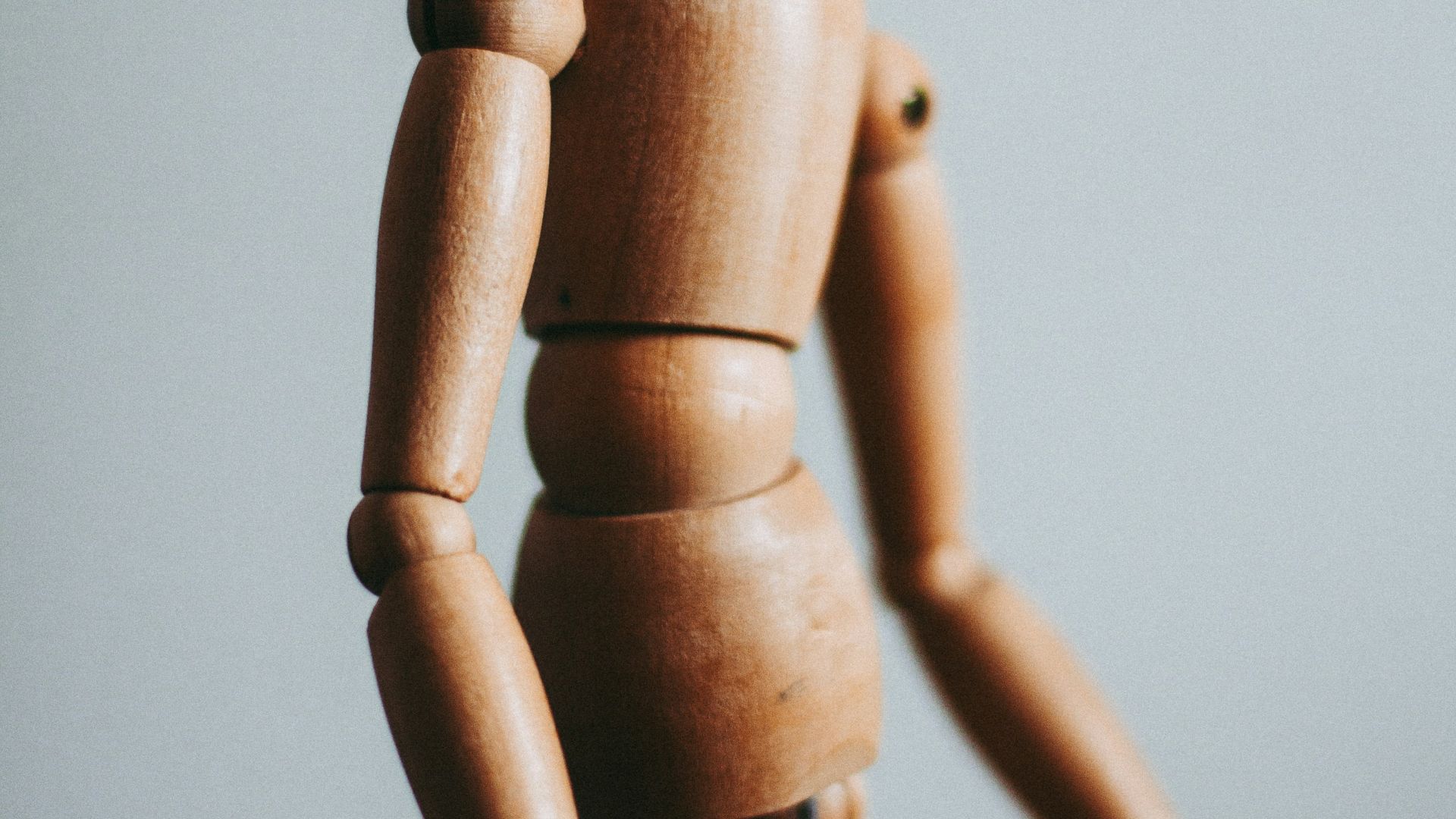
If you reach down to the very base of your spine, you will feel a small cluster of fused vertebrae known officially as the coccyx. This structure is the literal leftover base of a primate tail that our tree-dwelling ancestors used for balance. It now serves as a painful reminder of our history whenever you accidentally sit down a bit too hard.
 Kira auf der Heide on Unsplash
4. The Goosebump Muscles
Got goosebumps? Thank the tiny arrector pili muscles you’ve been programmed to contract when faced with cold temperatures or sudden fright. This formerly hairy primate raised its fur to stay warm and make itself look bigger to predators.

5. The Third Eyelid Remnant
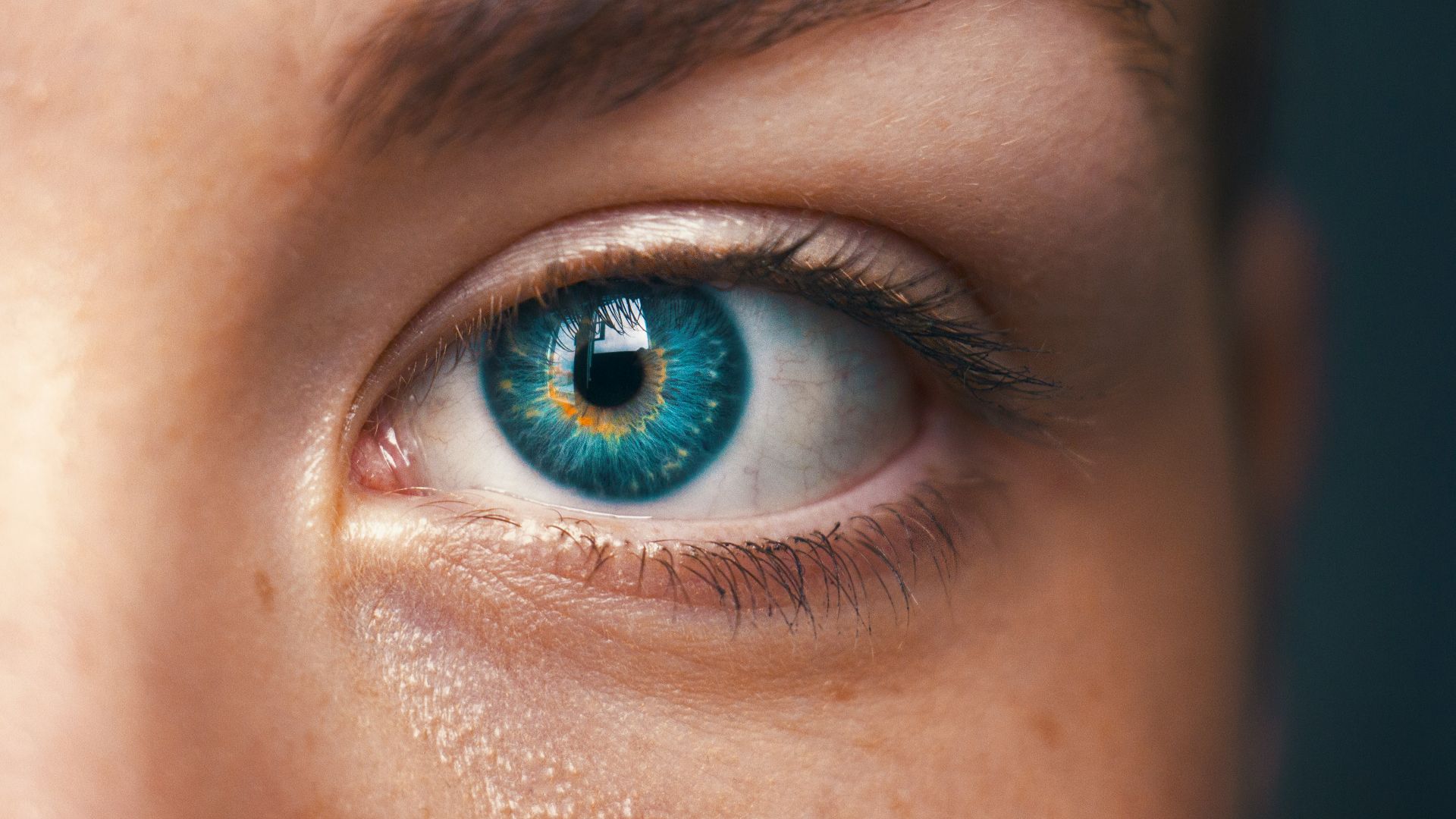
Ever wonder why you have that pink little sliver of tissue in the corner of your eye? It’s called the plica semilunaris and is all that’s left of your third eyelid. Many creatures, from fish to reptiles, use a translucent flap of tissue to protect their eyes underwater and wipe away debris while maintaining visibility.
6. The Ear-Wiggling Muscles
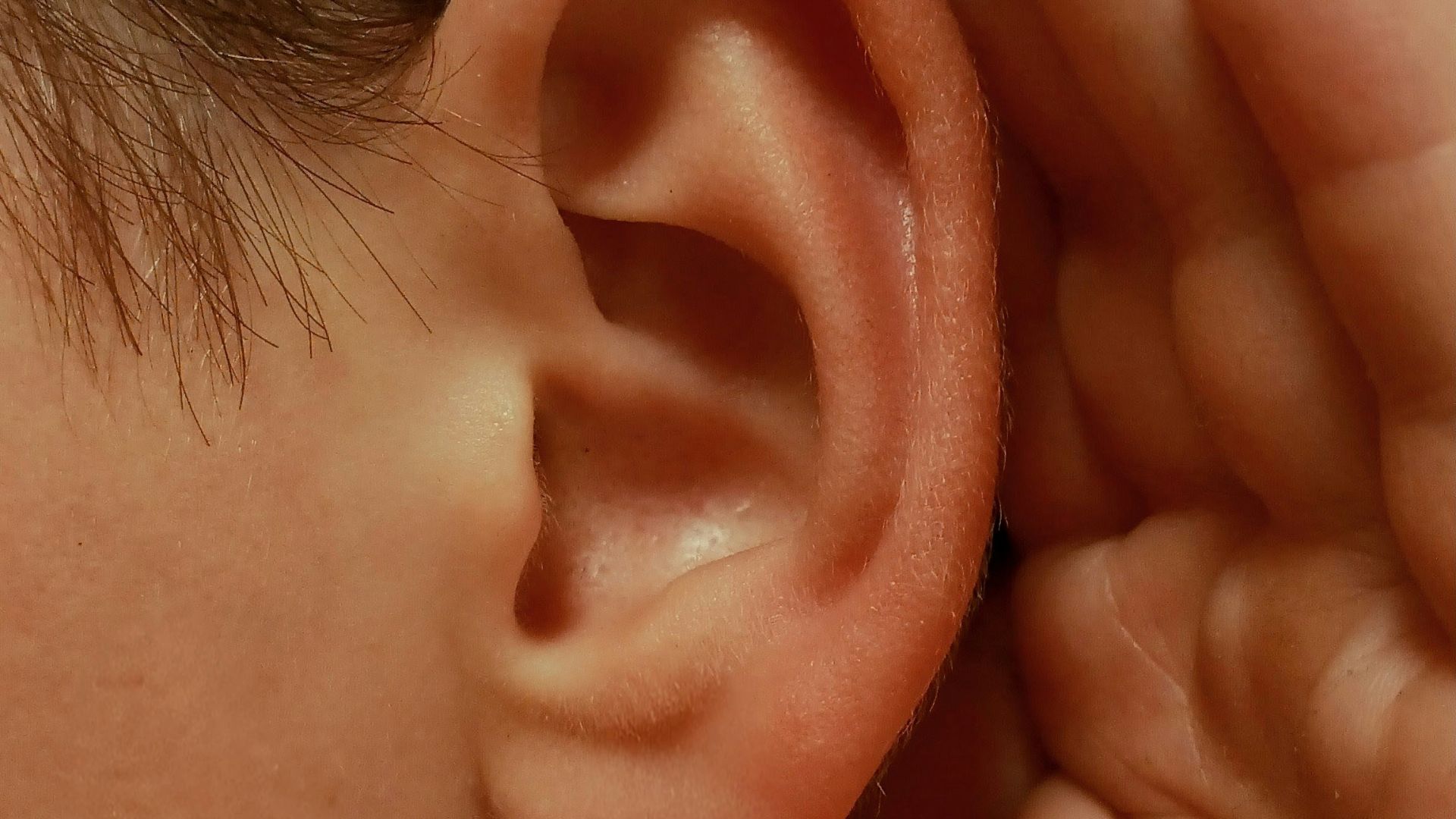
A small percentage of the population can entertain crowds by shifting their ears back and forth without moving the rest of their face. This ability comes from the auricular muscles, which our mammalian ancestors used to rotate their ears independently toward the faint sound of a sneaking predator.
7. The Vanishing Wrist Tendon
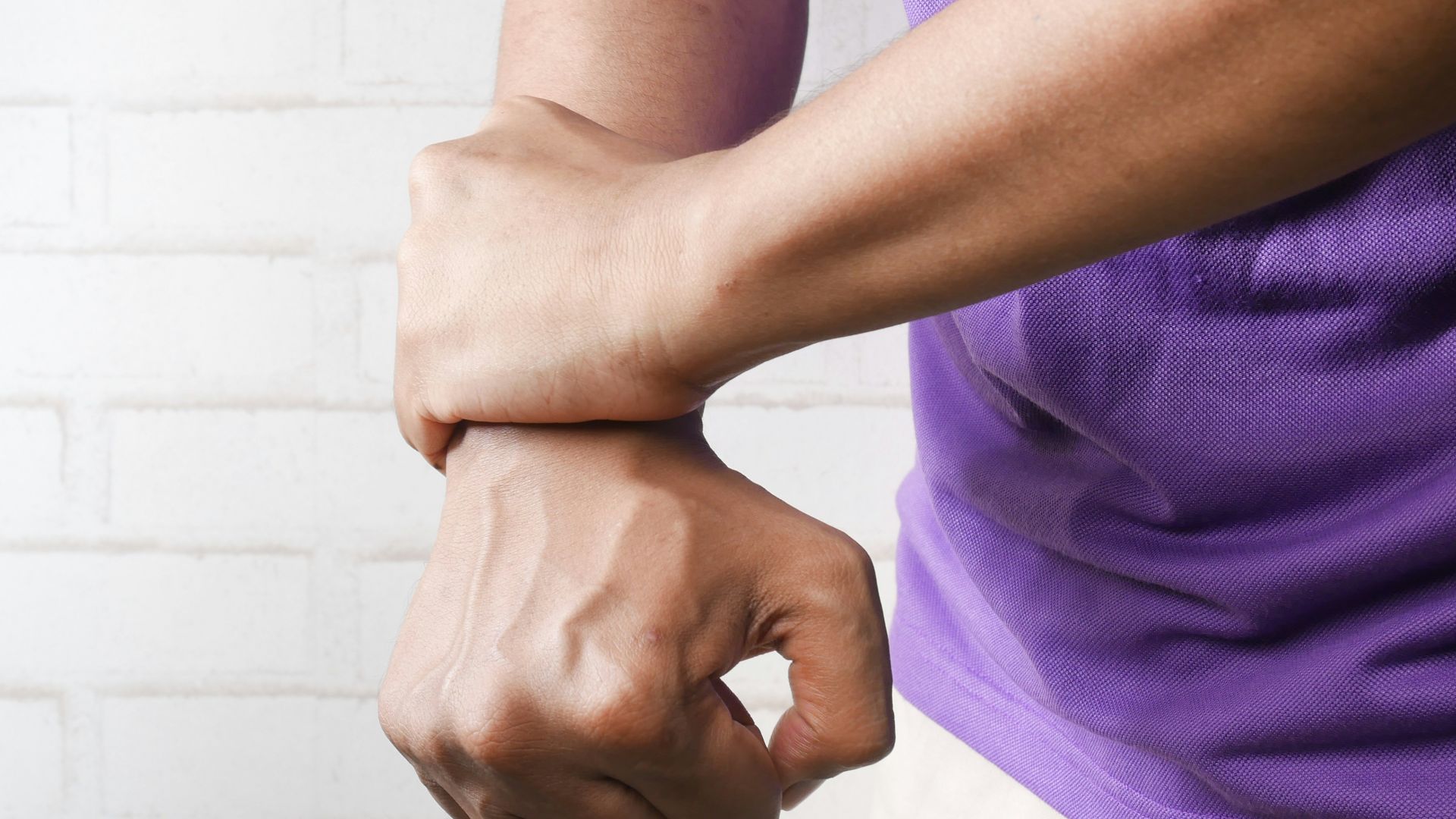
If you press your thumb against your pinky finger and tilt your wrist upward, you might see a thin tendon pop up in the center of your forearm. This belongs to the palmaris longus muscle, a feature that ancient primates relied on heavily for hanging from tree branches and leaping through the jungle canopy.
8. The Grasping Infant Reflex
Newborn babies possess an incredibly strong palmar grasp reflex that allows them to support their own body weight if they hold onto your fingers. This behavior is from an era when primate infants had to cling tightly to their mother’s thick fur while she climbed through trees or ran from danger. Since human mothers no longer sport coats of fur, the reflex serves no purpose.

9. The Male Chest
This anatomical quirk often confuses people because men obviously do not need to nurse offspring to keep the species going. The explanation comes down to the earliest stages of embryonic development in the womb, where all human fetuses follow a default female blueprint. They simply remain on the chest as a completely benign, functionless design feature.

10. The Foot-Flexing Plantaris Muscle
Your feeble plantaris muscle is just a useless remnant from a time when we used our feet to climb things. It can still be found lurking in the calf of your leg but serves no real purpose. This pathetic excuse for a muscle gets stressed during workouts all the time, and many people are naturally born without it.

11. The Prehistoric Sinus Cavities
Filled with snot and prone to inflammation, your impressive sinus cavities may feel useless, but they do help give you depth of voice. Your skull would be heavier without them, but why they evolved to be so large still remains a mystery.
 Alexander Krivitskiy on Unsplash
12. The Ancient Jacobson's Organ
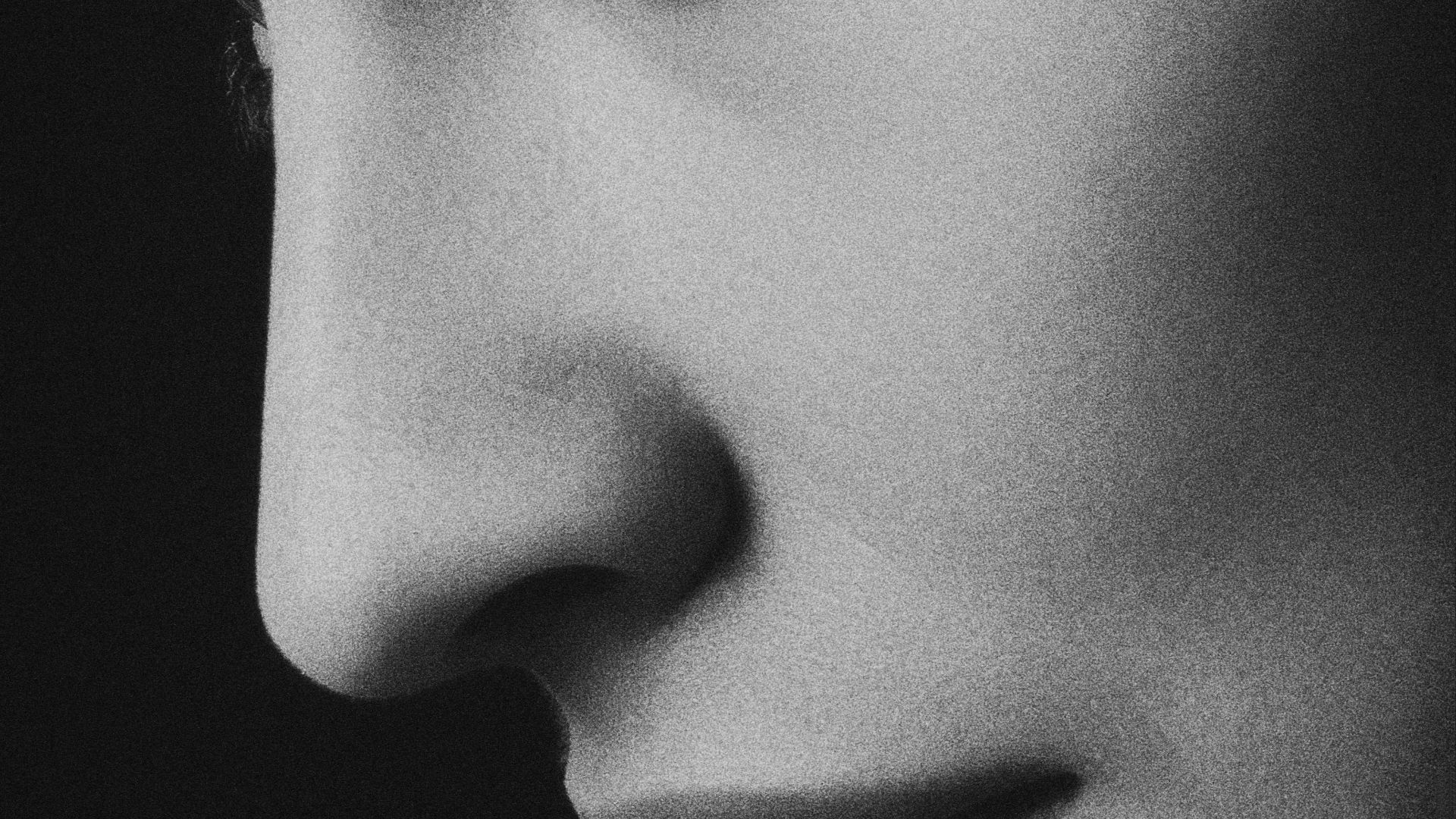
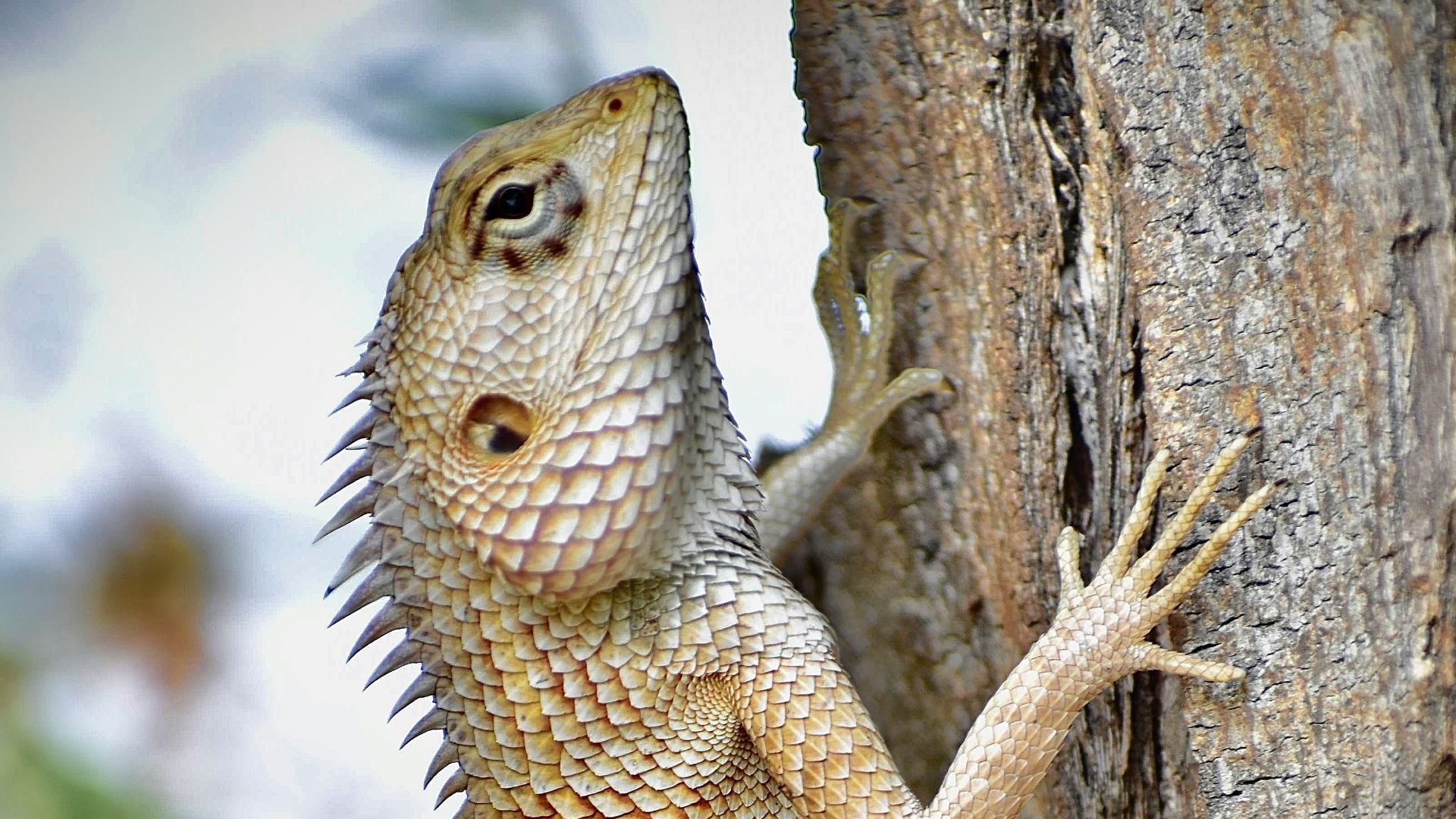
Located inside the human nasal cavity is a tiny, non-functional pit that represents the remnants of the vomeronasal organ. In animals like snakes, lizards, and cats, this specialized structure detects pheromones and tracks chemical signals to find mates or avoid rivals. Human beings possess the physical structure, but the nerve pathways connecting it to our brains have completely degenerated.
13. The Extra Rib Clones
While the vast majority of humans are born with twelve neat pairs of ribs, about one percent of the population features a thirteenth set known as cervical ribs. This anatomical anomaly grows just above the normal rib cage, right at the base of the neck. It mirrors the skeletal structure of chimpanzees and gorillas.
14. The Deep Segmented Abdominal Muscles
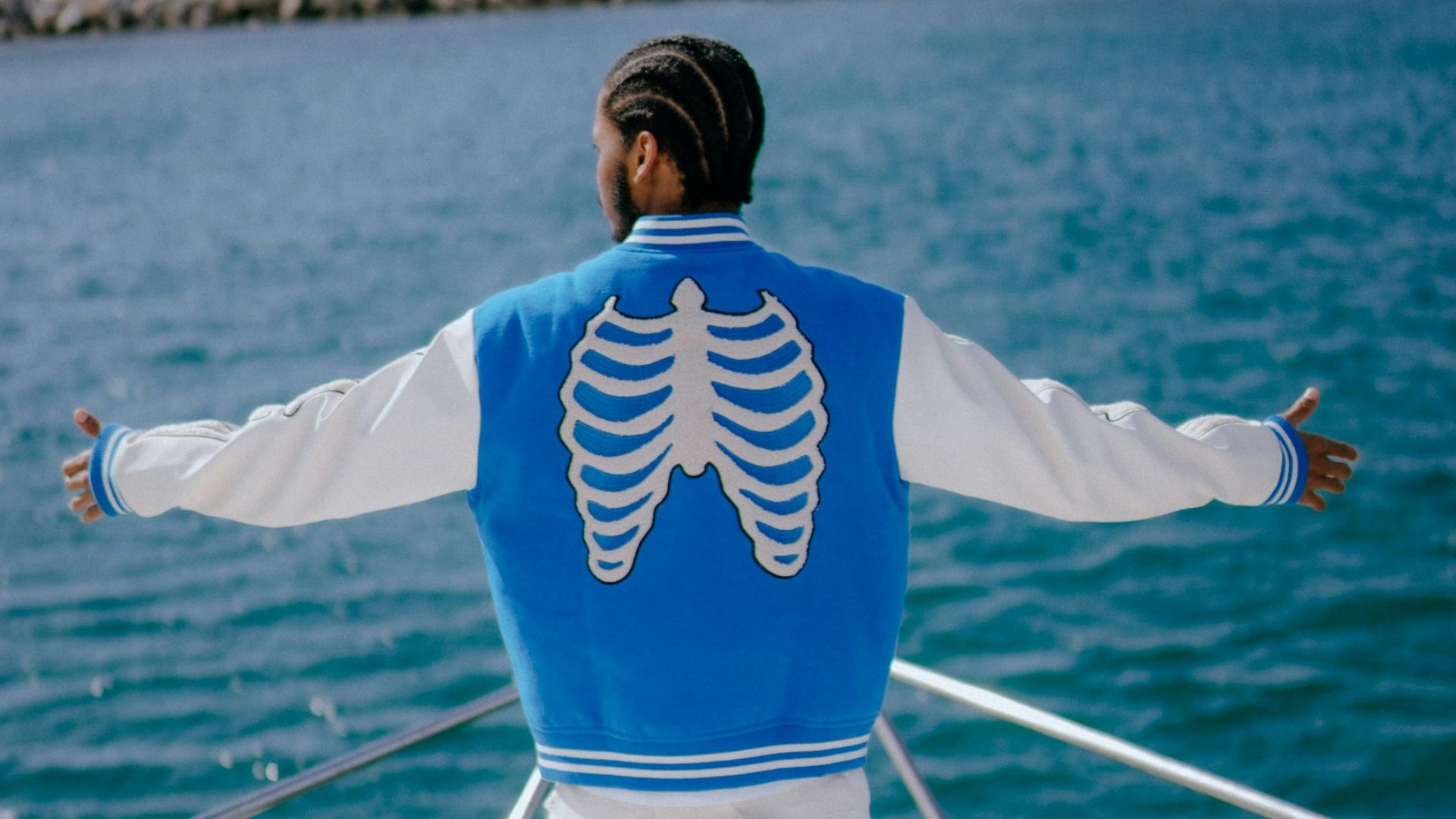
The distinct lines that create a defined six-pack look on an athlete are actually a structural remnant from our ancient, multi-segmented ancestors. Animals like fish and reptiles rely on these segmented muscle bands to bend their entire bodies from side to side to move through water or scurry across the ground. Humans transitioned to an upright posture rather than wriggling.

15. The Primitive Subclavian Muscle
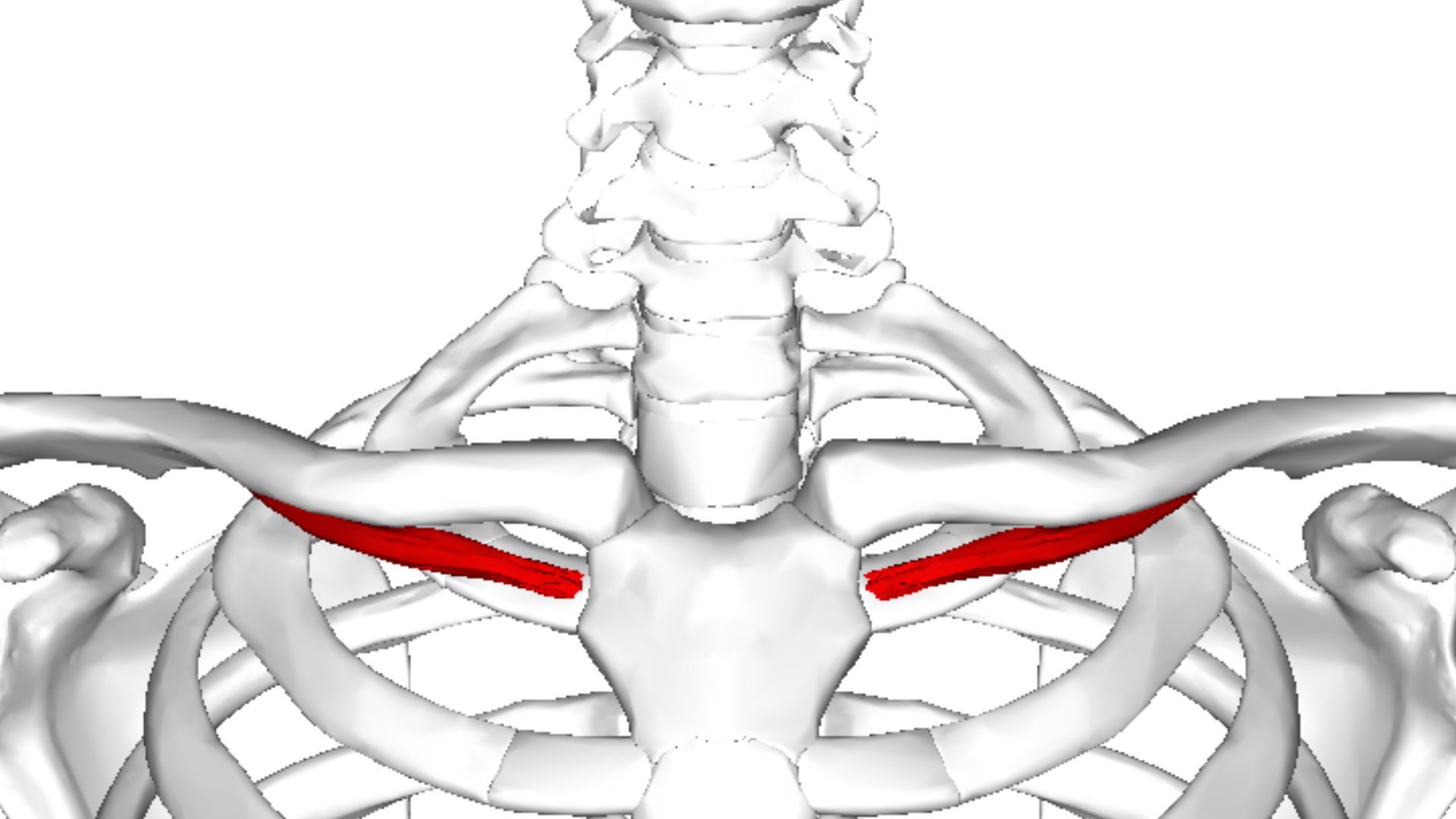
Tucked away directly beneath your shoulder blade is a tiny muscle called the subclavius, which runs from the first rib straight to the collarbone. This tissue was incredibly useful back when humans walked on all fours because it stabilized the shoulder joint during the heavy impact of quadrupedal movement.
16. The Sleepy Pineal Eye Connection
Deep inside the center of the human brain rests the pineal gland, a small organ responsible for producing melatonin to regulate your daily sleep cycles. This gland is actually the direct evolutionary descendant of a parietal eye. It sits on top of the head in certain primitive lizards and detects changes in daylight.

17. The Body Hair Highway
Humans are often called the naked apes, but we actually possess roughly the same number of hair follicles across our bodies as a chimpanzee. The big difference is that our hair evolved to be incredibly fine, short, and translucent, making it look like we are completely bare from a distance. Ancient humans needed thick fur to protect themselves from intense UV rays.

18. The Pyramidalis Muscle Pocket
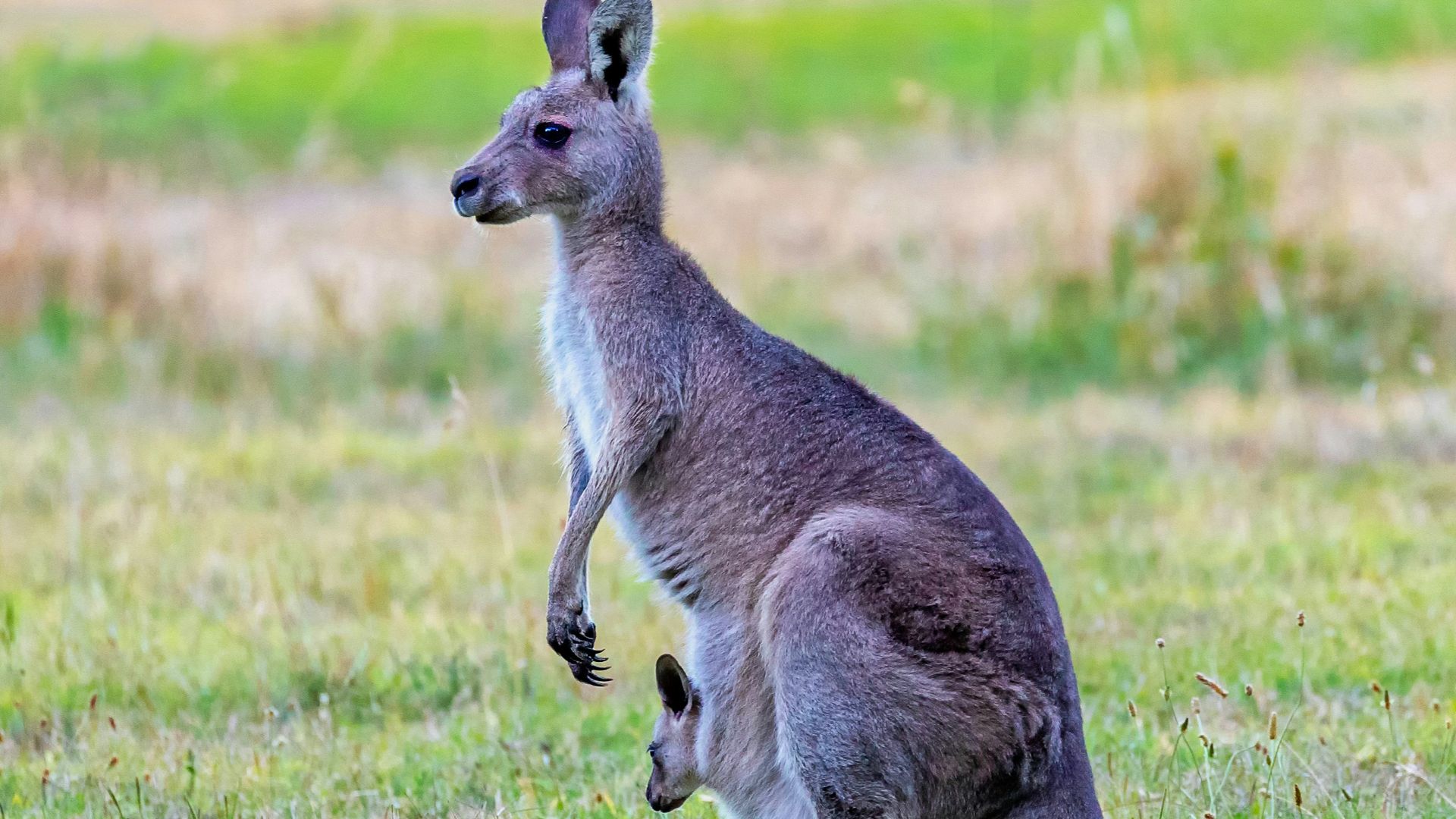
Located in the lower abdomen, this tiny, triangular muscle attaches to the pubic bone and is completely absent in about twenty percent of all humans. It is a direct structural hand-me-down from marsupials and ancient egg-laying mammals, who used it to contract and stabilize their reproductive pouches. Since humans switched to a completely different reproductive strategy millions of years ago, we no longer require pouches.
19. The Hidden Gill Slits
Fish don’t grow mammalian features halfway through gestation, but humans sure do. Early in our development as embryos in the womb, we actually grow gill slits in our necks. Before the genes start telling your body to grow human features, we are programmed to develop fish-like features.

20. The Extinct Brow Ridge
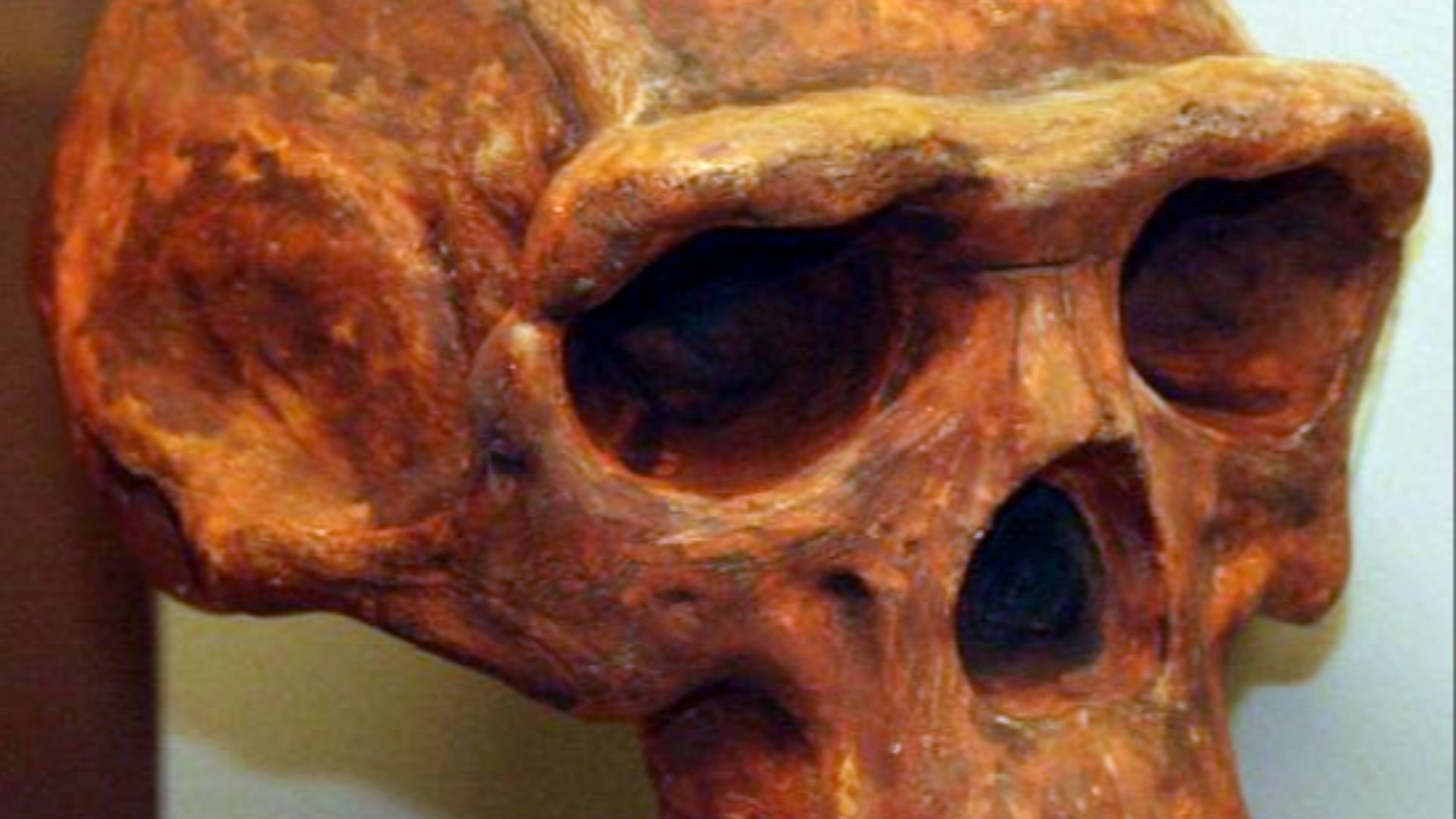
This thick ridge helped absorb the immense physical strain placed on the skull by massive jaw muscles when our ancestors chewed tough food. Modern humans developed flat foreheads and smaller jaws, which caused this heavy bone structure to disappear almost entirely over time.
KEEP ON READING