Your Body Keeps Score
Getting older doesn't mean you have to slow down, but it does mean some of the things you've been doing on autopilot deserve a second look. A lot of these habits feel totally harmless, and for most of your life they probably were. The tricky part is that the risk doesn't announce itself. One day you're fine, and the next you're wondering why something you've done for decades is suddenly causing problems. Here's 20 everyday habits that quietly get more dangerous as the years add up.

1. Skipping Sunscreen
You may have gotten away with it in your twenties, but sun damage compounds. Skin loses elasticity and its ability to repair itself over time, which makes unprotected exposure in your fifties or sixties carry real consequences, including an elevated risk of melanoma that just wasn't there before.

2. Sleeping In on Weekends
Irregular sleep schedules wreck your circadian rhythm at any age, but older adults are especially vulnerable to the fallout. Disrupted sleep is linked to cognitive decline, and the "catch-up" mentality doesn't actually work the way most people assume it does.

3. Sitting for Long Stretches
A few hours in a chair feels like nothing, but prolonged sitting slows circulation and raises the risk of blood clots, particularly in people over 50. Your metabolism also becomes less forgiving of inactivity, and the effects show up faster than they used to.

4. Drinking the Same Amount You Always Did
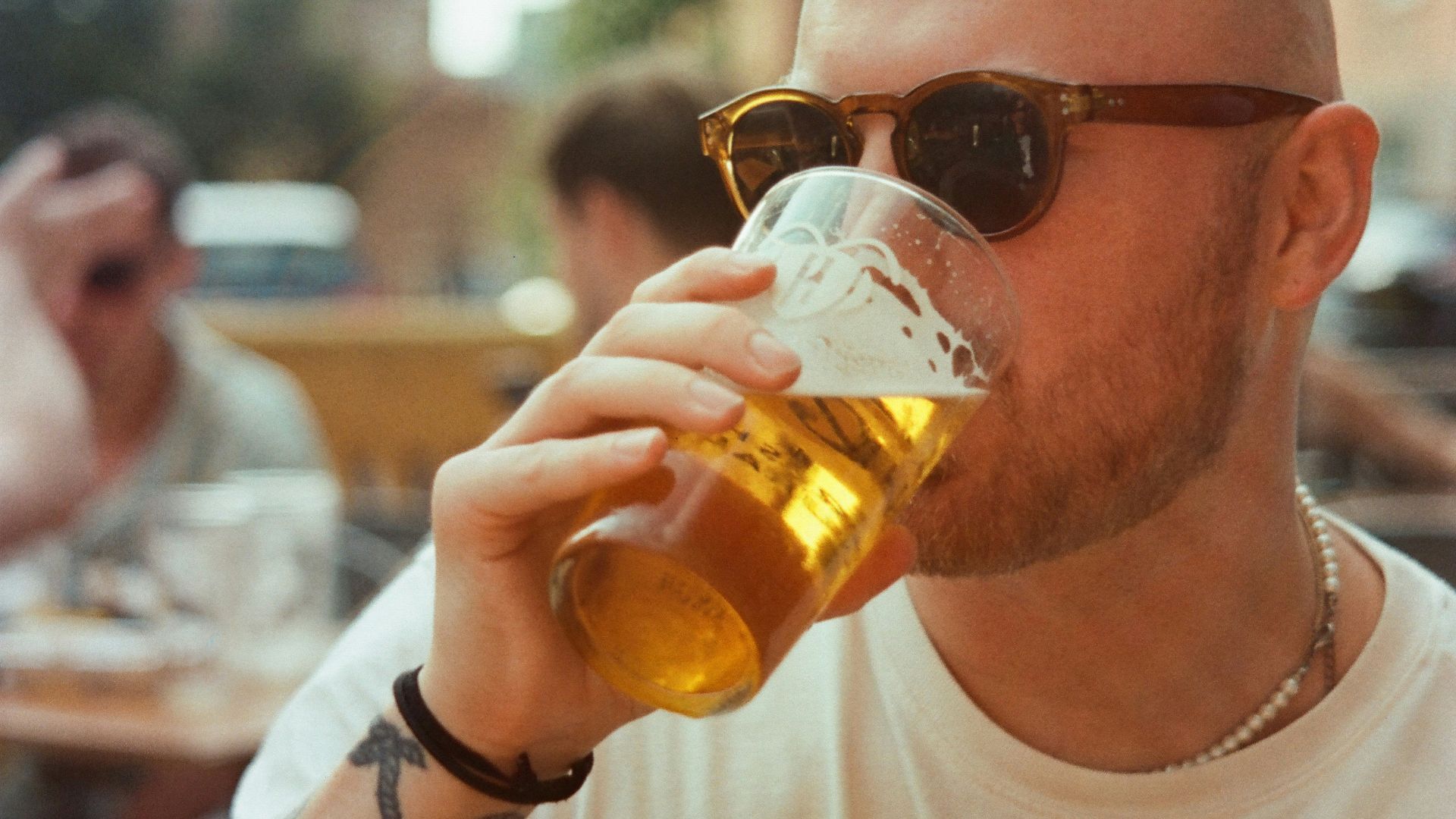
Your body processes alcohol differently as you age. Slower metabolism, lower water content in your tissues, and medications that may interact with a glass of wine all change the math. What felt like a moderate habit at 35 can tip into something more taxing by 60.
5. Ignoring Thirst Signals
Older adults have a diminished thirst response, which means you can be genuinely dehydrated before you even feel it. Dehydration in your later years is more dangerous than most people realize. It contributes to confusion, kidney issues, and falls.

6. Taking OTC Medications Without Checking Labels
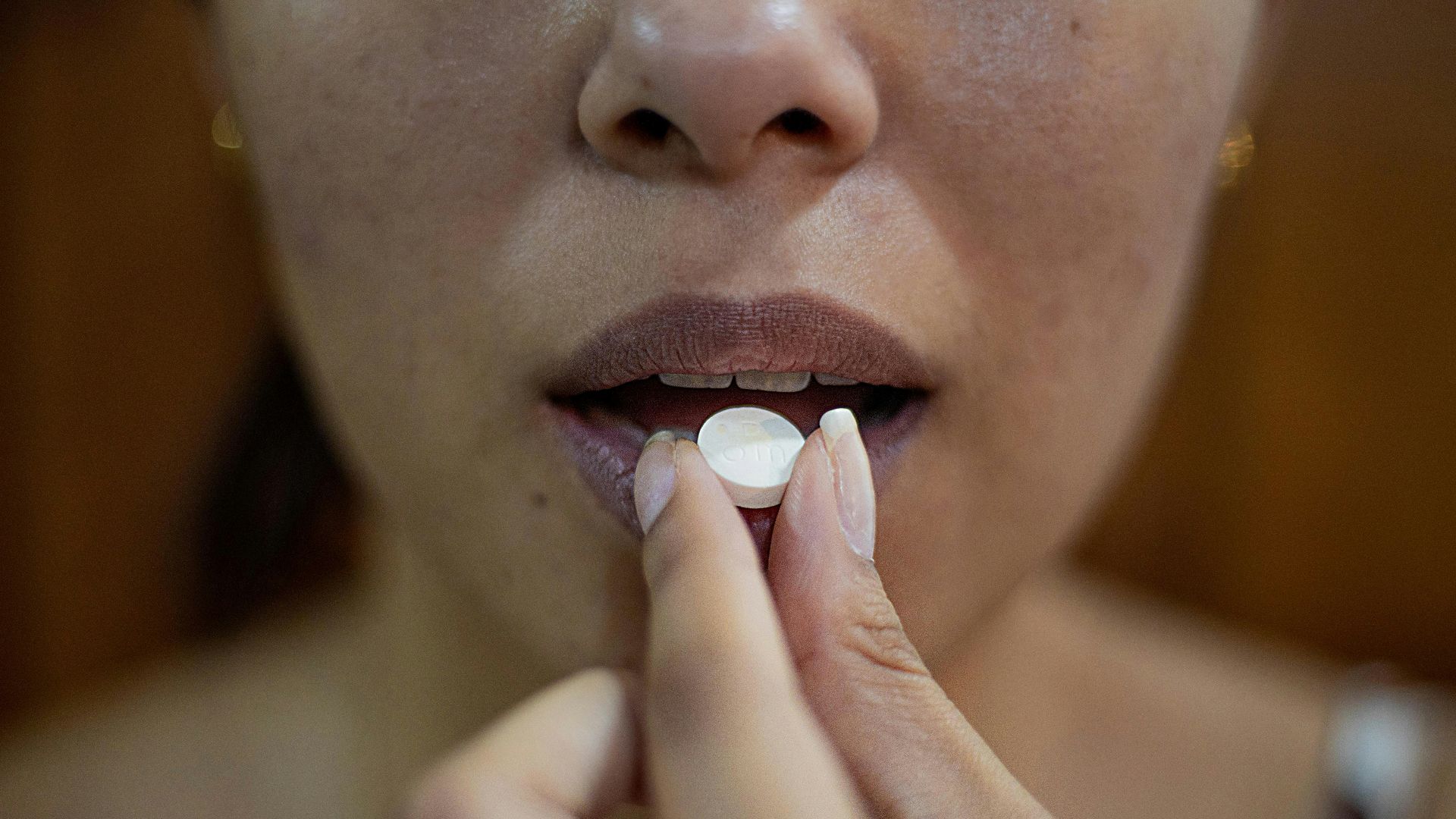
Ibuprofen, antihistamines, and sleep aids are easy to take casually because they've always felt safe. But kidney function slows with age, drug clearance takes longer, and some of these medications carry real risks for older adults that the packaging doesn't exactly highlight.
7. Eating Quickly
Digestion slows down as you get older, and eating fast puts pressure on a system that's already working harder to keep up. Acid reflux becomes more common, and the risk of aspirating food increases slightly. Both of those make slowing down at meals worth the effort.
 Gardie Design & Social Media Marketing on Unsplash
8. Skipping Annual Checkups
When you're young and healthy, skipping a physical feels like a non-issue. After 50, routine bloodwork and screenings become genuinely important because a lot of serious conditions, including diabetes, high blood pressure, and certain cancers, can develop with almost no noticeable symptoms.

9. Wearing the Wrong Shoes
Comfortable and supportive are not always the same thing. Balance becomes harder to maintain with age, and footwear that doesn't offer proper arch support or grip significantly raises the risk of a fall, which is one of the leading causes of injury in older adults.

10. Avoiding the Dentist
Gum disease has been linked to cardiovascular problems, and the connection becomes more relevant as your heart health becomes more of a concern. Dental issues also tend to accelerate in older adults, and catching problems early matters more than it used to.
Here are 10 more habits that deserve a closer look as the years pass.

1. Lifting Without Warming Up
Joints stiffen and tendons become less pliable with age, which makes diving straight into physical activity a much better way to pull something than it was at 30. Even a five-minute warmup makes a genuine difference in terms of injury prevention.

2. Relying on Coffee to Replace Sleep
Caffeine can mask fatigue, but it doesn't actually restore what lost sleep takes from your body. As you age, sleep becomes more critical for immune function and memory consolidation, and using coffee to paper over a bad night has a longer tail.

3. Crash Dieting
Rapid weight loss strips muscle mass along with fat, and muscle becomes harder to rebuild after 50. Losing and regaining weight repeatedly is also harder on the cardiovascular system than just carrying a few extra pounds, which is counterintuitive but well-documented.
 Farhad Ibrahimzade on Unsplash
4. Holding in Stress
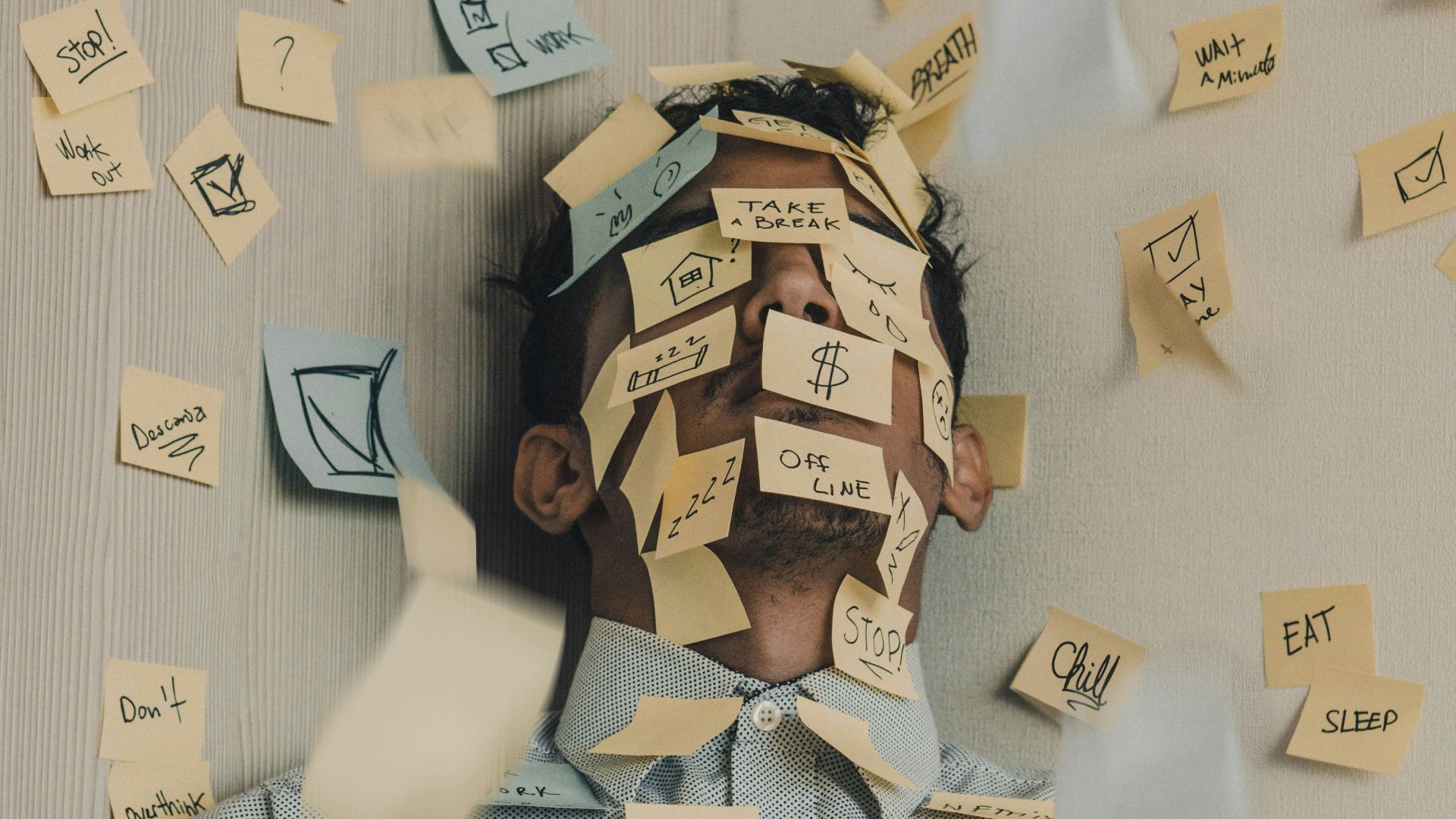
Chronic stress keeps cortisol elevated, and cortisol does a lot of damage when it sticks around. It affects your blood pressure, your immune system, and your sleep. Younger bodies recover from stress cycles more easily; older ones tend to carry the effects longer.
5. Spending Too Much Time Alone
Social isolation becomes a real health risk with age, not just an emotional one. Research consistently ties loneliness in older adults to cognitive decline, weakened immunity, and higher mortality rates that don't show up the same way in younger populations.

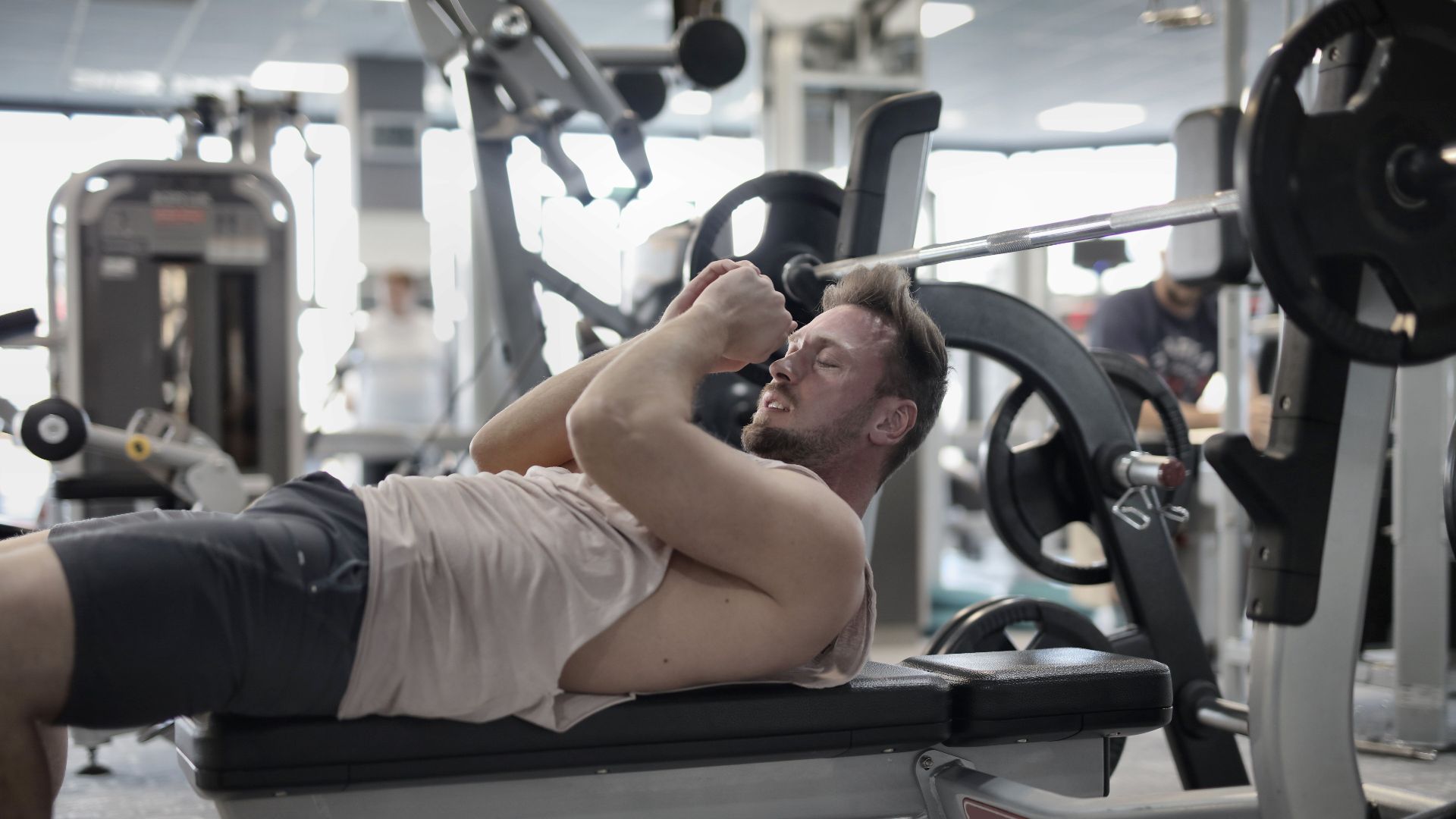
6. Skipping Strength Training
Cardio gets all the attention, but muscle mass loss is one of the most significant physical changes that comes with aging. Without resistance training, that loss accelerates, and the downstream effects on balance, bone density, and metabolism are significant.
7. Not Reviewing Your Medications Together
Most people see multiple doctors and fill prescriptions without anyone looking at the full list. Drug interactions become a bigger concern as the number of prescriptions grows, and it's worth having a pharmacist or physician review everything at once.

8. Dismissing Vision or Hearing Changes
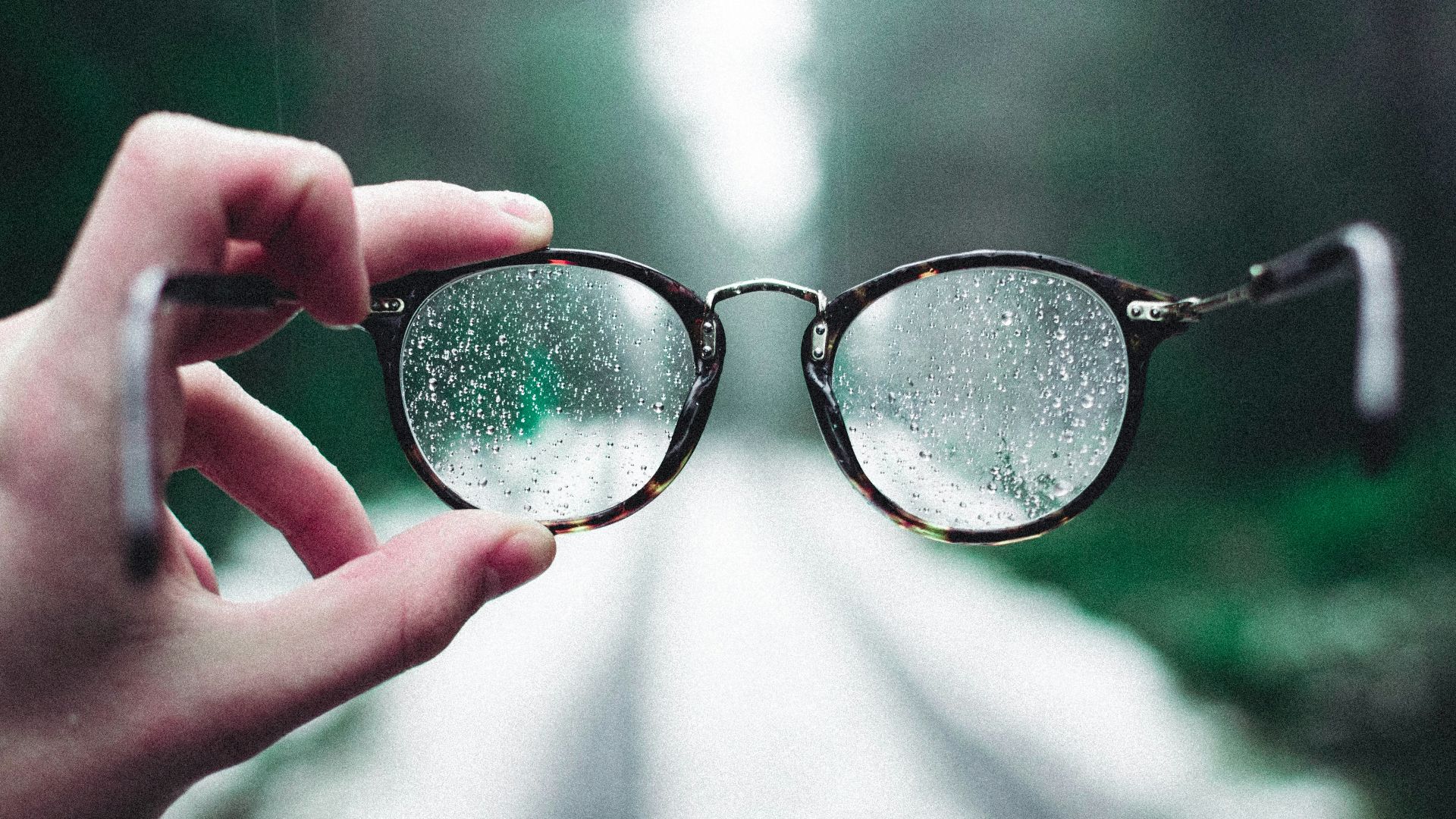
People tend to shrug off gradual changes in sight or hearing as normal aging and leave it there. But untreated hearing loss in particular is now strongly associated with an increased risk of dementia, and addressing it early appears to make a real difference.
9. Eating the Same Diet Decade After Decade
Nutritional needs shift with age. Calcium, vitamin D, B12, and protein all become more important, while caloric needs often decrease. A diet that served you fine at 40 may be leaving genuine gaps by the time you're 65.

10. Skipping the Nap When You Need It
There's a long-standing cultural bias against daytime rest, but a short nap of 20 to 30 minutes can improve alertness, mood, and cognitive performance in older adults without disrupting nighttime sleep. Fighting it out of habit isn't doing you any favors.
KEEP ON READING



20 Ways To Get Your Vitamins And Minerals
20 Ways Doing Less Can Actually Improve Your Health