10 Craziest Things Your Immune System Can Do & 10 That It Can't
Your Body’s Defense System Is Powerful, But It Has Limits
Your immune system is one of the most impressive systems in your body; it’s constantly identifying threats, learning from past exposures, repairing damage, and coordinating responses you never have to think about. And that's not all: it can also recognize invaders, remember certain infections, and even turn a vaccine into long-term protection. Yet, for all its strengths, it isn’t perfect, and some of the myths around immunity make it sound far more powerful than it really is. Here are 10 amazing things your body's built-in defense system can do, and 10 it surprisingly can't.
 PublicDomainPictures on Pixabay
1. It Can Remember Germs It’s Seen Before
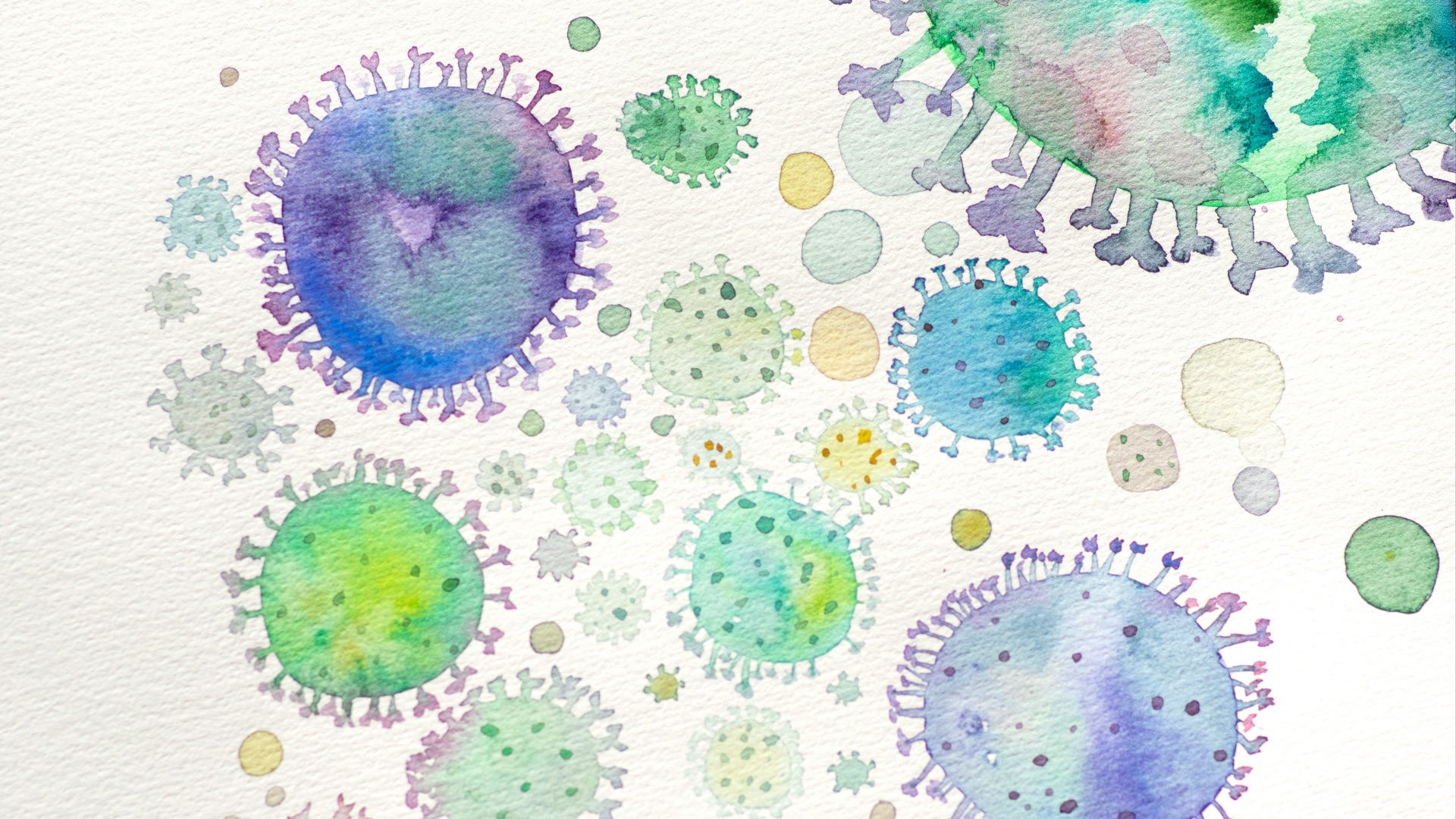
Your immune system doesn’t always start from scratch when it meets a familiar threat. After certain infections or vaccines, it can keep memory cells that recognize the same germ later and respond faster. That’s why some illnesses are less likely to hit you twice in the same way. It’s also why vaccines can help train your body before the real threat shows up.
2. It Can Tell Your Cells from Invaders
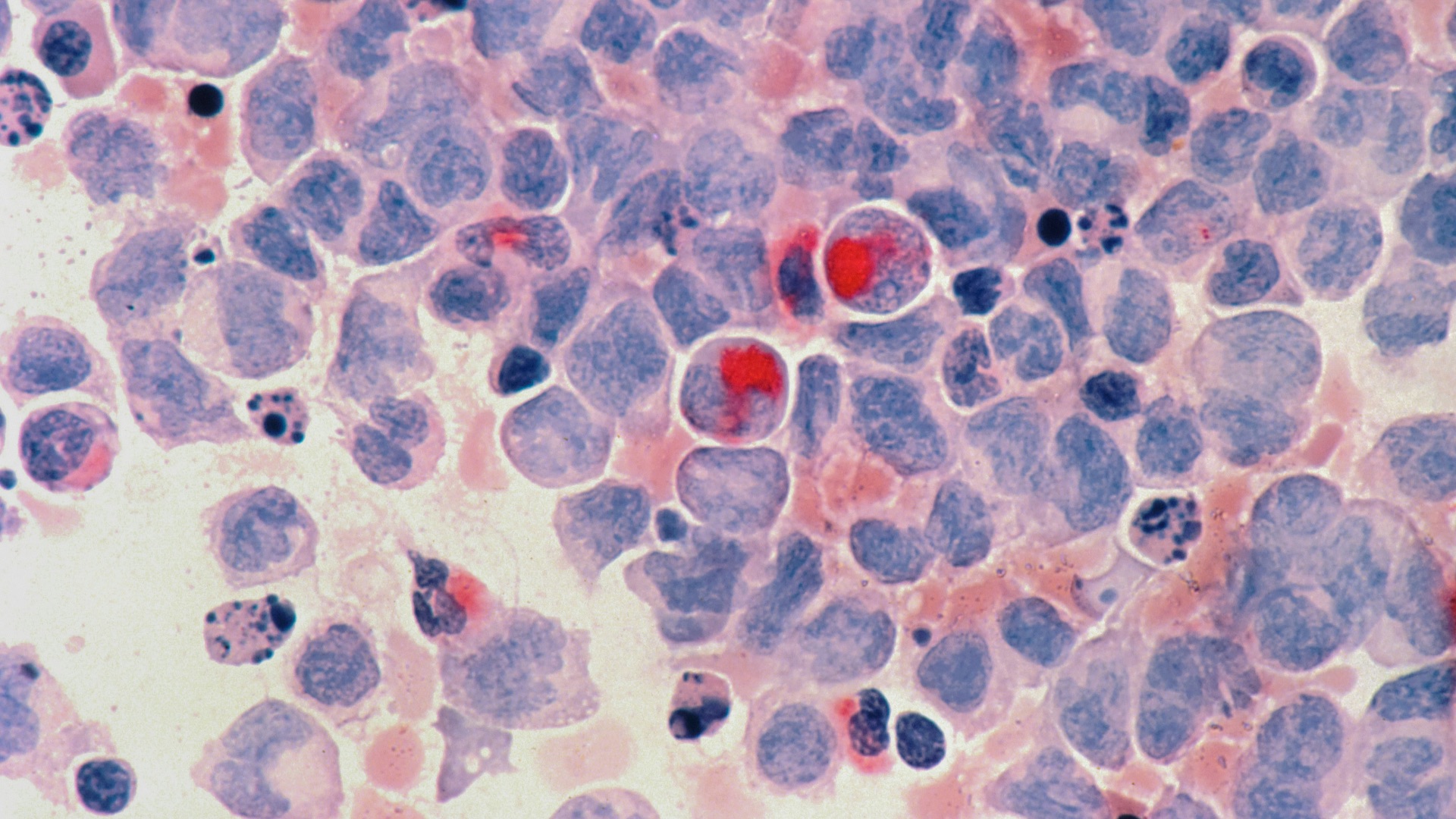
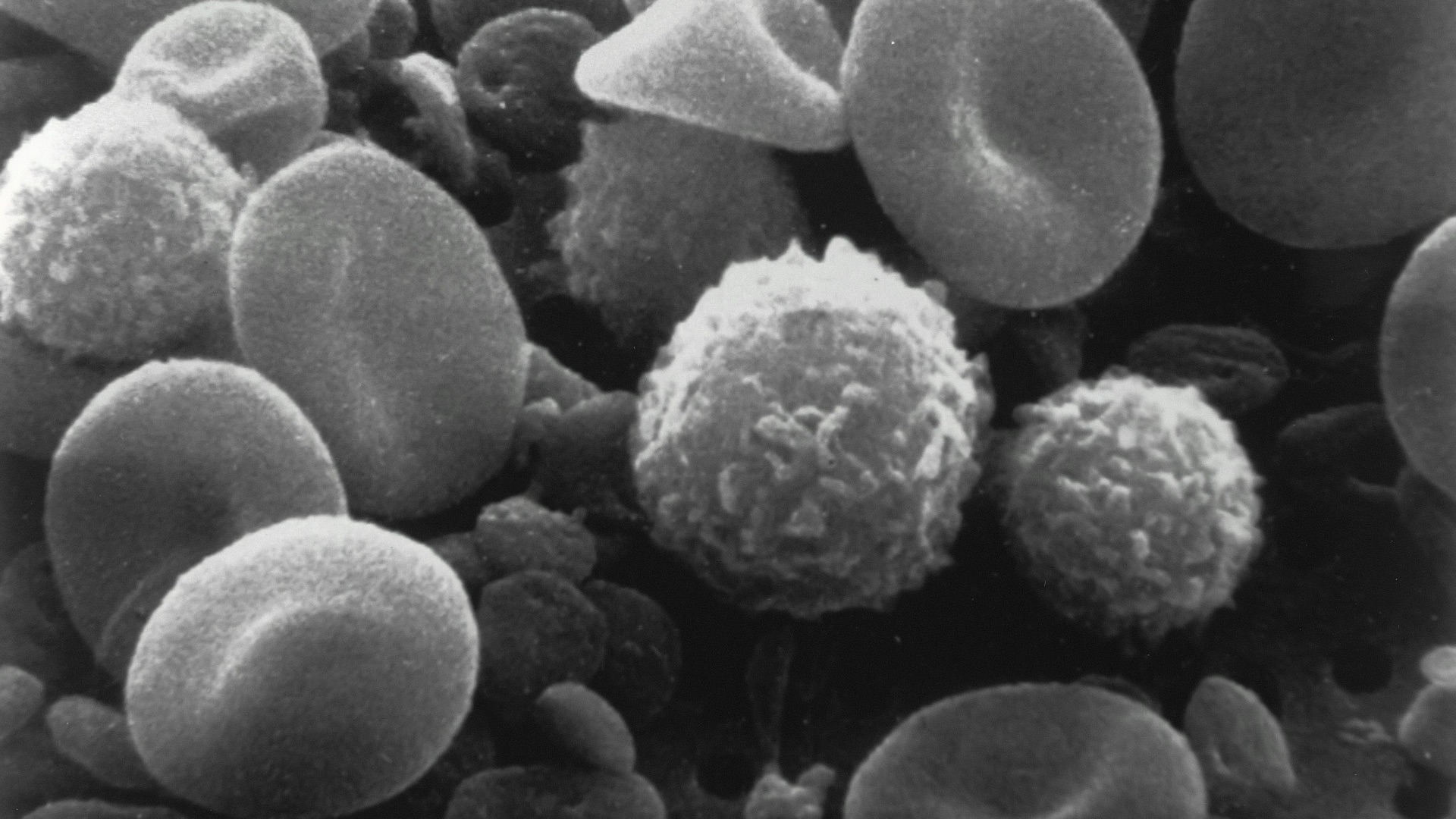
One of the most complicated things your immune system does is figure out what belongs to you and what doesn’t. It checks for signs that a cell is part of your body, infected, damaged, or foreign. When this recognition works well, your immune system can attack harmful invaders without attacking everything around them. When it breaks down, that’s when autoimmune problems can begin.
 National Cancer Institute on Unsplash
3. It Can Build Custom Defenses
Your immune system can create antibodies that match specific targets on germs. These antibodies help mark invaders so other immune cells can find and remove them more effectively. This process is highly specific, which is why your body doesn’t use the same response for every infection. It’s one reason the immune system feels almost impossibly precise when it’s working well.

4. It Can Use Fever as a Response
A fever may feel miserable, but it’s often part of your body’s immune response. Raising your temperature can make the environment less comfortable for some germs and can help immune activity shift into a higher gear. That doesn’t mean every fever is harmless or should be ignored, especially if it’s high, persistent, or paired with serious symptoms. Still, fever itself isn’t automatically the enemy.

5. It Can Clean Up Dead and Damaged Cells
Your immune system isn’t only there to fight infections. It also helps clear away dead cells, damaged tissue, and cellular debris after injury or illness. This cleanup process matters because old or damaged material can cause inflammation if it lingers too long. In a healthy response, immune cells help restore order after the initial problem has passed.

6. It Can Launch Inflammation to Protect You
Inflammation gets a bad reputation, but short-term inflammation is one of the immune system’s most useful tools. It brings immune cells and chemical signals to an area that needs attention, such as a cut, infection, or injury. The swelling, warmth, and redness you notice are signs that your body is responding. Problems usually start when inflammation sticks around longer than it should.

7. It Can Fight Viruses from Inside Your Cells
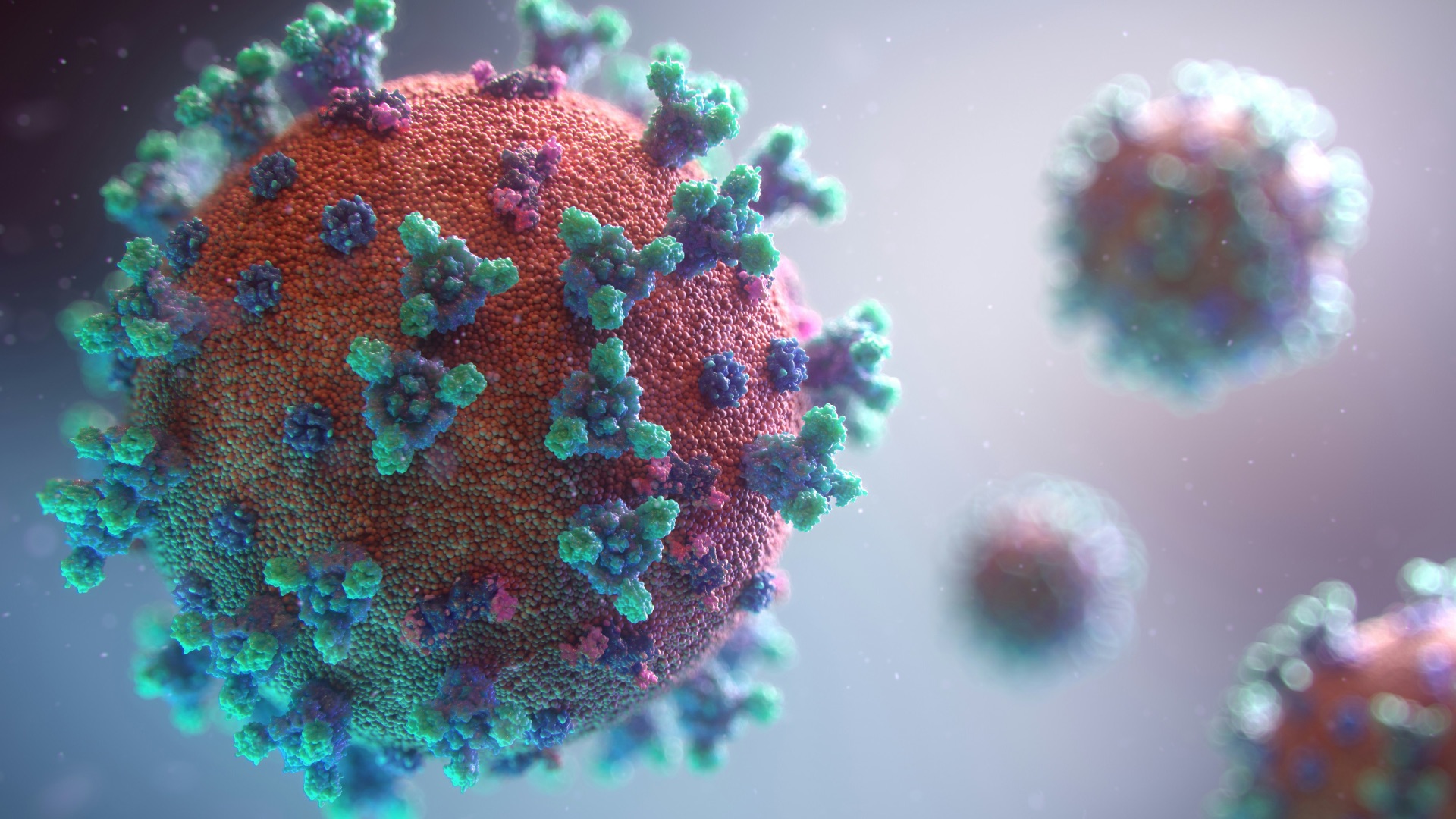
Viruses are tricky because they enter your cells and use them to make more copies. Your immune system has ways to detect infected cells and destroy them before the virus spreads further. Specialized immune cells can recognize warning signs on the surface of infected cells. This kind of response is one reason viral infections involve such an intense whole-body reaction.
 Fusion Medical Animation on Unsplash
8. It Can Learn from Vaccines
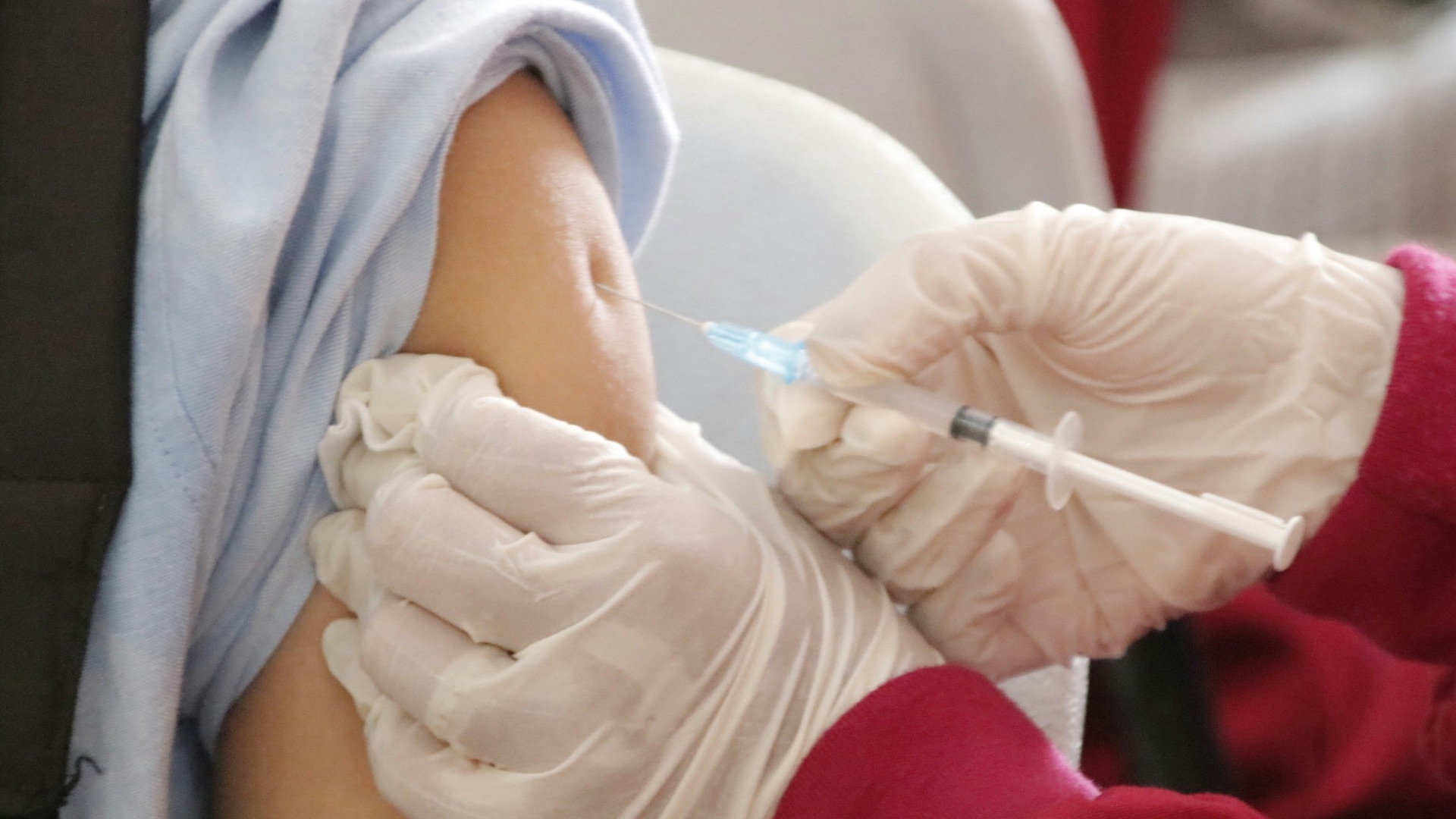
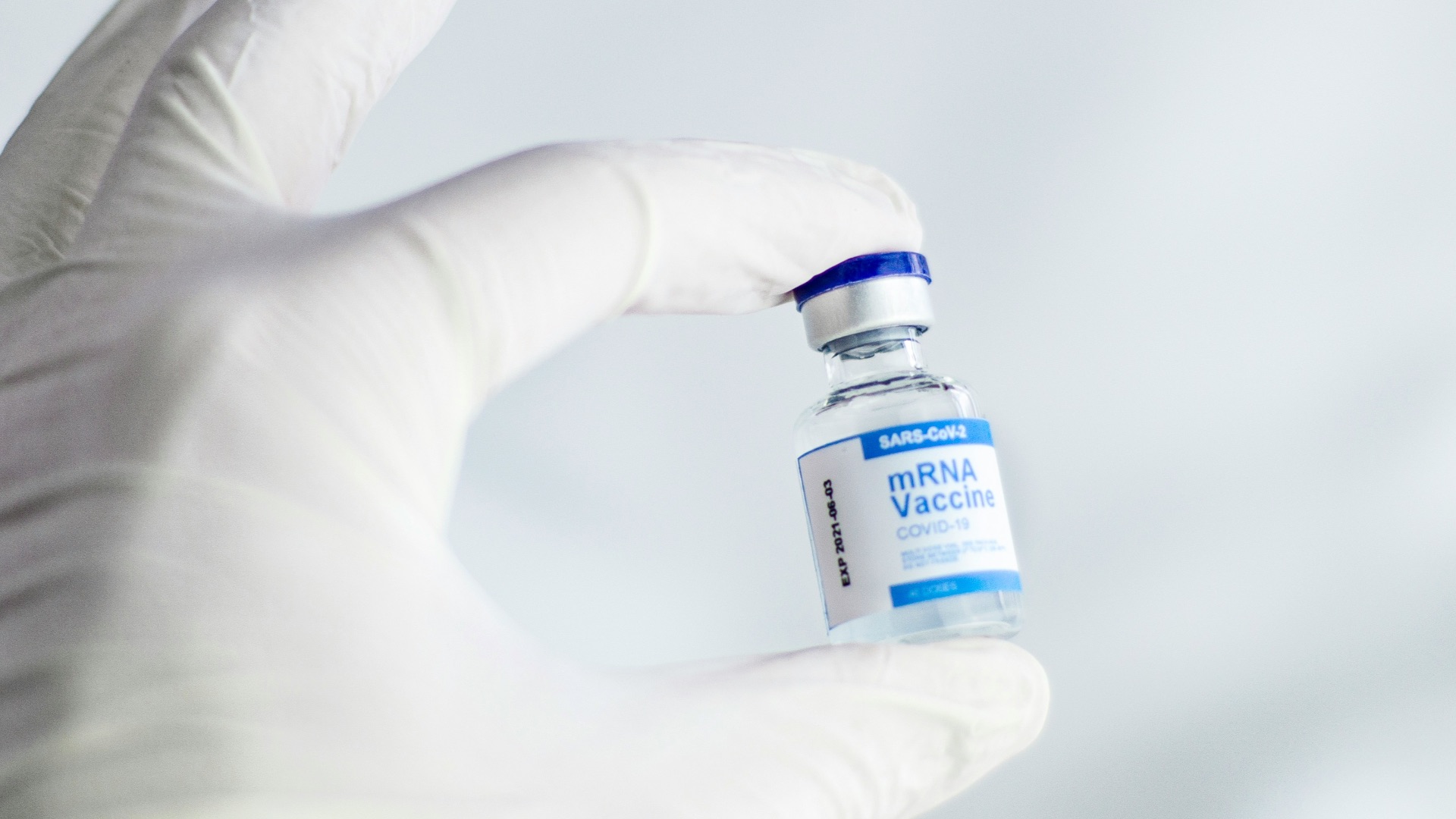
Vaccines work by showing your immune system a harmless or controlled version of a threat. Your body then learns what to recognize and prepares defenses for a future encounter. This can reduce the risk of severe illness without forcing you to go through the dangerous version of the infection first. It’s one of the clearest examples of how immune memory can be used on purpose.
9. It Can React Within Minutes
Not every immune response takes days to develop. Your innate immune system can respond very quickly when it detects damage or invasion. This early response isn’t as customized as the later adaptive response, but it buys your body time. It’s the first wave that helps contain a problem while more targeted defenses are being prepared.
10. It Can Change Over Your Lifetime
Your immune system isn’t frozen in one state forever. It changes as you age, encounter new germs, receive vaccines, recover from illness, experience stress, and adjust to your environment. That’s why children, adults, and older adults can respond differently to the same infection. Your immune system is active, adaptable, and deeply influenced by the life you’re living.
Our immune systems can do a lot, but even then it's not invincible. Here are 10 things it can't do:

1. It Can’t Make You Invincible
A strong immune system doesn’t mean you’ll never get sick. Even healthy people catch colds, flu, stomach bugs, and other infections because germs are constantly changing and spreading. Your immune system can reduce harm, shorten some illnesses, or prevent severe outcomes, but it can’t block every exposure perfectly. Thinking of immunity as invincibility sets up unrealistic expectations.

2. It Can’t Replace Sleep
Your immune system works better when your body has enough rest, but it can’t fully compensate when you’re constantly sleep-deprived. Sleep helps regulate immune activity, inflammation, and recovery. When you cut it short again and again, your body has fewer resources to use during stress or illness. No supplement or “immune boost” can fully erase the effects of poor rest.

3. It Can’t Fix Every Infection Without Help
Some infections need medical treatment because the immune system may not clear them safely on its own. Bacterial infections, certain fungal infections, and some viral illnesses can become serious without proper care. Waiting too long can give the problem time to spread or worsen. Your immune system is powerful, but it isn’t a substitute for timely medical attention.
4. It Can’t Make Antibiotics Work on Viruses
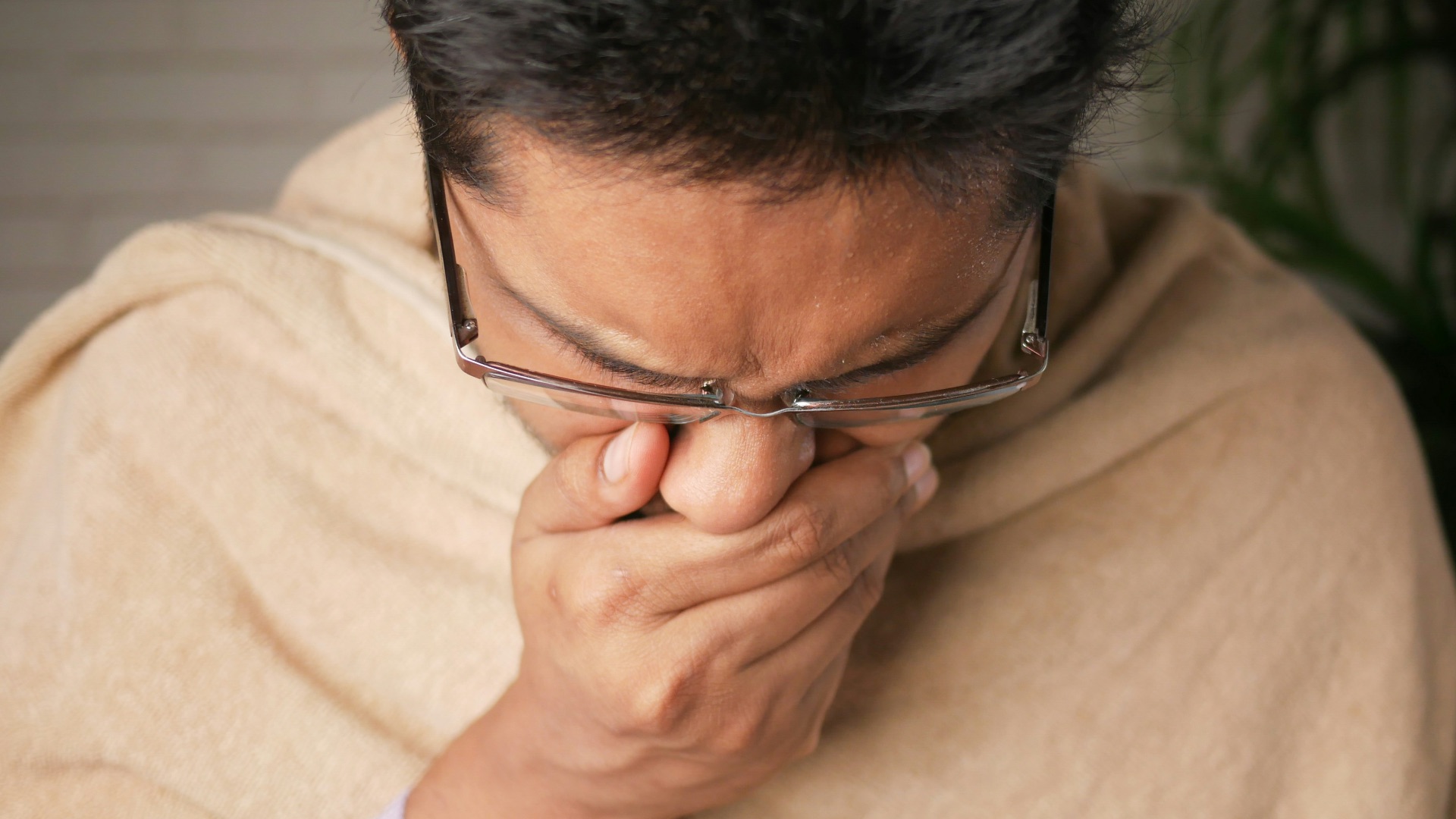
Antibiotics target bacteria, not viruses. That means they won’t cure a cold, flu, or most viral sore throats, even if you feel awful. Taking antibiotics when they aren’t needed can contribute to antibiotic resistance and may cause side effects. Your immune system still has to handle viral infections in different ways, sometimes with support from antivirals when appropriate.
 Christina Victoria Craft on Unsplash
5. It Can’t Always Tell Friend from Foe
Your immune system is designed to protect you, but it can make mistakes. In autoimmune diseases, your body's defense system may attack healthy cells, tissues, or organs as if they were threats. This can lead to chronic inflammation, pain, fatigue, or damage in different parts of the body. It’s a reminder that immune activity isn’t always helpful just because it’s intense.
 National Cancer Institute on Unsplash
6. It Can’t Instantly Build Immunity
Immune protection takes time to develop. After a vaccine or first exposure to a germ, your body needs time to recognize the threat, activate immune cells, and build lasting memory. That’s why you usually aren’t fully protected the moment you get vaccinated or recover from an illness. Your immune system may be fast in some ways, but long-term protection isn’t instant.
7. It Can’t Prevent All Allergic Reactions
Allergies happen when the immune system reacts to something that usually isn’t dangerous, such as pollen, food, or pet dander. In these cases, the immune system isn’t failing to work; it’s reacting in an unhelpful way. Mild allergies can be annoying, while severe allergies can become emergencies. Your immune system can’t simply decide to stop reacting once that pattern is established.
8. It Can’t Remove Every Cancer Cell
Your immune system can recognize and destroy some abnormal cells, including certain early cancer cells. However, cancer can develop ways to hide, suppress immune activity, or grow faster than the body can control. This is why cancer can still happen even in people with functioning immune systems. Treatments like immunotherapy try to help the immune system do more, but it can’t always do it alone.

9. It Can’t Be “Boosted” Without Limits
The idea of constantly boosting your immune system sounds appealing, but more immune activity isn’t always better. Too much immune activation can mean inflammation, allergies, autoimmune symptoms, or tissue damage. What your body usually needs is balance, not maximum force. Healthy habits support immune function, but they don’t turn it into a supercharged shield.

10. It Can’t Undo Every Bad Habit Overnight
Your immune system responds to your overall health patterns, not just one good decision. Eating one nutritious meal, taking one supplement, or resting for one night won’t instantly reverse months of stress, poor sleep, dehydration, or heavy alcohol use. That doesn’t mean small changes don’t matter, because they do add up over time. It just means immune health is built through consistency rather than a last-minute fix.

KEEP ON READING