Your Morning Bowl Might Be a Dessert in Disguise
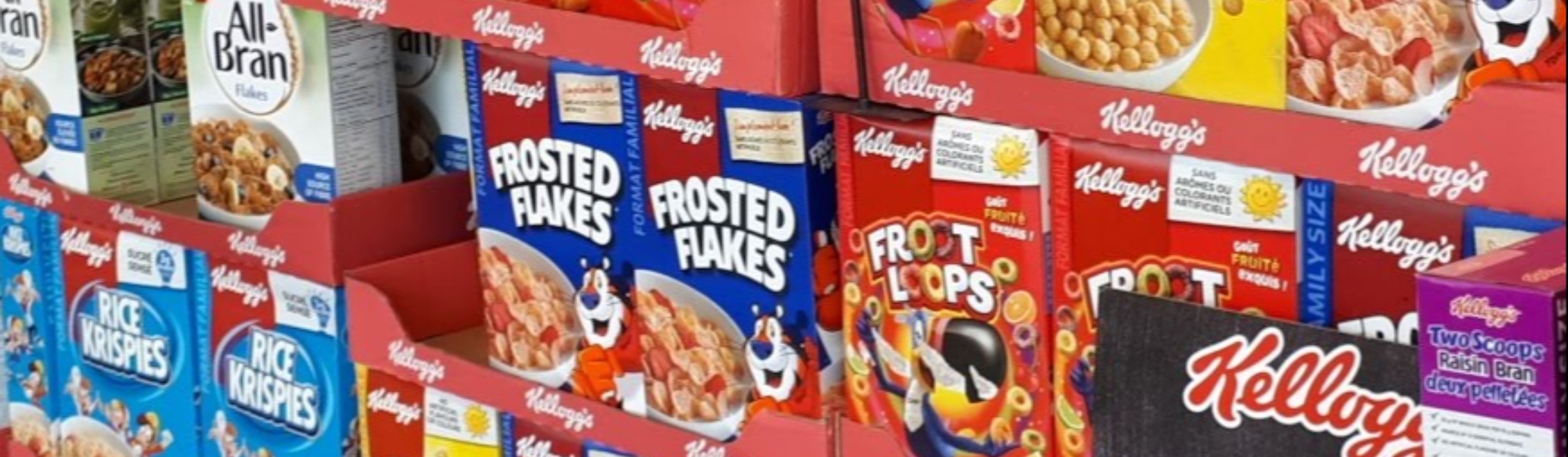
Breakfast cereal has one of the most successful marketing track records in food history. Whole grains, vitamins, part of a complete breakfast. The language has been so consistent for so long that a lot of people still reach for a box without thinking too hard about what's actually in it. The sugar content in some of the most popular cereals on the market is closer to a handful of candy than a reasonable morning meal, and the spike that follows tends to be short. The crash that comes after it isn't pretty. Here's 10 of the worst offenders, followed by 10 options that won't send your blood sugar into freefall before 9 a.m.

1. Froot Loops
Froot Loops clock in at around 12 grams of sugar per serving, based on a three-quarter cup measurement that almost no one actually pours. The bright colors do a lot of persuasive work, and the "fruit" in the name does the rest. There's no fruit involved. There is a significant amount of dye and corn flour.
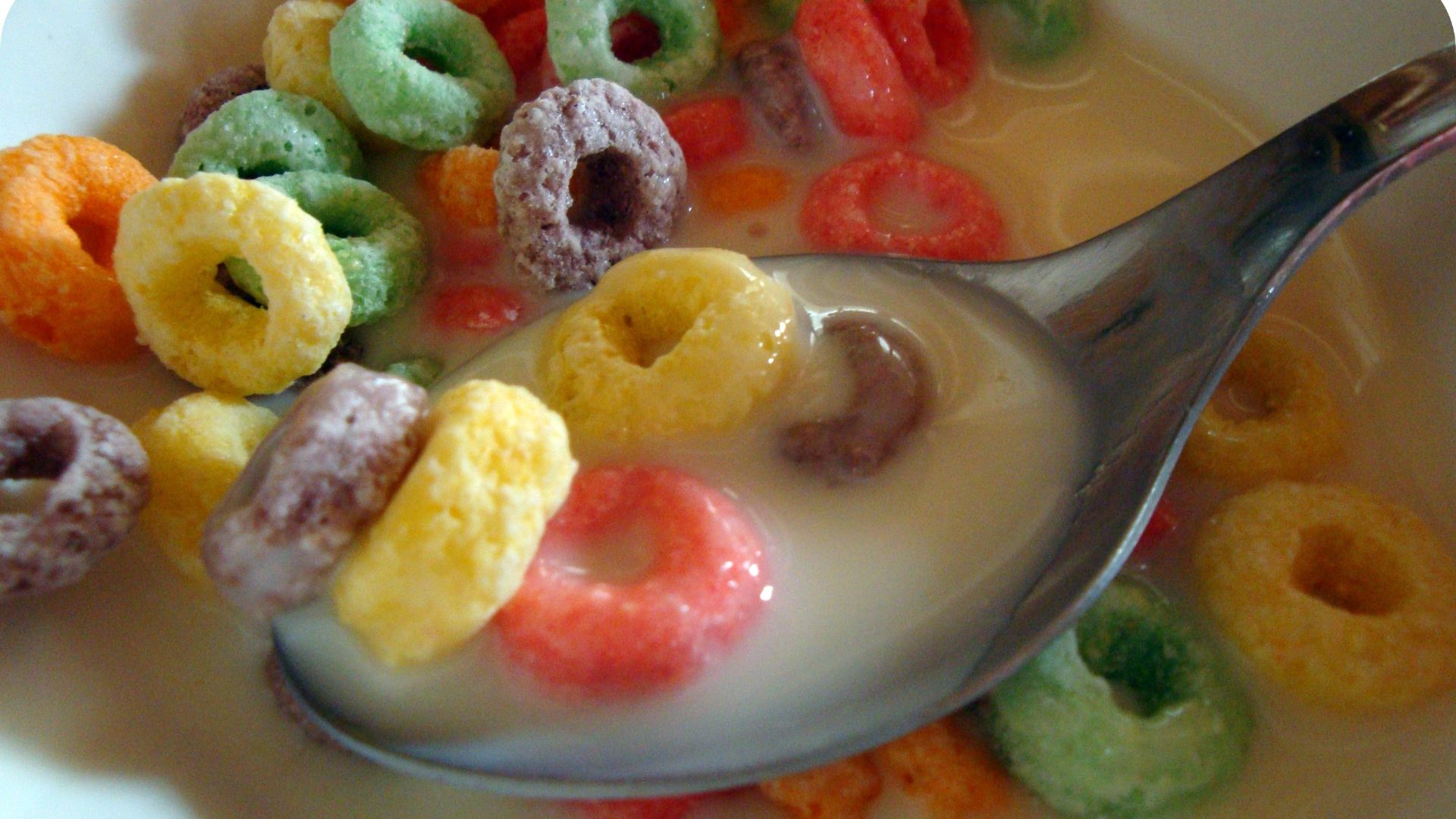 FLICKR.com/diapositivasmentales on Wikimedia
2. Honey Smacks
Honey Smacks holds the kind of record no cereal should be proud of: at roughly 56 percent sugar by weight, it has more sugar per gram than a glazed donut. Kellogg's has rebranded it multiple times over the decades, possibly hoping a new name would distract from the nutrition label. It hasn't worked, because the nutrition label is still there.
3. Cap'n Crunch
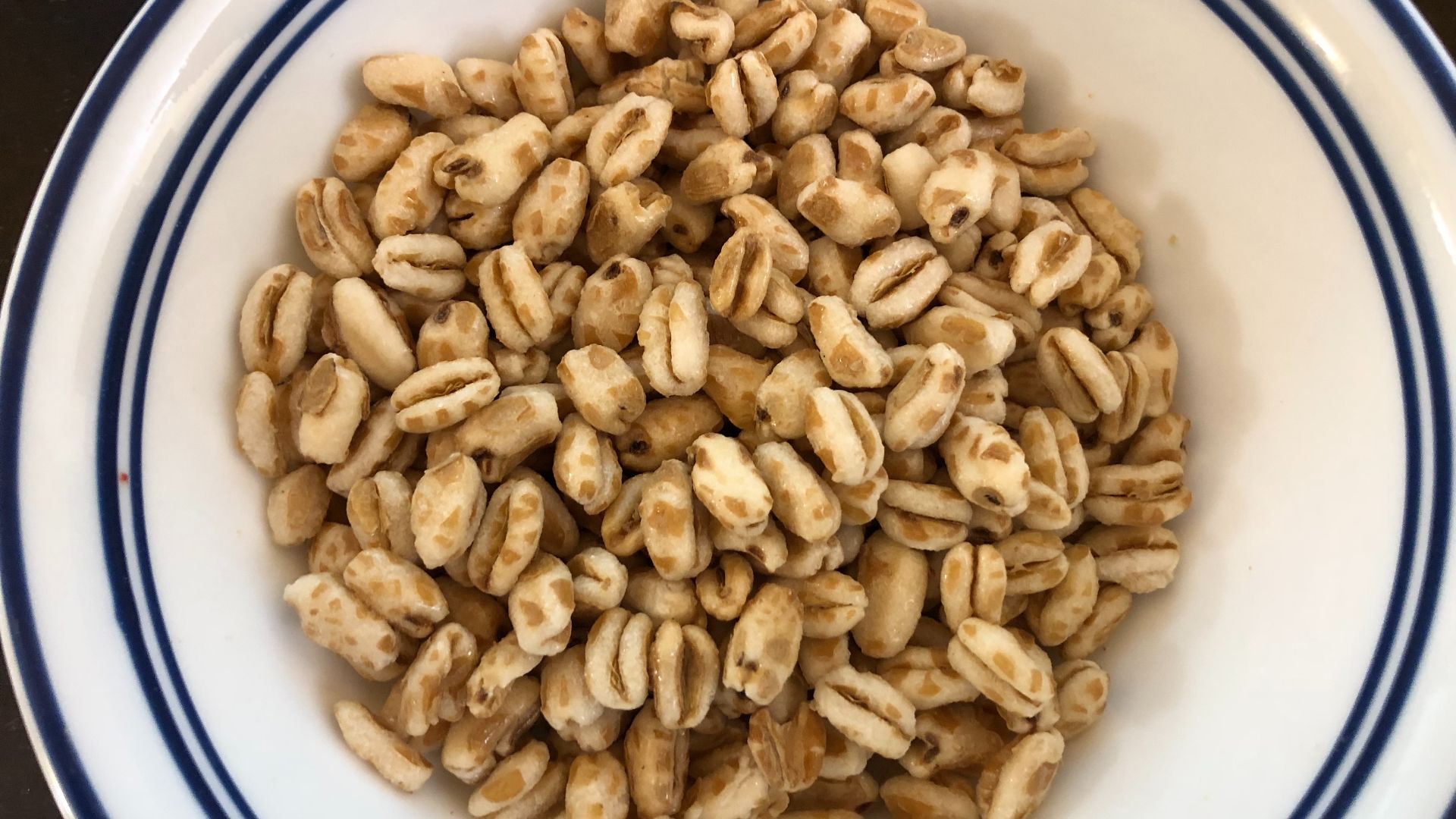
The original Cap'n Crunch has about 12 grams of sugar per serving, but the texture creates a specific problem. It stays crunchy in milk longer than almost any other cereal, which means people tend to eat more of it before feeling like they've had enough. The Crunch Berries variety adds a few more grams on top.
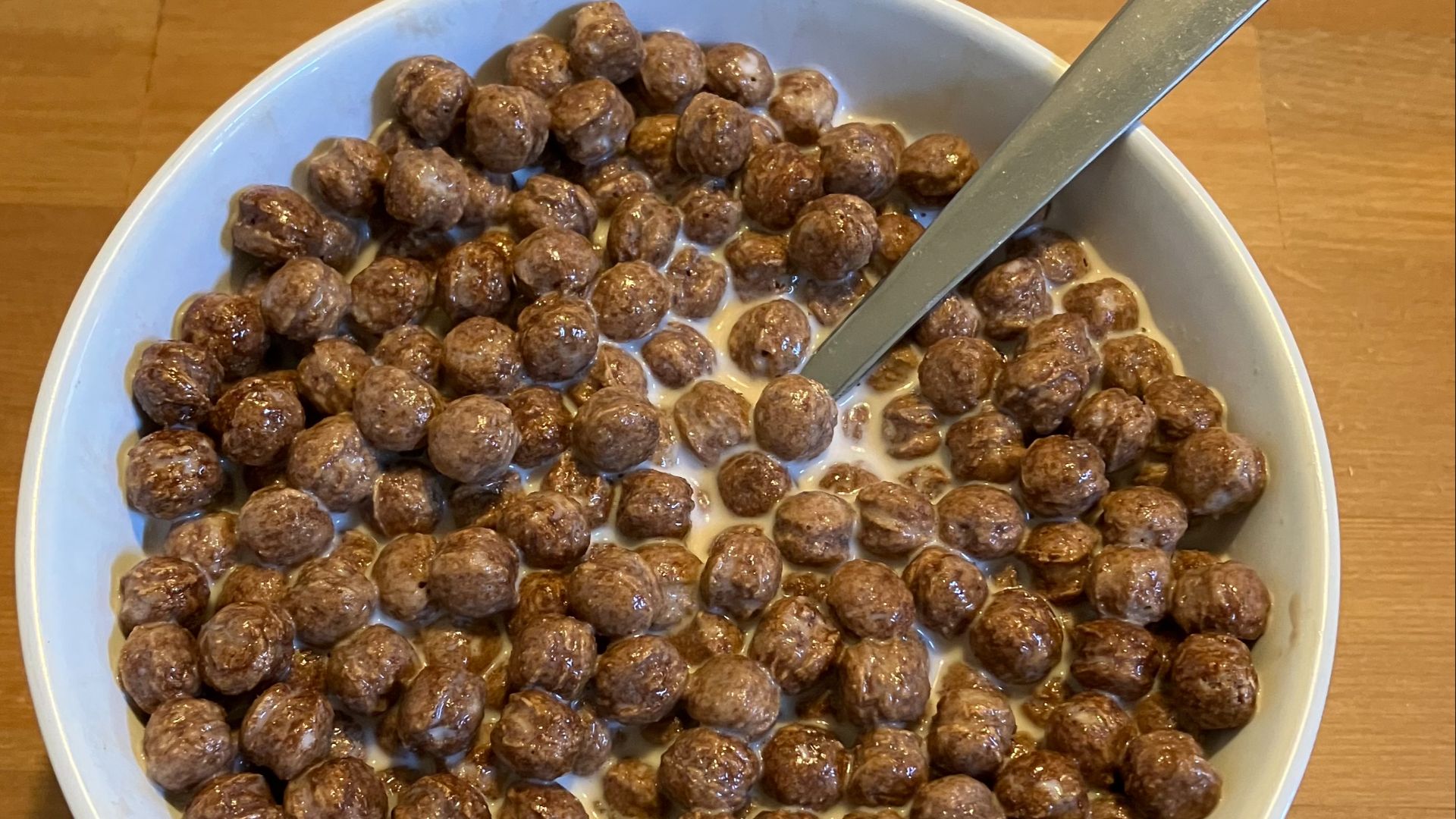
4. Cocoa Puffs
Cocoa Puffs delivers around 13 grams of sugar in a three-quarter cup serving, and the chocolate flavor makes it feel more indulgent than it is, which is almost impressive given how indulgent it already is. General Mills markets it heavily to children, which is worth keeping in mind. The "going cuckoo" premise of the advertising has always been a reasonable description of what happens to blood sugar afterward.
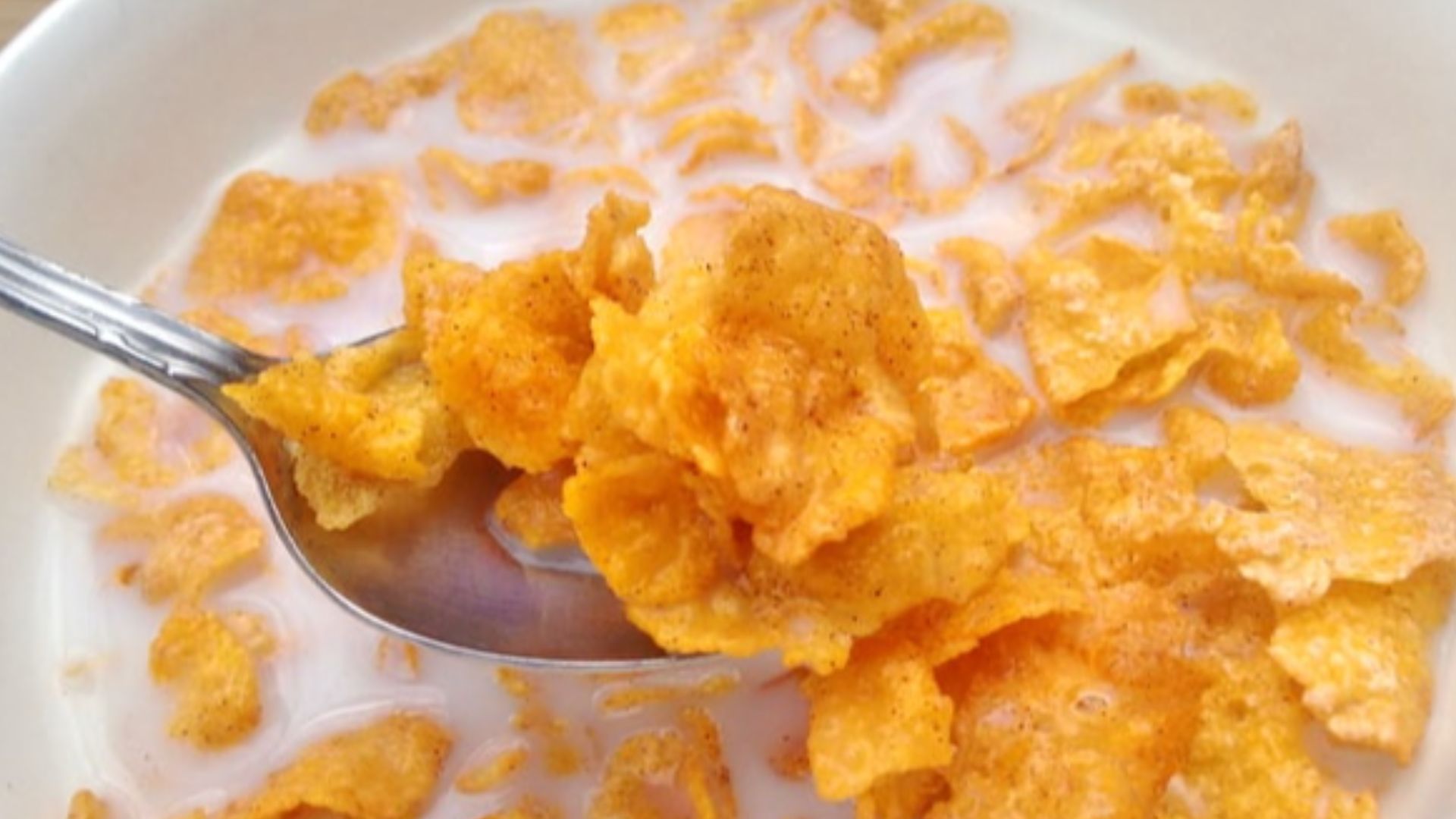
5. Frosted Flakes
Frosted Flakes have about 12 grams of sugar per serving and very little fiber to slow down how fast that sugar hits. The flake shape means the surface area is almost entirely coated, which is the whole point and also the whole problem. Real poured servings tend to run larger than the listed three-quarter cup, which compounds everything.
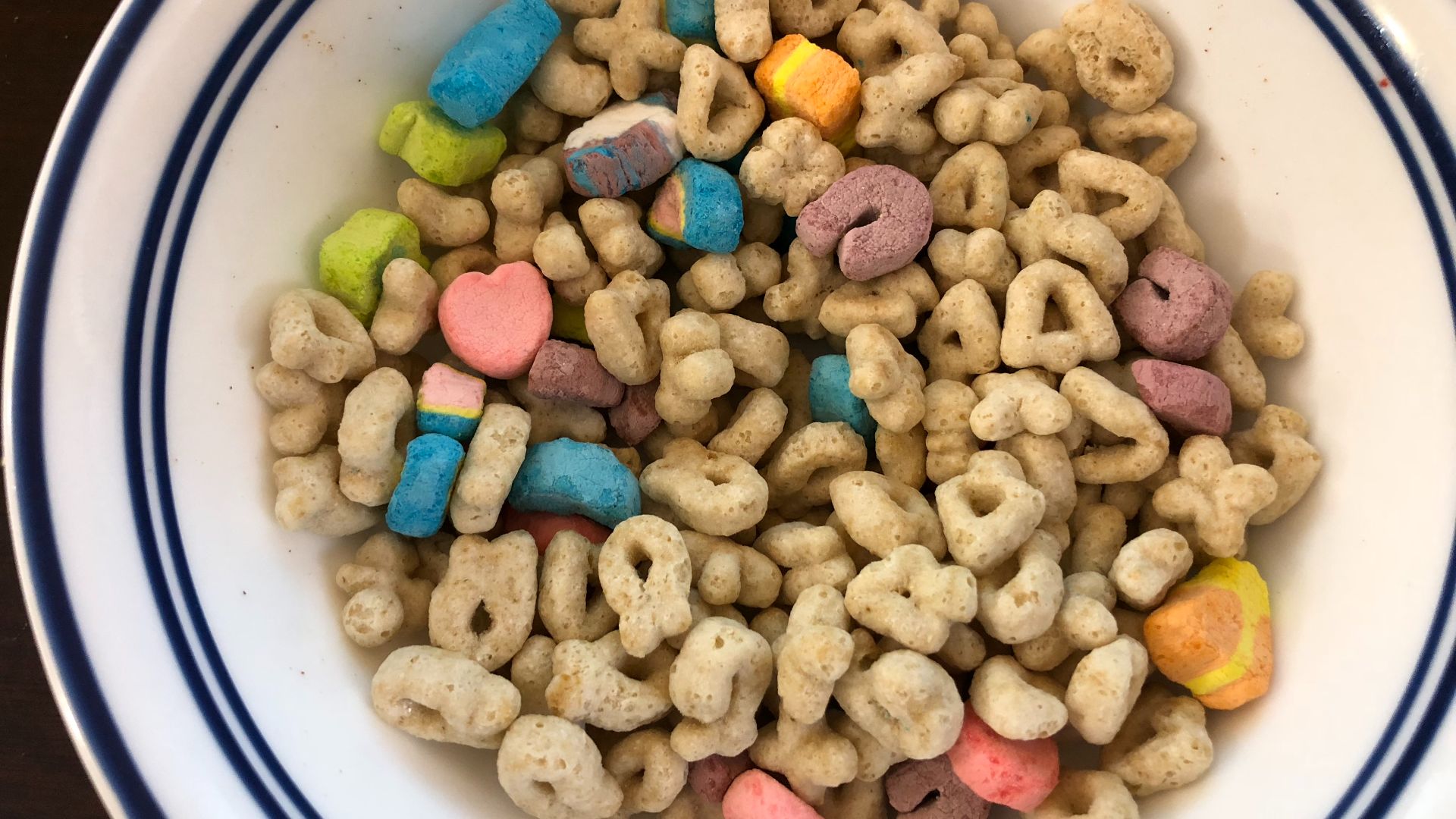
6. Lucky Charms
Lucky Charms splits the difference between a cereal and a bag of marshmallows, because it is partially a bag of marshmallows. The dehydrated marshmallow pieces account for a significant portion of the roughly 13 grams of sugar per serving. General Mills has added more marshmallows over the years in response to consumer demand, which tells you something about the direction this has been heading.
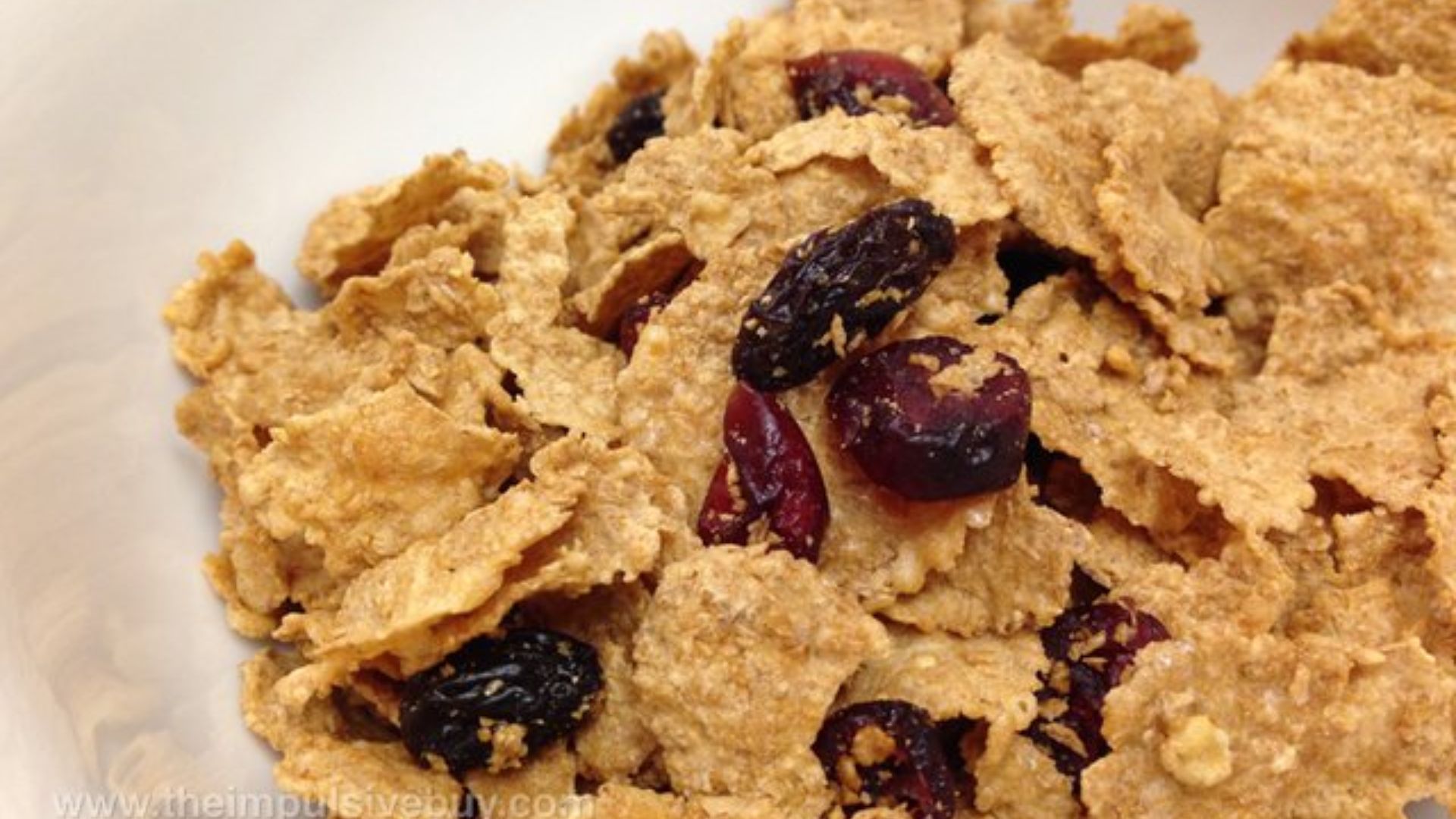
7. Raisin Bran
Raisin Bran has been selling itself as the sensible choice for decades, and the bran component is legitimate. The problem is the raisins, which are typically coated in added sugar on top of their natural sugar content, pushing the total to around 17 to 18 grams per serving depending on the brand. The fiber helps slow the spike somewhat, but not enough to earn the health reputation it's been coasting on.
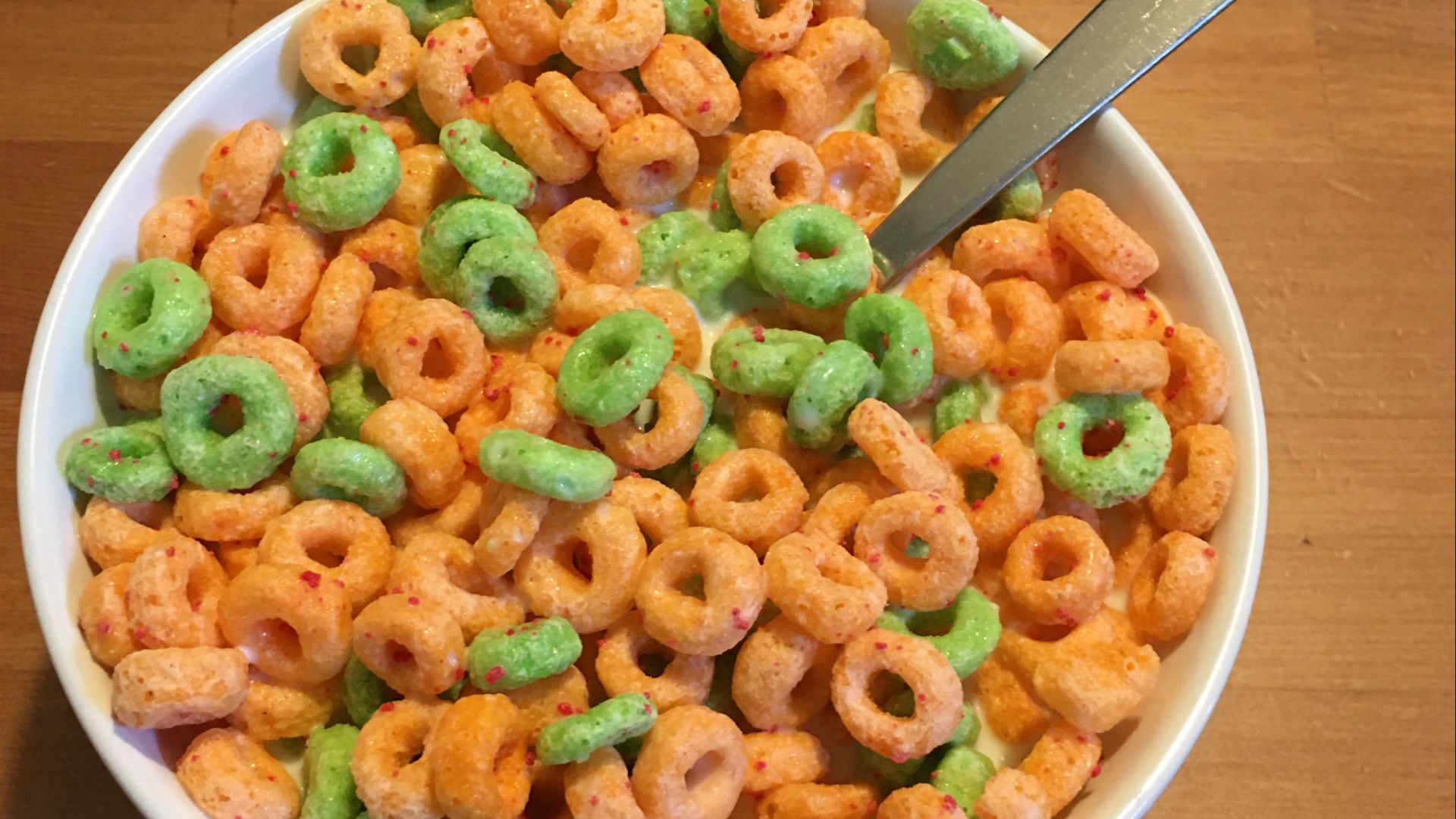
8. Apple Jacks
Apple Jacks have about 12 grams of sugar per serving and, like Froot Loops, contain no meaningful quantity of the fruit they're named after. The cinnamon-apple flavor is artificial and effective enough that the cereal tastes more complex than it is, which tends to make people feel better about eating it than the nutrition facts support.
9. Corn Pops
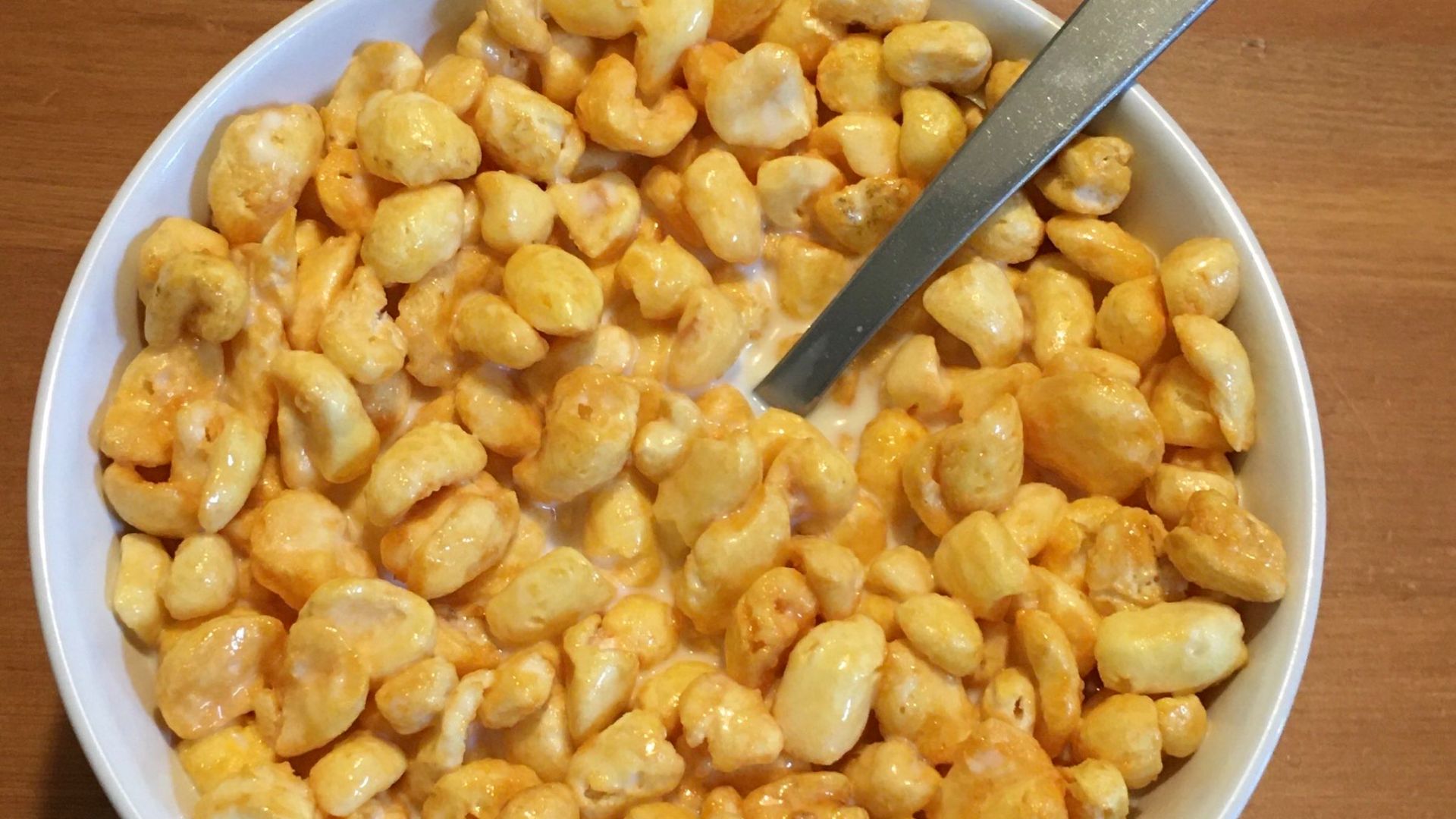
Corn Pops have a light, airy texture that makes portion control genuinely difficult. At around 12 grams of sugar per serving, they're not the worst on this list, but the puffed shape means a serving disappears fast and a second bowl follows quickly. The glycemic load ends up higher than the label suggests by the time most people finish breakfast.
10. Honey Nut Cheerios
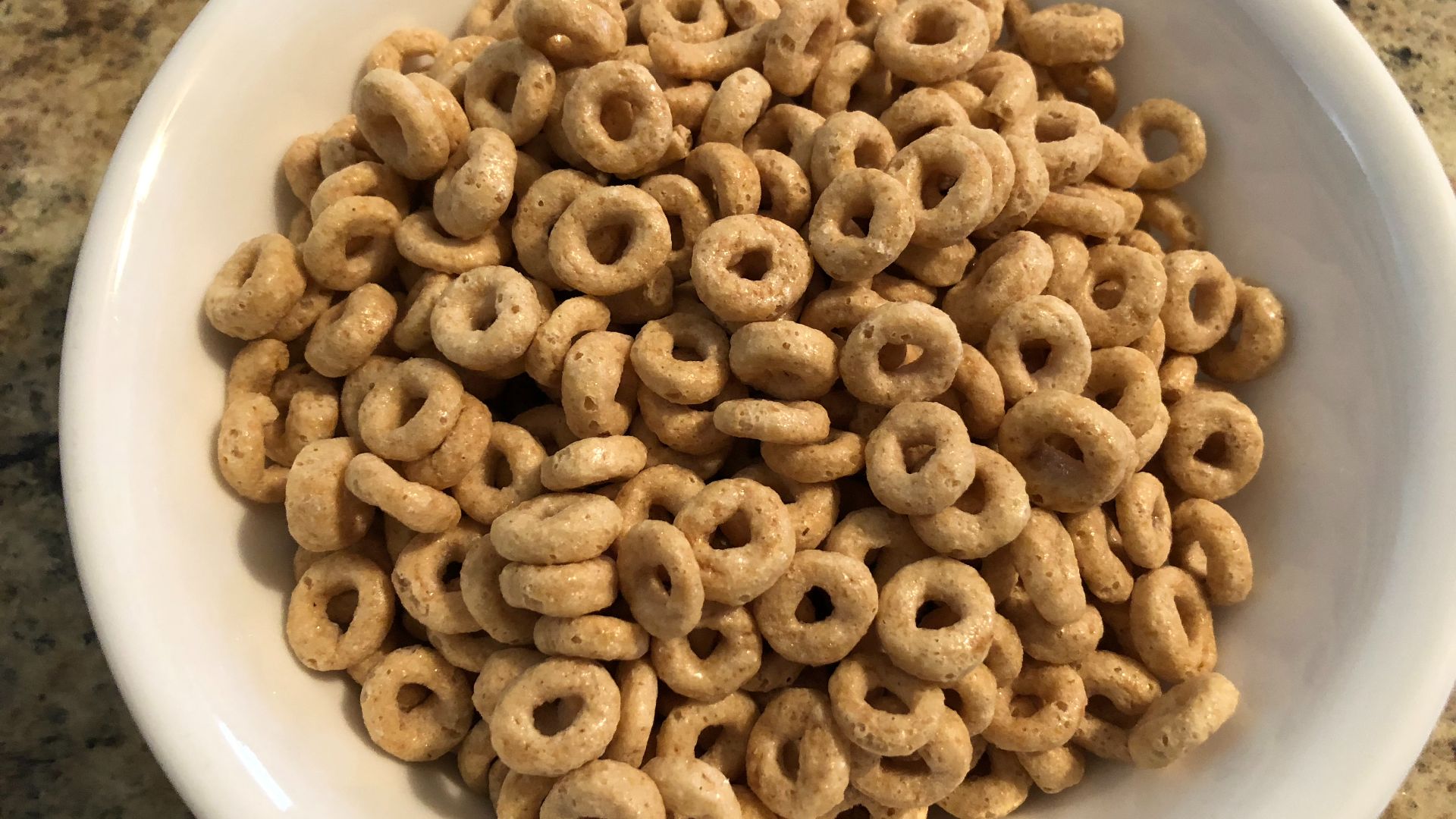
The original Cheerios is a different product entirely, with 1 gram of sugar and a reasonable fiber count. Honey Nut is its own thing. The honey and almond flavoring brings the sugar to around 12 grams per serving, and because the base cereal has such a wholesome reputation, people often pour larger servings without thinking. The gap between what people assume they're eating and what they're actually eating is wider here than almost anywhere else in the cereal aisle.
These next 10 won't fix everything, but they're a significantly better place to start.
1. Plain Cheerios
One gram of sugar per serving and a solid amount of soluble fiber, which does something useful for cholesterol and blood sugar regulation. It's not exciting. That's not the point. Add your own fruit if you want sweetness and you control exactly how much goes in.
2. Kashi GO Original
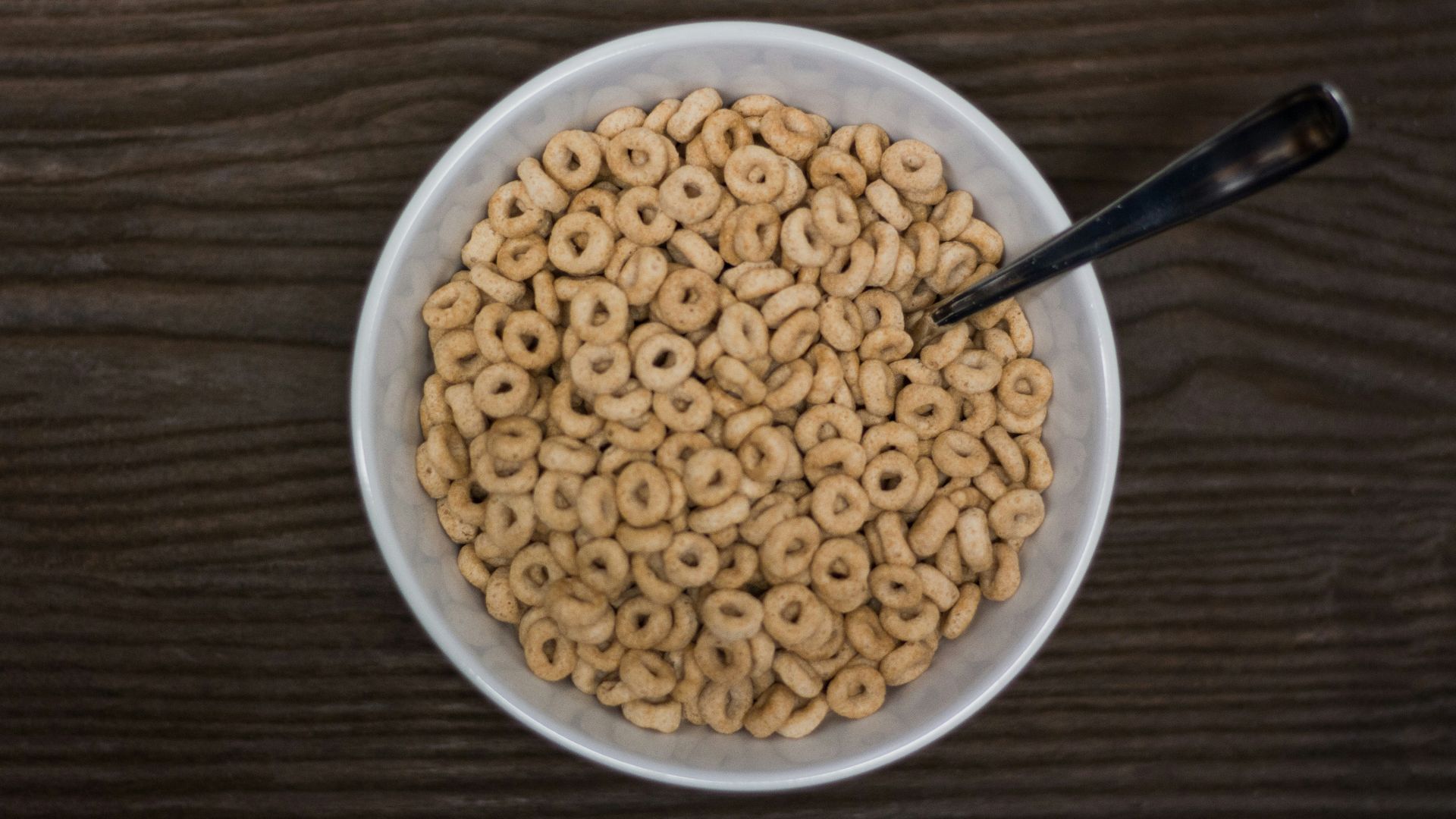
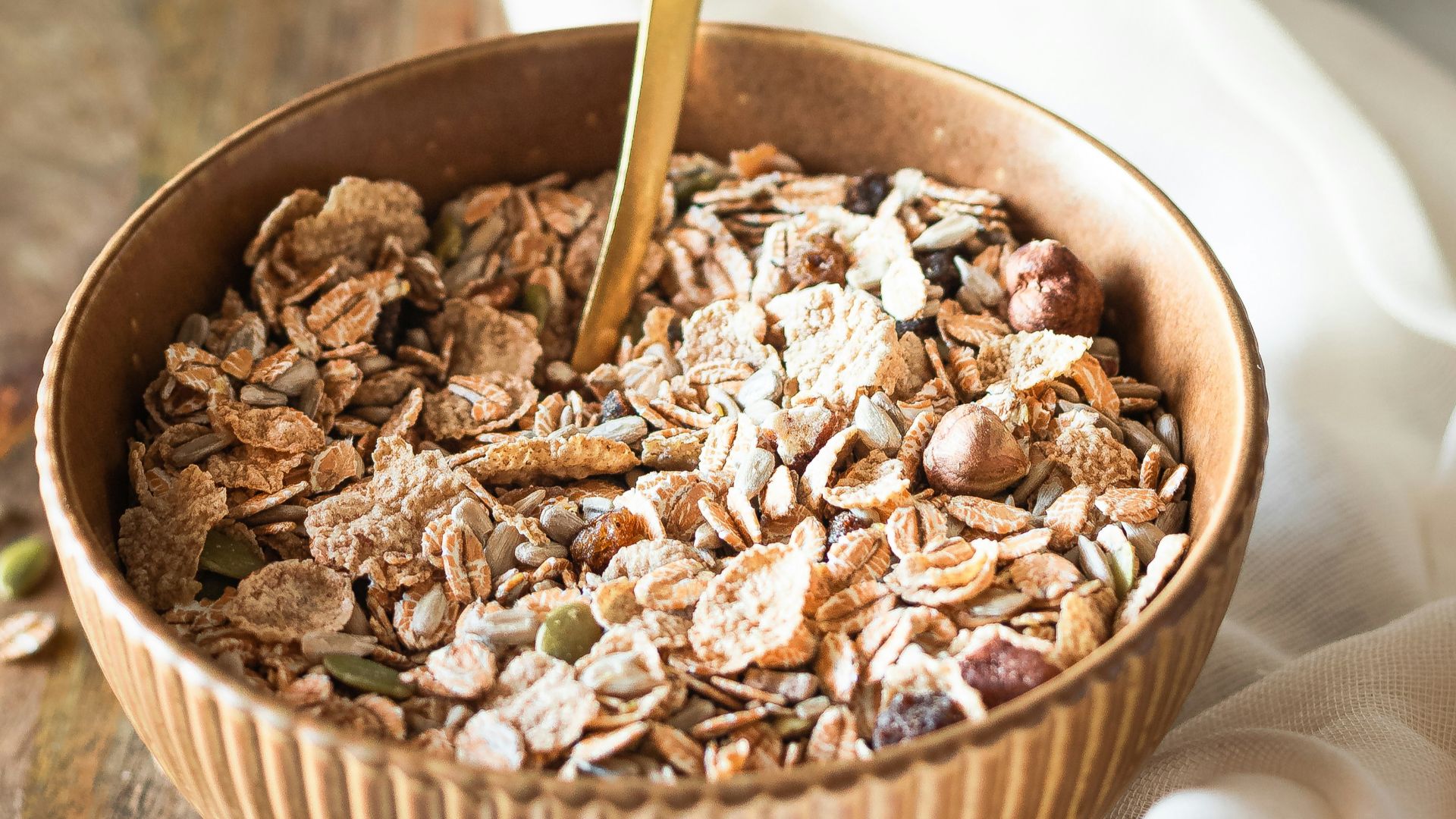
Kashi GO has around 13 grams of protein and 8 grams of fiber per serving, which changes the math on how the carbohydrates are absorbed. It's denser than most cereals, which means the serving size is more satisfying than it looks. The sugar content sits at about 6 grams, well below most of what's on the first list.
 micheile henderson on Unsplash
3. Bob's Red Mill Muesli
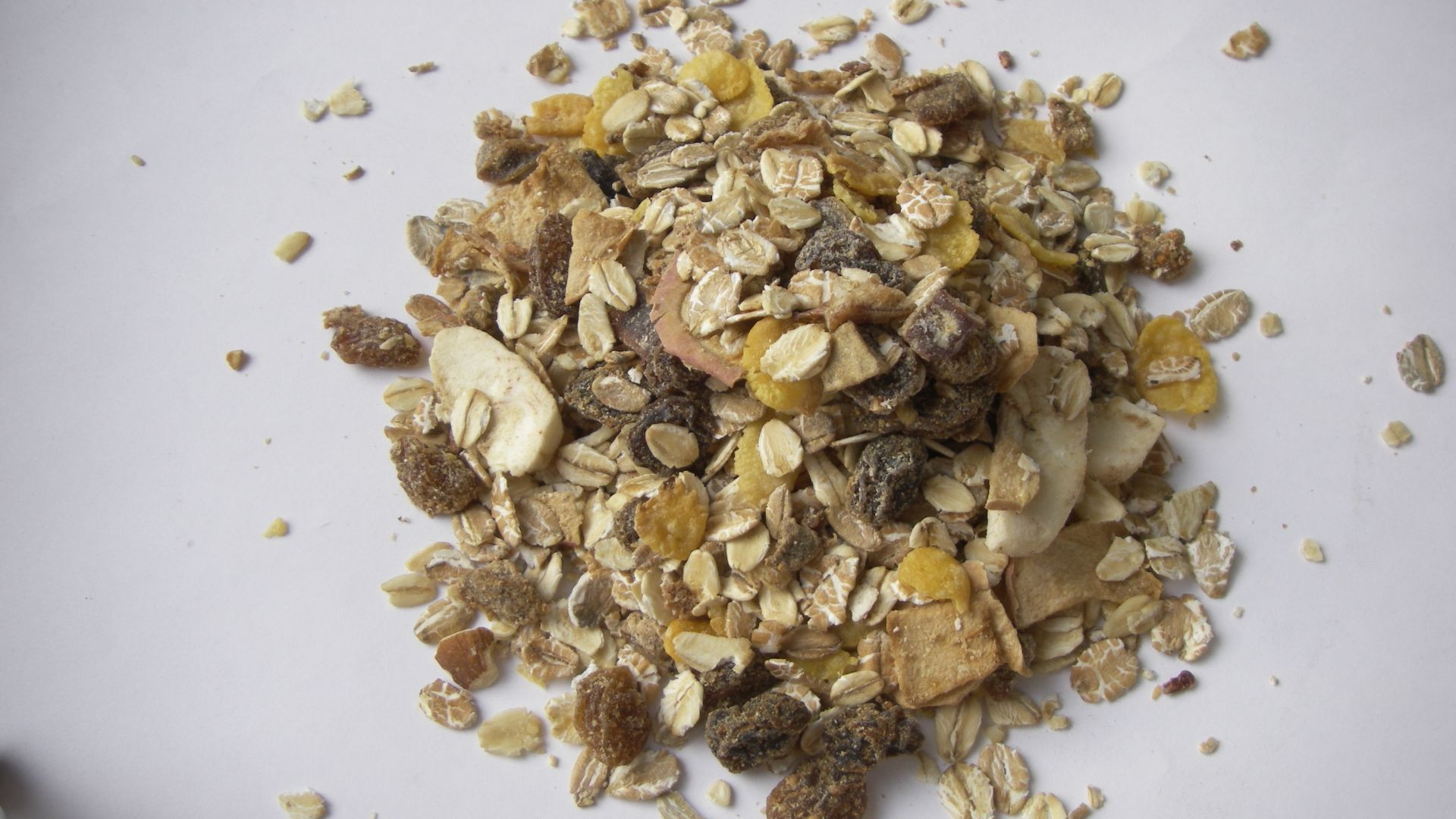
Muesli is what happens when you take the sugar out of granola and add more whole grain content. Bob's Red Mill version uses rolled oats, rye, wheat, and dried fruit with no added sugar. The natural sugars from the fruit are present, but they come with enough fiber to slow absorption considerably. It also keeps you full longer than almost anything else in this category.
 commons.wikimedia.org on Google
4. Barbara's Shredded Wheat
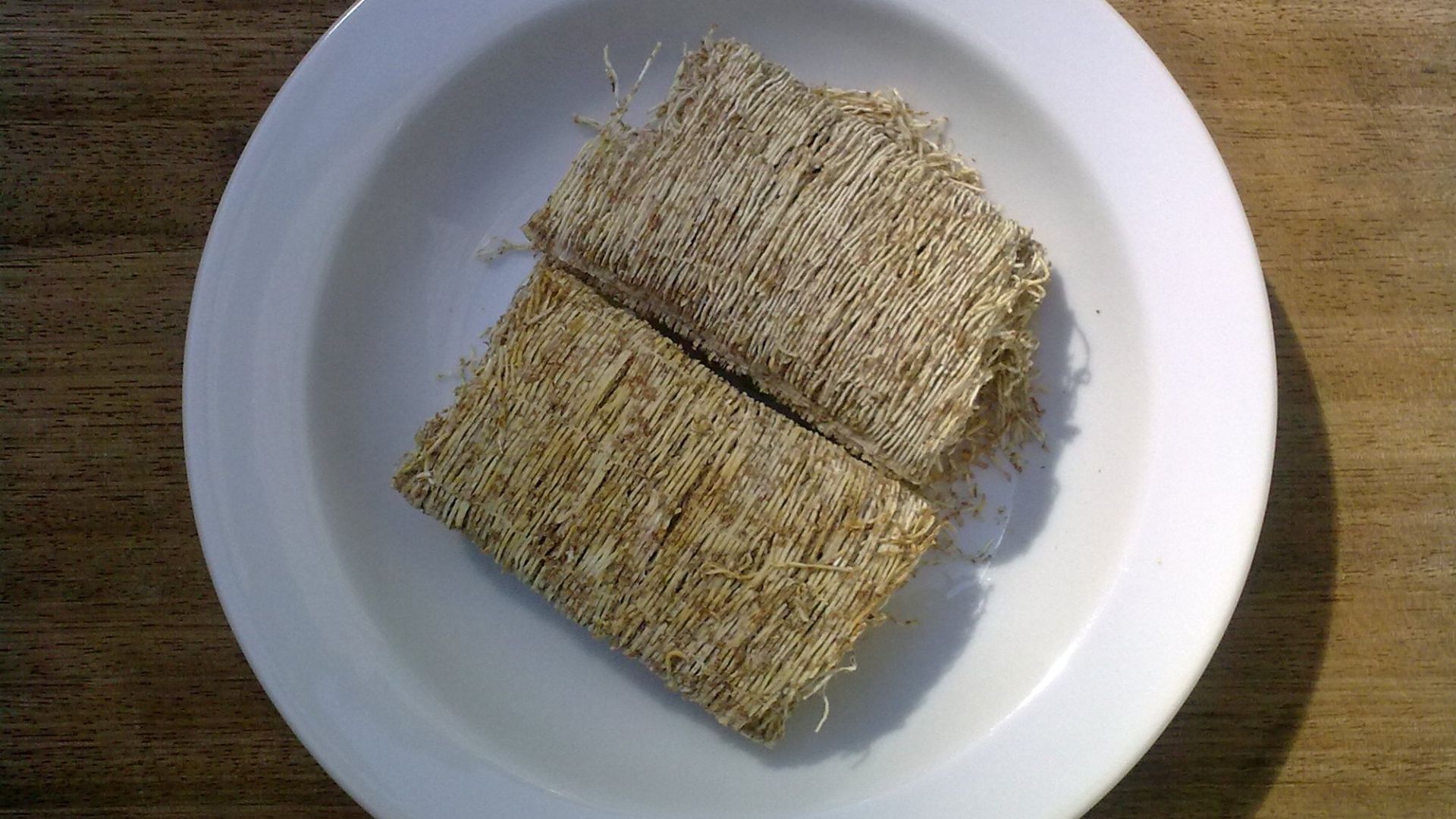
Plain shredded wheat is one of the more underrated options in the cereal aisle. Barbara's version uses whole grain wheat and nothing else, which means zero added sugar and a fiber count that does real work. It tastes like wheat, which is either a selling point or a dealbreaker depending on how attached you are to artificial flavoring.
 Nick Saltmarsh from London, UK on Wikimedia
5. Ezekiel 4:9 Sprouted Grain Cereal
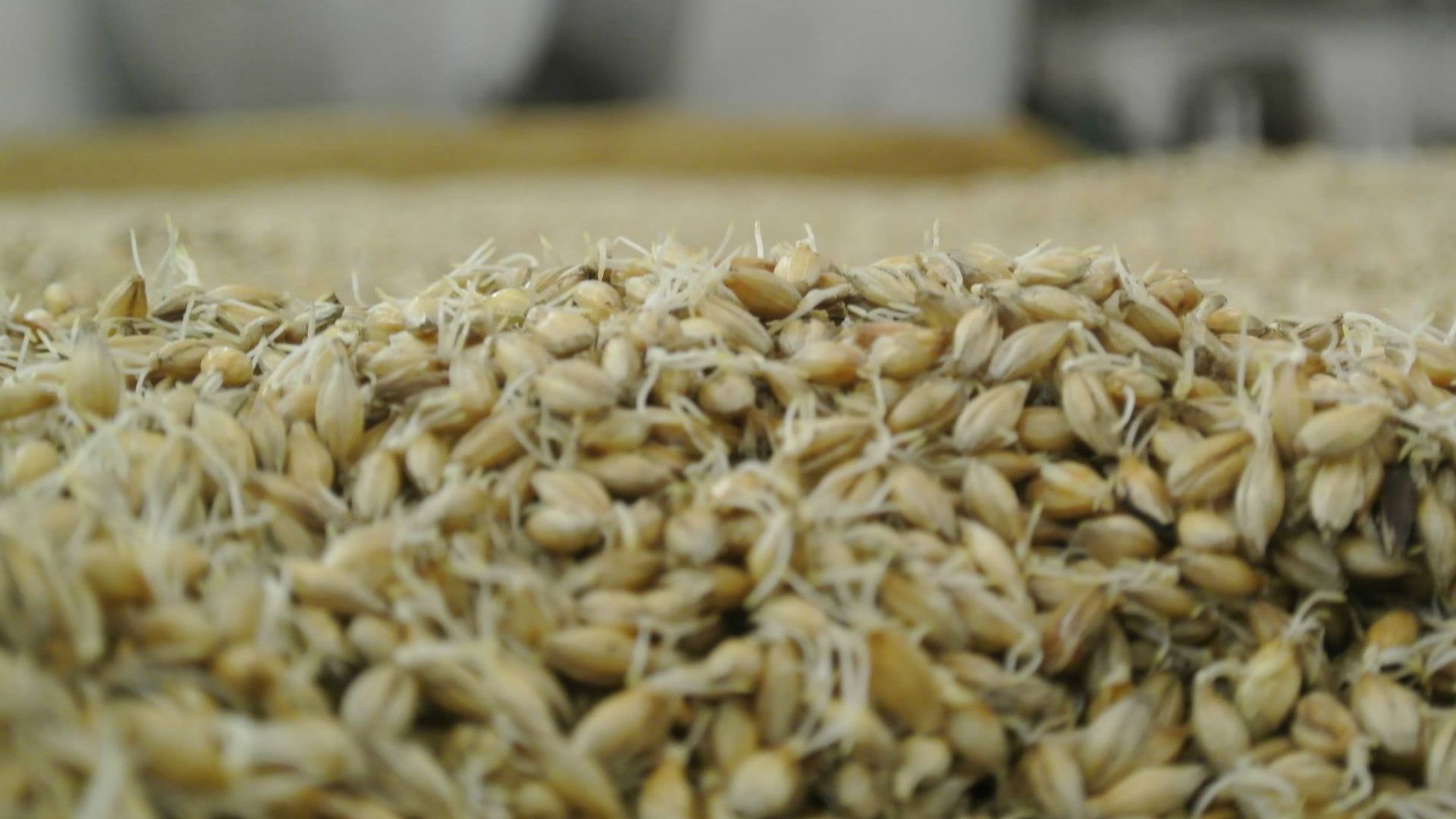
Sprouted grains have a lower glycemic index than their unsprouted equivalents, and Ezekiel's cereal takes that seriously. The combination of sprouted wheat, barley, millet, and lentils produces a protein profile that's more complete than most grain-based cereals. It has zero grams of added sugar and enough fiber to actually affect how you feel a couple of hours later.
6. Nature's Path Flax Plus
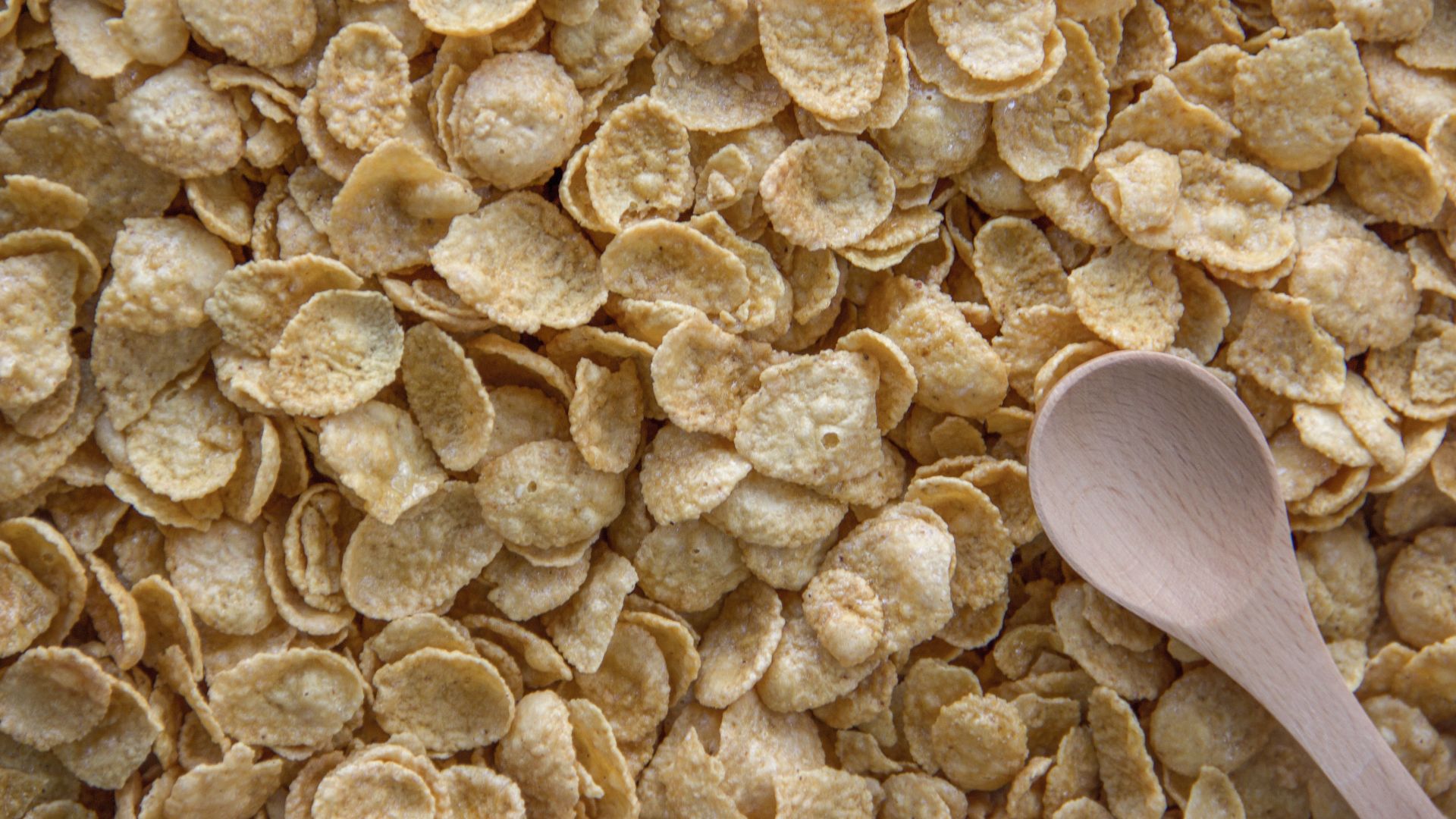
Flax Plus packs ground flaxseed into a multigrain flake with around 5 grams of sugar per serving and a meaningful amount of omega-3 fatty acids. The flaxseed adds fiber that slows the glucose response, and the flake format makes it feel more familiar than some of the denser options on this list. It's one of the easier swaps to make if you're used to a standard cereal texture.
7. Weetabix
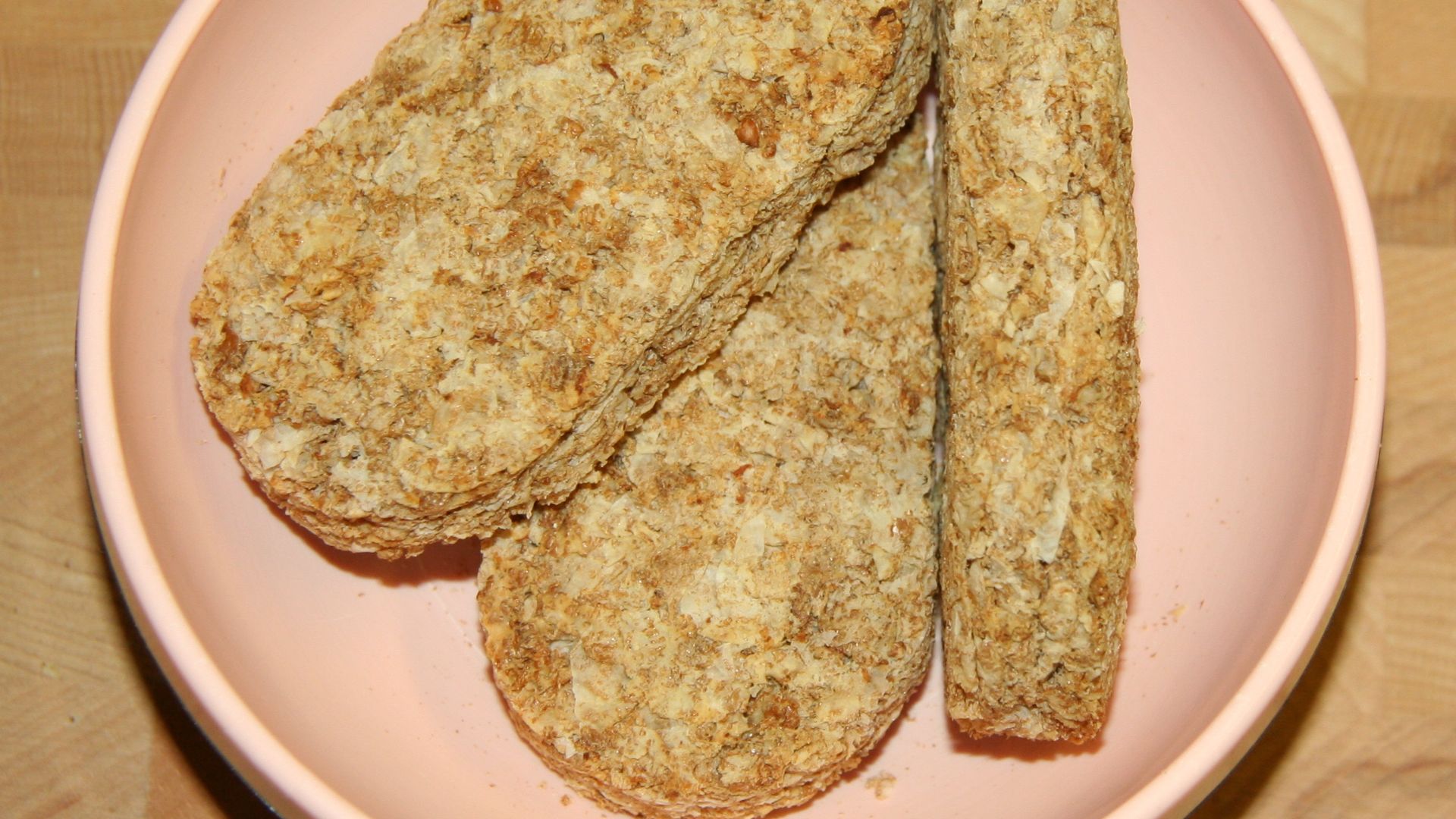
Weetabix is a British staple that never fully broke through to mainstream American shelves but is available in most health food stores and increasingly in larger supermarkets. Two biscuits have around 4 grams of sugar and a solid fiber count. The texture softens quickly in milk, which makes it an easier sell for people who don't love a hard crunch first thing in the morning.
 commons.wikimedia.org on Google
8. Grape-Nuts
Grape-Nuts are dense enough that a quarter-cup serving is genuinely filling, which makes the 5 grams of sugar per serving go further than it sounds. The glycemic response is lower than the carbohydrate count might suggest, partly because of the fiber and partly because the density slows how fast you eat. It has almost nothing in common with either grapes or nuts, which is its own minor mystery.
9. Nature's Path Smart Bran
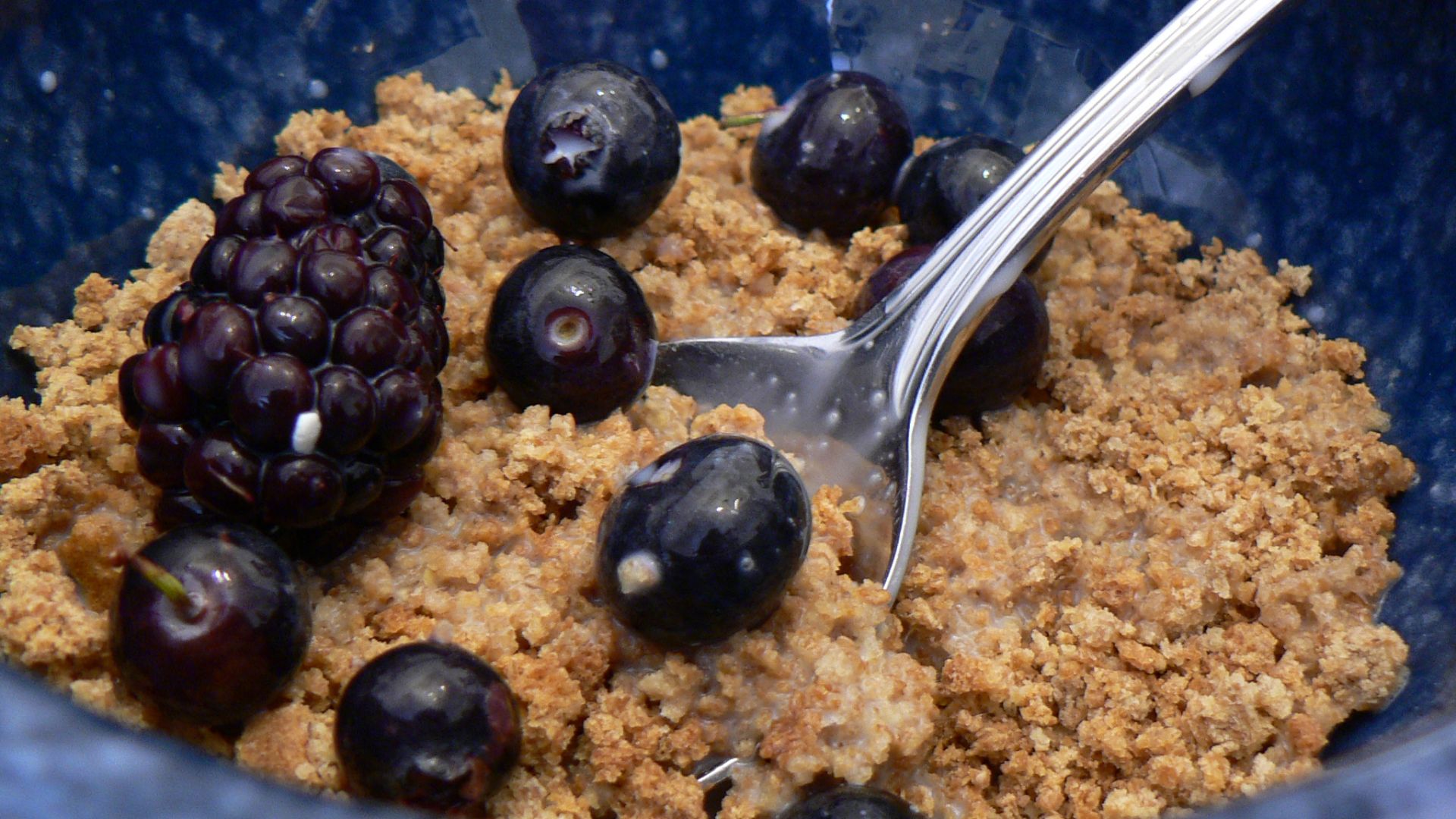
Smart Bran is one of the higher-fiber options on the market at around 17 grams per serving, which is significant enough to meaningfully blunt a glucose spike. The sugar content sits at about 6 grams, and the psyllium husk in the ingredient list adds soluble fiber on top of the bran. It's not the most glamorous breakfast, but the blood sugar outcome two hours later is hard to argue with.
10. Three Wishes Grain-Free Cereal
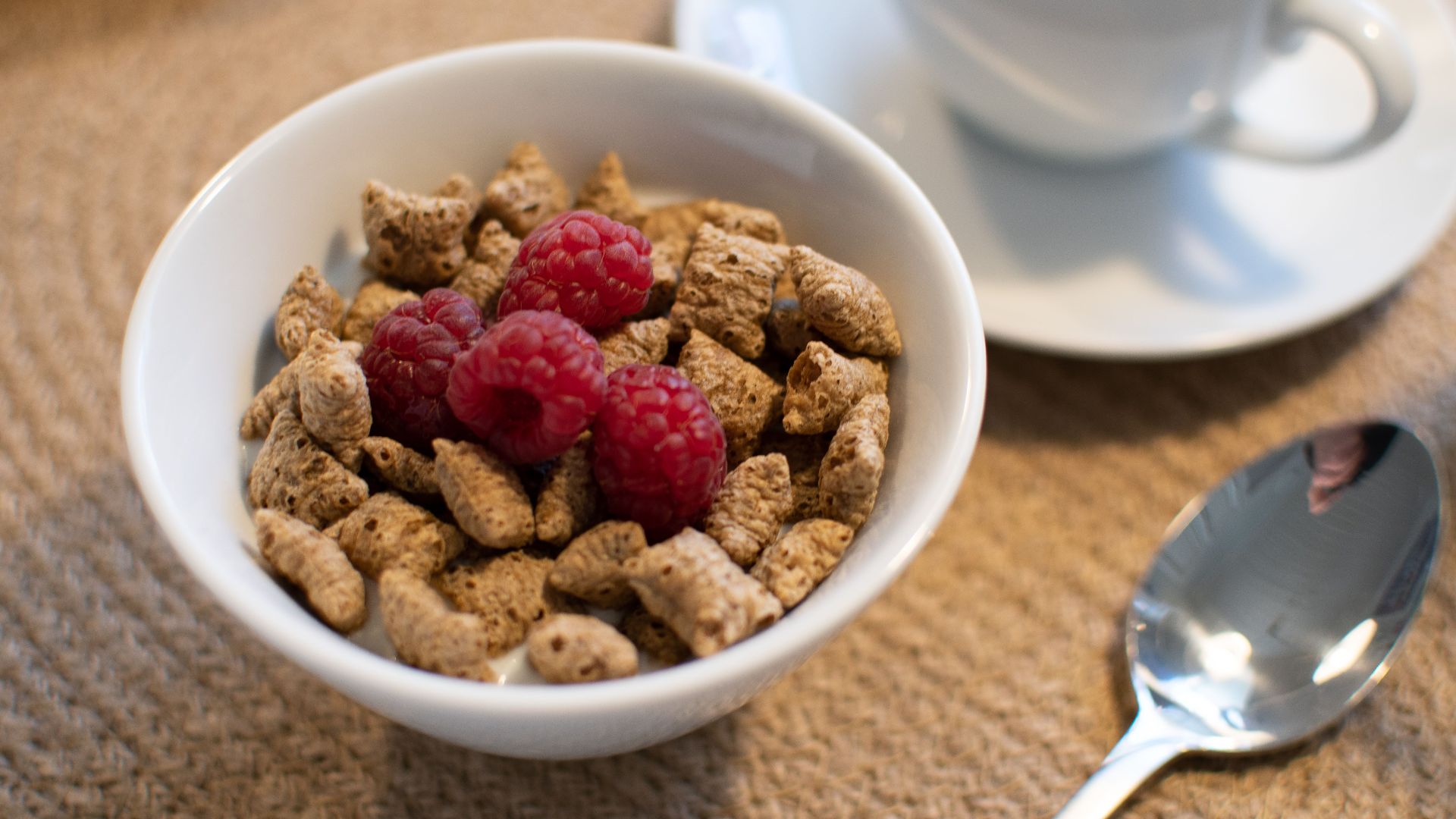
Three Wishes is built on chickpea protein rather than refined grain, which gives it an unusually high protein count for a cereal at around 8 grams per serving. The sugar content is about 3 grams, and the texture is closer to a traditional puffed cereal than most grain-free alternatives manage to achieve. It's the option most likely to satisfy someone who genuinely misses the experience of eating a bowl of cereal without the aftermath.
KEEP ON READING


20 Ways to Deal With Your Sweet Tooth

20 Low-Impact Exercise Ideas For People Over 50