
What Is a Flow State?
Most people are familiar with procrastination; you might even be procrastinating right now. A flow state, on the other hand, is the opposite: when you're so in the zone everything else around you melts away. Time can feel less distracting, effort feels more purposeful, and your attention is zeroed in on the task in front of you. Sounds like the dream, right? Let's take a deeper look into all the perks that being in a flow state can give you, plus 10 tips to help you rein your focus in.

1. It Helps You Focus More Deeply
Flow pulls your attention toward one task instead of scattering it across every notification, thought, or interruption around you. When you’re in that state, you’re less likely to check your phone, second-guess every move, or keep switching between unrelated tasks. That deeper focus can make the work feel more manageable because your mind isn’t constantly restarting.

2. It Makes Time Feel Less Distracting
One of the clearest signs of flow is that you stop watching the clock as closely. You may look up and realize much more time has passed than you expected because your attention was fully engaged. That doesn’t mean you lose control of your schedule, but it can make long stretches of work feel less draining.
3. It Can Improve the Quality of Your Work
When your mind is fully involved in a task, you’re more likely to notice small details and make better decisions as you go. Instead of rushing through the process, you respond to what the work needs in the moment. This can lead to stronger writing, cleaner designs, sharper problem-solving, or more careful craftsmanship.

4. It Makes Challenging Tasks Feel More Enjoyable
Flow often happens when a task is difficult enough to hold your attention but not so difficult that it feels impossible. That balance can make effort feel satisfying instead of frustrating. You’re still working hard, but the challenge gives your mind something rewarding to stay with.

5. It Builds Confidence Through Progress
Being in flow can remind you that you’re capable of handling more than you might assume at the start. As you keep moving through the task, each small success gives you a little more trust in your own ability. That confidence doesn’t have to be loud or dramatic; it can simply show up as a steadier sense that you can keep going.

6. It Reduces Overthinking While You Work
When you’re fully absorbed, you usually have less mental space for constant self-criticism. You’re not stopping every few minutes to judge whether you’re doing well enough or whether the finished result will be perfect. That can make the process feel more natural because your attention stays on the next step rather than on every possible flaw.

7. It Encourages Better Learning
Flow can help you learn because it keeps you engaged long enough to practice with real attention. Whether you’re studying a language, learning an instrument, or building a technical skill, focused repetition matters. The more involved you are in the process, the more likely you are to notice patterns, correct mistakes, and remember what worked.

8. It Can Make Work Feel More Meaningful
Tasks often feel different when you’re fully present for them. Even something practical, like organizing a project or preparing a presentation, can feel more satisfying when you can see yourself making steady progress. Flow gives you a stronger connection to the task, which can make the effort feel less like something you’re forcing yourself through.

9. It Supports Creative Thinking
Creativity often needs enough focus for ideas to develop past the first obvious thought. In flow, you’re more likely to stay with an idea, test it, adjust it, and see where it leads. That kind of sustained attention can help you find more interesting solutions than you would during a rushed or distracted session.

10. It Leaves You Feeling More Accomplished
After a strong flow session, you often walk away with the sense that you used your time well. Even if the task isn’t completely finished, you can usually see real movement. That feeling of accomplishment can make it easier to return to the work later because you remember that progress is possible.
While a flow state can feel almost effortless once you’re in it, getting there is a whole different thing. The right conditions won’t guarantee the zone every time, but they can make it much easier for your brain to settle into focused work.

1. Choose One Clear Task
It’s much easier to enter flow when your brain knows exactly what it’s supposed to focus on. Instead of telling yourself to “be productive,” pick one specific task, such as outlining an article, editing five pages, practicing scales, or cleaning one room. A clear target reduces the mental friction that comes from deciding what to do next.

2. Match the Task to Your Skill Level
Flow works best when the task is challenging but still within reach. If something is too easy, you may get bored, and if it feels far beyond your current ability, you may shut down before you begin. Try adjusting the difficulty by setting a stronger goal, breaking the work into smaller steps, or giving yourself a reasonable limit.

3. Remove Obvious Distractions First
Before you start, take a few minutes to deal with the distractions you already know will compete for your attention. Put your phone out of reach, close extra tabs, silence nonessential alerts, or clear enough space to work comfortably. You don’t need a perfect environment, but fewer interruptions can make it easier to stay with the task.

4. Set a Time Window
A defined work period can help your mind commit instead of looking for excuses to wander. You might choose 25 minutes, 45 minutes, or an hour, depending on the task and your energy. Knowing there’s a clear beginning and end can make the session feel less overwhelming.

5. Start with a Small Action
Getting into the zone often begins with doing something simple enough that you can start immediately. Open the document, sharpen the pencil, write one sentence, warm up for five minutes, or review where you left off. That first action matters because it shifts your brain from thinking about the task to actually doing it.

6. Create a Repeatable Routine
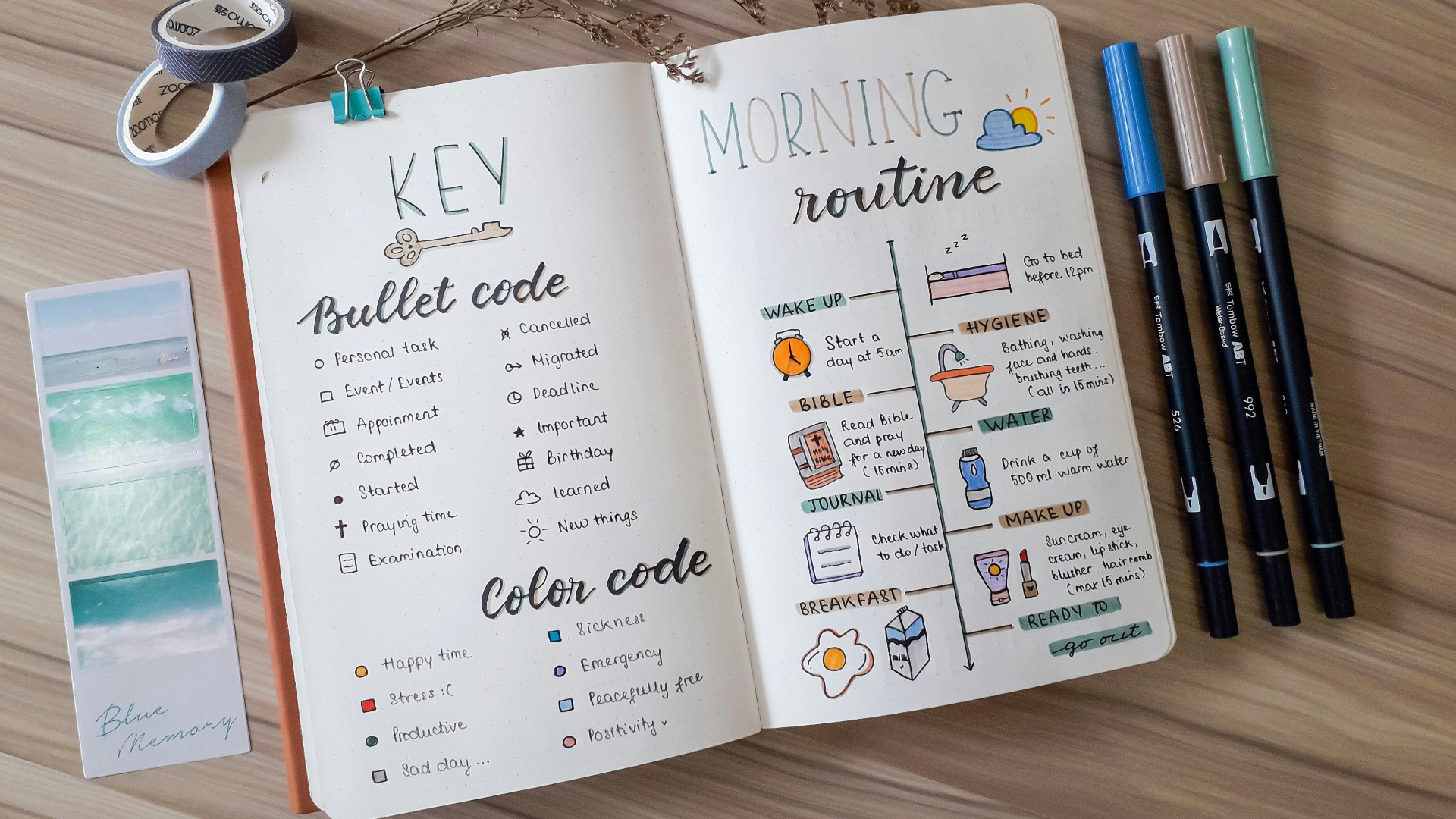
A familiar routine can help signal that it’s time to focus. You might make the same drink, use the same playlist, sit in the same spot, or begin with the same short warm-up. Over time, repeating those cues can make it easier to move into work mode without needing a huge burst of motivation.
 Ngo Ngoc Khai Huyen on Unsplash
7. Keep Feedback Close
Flow is easier when you can tell whether you’re making progress. For some tasks, that feedback is immediate, like seeing a drawing take shape or hearing whether a note sounds right. For other tasks, you may need to create feedback by using a checklist, tracking word count, reviewing completed steps, or pausing briefly to compare your result with the goal.

8. Avoid Multitasking
Trying to do several things at once makes flow much harder because your attention keeps switching directions. Even small interruptions can pull you out of the rhythm of the task and force you to rebuild focus. Give one activity your full attention for the time window you chose, then handle the next thing afterward.

9. Work When Your Energy Fits the Task
Some tasks require high mental effort, while others are better for lower-energy parts of the day. Pay attention to when you usually feel sharper, calmer, or more patient, then place your hardest work in those windows when possible. You don’t need a perfect schedule, but matching the task to your energy can make focus feel less forced.

10. Let Imperfect Progress Count
Flow becomes harder to reach when you expect every early attempt to be polished. Give yourself permission to draft, practice, revise, and improve instead of judging the work too soon. When you focus on continuing rather than performing perfectly, you create more room for the zone to arrive.
KEEP ON READING


20 Things Eating Too Much Sugar Does To Your Body