
Why Protein Becomes More Important With Age
Protein plays a crucial role in maintaining muscle mass, supporting recovery, preserving bone health, and helping people feel satisfied after meals. As adults move through their forties and beyond, natural age-related changes make it increasingly important to pay attention to protein intake. Unfortunately, many people unintentionally develop habits that leave them consuming less protein than they need or using it less effectively throughout the day. Here are 20 protein mistakes adults over 40 commonly make.

1. Assuming Protein Matters Only for Athletes
Many adults associate protein with bodybuilders and fitness enthusiasts rather than everyday health. In reality, protein supports essential functions regardless of activity level. Maintaining adequate intake becomes especially important as natural muscle loss gradually increases with age.

2. Eating Most Protein at Dinner
A common pattern is consuming very little protein at breakfast and lunch before eating a large portion at dinner. Research suggests that spreading protein more evenly throughout the day may better support muscle maintenance. Waiting until evening can mean missing opportunities to stimulate muscle protein synthesis earlier.

3. Skipping Protein at Breakfast
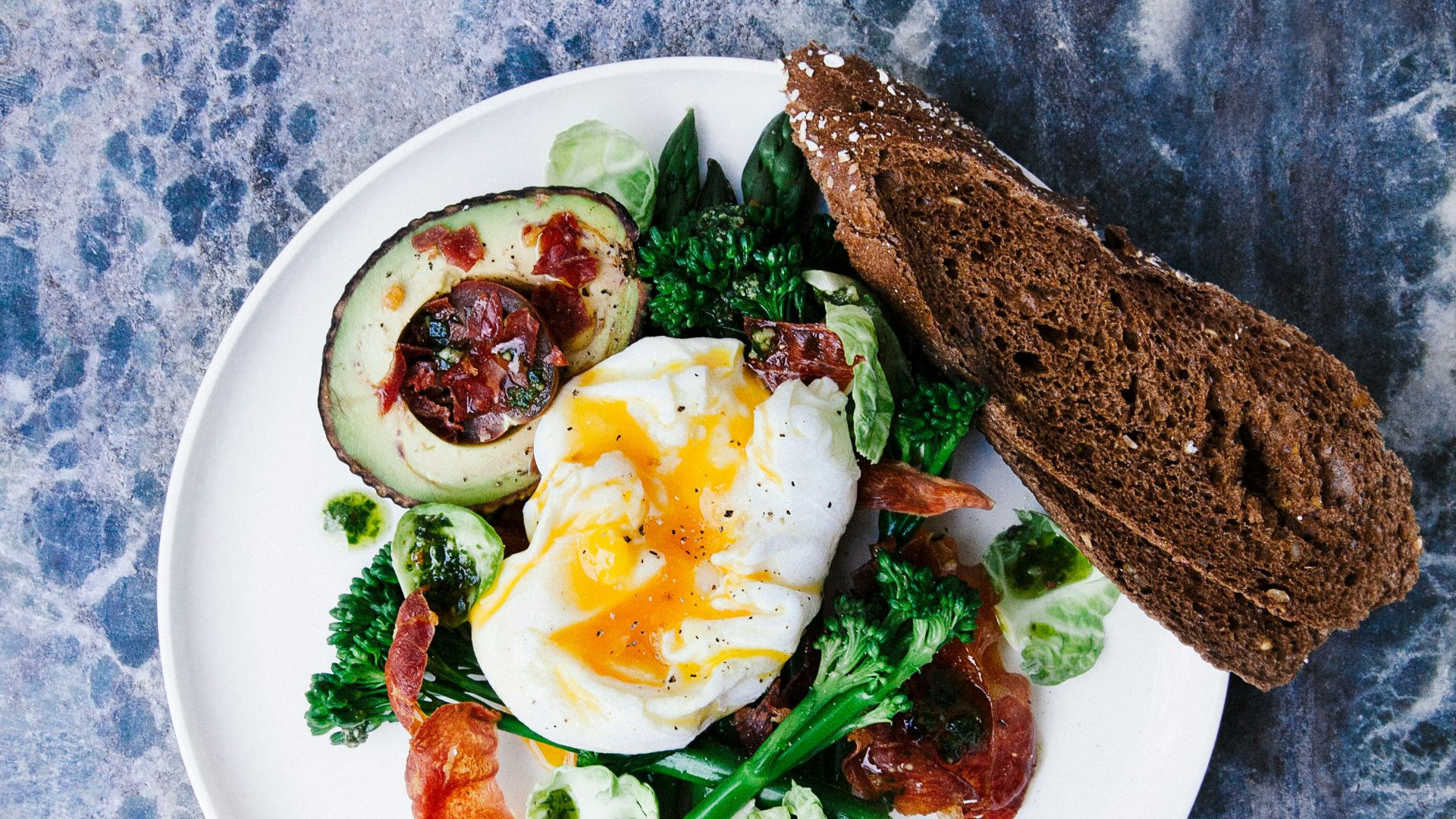
Many breakfast foods are high in carbohydrates but relatively low in protein. Starting the day without a meaningful protein source may leave you feeling less satisfied and can contribute to uneven intake throughout the day. Adding foods such as eggs, Greek yogurt, or cottage cheese can help correct this imbalance.
4. Relying Too Heavily on Protein Bars
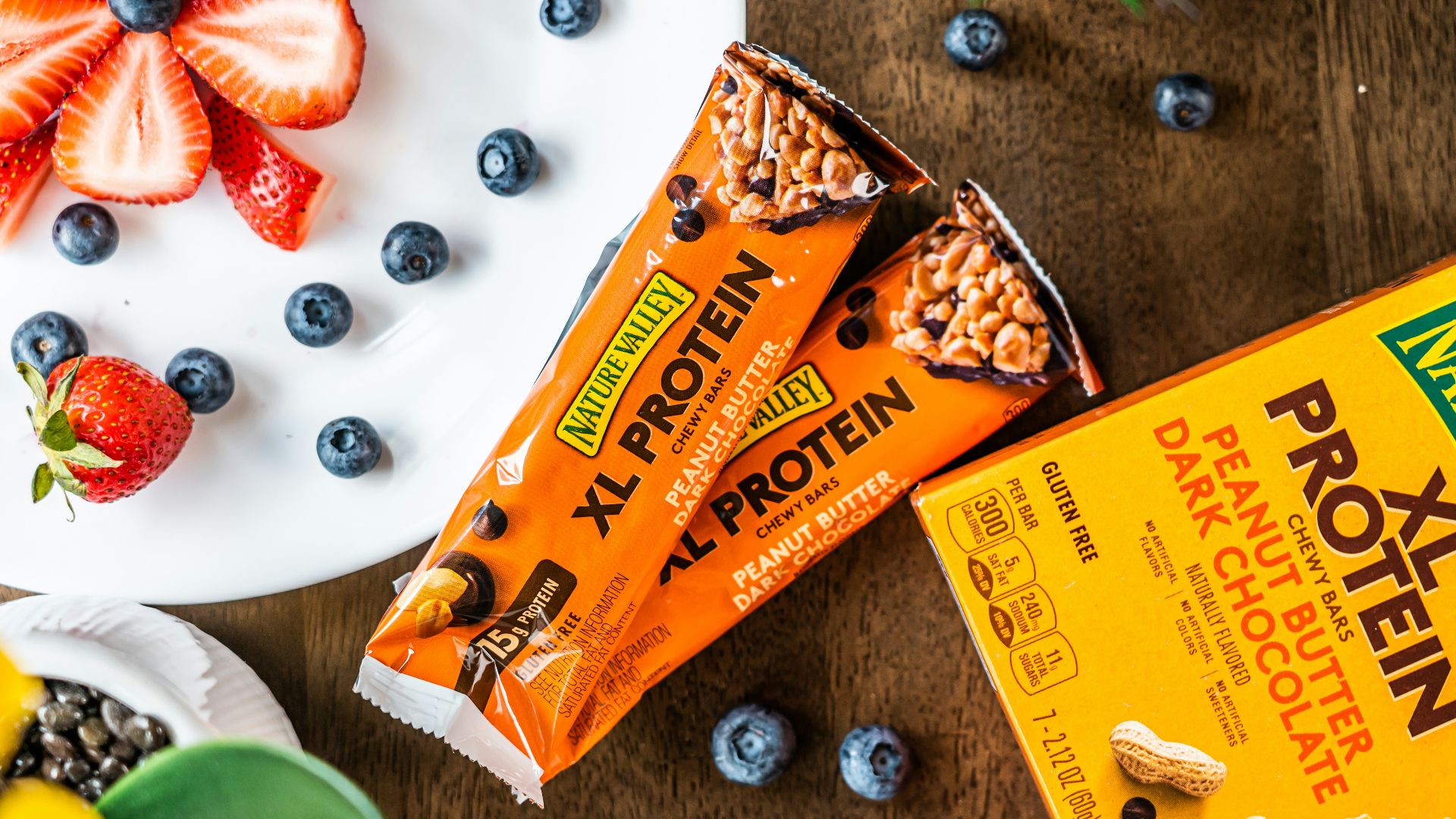
Protein bars can be convenient, but they aren't always ideal nutritional replacements for whole foods. Some contain significant amounts of added sugar or highly processed ingredients. Using them occasionally is reasonable, but they shouldn't become the primary source of dietary protein.
 Hybrid Storytellers on Unsplash
5. Underestimating Protein Needs
Many adults assume they're getting enough protein simply because they eat some at most meals. However, actual intake may fall below recommended levels, particularly among older adults. Taking a closer look at daily eating habits often reveals gaps that weren't obvious before.
6. Ignoring Protein After Exercise
Physical activity creates an opportunity for muscle repair and recovery. Consuming protein after exercise can help support those processes. People who consistently delay eating for long periods after workouts may miss some of those benefits.

7. Thinking Plant Proteins Don't Count
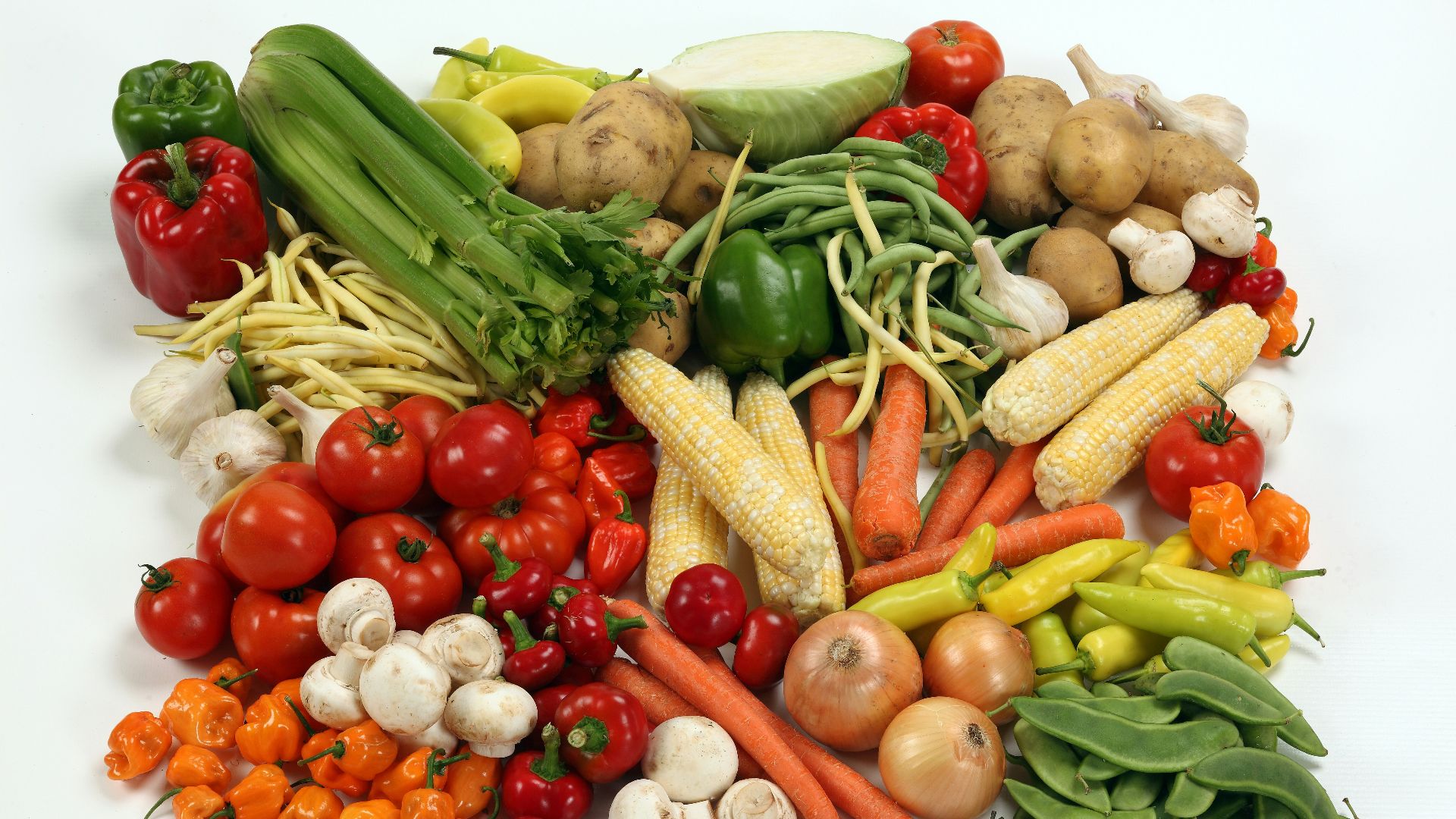
Some people mistakenly believe only animal products provide meaningful protein. Beans, lentils, soy foods, nuts, seeds, and other plant-based options can contribute substantially to daily intake. A well-planned diet can include a variety of effective protein sources.

8. Not Reading Nutrition Labels
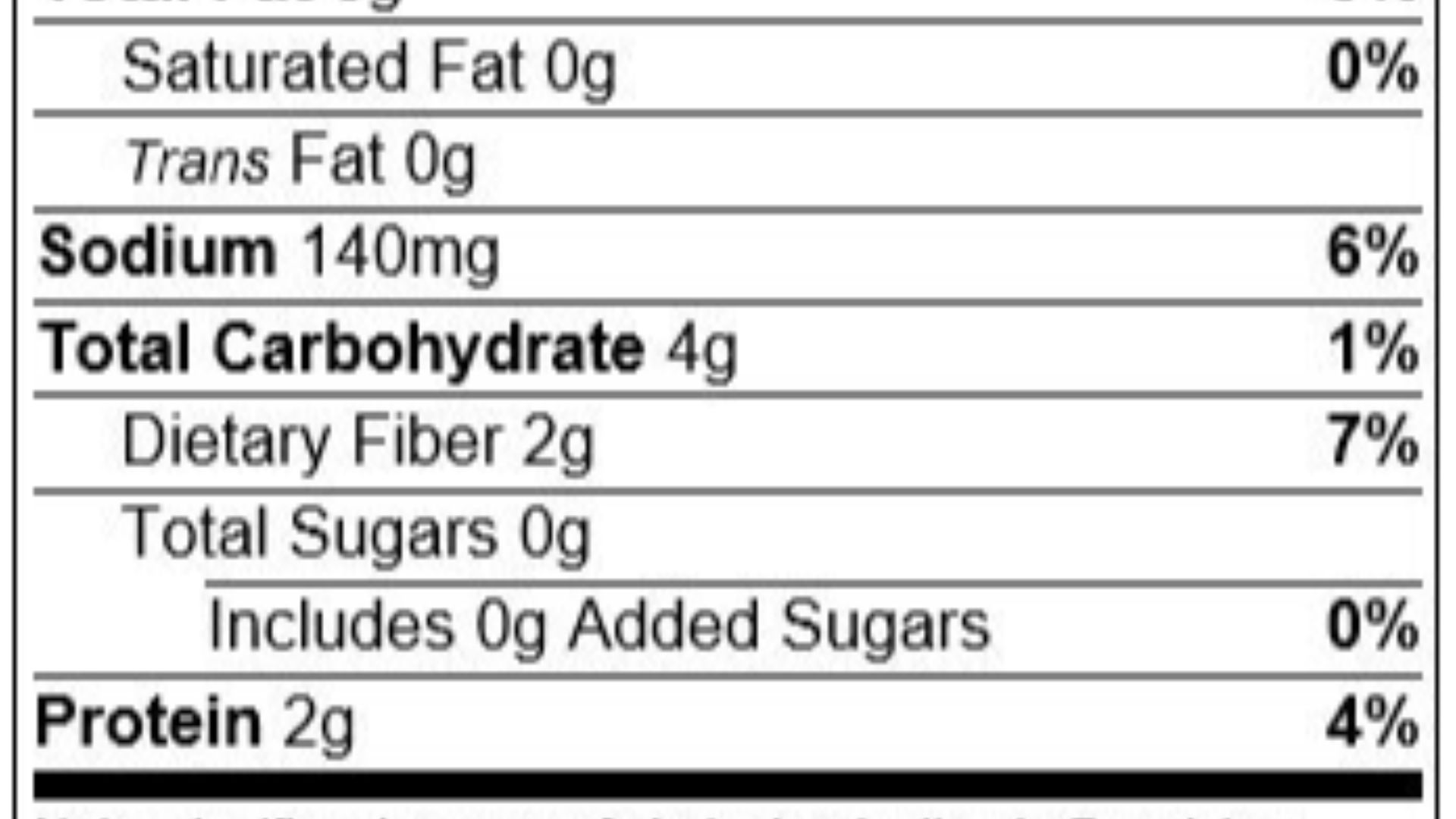
Protein content varies considerably between products that appear similar. Two yogurts, cereals, or snack foods may provide very different amounts. Checking labels can prevent assumptions that lead to lower-than-expected intake.
9. Choosing Protein Sources High in Saturated Fat
Not all protein foods offer the same nutritional profile. Frequently relying on heavily processed meats or high-fat cuts can increase saturated fat intake. Lean meats, fish, legumes, and low-fat dairy products often provide protein with additional nutritional advantages.
10. Overlooking Protein in Snacks
Snacks are often treated as opportunities for convenience rather than nutrition. Reaching only for chips, crackers, or sweets can make it harder to meet daily protein goals. Including some protein in snacks may also improve satiety between meals.

11. Believing More Is Always Better
Protein is important, but excessive intake isn't automatically beneficial. The body can only use so much protein effectively at one time, and overall dietary balance still matters. Focusing solely on protein while neglecting other nutrients isn't a healthy strategy.
12. Forgetting About Hydration
Higher-protein diets often increase the importance of staying properly hydrated. Water supports many of the body's normal metabolic processes, including those involved in handling dietary protein. Neglecting fluid intake can sometimes contribute to discomfort and other issues.

13. Avoiding Protein Because of Outdated Diet Advice
Some adults still associate protein-rich foods with older dietary recommendations that emphasized limiting certain foods. Modern nutrition guidance generally recognizes the value of adequate protein intake as part of a balanced diet. Avoiding protein unnecessarily can create nutritional challenges.
14. Not Prioritizing Protein During Weight Loss
When losing weight, people often focus entirely on reducing calories. Without sufficient protein, some weight loss may come from lean muscle tissue rather than primarily fat stores. Maintaining protein intake helps support muscle preservation during calorie reduction.

15. Assuming All Protein Powders Are Equal
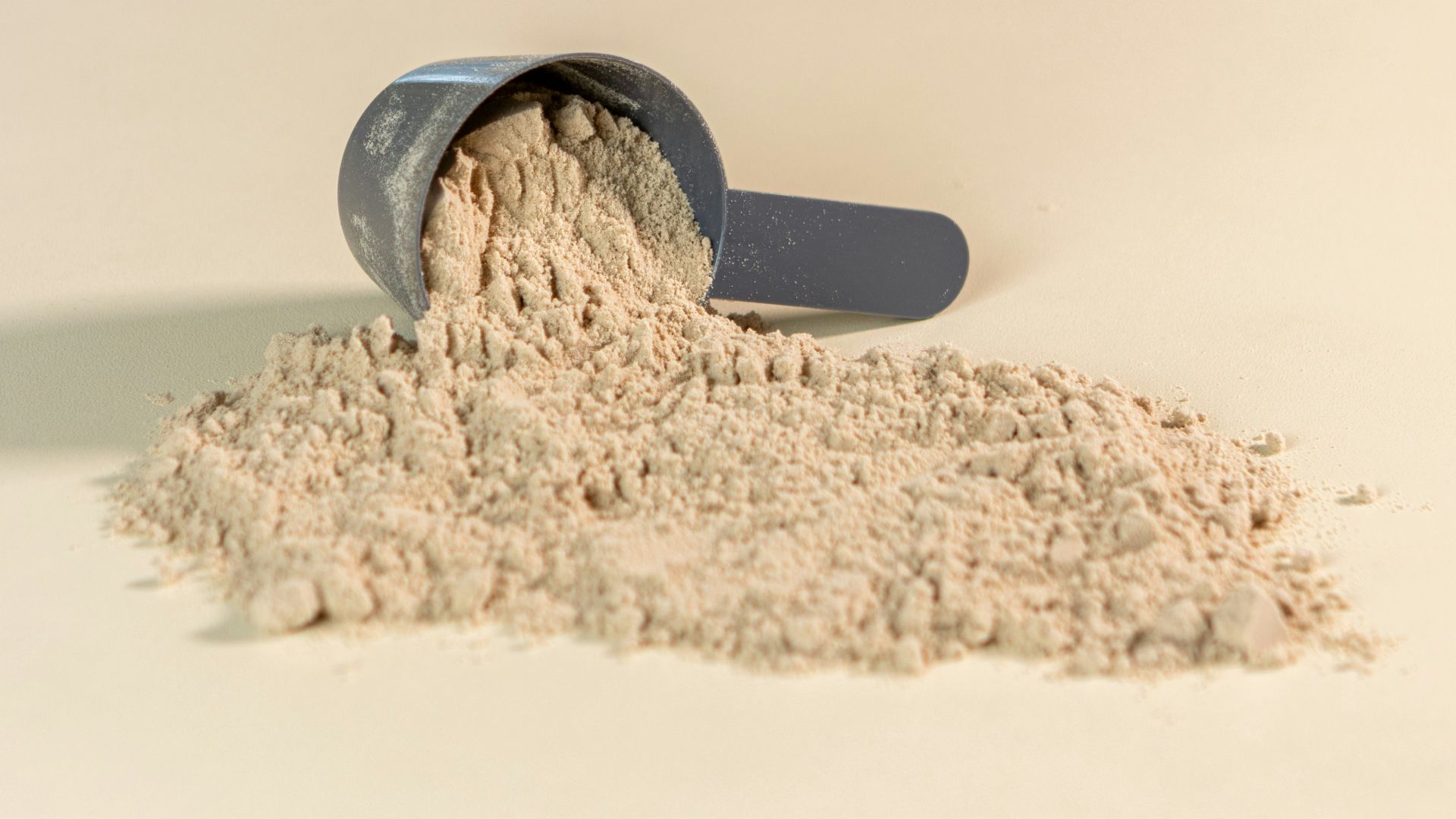
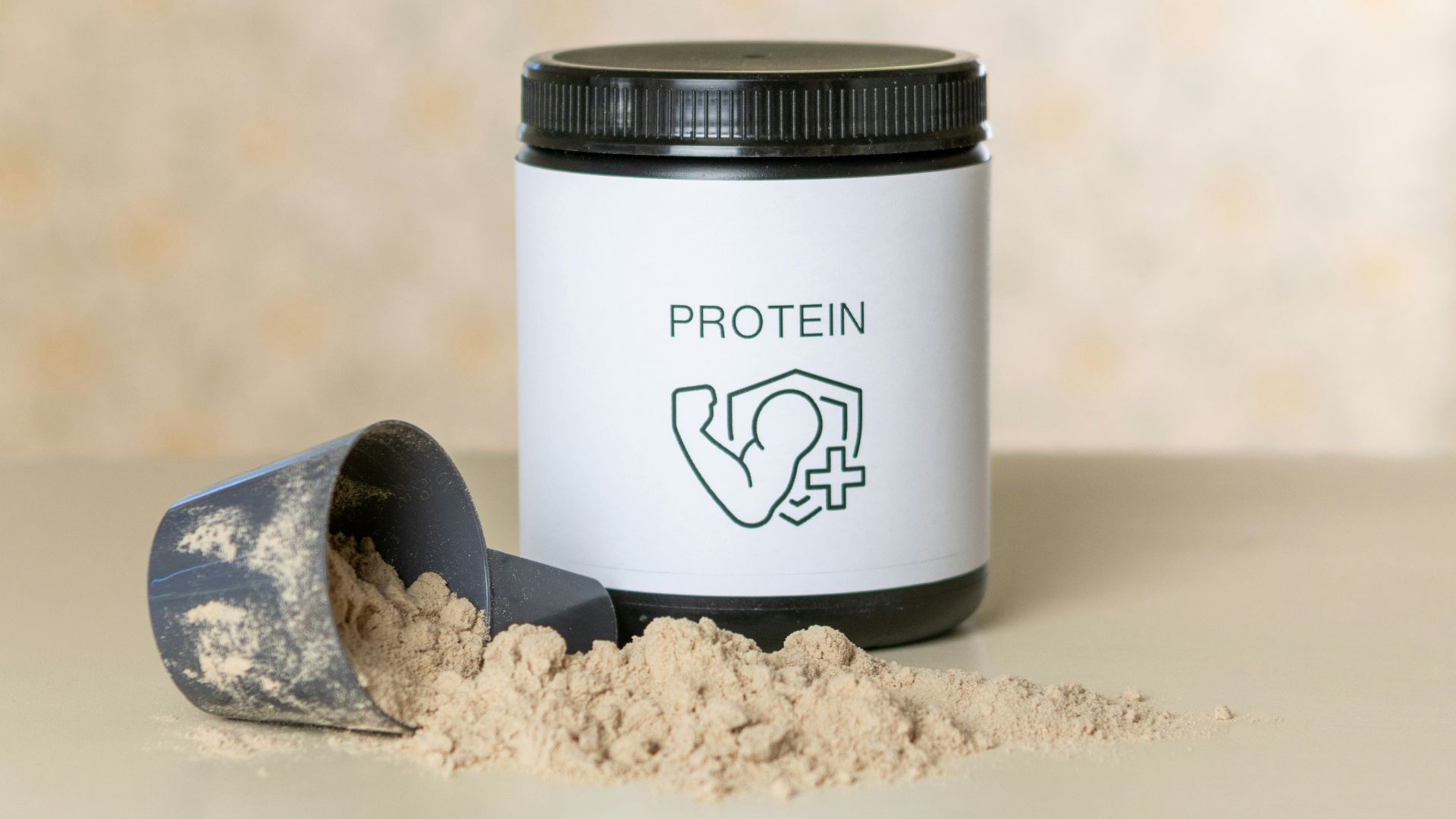
Protein supplements vary significantly in ingredients, quality, and nutritional content. Some products provide little more than flavored powders with minimal benefits. Reading ingredient lists and understanding what's in a supplement can prevent disappointing results.

16. Ignoring Age-Related Muscle Loss
Adults naturally lose muscle mass over time, a process known as sarcopenia. While protein alone won't stop this entirely, adequate intake combined with physical activity can help slow the decline. Many people don't consider this factor until significant muscle loss has already occurred.

17. Relying on One Protein Source
Eating the same protein food repeatedly may limit dietary variety. Different protein sources provide different vitamins, minerals, and other nutrients. Including a range of options often creates a more balanced nutritional profile.

18. Neglecting Protein During Illness Recovery
Periods of illness can increase the body's nutritional demands. Protein plays a role in tissue repair and recovery, making adequate intake particularly important during these times. Some people unintentionally eat too little protein when their appetite decreases.

19. Assuming Protein Needs Never Change
Nutritional needs aren't static throughout adulthood. Factors such as age, activity level, body composition, and health status can influence protein requirements.

20. Focusing on Protein While Ignoring Strength Training
Protein and exercise work best together when it comes to maintaining muscle. Even a high-protein diet can't fully compensate for a lack of resistance or strength-based activity.