
Tuning Into Your Body's Hidden Signals
Vitamin B12 plays an absolutely critical role in keeping your nerve cells healthy, supporting brain function, and manufacturing red blood cells. When your stores run low, your body doesn't just sit quietly; instead, it starts throwing some rather eccentric tantrums to get your immediate attention. Recognizing these strange biological SOS signals can be half the battle, but knowing how to replenish your system is what truly turns things around.

1. An Unusually Smooth, Bright Red Tongue
When you don’t have enough B12, that is exactly what happens. Your papillae, or taste buds, wither away and your tongue becomes smooth and shiny, a condition known as glossitis. Eating spicy or acidic foods will feel like you’ve burned your tongue on coffee.

2. A Constant Sensation of Pins and Needles
Experiencing a random buzzing or tingling feeling in your hands and feet when you haven't even been sitting awkwardly is a classic neurological warning sign. Vitamin B12 is essential for producing myelin, which serves as the protective coating that insulates your entire nervous system. Without enough insulation, your nerves begin to misfire.

3. Mysterious Dark Spots on Your Fingernails
When B12 levels plummet, it can disrupt melanin production and cause dark, linear streaks to develop across your nails. While it might look like you simply bruised your hand while working, these marks won't grow out with the nail like a normal injury would.

4. Randomly Losing Your Balance
Stumbling over thin air or suddenly feeling unsteady on your feet during a routine walk down the hallway shouldn't just be blamed on clumsiness. Long-term depletion of this crucial vitamin can slowly degrade the peripheral nerves that communicate your body's position to your brain. You might find yourself reaching out for walls or furniture to steady yourself.

5. Sudden Internal Thermostat Glitches
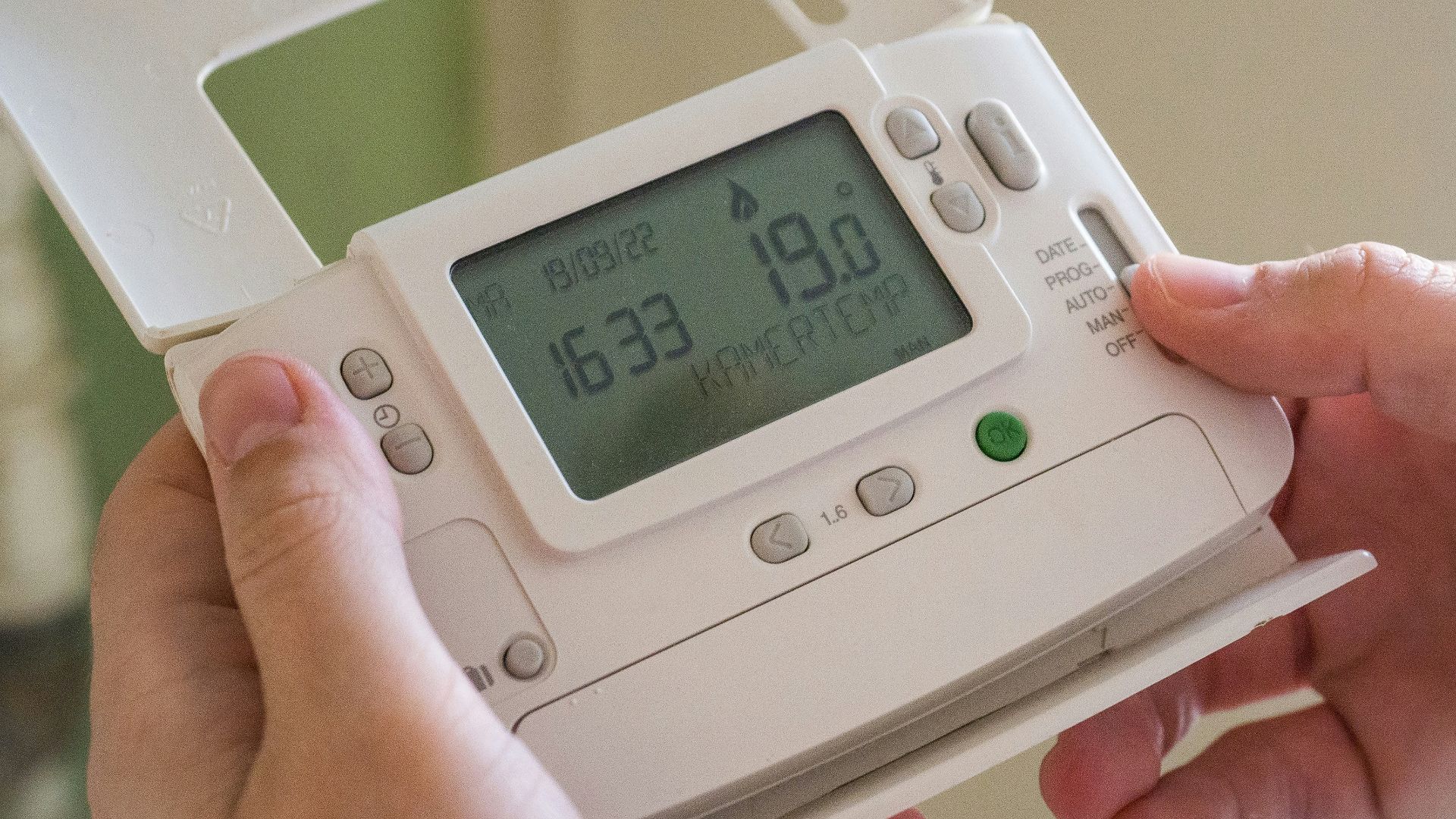
Experiencing random drenching night sweats or sudden hot flashes that have nothing to do with the room temperature can be incredibly jarring. The neurological impact of a B12 deficiency can sometimes interfere with the hypothalamus. You might find yourself shivering under a blanket one minute and throwing off the covers the next.
 Arthur Lambillotte on Unsplash
6. Objects Looking Weirdly Blurry
When you notice that your vision is suddenly becoming fuzzy and changing your glasses prescription doesn't seem to help, your optic nerve might be complaining. A severe lack of this nutrient can damage the nervous pathway that travels directly from your eyes to your brain, a condition known as optic neuropathy. Colors might also start to look a little washed out.

7. Overwhelming Fatigue Despite Sleeping Nine Hours
Dragging yourself out of bed feeling completely exhausted after a full night of rest is a sign that your red blood cells are struggling. Without B12, your body creates oversized, fragile red blood cells that cannot efficiently carry oxygen to your vital organs. This lack of oxygen leaves your muscles and brain feeling like they are constantly running on empty.

8. A Suddenly Faulty Short-Term Memory
Walking into a room only to completely forget why you went in there can happen to anyone, but it shouldn't become a constant daily routine. Mental fogginess and struggling to find the right words mid-sentence are common cognitive side effects of low B12 levels. Many people accidentally mistake this frustrating brain fog for early aging or stress.

9. Tasting Things That Aren't Really There
Developing a strange, metallic tang in your mouth or noticing that your favorite foods suddenly taste completely different can ruin your appetite. Because this vitamin deficiency directly alters the health of your tongue's papillae, it can severely distort your normal sense of taste. You might find yourself adding excessive amounts of salt or sugar to your meals.

10. Weirdly Pale or Yellowish Skin
If your friends start asking whether you are feeling under the weather because your complexion looks unusually washed out, take notice. When those fragile, malformed red blood cells break down too quickly in your system, they release a yellow pigment called bilirubin. This excess pigment can give your skin and the whites of your eyes a distinct, sickly tinge.
Now that we've discussed 10 signs your body wants B12, here are 10 ways to satisfy that craving.

1. Load Up on Beef Liver and Clams
If you want to obliterate a deficiency quickly through your diet, turning to organ meats and shellfish is your absolute best strategy. A single serving of beef liver or a plate of steamed clams contains astronomical amounts of easily absorbable B12 that will instantly refill your body's empty tanks. If organ meats sound unappealing, switch to a nice sirloin steak or a salmon fillet.

2. Switch to Fortified Plant Milks
Plant-based eaters need to be extra intentional about their intake because this specific vitamin does not naturally occur in plant foods. Swapping your standard dairy milk for almond, soy, or oat milks that are explicitly labeled as fortified is an incredibly easy fix. Drinking a glass of these beverages with breakfast ensures you are starting the morning with a reliable dose of essential nutrients.
 Mary Skrynnikova 💛💙 on Unsplash
3. Shake Nutritional Yeast Over Your Popcorn
Often affectionately called "nooch" by health enthusiasts, this deactivated yeast boasts a wonderfully cheesy, nutty flavor profile that elevates almost any snack. Many brands heavily fortify their nutritional yeast with B12, making it a secret weapon for anyone avoiding meat. You can stir it into creamy pasta sauces, dust it over baked potatoes, or toss it with movie-night snacks.

4. Consider a High-Quality Sublingual Supplement
When your digestive system struggles to absorb nutrients from food alone, dissolving a tiny tablet directly under your tongue can bypass the gut entirely. Sublingual supplements enter your bloodstream through the mucous membranes in your mouth, making them highly efficient for people with absorption issues. This method is particularly fantastic for older adults.

5. Request B12 Injections from Your Doctor
Severely depleted? Meet with your doctor and get B12 injections. For some people with extreme depletion or an autoimmune condition known as pernicious anemia, oral supplementation doesn’t work.

6. Incorporate Swiss Cheese into Your Lunch
Add slices of Swiss, mozzarella, or cheddar to your sandwiches to increase your B12 intake. Dairy products contain bioavailable B12, which means your body can absorb it. Add a side of Greek yogurt to increase your intake even more.
 David Foodphototasty on Unsplash
7. Start Your Day with Fortified Breakfast Cereal
Pour a bowl of fortified whole-grain cereal in the morning. Most brands are packed with 100 percent of your daily value in just one serving. Be sure the brand you choose has the real vitamin and not just the fermented version.

8. Keep Your Gut Health in Tip-Top Shape
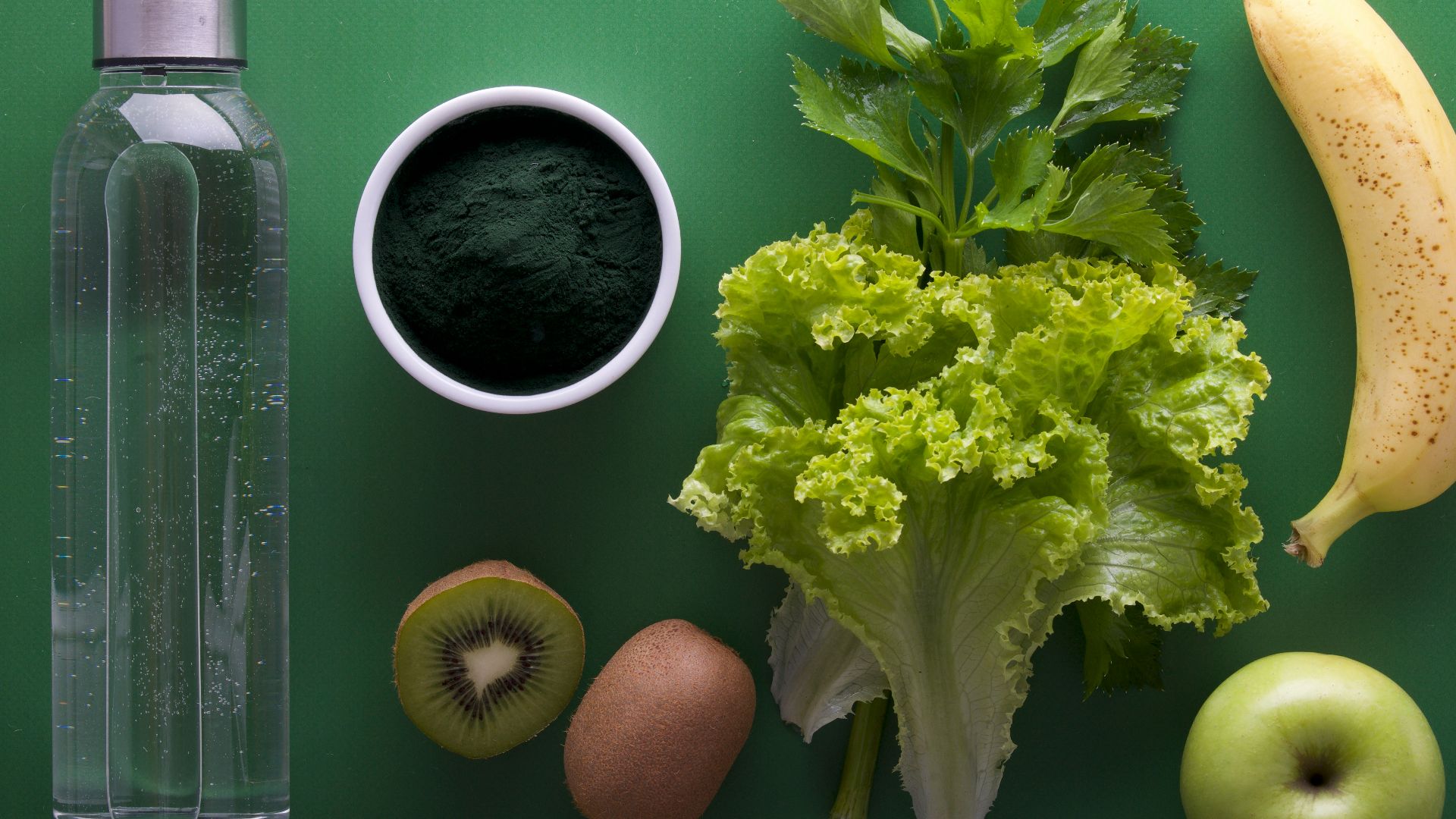
If you have leaky gut syndrome, no matter how much B12 you take, your body will have a hard time absorbing it. Eat probiotic-rich foods like kefir, kimchi, kombucha, and sauerkraut to improve your gut health.
 Vitalii Pavlyshynets on Unsplash
9. Check Your Current Medication List
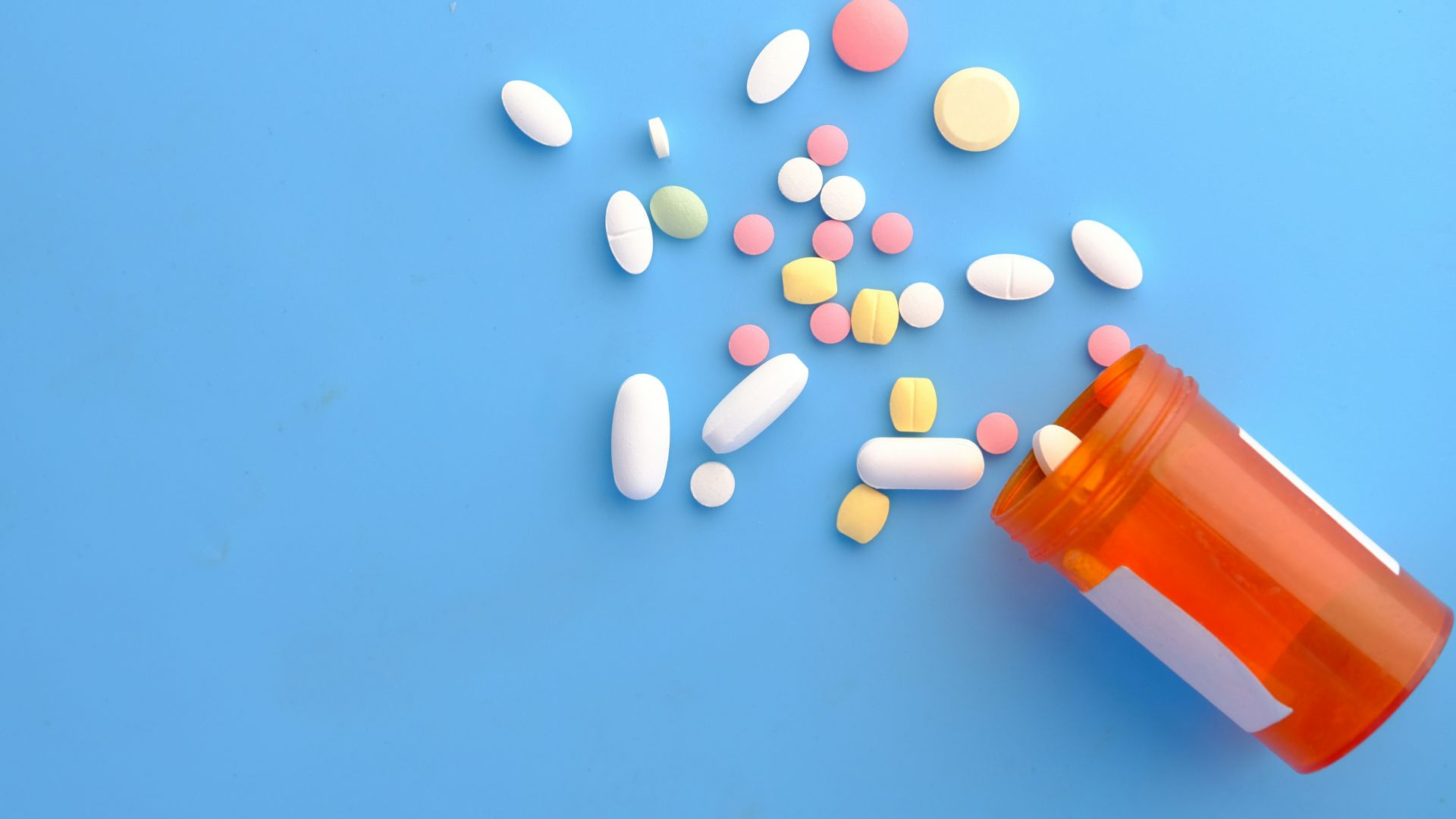
Prescription medications like Metformin, which people with diabetes take, and drugs that suppress stomach acid can inhibit your body from properly absorbing B12. If you take any medication daily, schedule a doctor's appointment to see whether you should be monitoring your B12 levels.
10. Add Whole Eggs to Your Breakfast Routine
Last but not least, start eating a couple of eggs a day. Not only are they a great source of protein and healthy fats, but they also contain B12 that your body can absorb. Don’t throw away those egg yolks!