
Everyday Choices That Can Help Or Hurt Your Heart
Heart health isn't determined by one perfect meal or a single workout. Instead, it's shaped by the habits you repeat over months and years, which is why doctors emphasize practical lifestyle changes over quick fixes. While some commonly recommended practices are backed by strong evidence, others sound healthy at first but can actually make it harder to care for your cardiovascular health. Here are 10 heart health habits doctors recommend and 10 that do more harm than good.

1. Stay Physically Active Most Days
Cardiologists consistently recommend regular physical activity because it helps improve circulation, lower blood pressure, and strengthen the heart muscle. You don't have to become a marathon runner, as brisk walking, cycling, swimming, or other moderate exercise can provide meaningful benefits. The key is maintaining a routine you can realistically stick with.

2. Eat Plenty Of Fruits And Vegetables
A diet rich in produce provides fiber, vitamins, minerals, and antioxidants that support overall cardiovascular health. These foods can also help replace more heavily processed options that are often high in sodium or saturated fat. Variety matters, so aiming for different colors throughout the week is a smart approach.

3. Get Enough Quality Sleep
Adults who regularly get about seven to nine hours of sleep generally support better heart health than those who are chronically sleep deprived. Poor sleep has been linked to higher risks of high blood pressure and other cardiovascular concerns. Creating a consistent bedtime routine can make a meaningful difference.

4. Monitor Your Blood Pressure
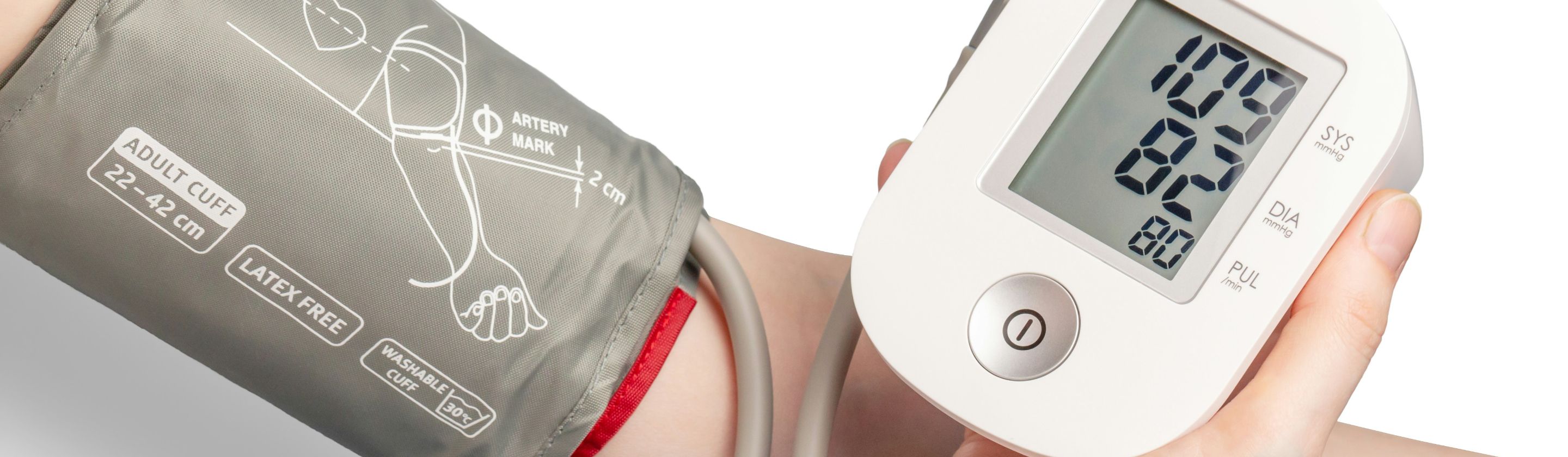
High blood pressure often develops without noticeable symptoms, which is why it's sometimes called a silent condition. Regular checkups or home monitoring allow problems to be identified before complications develop. Early awareness gives you and your healthcare provider more options for managing it.
5. Choose Whole Grains More Often
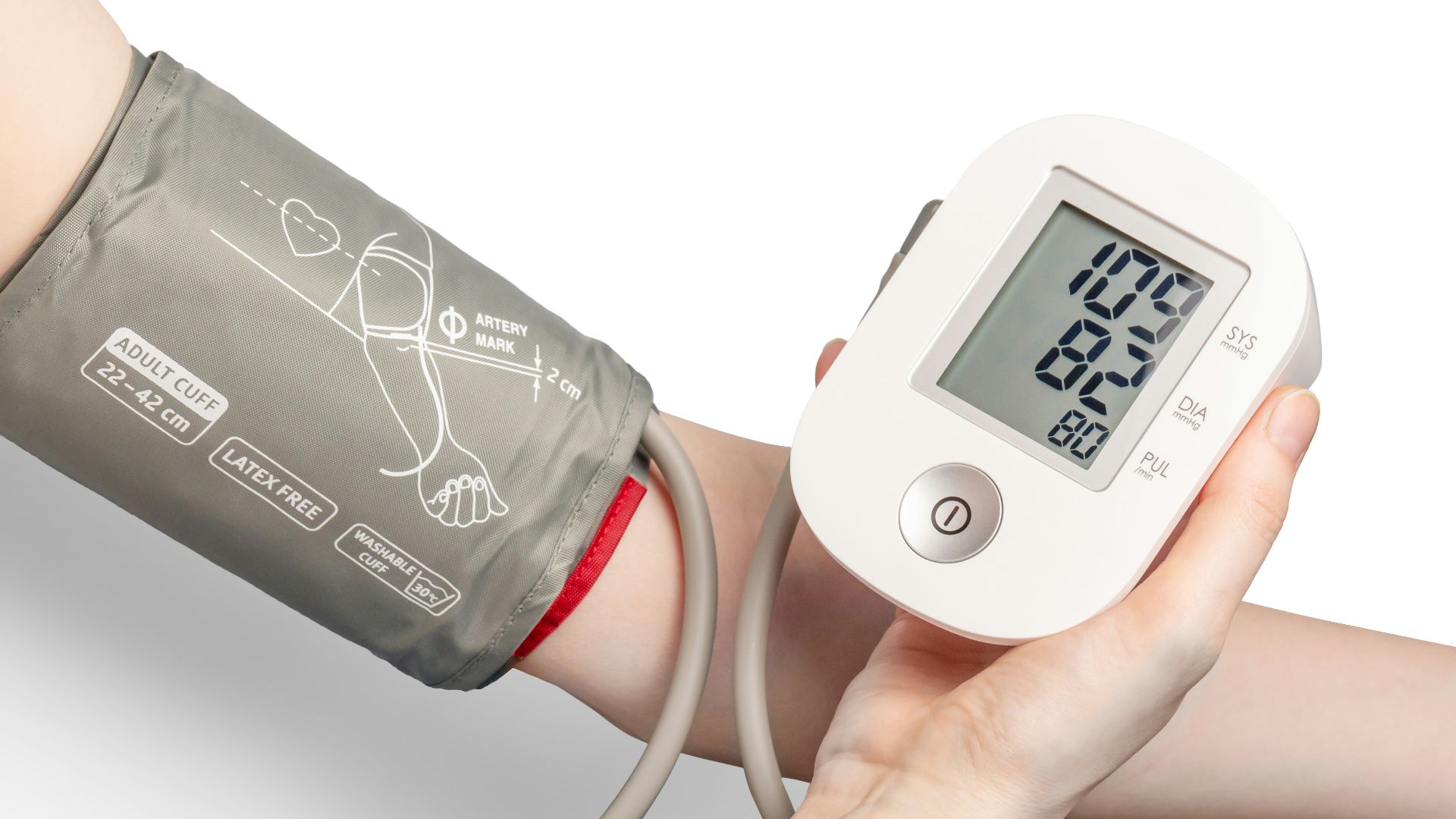
Whole grains provide fiber that can support healthy cholesterol levels as part of an overall balanced diet. Swapping refined grains for oats, brown rice, or whole-wheat products is a simple change that adds up over time. Small dietary improvements are often easier to maintain than dramatic overhauls.
6. Don't Smoke And Avoid Tobacco
Avoiding tobacco remains one of the most effective ways to reduce the risk of heart disease. Smoking damages blood vessels, raises the risk of blood clots, and places additional strain on the cardiovascular system. Quitting at any age can still provide meaningful health benefits.

7. Manage Stress In Healthy Ways
Stress itself isn't always avoidable, but how you respond to it matters. Activities like regular exercise, mindfulness, talking with supportive friends, or engaging in enjoyable hobbies can help reduce chronic stress. Healthier coping strategies also make it less likely you'll rely on harmful habits.

8. Maintain A Healthy Weight
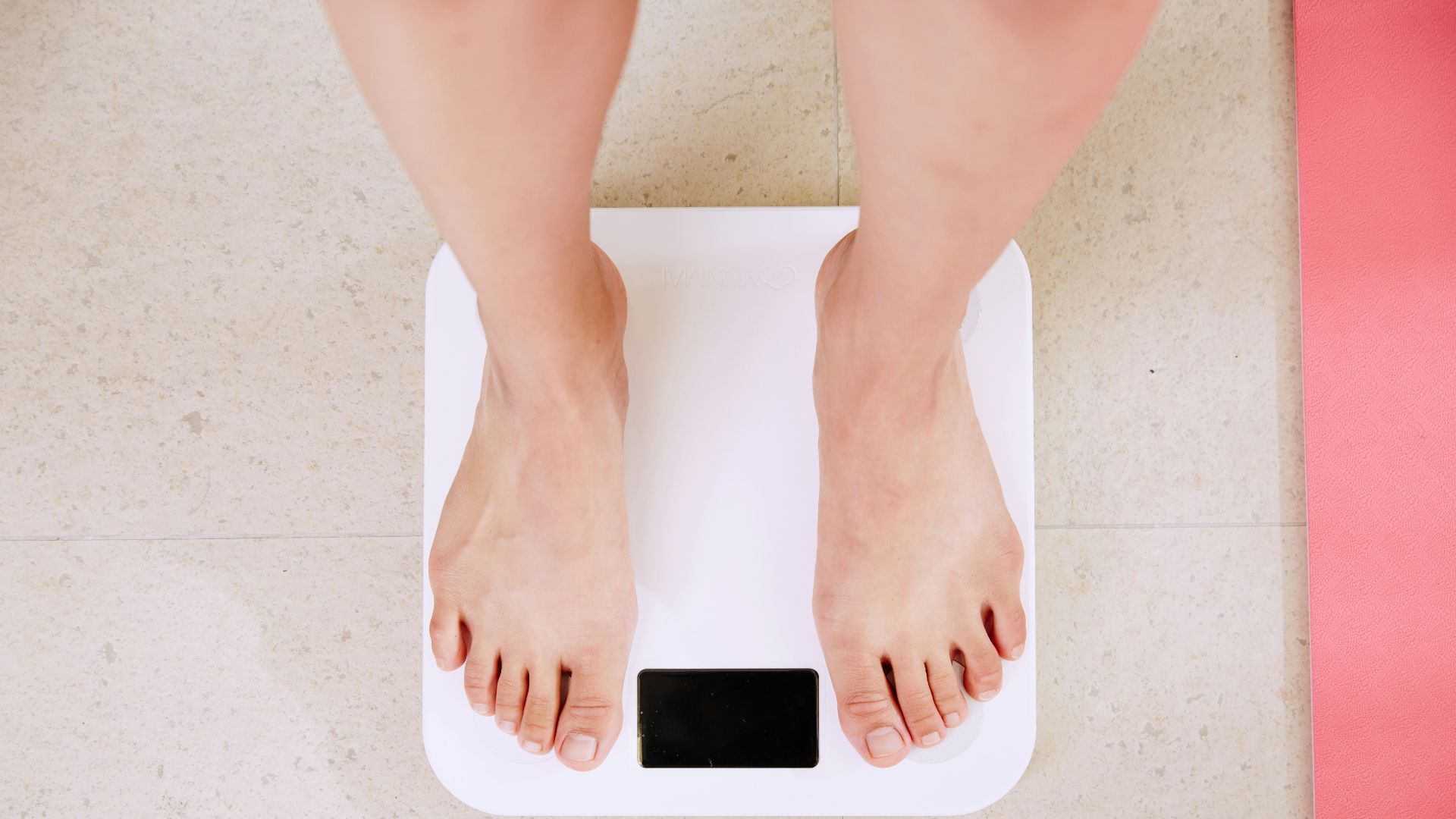
Carrying excess body weight can increase the risk of high blood pressure, type 2 diabetes, and elevated cholesterol. Rather than focusing on rapid weight loss, doctors generally encourage gradual, sustainable lifestyle changes. Consistent habits usually produce better long-term results than restrictive dieting.
9. Keep Up With Routine Medical Care
Regular appointments allow healthcare providers to monitor cholesterol, blood pressure, blood sugar, and other important risk factors. Detecting changes early often makes treatment more effective. Preventive care is much easier than treating advanced heart disease later.

10. Limit Highly Processed Foods
Many highly processed foods contain large amounts of sodium, added sugars, or unhealthy fats. Choosing minimally processed foods more often supports an overall heart-healthy eating pattern.

1. Following Crash Diets
Rapid weight-loss plans may produce quick results, but they're rarely sustainable and can lead to nutritional deficiencies. Many people regain the lost weight soon after returning to normal eating habits. Slow, consistent progress is generally better for both overall and heart health.

2. Assuming Supplements Replace Healthy Eating
No vitamin or supplement can fully replace the benefits of a balanced diet unless prescribed for a specific deficiency or condition. Some supplements may also interact with medications or provide little proven cardiovascular benefit.
 Supliful - Supplements On Demand on Unsplash
3. Eliminating All Dietary Fat
Your body still needs healthy fats from foods like nuts, seeds, avocados, and fish. Completely avoiding fat can make meals less satisfying and reduce intake of nutrients that support overall health. The focus should be on choosing healthier fat sources rather than removing them entirely.

4. Exercising Only On Weekends
Trying to squeeze an entire week's worth of activity into one or two intense sessions increases the risk of injury and often isn't sustainable. Regular movement spread throughout the week provides more consistent cardiovascular benefits. Even shorter sessions can be worthwhile when done consistently.
 LOGAN WEAVER | @LGNWVR on Unsplash
5. Ignoring Symptoms Because You're "Too Young"
Heart problems don't affect only older adults, and younger people shouldn't dismiss concerning symptoms automatically. Chest discomfort, unexplained shortness of breath, or fainting deserve medical evaluation regardless of age. Prompt attention can be lifesaving.
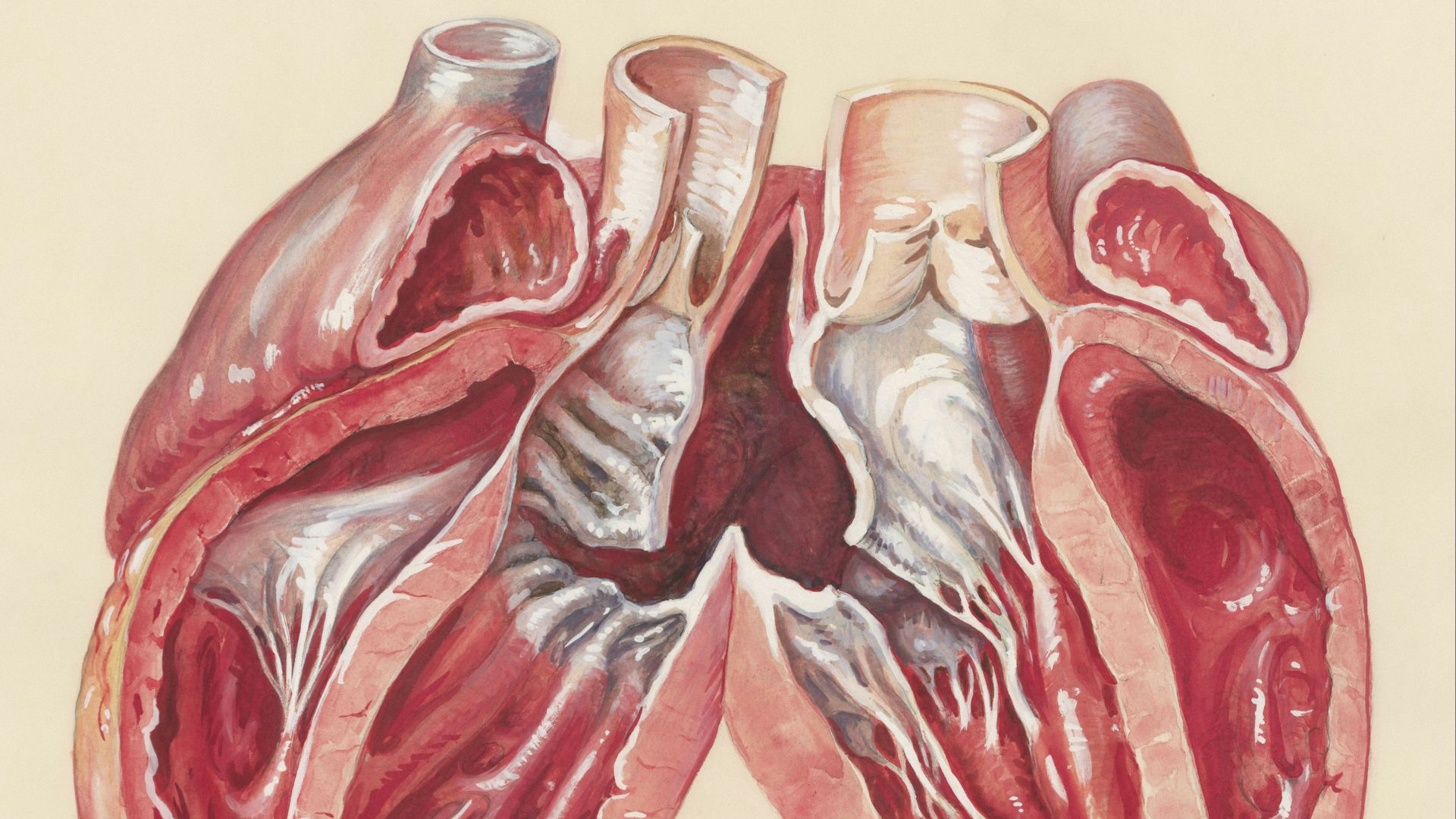
6. Believing Red Wine Is A Heart Health Requirement
While some older research suggested possible cardiovascular benefits from moderate alcohol consumption, current medical guidance does not recommend starting to drink for heart health. Alcohol also carries risks that may outweigh any potential benefits. There are safer ways to support cardiovascular wellness.
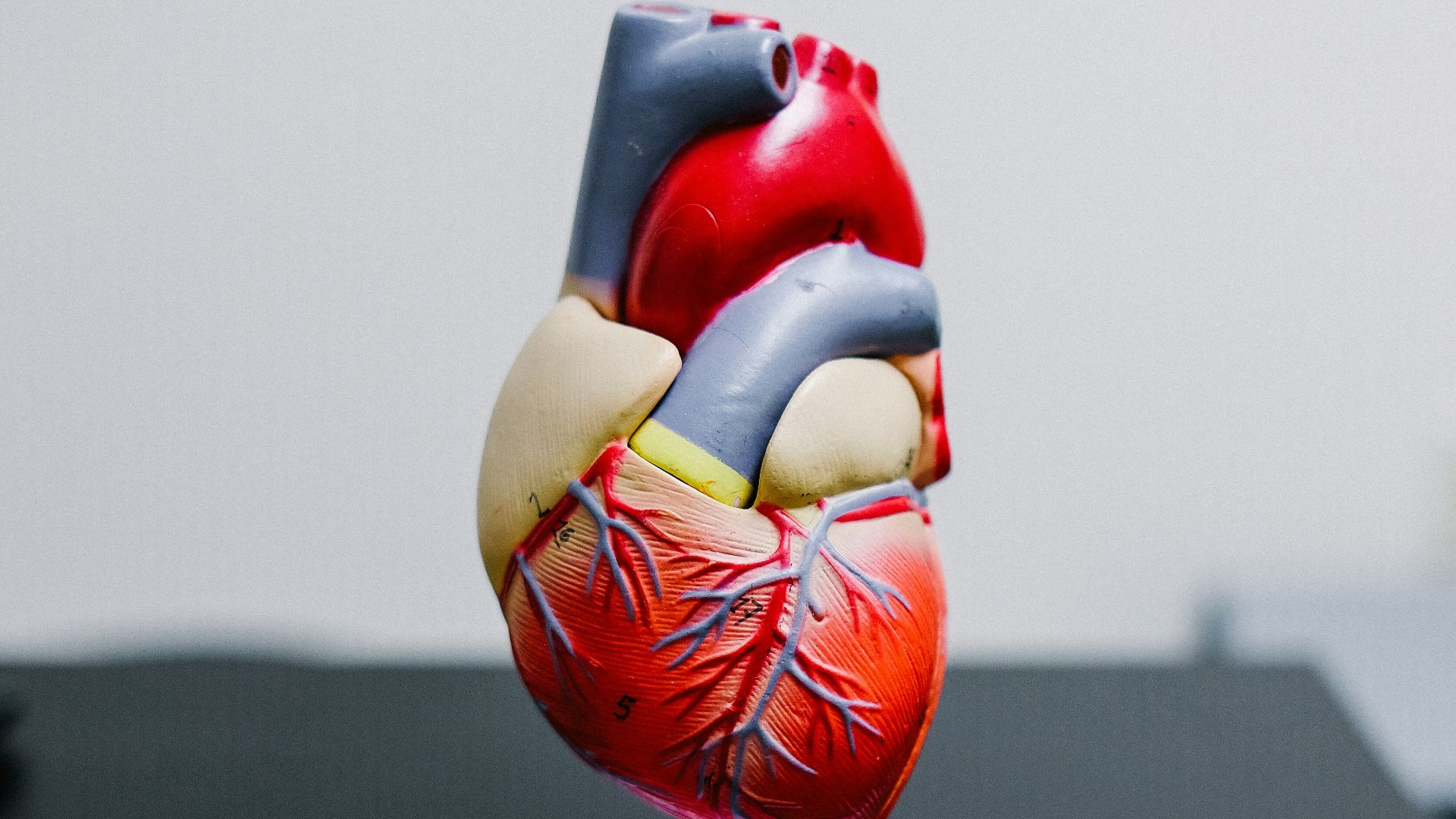
7. Cutting Out Carbohydrates Completely
Whole-food carbohydrates such as fruit, legumes, and whole grains can be part of a heart-healthy diet. Eliminating every source of carbohydrates may unnecessarily restrict nutritious foods. Balance is generally more effective than extreme dietary rules.

8. Relying On "Detox" Products
The body already has highly effective systems for removing waste through the liver and kidneys. Most detox drinks, cleanses, and teas lack strong scientific evidence for improving heart health. Some may even contain ingredients that aren't appropriate for everyone.

9. Skipping Prescribed Medication Without Medical Advice
Some people stop taking blood pressure or cholesterol medication once they start feeling better. Doing so without consulting a healthcare provider can increase cardiovascular risk.

10. Waiting Until Problems Develop
Some people don't think about heart health until they're diagnosed with high blood pressure or another condition. Preventive habits are most effective when they begin long before symptoms appear.