
A Little Pop
Cracking a joint at home can feel satisfying, especially when your body feels a little too stiff. We’ve also cracked enough knuckles or necks to know there’s no harm in doing the job at home…right? Well, not so fast! Not every stiff spot in the body is a good candidate for at-home experimenting, and we’re here to break down which ones you should leave to the pros and which ones are perfectly safe to handle at home.
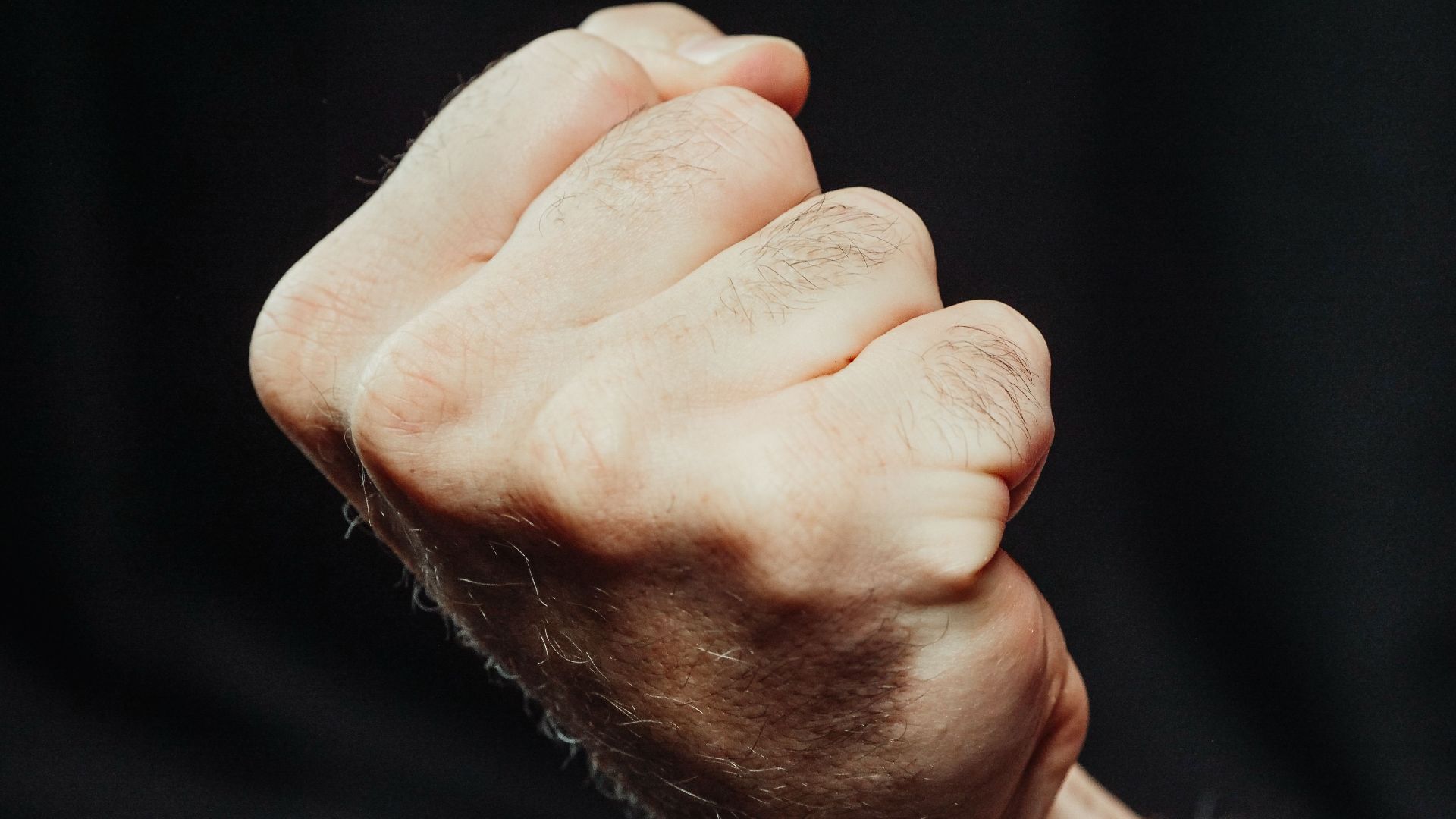
1. Knuckles
Knuckles are probably the most familiar joints people crack at home, and they often pop when you gently stretch your fingers or make a loose fist. In today’s day and age, you might notice a bit of stiffness after typing or holding your phone for too long, which is why people often handle those cracks on their own. Just avoid yanking your fingers hard; comfort matters more than getting the sound.
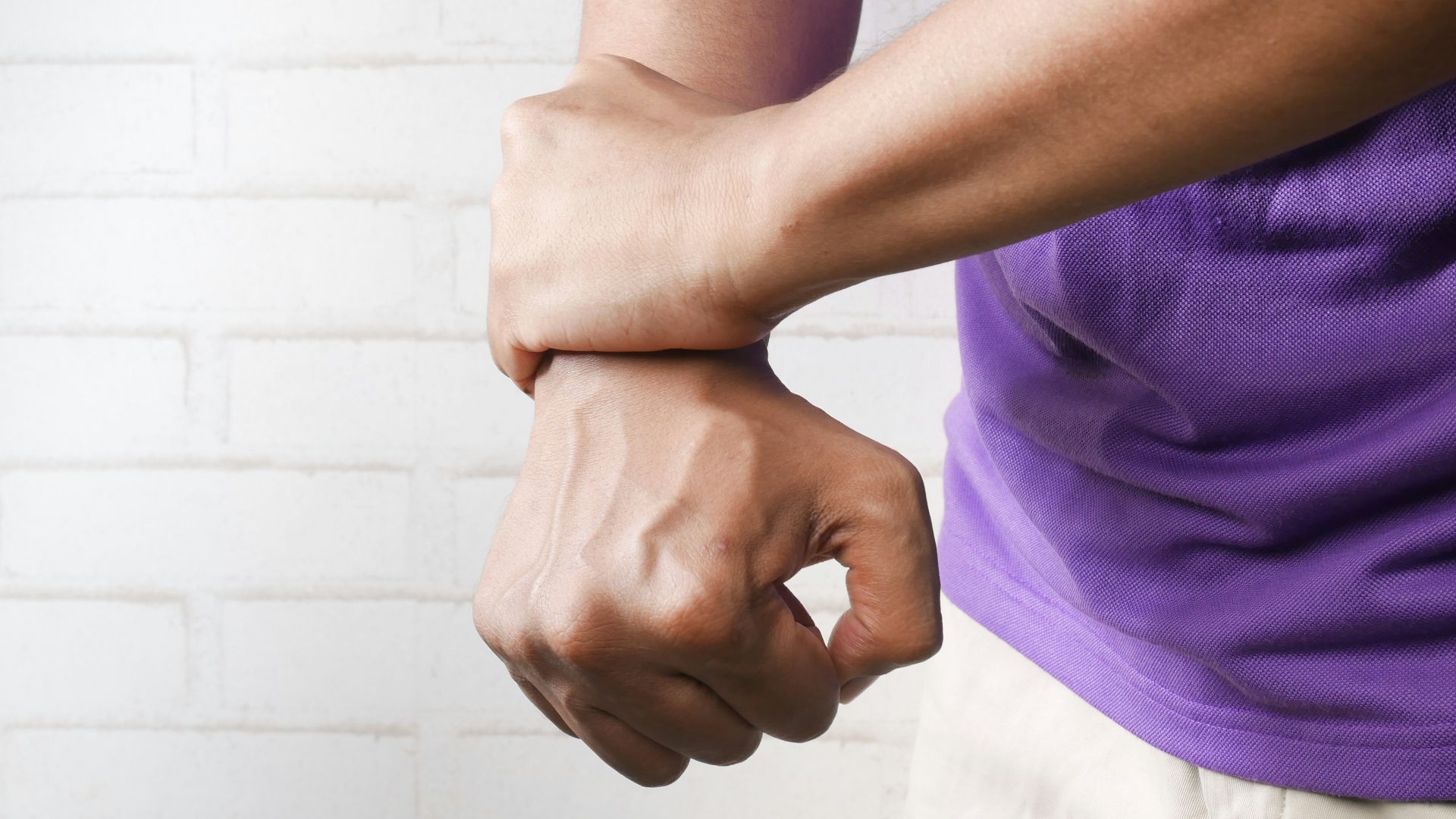
2. Wrists
Believe it or not, wrists can sometimes crack when you slowly roll them in small circles or gently flex them after repetitive tasks. This can actually happen after using a computer mouse or doing light household chores. The key is to keep a controlled movement, especially if you’ve ever dealt with wrist pain or weakness in your grip.
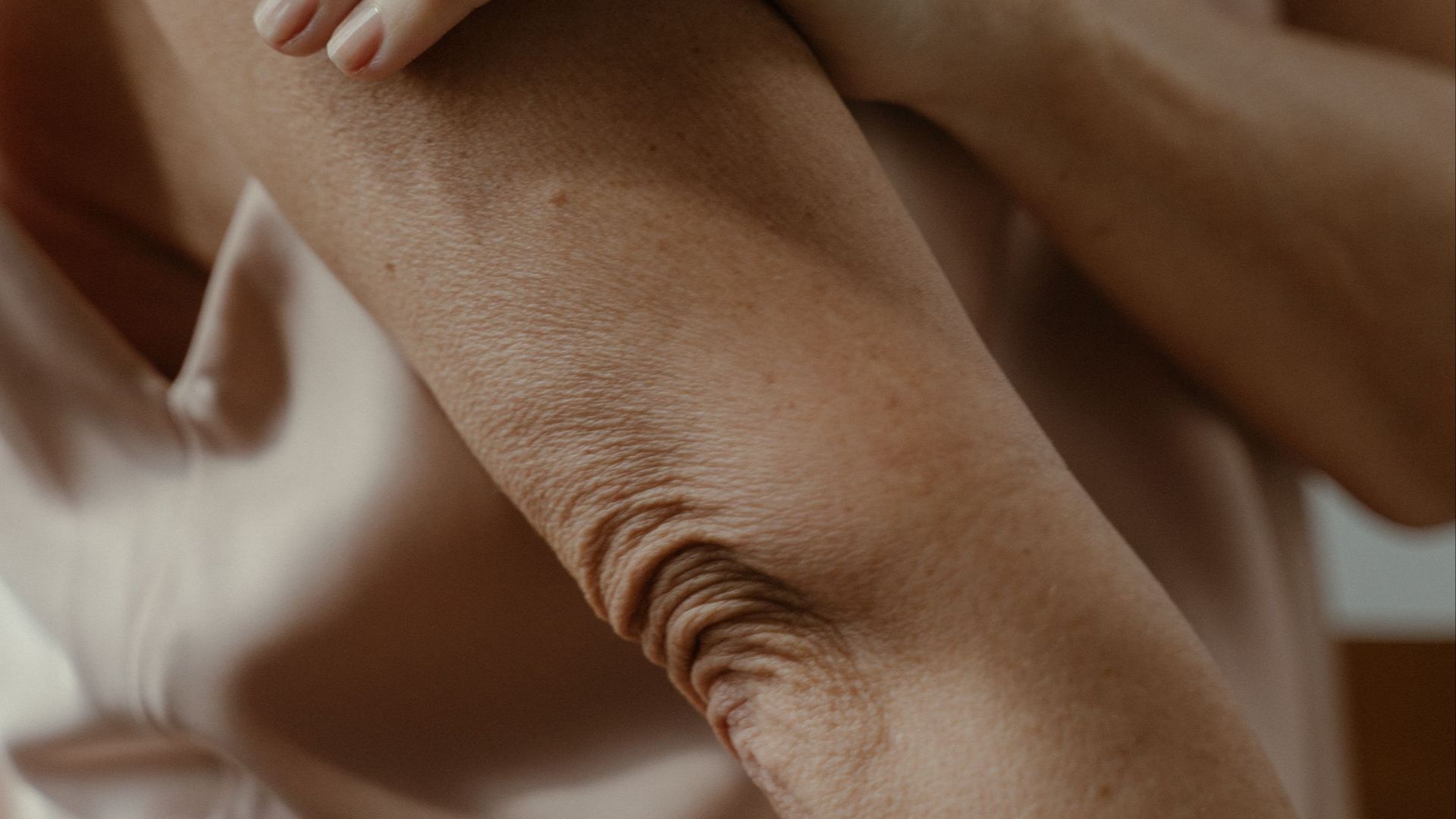
3. Elbows
Elbows may pop when you straighten and bend your arm after keeping it in one position for a while, specifically after leaning on a desk, holding a book, or resting your arm on the couch. Don’t snap the joint open or lock it forcefully. The elbow can get irritated when it’s treated too aggressively, so you’ll want to be careful.
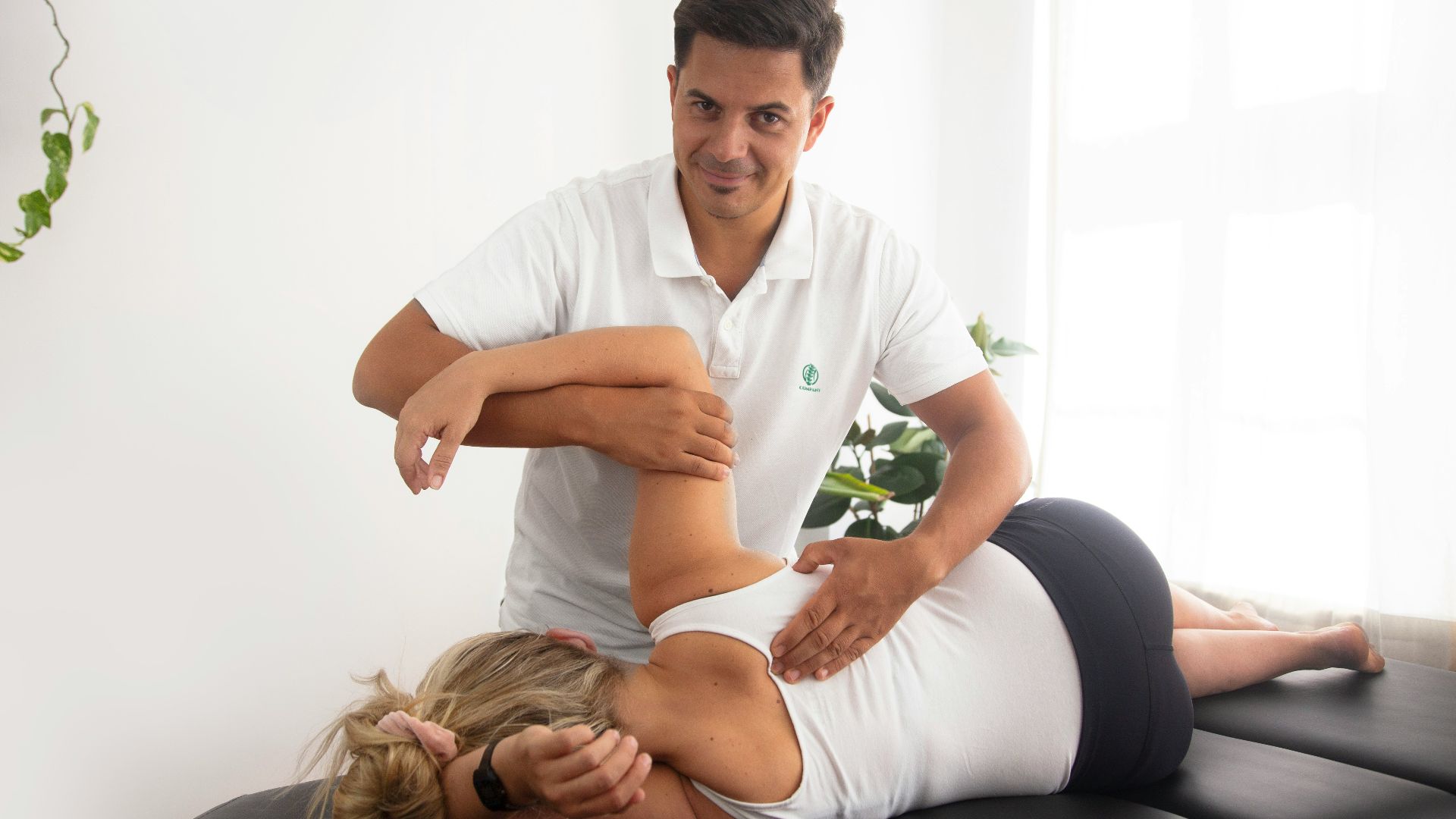
4. Shoulders
Shoulders can make a cracking sound when you slowly roll them backward or loosen up after slouching. If anything, you likely crack your shoulders by accident! Just keep in mind that if the sound comes with pinching or a catching feeling, that’s a sign to stop rather than keep testing it.

5. Neck
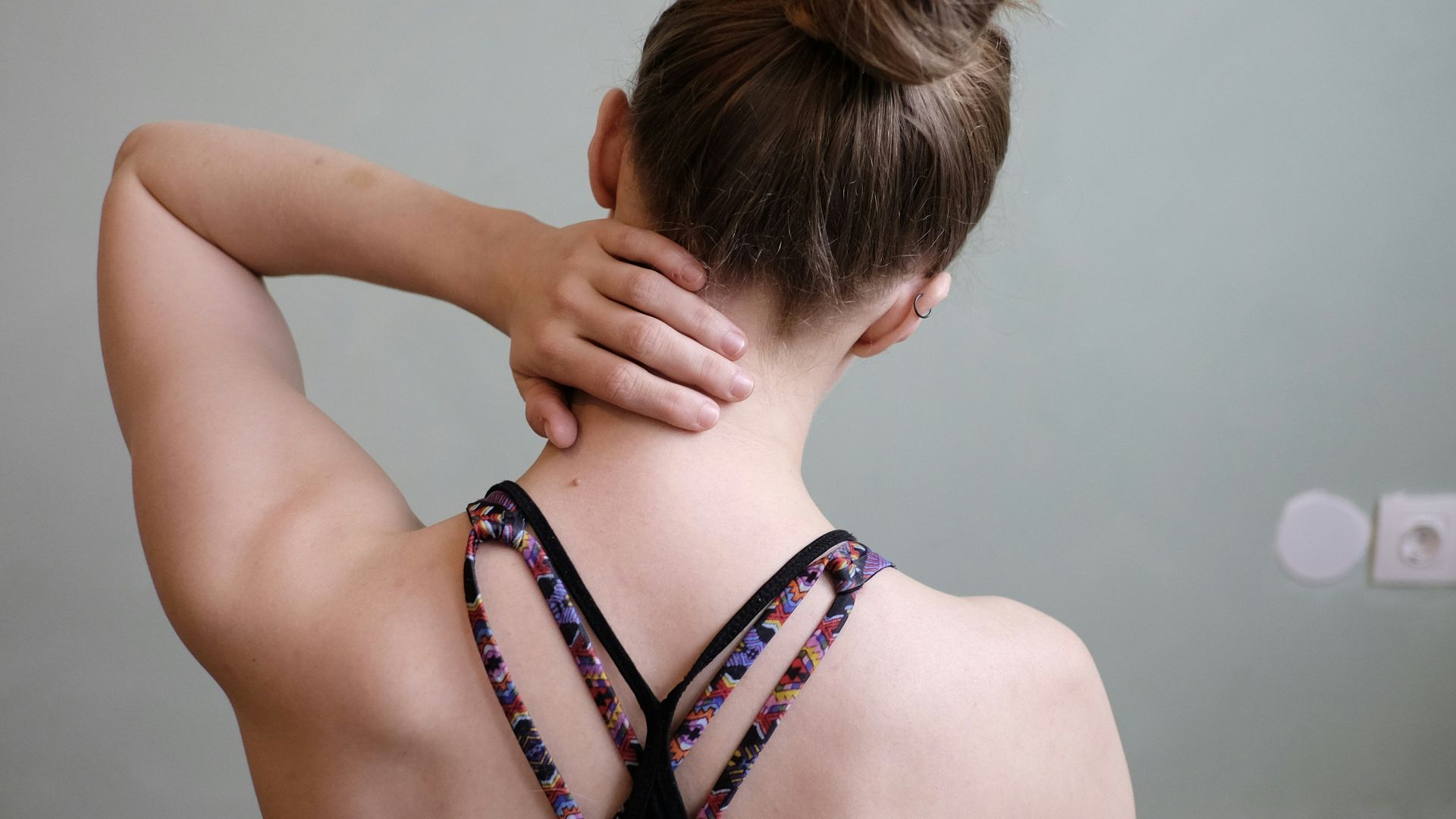
Funnily enough, a light neck crack can actually happen naturally when you turn your head slowly from side to side. It can also happen when you tilt it gently after sitting stiffly. That’s not a free pass to overdo it, though; never twist your neck sharply or use your hands to force it.
6. Upper Back
The upper back cracks just as easily as your shoulders, and you don’t need to be afraid if it happens on its own! Many people feel that gentle relief of a good crack after working at a desk or carrying tension in their shoulders, so it’s usually fine to handle it at home. Just remember: pushing hard against furniture can turn a simple stretch into a bad idea.

7. Lower Back
When the upper back cracks, the lower back usually follows. If, however, you want to handle it on your own, skip any movement that causes shooting pain or discomfort down your leg—those symptoms need more attention than a quick crack.
8. Hips
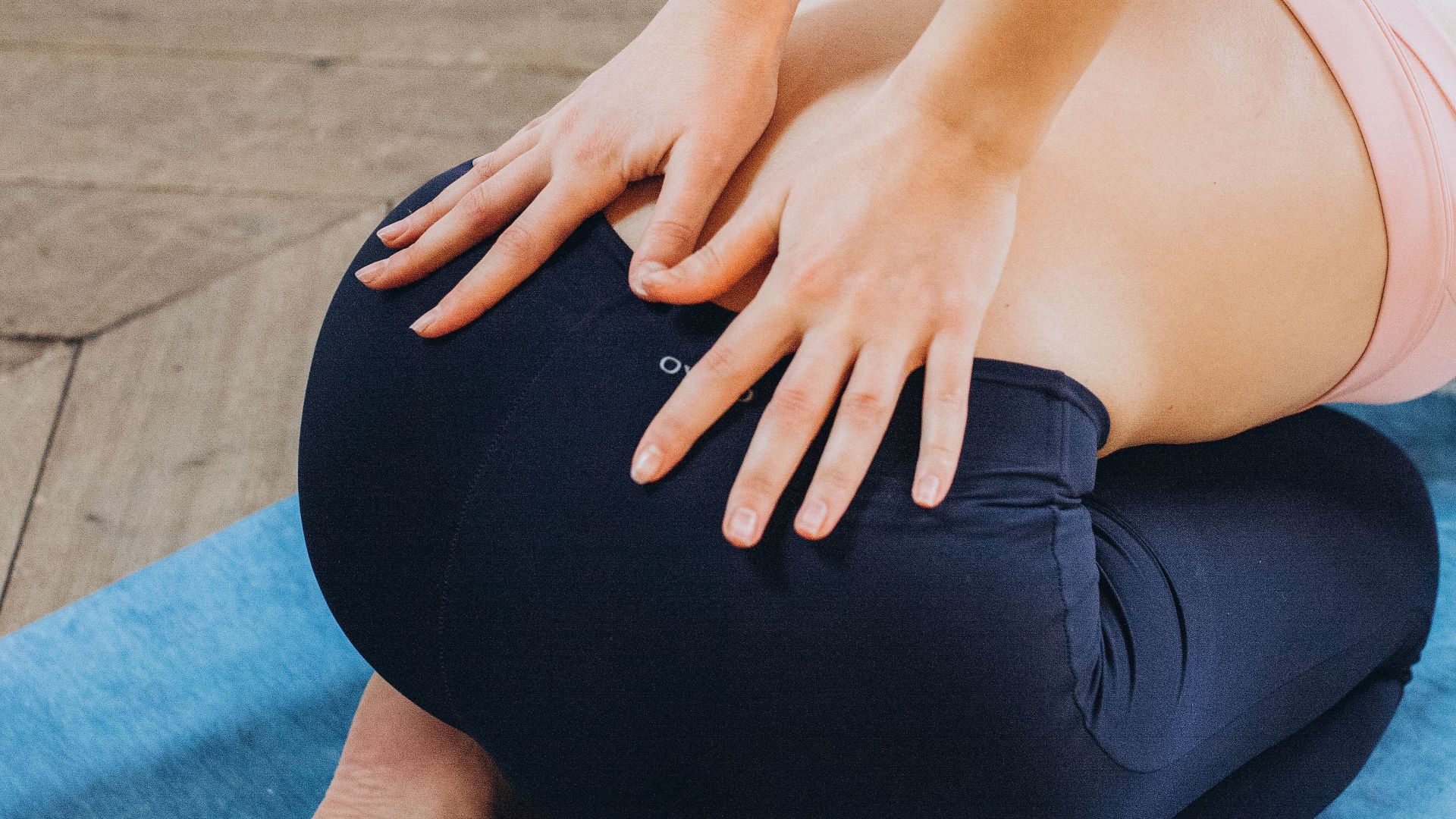
You don’t want to mess around with hip pain, but they can sometimes crack when you move through a controlled stretch. They can also crack during a seated figure-four position or a gentle hip circle while holding a counter for balance. Keep the motion smooth if you do it at home; forcing the hip open can irritate the muscles around it.

9. Knees
Anyone over 30 knows that knees often crack when you stand up, bend down, or gently straighten your legs after sitting. For the most part, it’s normal, but there are a few things to keep in mind. A painless sound is usually less concerning than swelling or sharp pain, so pay attention to how the joint feels instead of just what it sounds like.

10. Ankles and Toes
Ankles and toes crack pretty easily on their own, and you’ll likely notice it when you circle your feet or gently spread your toes after a day in tight shoes. If you’re trying to force a crack, however, don’t pull your toes harshly, and don’t roll your ankles too far. Smaller joints still need steady, comfortable movement.
Though some places are easy to handle at home, not every joint is calling for your touch. If a spot feels locked, swollen, or unusually unstable, it’s better to let a physician handle things. Let’s dive into a few joints you should also bring to the pros.
1. Temporomandibular Joint
The temporomandibular joint, better known as the TMJ, is the hinge that lets your jaw open, close, and move side to side. It’s worth paying attention to without handling on your own; if it clicks when you chew or even yawn, forcing it to pop can irritate the area even more. A dentist, physician, or physical therapist can check for bite issues or joint inflammation before treatment.

2. Sternoclavicular Joint
The sternoclavicular joint sits where your collarbone meets the top of your breastbone, and it’s more important than its size suggests. It’s not uncommon to notice discomfort after lifting weights or taking a fall, and because this joint sits close to major blood vessels, it’s not one you should try to adjust yourself.

3. Acromioclavicular Joint
The acromioclavicular joint connects the outer end of the collarbone to the highest point of the shoulder blade. When pain strikes, it’s usually after pushups, sports contact, or sleeping with your arm jammed under your body. That’s why a professional can tell whether the issue is simple irritation or a sprain—and you should let them.

4. Costovertebral Joints
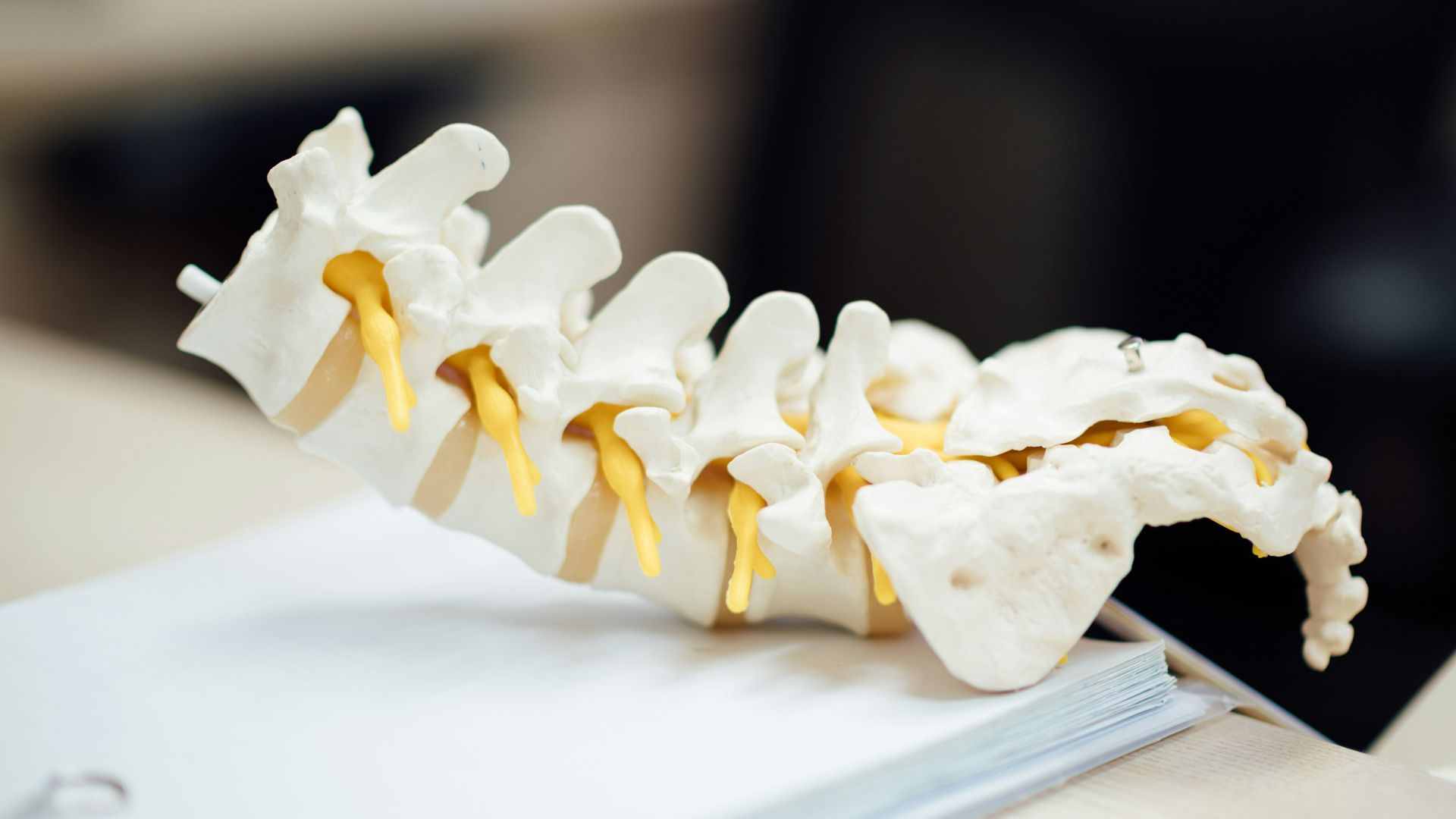
Costovertebral joints are the small connections where the ribs meet the spine. People sometimes mistake discomfort for a simple tight spot, especially after mundane movements like coughing or sitting hunched over for too long, but it’s not always wise to make that assumption. Since rib-area pain can have several causes, it deserves a proper assessment over a forced crack.
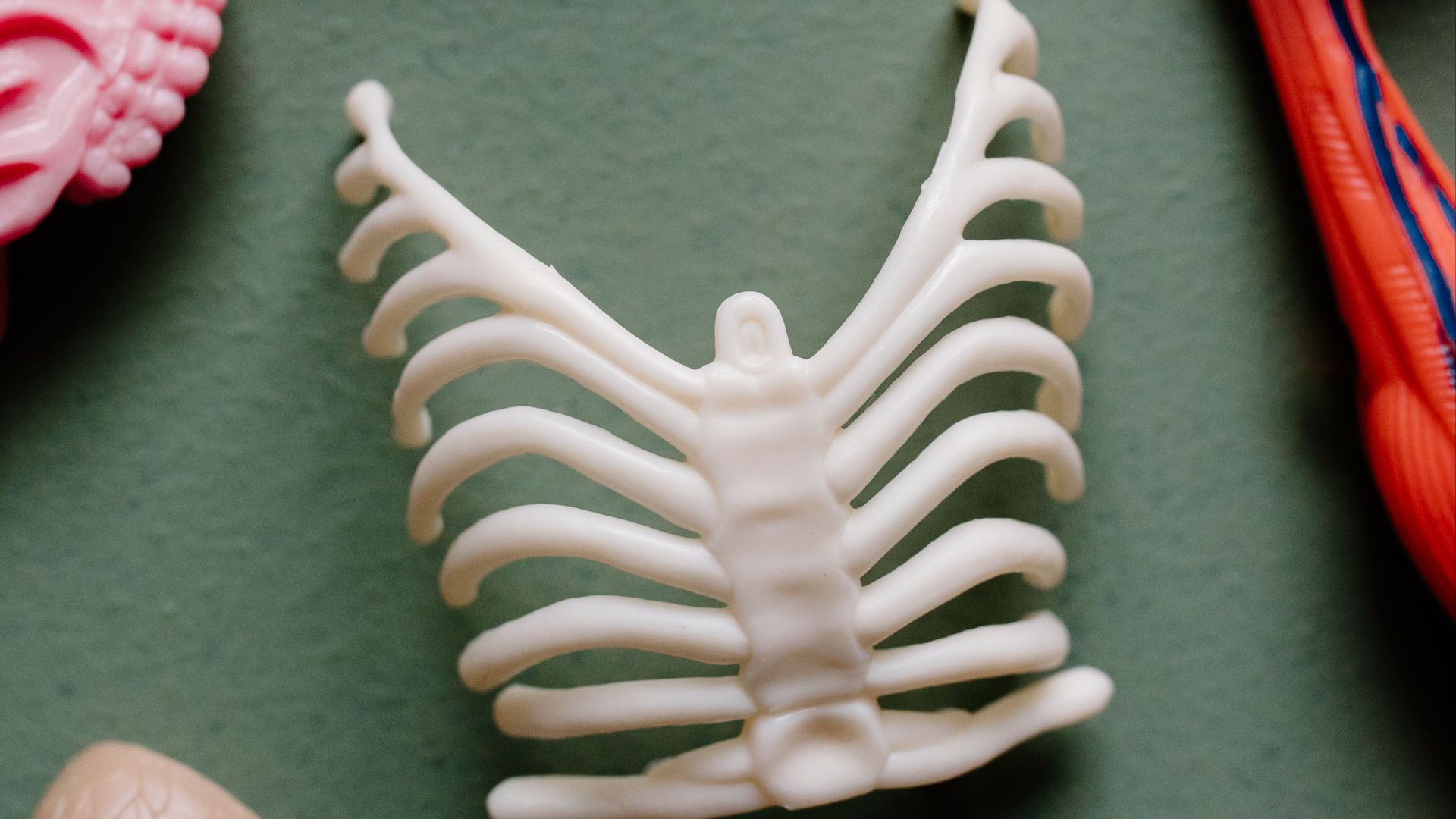
5. Costochondral Joints
The costochondral joints are where the ribs meet cartilage near the front of the chest. Like so many joints in the body, this area can feel tender after exercise, heavy lifting, or a respiratory illness—pushing on it can make the soreness worse. Chest-wall pain should be handled carefully, which means a doctor’s healing hands ought to do the trick.
6. Sacroiliac Joint
The sacroiliac joint sits where the sacrum meets the pelvis, and it plays a major role in transferring weight between your upper body and legs. That’s also why pain shows up after pregnancy, long drives, or even a sudden awkward step. When it comes to this sensitive joint, a professional evaluation is far more useful than trying to twist yourself.

7. Pubic Symphysis
The pubic symphysis is the firm joint at the front of the pelvis, and it’s not something most people think about…until it starts hurting. Due to its sensitive nature, this joint needs caution more than anything else; aggressive stretching can worsen instability, and it can also cause walking discomfort.

8. Coccygeal Joint
The coccygeal joint involves the tailbone area, which can become painful after any number of things: a fall, childbirth, prolonged sitting, or repetitive pressure. It may feel like something needs to shift, but trying to crack it at home will likely only irritate already sensitive tissue.
9. Atlanto-Occipital Joint
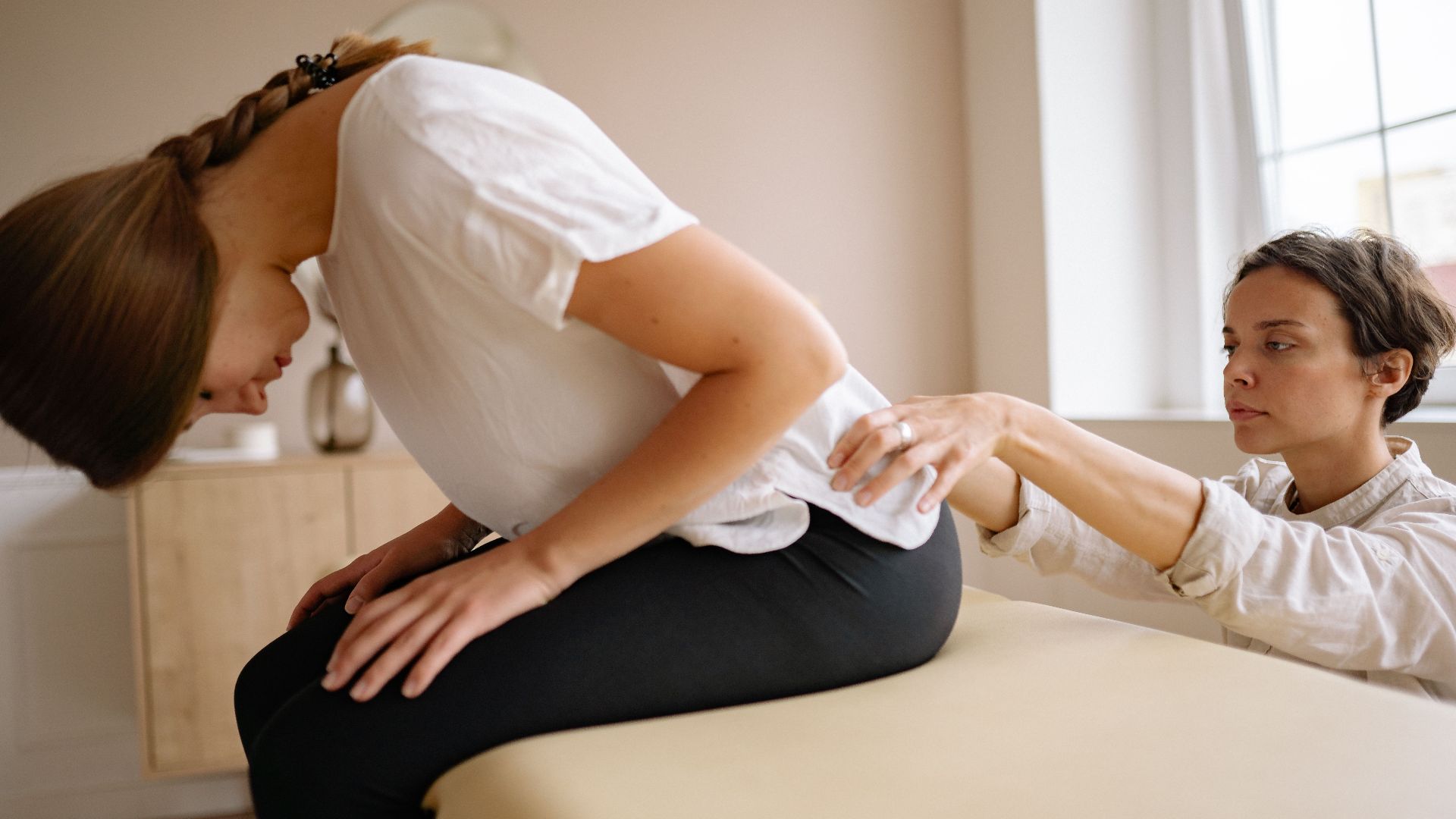
The atlanto-occipital joint is where the base of the skull meets the first vertebra. Long story short, it’s involved when you nod your head. Tightness commonly occurs with headaches, screen posture, jaw tension, or sleeping in an awkward position. However, this area is delicate and close to important nerves and blood vessels, which means it should never be forcefully popped at home.
10. Atlantoaxial Joint
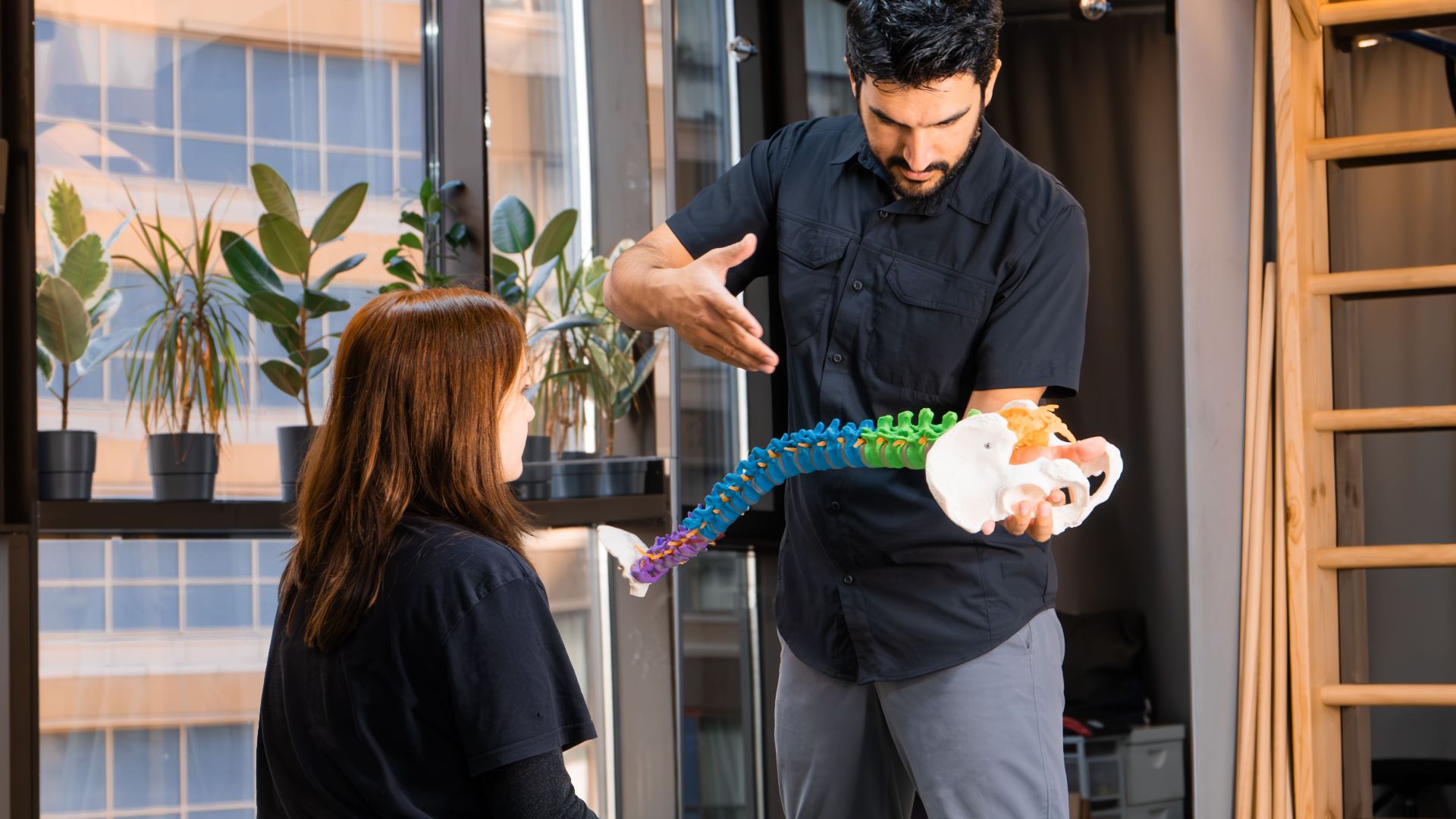
The atlantoaxial joint sits between the first and second vertebrae and helps your head rotate from side to side. When this area gets stiff, it’s tempting to twist until it pops, but you should really leave that adjustment to a trained professional. Don’t forget: forceful rotation in the upper neck carries more risk you think.