
20 Things Dermatologists Know About You Just By Looking At Your Skin
Your Skin Gives Away More Than You Think
Dermatologists aren’t mind readers, but they're trained to notice tiny details most people miss. A patch of dryness, a certain kind of breakout, a tan line, or a stubborn rash can give them clues about your habits, environment, products, and overall skin health. That doesn’t mean every mark has a dramatic backstory, but your skin can definitely tell a few secrets before you’ve even finished explaining why you booked the appointment.

1. Whether You’ve Been Skipping Sunscreen
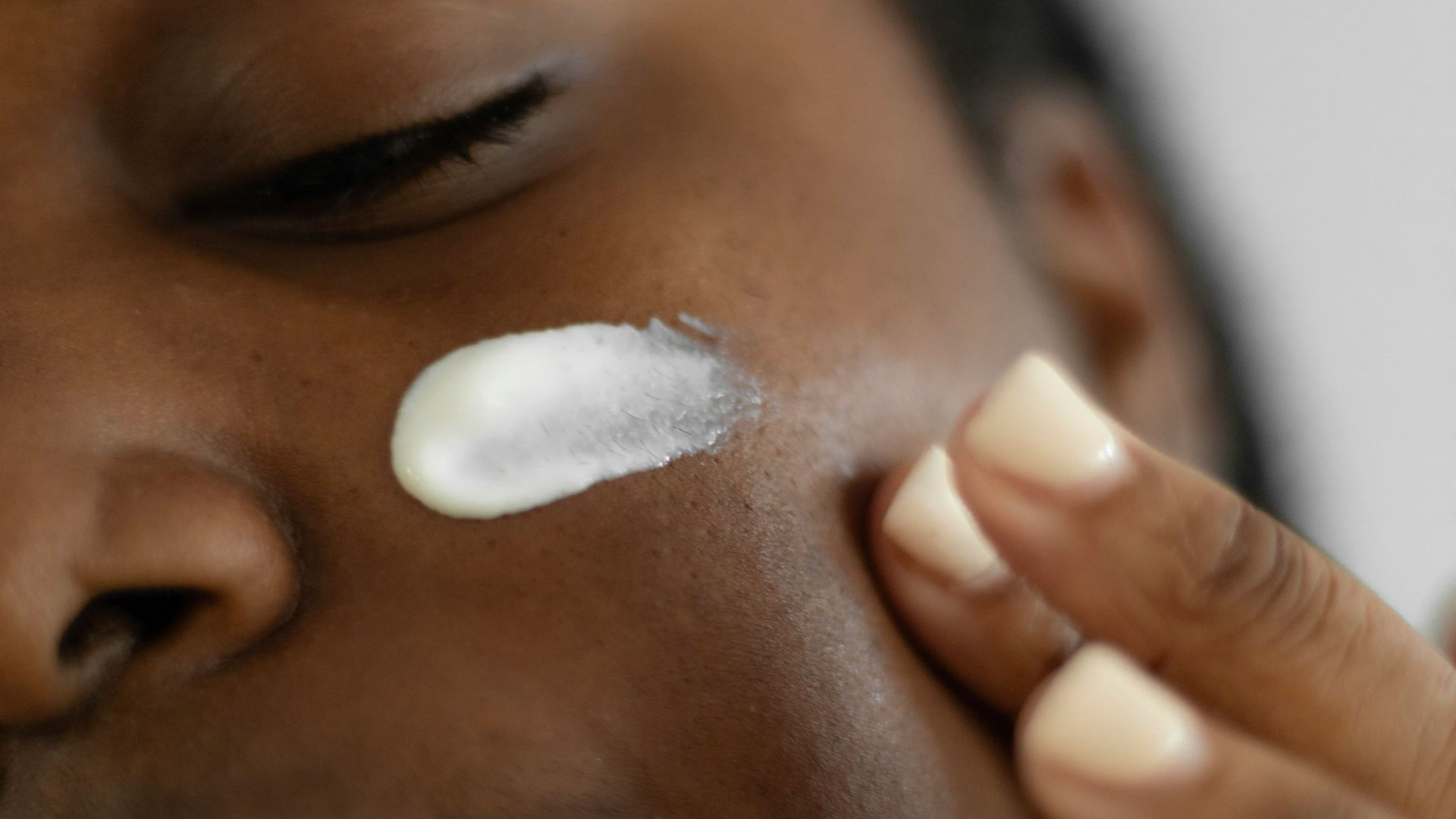
Sun damage often leaves behind clues, especially on the face, neck, chest, hands, and shoulders. Dermatologists may notice uneven pigmentation, fine lines, rough patches, or areas that look more weathered than the surrounding skin.
 Leighann Blackwood on Unsplash
2. If You’ve Been Picking at Your Skin
A dermatologist can often tell when breakouts, scabs, or bumps have been picked at repeatedly. Small wounds, dark marks, scarring, and uneven healing can give away the habit, even if you didn’t realize how obvious it was.

3. Whether Your Skincare Routine Is Too Harsh
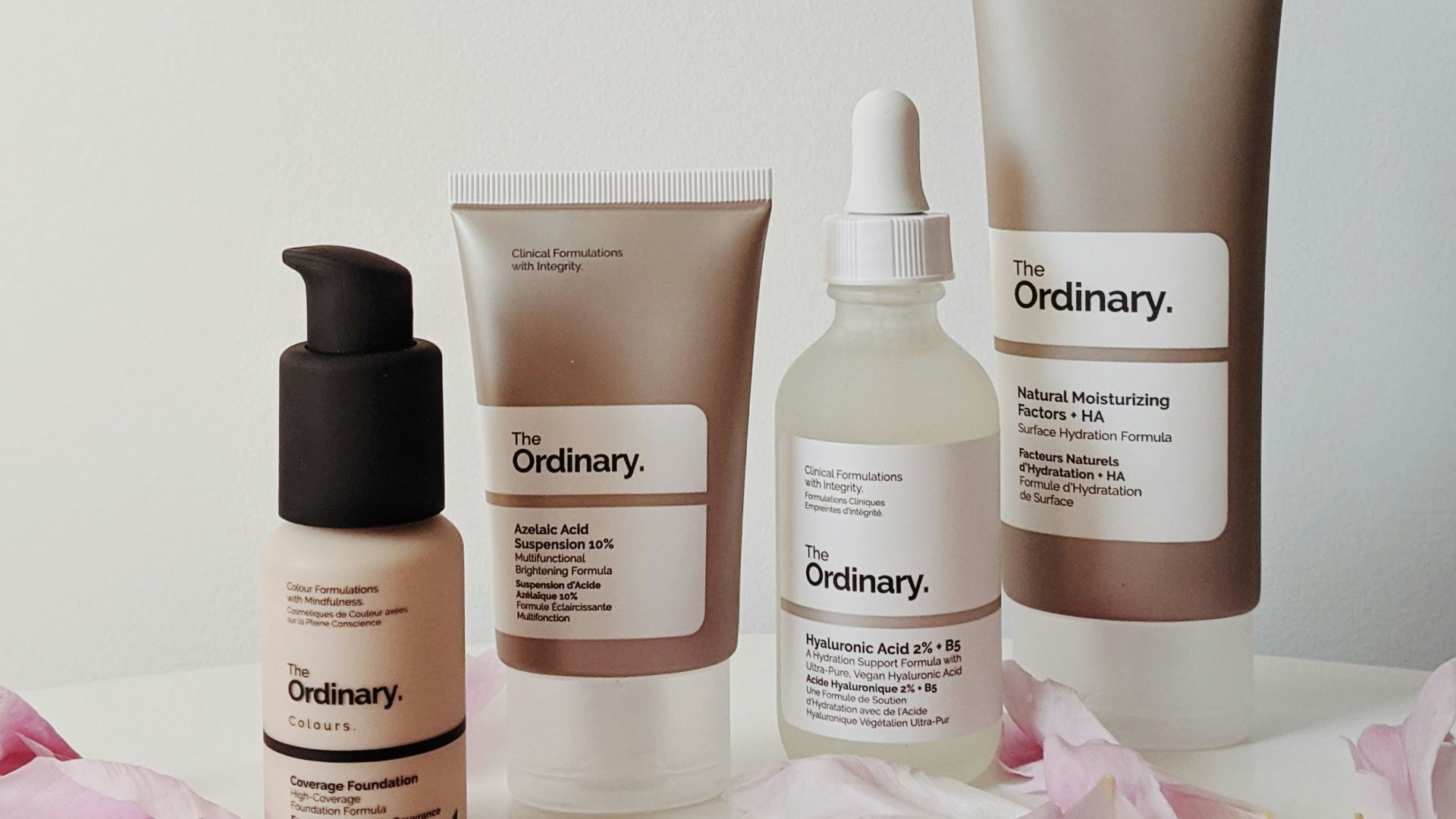
Redness, flaking, tightness, burning, and irritated patches can suggest your routine is doing too much. Dermatologists may suspect over-exfoliating, strong actives, or too many products layered together. Sometimes the problem isn’t that you’re neglecting your skin; it’s that you're trying a little too hard.
4. If You Sleep on One Side More Often
One side of your face can sometimes show more creasing, irritation, or pressure-related changes than the other. Dermatologists may notice patterns that line up with the side you usually sleep on. Your pillow may be leaving an unexpectedly detailed record.

5. Whether You’re Dealing With Stress
Stress can show up through acne flares, eczema irritation, hives, psoriasis flares, or other skin changes in people who are prone to them. A dermatologist can’t look at one pimple and know your entire calendar is chaos, but certain patterns may prompt them to ask how you’ve been doing.

6. If You’ve Been Using the Wrong Products
Breakouts, clogged pores, stinging, redness, or dry patches can point toward products that aren’t a great match. Dermatologists often ask about moisturizers, cleansers, makeup, hair products, and anything new you’ve added recently.

7. Whether You Spend a Lot of Time Outdoors
People who spend plenty of time outside often develop visible signs on exposed areas. Dermatologists may notice tan lines, freckling, sun spots, rough texture, or damage on places like the nose, ears, hands, and forearms. Even if you’re not lounging at the beach, daily outdoor time can leave its signature.

8. If You’re Not Moisturizing Enough
Dry, flaky, tight, or cracked skin can suggest your moisture barrier needs more help. Dermatologists can usually tell when skin is dehydrated, irritated, or lacking enough protection from the environment.

9. Whether You’ve Had Too Much Fragrance Exposure
Fragrance in skincare, laundry detergent, body wash, or perfume can irritate some people’s skin. Dermatologists may suspect it when they see rashes, redness, itching, or sensitivity in certain areas. The scent may be lovely, but your skin might be filing a complaint in a very visible way.

10. If Your Hair Products Are Affecting Your Skin
Breakouts along the hairline, forehead, neck, shoulders, or back can sometimes be linked to hair products. Heavy oils, gels, pomades, or leave-in treatments may clog pores or irritate skin in areas they touch. Your hair may look fantastic, but your skin might not be enjoying the same product lineup.

11. How Much Sleep You Get
Dermatologists can’t know your exact bedtime just by looking at you, but poor sleep can leave clues. Dark circles, puffiness, dullness, dryness, or a tired-looking complexion may lead them to ask whether you’re getting enough rest. Your skin does a lot of repair work while you sleep, so a rough week can make a visible impact.

12. If You’re Washing Your Hands Constantly
Dryness, cracking, redness, and irritation on the hands can suggest frequent washing or heavy sanitizer use. Dermatologists often see this in people who work in health care, food service, cleaning, child care, or other hands-on jobs. Clean hands are important, but skin sometimes needs backup from a good moisturizer.

13. Whether You’re Wearing Heavy Makeup Often
Dermatologists can sometimes tell when makeup is contributing to clogged pores, irritation, or uneven texture. This doesn’t mean makeup is bad, but certain formulas or removal habits can make a difference. If your skin is acting up, they may ask what you wear and how thoroughly you take it off.

14. If You’re Not Removing Makeup Properly
Leftover makeup, sunscreen, or cleanser residue can lead to irritation and breakouts for some people. Dermatologists may notice clogged pores, dullness, or inflammation that suggests your nighttime routine could use a little more attention. Your skin appreciates being properly cleaned, even when you're tired.

15. Whether You’re Prone to Allergic Reactions
Certain rashes, swelling, bumps, or itchy patches can suggest that your skin is reacting to something it doesn’t like. A dermatologist may ask about new products, jewelry, fabrics, plants, medications, or workplace exposures. The tricky part is that skin can be very dramatic without immediately naming the offender.
16. If You Follow a Balanced Diet
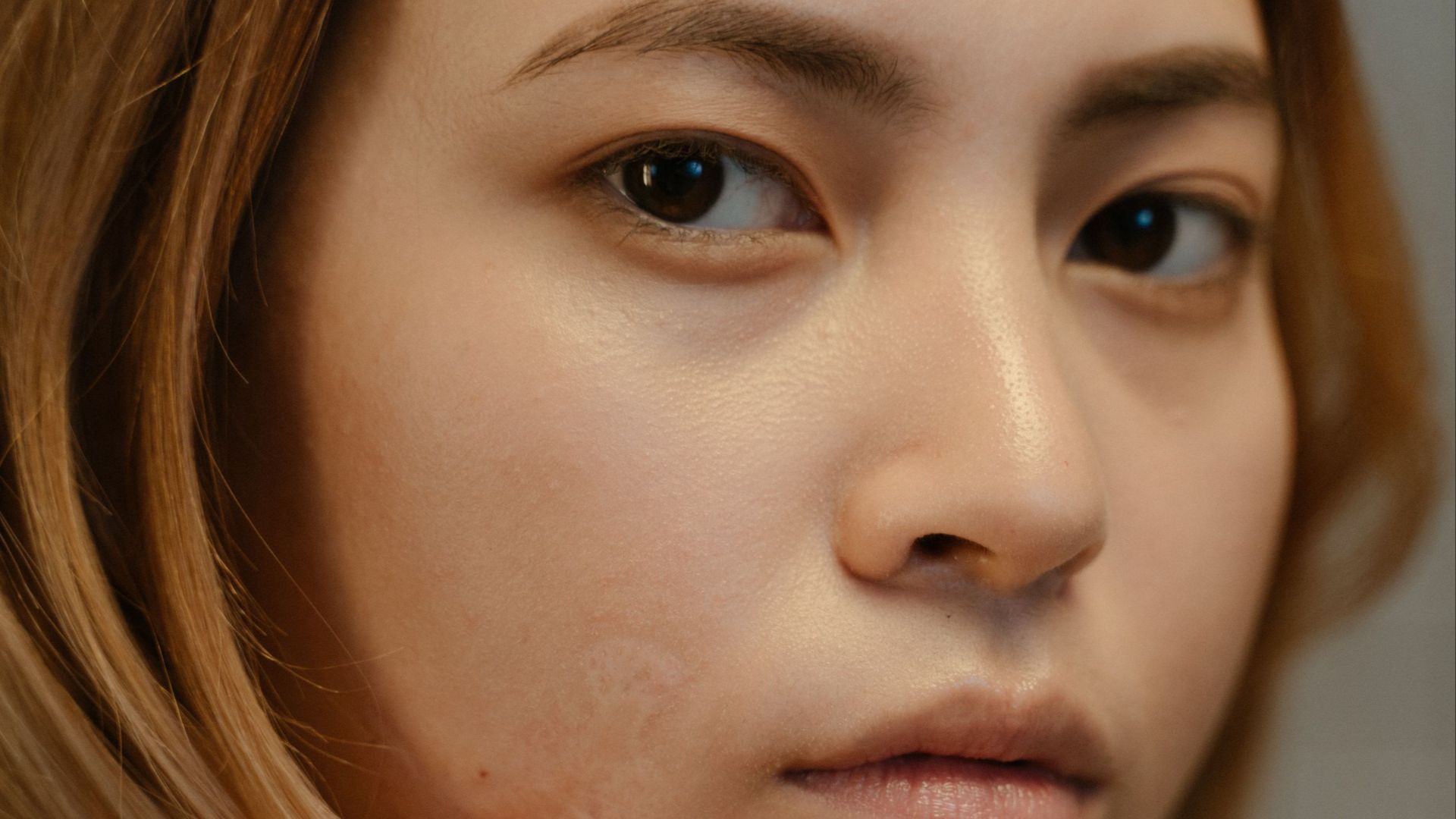
Dermatologists can’t identify your exact grocery list just by looking at your skin, but a balanced diet may support a healthier-looking complexion. Skin that appears well-hydrated, less inflamed, or generally resilient can sometimes reflect good overall habits, including steady nutrition. On the flip side, if you're eating a lot of greasy or sugary foods, it may show on your face.

17. Whether You Have a Habit of Touching Your Face
Breakouts or irritation in certain areas can sometimes suggest repeated touching, leaning on your hand, or resting your face against a phone. Dermatologists may ask about these habits if spots keep appearing in the same places. You may not notice how often you do it, but your chin and cheeks might be keeping count.

18. If Your Skin Barrier Is Struggling
A weakened skin barrier can show up as sensitivity, redness, dryness, flaking, stinging, or sudden intolerance to products you used to handle fine. Dermatologists may recognize when skin looks overworked or under-protected. In many cases, the solution starts with calming things down instead of adding even more steps.
19. Whether You’re a Heavy Drinker
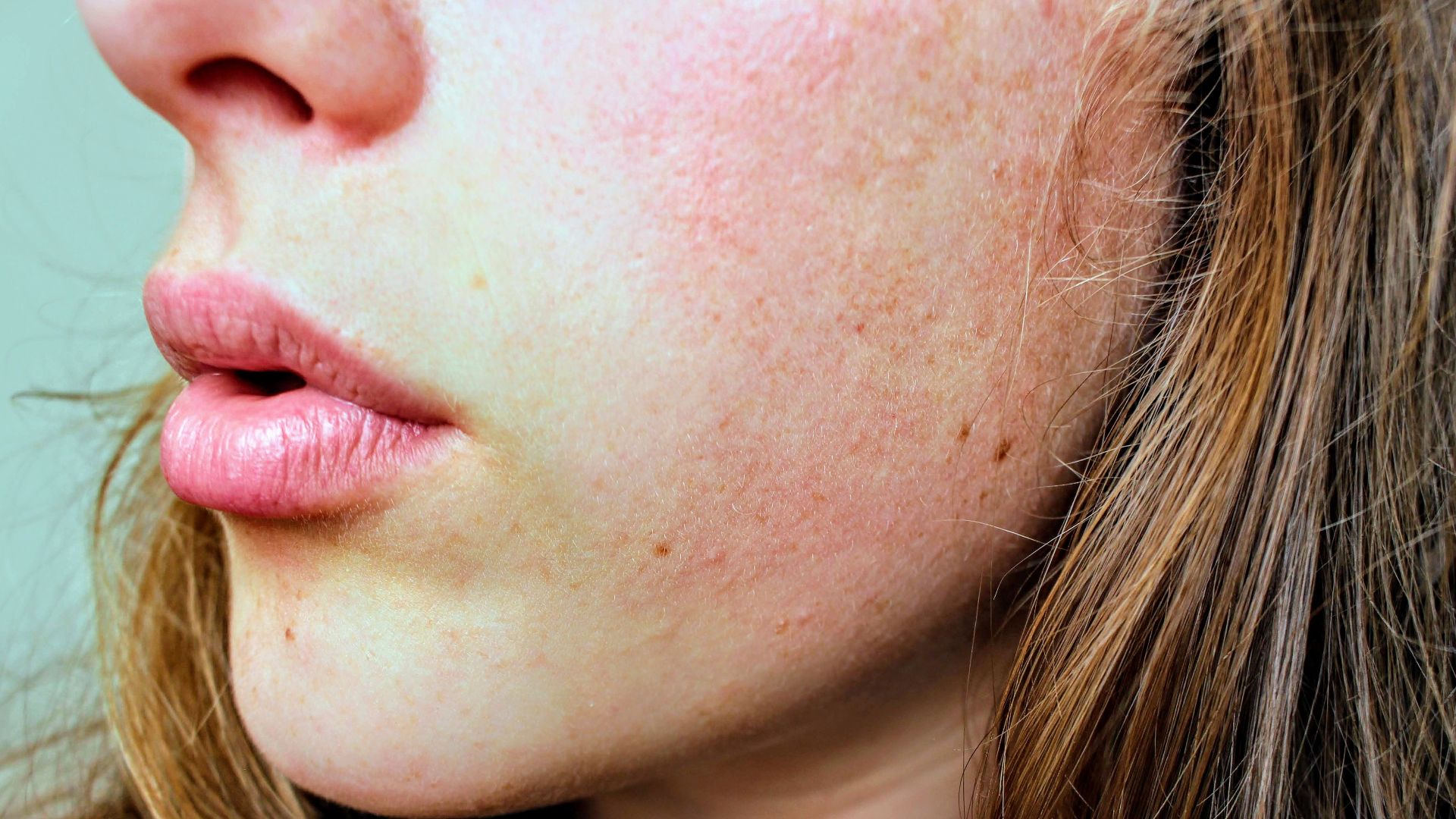
Dermatologists can’t know every detail of your lifestyle just by looking at you, but heavy drinking can leave visible clues on the skin. Frequent flushing, puffiness, dryness, broken capillaries, or worsened rosacea may lead them to ask about alcohol use.

20. If You Exercise Often
Dermatologists may be able to spot clues that you work out regularly, especially if sweat, friction, or tight athletic clothing is affecting your skin. Breakouts along the chest, back, shoulders, or hairline can sometimes be linked to sweat buildup, helmets, headbands, or workout gear.