Fueling Strength For The Years Ahead
Maintaining muscle becomes increasingly important as you get older because natural age-related muscle loss can gradually affect strength, balance, and mobility. While staying active is essential, eating enough high-quality protein and nutrient-rich foods gives your body the building blocks it needs to preserve lean muscle. Adding these 20 foods to your regular meals can help you stay stronger and more independent for years to come.

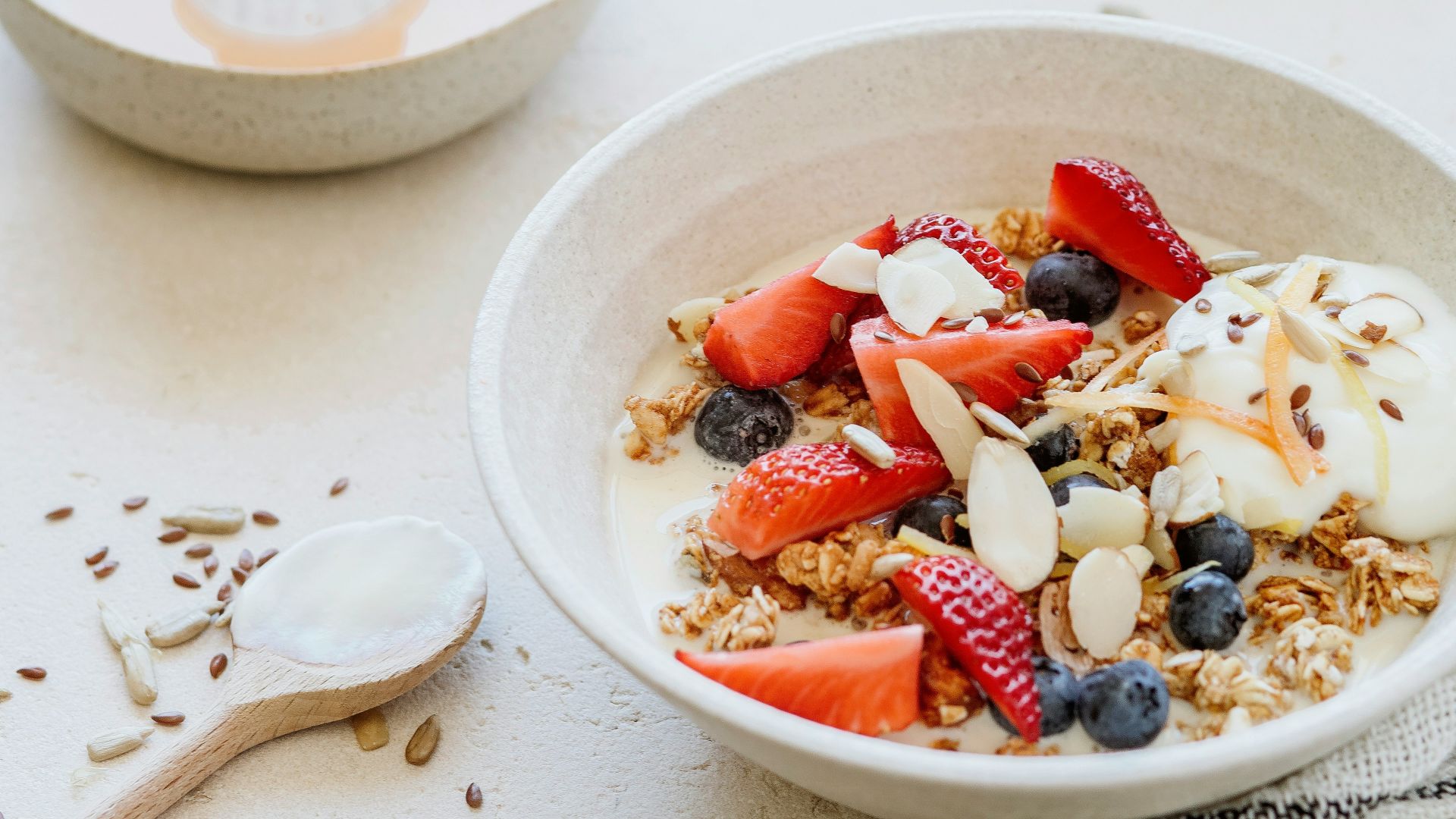
1. Greek Yogurt
Greek yogurt packs significantly more protein than regular yogurt, making it an excellent choice for supporting muscle maintenance. It also contains calcium, which helps keep bones strong alongside healthy muscles. Enjoy it at breakfast or as a snack to spread protein intake throughout the day.
2. Eggs
Eggs provide all nine essential amino acids your muscles need for repair and maintenance. The yolks also supply vitamin D and healthy fats that support overall health. Eating the whole egg delivers the greatest nutritional benefit.

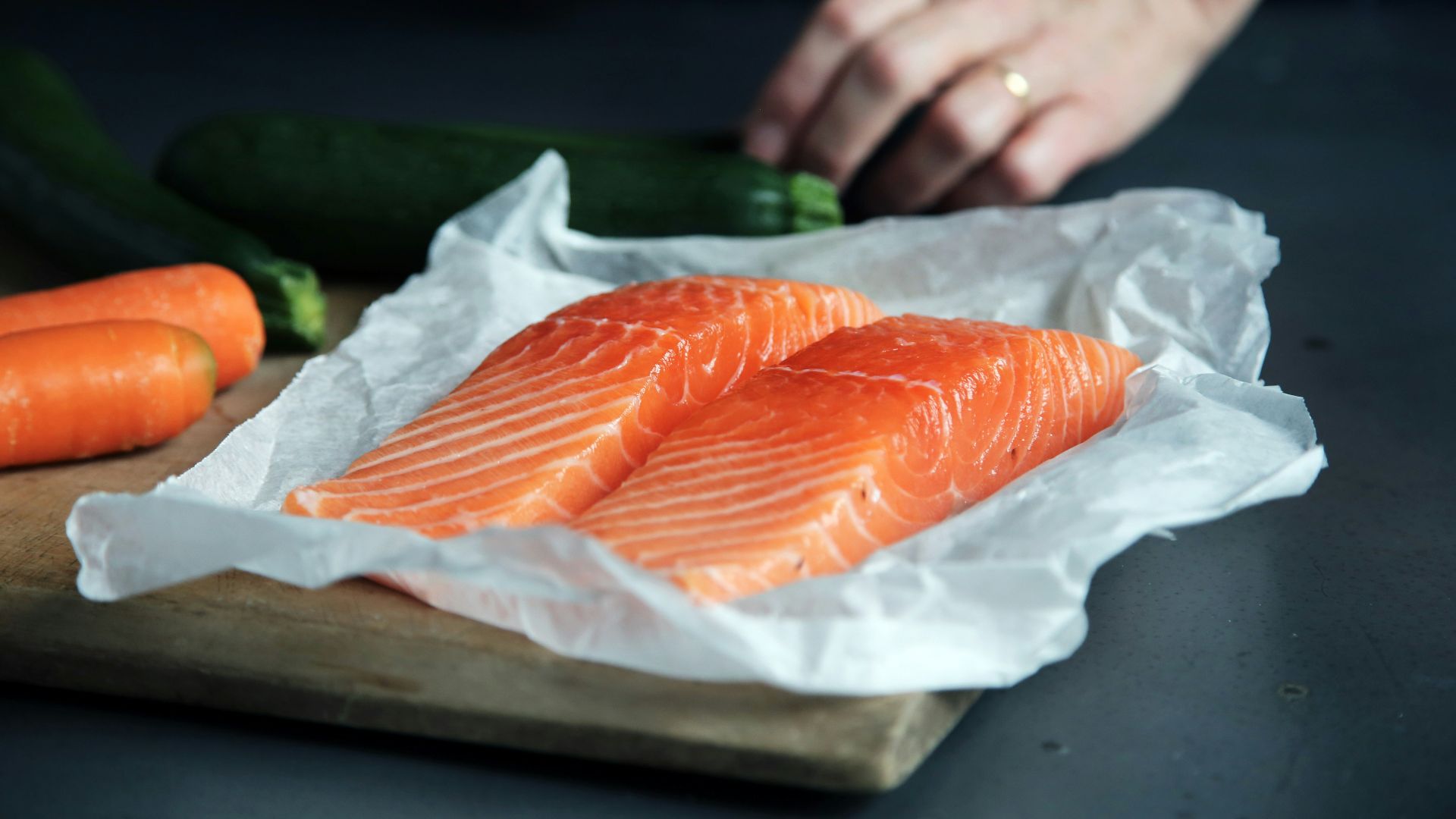
3. Salmon
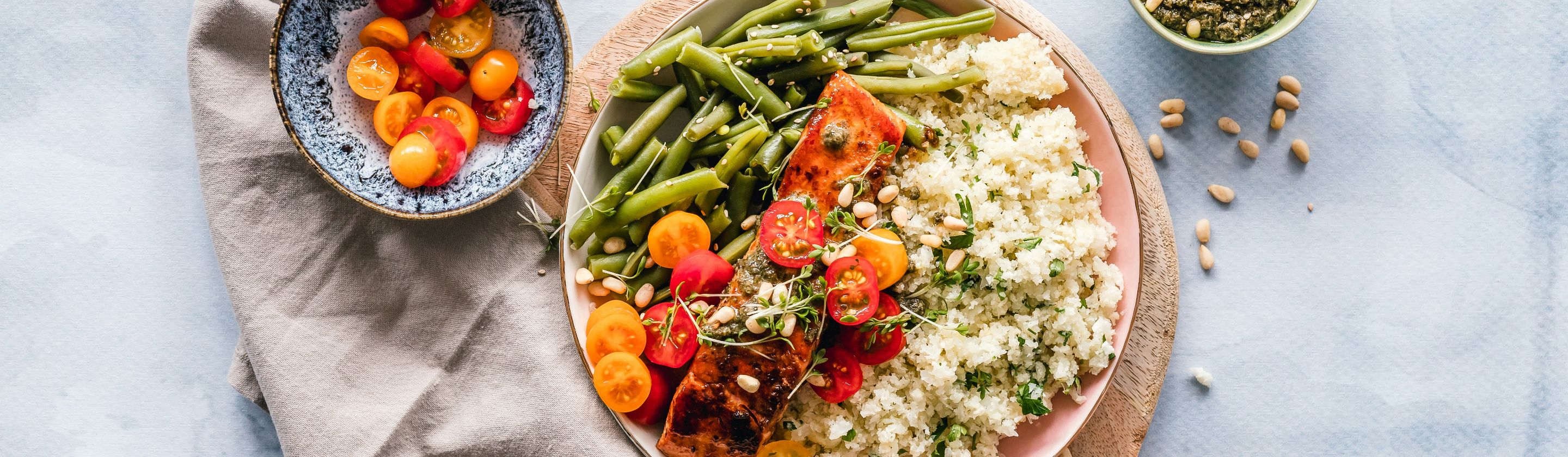
Salmon combines high-quality protein with omega-3 fatty acids that may help reduce inflammation after exercise. Those healthy fats have also been linked to better muscle function as people age. Regular servings support both muscle and heart health.
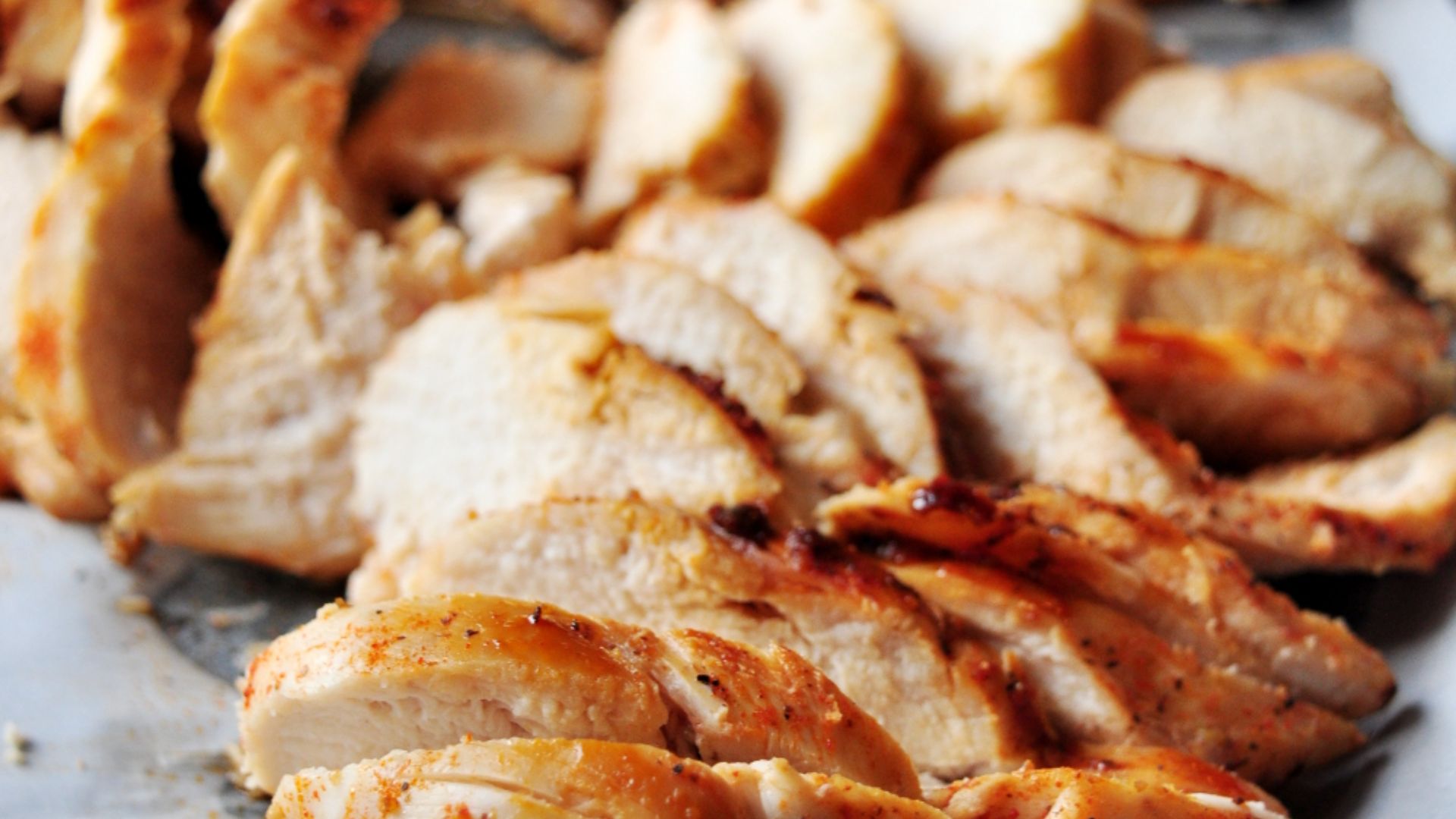
4. Chicken Breast
Chicken breast is a lean protein source that's easy to include in lunches and dinners. It delivers plenty of essential amino acids without adding excessive saturated fat. Pairing it with vegetables and whole grains creates a balanced meal.
 Sharon Chen from Austin, United States on Wikimedia
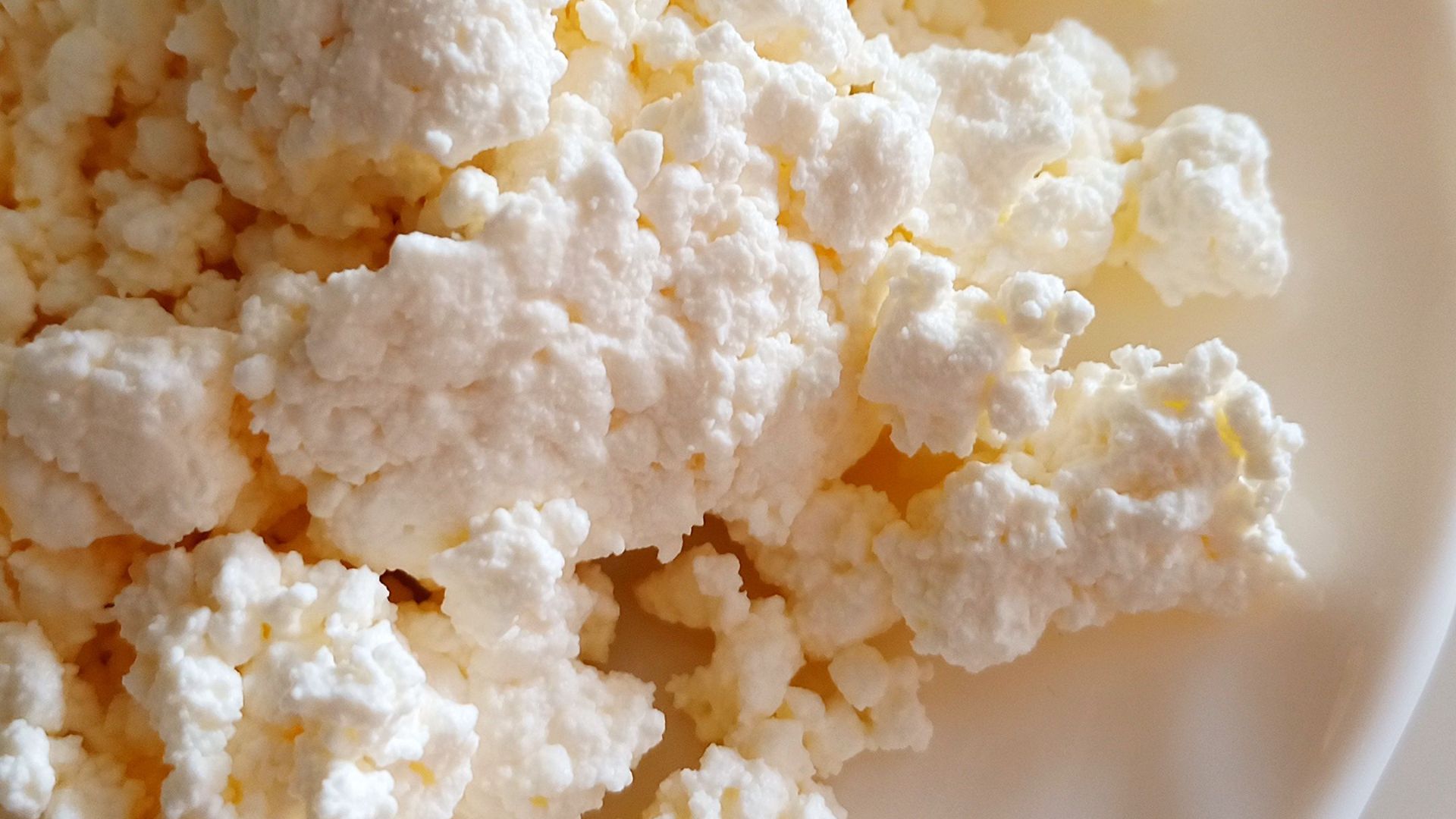
5. Cottage Cheese
Cottage cheese is rich in casein protein, which digests more slowly than many other proteins. That steady release of amino acids may support muscle repair over several hours. It's also an easy option for breakfast or an evening snack.
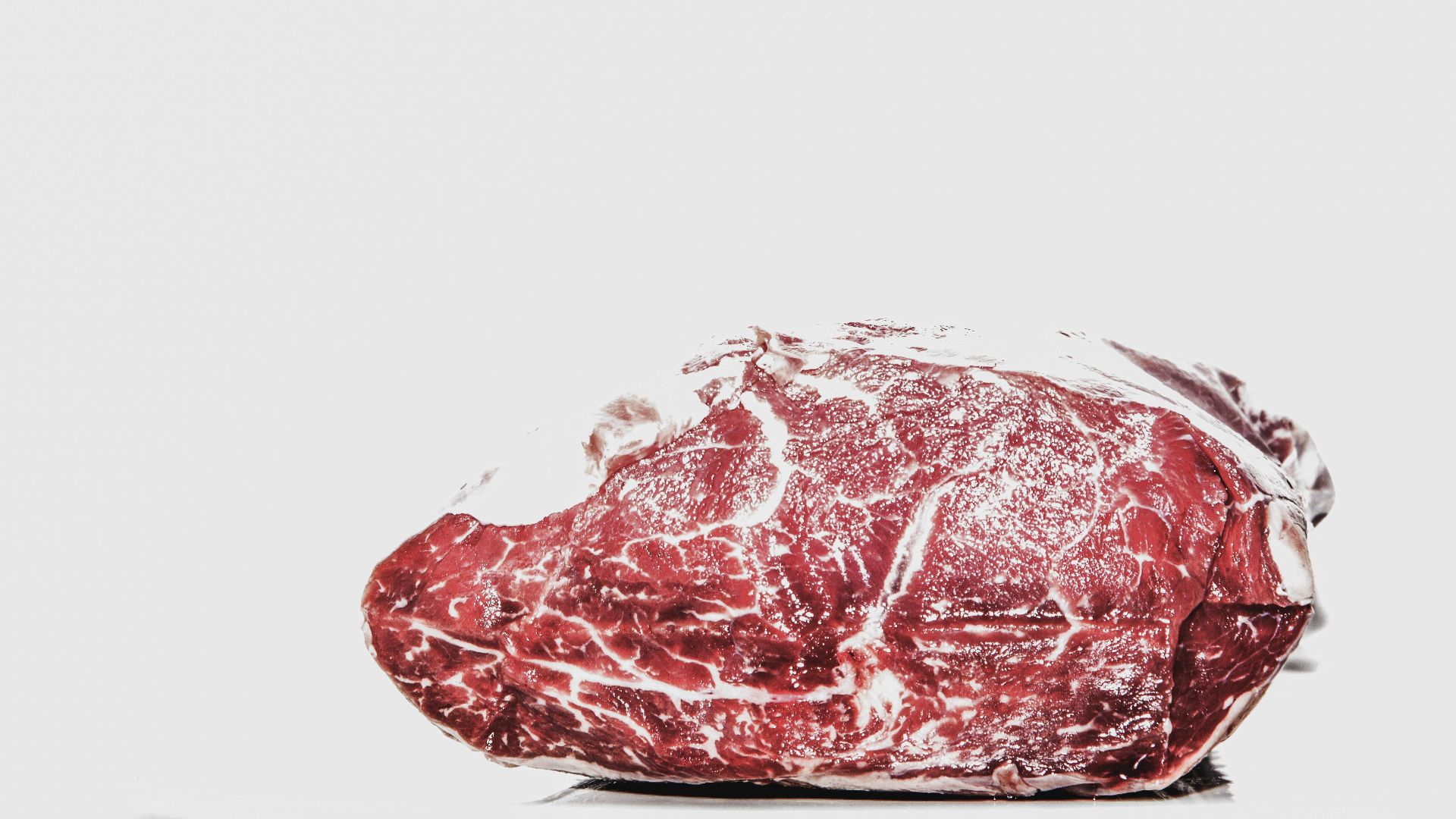
6. Lean Beef
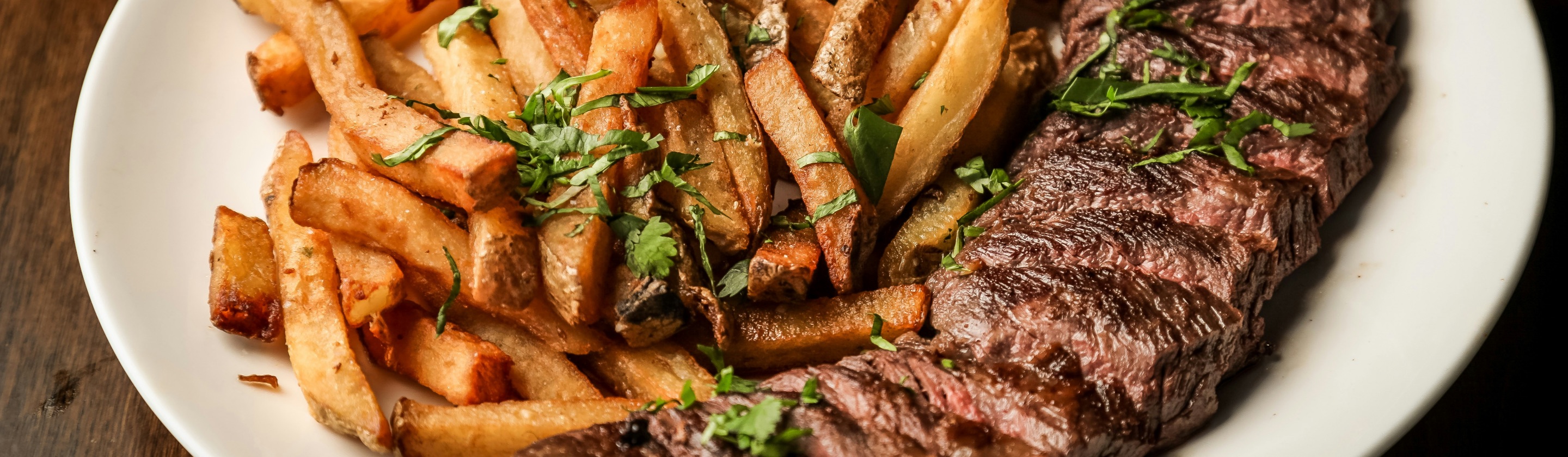
Lean cuts of beef provide complete protein along with iron, zinc, and vitamin B12. These nutrients support muscle function, oxygen transport, and energy production. Choosing leaner cuts helps limit saturated fat while still delivering excellent nutrition.
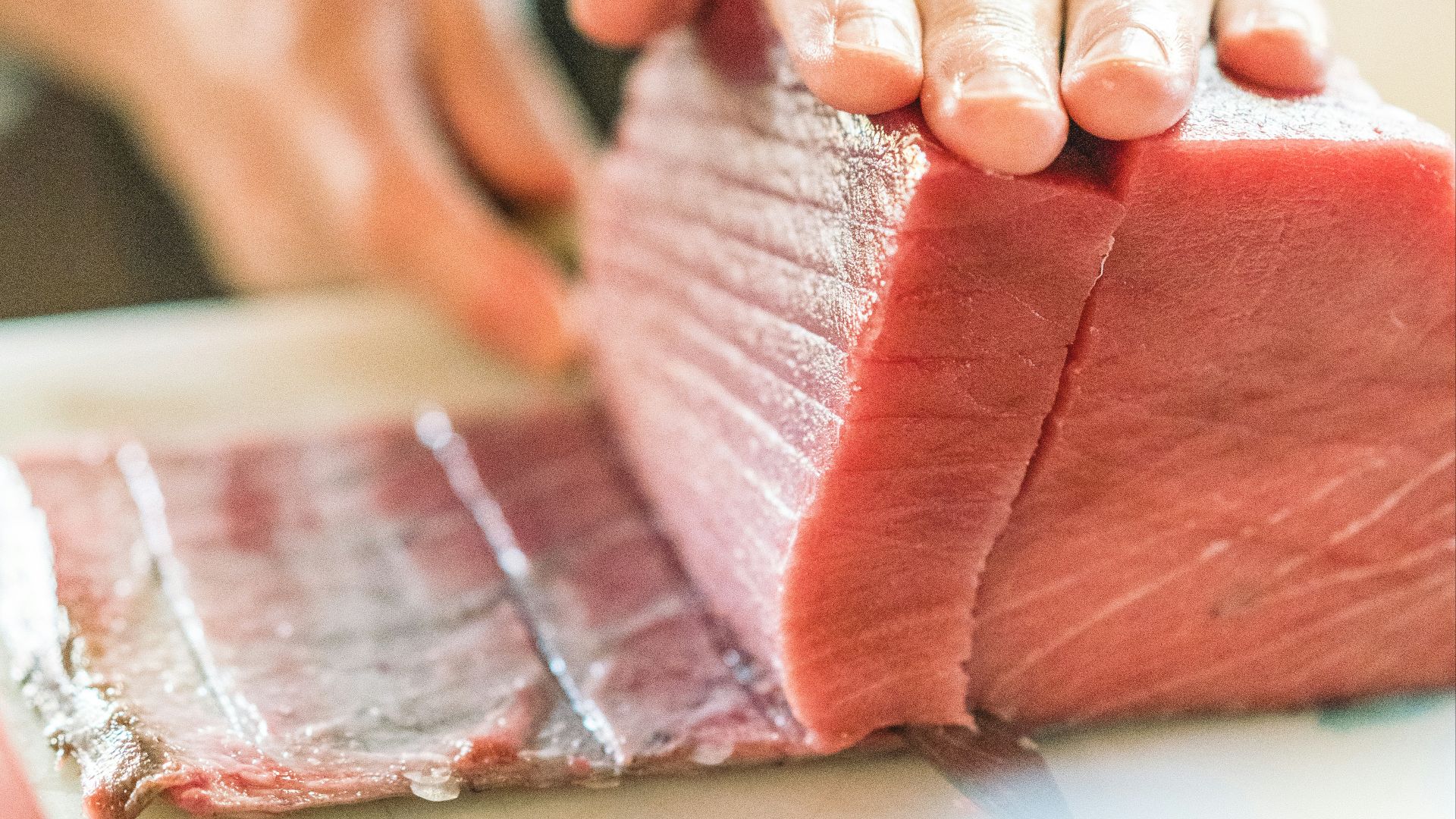
7. Tuna
Tuna offers plenty of protein with very little fat, making it a convenient muscle-friendly food. It's also rich in selenium and several B vitamins that support metabolism. Canned tuna makes it easy to prepare healthy meals quickly.
8. Turkey
Turkey is another lean protein that's naturally rich in essential amino acids. It also provides niacin and vitamin B6, which help convert food into usable energy. Ground turkey works well in everything from soups to tacos.

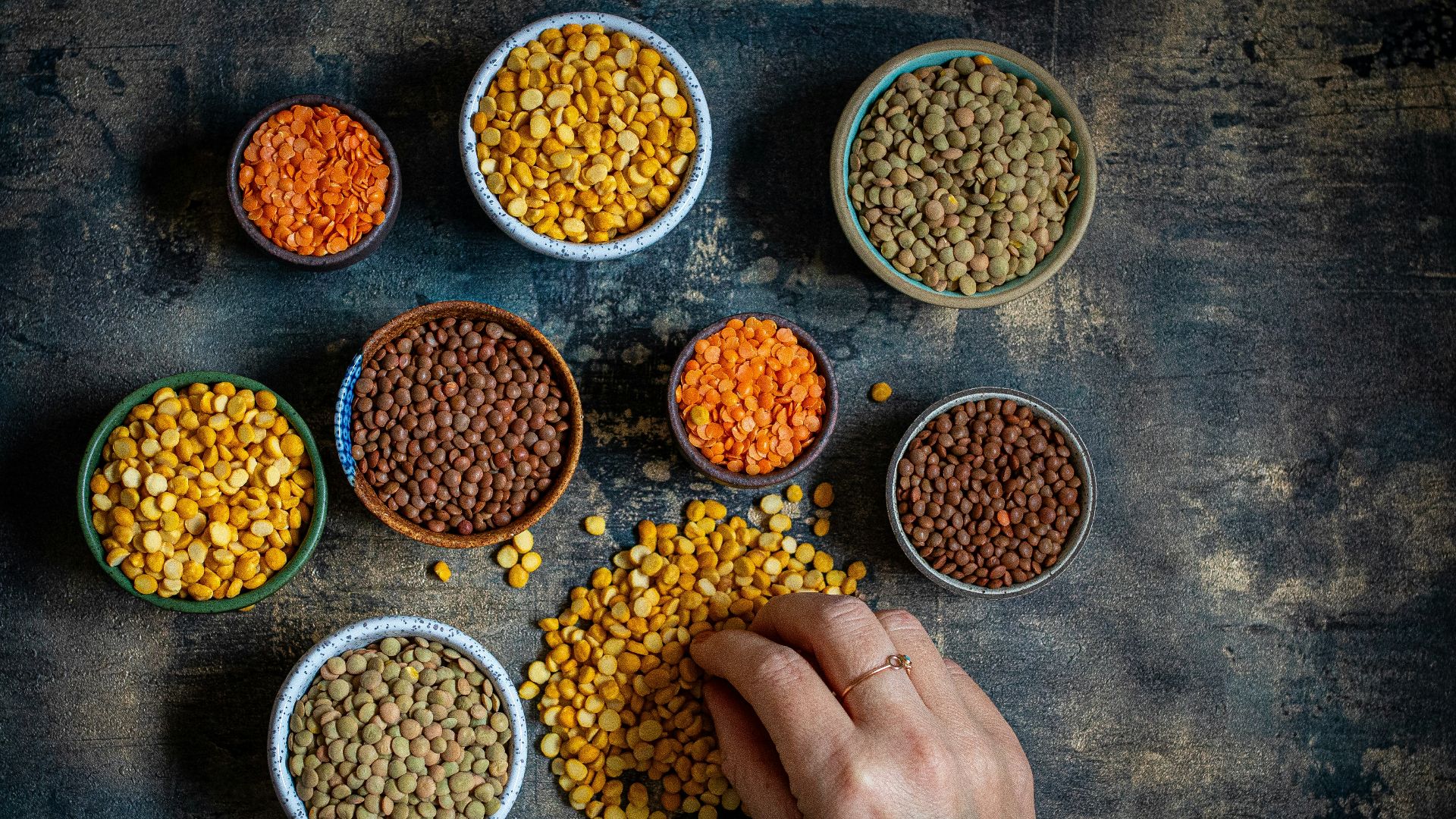
9. Lentils
Lentils deliver a combination of plant protein, fiber, and complex carbohydrates. While they aren't a complete protein on their own, pairing them with whole grains rounds out their amino acid profile. They're especially valuable for people eating less meat.
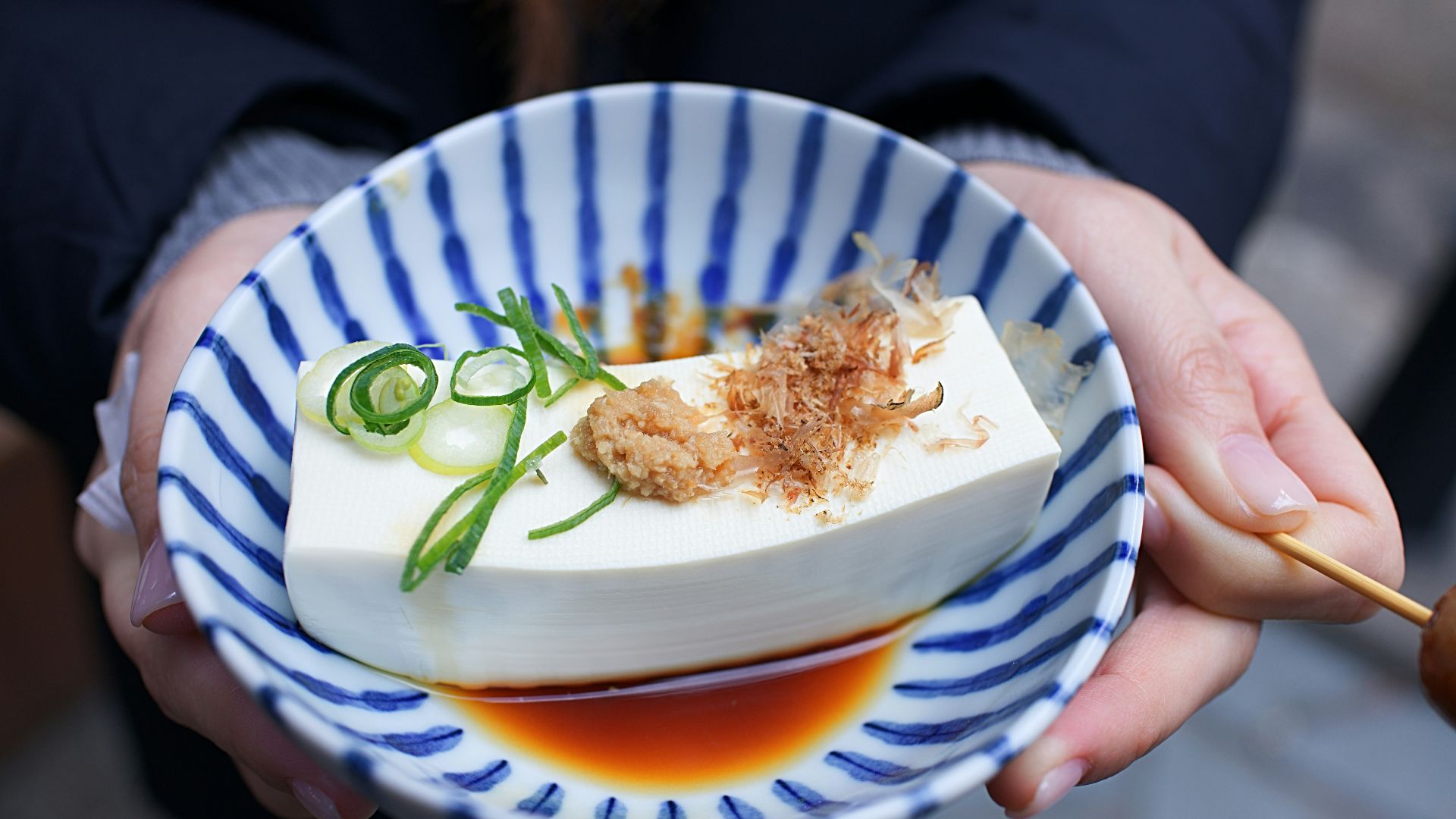
10. Tofu
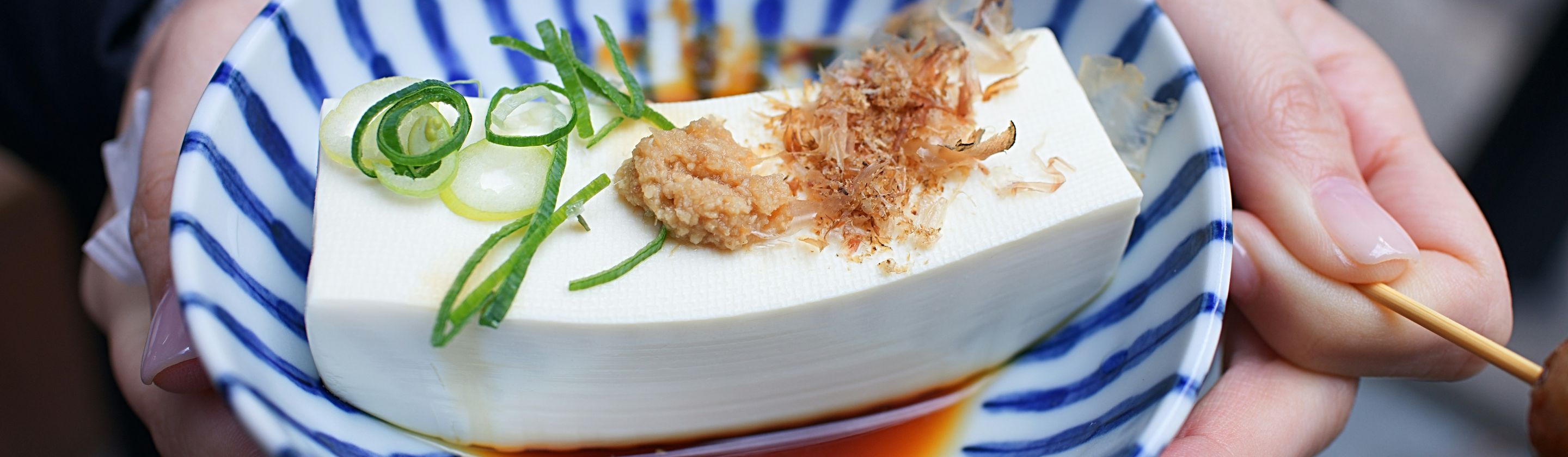
Tofu provides complete plant protein and absorbs the flavors of nearly any dish. It's also a good source of calcium when prepared with calcium sulfate. That combination supports both muscle maintenance and bone health.
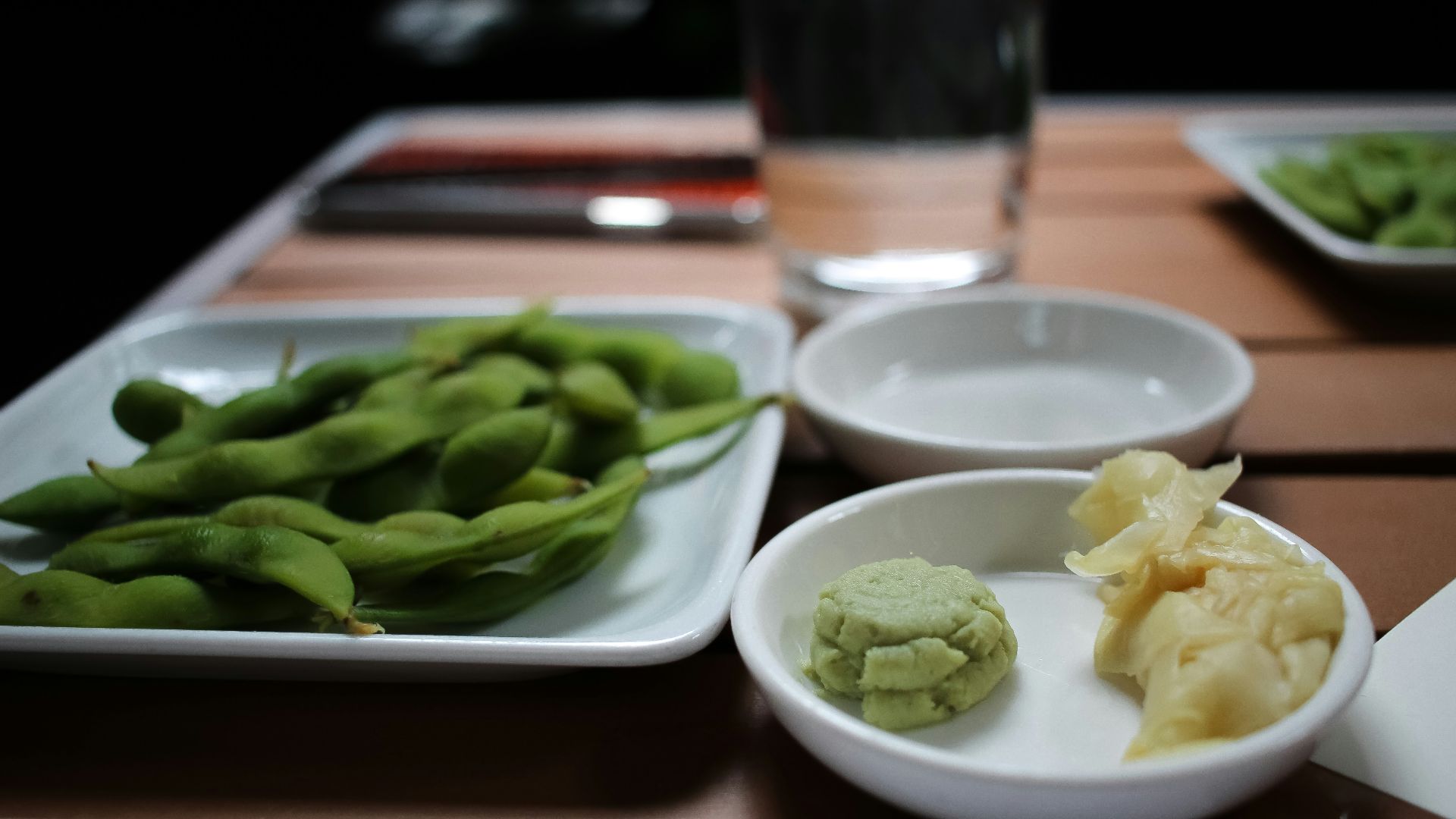
11. Edamame
Edamame contains one of the highest protein levels among legumes. It also supplies fiber, folate, and magnesium, which contribute to healthy muscle function. Steamed edamame makes an easy snack or side dish.
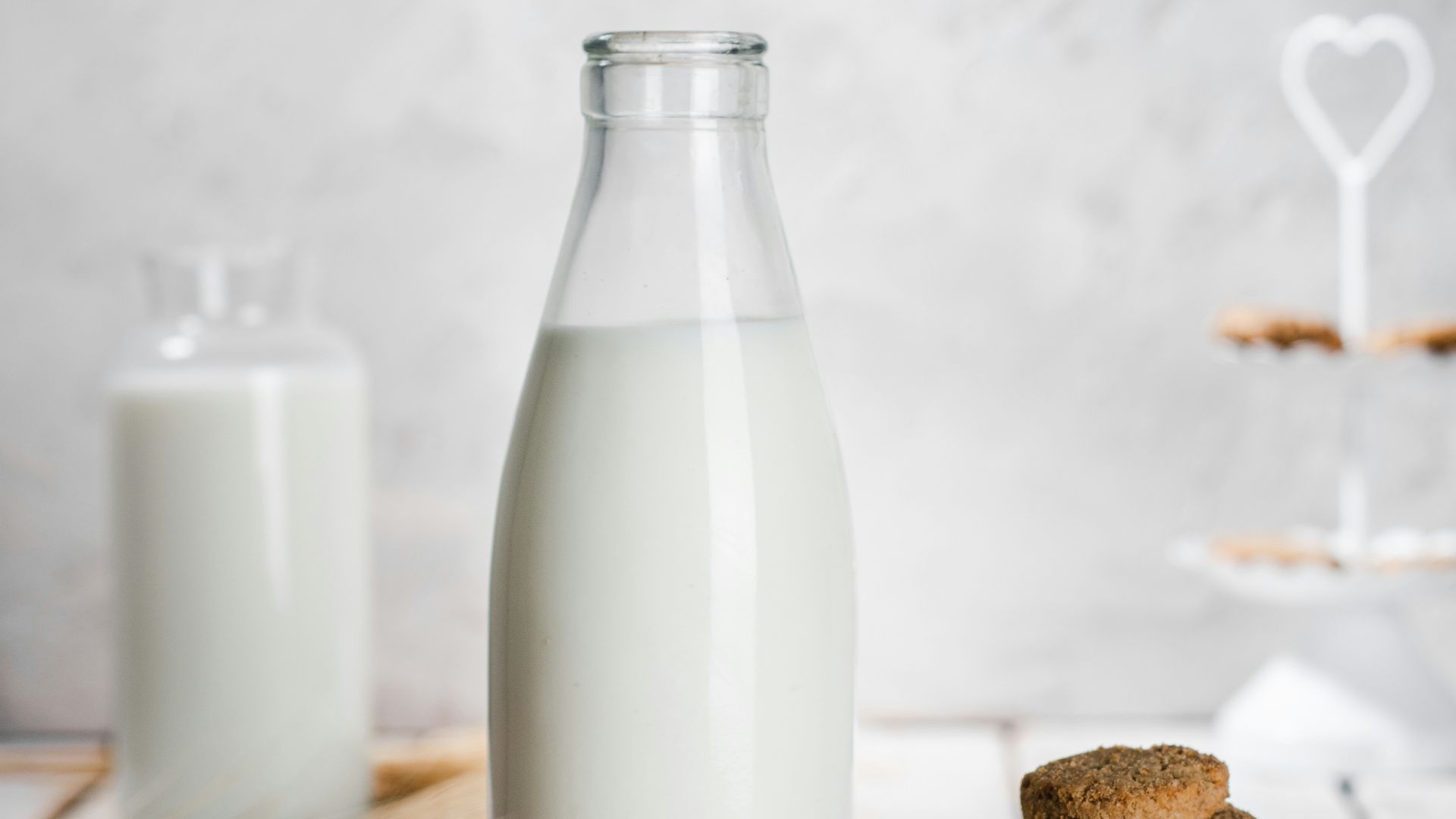
12. Milk
Milk naturally contains whey and casein proteins, giving your muscles both immediate and longer-lasting amino acids. It also delivers calcium, vitamin D when fortified, and potassium. Drinking a glass after exercise can help support muscle recovery.
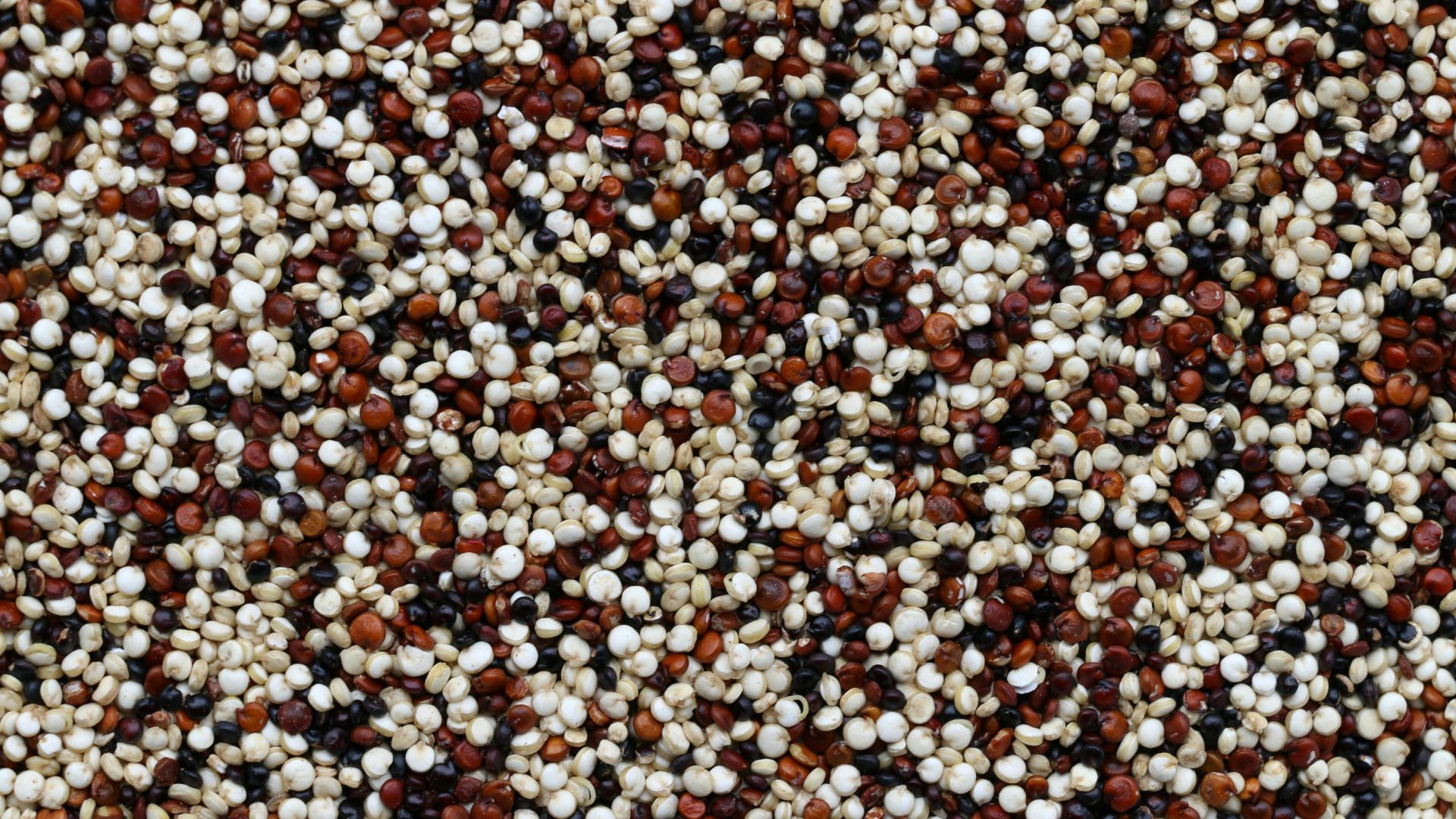
13. Quinoa
Unlike most grains, quinoa contains all nine essential amino acids. It also provides fiber, magnesium, and complex carbohydrates that help fuel physical activity. Quinoa works well as the base for salads or grain bowls.
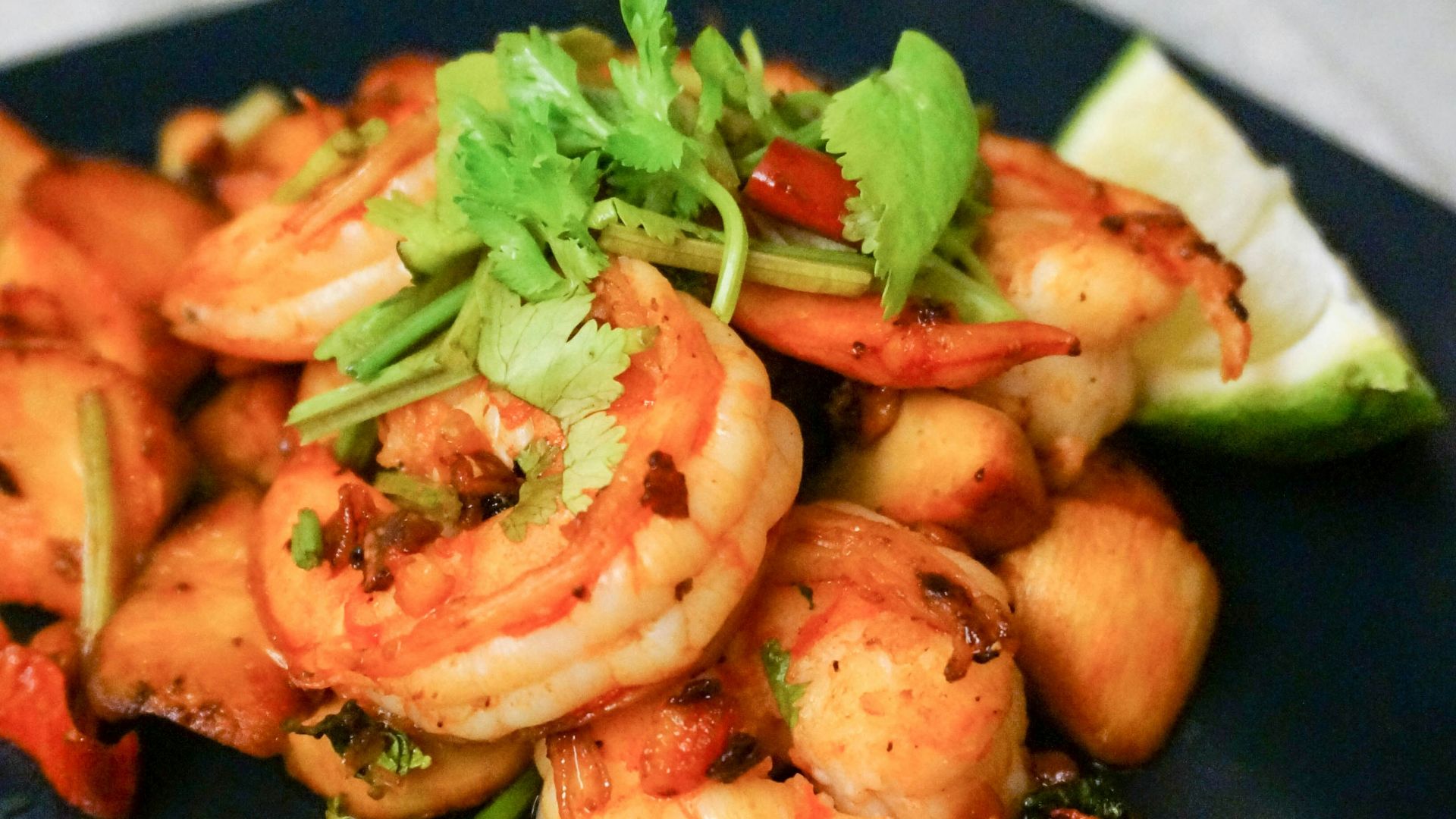
14. Shrimp
Shrimp is low in calories while offering a generous amount of high-quality protein. It also contains selenium and iodine, which support normal metabolism. Quick cooking times make it easy to prepare it as part of healthy meals.
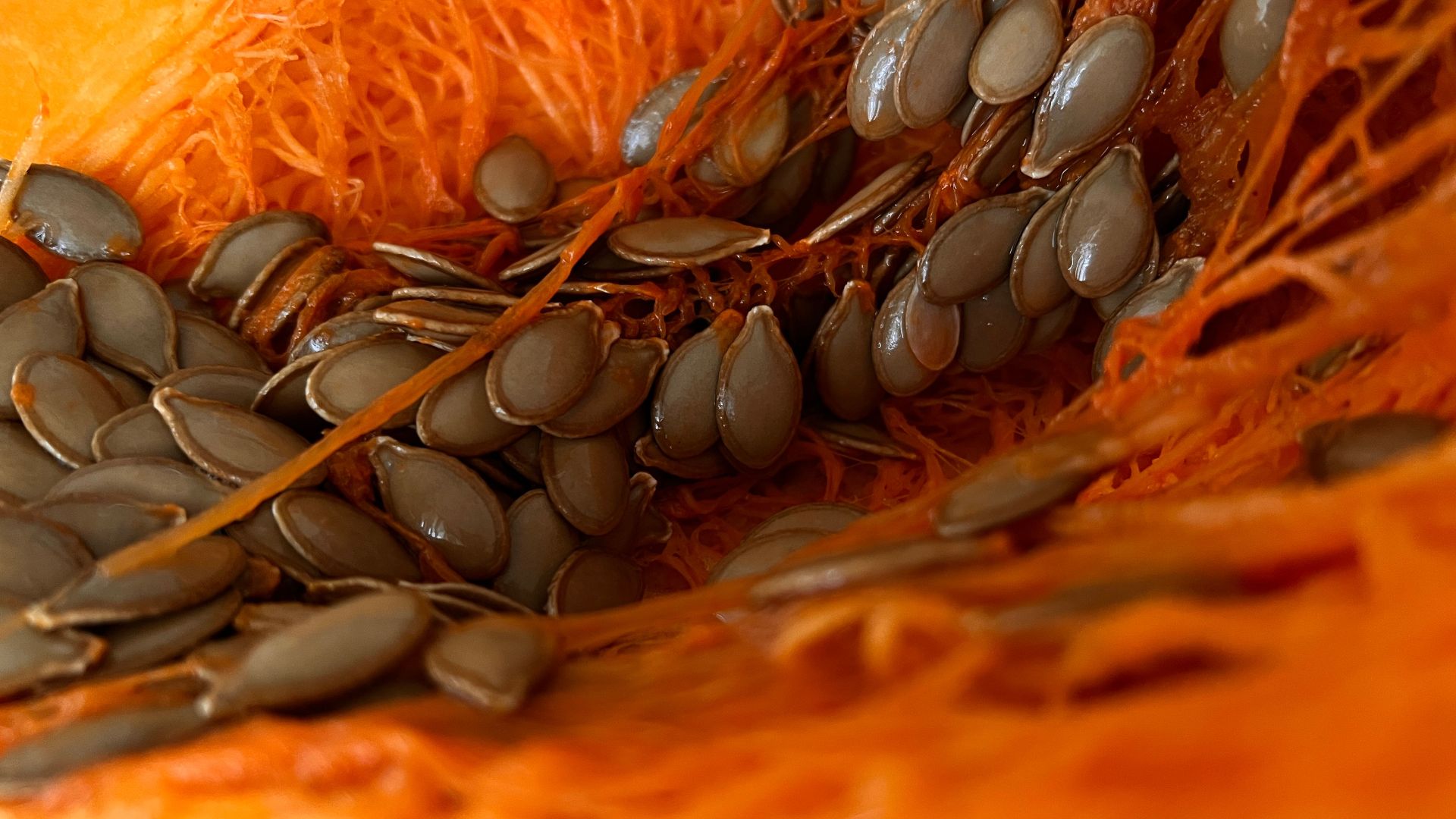
15. Pumpkin Seeds
Pumpkin seeds provide plant protein along with magnesium, zinc, and healthy fats. Magnesium plays an important role in muscle contraction and recovery. A small handful adds nutrition to salads, oatmeal, or yogurt.
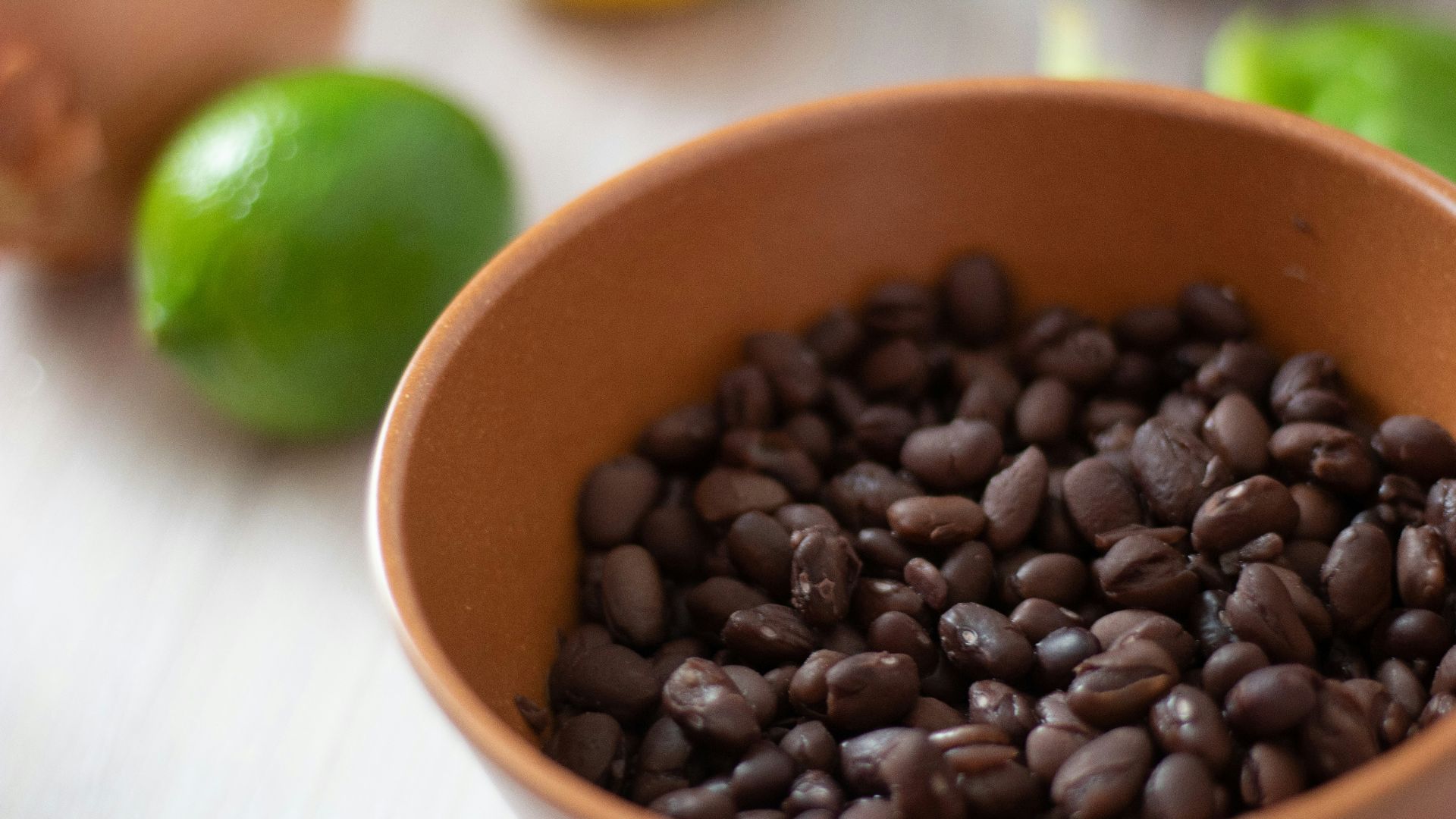
16. Black Beans
Black beans offer protein, fiber, and slow-digesting carbohydrates that help sustain energy levels. Combining them with rice or another whole grain creates a more complete protein source. They're both filling and affordable.
17. Sardines
Sardines are packed with protein as well as calcium and vitamin D because their soft bones are edible. They're also rich in omega-3 fatty acids that support healthy aging. Their impressive nutrient density makes them an excellent addition to your diet.

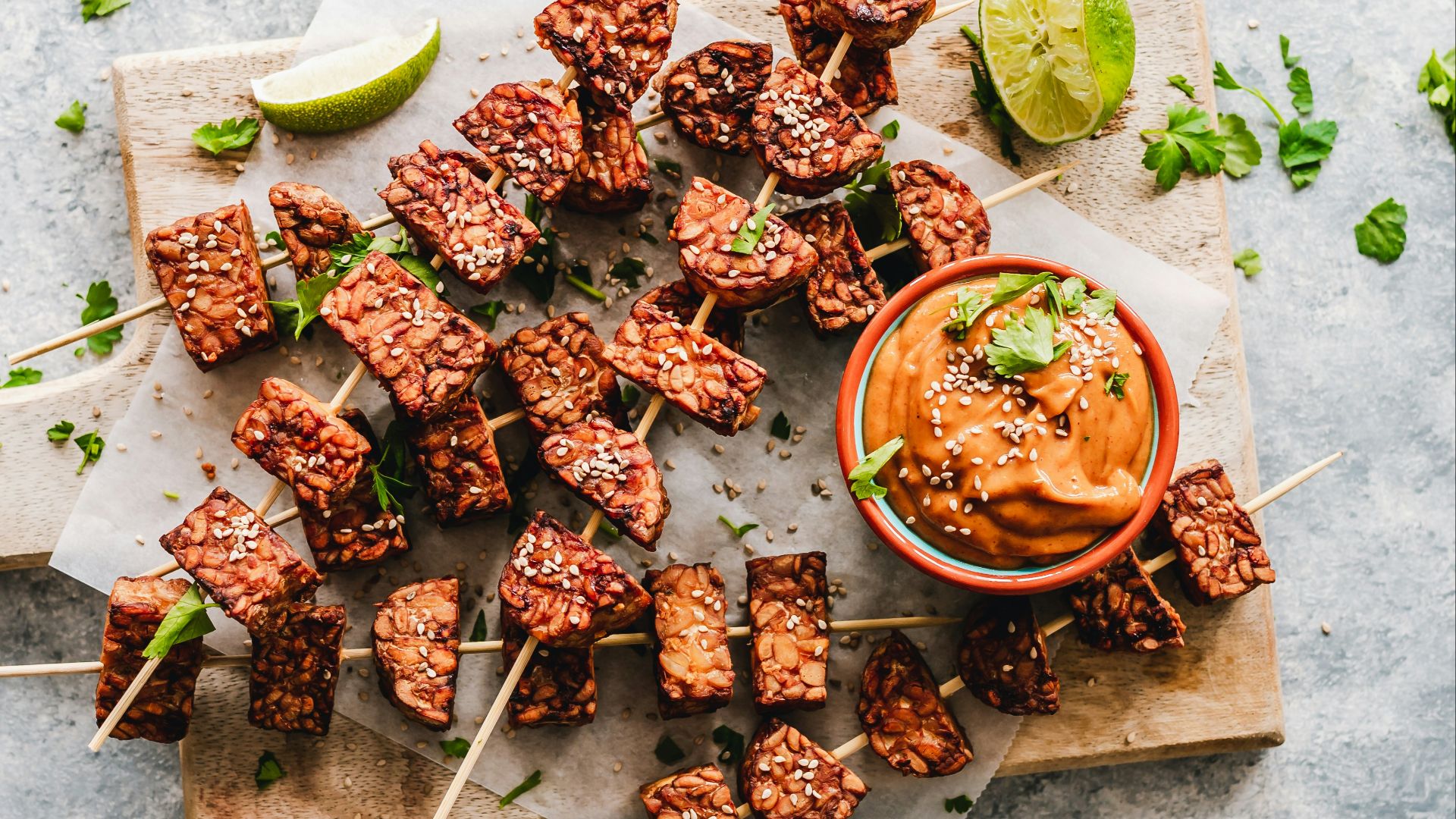
18. Tempeh
Tempeh is made from fermented soybeans and contains even more protein than tofu. Fermentation also improves digestibility for many people. Its firm texture makes it an excellent substitute for meat in many recipes.
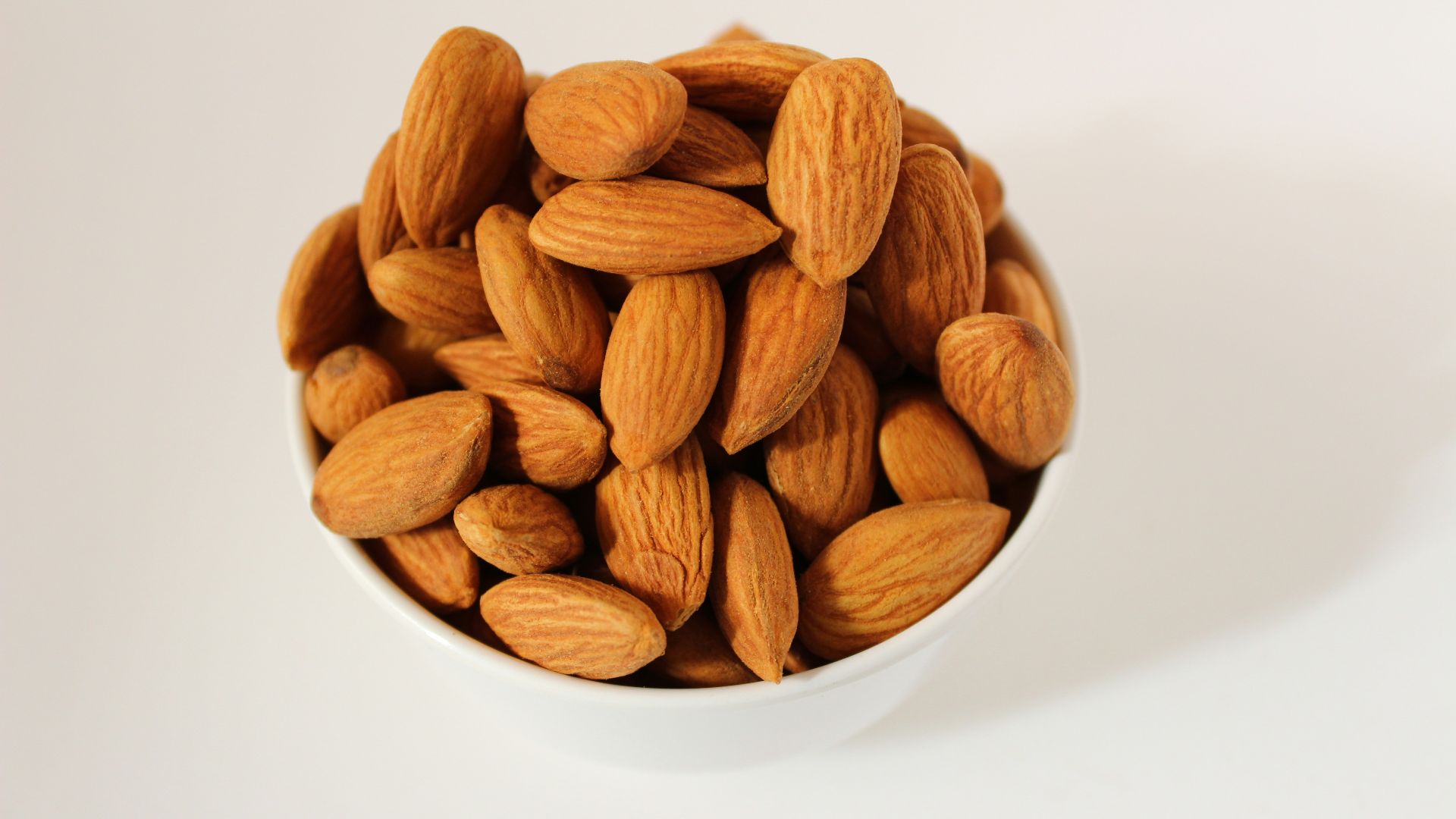
19. Almonds
Almonds contribute protein, vitamin E, magnesium, and healthy fats. While they shouldn't replace higher-protein foods, they make a nutritious snack that supports an overall muscle-friendly diet. They also add a satisfying crunch to many meals.
20. Oats
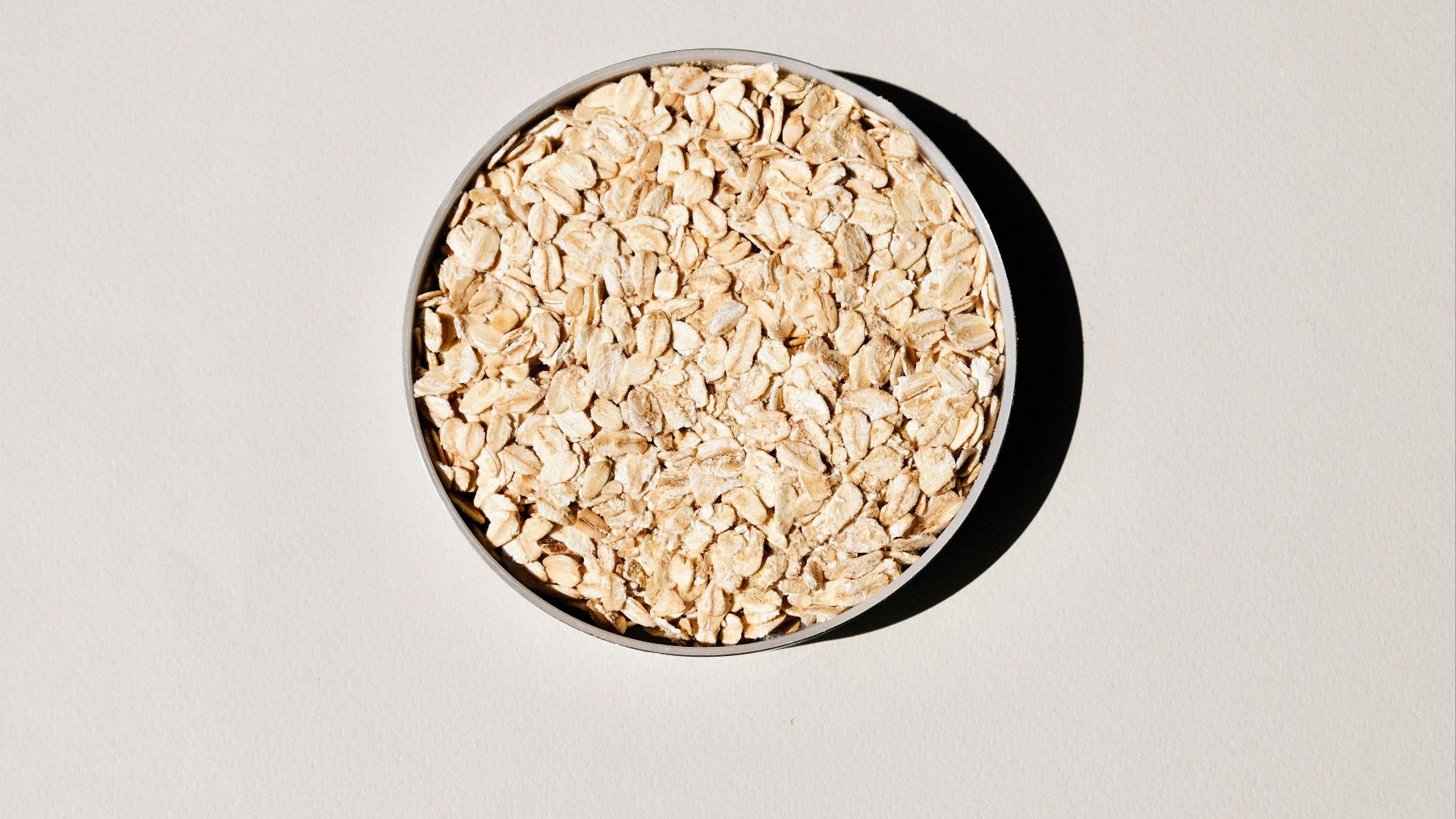
Oats aren't especially high in protein compared to meat or dairy, but they provide valuable complex carbohydrates that help fuel workouts and daily activity. They also contain fiber and important minerals that support overall health. Pairing oats with Greek yogurt or milk boosts the meal's total protein and makes it even better for maintaining muscle.