The Stuff You Used to Skip Without Consequence
There was a stretch of life where you could skip the stretching, eat whatever was in front of you, and bounce back from a bad night's sleep without much fuss. Fifty has a way of quietly revoking that privilege, not all at once, but in small ways that add up faster than expected. The habits that felt optional in your thirties start acting like requirements, and the things you never thought twice about suddenly need actual attention. None of this is about decline so much as recalibration, figuring out what your body needs now instead of what it used to tolerate. Here's 20 things that start carrying real weight once you're past 50.

1. Protein Intake
You can't coast on minimal protein the way you maybe did at thirty, since muscle starts breaking down faster than it rebuilds without enough raw material to work with. Hitting an actual target, not just whatever happens to land on your plate, becomes part of holding onto strength. This is less about bodybuilding and more about being able to carry your own groceries at eighty.
 Sebastian Coman Photography on Unsplash
2. Sleep Quality, Not Just Sleep Quantity
Eight hours of restless, interrupted sleep doesn't do what eight solid hours used to do. The kind of deep sleep your body needs for repair gets harder to access naturally, so things like a consistent bedtime and a dark, cool room start mattering in ways they never used to. It's worth treating sleep like a discipline instead of an afterthought.

3. Strength Training
Cardio alone stops being enough once muscle loss becomes a real factor instead of a hypothetical one. Lifting something heavier than your own body weight, even just twice a week, starts doing work that walking and biking can't replicate. Bones need that load too, not just muscles.
4. Balance and Stability Work
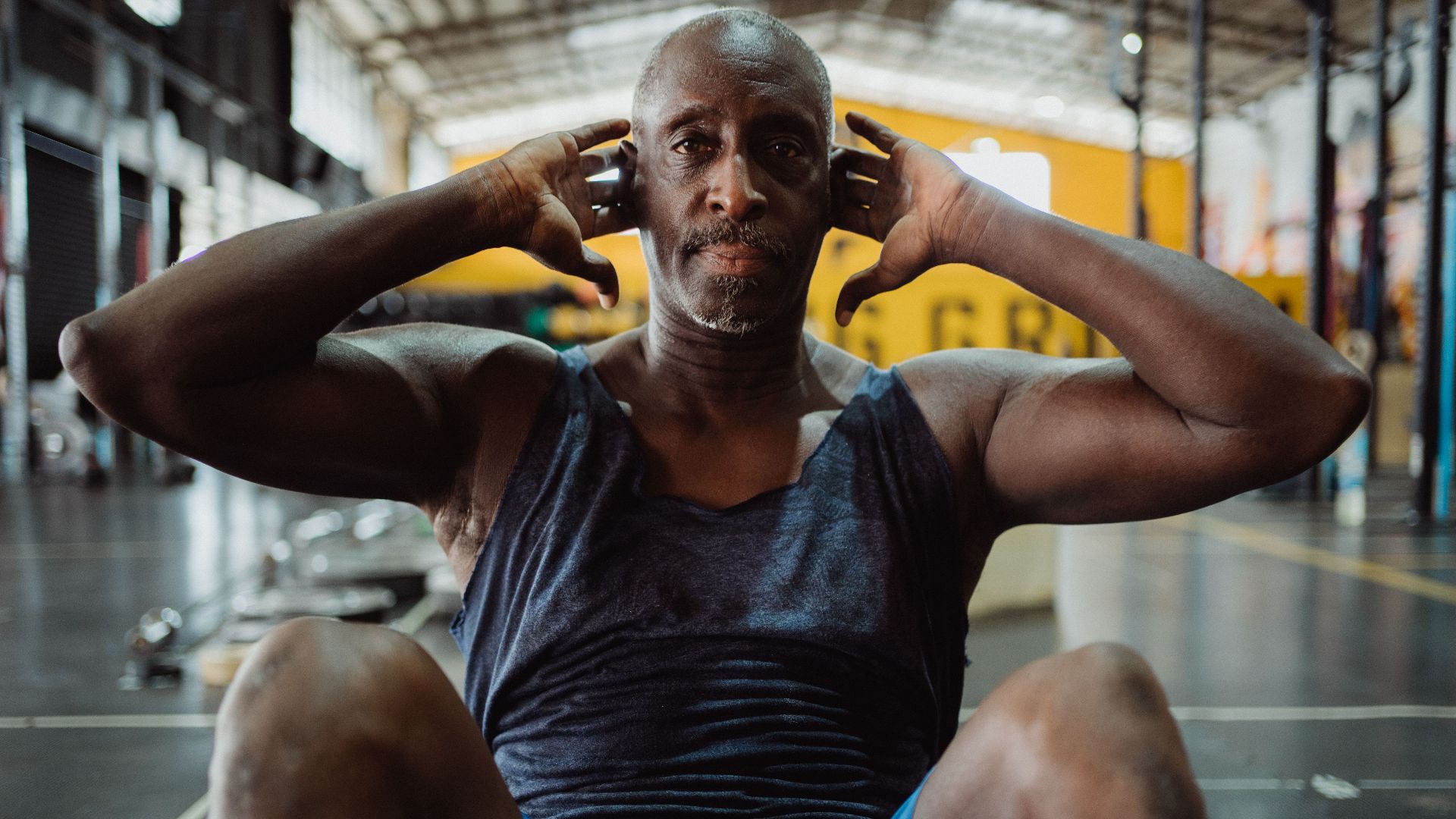
Falls become a genuinely serious risk after 50 in a way they simply weren't before, so the wobbly, unglamorous work of standing on one leg or doing slow controlled movements earns its place in a routine. It's not exciting, but it's one of the more directly protective things you can do. Nobody regrets the practice when they catch themselves from a stumble instead of going down.
5. Hydration
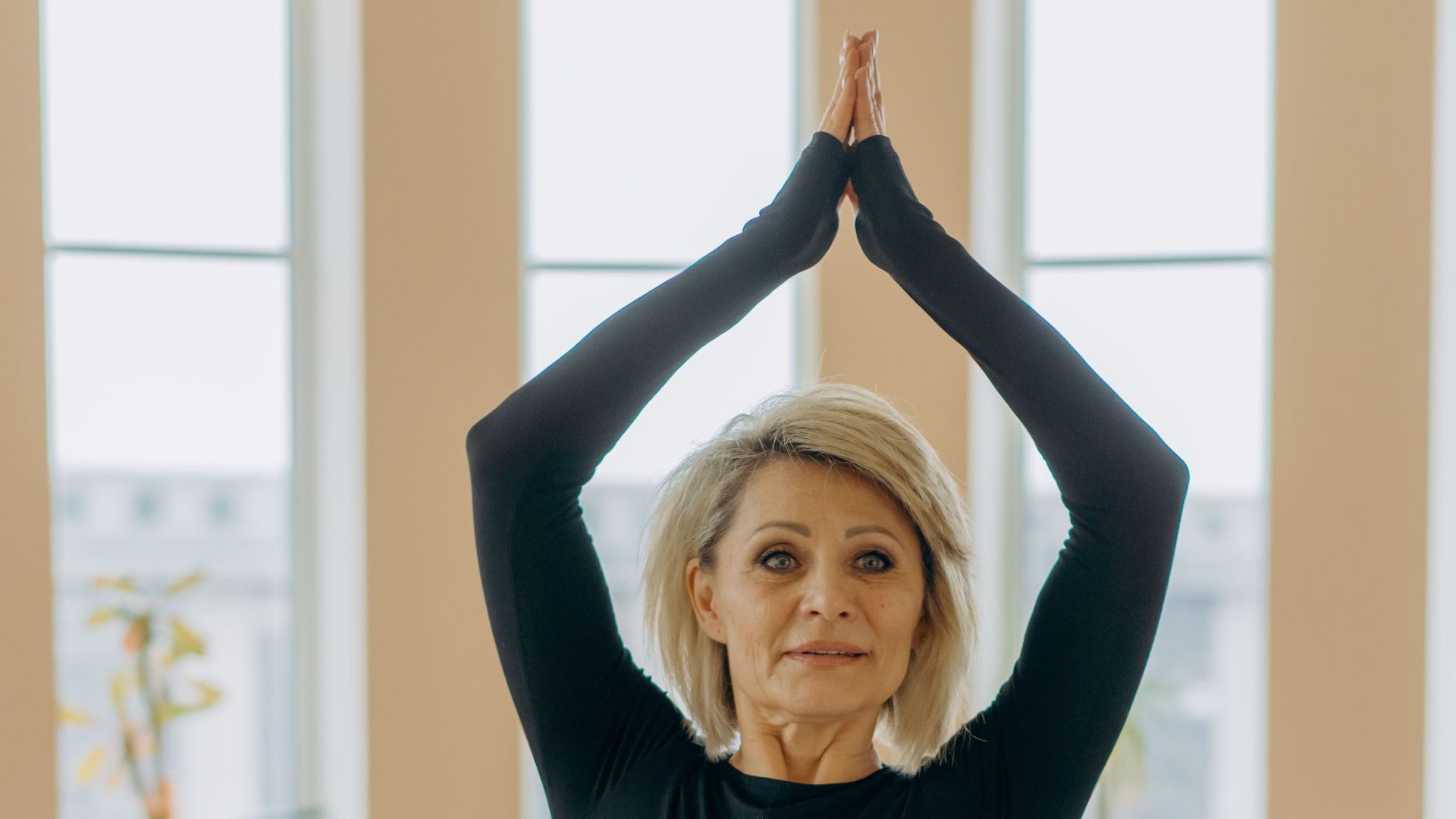
Thirst signals get less reliable with age, which means you can be dehydrated without feeling the usual cues that used to warn you. That quiet dehydration affects everything from energy to joint comfort to cognitive sharpness. Drinking on a schedule, rather than waiting to feel thirsty, becomes the smarter approach.
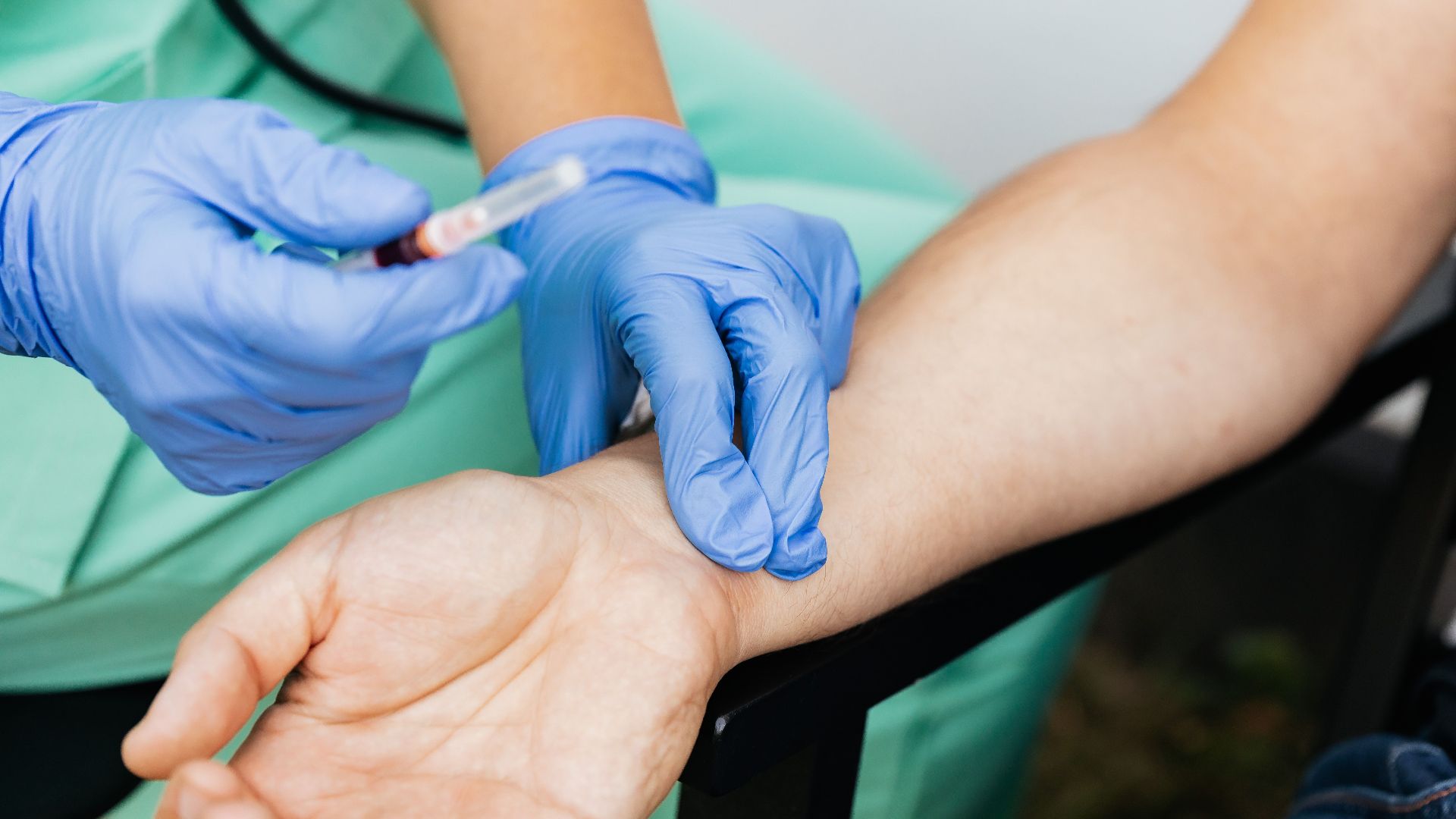
6. Regular Bloodwork
A lot can shift quietly, cholesterol, blood sugar, thyroid function, without a single symptom announcing it. Catching those shifts early through routine labs gives you options that waiting for symptoms simply doesn't. This is the decade where skipping the annual physical starts to feel like a real gamble instead of a minor inconvenience.
7. Fiber
Digestion slows down, and the margin for error on fiber intake gets a lot thinner than it used to be. Getting enough isn't just about comfort either, it plays into heart health and blood sugar regulation in ways that compound over years. This is one area where the payoff for a small daily habit is genuinely large.

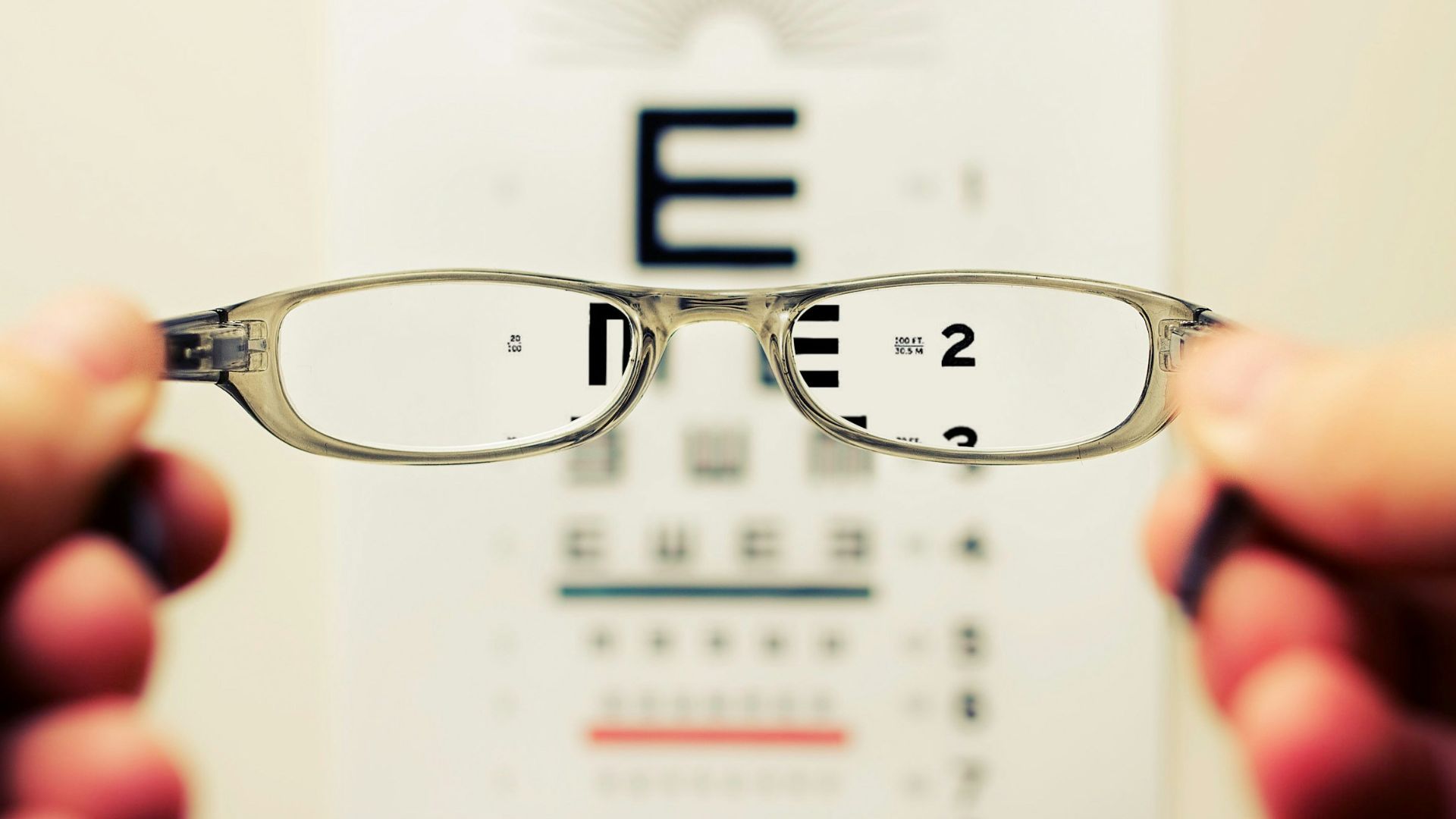
8. Vision Checks
Changes to your eyes can happen gradually enough that you adjust without realizing how much you've adjusted, squinting a little more, holding things a little farther away. Annual eye exams catch things like glaucoma early, when there's actually something to be done about it. Waiting until reading feels hard is waiting too long.
9. Bone Density
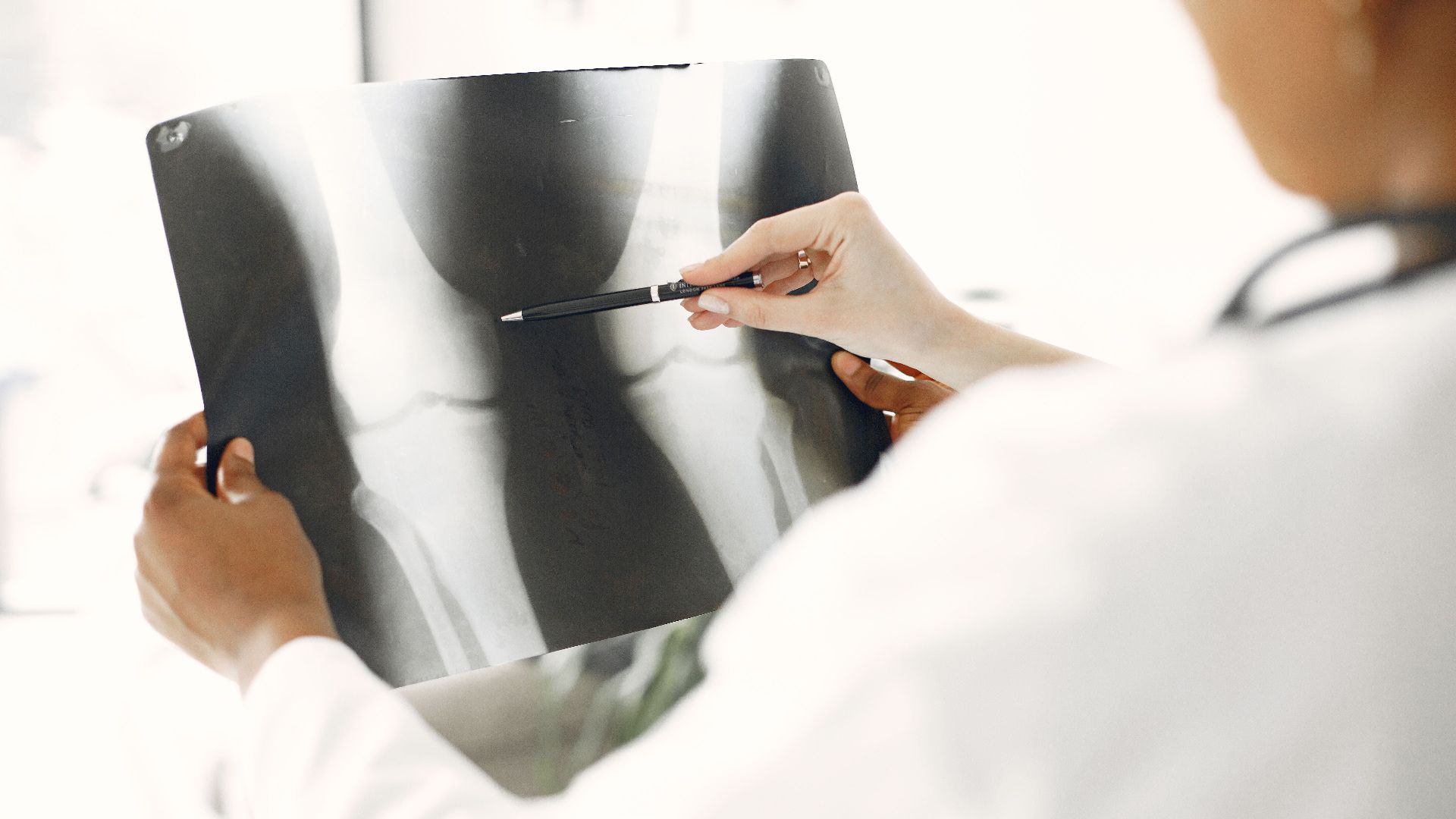
Bone loss accelerates for a lot of people in this decade, particularly for women after menopause, and it happens without any warning signs until a fracture forces the issue. A bone density scan and attention to calcium and vitamin D intake stop being optional extras. This is a quiet problem until it suddenly isn't.
10. Stress Management
The body's ability to bounce back from chronic stress changes with age, and cortisol that used to clear out efficiently starts lingering longer than it should. That lingering stress hormone affects sleep, weight, and even memory over time. Actual stress management, not just talking about needing it, starts paying real dividends.
 Kateryna Hliznitsova on Unsplash
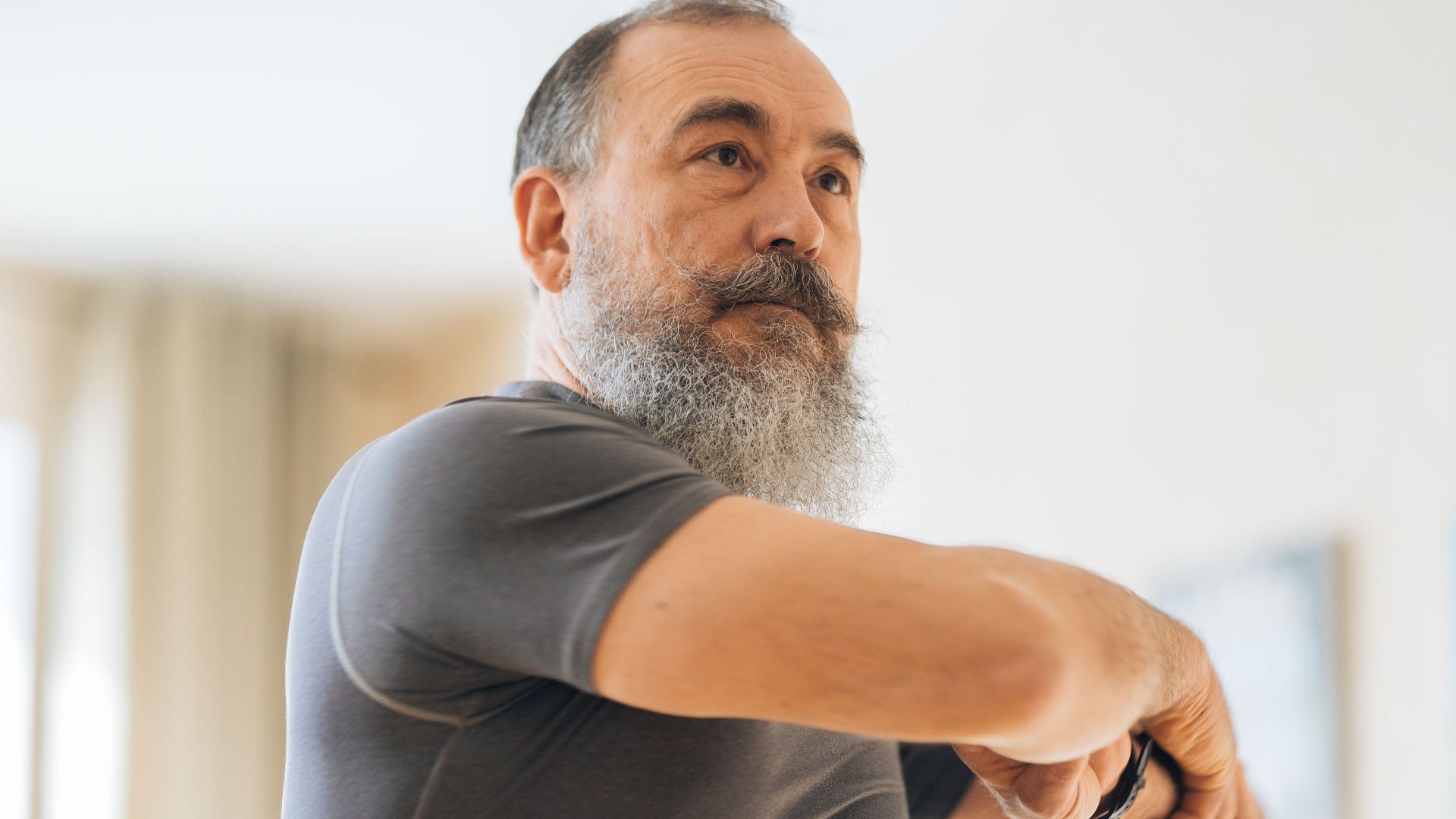
11. Flexibility and Mobility
Tight hips and a stiff lower back stop being a minor annoyance and start limiting what you can actually do day to day. Mobility work isn't about touching your toes for sport anymore, it's about being able to get off the floor without using your hands. That shift in purpose changes how seriously it deserves to be taken.
12. Hearing
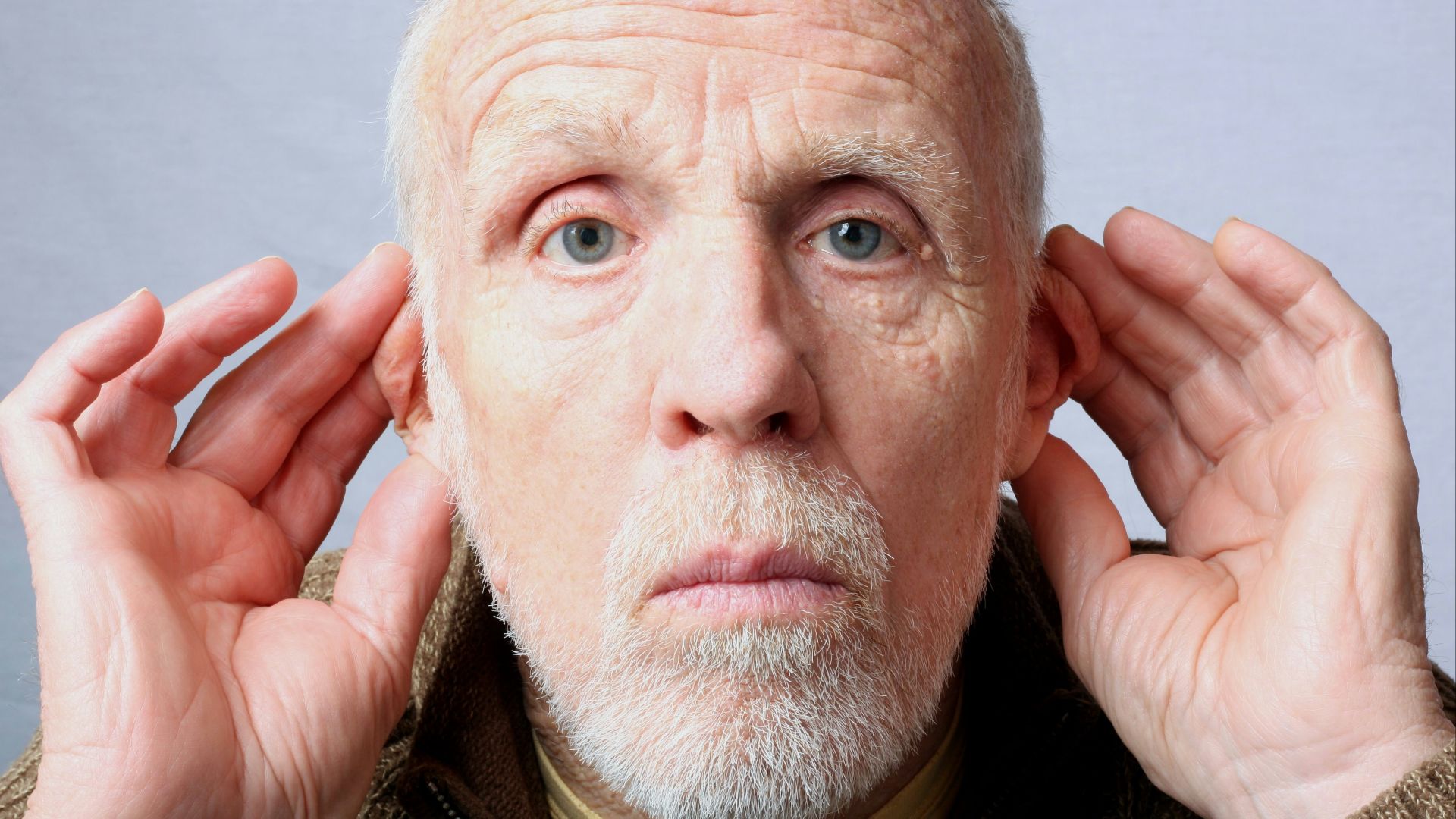
Hearing loss tends to be gradual enough that the people around you notice before you do, usually through a few too many "what?" moments at dinner. Left unaddressed, it's been linked to cognitive decline down the road, which makes early hearing tests more than just a convenience issue. It's worth getting checked before it becomes a bigger problem than volume.
13. Social Connection
Isolation creeps in after 50 more easily than people expect, as retirement, grown kids, and shifting friend groups all chip away at built-in social structures. Maintaining actual relationships, the kind with regular contact, turns out to matter for cognitive health almost as much as diet does. This one gets overlooked because it doesn't show up on a lab report.

14. Skin Checks
Sun damage from decades earlier tends to surface now, showing up as spots and changes that are worth a dermatologist's attention rather than a shrug. Catching something early here is genuinely the difference between a minor procedure and a major one. An annual skin check earns its place on the calendar.

15. Cardiovascular Fitness
Heart disease risk climbs steadily through this decade, which makes actual cardiovascular conditioning, not just occasional movement, something to take seriously. Getting your heart rate up regularly does more protective work here than almost anything else on this list. It's worth treating as non-negotiable rather than aspirational.
16. Dental Health
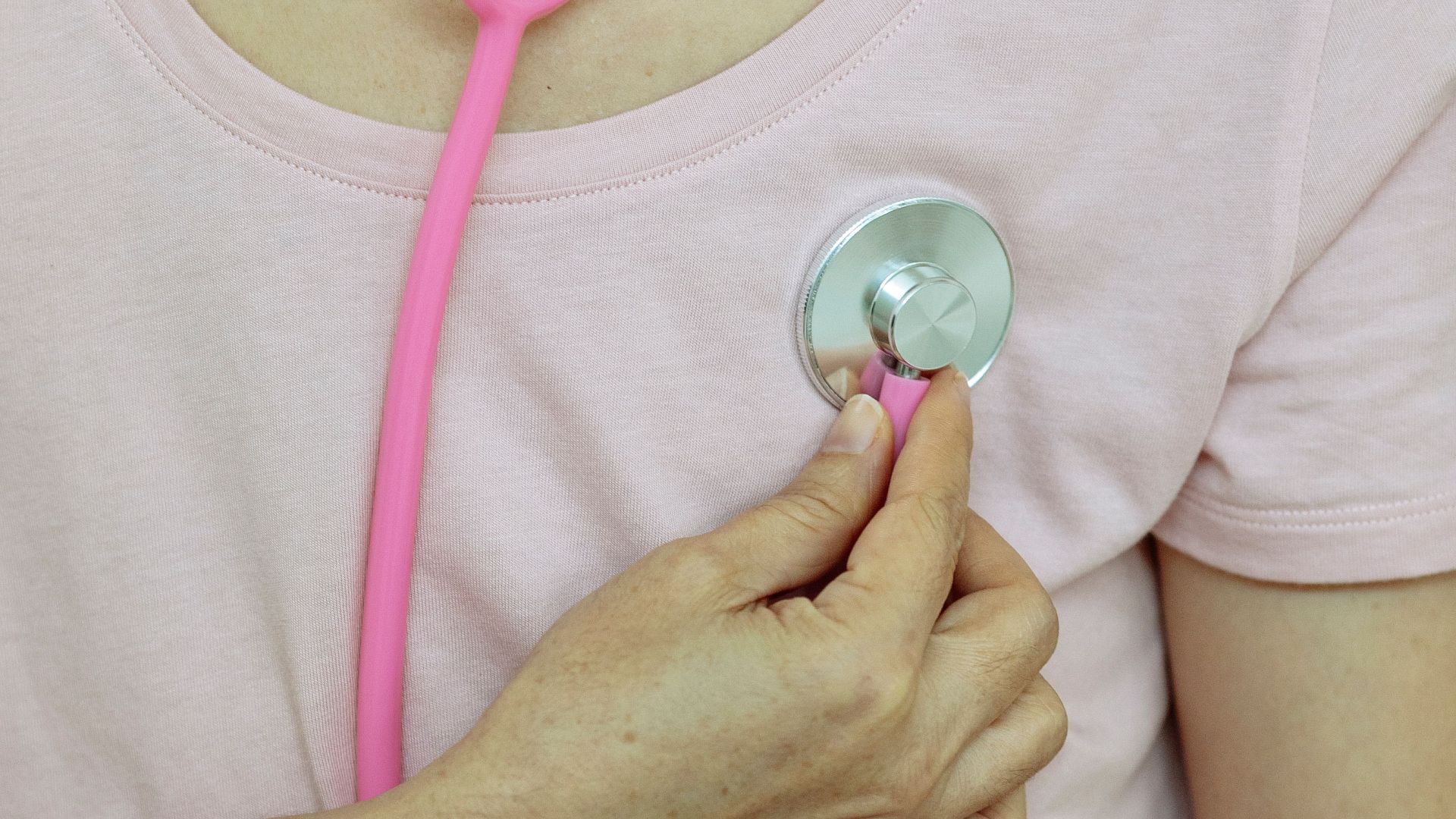
Gum disease has been tied to heart health in ways that surprise a lot of people, making the twice-yearly cleaning feel a lot less like a formality. Teeth and gums also just get more vulnerable with age, so the margin for skipping flossing gets smaller. It's an easy thing to deprioritize and a costly one to neglect.
17. Mental Stimulation
Cognitive sharpness benefits from actual challenge, not just routine, the same way muscles need resistance to stay strong. Learning something genuinely new, a language, an instrument, a skill, keeps building neural pathways in ways that passive entertainment doesn't. This becomes more protective with each passing year.

18. Medication and Supplement Interactions
Once you're on more than one prescription, the interactions between them start mattering in ways a younger body could often shrug off. A pharmacist or doctor reviewing the full list periodically catches problems that slip through when each medication gets evaluated in isolation. This isn't something to leave on autopilot.

19. Posture
Years of desk work and habit start showing up as real structural changes, rounded shoulders and a forward head position that get harder to reverse the longer they sit unaddressed. Posture work isn't vanity at this stage, it's about preserving lung capacity and reducing strain on joints that are already working harder. A little attention here goes a long way.

20. Purpose and Routine
Having something to actually get up for, beyond just obligation, turns out to be tied to longevity in ways researchers keep circling back to. Retirement or an empty nest can leave a structural gap that affects mood and motivation more than people expect going in. Building a real sense of purpose into the week matters here in a way it didn't need to before.

KEEP ON READING

20 Healthy Treats You Can Make With Peanut Butter