
Small Habits Make a Big Difference
Most people know they should brush their teeth, floss, and see a dentist, but oral health usually comes down to the details you barely think about. The way you brush, when you replace your toothbrush, how often you snack, and whether you give fluoride enough time to work can all affect your teeth and gums over time. If your teeth and gums are looking less than spectacular, you’re probably not following these 20 oral health rules as closely as you should.
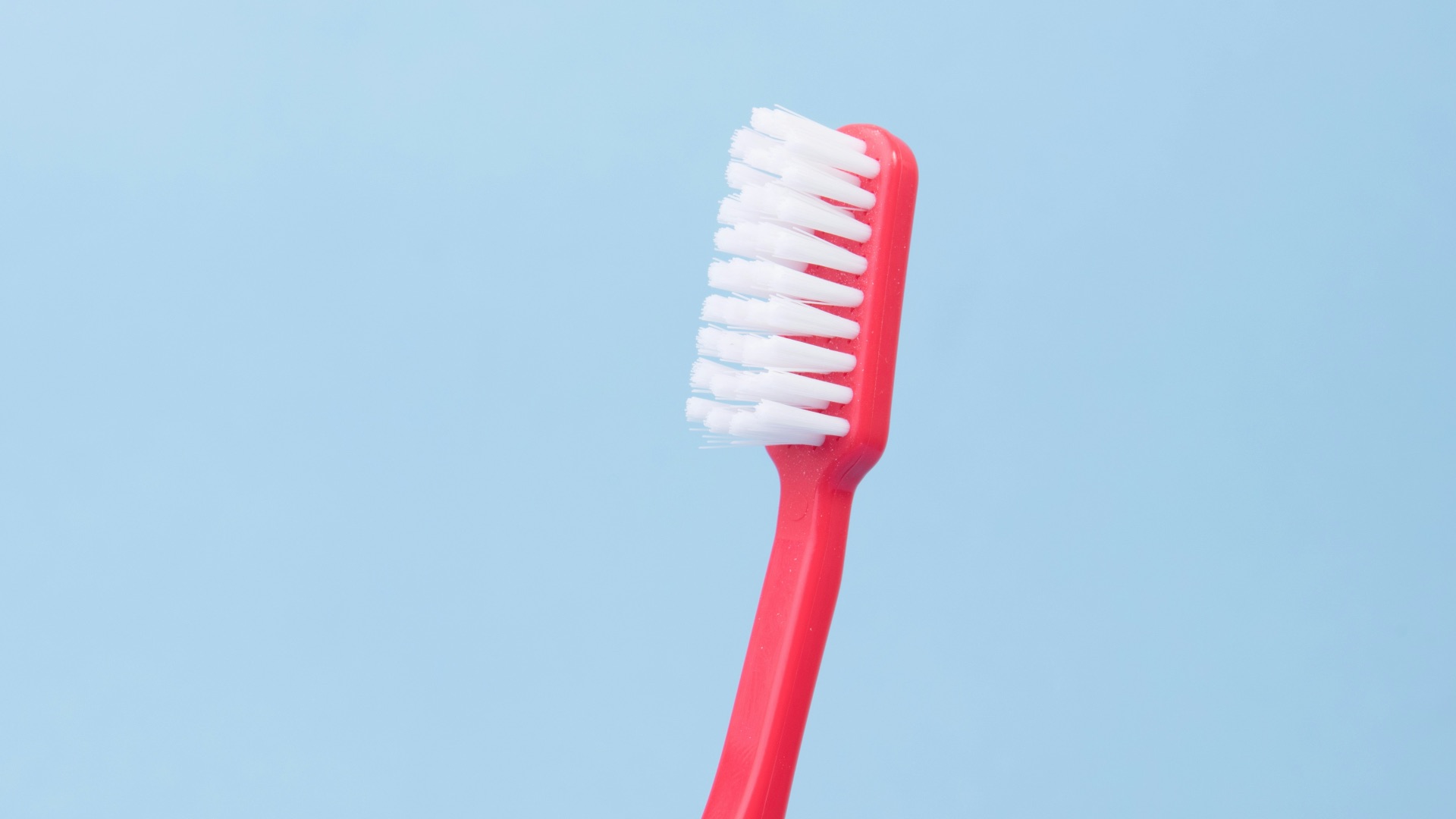
1. Brush for the Full Two Minutes
A quick scrub may feel like enough, especially when you’re rushing in the morning, but it often misses plaque along the gumline and back teeth. Dental guidance commonly recommends brushing twice a day for two minutes with fluoride toothpaste. Using a timer, electric toothbrush setting, or a short song can help you avoid cutting the job short.
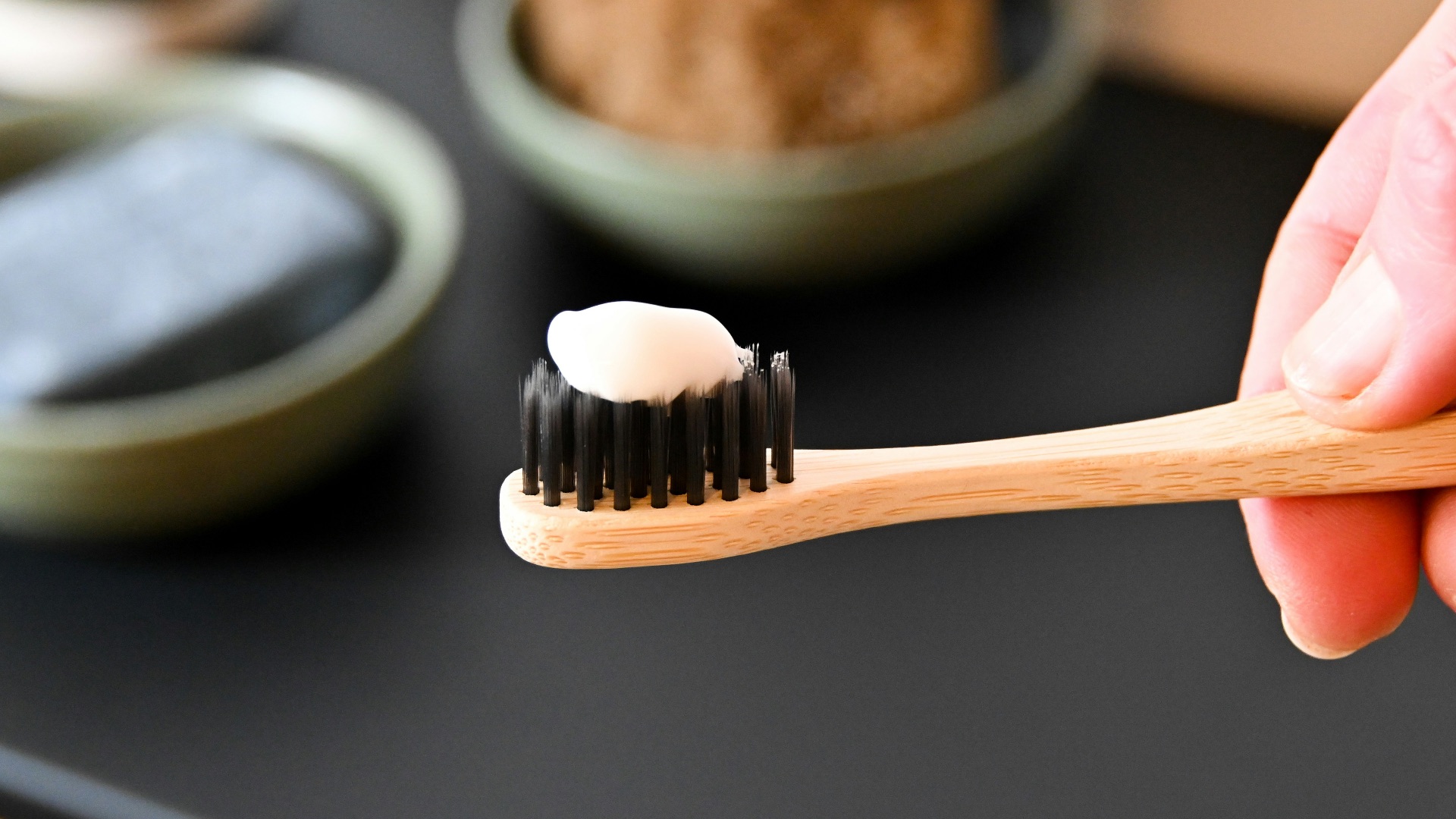
2. Use a Soft-Bristled Toothbrush
A firm toothbrush can seem more effective, but it can be too rough on enamel and gums. Soft bristles are usually the better choice because they clean without unnecessary abrasion when used properly. If your gums feel sore after brushing, your brush or your technique may be the problem. You want steady, gentle cleaning, not pressure that leaves your mouth irritated.
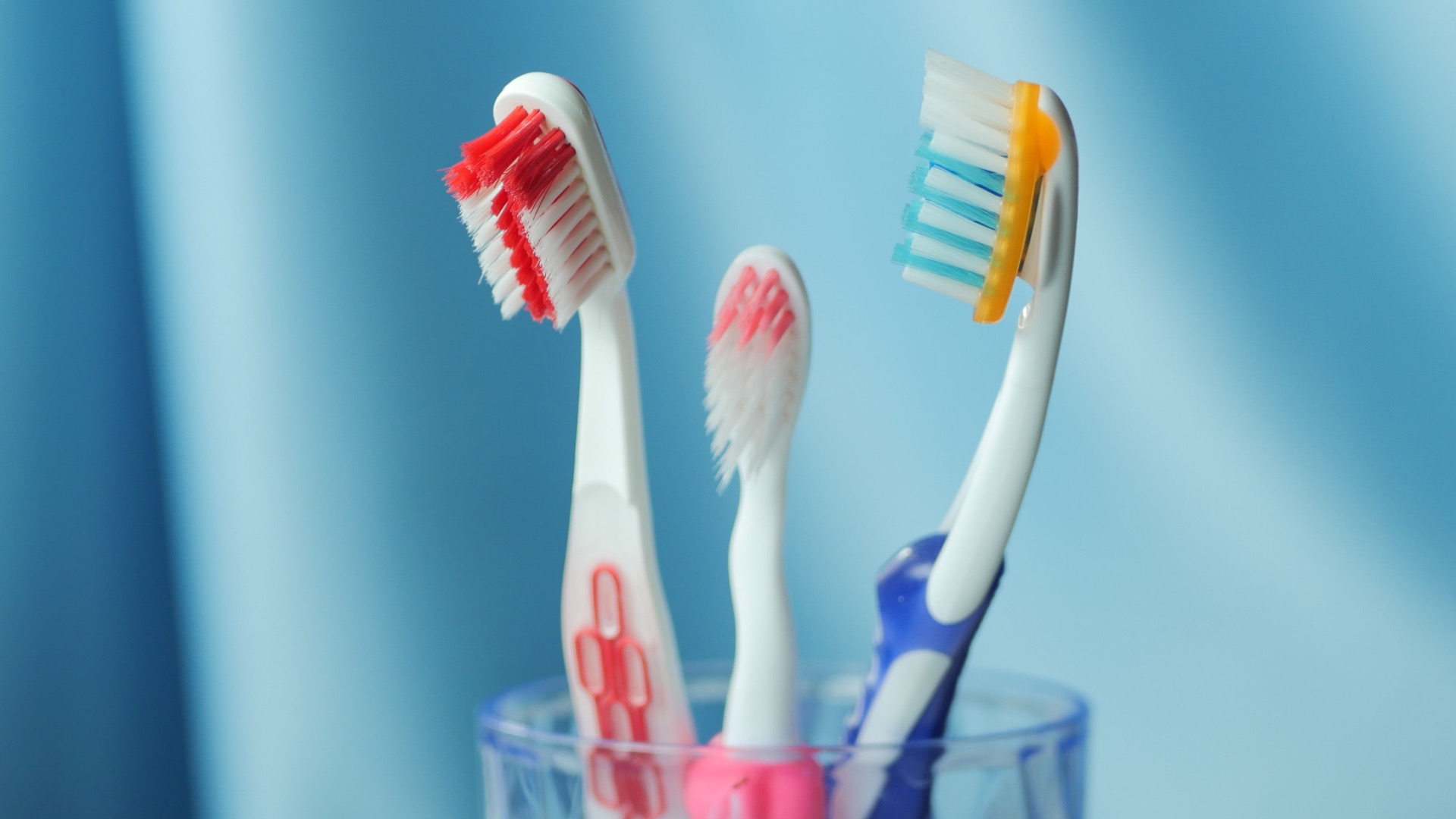
3. Replace Your Toothbrush Before It Looks Terrible
Many people keep a toothbrush far past its best days because it still technically works. A worn brush doesn’t clean as well, especially once the bristles start bending or fraying. Replacing your toothbrush or brush head every three to four months is a common recommendation, and you may need to do it sooner if the bristles are worn. Keeping an extra brush on hand makes the switch easier to remember.
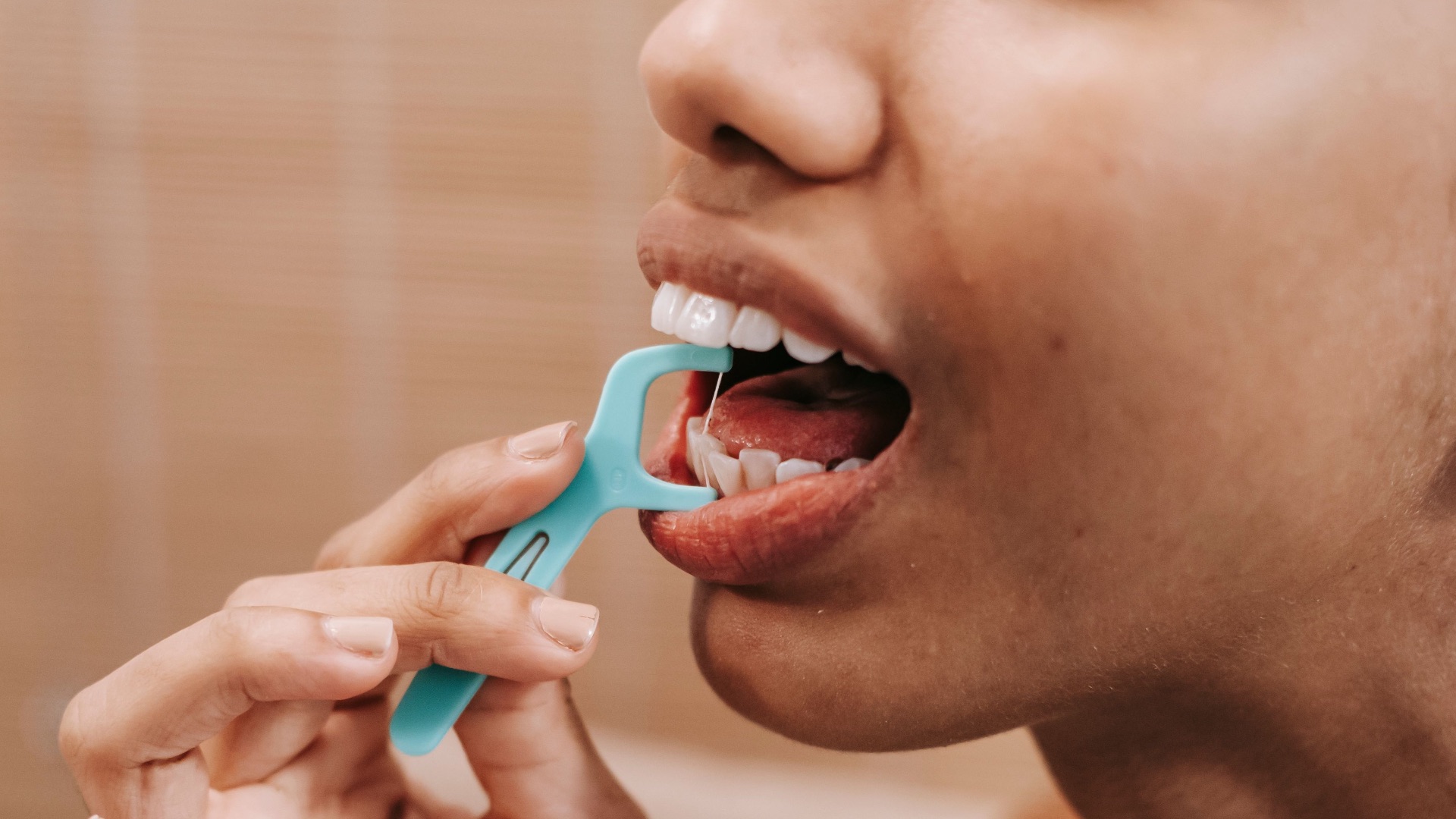
4. Clean Between Your Teeth Every Day
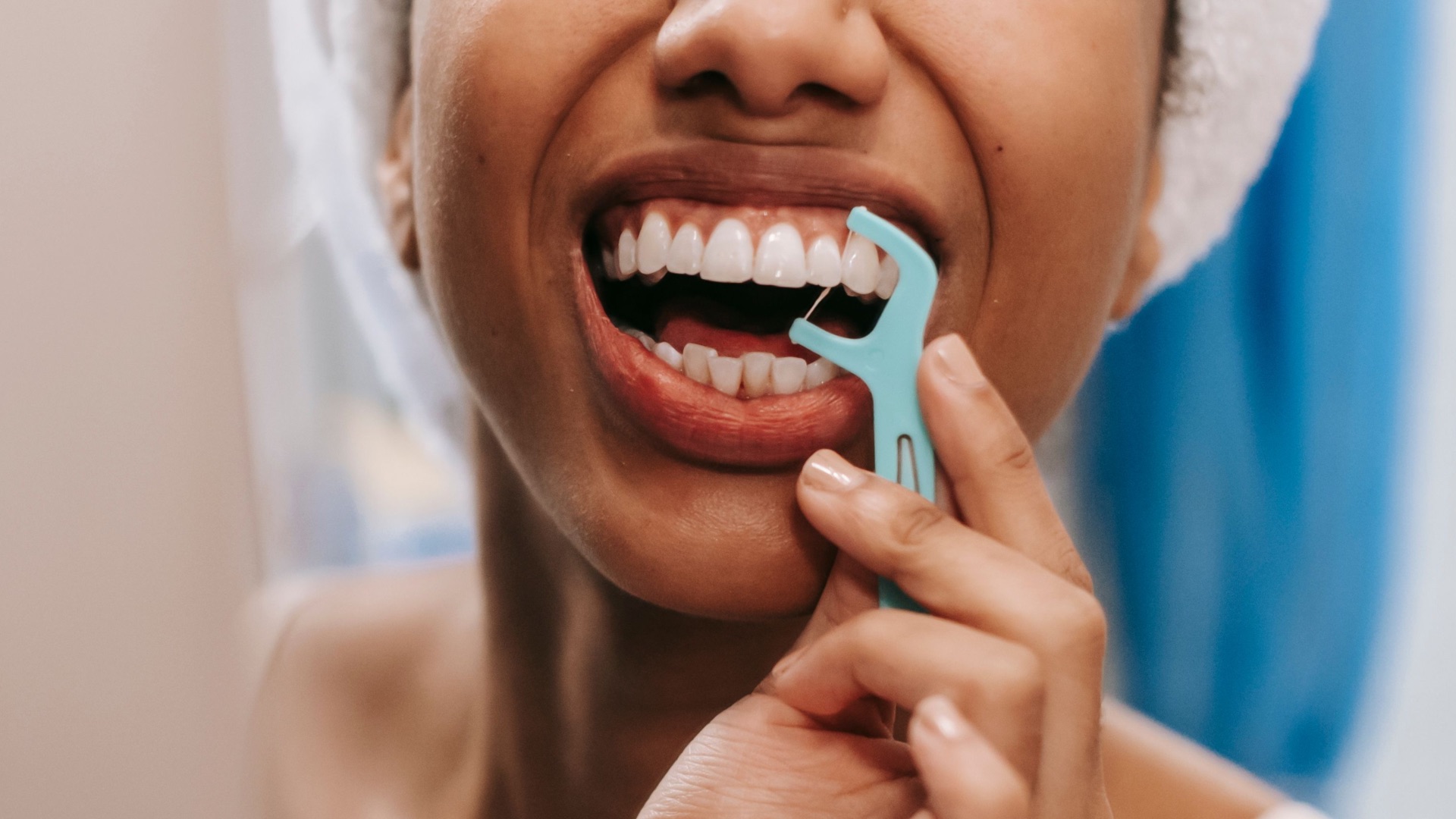
Brushing can’t fully reach the tight spaces between your teeth, which is why flossing or another interdental cleaner matters. Food particles and plaque can sit between teeth even when your smile looks clean from the front. Daily cleaning between teeth is part of standard oral-care guidance, whether you use floss, floss picks, or another dentist-approved tool. Consistency matters more than using the fanciest product.
5. Don’t Treat Bleeding Gums as Normal
Bleeding gums may happen when you floss after skipping it for a while, but it shouldn’t be ignored if it keeps happening. It can be a sign that plaque is irritating your gums, especially near the gumline. You don’t need to panic, but you should improve your routine and mention it to your dentist if it continues. Healthy gums shouldn’t bleed every time you brush or floss.
6. Brush Your Tongue, Too
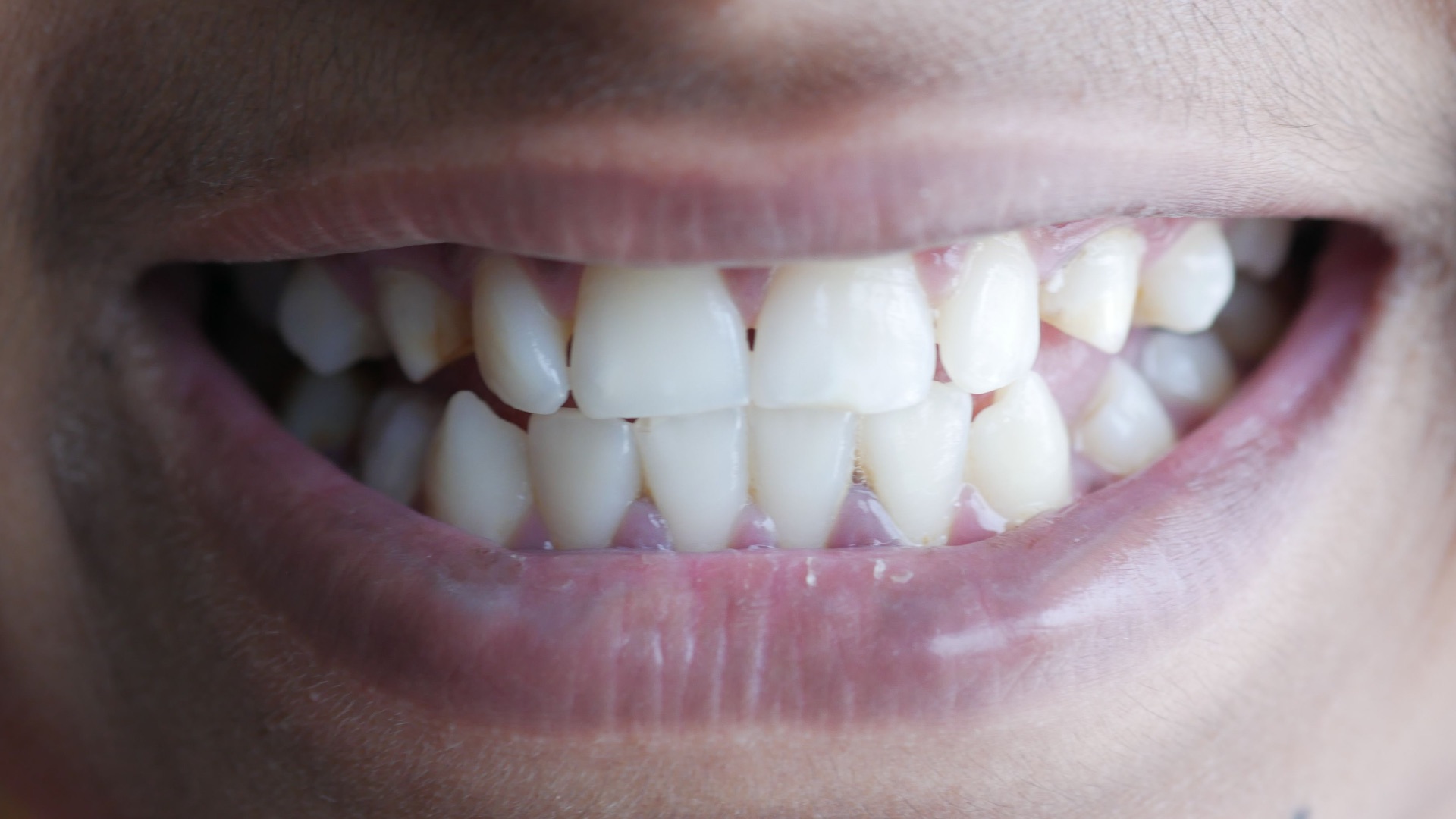
Your tongue can hold bacteria and leftover debris that contribute to bad breath. Brushing it gently or using a tongue scraper can make your mouth feel cleaner after the rest of your routine. Some oral-care guidance includes brushing the tongue as part of daily cleaning. Just avoid scraping so aggressively that your tongue feels sore afterward.

7. Stop Rinsing Right After Brushing
Rinsing with water right after brushing may wash away some of the fluoride you just applied. Fluoride helps strengthen enamel and protect teeth from acid attacks, so it needs time to stay on the tooth surface. Spitting out excess toothpaste without a full water rinse can be a better habit for many people. It may feel unusual at first, but it helps your toothpaste do more of what it’s meant to do.
 National Cancer Institute on Unsplash
8. Don’t Brush Too Hard
More pressure doesn’t mean cleaner teeth. Brushing too forcefully can irritate gums, contribute to gum recession, and wear down tooth surfaces over time. A good rule is to hold the brush lightly and use small, controlled motions rather than scrubbing aggressively. If your toothbrush bristles flare out quickly, that’s a sign you may be using too much force.

9. Wait Before Brushing After Acidic Foods
Brushing right after coffee, citrus, soda, or other acidic foods and drinks can be too harsh when enamel is temporarily softened. Waiting about 30 minutes gives your saliva time to help neutralize acids before you brush. In the meantime, rinsing with water can help clear some acid and residue from your mouth. This is one of those small timing habits that can protect your enamel over the long run.

10. Use Fluoride Toothpaste
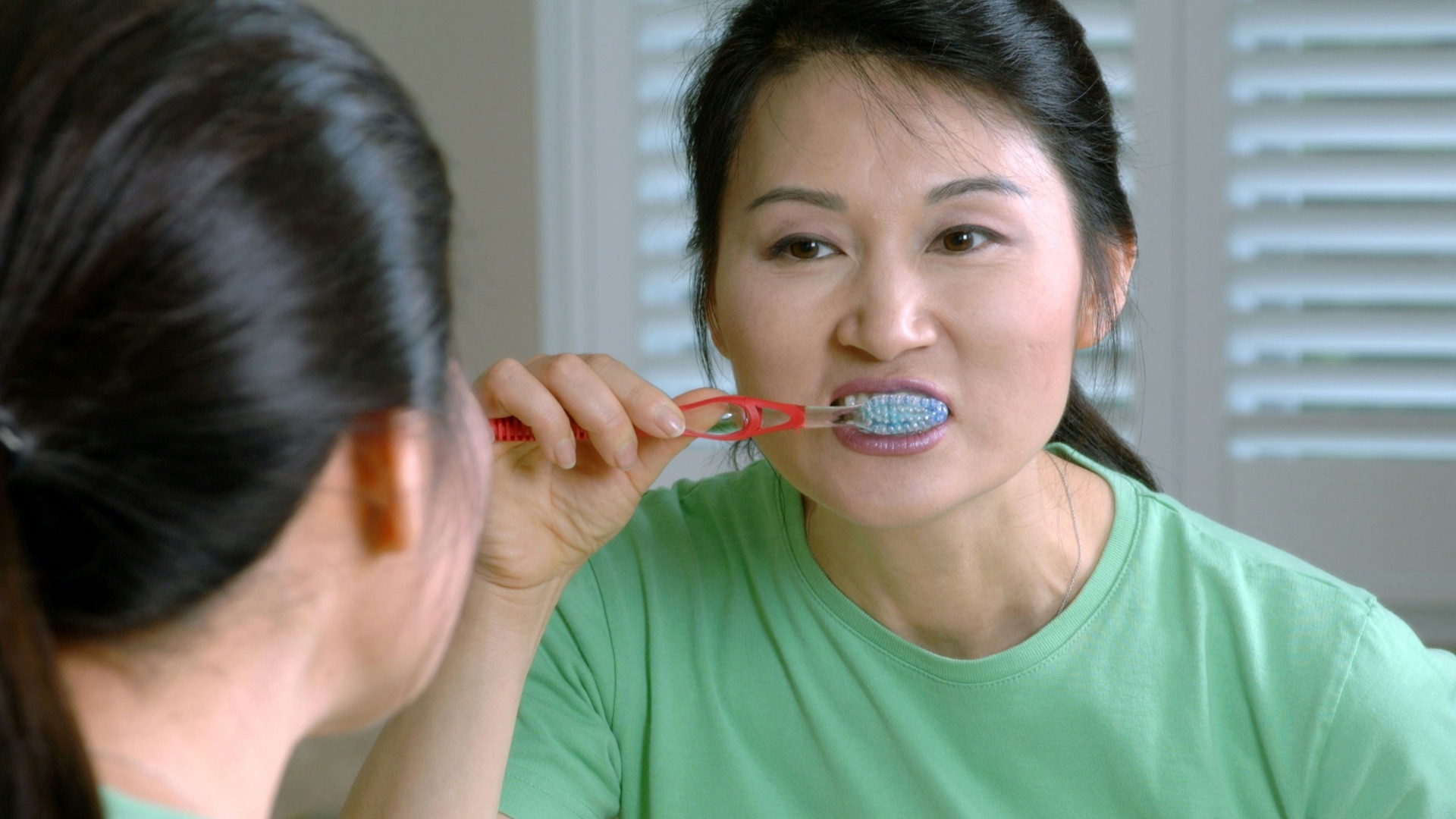
Some trendy toothpastes skip fluoride, but fluoride remains one of the most important ingredients for cavity prevention. It helps protect enamel and supports remineralization, which matters when teeth face acid from food, drinks, and bacteria. A toothpaste doesn’t need flashy claims to be useful. Look for one that fits your needs and contains fluoride unless your dentist has told you otherwise.
11. Limit Sugary Snacks Between Meals
Sugar isn’t only a problem because of how much you eat; timing matters, too. Frequent snacking keeps your teeth exposed to repeated acid attacks as mouth bacteria process sugar. General dental guidance recommends limiting sugary foods and drinks as part of protecting oral health. Having sweets with a meal is often less damaging than grazing on them all afternoon.

12. Drink More Water Throughout the Day
Water helps rinse away food particles, dilute acids, and support saliva flow. Fluoridated water can also provide steady low-level fluoride exposure, which helps protect teeth. It’s especially useful after snacks, coffee, or sugary drinks when brushing isn’t practical. Keeping water nearby makes it easier to sip without turning it into a big task.

13. Don’t Use Mouthwash as a Substitute for Brushing
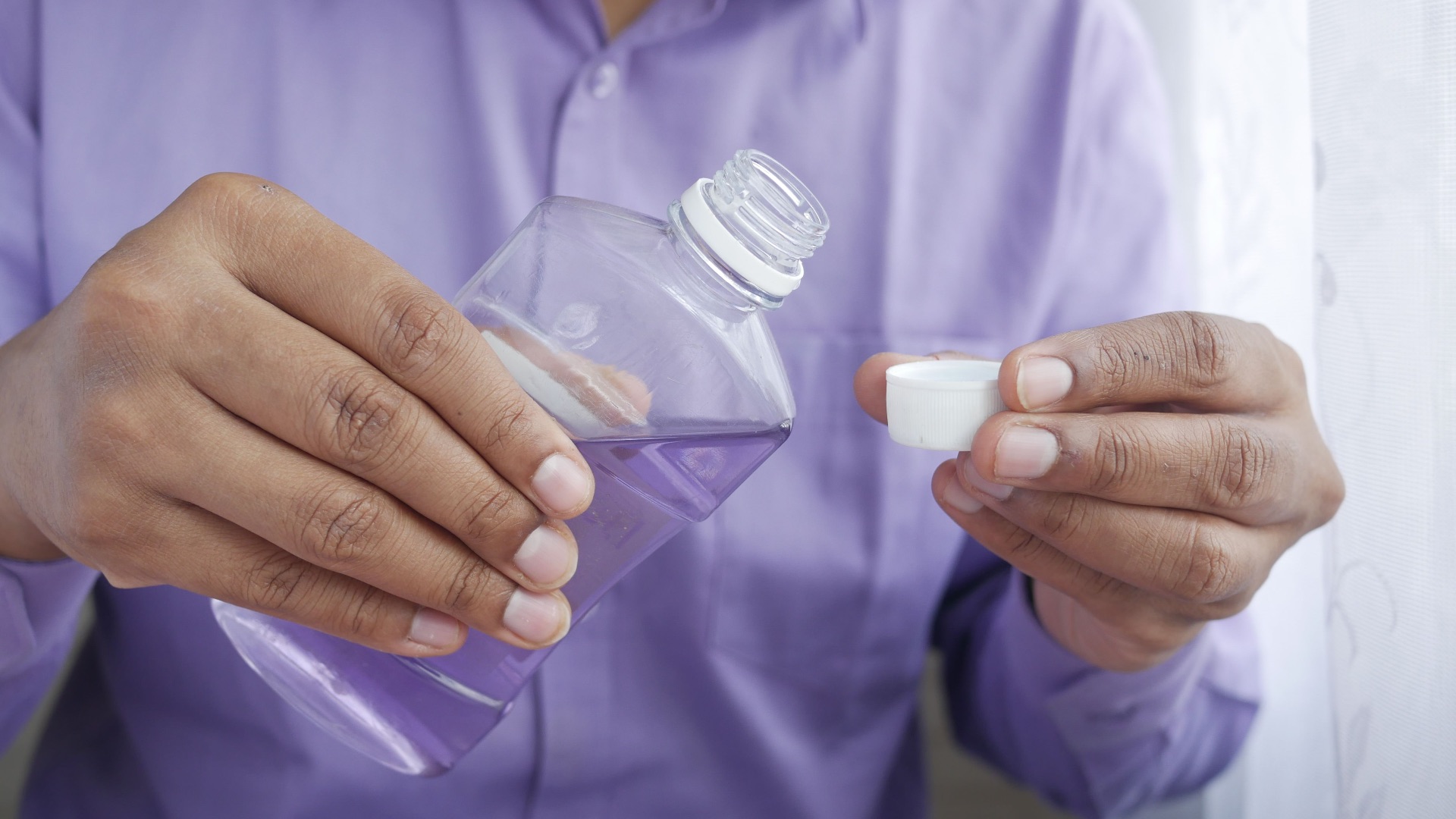
Mouthwash can freshen breath and support your routine, but it can’t remove plaque the way brushing and cleaning between teeth can. Swishing for 30 seconds won’t make up for skipping the basics. Think of mouthwash as an add-on, not the foundation of your oral care. Your dentist can also help you choose the right type if you’re using it for sensitivity, dry mouth, gum issues, or cavity prevention.
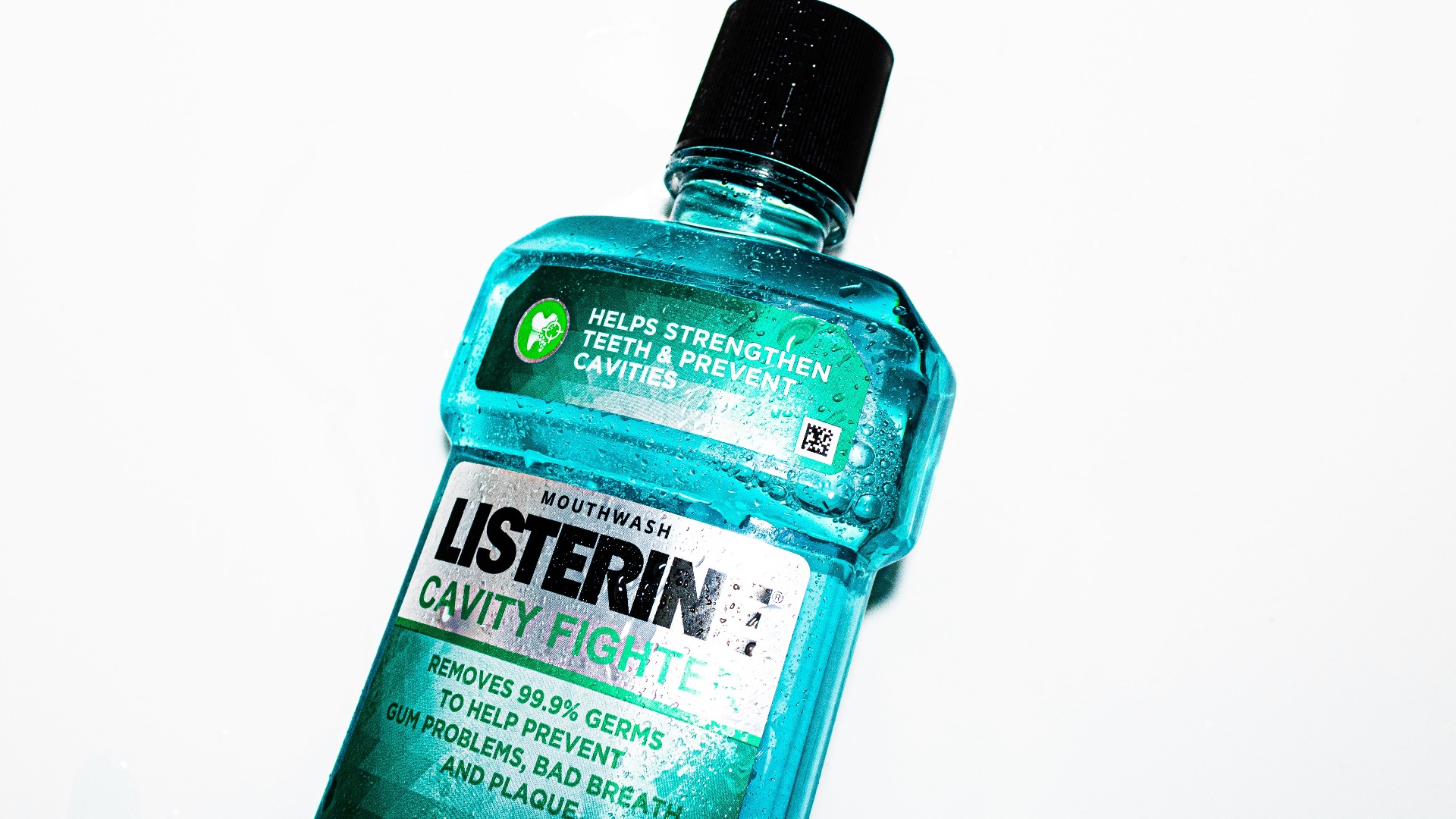 Mishaal Zahed (Meschael Zahède) on Unsplash
14. Pay Attention to Dry Mouth
More than just causing discomfort, dry mouth can raise your risk of cavities because saliva helps protect your teeth. Some medications, health conditions, dehydration, and breathing through your mouth can all make it worse. If your mouth often feels dry, it’s worth bringing up at your next dental or medical visit. Sugar-free gum, water, and saliva-supporting products may help, but ongoing dryness deserves attention.
15. Don’t Ignore Your Gumline
A lot of people brush the chewing surfaces well but barely clean where the teeth meet the gums. Plaque often collects along that edge, which can irritate gum tissue if it stays there. Angle your brush slightly toward the gumline and use gentle motions to clean that area carefully. This small technique shift can make your brushing routine much more effective.

16. Protect Your Teeth from Grinding
Clenching or grinding can wear down teeth, strain your jaw, and cause morning soreness. You may not even realize you’re doing it, especially if it happens during sleep. If you wake up with jaw pain, headaches, or sensitive teeth, ask your dentist whether grinding could be involved. A professionally recommended night guard may help protect your teeth if grinding is confirmed.

17. Don’t Skip Dental Visits When Nothing Hurts
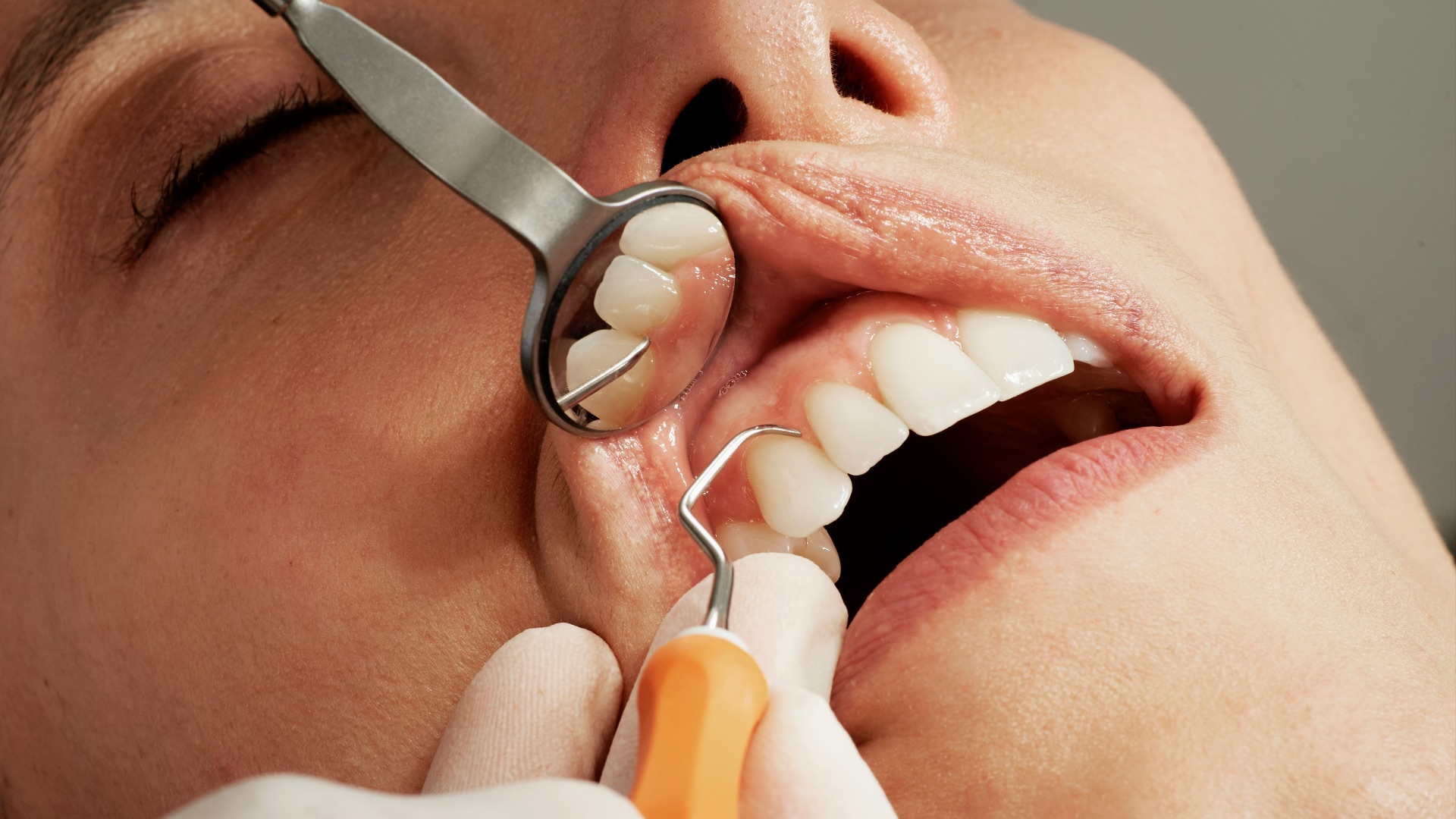
Pain isn’t the only reason to see a dentist. Cavities, gum problems, and early enamel damage can develop before you feel obvious symptoms. Regular dental visits are widely recommended for prevention and early treatment, with frequency depending on your individual risk. Waiting until something hurts can make treatment more complicated than it needs to be.
18. Avoid Using Your Teeth as Tools
Opening packages, biting tags, cracking nuts, or holding objects with your teeth can chip enamel or damage dental work. Teeth are strong, but they’re not meant to replace scissors, bottle openers, or pliers. Even one bad bite can create a crack that requires repair. Keep simple tools nearby so you’re not tempted to use your mouth for the wrong job.
19. Take Tooth Sensitivity Seriously
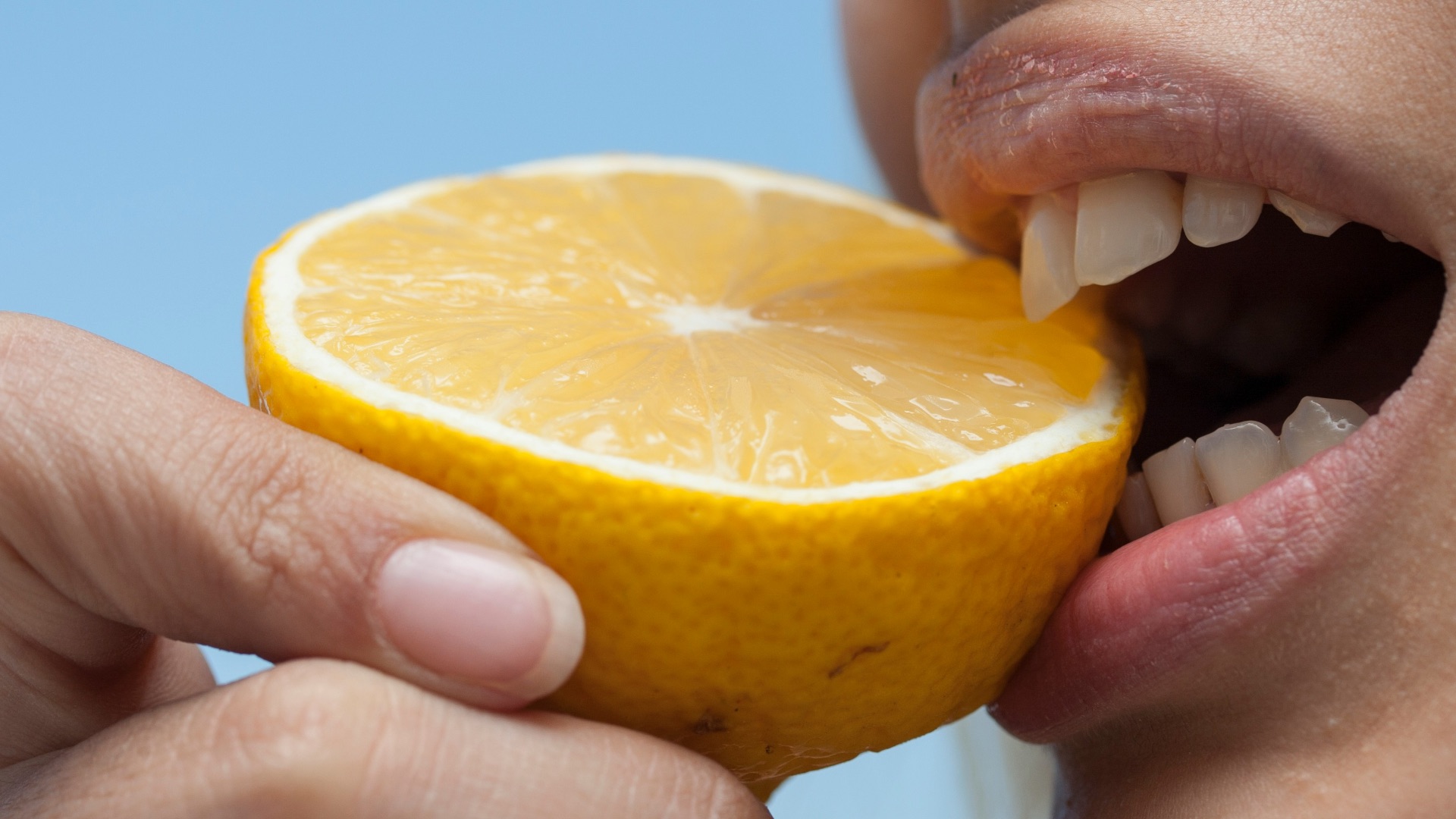
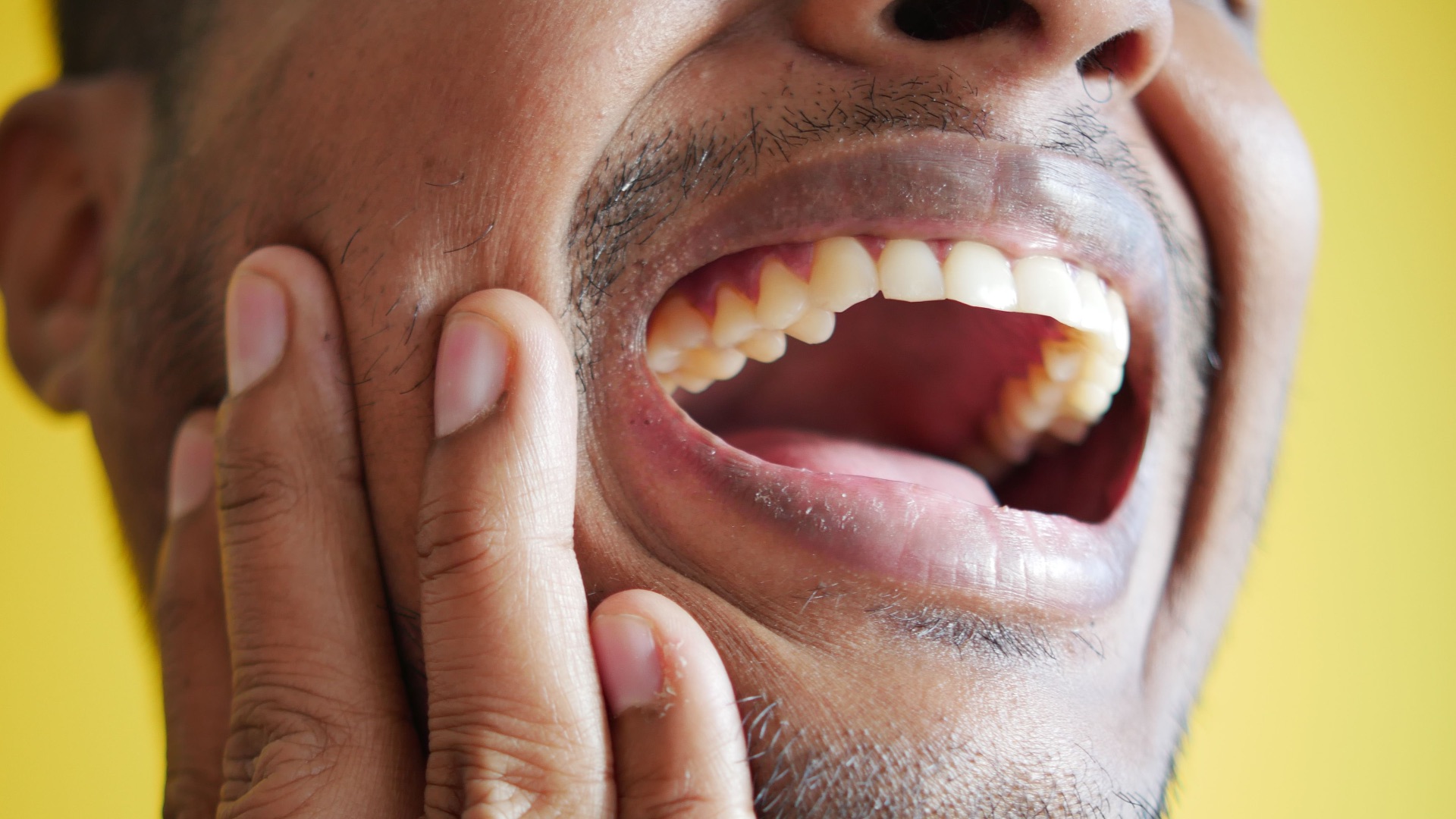
Sensitivity to cold, heat, or sweetness can come from worn enamel, gum recession, cavities, grinding, or other dental issues. Occasional sensitivity after whitening may be temporary, but ongoing discomfort shouldn’t be brushed aside. Switching to a sensitivity toothpaste may help, but it doesn’t replace finding the cause. Mention it to your dentist, especially if the pain is sharp, new, or limited to one tooth.
20. Don't Use Mouthwash Right After Brushing
Mouthwash can be a useful final step, but swishing it right after brushing may not be the best move if it rinses away the fluoride from your toothpaste. If you like using mouthwash, try using it at another time of day, such as after lunch or before brushing. That way, you’re not immediately undoing part of what your toothpaste was meant to do. This is especially worth considering if you’re cavity-prone or your dentist has recommended fluoride products.
KEEP ON READING

20 Ways Perimenopause Changes Fitness and Appetite


20 Diseases Doctors Still Can't Explain

20 Unhealthy Obsessions People Have