10 Things Sitting All Day Does to Your Body & 10 Ways to Undo Some Damage
Your Chair May Be Doing Too Much
Sitting isn’t automatically terrible, since everyone needs to rest, work, commute, eat, and occasionally collapse onto the couch. However, most of us definitely spend more hours sitting than is healthy for our bodies. Research has linked long periods of sedentary time with higher risks for issues like heart disease, type 2 diabetes, muscle strain, and poor circulation. You don’t have to become a gym rat to undo some of that damage; even small movement breaks, posture adjustments, and a little more daily activity can help your body remember it wasn’t built to stay folded in one position forever. Here are 10 things sitting all day does to your body and 10 little ways you can undo some damage.

1. It Can Tighten Your Hip Flexors
When you sit for hours, your hips stay bent for a long period. Over time, the muscles at the front of your hips can get tight, which may make standing, walking, or exercising feel less comfortable. You might notice this most when you finally get up.

2. It Can Weaken Your Glutes
Your glutes aren’t doing much when you’re parked in a chair. If they stay inactive too often, they can become weaker or less engaged during movement. That can affect more than just your booty, but your posture, walking, and lower-body strength.

3. It Can Make Your Back Ache
A long day at a desk can put extra pressure on your lower back, especially if your posture starts collapsing by midafternoon. Slouching, leaning forward, or using a poorly arranged workstation can make the strain worse. Back pain isn’t always caused by sitting, but sitting poorly for hours certainly doesn’t help the situation.

4. It Can Slow Circulation
Your legs rely on movement to help blood flow efficiently. When you sit for long stretches, especially without standing or walking, circulation in the lower body can become more sluggish. That’s one reason your legs may feel heavy, stiff, or restless after a day spent barely moving.

5. It Can Stiffen Your Neck & Shoulders
Screens have a way of pulling your head forward without you noticing. If you spend hours craning toward a laptop or phone, your neck and shoulders may start carrying the tension. By the end of the day, you may feel your upper body complaining.

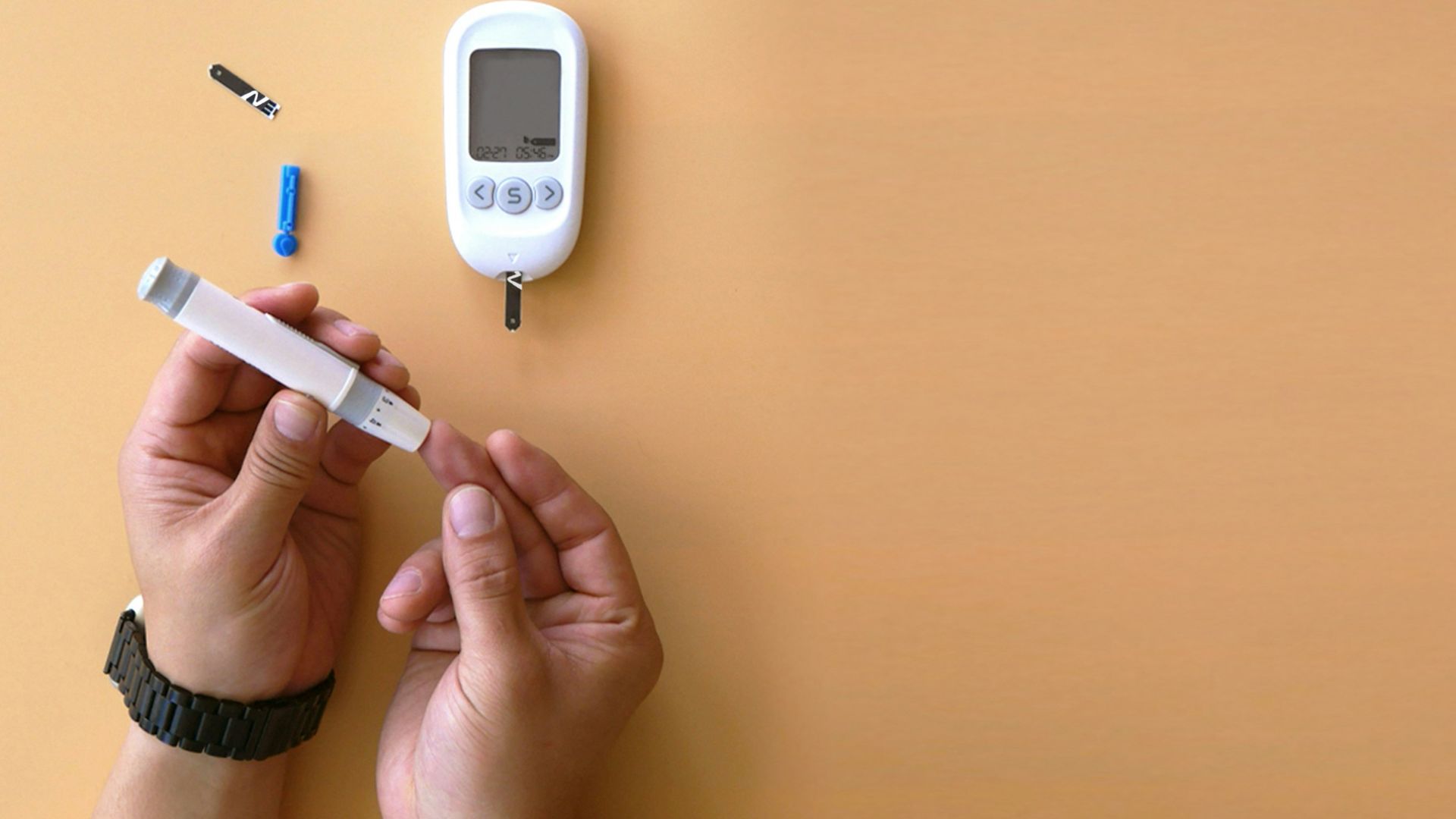
6. It Can Affect Blood Sugar Control
Movement helps your muscles use glucose, so long periods of inactivity may make blood sugar harder for the body to manage. This doesn’t mean one desk day causes a major problem, but a sedentary routine can add up over time. Taking short walking breaks can help your body handle meals and snacks more smoothly.
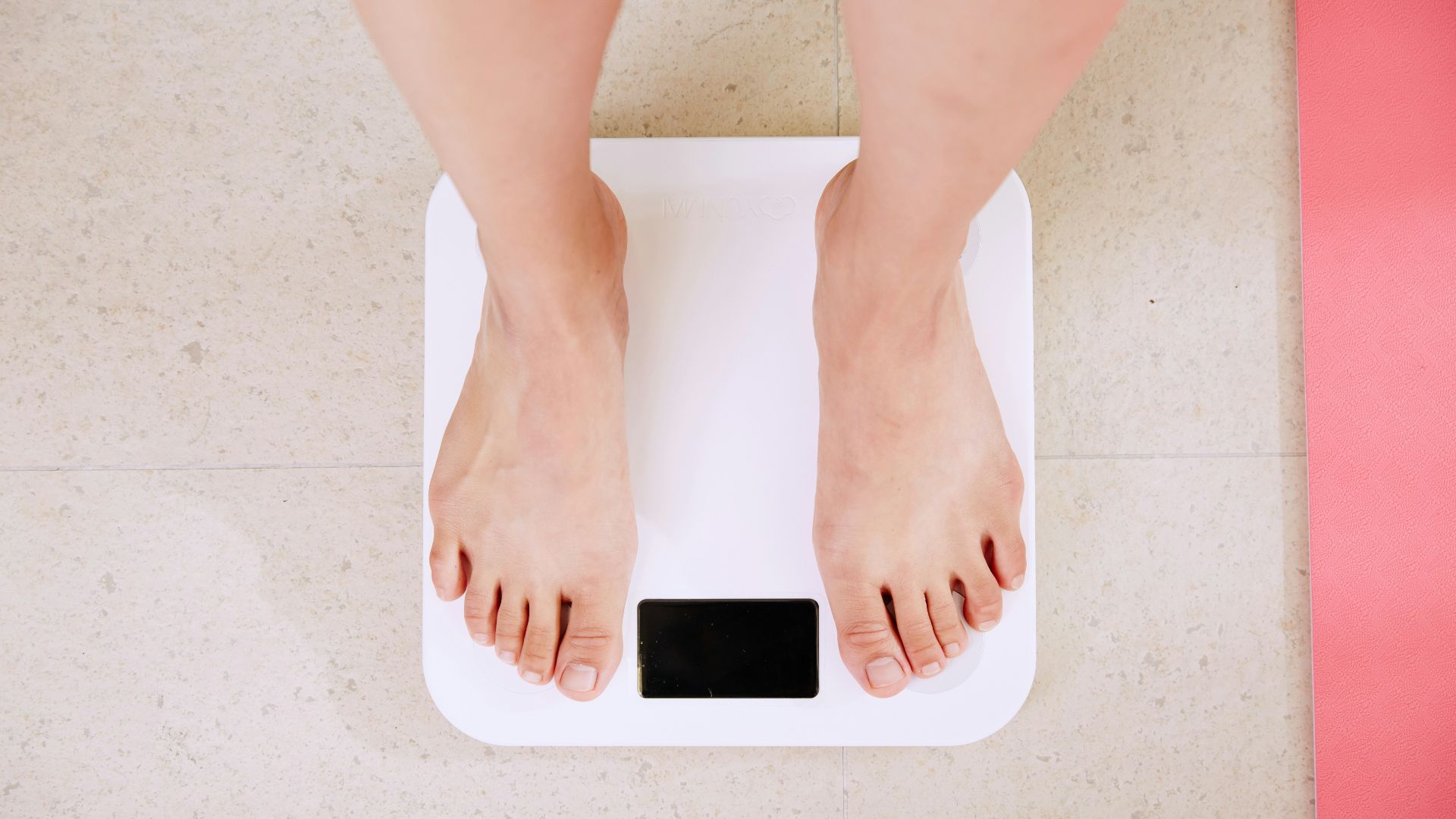
7. It Can Lower Your Daily Energy Burn
Sitting uses far less energy than standing, walking, climbing stairs, or doing small daily tasks. If most of your day happens from a chair, your total movement can drop without you really noticing. That can make it easier for weight and metabolic changes to creep in, especially when sitting becomes the default for work and leisure.
8. It May Increase Heart Health Risks
Too much sedentary time has been associated with higher risks of cardiovascular problems. Regular exercise helps, but research suggests that long, uninterrupted sitting deserves attention. In plain terms, your heart appreciates workouts, but your one-hour gym session is only so effective when you spend the rest of your day glued to a chair.

9. It Can Make You Feel More Tired
It seems strange, but doing less physically can sometimes leave you feeling more drained. Long sitting periods may contribute to sluggishness, reduced alertness, and that foggy feeling that makes every task take longer. A little movement can wake up your body in a way another scroll through your phone usually can't.

10. Sitting All Day Can Mess With Your Posture
Posture can quietly change when you sit the same way day after day. Rounded shoulders, a forward head position, and a tucked pelvis can become familiar if your setup encourages them. Your body benefits from changing positions instead of freezing into one shape.
 Christina @ wocintechchat.com M on Unsplash
Now that we've covered the things that sitting all day can do to your body, let's talk about the ways you can undo some of that damage.
1. Take Short Walking Breaks
One of the easiest ways to fight back is to walk for a few minutes throughout the day. You can stroll after meetings, pace during calls, or take a quick lap around the office or house. Even small activity breaks are more useful than waiting for one perfect workout later.

2. Stand Up Every 30 to 60 Minutes
Standing up regularly helps break the long sedentary stretch your body dislikes most. You don’t need to do anything dramatic; even standing, stretching, or refilling your water can reset your position. A reminder on your phone or computer can help if your workday tends to swallow time whole.
3. Stretch Your Hip Flexors
A simple hip flexor stretch can help counter the bent-hip position that sitting creates. Try a gentle kneeling lunge, keeping the movement controlled and comfortable. It may not turn you into a mobility expert overnight, but it can make standing tall feel less like a negotiation.

4. Strengthen Your Glutes
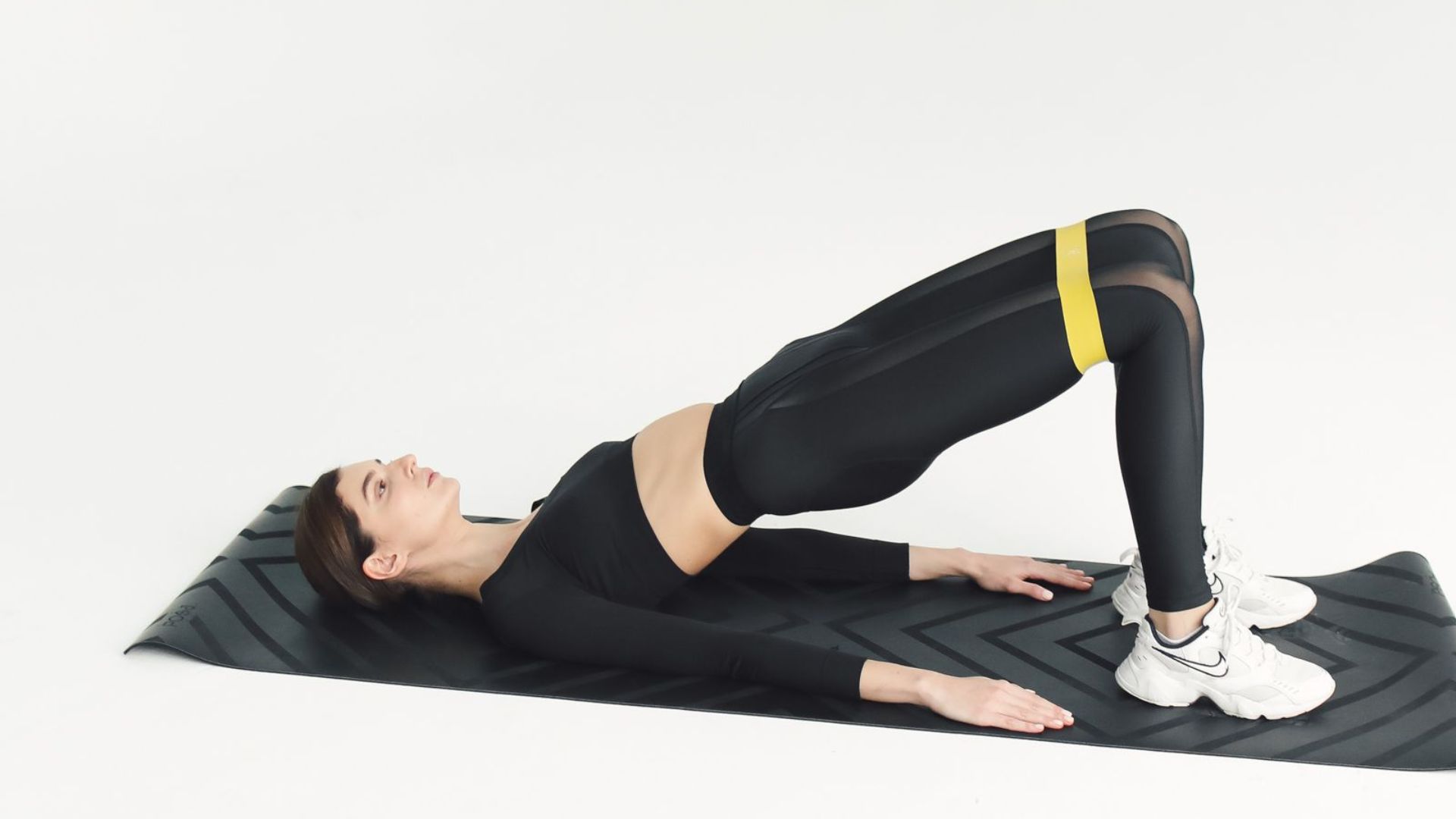
Glute bridges, step-ups, squats, and lunges can help wake up muscles that sitting leaves underused. Start with bodyweight exercises if you’re new to strength work, then build gradually. Aim to engage in muscle-strengthening activity at least two days a week.
5. Adjust Your Desk Setup
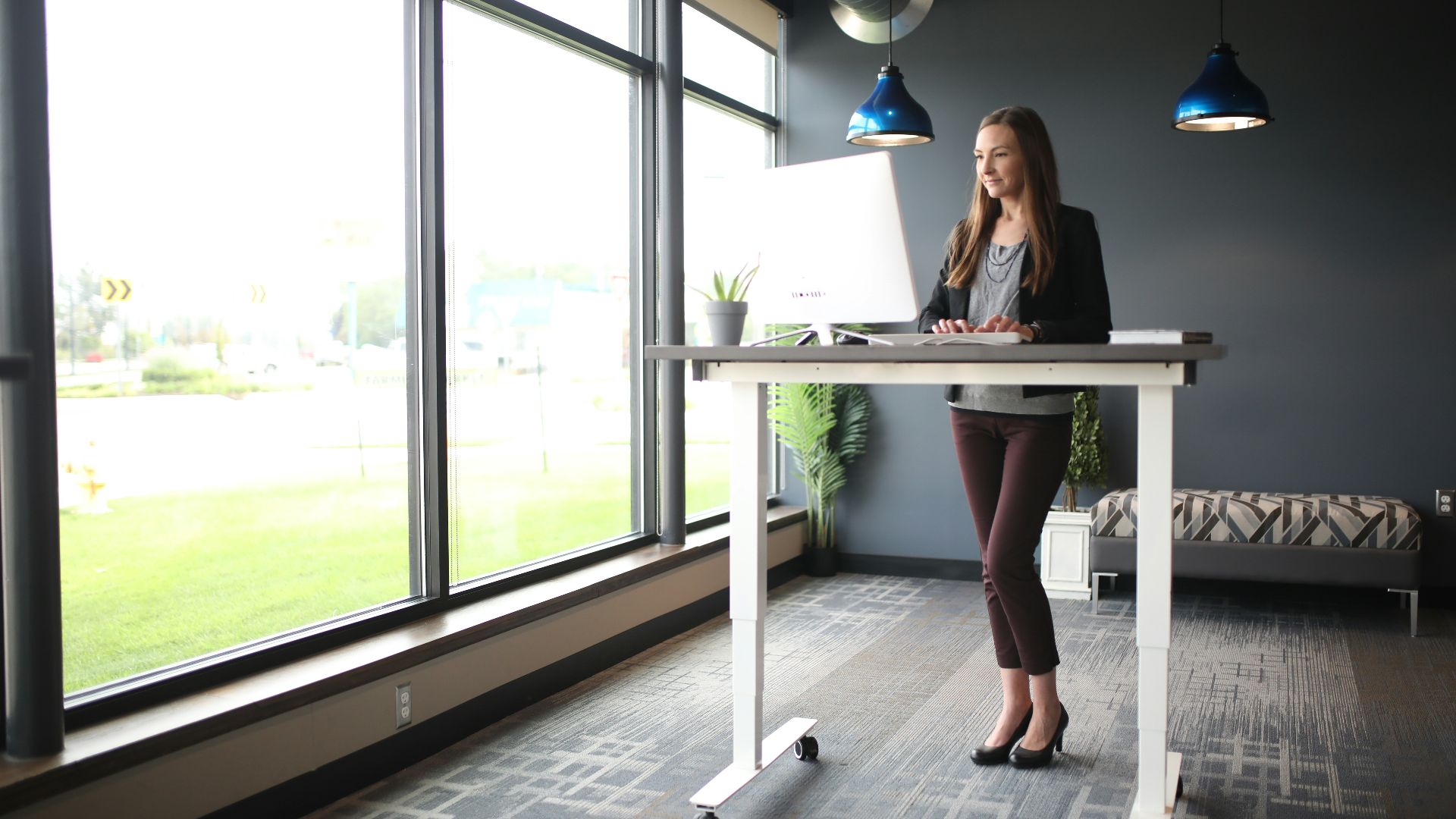
Your workstation doesn’t have to be fancy, but it should make decent posture easier. Aim to keep your screen around eye level, your feet supported, and your keyboard and mouse close enough that you’re not reaching all day. A better setup won’t solve everything, but it can reduce the daily strain your body has to tolerate.

6. Add Movement After Meals
A short walk after eating can be surprisingly helpful. Movement after meals may support circulation and help your muscles use some of the glucose from your food. You don’t need a long hike; even a calm walk around the block can make an impact.

7. Build More Movement Into Errands
Daily movement counts even when it doesn’t look like formal exercise. Parking a little farther away, taking the stairs, carrying groceries, or walking to nearby errands can all add up. The best kind of movement is often the kind you can seamlessly work into your day.

8. Try a Sit-Stand Routine
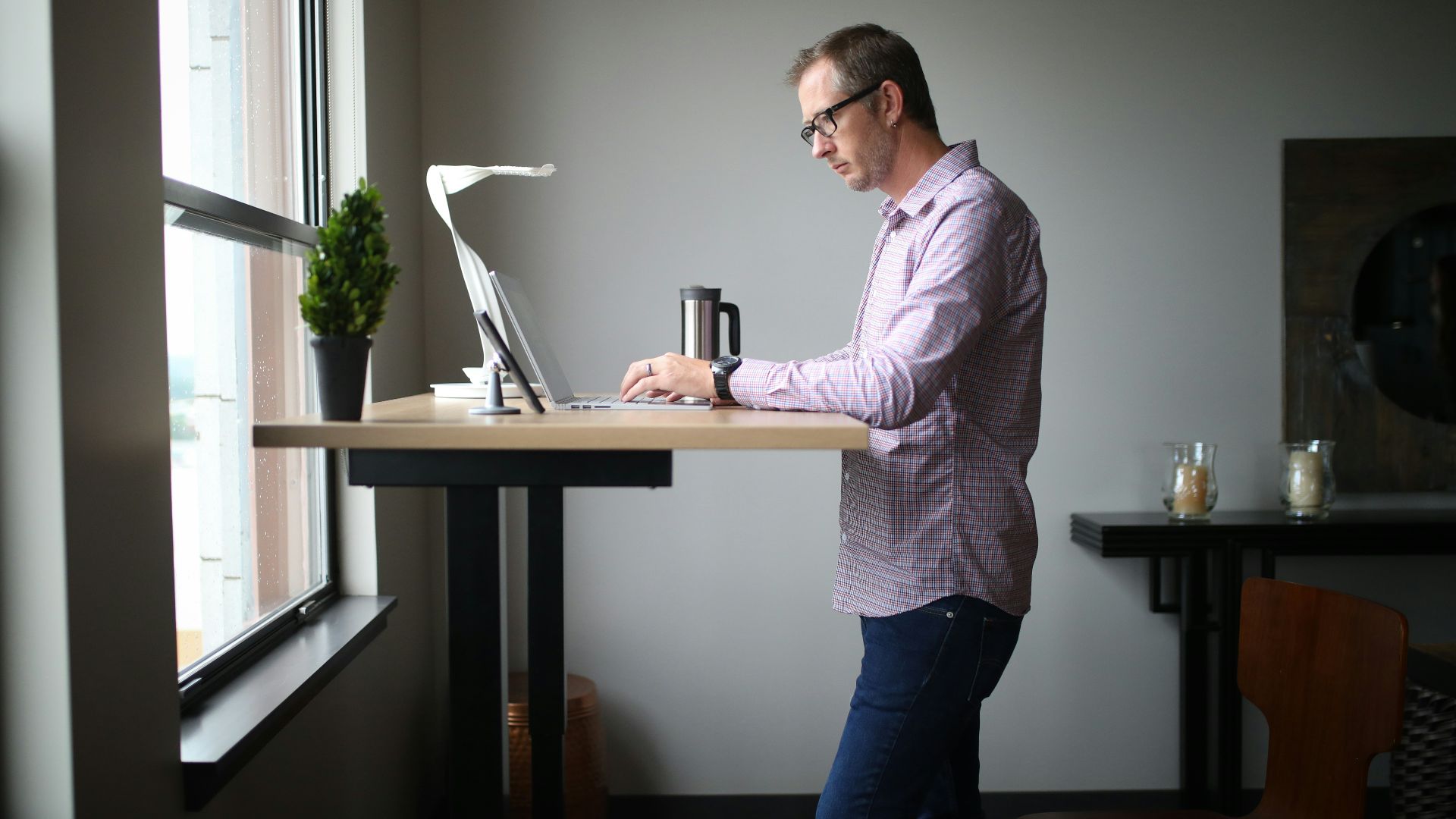
A standing desk can help if you use it as part of a rotation, not as a punishment. Standing all day can bring its own discomfort, so the goal is variety rather than replacing one frozen position with another. Switch between sitting, standing, and walking when you can, and your body may stop sending so many complaint letters.
9. Do Gentle Mobility Work
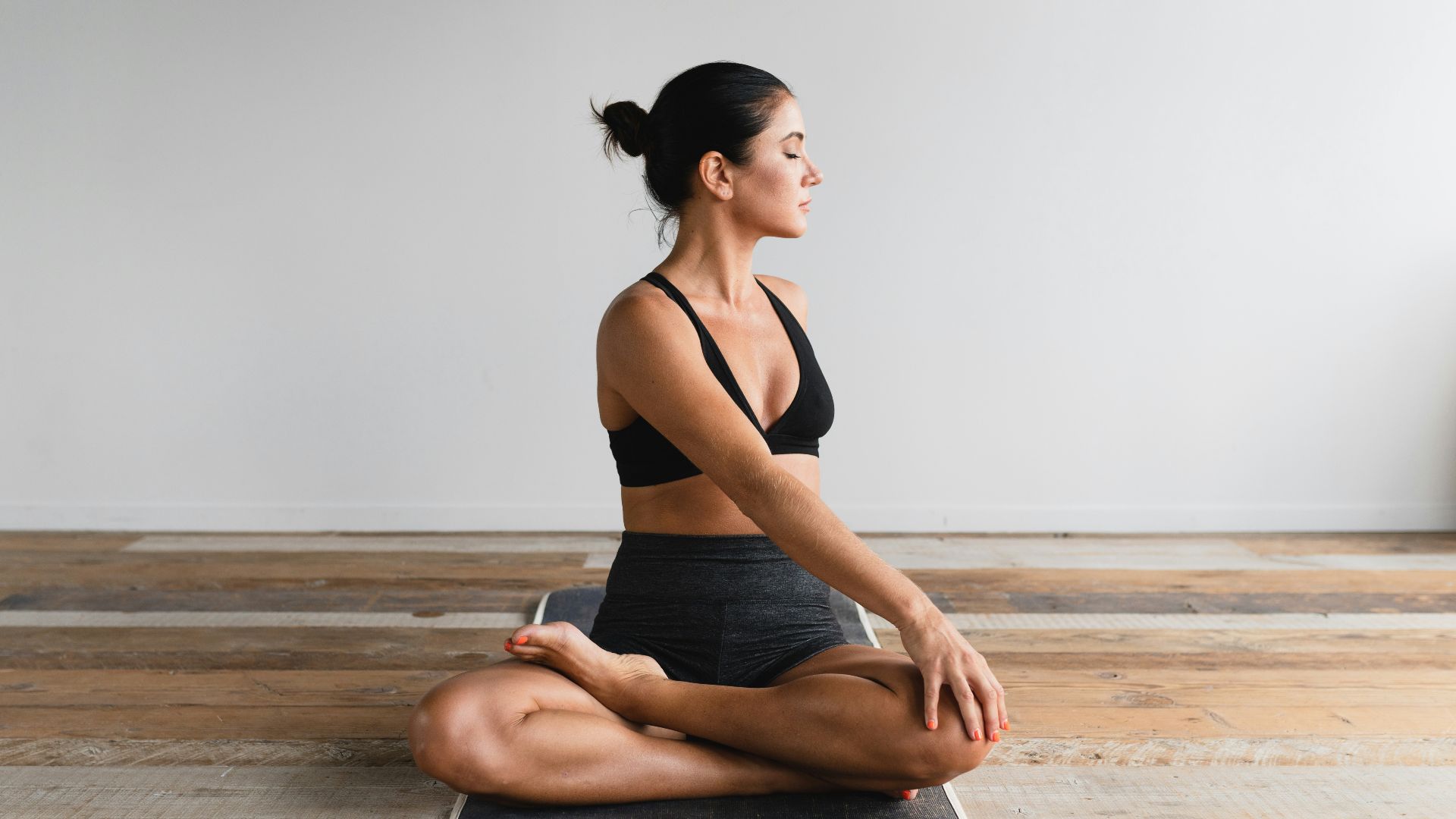
A few minutes of mobility work can help loosen stiff joints and muscles. Neck rolls, shoulder circles, spinal twists, ankle pumps, and hamstring stretches can all give your body a little variety. Keep the movements gentle, because the goal is to feel better, not to give yourself whiplash.
10. Meet Weekly Activity Guidelines
Short breaks are helpful, but they work best alongside regular exercise. Adults should aim for at least 150 minutes of moderate-intensity aerobic activity each week, plus two days of muscle-strengthening work. That may sound like a lot, but it can be split into manageable pieces.

KEEP ON READING




20 Healthy Treats You Can Make With Peanut Butter