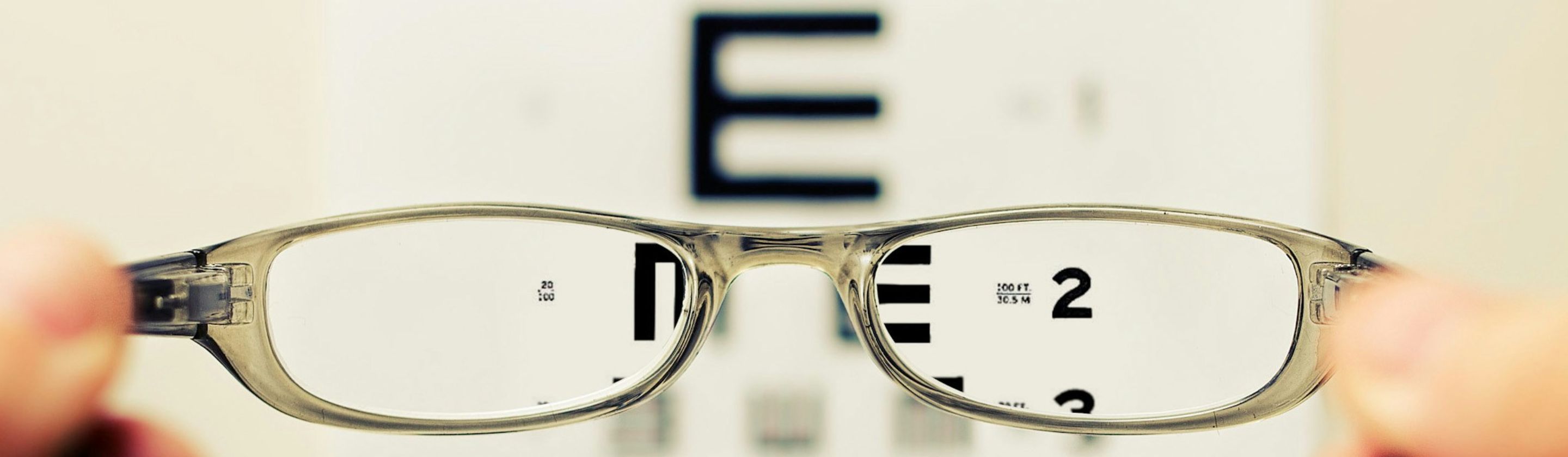
Easy At-Home Vision Checks
Your eyes do a lot of work every day. They help you read tiny labels, move between screens, judge steps, spot faces, and deal with headlights after dark. Since vision changes can sneak up slowly, a few simple checks at home can help you catch when something feels different. These tests won’t diagnose an eye problem, replace a prescription, or stand in for a full eye exam, so think of them as helpful check-ins rather than medical answers. Here are 20 eyesight tests you can try at home, along with what each one may help you notice.
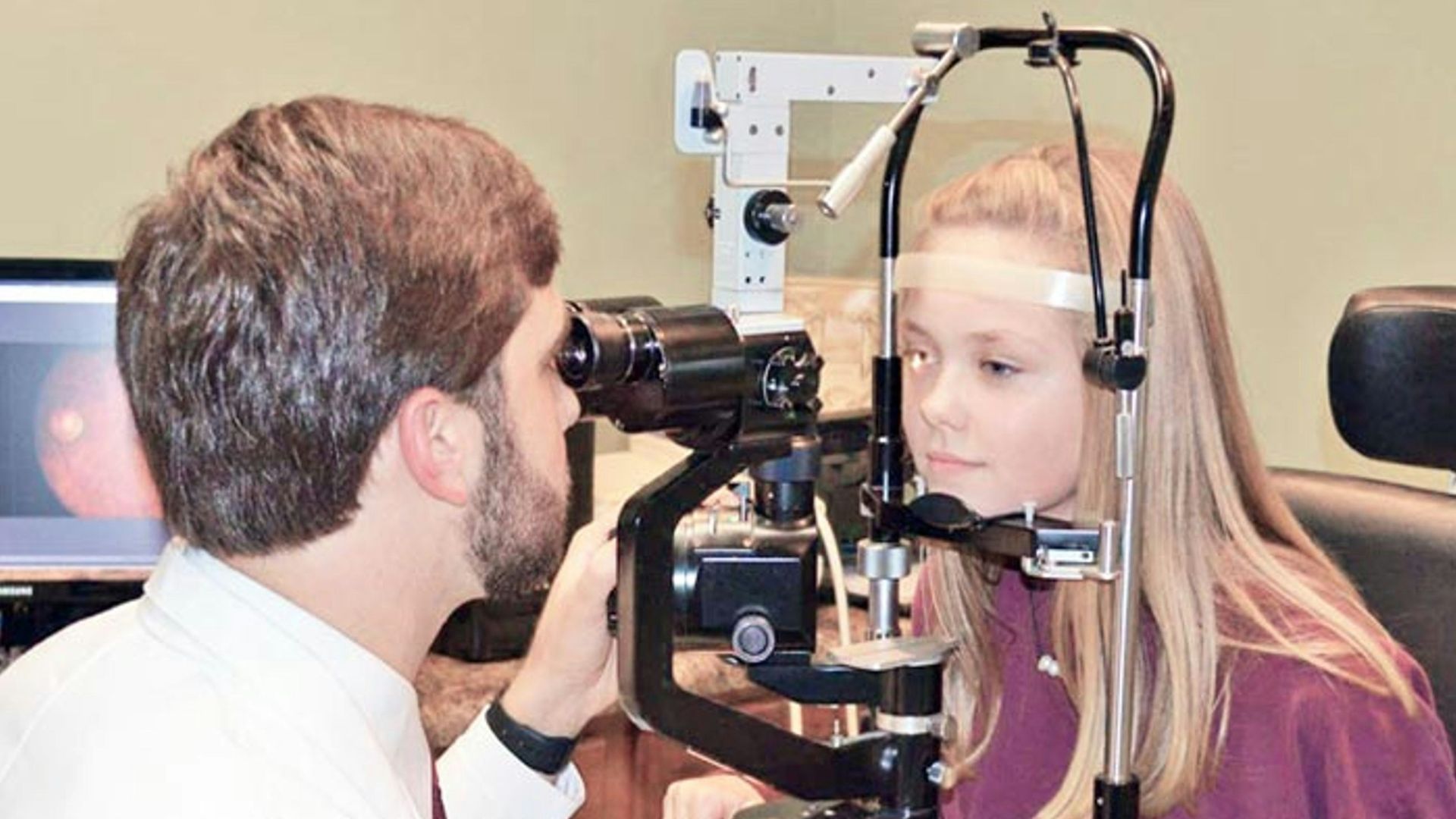
1. Distance Visual Acuity Chart
A distance visual acuity chart is the classic wall chart with letters, numbers, or symbols that get smaller line by line. Print a trusted chart, place it at the recommended distance, wear your usual distance glasses or contacts if you use them, and test one eye at a time.
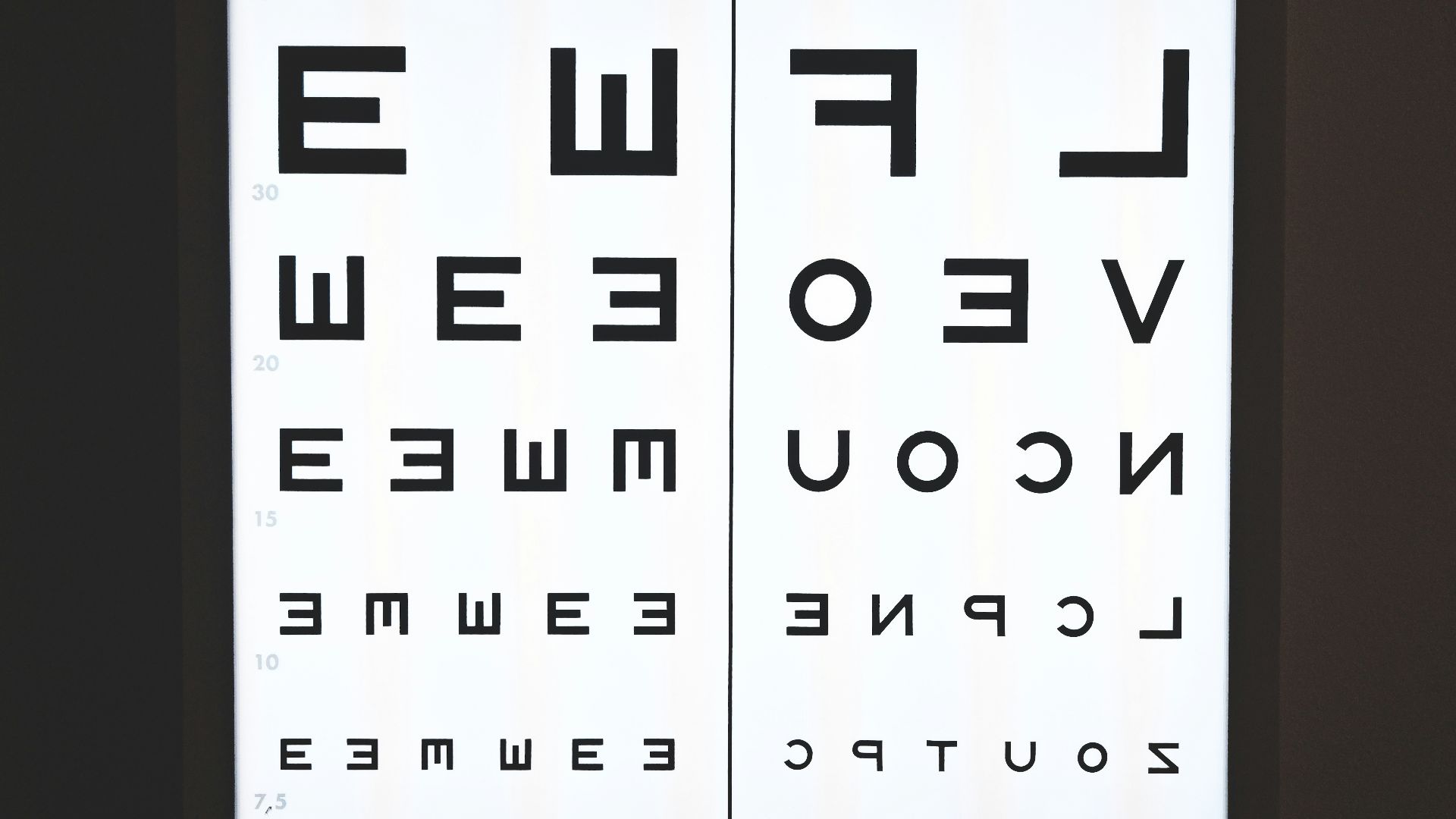
2. Near Vision Reading Test
Near vision is what helps you read menus, medicine labels, text messages, and tiny package print without holding everything across the room. A near vision card can help you see whether close-up reading still feels clear or whether you’re squinting, moving things farther away, or needing brighter light.
3. One-Eye Comparison Check
This is one of the easiest checks to do because you only need something familiar across the room. Look at a clock, sign, book spine, or TV menu, cover one eye, then switch, and compare sharpness, brightness, color, and overall clarity.
4. Amsler Grid Test
An Amsler grid is a square grid with a dot in the middle, and it’s used to check central vision. Cover one eye, stare at the dot, and look for lines that seem wavy, missing, blurry, dark, or bent instead of straight.

5. Straight-Line Distortion Test
A doorway, window frame, tile edge, notebook page, or set of blinds can work as a simple line check. Look at the lines one eye at a time and notice whether anything suddenly bows, dips, ripples, or disappears.
6. Peripheral Vision Finger Test
Peripheral vision helps you notice movement off to the side while your eyes keep looking ahead. With a helper, stare straight forward while they slowly bring a finger in from each side, then say when you first notice movement.
7. Color Vision Screening
Color vision screenings often use dotted circles with hidden numbers, shapes, or paths inside them. They can be helpful if certain colors have always seemed hard to tell apart, though screen brightness, color settings, and room lighting can make online results less exact.
8. Red Color Comparison
A simple red object can help you compare how strongly each eye sees color. Look at a red marker cap, fabric swatch, or piece of paper with one eye, then the other, and notice whether one side looks duller, darker, or washed out.

9. Pinhole Clarity Test
A pinhole test uses a tiny opening in a dark piece of paper to briefly change how light enters the eye. If a blurry distant object looks much clearer through the pinhole, the blur may be partly tied to focus or prescription changes.
10. Astigmatism Clock Dial Test
An astigmatism clock dial has lines that spread out from the center like spokes on a wheel. When you view it one eye at a time, some lines may look darker, sharper, or cleaner than others, which can point toward uneven focusing.

11. Contrast Sensitivity Check
Regular eye charts use bold black letters on a bright white background, while real life often gives you softer edges and lower contrast. Try reading gray text, pale packaging, or low-contrast print, and notice whether faint details disappear faster than they used to.
12. Low-Light Reading Test
Dim lighting can reveal changes that bright daylight hides. Read the same paragraph in your usual evening lighting and again under stronger light, then notice whether you suddenly need much more brightness to read comfortably.
13. Glare And Halo Check
Night lights can make glare, halos, starbursts, and smearing easier to notice. From a safe, stationary spot, look at streetlights, lamps, or distant headlights, and pay attention to any new glare that makes lights look messy or harder to handle.

14. Cover-Uncover Alignment Test
This check can help you spot obvious changes in how your eyes line up. Focus on a small target, cover one eye for a few seconds, then uncover it and watch in a mirror, or ask someone nearby to see whether the eye jumps, drifts, or re-centers.
15. Near Point Of Convergence Test
Convergence is how your eyes turn inward together when you look at something close. Hold a pen at arm’s length and slowly bring it toward your nose, stopping when the image doubles, blurs, or one eye seems to drift away.

16. Smooth Tracking Test
Smooth tracking is your eyes’ ability to follow a moving object without your head doing the work. Hold a pen in front of your face, move it slowly in an H shape, and pay attention to jerky movement, discomfort, double vision, or one eye lagging.
17. Rapid Target-Switching Test
Your eyes switch between targets all day, from screens to rooms, words to faces, and close objects to faraway ones. Place two small targets a few feet apart, look back and forth for about 20 seconds, and notice whether your eyes land cleanly or feel slow, dizzy, or unfocused.
18. Depth Perception Finger Test
Depth perception helps with stairs, parking, pouring drinks, catching objects, and avoiding the corner of the coffee table. Hold one finger close and another farther away, judge which is closer with both eyes open, then repeat with one eye closed and compare the difference.

19. Pupil Light Response Check
Pupils usually get smaller in bright light and larger in dim light. In a softly lit room, check whether they look roughly equal in size and shape, then use a gentle light from the side and notice whether both pupils get smaller.
20. Dry-Eye Blink Check
Dry eyes can make vision blurry, especially after reading, driving, or staring at screens for a while. After 20 minutes of close work, blink a few times deliberately and notice whether your vision clears, burns, waters, or feels gritty.
KEEP ON READING

20 Natural Ways You Can Boost Your Immune System
20 Ways To De-stress & Relax After Work
The 10 Most Common Diseases & The 10 Most Rare