
Social Media Is Changing The Youth's Habits
Social media can be entertaining, useful, and even educational at times, but only if you use it responsibly. These days, a lot of young people are treating it like it sets the bar for every expectation; they're constantly seeing routines, opinions, challenges, and lifestyles presented as if they’re normal, easy, or worth copying. From that, it's created these 20 unhealthy habits that young people keep absorbing.
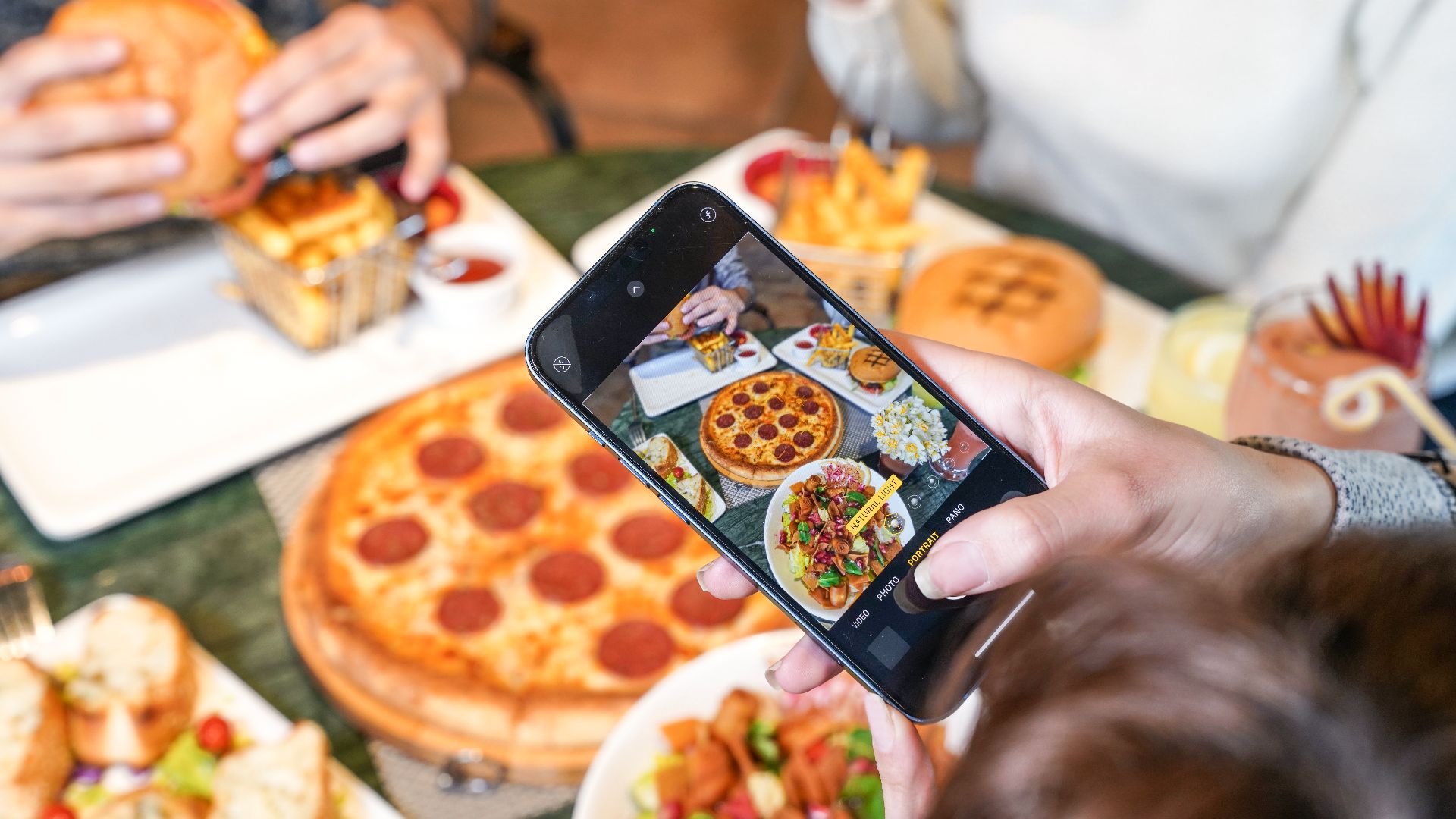
1. Comparing Every Part Of Life To Someone Else’s
With everyone posting about their life online, social media makes it super easy to compare everything from your looks to your success, friendships, and lifestyle. When you get too into your head about it, you start judging your normal day against someone else's carefully crafted post, reel, or story.
2. Treating Sleep Like It Doesn’t Matter
Late-night scrolling, better known as doom scrolling, has unfortunately become a regular habit for young people. With short videos constantly playing one after another, it's easy to lose track of the time, resulting in poorer sleep and staying awake until the early hours.

3. Following Extreme Diet Trends
There can be a lot of helpful advice online, but there can also be a lot of misinformation and unhealthy trends. Extreme diet trends are just one example of this, with a lot of young people getting swept up into whatever "online nutrition experts" are saying. It can lead to very poor habits like skipping meals, cutting out entire food groups, or copying unrealistic “what I eat in a day” posts.
4. Using Filters As A Beauty Standard
Filters can be fun when you use them lightly, but if you take them seriously they can also change what you think faces and bodies are supposed to look like. Young people have started comparing themselves to smooth skin, sharper jawlines, fuller lips, and more just because that's what they see all the time online.
 Apostolos Vamvouras on Unsplash
5. Chasing Validation Through Likes
Getting likes and comments can feel exciting, but it becomes unhealthy when your mood depends on them. Social media can wrongly teach young people to measure their worth by how much attention a post receives. If a photo doesn’t perform well, they treat it like it's personal.
6. Copying Risky Viral Challenges
Some viral challenges are funny and harmless, but others can be embarrassing or even downright dangerous. When young people get caught up with them, they might want to try just because everyone else is doing it and they don't want to feel left out.
 Priscilla Du Preez 🇨🇦 on Unsplash
7. Mistaking Busyness For Success
Social media often celebrates those who work hard, are constantly grinding, and living the "hustle life." The reality is, keeping busy doesn't mean anything unless there's actually progress. It's much better to live a balanced life where you stay productive, but also give yourself breaks, time for hobbies, and time to do nothing without guilt.

8. Spending Money To Keep Up
Influencers are constantly repping new and expensive brand deals, selling to their followers different clothes, gadgets, beauty products, and more. As a result, younger audiences might feel compelled to buy things, just because they want to match a certain lifestyle online. Their wallets however, might not support this behavior.

9. Taking Advice From Unqualified Strangers
In reality, the people you meet online are strangers, no matter how friendly they come off. Young people shouldn't be taking advice on health, fitness, relationships, money, or well-being from these people who aren't experts, but are just sharing their personal opinions. The problem is, they do.
10. Sharing Too Much Personal Information
When you use it everyday, it can be easy to forget that disclosing personal information online is dangerous. Oversharing can feel normal when everyone seems to post their feelings, routines, locations, and private drama online, but you never know what kind of problems this can create with privacy, safety, and more.
11. Believing Every Relationship Should Be Public
Social media can make young people feel like their relationship isn't real until it's posted online for everyone to see. And when this expectation grows stronger, it wrongly teaches them that affection has to be proven and validated online instead of shown through everyday behavior.

12. Normalizing Constant Snacking While Scrolling
It's easy to lose track of what you're doing when you're mindlessly scrolling for hours on end. And if you're snacking while you're on social media, it's easy to overeat without noticing. As a result, you may be ruining your hunger cues, or simply creating unhealthy eating habits that can lead to problems.

13. Avoiding Real Conversations
Some young people treat instant messaging, quick comments, and reacting with emojis as having conversations, but they really don't do the same thing as face-to-face communication. Interacting online makes it easy because you're hiding behind a screen, but it also makes you less equipped to handle uncomfortable, serious discussions that need to be done in person.
14. Expecting Instant Results
Social media often shows transformations, success stories, and glow-ups in a way that feels quick and simple. This has led some young people to believe growth is fast, when in reality, learning a skill, getting fit, saving money, or building confidence takes much longer than a short video suggests.

15. Turning Every Moment Into Content
When social media becomes a constant habit, young people start thinking about how everything will look online before they fully experience it. Meals, outfits, trips, workouts, and even quiet moments become content opportunities rather than memories, which can make it harder to live life in the moment.
16. Accepting Drama As Entertainment
The online community is rife with arguments, callouts, gossip, and public conflicts, and these often get a lot of attention. When they see it over and over again, young people may start seeing drama as normal or even rewarding because it gets reactions quickly. This can make private issues feel like something to expose, which can be dangerous.

17. Ignoring Posture And Movement
Long scrolling sessions often results in hours of sitting, looking down, and barely moving. It's a little scary how young people don't notice how much time they spend hunched over a phone until their neck, back, or shoulders feel tense!

18. Treating Mental Health Labels Like Personality Traits
It's wonderful to see how social media has opened the doors to talk about mental health more openly, but it's also backfired in some ways too. It can become unhealthy when young people start self-diagnosing from short videos or using serious labels too casually; not every mood, habit, or personality quirk means someone has a condition.

19. Letting Algorithms Decide Their Interests
Because most platforms are designed to keep showing content similar to what you already watch, a lot of young people end up consuming the same opinions, styles, jokes, and trends without realizing how narrow their feed has become. Sometimes, this can limit curiosity and make it harder to form independent tastes.

20. Forgetting That Online Life Is Edited
One of the biggest unhealthy habits social media teaches is believing that what you see is completely real. The truth is, most photos are chosen carefully, videos are edited, captions are rewritten, and bad days are filtered out. That doesn’t mean everyone online is fake, but it does mean online life doesn't represent what's honest.
KEEP ON READING


20 Ways To Curb Food Cravings


20 Ways Doing Less Can Actually Improve Your Health