Your Belly Tightens Out of Nowhere. The Bump Seems Lower. You’re Back In The Bathroom For The Third Time This Hour. Is This It?
Maybe not yet. Labor rarely flips on like a light switch. More often than not, it creeps in through small, easy-to-miss changes that can unfold over days or even weeks. Some you'll feel right away and know exactly what's happening. Others are so subtle they only get noticed during a routine checkup, when your provider mentions a change you'd never have caught on your own. Here are 20 subtle (and not-so-subtle) signs your body may be rehearsing for the big day.

1. Braxton Hicks Take the Stage
Think of these as your uterus's dress rehearsal. Your belly tightens, firms up, maybe even feels rock-hard for a moment, then passes. These practice contractions are irregular and often ease up with rest, water, or a change in position. They don't build into the steady rhythm real labor eventually finds.

2. Baby Drops Lower ("Lightening")
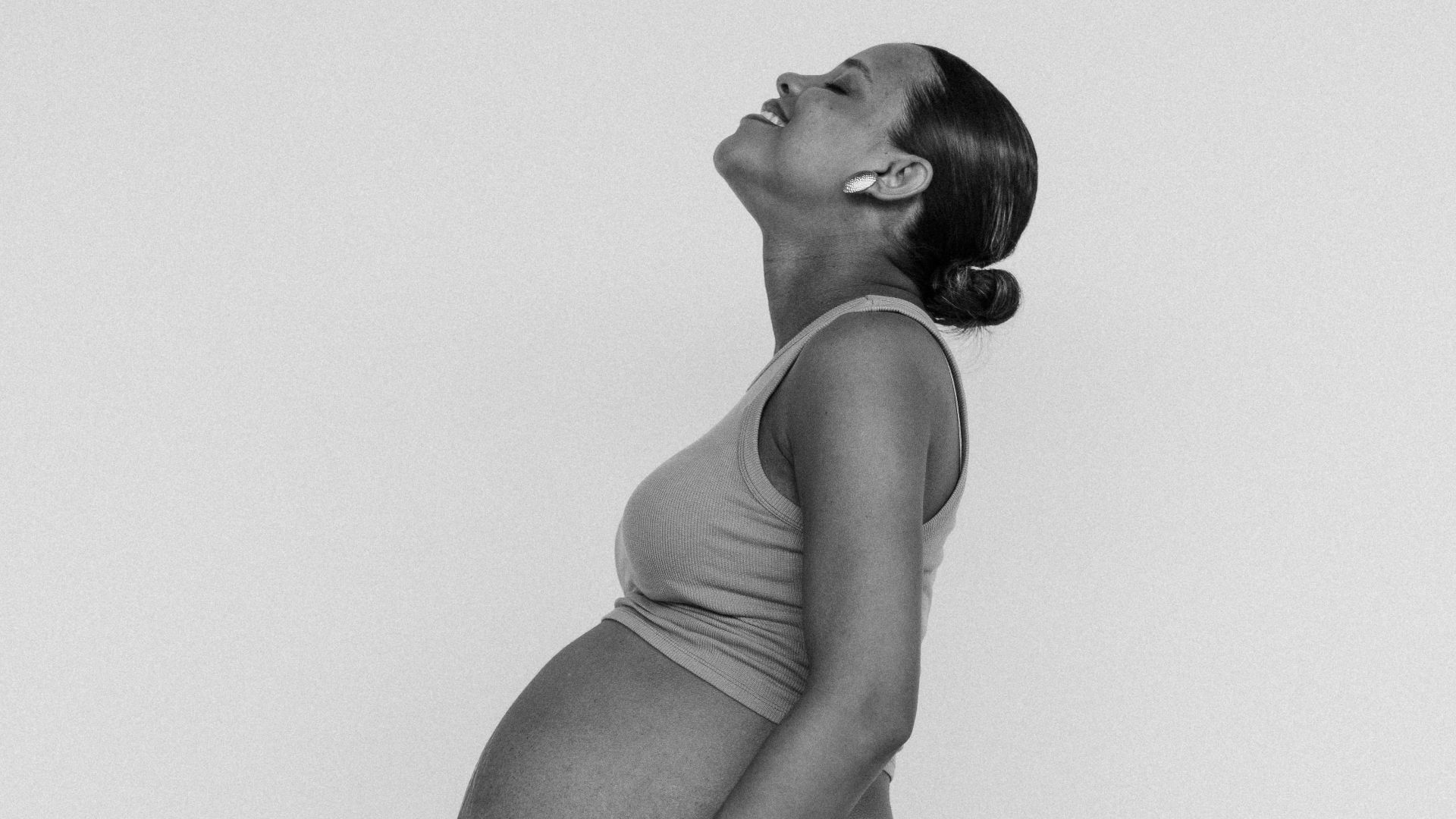
Suddenly your bump looks like it's aiming for the floor. That's lightening: the baby settling deeper into your pelvis in preparation for birth. It can happen weeks before labor starts, especially during a first pregnancy, so don't read too much into the exact timing.

3. Breathing Gets a Little Easier
Silver lining of the drop: less pressure crowding your lungs and ribs, which can make a deep breath feel less like a workout. The tradeoff? That pressure doesn't disappear; it just relocates lower, straight into your pelvis.
4. Way More Bathroom Trips
Baby's new address is basically on top of your bladder now. Cue the frustrating feeling of needing to go again the second you've just gone, even when barely anything comes out. It's annoying, but it's a fairly reliable sign things have shifted lower.

5. The Cervix Starts to Soften
This one's invisible to you but obvious to your provider. Before labor can happen, the cervix has to shift from firm to soft and pliable. This is a quiet transformation that usually only shows up during an internal exam.
6. The Cervix Thins Out
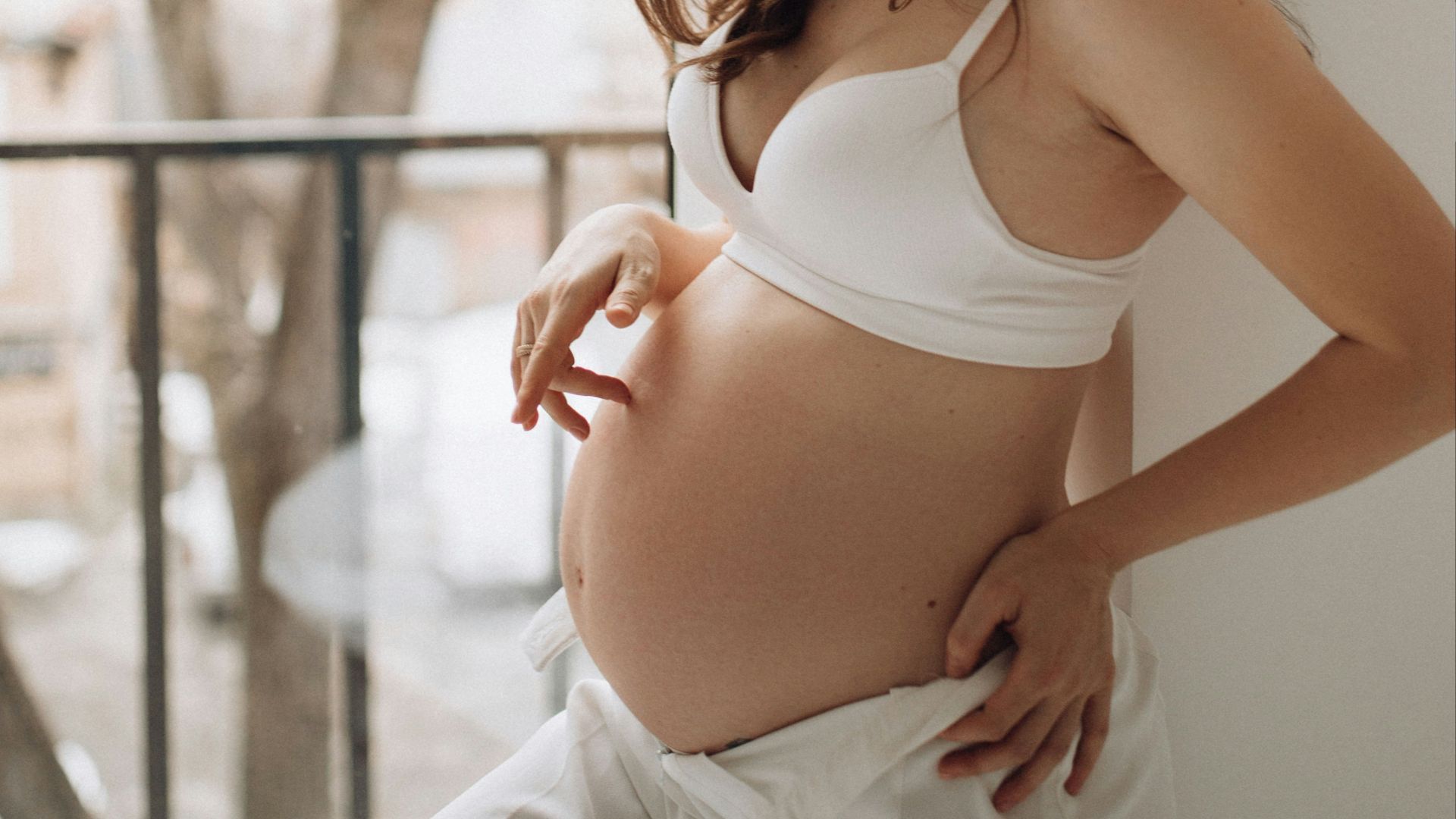
Next, the cervix stretches and shortens, clearing space for the baby to eventually move through. Some people feel light cramping or pressure through this process, while others notice absolutely nothing different.
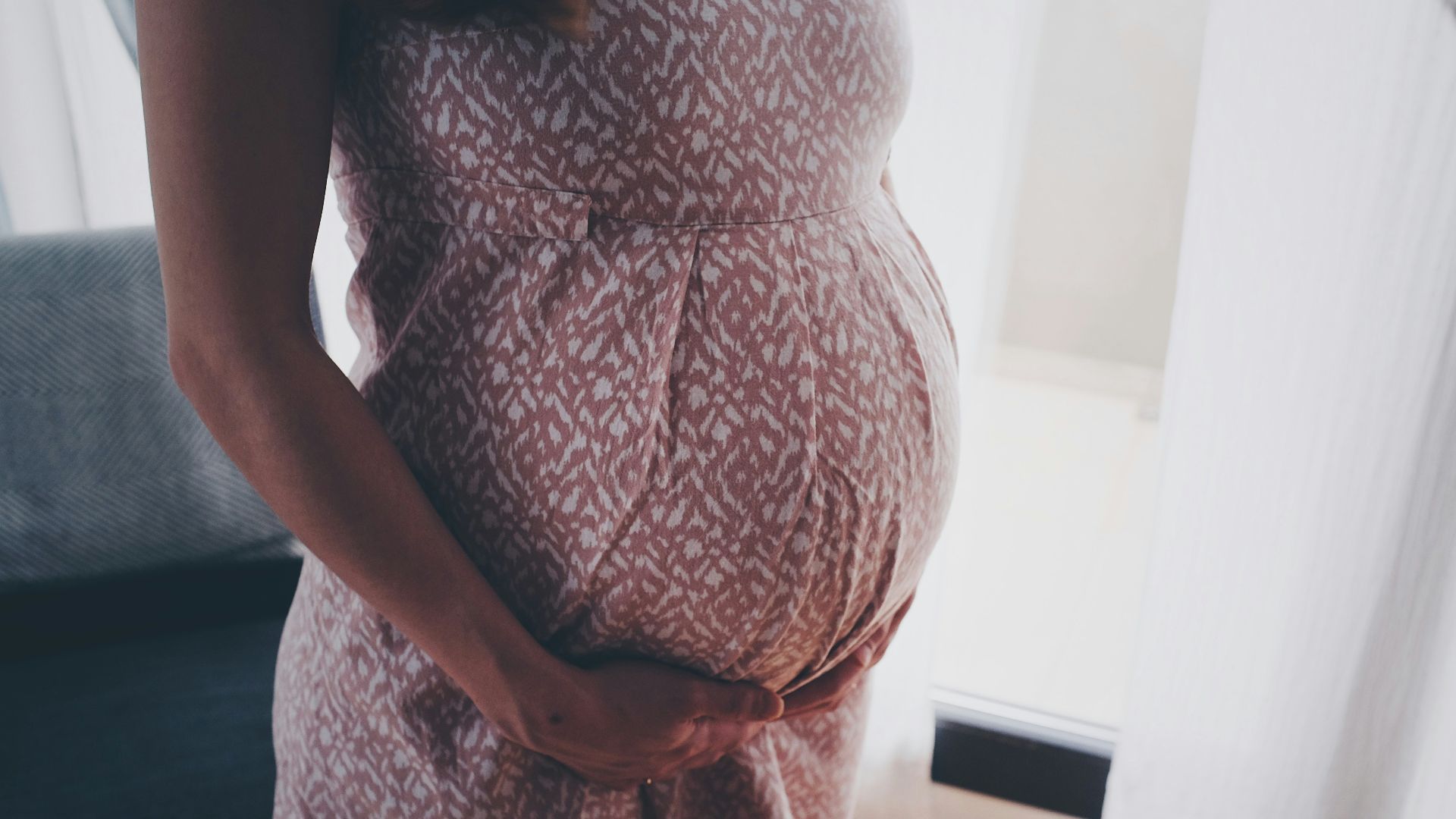
7. The Cervix Opens
Dilation can begin well before contractions ever get organized into a real pattern. Sitting at "a centimeter or two" for days, or even longer, is completely normal, frustrating as it is when you're this close to the finish line.
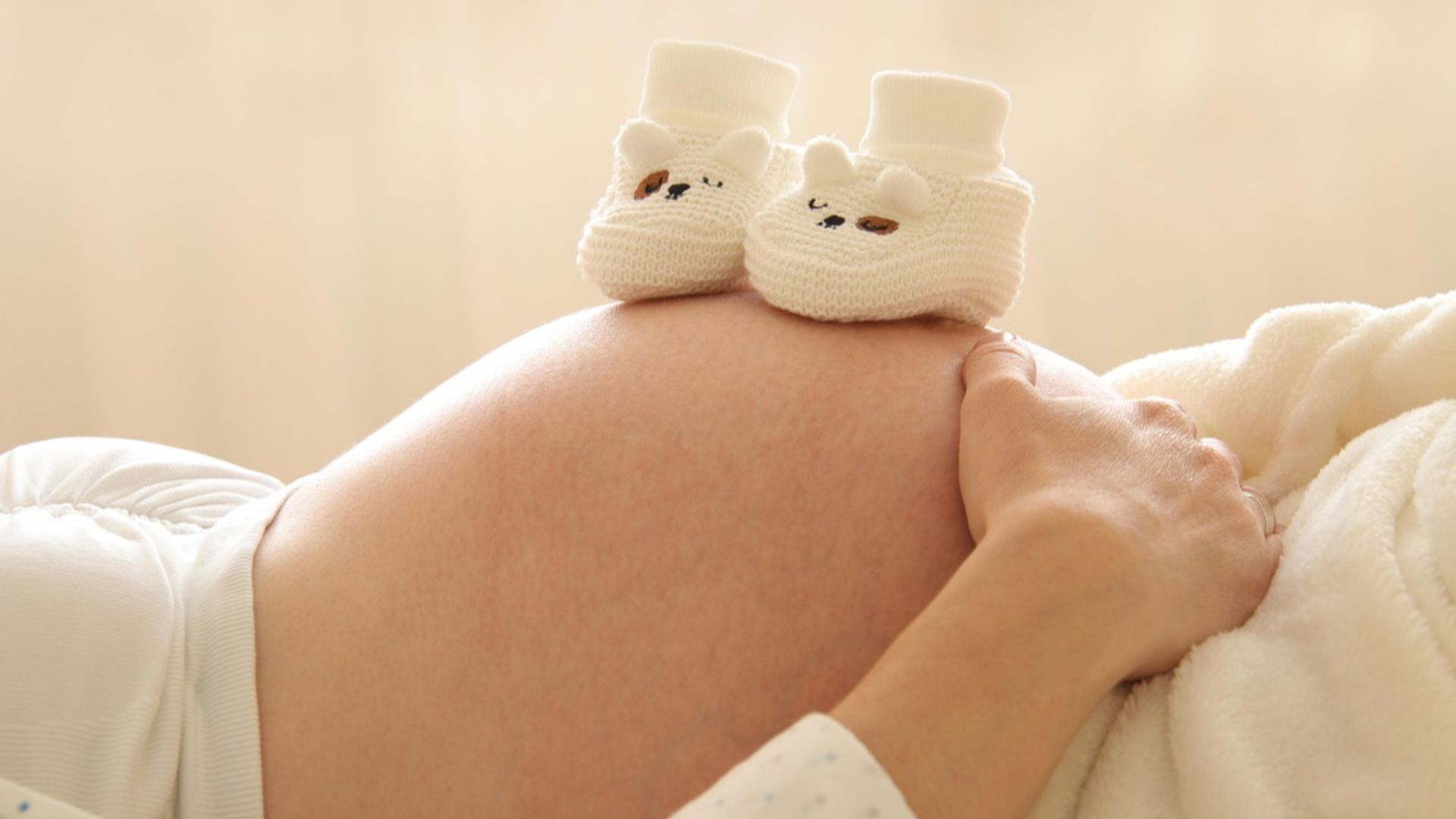
8. The Mucus Plug Makes Its Exit
This little seal has been guarding your cervix all pregnancy, and it may loosen and pass as things progress. It can look thick, clear, cloudy, pink, or lightly streaked with blood. Losing it is a sign labor is getting closer, though "closer" could still mean anywhere from hours to days away.
9. A Bloody Show Appears
A bloody show is lighter than a period — a small amount of pink-, red-, or brown-tinged mucus that shows up as the cervix keeps softening and opening. Heavier, period-like bleeding is a different story and always warrants a call to your provider.

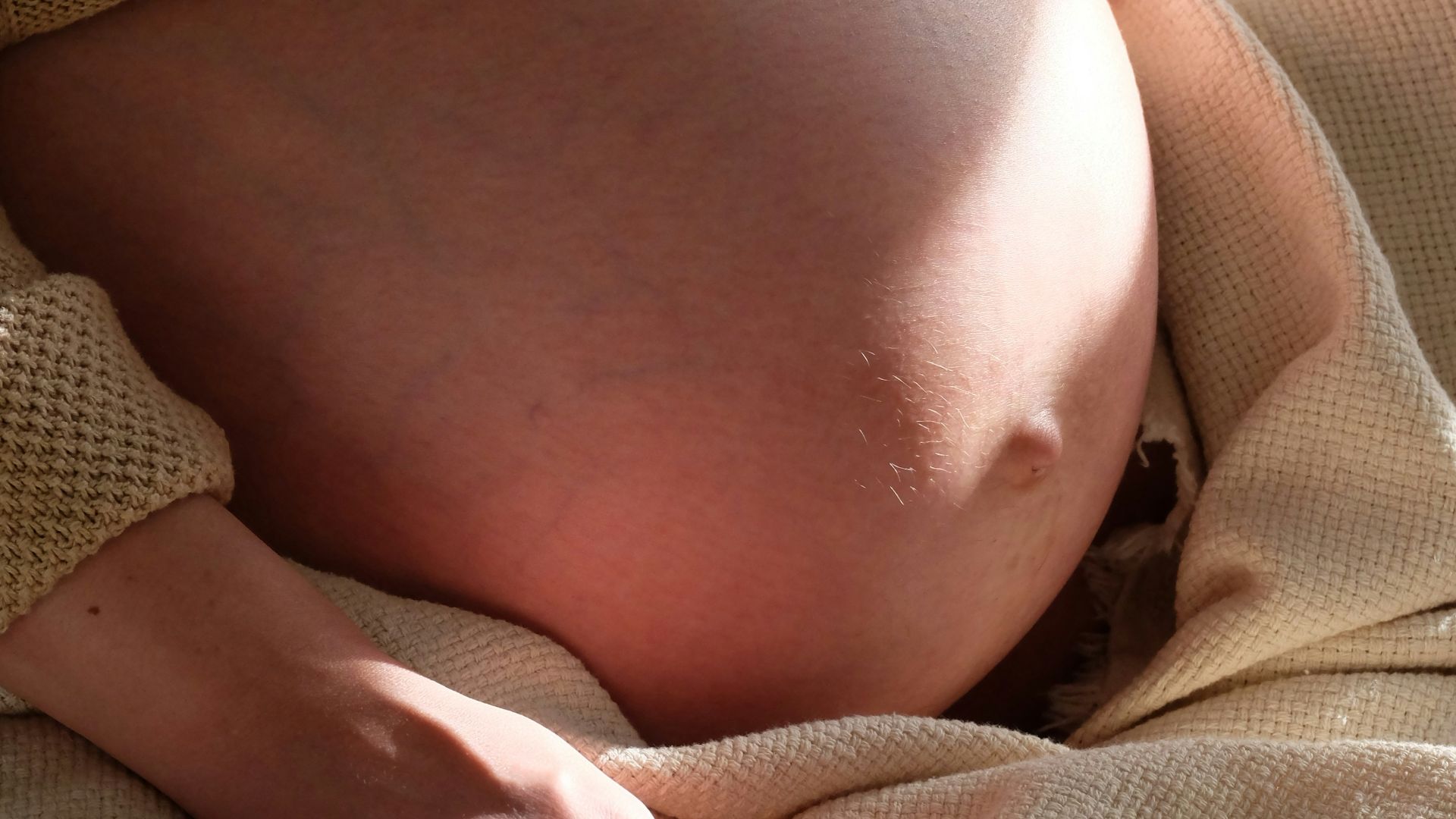
10. Discharge Shifts Gears
Late pregnancy can bring noticeably more discharge as the cervix gears up for labor. It may turn thicker, stretchier, or more mucus-like, and it may build up gradually instead of all at once. Watch for red flags, though: watery fluid, a strong odor, itching, fever, or pain deserve a call to your doctor.
 Anna Mysłowska-Kiczek on Unsplash
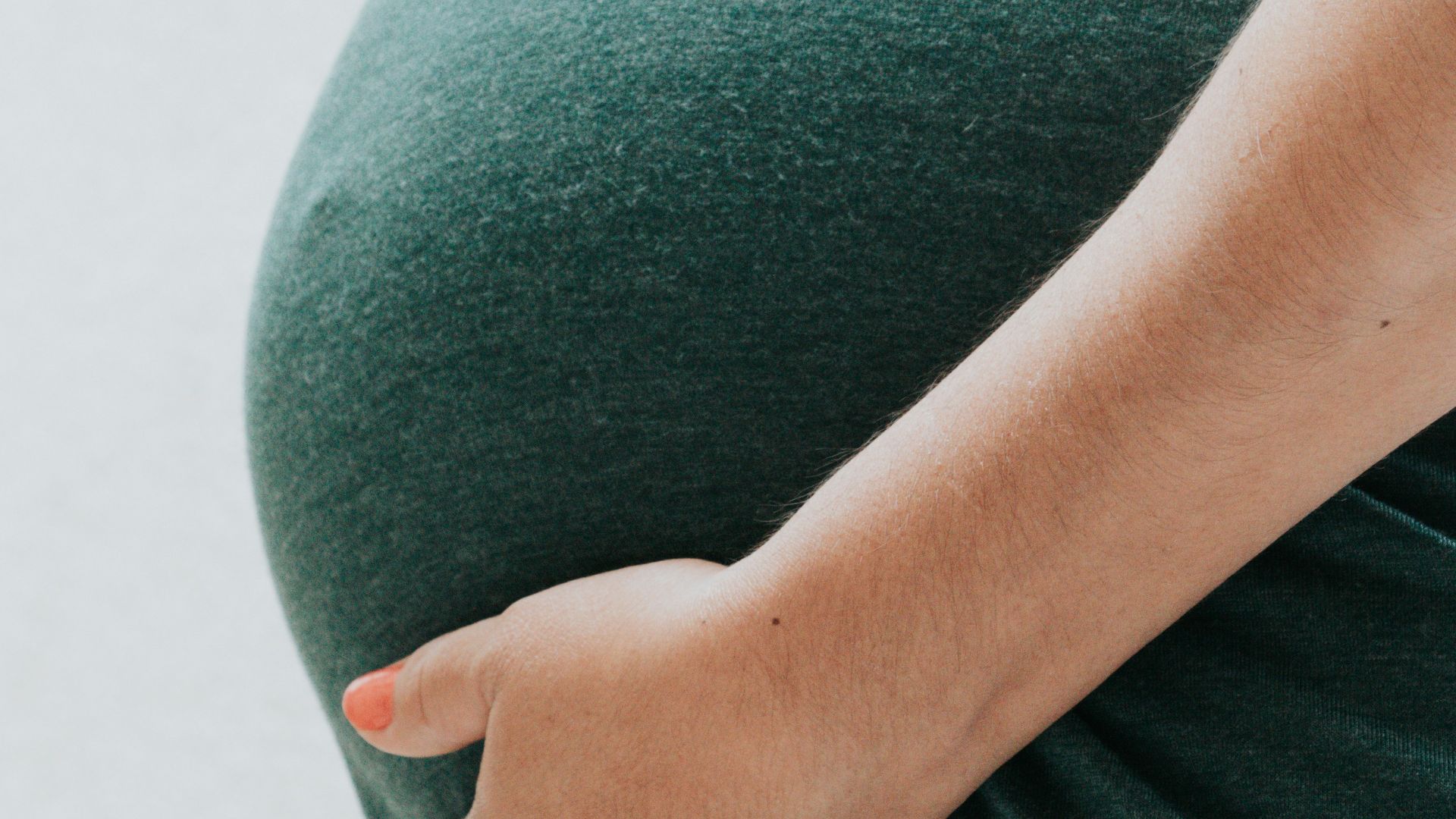
11. Pelvic Pressure Cranks Up
That heavy, full, "everything is falling out of me" feeling is a classic sign the baby has settled in low. Standing up from the couch, rolling over in bed, or even just walking to the kitchen might suddenly feel like an athletic feat.
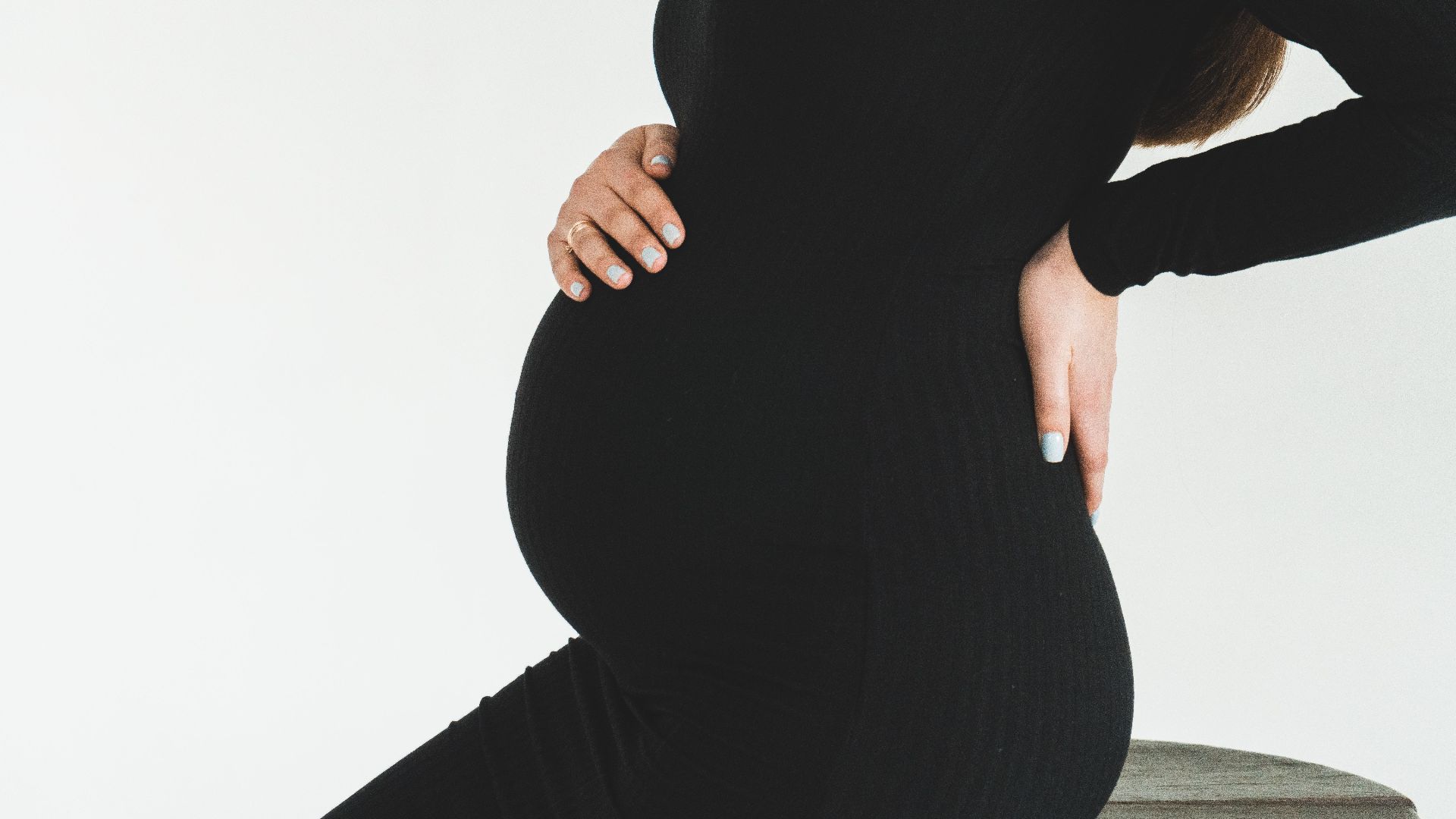
12. Your Lower Back Joins the Chat
A dull, nagging low-back ache is common as your posture shifts and the baby's position changes. If it starts coming in waves alongside belly tightening, or seems to intensify steadily, it's worth timing and mentioning to your care team.
13. Cramps That Feel Period-ish
Mild, familiar-feeling cramps paired with pelvic pressure or backache can be a sign your body is inching closer to labor. Once those cramps turn regular, stronger, or more painful, that's often early labor knocking, rather than just late-pregnancy discomfort.
 Anastasiia Chepinska on Unsplash
14. Contractions Start
This is the real tell. Practice contractions tend to stay uneven and unpredictable, while true labor contractions usually settle into a clearer pattern: growing stronger, longer, and closer together over time. When resting, drinking water, or changing position doesn't slow them down anymore, your body is likely moving into more active labor.

15. Your Gut Gets Weird
Loose stools, nausea, or a generally unsettled stomach are common right before labor for a lot of people. Late pregnancy already asks a lot of your digestive system, and this final stretch can make it feel even less predictable than usual.

16. Everything Feels Looser
Thank pregnancy hormones for the wobbly hips and jelly-legged feeling. Your joints and ligaments are literally softening and loosening to make room for birth, which also explains why late-pregnancy movement can feel slower, heavier, and more careful than it used to.

17. Hip and Pelvic Aches Intensify
As baby drops and your pelvis continues adjusting, aches in the hips and pelvic region tend to become more noticeable. You might feel soreness up front, around the lower back, or deep between the legs. Sudden, severe, or one-sided pain is the exception here — that always deserves a proper check, rather than being written off as normal.

18. Colostrum Makes an Early Appearance
Your breasts might begin producing colostrum, an early form of milk, before the baby is even born. It can look yellowish, clear, white, or sticky, and it may leak in small drops here and there. Some people leak well before labor, and some never do — both patterns are perfectly normal.

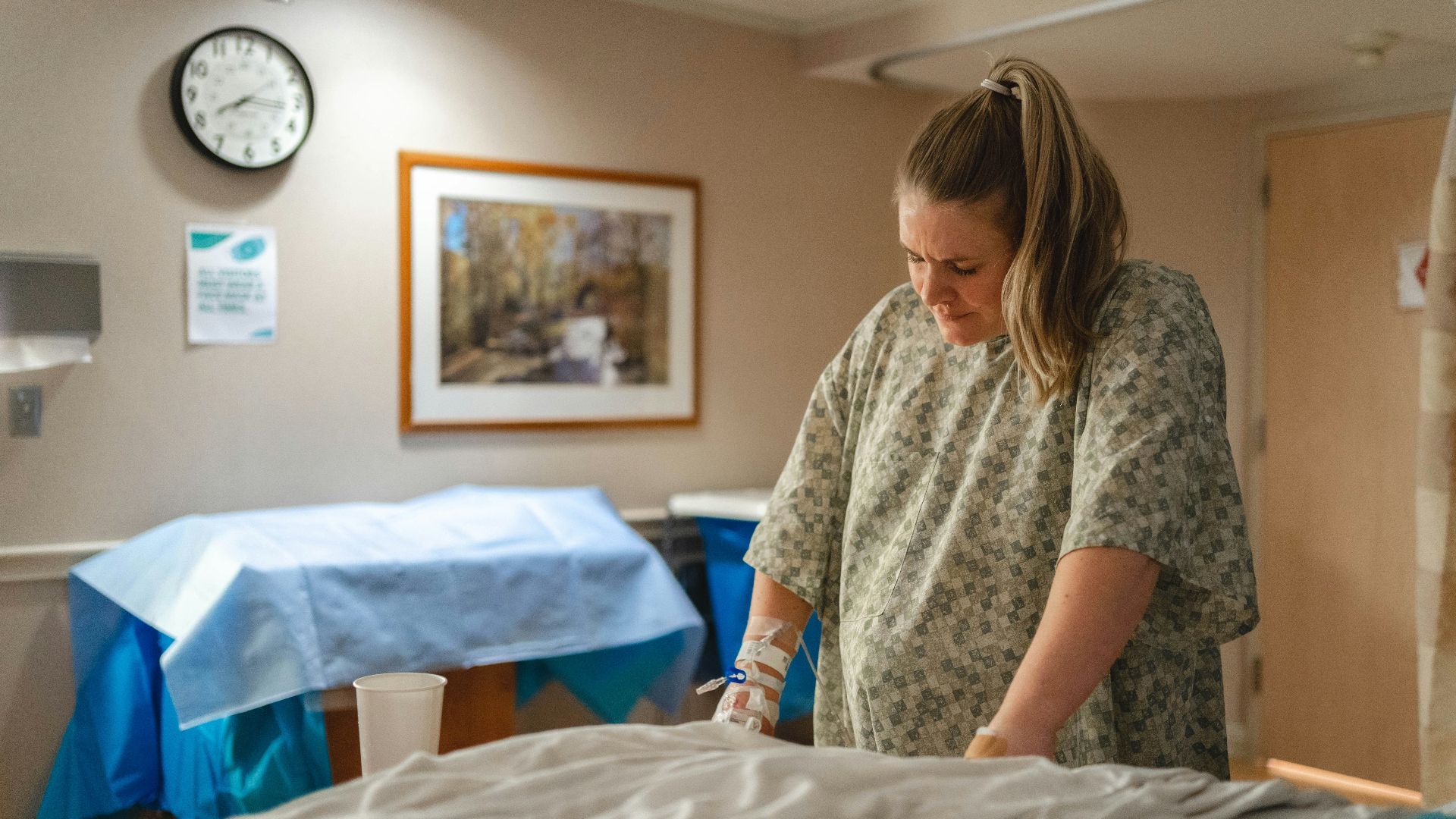
19. Your Water Breaks
When the amniotic sac breaks, fluid can come out as a sudden gush or a slow, steady trickle. It can be subtle enough that it's genuinely hard to tell apart from urine or discharge at first. But once your water breaks, it's time to contact your provider or labor and delivery unit for next steps.
20. The Nesting Bug Bites
An unstoppable urge to clean, organize, wash tiny baby clothes, or finally tackle that junk drawer? That's nesting, and it can hit surprisingly hard right before labor. Channel it if you must, but keep it gentle. Skip the ladders, heavy lifting, and marathon cleaning sessions. You'll want that energy reserved for labor itself.

KEEP ON READING


10 Pre-Workout & 10 Post-Workout Tips To Follow