
Small Changes On The Plate, Big Payoff For Your Body
Staying strong later in life rarely comes down to some grueling gym routine or a drawer full of supplements. Most of the time, it's about what ends up on the plate three times a day, and whether those meals are quietly doing the work of protecting muscle, bones, and energy. A lot of the best foods for aging bodies are things already sitting in the pantry, just underused or overlooked in favor of blander, less useful options. The right choices don't require cooking classes or fancy ingredients, just a little intention behind the grocery list. Here's 20 foods that pull real weight without asking for much in return.

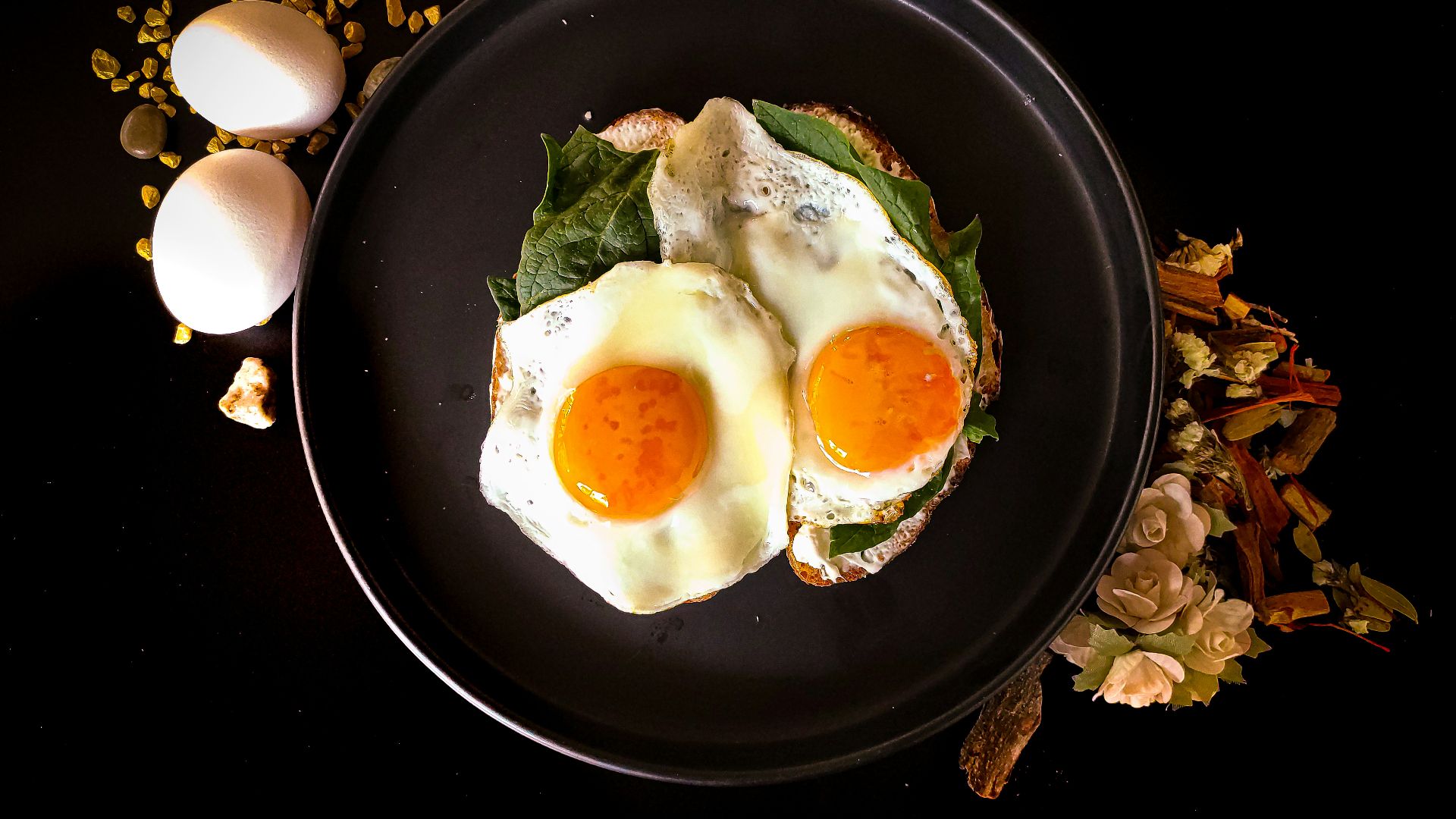
1. Eggs
Eggs pack complete protein into a small, affordable package, which matters a lot once muscle naturally starts to decline with age. They're also one of the few food sources of vitamin D, a nutrient that becomes harder to get enough of after sixty. Scrambled, boiled, or fried, they take minutes and ask nothing complicated of the cook.
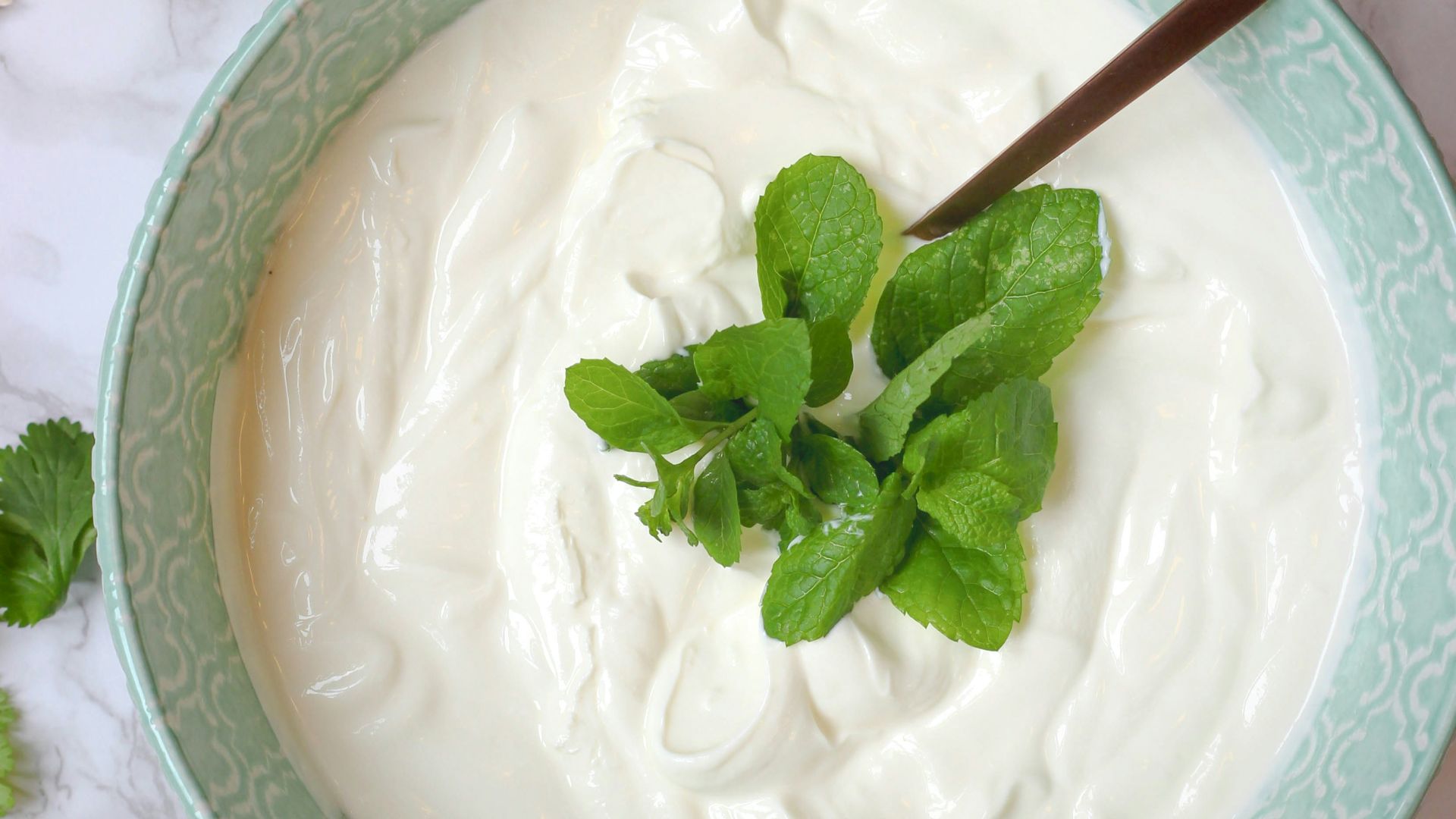
2. Greek Yogurt
Greek yogurt delivers a serious protein punch in a form that's gentle on digestion, which counts for a lot as digestion slows with age. The probiotics inside also support gut health, something that quietly affects everything from immunity to nutrient absorption. A bowl with some berries on top covers more nutritional ground than it looks like it should.
 micheile henderson on Unsplash
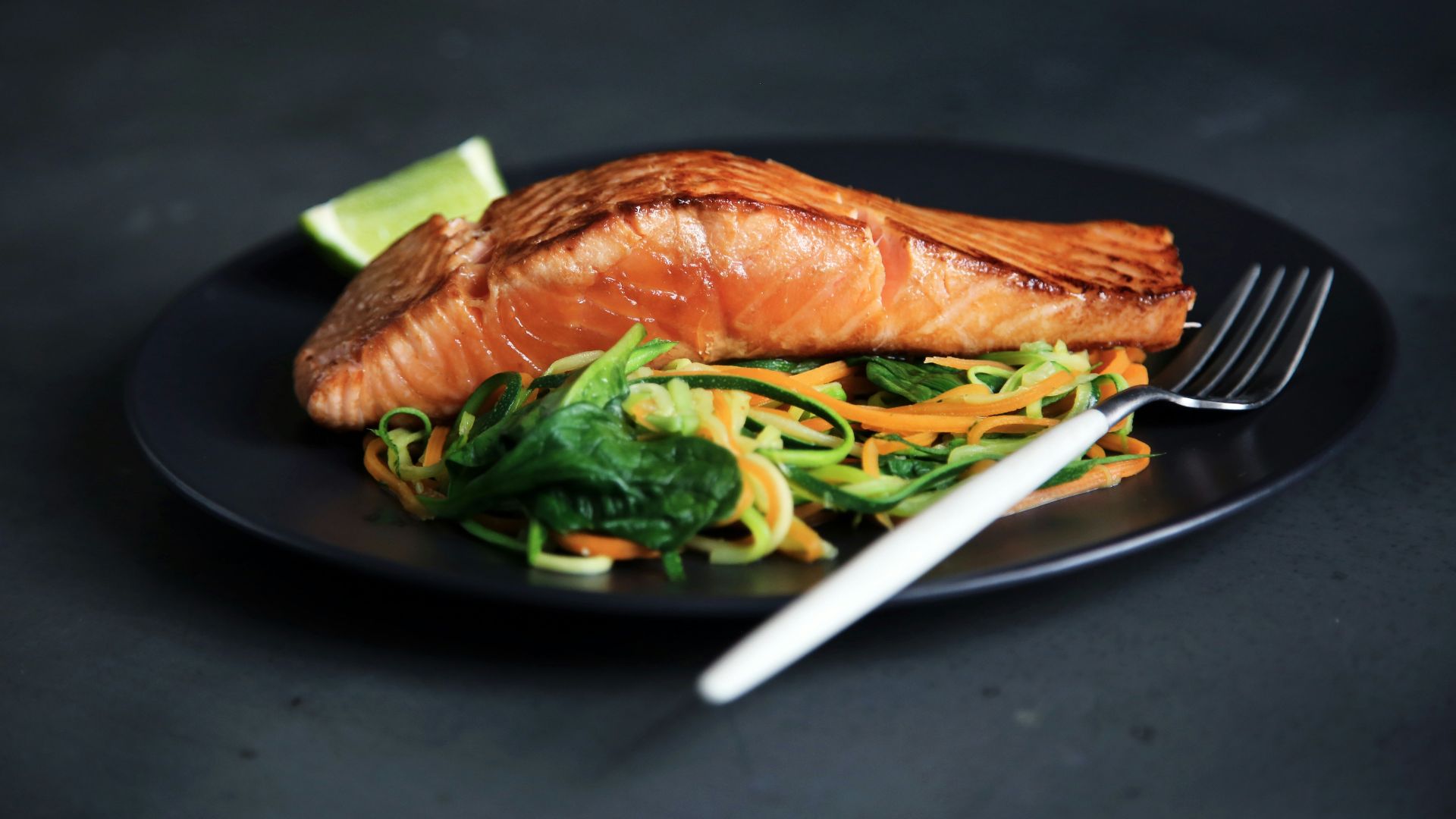
3. Salmon
Salmon brings omega-3 fatty acids that help keep joints from feeling like rusty hinges and support heart health at the same time. It's also a solid protein source that doesn't require much seasoning to taste good, which makes it an easy sell even for pickier eaters. Canned salmon works nearly as well as fresh for anyone who doesn't want to fuss with a fillet.
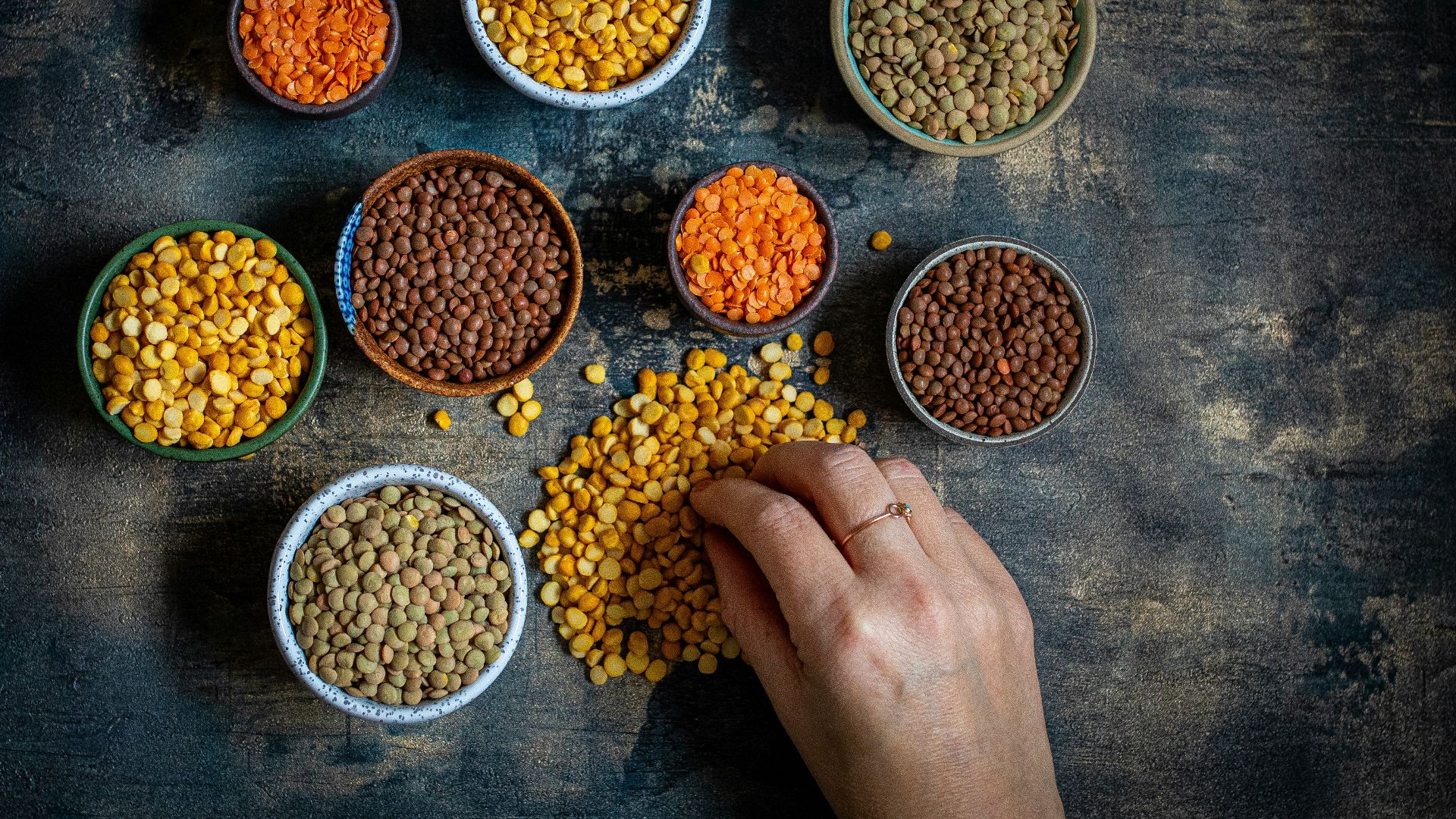
4. Lentils
Lentils cook fast, cost little, and deliver plant-based protein along with fiber that keeps blood sugar steadier through the day. They also carry a decent amount of iron, which matters more as appetites shrink and overall food intake drops. Tossed into a soup or stew, they barely require any extra effort beyond a pot and some patience.
5. Cottage Cheese
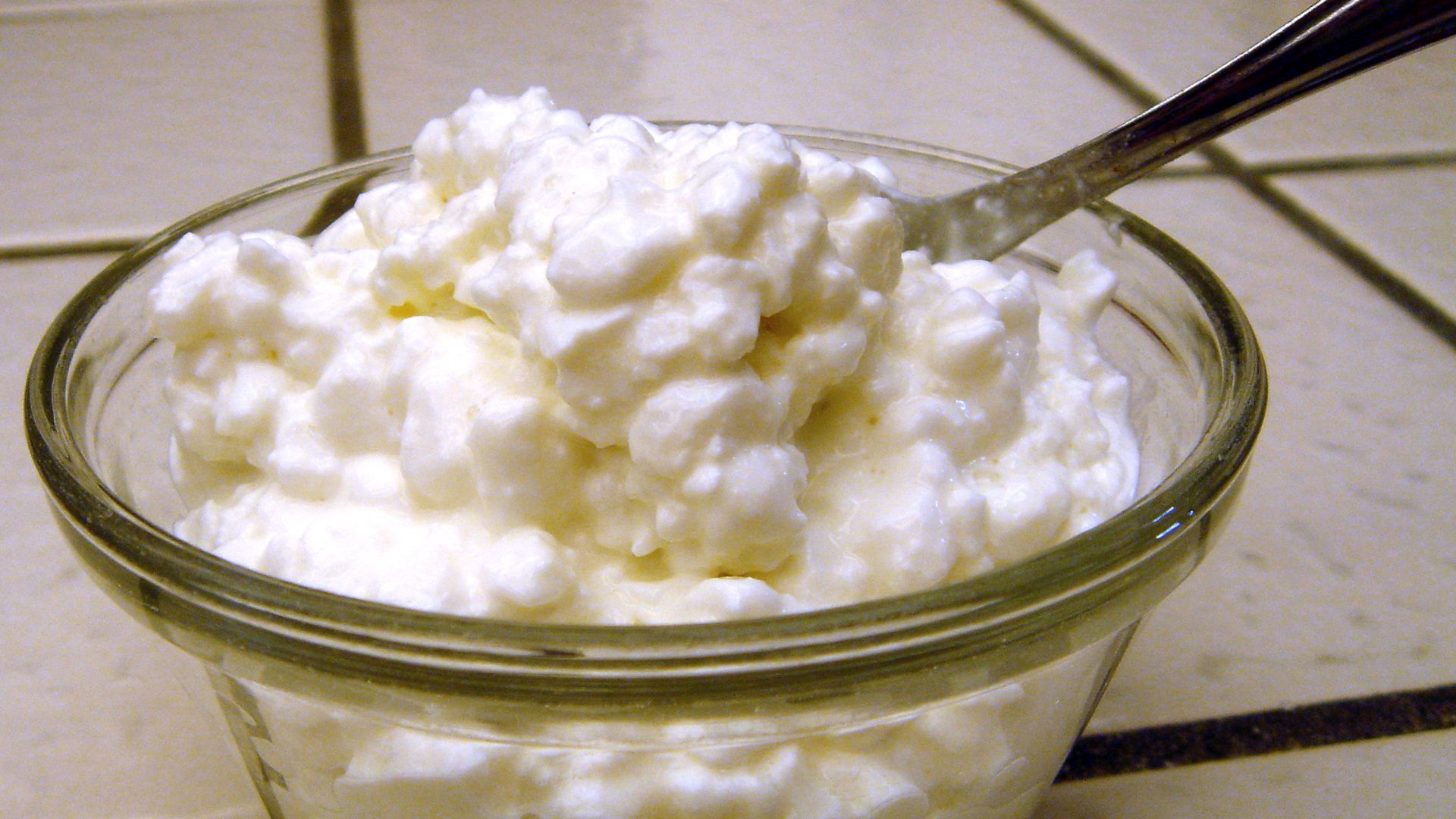
Cottage cheese is loaded with casein protein, a slow-digesting type that helps the body hold onto muscle overnight while sleeping. It also has a decent calcium count, which older bones can always use more of. Straight from the container with some fruit mixed in, it barely counts as cooking at all.
6. Spinach
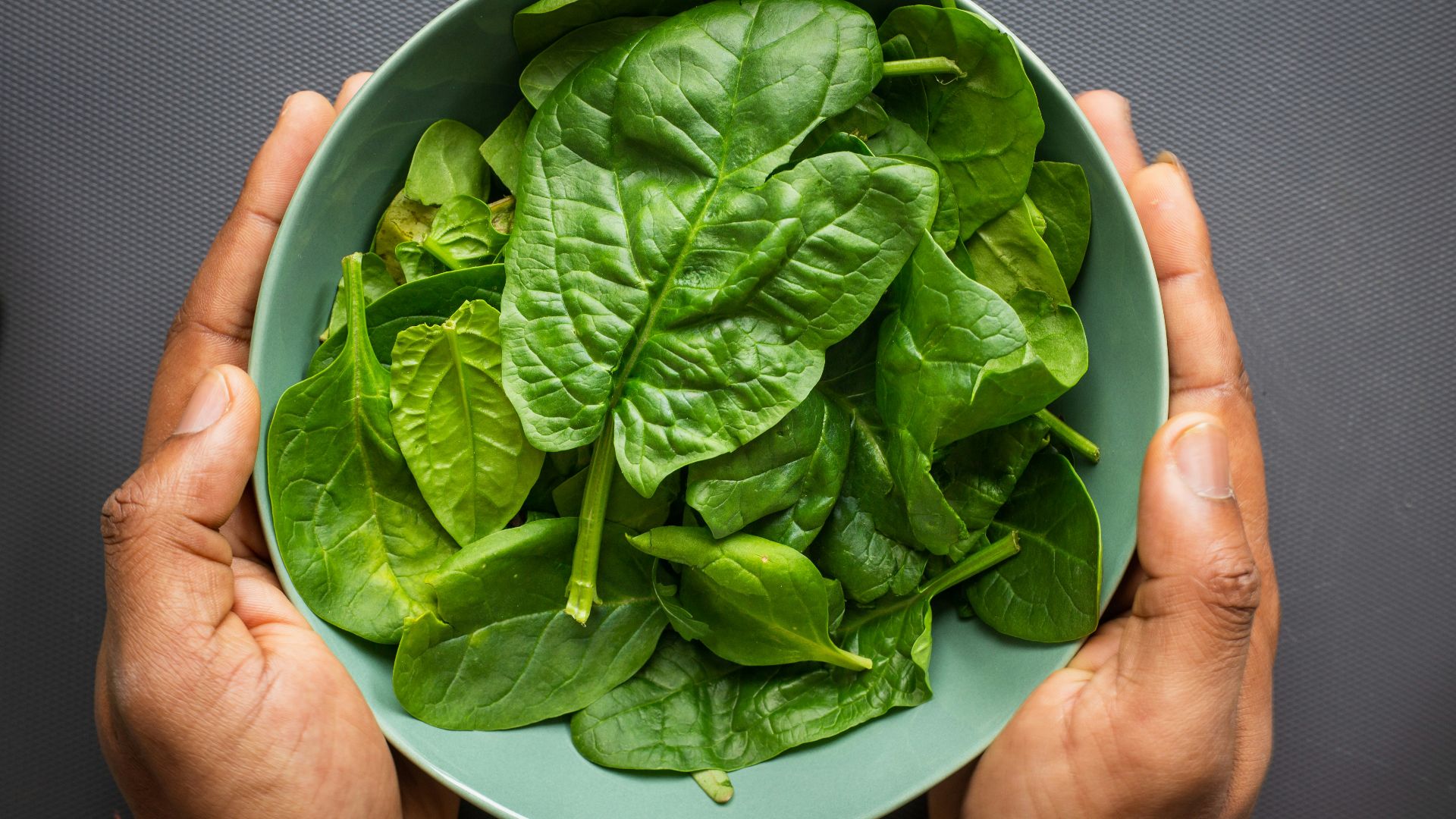
Spinach brings calcium, magnesium, and vitamin K to the table, three nutrients that work together to keep bones from thinning out too fast. It wilts down to almost nothing in a hot pan, which means a big handful cooks into a modest, manageable portion. Frozen spinach works just as well as fresh and skips the washing and chopping entirely.
7. Almonds
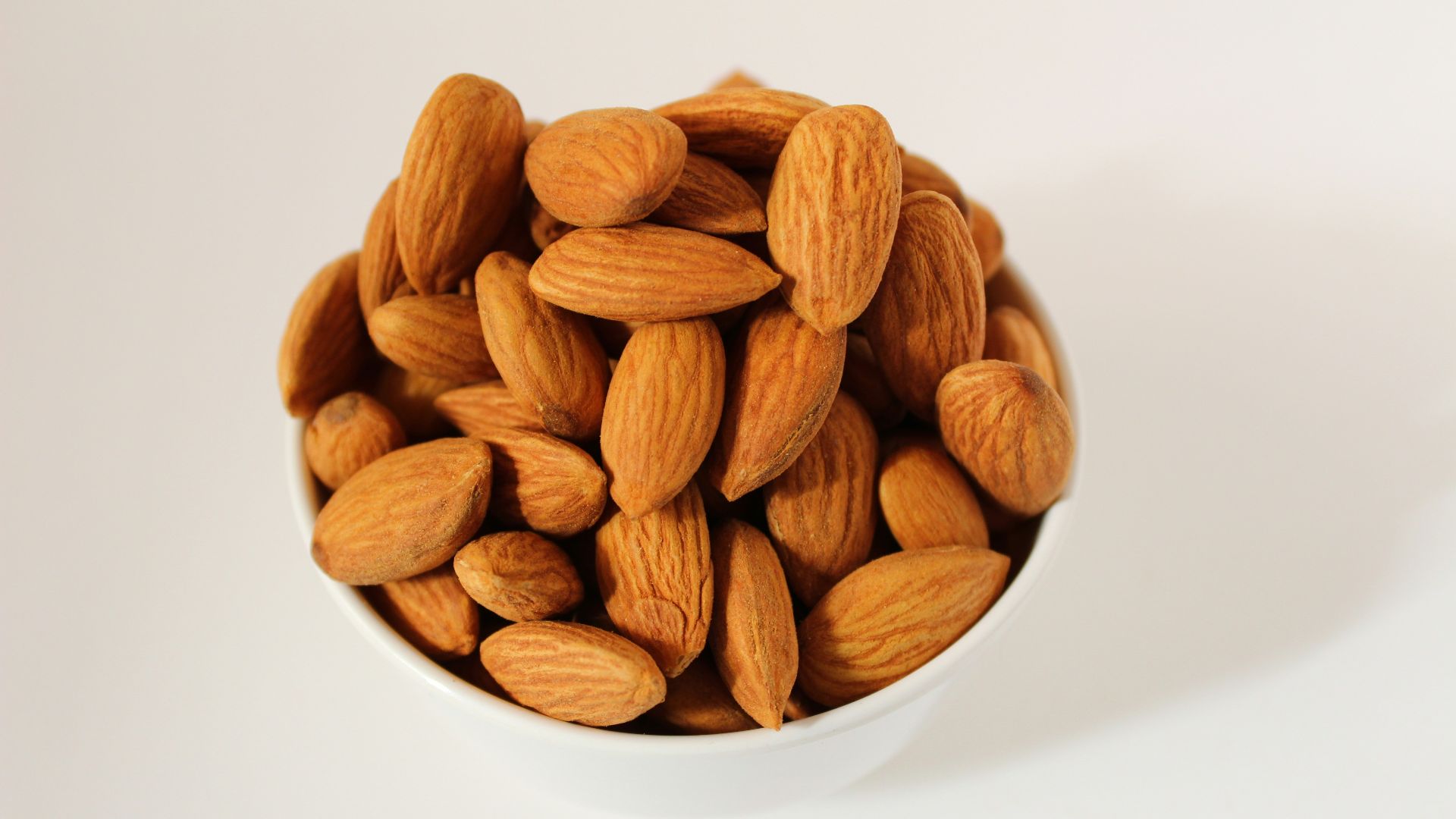
A small handful of almonds delivers protein, healthy fat, and a solid dose of magnesium, a mineral tied to muscle function and nerve health. They travel well too, sitting in a bag or a car console for whenever hunger strikes between meals. Nobody needs a recipe to eat a handful of nuts.
8. Sweet Potatoes
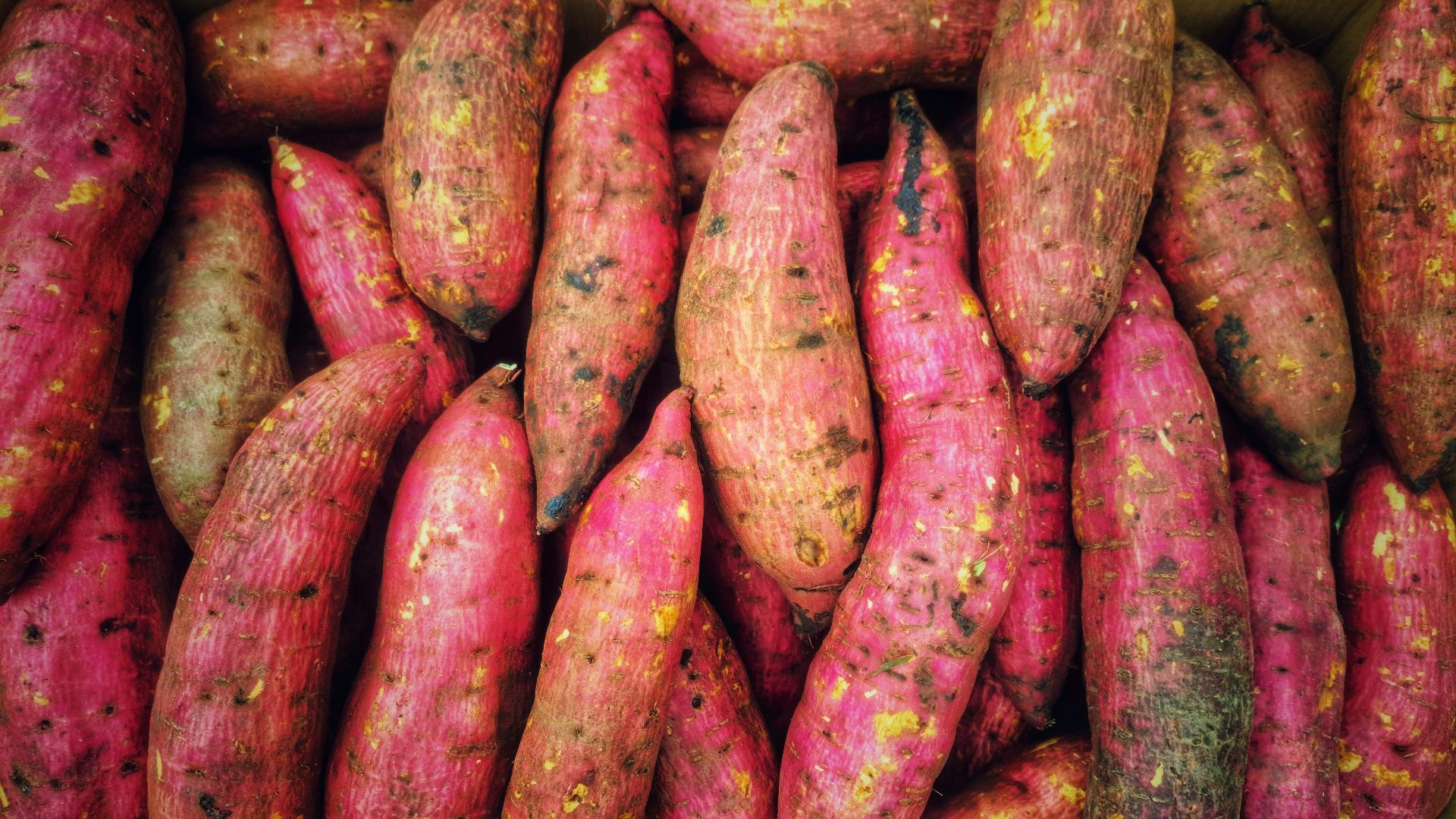
Sweet potatoes carry a hefty dose of vitamin A along with steady, slow-releasing carbohydrates that keep energy from crashing mid-afternoon. They're also easy to cook in bulk, baked or mashed, and they reheat well without losing much texture. A little butter and cinnamon turns them into something that barely feels like health food.
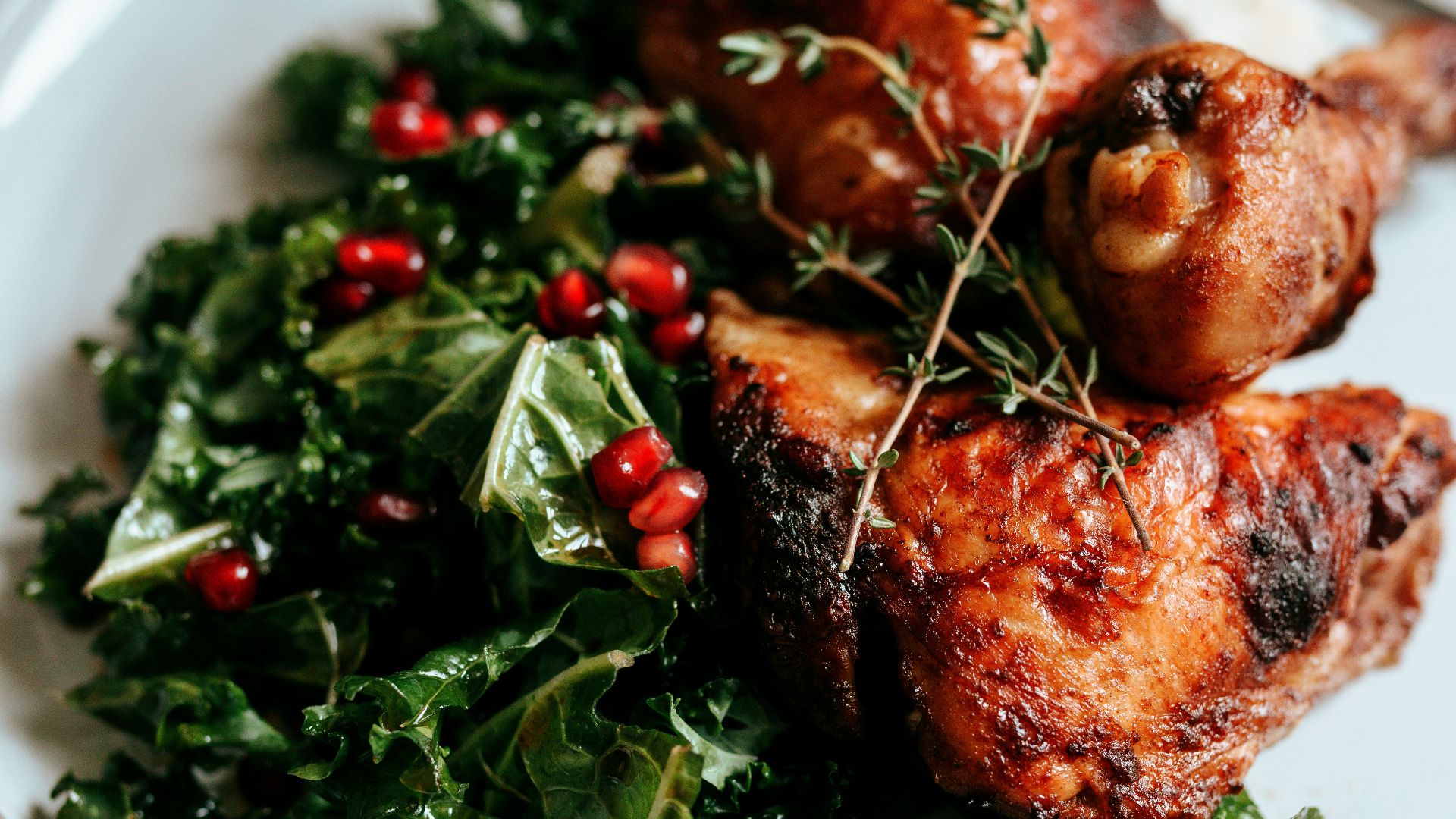
9. Chicken Thighs
Chicken thighs hold onto more moisture than breast meat, which matters for anyone whose appetite has started to shrink and who needs food that's actually appealing to eat. They're rich in protein and B vitamins, both important for maintaining muscle and energy levels. Slow-cooked or roasted, they practically fall apart on their own.
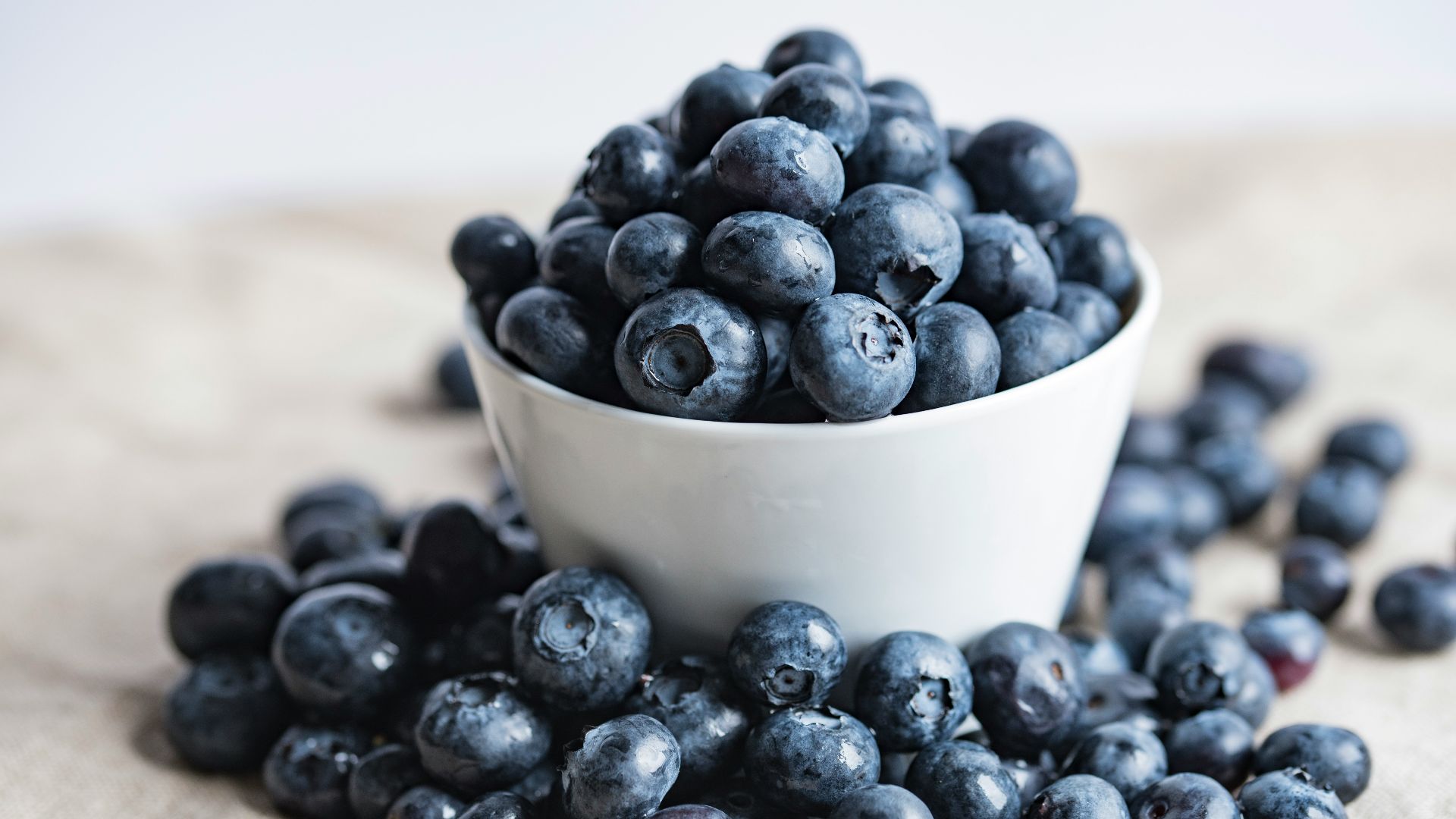
10. Blueberries
Blueberries bring antioxidants that have been linked to better memory and slower cognitive decline, which matters just as much as physical strength does. They're also easy to eat without any prep at all, straight from the container or tossed onto cereal. A small handful goes a long way nutritionally for something that requires zero cooking.
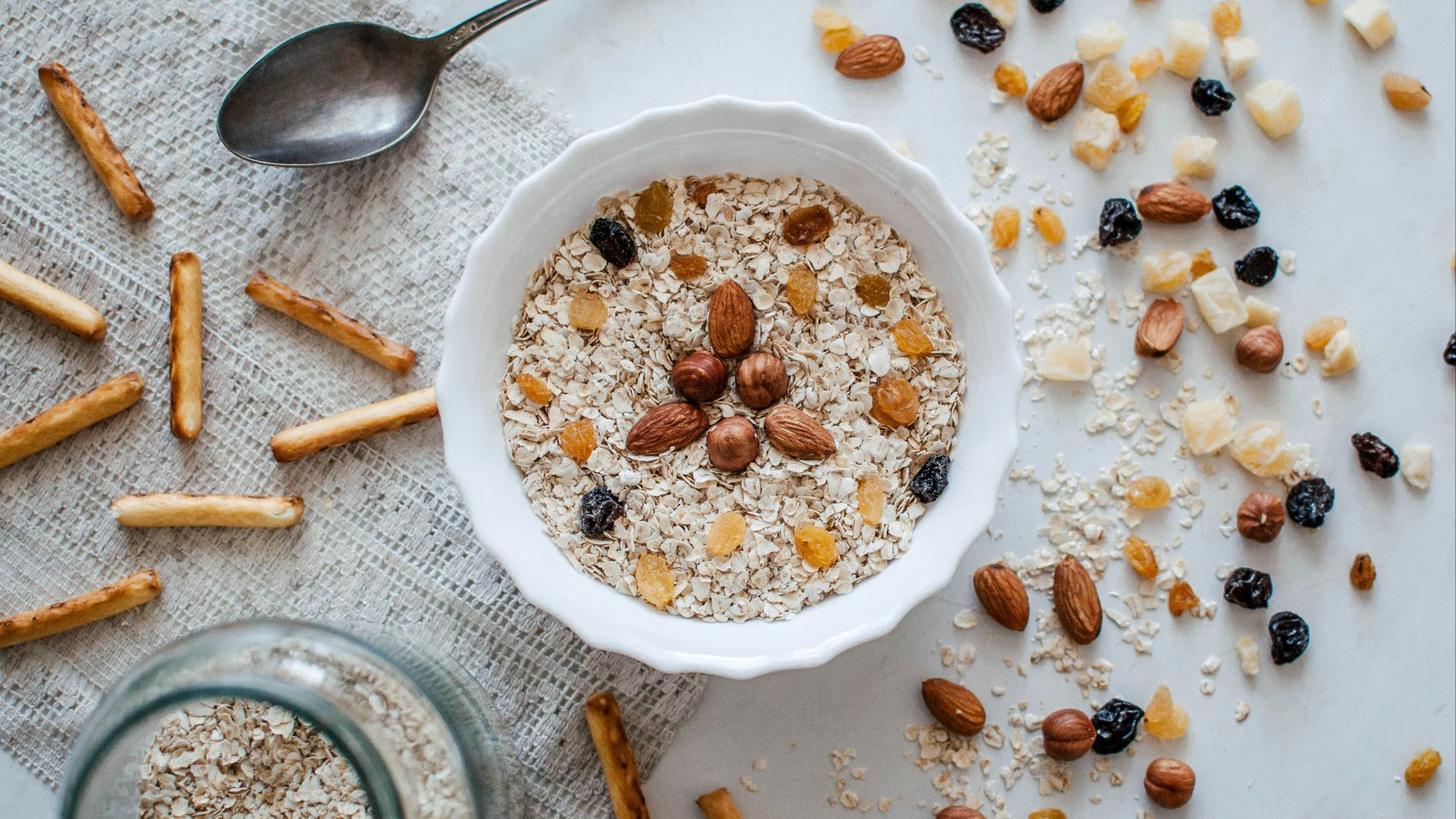
11. Oatmeal
Oatmeal delivers fiber that helps regulate cholesterol and keeps digestion moving smoothly, something that becomes more relevant with age. It's also endlessly adaptable, taking on nuts, fruit, or a spoonful of peanut butter without complaint. A bowl takes five minutes and keeps energy steady well past breakfast.
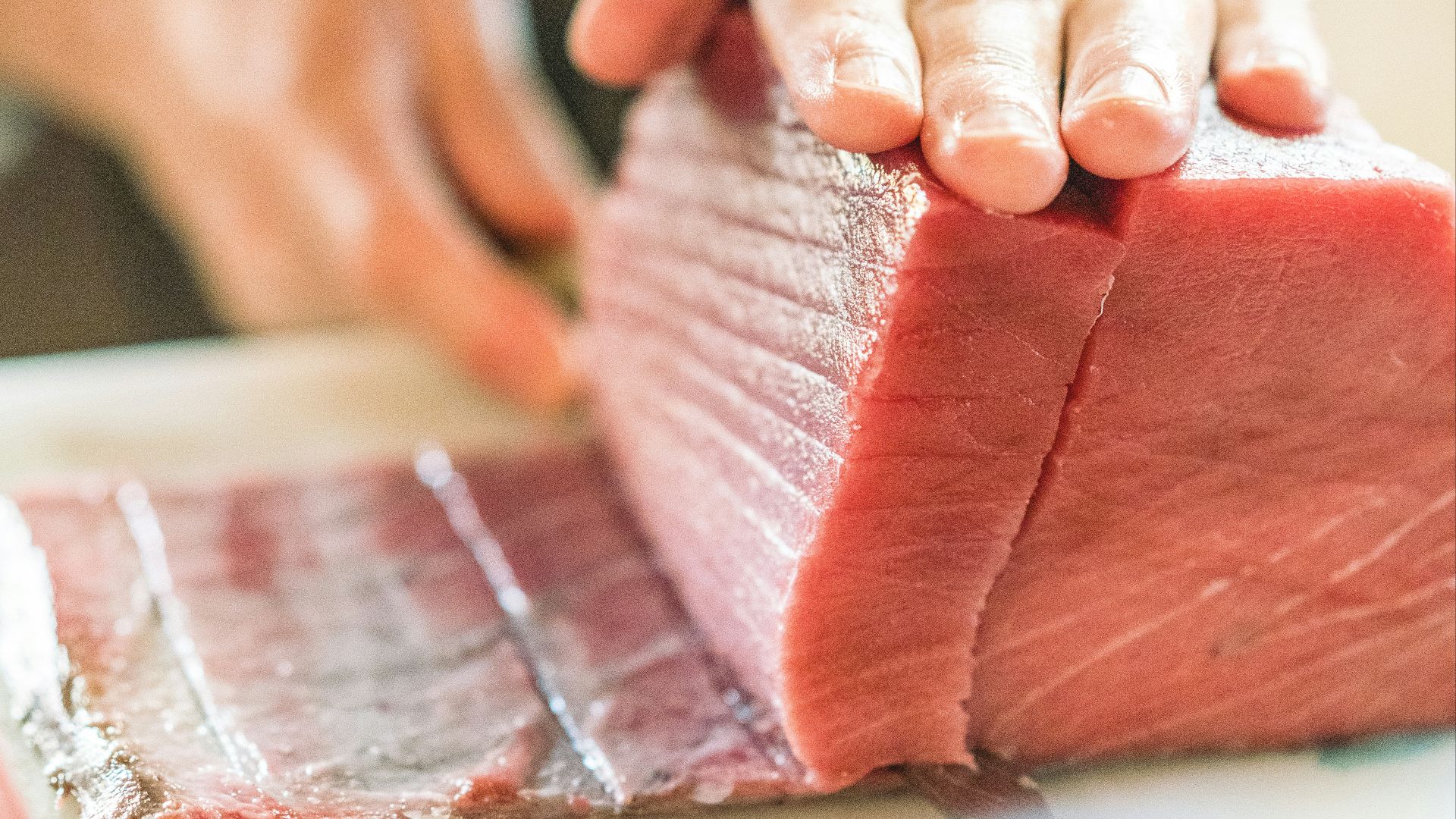
12. Tuna
Canned tuna offers lean protein and omega-3s without requiring a stove, a cutting board, or much cleanup afterward. It's shelf-stable too, which makes it a reliable backup on days when cooking feels like too much. Mixed with a little mayo and eaten on crackers, it turns into a meal in under two minutes.
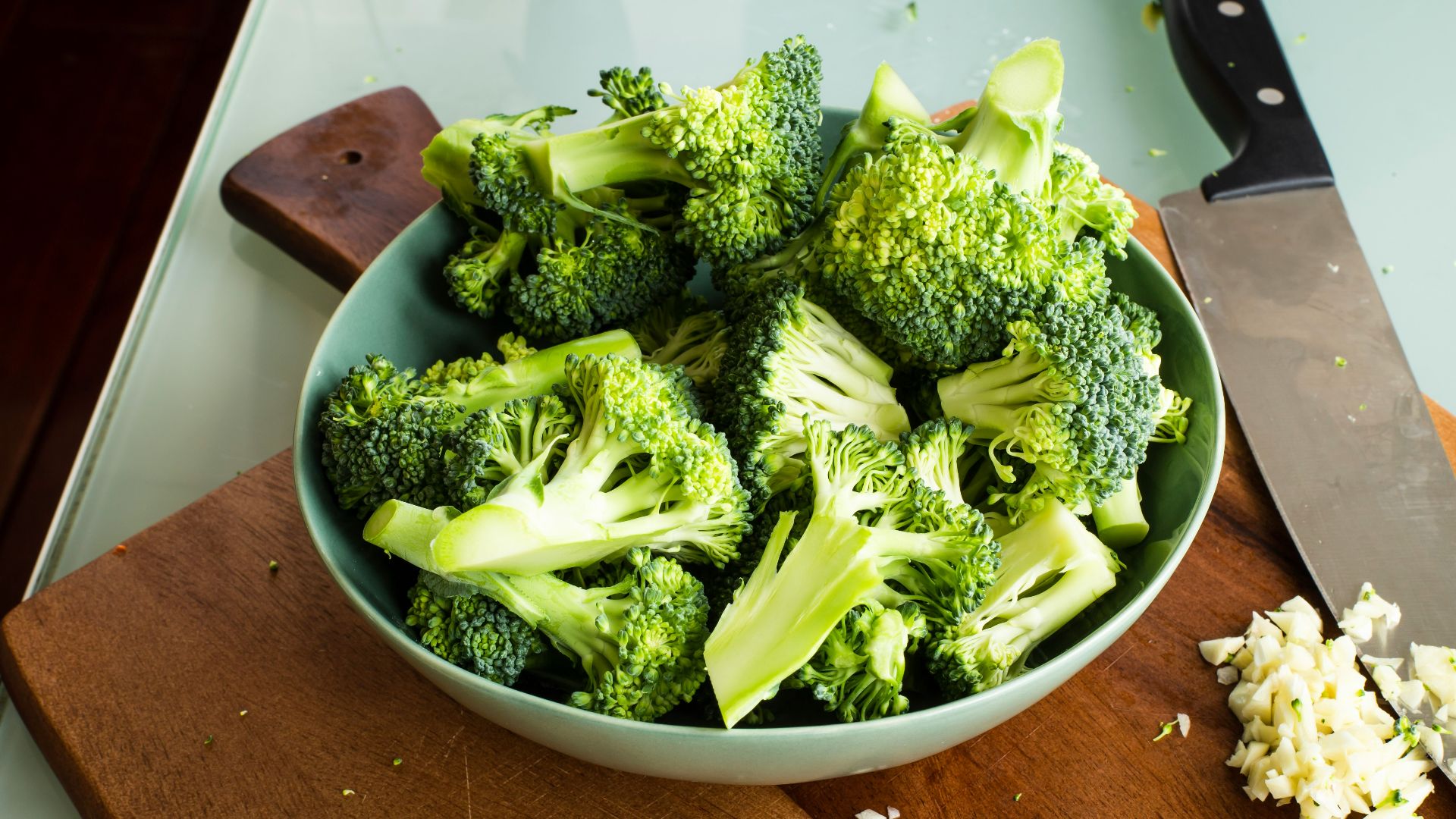
13. Broccoli
Broccoli brings vitamin K and calcium to support bone density, along with fiber that helps keep digestion regular. Steaming it takes barely any effort and preserves more nutrients than boiling does. Even a small side portion adds up nutritionally over the course of a week.
14. Bananas
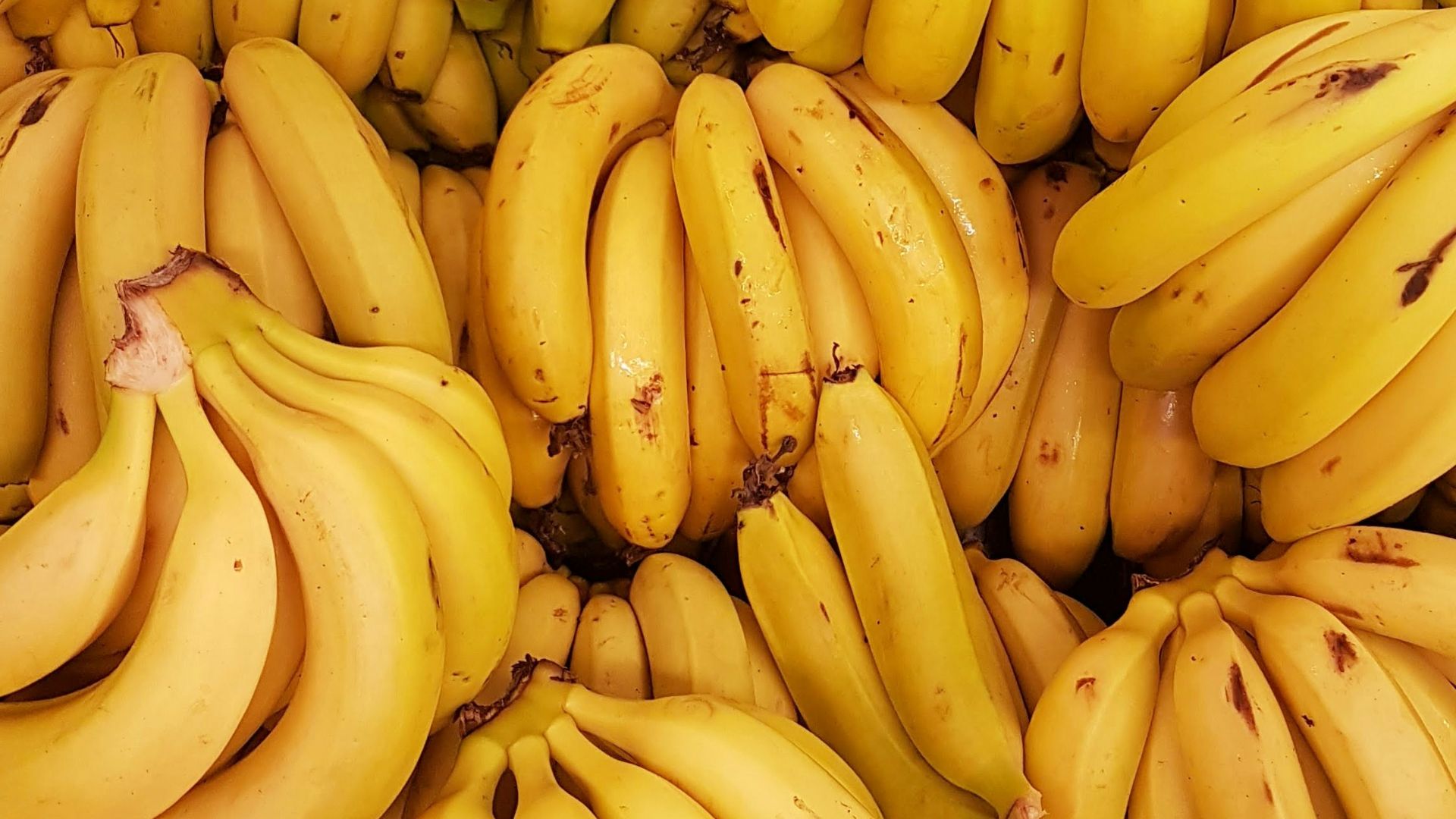
Bananas offer potassium, a mineral that helps regulate blood pressure and supports muscle function, all wrapped in a package that needs no prep whatsoever. They're gentle on the stomach too, which matters for anyone dealing with a sensitive digestive system. Sliced onto oatmeal or eaten on their own, they're about as low-effort as food gets.
15. Tofu
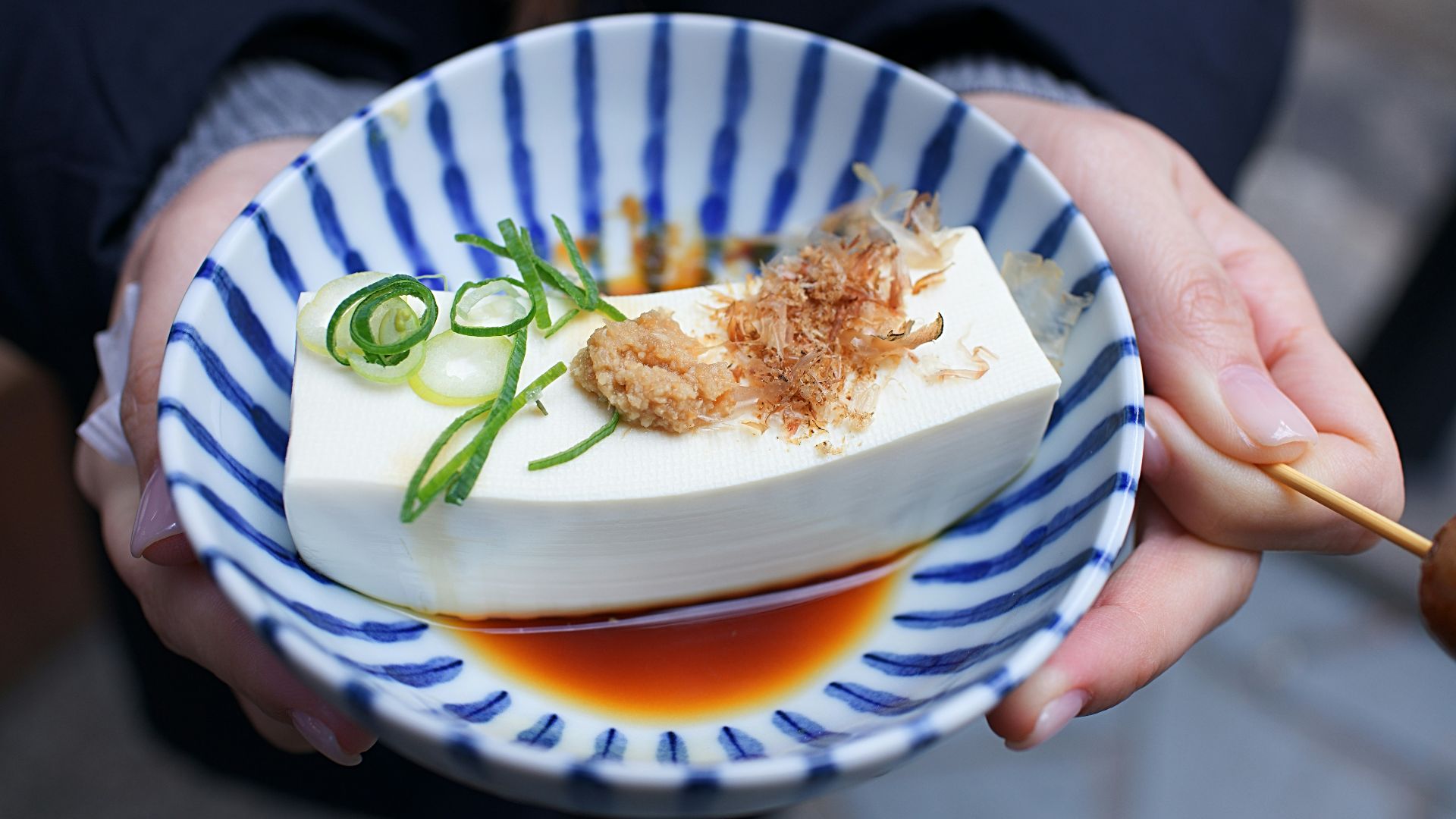
Tofu absorbs whatever flavor it's cooked in, which makes it flexible for anyone managing a smaller appetite or a more limited diet. It's a solid plant-based protein source and comes with calcium, especially in varieties set with calcium sulfate. Cubed and pan-fried, it takes on a satisfying texture without much technique required.
16. Bone Broth
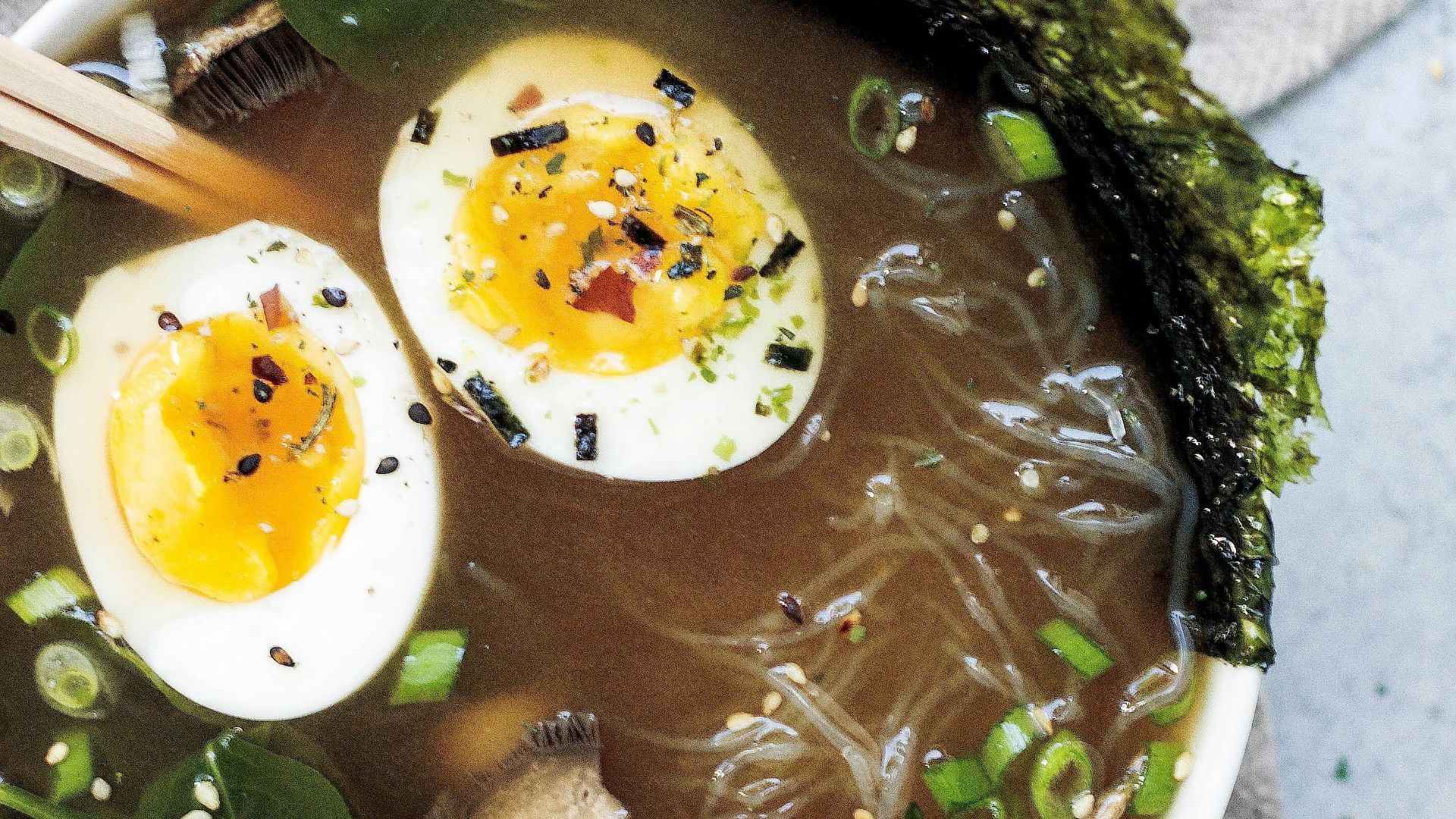
Bone broth carries collagen and minerals that may support joint health, and it goes down easy on days when solid food feels like too much work. Sipped from a mug, it requires nothing more than a microwave and a few minutes of patience. It's also gentle enough to serve as a meal on its own during a rough stretch of appetite.
17. Walnuts
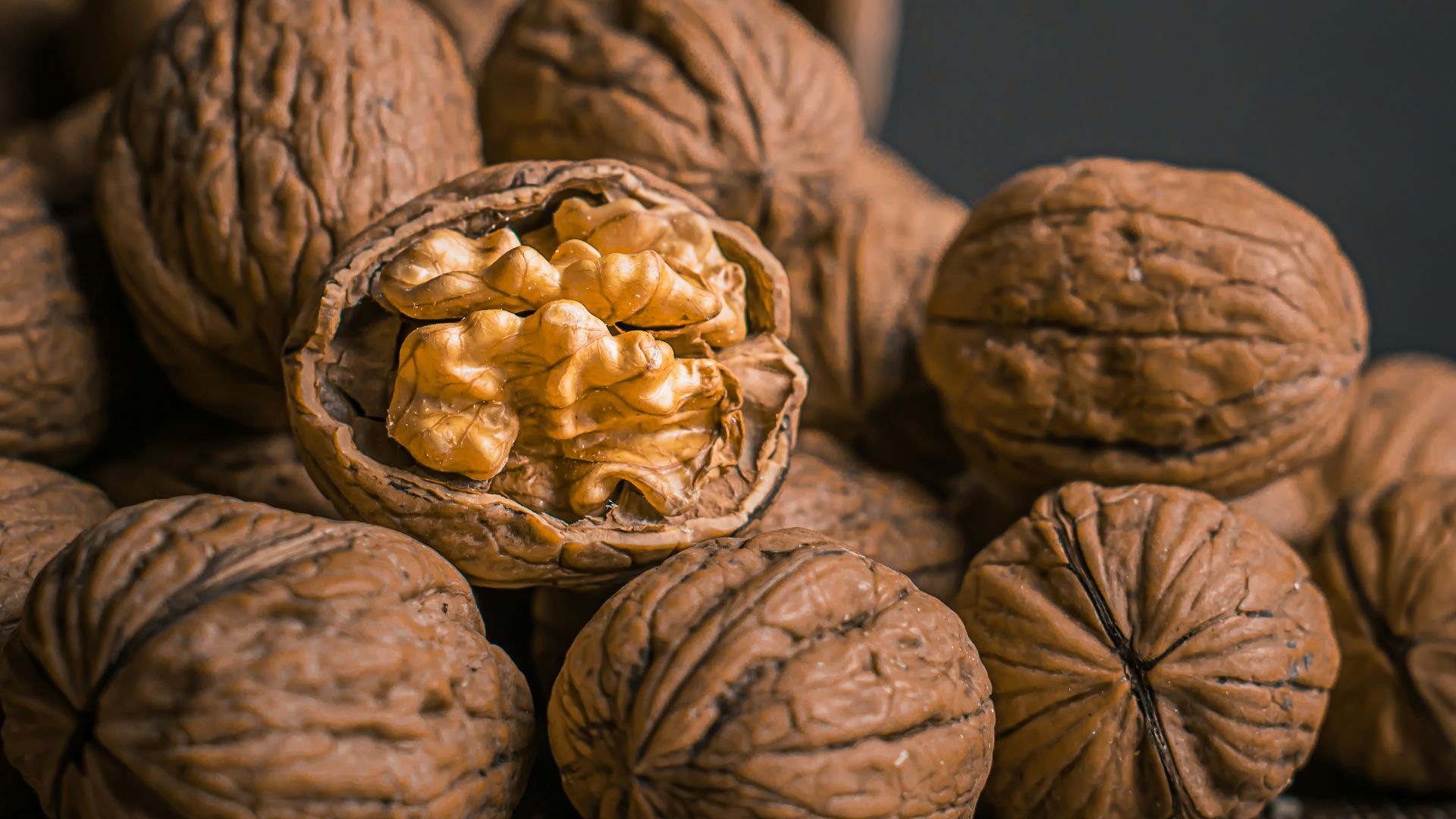
Walnuts bring omega-3s in a plant-based form, along with a modest protein boost that adds up over a week of snacking. They pair well with almost anything, from oatmeal to salads to a simple bowl on the counter. A small handful covers a surprising amount of nutritional ground for something eaten straight out of hand.
18. Black Beans
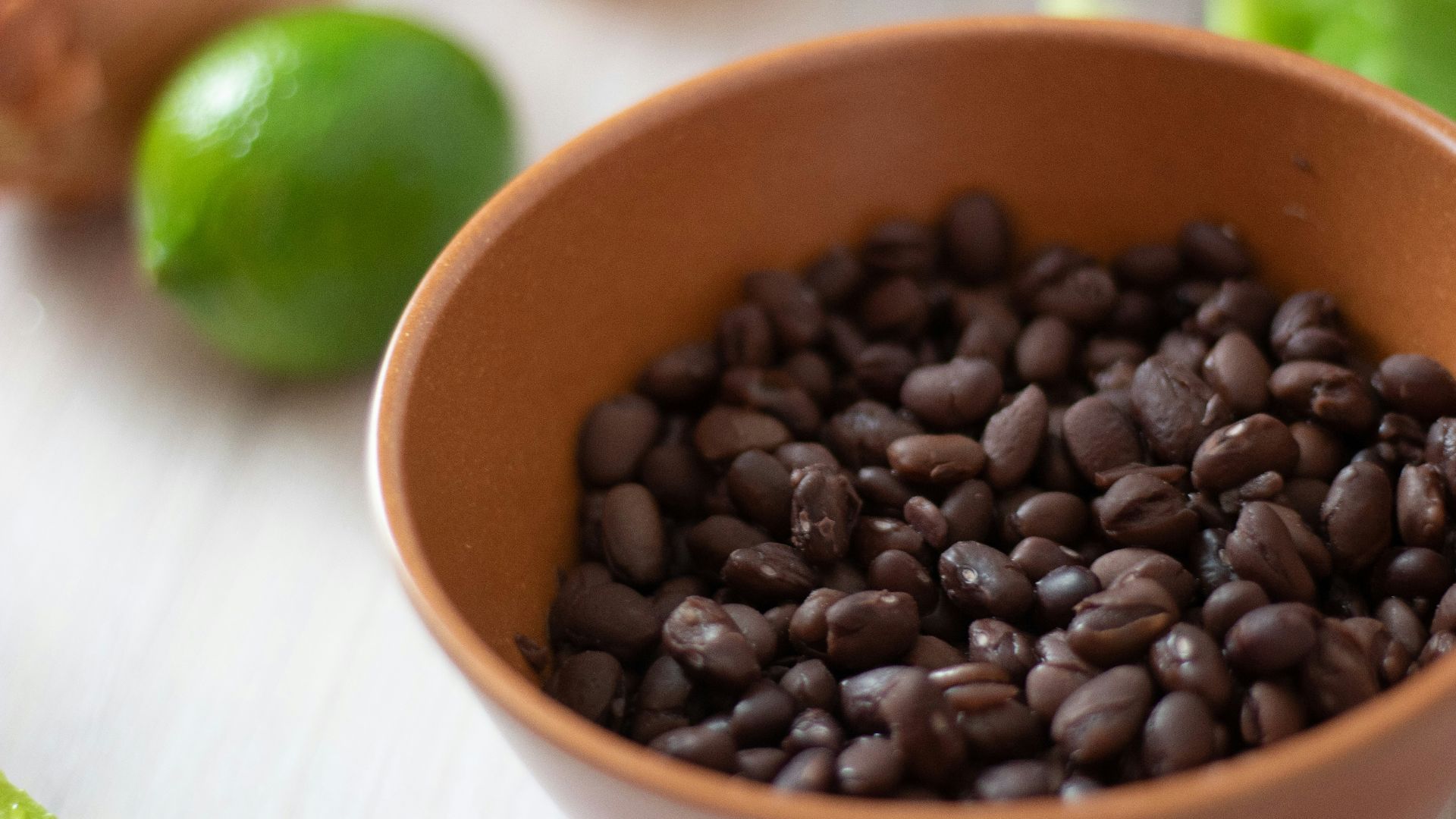
Black beans deliver fiber and plant protein together, a combination that helps manage blood sugar and keeps digestion running smoothly. Canned versions cut the cooking time down to almost nothing, needing just a rinse and a quick heat-through. Tossed into rice or a simple soup, they stretch a meal further without much extra work.
19. Cheese
Cheese offers a dense dose of calcium and protein in a form that requires zero preparation and travels well in a lunch bag or pocket. It's especially useful for anyone whose appetite has shrunk, since a small piece packs in more nutrition than its size suggests. A few cubes alongside some fruit makes a complete little snack without any real effort.

20. Avocados
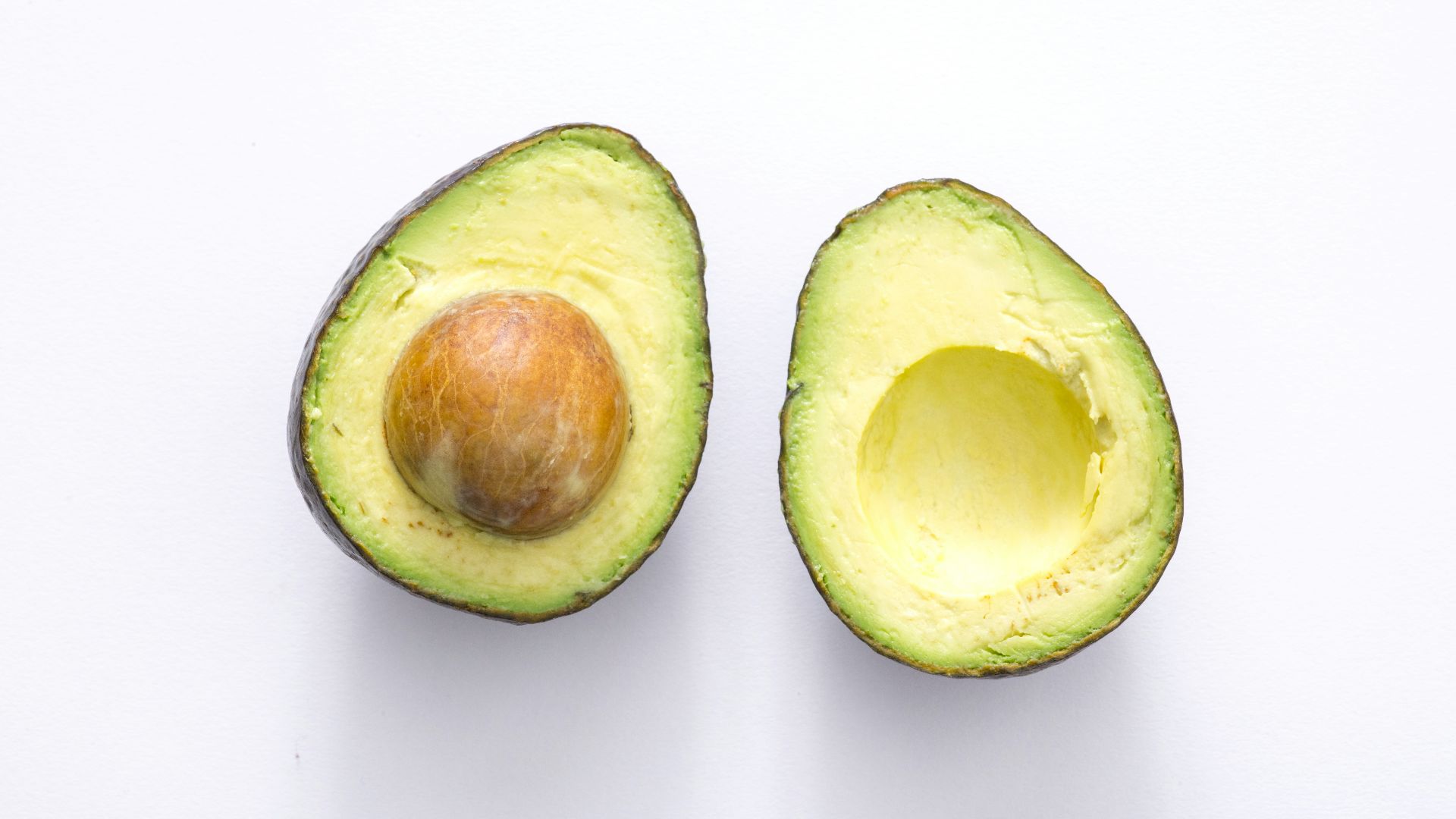
Avocados bring healthy fats that support heart health, along with fiber and a handful of vitamins that most diets could use more of. They need no cooking at all, just a knife and a spoon to scoop out what's needed. Mashed onto toast or eaten straight from the shell, they turn a plain meal into something more substantial in under a minute.